
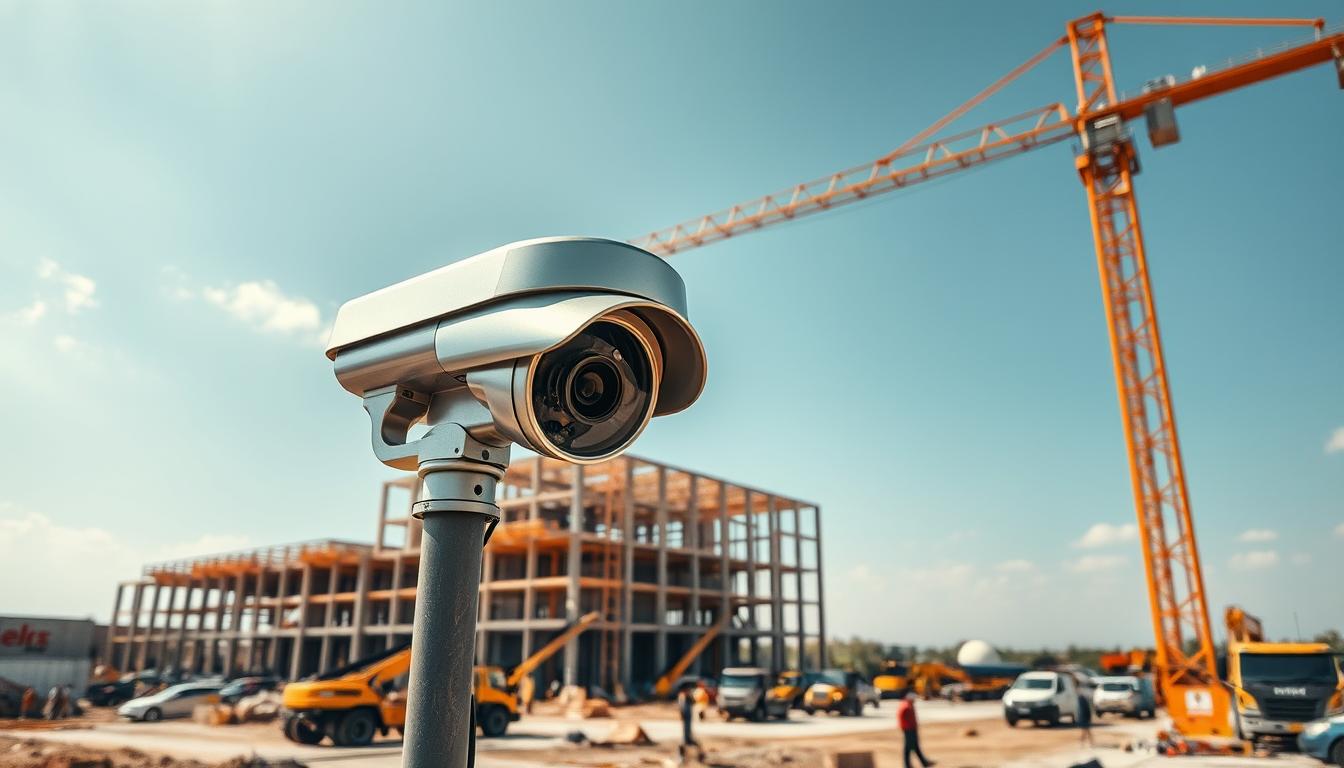
The Ultimate Buyer’s Guide to Worksite Security Cameras
Construction sites face unique challenges. Theft and vandalism threaten projects daily. In Singapore, nearly 90% of site-related crimes involve stolen equipment.
New regulations now require video surveillance for large projects. Starting June 2024, sites over $5 million must install monitoring systems. This makes choosing the right technology crucial.
This guide helps you select the best options for your needs. We cover everything from key features to installation. You will learn about weather-resistant designs for tropical conditions.
Modern solutions offer remote access and AI detection. Brands like Hikvision provide advanced night vision. These systems deter criminals and save money over time.
Protect your investment with reliable surveillance. Our comprehensive roadmap ensures you make informed decisions. Secure your assets and improve operational efficiency today.
Key Takeaways
- Construction sites experience high rates of theft and vandalism.
- New mandates require surveillance for projects over $5 million starting June 2024.
- Quality systems deter crime and provide significant cost savings.
- Remote monitoring and AI analytics offer real-time oversight capabilities.
- Weather-resistant cameras are essential for Singapore’s tropical climate.
- Top brands like Hikvision deliver advanced features for construction environments.
- Proper installation and maintenance ensure long-term reliability and protection.
Why Worksite Security is a Critical Investment in Singapore
Singapore’s construction industry faces a silent epidemic of property crimes. The open nature of building projects creates irresistible targets for criminal activity. Companies must address these vulnerabilities with comprehensive protection strategies.
The Alarming Statistics of Construction Site Crime
Building locations experience theft rates 400% higher than other commercial properties. Annual losses average $500,000 per site from stolen equipment and materials.
Nearly 90% of site-related crimes involve theft and vandalism combined. These incidents cause massive financial damage. They also create dangerous project delays and safety hazards.
Visible monitoring systems deter up to 40% of potential burglars. This simple presence significantly reduces criminal attempts. Protection becomes a proactive rather than reactive measure.
New Regulatory Mandates for Video Surveillance
Starting June 2024, new regulations transform compliance requirements. Projects exceeding $5 million must implement HD monitoring systems. These mandates specify 1080p resolution and 30-day footage retention.
Companies must balance effective monitoring with privacy considerations. The Personal Data Protection Act governs surveillance implementation. Proper adherence avoids legal complications while maintaining security.
Regulatory compliance now joins crime prevention as essential management priorities. Proactive investment brings peace of mind and legal protection. Modern construction management treats surveillance as non-negotiable.
How Remote Monitoring Transforms Worksite Management
Today’s construction leaders leverage cutting-edge remote access technology to maintain constant vigilance over their projects. This innovative approach eliminates geographical barriers while providing comprehensive oversight capabilities.
Real-Time Oversight from Any Location
Mobile applications and web portals grant instant access to live video feeds from any internet-connected device. Managers can monitor multiple locations simultaneously without physical presence requirements.
Advanced motion detection triggers immediate alerts for suspicious activity. This enables rapid response to potential threats before they escalate into significant incidents.
High-definition video quality ensures clear visibility during both daytime and nighttime operations. Night vision capabilities maintain monitoring effectiveness around the clock.
Enhancing Operational Efficiency and Accountability
Studies demonstrate up to 60% improvement in operational efficiency when implementing remote monitoring solutions. This technology streamlines resource management and project tracking processes.
AI analytics integration reduces false alarms while improving incident detection accuracy. Smart monitoring technology filters out irrelevant movements like wildlife or weather events.
Centralized oversight benefits multi-site operations by consolidating management functions. This approach significantly reduces labor costs associated with physical security personnel.
Reliable connectivity and power solutions ensure uninterrupted surveillance operations. These systems provide comprehensive protection while optimizing overall project management efficiency.
Essential Worksite Security Camera Features You Can’t Ignore
Choosing the right monitoring equipment requires understanding critical specifications. These key features determine system effectiveness in challenging environments. Smart selection ensures optimal protection and regulatory compliance.
Weather Resistance and Durability for Tropical Climates
Singapore’s humid conditions demand robust construction. Look for IP65 or higher ratings on all outdoor units. This protects against heavy rain and extreme moisture.
Durable housings prevent corrosion from salty air. Proper sealing maintains internal component integrity. These features ensure long-term reliability in harsh environments.
High-Definition Video and Night Vision Capabilities
Crystal clear images are non-negotiable for identification purposes. Modern systems offer 1080p to 4K resolution options. This captures fine details like facial features and license plates.
Advanced night vision technology maintains visibility after dark. Infrared illumination provides black-and-white images in total darkness. Some models offer color night vision for enhanced detail.
Advanced Motion Detection and AI Analytics
Smart detection technology filters out false alarms from wildlife or weather. AI algorithms recognize human shapes and vehicle patterns. This reduces unnecessary alerts by up to 40%.
Additional features like two-way audio enable remote communication. Wide-angle lenses cover larger areas with fewer devices. Mobile access allows real-time monitoring from smartphones.
These essential features work together for comprehensive protection. They provide both deterrence and valuable evidence collection. Investing in quality technology pays dividends through improved safety and reduced losses.
Breaking Down the Types of Cameras for Your Site
Selecting the appropriate surveillance technology requires matching specific camera types to distinct protection needs across your location. Different environments demand specialized solutions that address unique challenges. Understanding these variations ensures optimal coverage and effectiveness.
Rugged Outdoor Cameras for Perimeter Defense
Exterior monitoring devices face harsh environmental conditions daily. They need exceptional durability against rain, humidity, and extreme temperatures. Models like the Arlo Ultra 2 offer weatherproof construction with 4K resolution.
These units typically feature long-range viewing capabilities. Bullet and PTZ styles provide excellent coverage for large areas. Their visible presence alone deters potential thieves from approaching sensitive zones.
Advanced night vision maintains clear visibility after dark. Motion detection alerts supervisors to suspicious activity immediately. This creates a comprehensive defensive barrier around valuable equipment and materials.
Discreet Indoor Cameras for Asset Protection
Interior surveillance focuses on monitoring enclosed spaces and valuable assets. These devices often feature compact, unobtrusive designs. Dome-style models blend seamlessly into workspace environments.
High-definition video captures detailed footage of tools and materials. Two-way audio enables remote communication with personnel. Brands like Hikvision offer integrated solutions for internal monitoring needs.
Wireless options provide flexibility for changing site layouts. They simplify installation and allow relocation as projects evolve. This adaptability proves invaluable during different construction phases.
Combining both exterior and interior cameras creates comprehensive coverage. Assess your site’s specific layout and risk factors carefully. The right mix ensures no blind spots in critical zones while optimizing your investment.
The Tangible Benefits of a Robust Surveillance System
Modern monitoring technology delivers measurable advantages that extend far beyond basic protection. These solutions transform how construction professionals manage their assets and operations. The return on investment becomes clear through multiple performance metrics.
Deterring Theft, Vandalism, and Unauthorized Access
Visible monitoring units create powerful psychological barriers against criminal activity. Studies show up to 80% reduction in theft incidents when implementing proper surveillance. The mere presence of these devices discourages potential intruders effectively.
Vandalism rates drop by approximately 70% on protected locations. Unauthorized access attempts decrease significantly when potential offenders know they’re being watched. This prevention-based approach saves companies from costly repairs and replacements.
High-quality video evidence supports law enforcement investigations when incidents occur. Clear footage helps identify perpetrators and recover stolen property faster. This documentation reduces legal disputes and liability claims substantially.
Substantial Cost Savings on Security and Insurance
Financial advantages begin with immediate insurance premium reductions. Certified monitoring systems typically qualify for 20-30% lower insurance costs. These savings accumulate throughout the project duration.
Remote oversight technology reduces on-site guard requirements by up to 80%. Companies can reallocate these resources to more productive areas. The efficiency gains translate directly to improved bottom-line results.
- Prevented losses offset initial investment within months
- Reduced delays keep projects on schedule and within budget
- Improved worker accountability enhances overall productivity
- Regulatory compliance avoids potential fines and penalties
- Multi-site management becomes possible without additional staff
Operational transparency allows better resource allocation and management. Project timelines benefit from minimized disruptions and theft-related delays. The peace of mind from comprehensive protection fosters safer work environments.
These tangible benefits make modern surveillance systems essential for successful construction management. The advantages extend across financial, operational, and regulatory dimensions. Smart companies recognize this technology as a strategic investment rather than an expense.
Wireless vs. Wired Systems: Choosing Your Setup
Your surveillance configuration depends heavily on infrastructure availability and project requirements. Both approaches offer distinct advantages for different scenarios. Smart selection balances flexibility with reliability.
The Flexibility and Ease of Wireless Installation
Wireless systems revolutionize deployment speed and adaptability. They eliminate complex wiring requirements entirely. This makes them perfect for temporary sites or evolving layouts.
Modern wireless options like Reolink Go Plus use 4G LTE connectivity. This provides reliable access even without WiFi infrastructure. Battery-powered units operate independently from electrical grids.
- Quick installation reduces labor costs by up to 60%
- Easy relocation as project phases change
- Scalable configurations add units in minutes
- Ideal for remote locations without power lines
The Reliability and Stability of Wired Connections
Wired systems deliver uncompromising performance for permanent installations. They maintain constant power and data transmission. This eliminates signal interference concerns completely.
These solutions excel in harsh environmental conditions. They withstand heavy rain and strong winds better than wireless alternatives. Physical connections also enhance protection against cyber threats.
Many projects benefit from hybrid setup approaches. Combining both technologies maximizes coverage and redundancy. This technology blend ensures no gaps in monitoring capabilities.
Consider your site’s specific needs before choosing. Long-term projects often justify wired investments. Temporary sites gain more from wireless flexibility. Your final decision should match both current and future requirements.
Top Security Camera Brands for Singaporean Worksites
Selecting the right surveillance brand significantly impacts your project’s protection level. The market offers diverse manufacturers with specialized features for construction environments. Understanding brand strengths helps match technology to specific site requirements.
Hikvision: Integrated Solutions and License Plate Recognition
Hikvision dominates the professional surveillance market with comprehensive systems. Their integrated solutions combine high-resolution imaging with advanced analytics. License plate recognition technology automatically captures vehicle details.
These systems excel in large-scale deployments requiring centralized management. AI-powered analytics reduce false alarms while improving threat detection. The brand’s rugged equipment withstands Singapore’s tropical climate effectively.
Local support networks ensure prompt maintenance and troubleshooting. This reliability makes Hikvision ideal for critical infrastructure projects. Their technology integrates seamlessly with existing security infrastructure.
Arlo Ultra 2: 4K Resolution and Color Night Vision
Arlo Ultra 2 delivers exceptional image quality for detailed monitoring. The 4K resolution captures crystal-clear images even at significant distances. Color night vision provides superior identification capabilities after dark.
Wireless installation offers flexibility for evolving site layouts. Smart alerts filter notifications based on movement type and location. The user-friendly mobile app enables real-time monitoring from anywhere.
This brand suits projects requiring high-detail documentation. The technology provides evidence-grade footage for investigations. Weather-resistant construction ensures performance in challenging conditions.
Reolink: Battery-Powered and Cellular Options
Reolink specializes in versatile surveillance for unconventional sites. Their battery-powered options operate independently from electrical grids. 4G LTE connectivity works without WiFi infrastructure.
Models like the Argus 4 series offer affordable protection solutions. Solar panel compatibility extends operational duration significantly. These features make Reolink perfect for temporary or remote locations.
The brand provides excellent value for budget-conscious projects. Easy installation reduces setup time and labor costs. Cellular connectivity ensures reliable transmission from any location.
Additional manufacturers like Dahua offer competitive alternatives. Their rugged outdoor units feature exceptional night vision capabilities. Local Singapore distributors provide essential support services.
Always choose brands with established local presence. This ensures timely technical support and parts availability. Matching brand strengths to your specific needs guarantees optimal performance.
Strategic Camera Placement for Maximum Coverage
Effective surveillance begins with smart positioning decisions. Proper placement transforms good equipment into great protection systems. Strategic positioning addresses both visibility and functionality needs.
Every construction environment presents unique monitoring challenges. The right approach considers both current and future layout changes. Smart planning ensures comprehensive coverage throughout the project lifecycle.
Identifying High-Risk and High-Value Zones
Priority monitoring focuses on locations with greatest vulnerability. Entry points demand constant surveillance for access control. These areas see the most traffic and potential risks.
Equipment storage zones require uninterrupted oversight. Valuable tools and materials attract criminal attention. Perimeter fencing needs consistent monitoring to detect intrusion attempts.
- Tool sheds and material stockpiles represent high-value targets
- Access corridors and workspaces benefit from interior oversight
- Remote corners often become blind spots without proper planning
- Temporary structures need flexible monitoring solutions
Avoiding Blind Spots and Ensuring Optimal Angles
Overlapping coverage eliminates unseen zones completely. Position units to cover each other’s field of view. This approach creates redundant protection layers.
Mounting height plays a crucial role in effectiveness. Nine feet prevents tampering while maintaining clear sightlines. This elevation captures facial features and activities perfectly.
PTZ models offer adjustable coverage for large areas. Their rotating capability tracks movement across wide spaces. These units excel in dynamic environments with changing layouts.
Lighting conditions significantly impact video quality. Avoid pointing lenses toward direct sunlight. Night illumination requires careful positioning for optimal performance.
Mobile surveillance trailers provide temporary coverage solutions. They adapt to evolving site conditions effortlessly. These units offer flexibility during different construction phases.
Professional assessment ensures no location remains unprotected. Experts identify subtle vulnerabilities most people miss. Their experience prevents costly coverage gaps.
Regular reviews maintain effectiveness as projects progress. Site conditions change throughout construction timelines. Ongoing adjustments keep protection systems optimized.
Navigating Power and Connectivity on a Worksite
Construction environments present unique infrastructure challenges that demand innovative solutions. Many locations lack stable electrical grids during early phases. This creates significant obstacles for maintaining continuous monitoring operations.
Modern technology offers multiple approaches to overcome these limitations. Solar panels and battery systems provide reliable off-grid power. These solutions ensure uninterrupted surveillance even in remote areas.
Solutions for Sites Without Stable Electricity
Solar-powered units harness Singapore’s abundant sunlight effectively. They convert solar energy into continuous electrical supply. This approach eliminates dependency on traditional power sources.
High-capacity batteries store energy for nighttime operation. Modern lithium-ion models last through multiple cloudy days. Some systems combine solar panels with backup generators.
Power management features extend battery life significantly. Low-power modes reduce energy consumption during idle periods. Motion-activated recording further conserves precious energy.
- Solar panel arrays provide renewable energy for extended operations
- Battery banks ensure continuous power through night hours
- Generator backups offer reliability during prolonged cloudy conditions
- Energy-efficient designs maximize operational duration
- Scalable systems grow with project requirements
Ensuring Strong and Secure Data Transmission
4G LTE connectivity revolutionizes remote site monitoring. It functions independently from WiFi infrastructure. This technology maintains constant data transmission from any location.
Encrypted networks protect against unauthorized access attempts. Advanced encryption standards secure video footage during transmission. Regular software updates address emerging vulnerability threats.
Professional installation ensures optimal antenna positioning. Experts assess signal strength across different site areas. They position transmitters for maximum connectivity reliability.
Redundant systems prevent complete transmission failures. Multiple connectivity options maintain backup pathways. This approach guarantees uninterrupted data flow.
Cable protection becomes crucial in harsh environmental conditions. Conduit shielding prevents damage from equipment and weather. Proper installation extends system lifespan significantly.
Regular maintenance checks identify potential issues early. Technicians verify power levels and connection integrity. Preventive measures avoid unexpected downtime incidents.
Site assessment during planning phase determines specific needs. Experts evaluate power availability and signal strength. They recommend customized setup configurations for optimal performance.
Understanding the Total Cost of Ownership
Smart financial planning separates successful construction projects from troubled ones. Many companies focus only on upfront equipment costs. This approach misses the bigger financial picture completely.
True budgeting requires understanding both immediate and future expenses. Quality surveillance represents an investment rather than an expense. The right choice delivers significant returns over time.
Initial Investment vs. Long-Term Operational Savings
Startup costs include several essential components. Camera units form the foundation of your monitoring system. Installation services ensure proper setup and calibration.
Additional infrastructure might include power solutions and data transmission equipment. These elements create a complete protection network. Professional assessment identifies specific needs for each project.
Long-term savings quickly offset these initial investments. Reduced theft losses protect valuable equipment and materials. Lower insurance premiums provide ongoing financial benefits.
Remote monitoring technology eliminates most on-site guard requirements. This reduces labor costs by up to 80% annually. The savings accumulate throughout the project duration.
How Quality Systems Lead to a Strong ROI
Superior equipment pays for itself through multiple channels. Durable construction avoids frequent replacements and repairs. High-feature models provide better detection and evidence collection.
Quality systems typically achieve full ROI within 1-2 years. Prevented losses offset the initial investment quickly. Operational efficiency improvements add further value.
Hidden costs of poor protection include project delays and legal fees. Increased insurance claims raise premiums over time. Regulatory compliance avoids fines and project stoppages.
Cheaper systems often have higher long-term expenses. They suffer from inefficiencies and frequent failures. This creates unexpected costs and protection gaps.
Smart companies consider total ownership costs during budgeting. They prioritize durability and advanced features. Professional installation ensures optimal performance from day one.
Regular maintenance extends system lifespan significantly. It prevents small issues from becoming major problems. This approach maximizes return on investment over time.
Strategic planning turns surveillance into a profit center. It protects assets while reducing operational expenses. The financial benefits make quality systems essential for modern construction management.
Professional Installation vs. DIY: What You Need to Know
Deciding how to implement your monitoring system involves crucial choices. The right approach balances technical requirements with budget considerations. Each method offers distinct advantages for different situations.
The Value of Expert Setup for Complex Systems
Professional installation brings specialized knowledge to your project. Experts assess site-specific risks and vulnerabilities thoroughly. They identify optimal positions for maximum coverage effectiveness.
These specialists handle complex configurations seamlessly. They integrate multiple units into cohesive networks. Proper power management and connectivity solutions ensure reliable operation.
Technical teams follow local regulations and manufacturer specifications exactly. This compliance avoids legal issues and performance problems. Their experience prevents common mistakes that compromise protection.
Professional support extends beyond initial setup. Many companies offer ongoing maintenance and troubleshooting services. This relationship ensures long-term system reliability and performance.
Considerations for a Successful Self-Installation
DIY approaches can reduce upfront costs significantly. They work best for smaller projects with straightforward requirements. Simple wireless systems often suit self-installation perfectly.
Successful DIY requires technical confidence and research time. People must understand equipment capabilities and limitations thoroughly. Manufacturer guidelines provide essential installation instructions.
Common challenges include improper positioning and configuration errors. These mistakes create coverage gaps and reduce system effectiveness. Training resources help avoid these potential problems.
Consider professional assistance for complex or high-risk locations. Large sites benefit from expert assessment and implementation. The investment often pays through improved protection and fewer issues.
“Proper installation isn’t just about mounting equipment—it’s about creating an integrated protection ecosystem that addresses unique site vulnerabilities while ensuring regulatory compliance.”
Evaluate your project’s specific needs before deciding. Technical complexity and risk levels should guide your choice. Many companies find hybrid approaches work best for their situations.
Maintaining Your System for Peak Performance
Regular maintenance transforms surveillance from installation to long-term protection. Consistent care ensures your investment delivers reliable performance through all project phases. Proper upkeep prevents unexpected failures and maintains optimal operation.

Routine Checks and Cleaning Schedules
Monthly maintenance tasks keep your equipment functioning perfectly. Lens cleaning removes dust and debris that blur video quality. Battery level monitoring prevents unexpected power failures during critical moments.
Connection testing verifies all units communicate properly with monitoring stations. Weather conditions in Singapore demand more frequent checks for outdoor units. Humidity and rain can affect performance without regular attention.
Studies show neglected systems experience 50% higher failure rates. Proper documentation creates accountability among team members. Assign specific personnel to maintenance tasks for consistency.
- Monthly lens cleaning maintains crystal-clear image quality
- Battery checks ensure uninterrupted power supply
- Connection testing prevents communication gaps
- Weather-specific adjustments for tropical conditions
- Scheduled documentation creates maintenance records
The Importance of Firmware and Software Updates
Regular updates protect against emerging security vulnerabilities. They fix bugs that might compromise system reliability. New features often enhance existing capabilities through software improvements.
Cybersecurity updates prevent unauthorized access to your monitoring network. They protect sensitive footage from potential hacking attempts. Regular updates maintain compliance with evolving data protection standards.
AI analytics and motion detection improve with software enhancements. These updates optimize performance based on usage patterns. Well-maintained systems typically last several years longer than neglected ones.
Professional maintenance services handle complex update procedures. They ensure thorough testing after each software change. This approach minimizes disruption to your surveillance operations.
“Consistent maintenance isn’t an expense—it’s insurance for your surveillance investment, ensuring continuous protection and optimal performance throughout your project’s lifecycle.”
Create a maintenance checklist specific to Singapore’s climate. Include weekly visual inspections and monthly thorough testing. Document all activities to track system health over time.
This disciplined approach ensures your technology meets all operational challenges. It maintains protection quality despite changing site conditions. Your investment remains secure through proper care and attention.
Making Your Final Decision: A Step-by-Step Selection Guide
Choosing the right monitoring system requires careful evaluation of multiple factors. This process ensures your investment delivers maximum protection and value. Follow this structured approach to make confident decisions.
Assessing Your Site’s Specific Needs and Risks
Begin with a thorough site evaluation. Measure the total area and identify all entry points. Note locations where valuable equipment and materials will be stored.
High-risk zones demand special attention. These include perimeter fencing and access roads. Consider both current and future layout changes during construction phases.
- Evaluate site size and potential blind spots
- Identify primary entry points and vulnerable areas
- Document valuable asset storage locations
- Consider environmental factors like weather patterns
- Analyze previous security incidents if available
Consulting with protection experts provides valuable insights. They recognize subtle vulnerabilities most people might overlook. Their experience helps tailor solutions to your specific needs.
Matching Camera Features to Your Project’s Scope
Align technological capabilities with your protection requirements. High-resolution imaging becomes essential for identification purposes. Weather resistance proves critical in Singapore’s climate.
Consider your project timeline and scale. Temporary sites benefit from wireless options. Permanent installations justify investment in wired systems with advanced features.
Budget planning must include both initial costs and ongoing maintenance. Quality systems typically pay for themselves within 12-18 months. They prevent losses that far exceed equipment expenses.
“The most effective surveillance systems aren’t the most expensive ones—they’re the ones perfectly matched to specific site requirements and threat profiles.”
Prioritize features based on your primary concerns. Theft prevention demands excellent night vision and motion detection. Vandalism protection requires durable construction and tamper resistance.
Scalability ensures your system grows with project demands. Choose solutions that allow easy expansion. This flexibility accommodates changing site conditions and requirements.
Request demonstration units before final decisions. Test equipment in actual site conditions. This hands-on evaluation reveals performance characteristics specifications alone cannot show.
Avoid common selection mistakes. Never compromise on image quality or weather resistance. Choose reputable brands with local support networks.
Ensure regulatory compliance throughout your selection process. Verify systems meet Singapore’s specific mandates. This includes resolution requirements and data retention periods.
Finalize your decision using this comprehensive checklist:
- Complete site assessment and risk analysis
- Feature prioritization based on primary threats
- Budget allocation for initial and ongoing costs
- Brand evaluation and product testing
- Regulatory compliance verification
- Installation and maintenance planning
- Scalability considerations for future needs
This structured approach eliminates guesswork from your selection process. It ensures you choose technology that delivers optimal protection and value. Your final decision will secure assets effectively throughout the project lifecycle.
Securing Your Project’s Future with Confidence
Your project’s longevity depends on implementing reliable monitoring solutions. These systems deliver comprehensive protection against theft and unauthorized access while ensuring regulatory compliance.
The financial benefits include significant cost savings from reduced losses and lower insurance premiums. Operational advantages feature improved efficiency through remote oversight capabilities.
Quality brands provide durable solutions that withstand Singapore’s climate while maintaining performance. Local experts offer implementation support for optimal system configuration.
Prioritize protection as essential project management. This approach fosters productive environments while securing long-term success through peace of mind.
FAQ
What are the most important features to look for in construction surveillance equipment?
Prioritize weather resistance for tropical conditions, high-definition video quality, night vision capabilities, and advanced motion detection. These features ensure reliable performance in challenging environments and provide clear evidence when needed.
How does remote monitoring benefit construction projects?
Remote access allows managers to oversee sites in real-time from any location. This enhances operational efficiency, improves accountability, and enables quick response to incidents without requiring physical presence on-site.
Are wireless or wired systems better for temporary construction locations?
Wireless systems offer greater flexibility and easier installation for temporary setups, while wired connections provide more reliable stability. The choice depends on your project duration, power availability, and connectivity needs.
What areas of my site should receive priority camera placement?
Focus on high-risk zones like equipment storage areas, material stockpiles, entry and exit points, and high-value assets. Proper placement minimizes blind spots and ensures comprehensive coverage of vulnerable locations.
How can surveillance systems help reduce insurance costs?
Comprehensive monitoring demonstrates risk management to insurers, often leading to lower premiums. The systems provide documented evidence of security measures and can quickly identify incidents, reducing potential claim amounts.
What maintenance do construction surveillance systems require?
Regular cleaning of lenses, checking connections, and updating firmware are essential. Tropical conditions may require more frequent inspections to ensure optimal performance and prevent weather-related damage.
Can these systems operate without stable electricity on site?
Yes, many modern options offer battery-powered operation, solar charging capabilities, or cellular data transmission. These solutions ensure continuous monitoring even in locations without established power infrastructure.


