
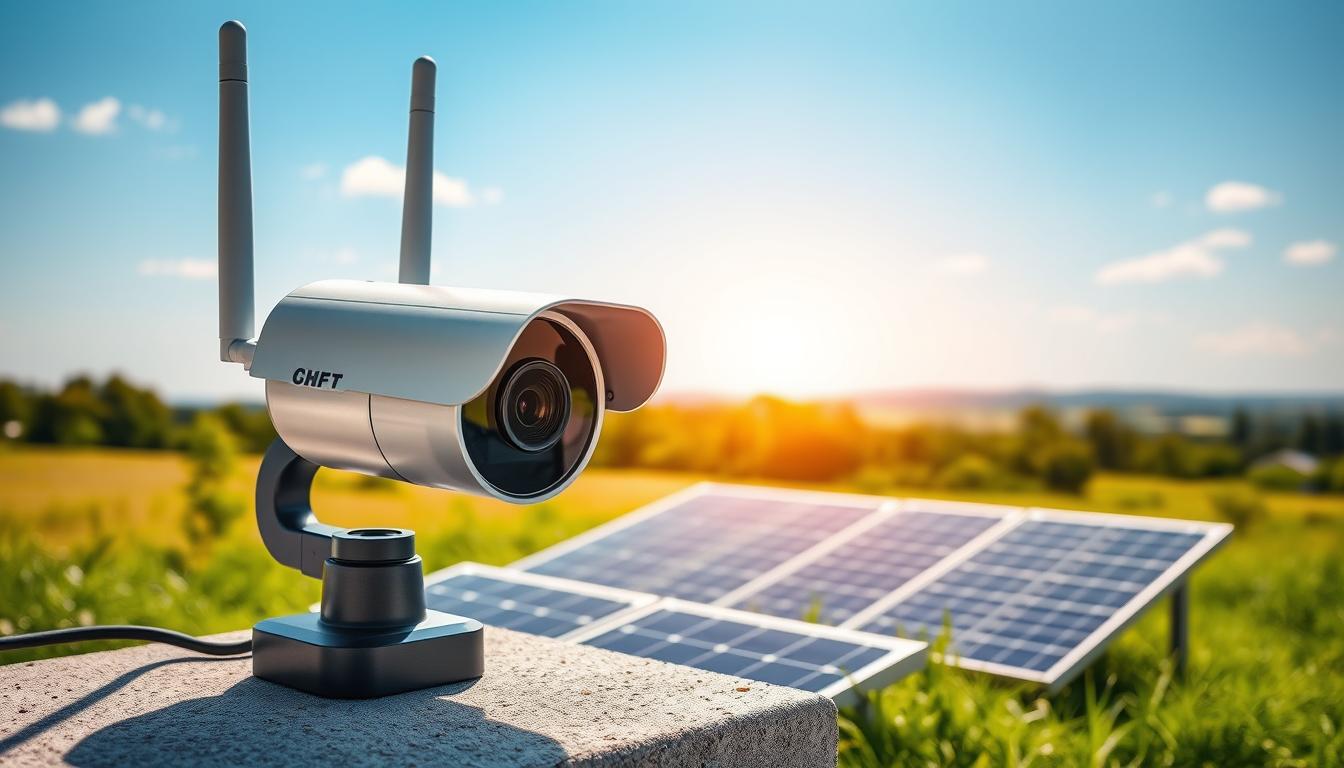
Wireless Solar CCTV System for Reliable Security Monitoring
Keeping your property safe has never been easier with modern security cameras powered by renewable energy. These setups offer quick installation, often completed in under a day, making them ideal for both homes and businesses in Singapore.
Singapore’s tropical climate provides over 2,500 hours of sunlight annually, perfect for solar security solutions. This ensures uninterrupted monitoring, even in off-grid locations. With zero wiring needed, setup is hassle-free and cost-effective.
Beyond convenience, these solutions reduce carbon emissions by up to 40% compared to traditional setups. Mobile app integration allows real-time monitoring, while advanced models like the Reolink Argus Pro deliver up to six months of battery life on a single charge.
Key Takeaways
- Fast installation with no wiring required
- Ideal for Singapore’s sunny climate
- Reduces carbon footprint significantly
- Long battery life for continuous operation
- Mobile app access for real-time alerts
Why Choose a Wireless Solar CCTV System?
Eliminate power dependency while securing your property with innovative technology. These setups leverage renewable energy, ensuring surveillance continues even during blackouts. Advanced lithium batteries store enough power for 7 days of operation without sunlight, ideal for Singapore’s occasional cloudy spells.
Energy Independence for Uninterrupted Surveillance
A 30W solar panel maintains 24/7 operation, while models like EufyCam 3 boast a 12-month battery life on a single charge. Unlike wired systems, there’s no risk of downtime from grid failures.
Significant Long-Term Cost Savings
Traditional setups cost around S$300 monthly in electricity. Solar-powered alternatives cut this to zero. Over five years, users report 60%+ total savings.
- Government subsidies cover 30% of installation costs.
- Break-even is 40% faster than in European markets.
- No recurring bills mean more money saved for other priorities.
How Solar-Powered Security Cameras Work
Understanding how renewable-powered surveillance operates helps homeowners make informed security choices. These setups rely on photovoltaic technology to convert sunlight into electricity, ensuring continuous operation even during power outages.
The Solar Energy Conversion Process
High-efficiency solar panels (21% average efficiency) capture sunlight through photovoltaic cells. These cells generate 12V DC power, which MPPT (Maximum Power Point Tracking) controllers optimize for energy harvest. Brands like Hikvision integrate hybrid charging to handle Singapore’s occasional cloudy days.
Panels range from 6W for basic models to 20W for high-performance setups. Proper placement ensures maximum exposure—angled at 10–15 degrees for Singapore’s latitude.
Battery Storage and Power Management
Lithium phosphate batteries store converted energy, offering 5,000+ charge cycles and 320WH capacity. LS Vision’s systems, for example, provide 7-day backup power. Regular maintenance—like cleaning panels every 3 months—boosts efficiency.
Advanced systems use solar energy intelligently, prioritizing battery health. Features like low-voltage cutoffs prevent over-discharge, extending lifespan. This ensures cameras work reliably year-round.
Key Advantages of Wireless Solar Surveillance
Cutting-edge surveillance technology eliminates energy bills while boosting reliability. These setups leverage renewable power, making them ideal for Singapore’s urban and off-grid needs.
Zero Electricity Costs After Installation
Once installed, operational expenses drop to zero. Traditional setups consume S$300+ monthly, while solar alternatives use sunlight—a free resource. Construction sites save S$5,000 yearly by ditching diesel generators.
Environmentally Friendly Security Solution
Each unit reduces carbon emissions by 40kg annually. For context, 10 cameras offset a car’s yearly CO₂ output. Sentosa Cove’s network proves this:
“Marine-grade aluminum housings withstand coastal humidity, while solar panels ensure 24/7 monitoring without grid strain.”
Flexible Installation in Remote Locations
With a 300-meter wireless range, these cameras work well in farms, construction sites, or parks. No trenches mean 90% lower setup costs. Redeployment takes minutes—ideal for temporary projects.
- 100% cost elimination: No recurring bills after purchase.
- Rugged designs: Marine-grade materials resist saltwater corrosion.
- Quick moves: Relocate cameras without rewiring.
Singapore’s Ideal Climate for Solar CCTV
Singapore’s sunny weather makes it perfect for energy-efficient security solutions. With 5.5kWh/m² daily solar radiation, these setups thrive even in urban areas. Districts like Tuas and Changi receive 10% more sunlight, optimizing energy harvest.
Maximizing Abundant Sunlight
Panels tilted at 10–15 degrees capture the most light at Singapore’s 1.5°N latitude. Brands like Arlo use MPPT controllers to boost efficiency by 25%. Rainy spells? No problem—even cloudy days provide enough power for 72+ hours of operation.
Built for Tropical Conditions
IP68-rated housings repel monsoon rains, while hydrophobic lenses prevent distortion. UV-resistant materials withstand 55°C heat, common in places like Jurong Industrial Estate. The Arlo Pro 4 includes humidity control, preventing fogging during high humidity.
- District-specific performance: Western regions average 6% higher output.
- Monsoon-ready: Utica’s brackets resist 150km/h winds.
- NEA-tested: Certified for Singapore’s weather patterns.
Top Features of Modern Solar CCTV Systems
Advanced security cameras combine cutting-edge imaging with intelligent alerts. These innovations ensure precise monitoring while reducing false alarms—critical for homes and businesses in Singapore.
Crisp Video Quality Day and Night
4K resolution captures details like license plates from 100 meters away. Compared to 1080p, 4K uses 30% more storage but delivers unmatched clarity. The TP-Link Tapo C500 showcases color night vision, revealing shades even in low light.
Reolink’s models excel with 0.5-lux sensitivity, detecting movement in near darkness. For areas like Jurong’s industrial zones, this ensures reliable 24/7 surveillance.
AI-Powered Motion Detection
Smart algorithms distinguish humans from animals or vehicles, slashing false alerts by 80%. AOSU’s dual-lens camera uses thermal imaging to verify threats, while Reolink triggers alerts in 0.2 seconds.
- Customizable push notifications: Choose alerts for specific zones or activity types.
- Encrypted data transmission: AES-256 standards protect footage from breaches.
Real-Time Mobile Access
Control cameras remotely via apps with two-way audio. Review footage or adjust settings from anywhere—ideal for managing multiple properties. Solar-powered security solutions integrate seamlessly with smart home ecosystems.
“AI-driven analytics reduce storage needs by 40%, focusing only on relevant events.”
Wireless Solar CCTV System Installation Process
Setting up your security setup correctly ensures maximum efficiency and coverage. Follow these steps for an easy install that leverages Singapore’s sunlight and minimizes downtime.
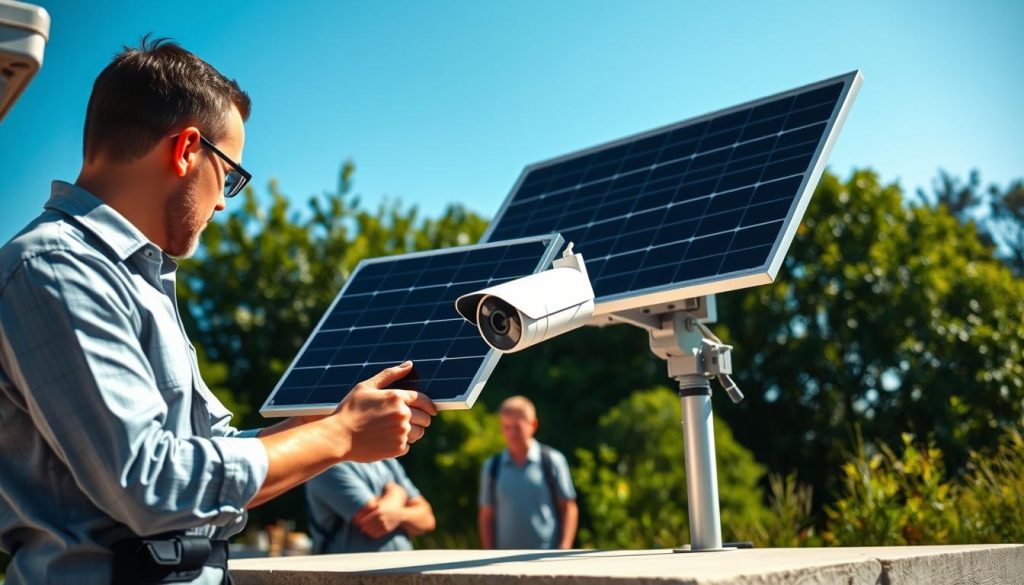
Optimal Solar Panel Positioning
Tilt panels at 15°–20° for Singapore’s latitude. This angle captures peak sunlight year-round. Use a solar azimuth calculator to align panels northward for consistent energy harvest.
Anti-glare positioning prevents reflection during morning and afternoon sun. Place panels where shadows from buildings or trees won’t block light.
- Height matters: Mount at least 3 meters high to avoid tampering.
- Clean surfaces: Dust reduces efficiency by up to 15%.
- Check alignment: Adjust seasonally for monsoon shifts.
Camera Placement Strategies
Cover entry points first—gates, driveways, and back doors. Angle cameras downward to reduce glare and widen the field of view. Test sightlines at night to make sure IR illumination covers critical areas.
“NCCS guidelines recommend encrypting all feeds and using unique passwords for each device.”
Network Configuration Tips
Choose 2.4GHz for longer range or 5GHz for faster speeds in crowded areas. Map signal strength to avoid dead zones. For wired setups, use PoE (Power over Ethernet) to simplify cabling.
- Test signals: Walk around with a phone to check WiFi coverage.
- Secure networks: Enable WPA3 encryption and disable remote admin access.
- Label cables: Color-code for quick troubleshooting.
For an easy install, refer to this checklist: test power, verify angles, and scan for interference. Most issues stem from poor alignment or weak signals.
Maintenance Requirements for Peak Performance
Proper upkeep ensures your security setup runs smoothly for years. Regular checks prevent performance drops and extend component lifespans. This is especially important in Singapore’s humid climate.
Keep Panels Clean for Maximum Efficiency
Dust and debris reduce energy harvest by up to 15%. Clean panels every six months using isopropyl alcohol and a soft cloth. Check alignment after heavy rain—monsoon winds can shift mounts.
Monitor Battery Health Proactively
Set alerts for when capacity drops below 80%. Most cameras in Singapore use lithium batteries lasting 3–5 years. Compare replacement costs early—local providers offer maintenance packages.
- Firmware updates: Install quarterly to fix bugs and improve features.
- Voltage tests: Use a multimeter monthly to spot early issues.
- Warranty claims: 10-year coverage often excludes weather damage.
With simple care, your best solar setup stays reliable. Track degradation rates and plan upgrades before failures occur.
FAQ
How does a solar-powered security camera work?
These cameras use sunlight to generate power. The built-in panel converts solar energy into electricity, which charges the battery. This stored energy keeps the device running day and night.
Will security cameras work during cloudy days?
Yes. Modern models come with efficient battery storage that provides backup power for several days without direct sunlight. High-quality panels still gather energy even in overcast conditions.
What makes these systems better than traditional wired cameras?
Solar security cameras eliminate wiring hassles and reduce electricity bills. They offer flexible placement options and continue working during power outages, making them a smart choice for reliable surveillance.
How often do solar panels need maintenance?
For peak performance, clean the panels every 2-3 months. In dusty or rainy areas, check them monthly. Most require just a quick wipe to remove dirt or debris blocking sunlight absorption.
Can these cameras record high-quality video at night?
Absolutely. Leading brands like Reolink Argus Pro feature infrared night vision, capturing clear footage in low light. Advanced models offer full HD resolution around the clock.
Are solar security cameras suitable for Singapore’s weather?
Perfectly suited. Singapore’s tropical climate provides ample sunlight year-round. Weatherproof designs withstand heavy rain and humidity while maintaining consistent operation.
How long does the battery last on a single charge?
Depending on usage, most systems operate 5-7 days without sunlight. Models with efficient power management extend this further, ensuring uninterrupted protection during prolonged cloudy periods.
Can I monitor the cameras remotely?
Yes. Modern systems connect to your smartphone via Wi-Fi, sending real-time alerts when motion is detected. You can view live feeds and recorded clips from anywhere with internet access.


