
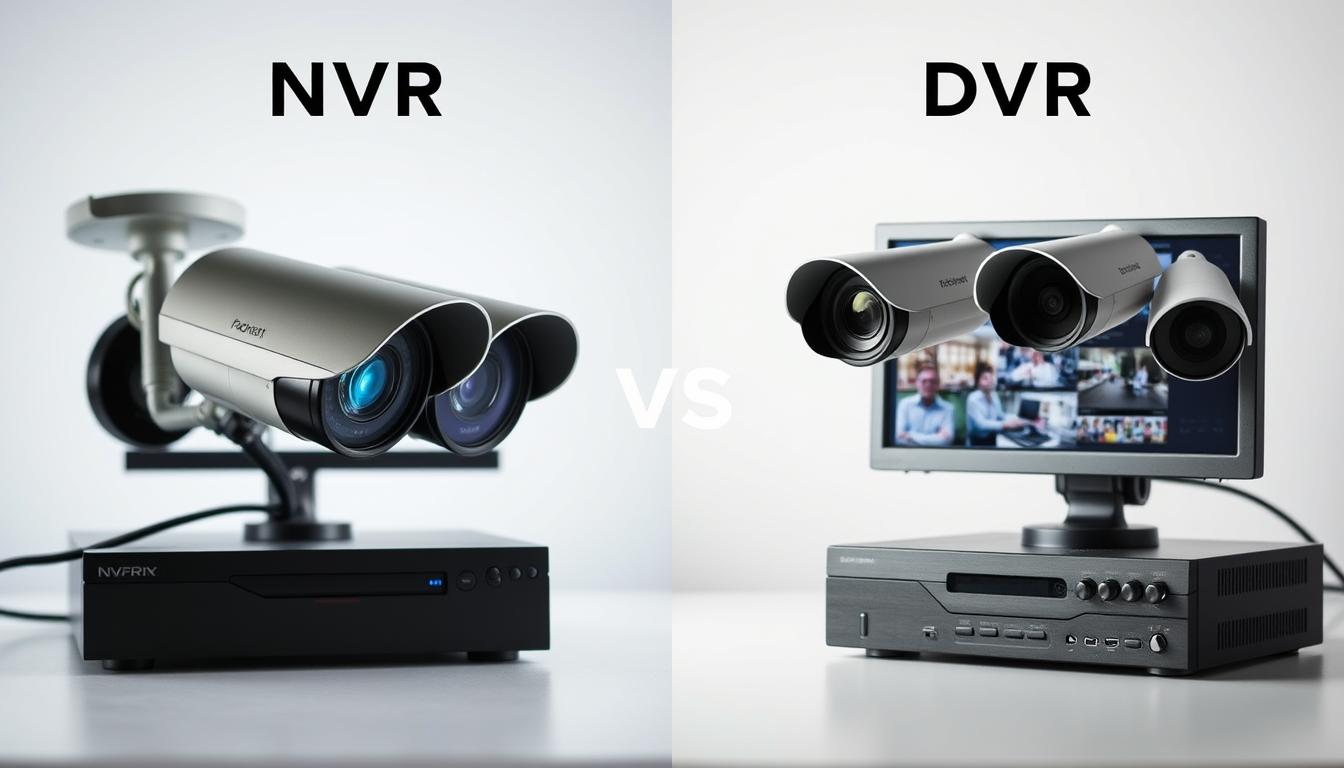
NVR vs DVR: Why is NVR more expensive than DVR?
When choosing between network video recorder and digital video recorder systems, many notice the price gap. NVR systems typically come with a higher initial investment compared to DVR options.
This difference stems from advanced technology and superior capabilities. Modern security demands often justify the additional expense for enhanced performance.
Singaporean property owners and businesses face unique security challenges. Understanding these systems helps make informed decisions for specific surveillance needs.
While DVR systems use analog cameras with coaxial cables, NVR solutions employ IP cameras with ethernet connections. This fundamental difference impacts image quality, installation complexity, and system flexibility.
This analysis explores the factors driving NVR pricing. We’ll examine features like remote access, motion detection, and storage options that contribute to value.
Key Takeaways
- NVR systems utilize modern IP camera technology with ethernet connectivity
- Higher resolution and better video quality contribute to increased costs
- Remote access capabilities provide greater monitoring flexibility
- Scalability allows for easier system expansion as needs grow
- Easier installation with ethernet cables reduces labor costs
- Advanced features like motion detection enhance security effectiveness
- Long-term value often justifies the initial investment in NVR systems
Understanding NVR and DVR Systems
Modern surveillance requires choosing between two main recording technologies. Each offers distinct advantages for different security situations.
Network-based and traditional analog systems serve unique purposes. Understanding their core functions helps property owners make informed decisions.
What is an NVR System?
A network video recorder captures footage from IP cameras through ethernet connections. This modern approach provides superior flexibility and digital storage capabilities.
NVR systems use internet protocol cameras to transmit data. The NSN-608(4K)-8P model demonstrates high-resolution recording quality.
These setups allow remote monitoring from any location. Scalability makes them ideal for expanding business security needs.
What is a DVR System?
Digital video recorders work with analog cameras through coaxial cables. They convert traditional signals into storable digital format.
DVR options like the NSDV-208QK provide budget-friendly surveillance. However, they typically lack advanced network features.
These systems suit basic monitoring requirements well. Their simpler technology often means lower initial investment costs.
Choosing between these technologies depends on specific security requirements. Modern facilities often benefit from network-based solutions.
NVR configurations adapt better to contemporary surveillance demands. Their network connectivity supports growing security infrastructure needs.
Key Technological Differences Between NVR and DVR
Understanding how these systems process and transmit video data explains their performance differences. The core technology behind each approach creates distinct advantages for various security scenarios.
Network Infrastructure and Data Handling
Network video recorder setups utilize Internet Protocol cameras connected through Ethernet cables. This modern infrastructure transmits digital footage directly to the recording unit.
NVR systems handle data in its native digital format from capture to storage. This approach preserves video quality and enables advanced features like remote access.
Digital video recorder configurations rely on analog cameras with coaxial cable connections. These traditional systems convert analog signals into digital format at the recorder.
Signal degradation often occurs with longer cable runs in DVR installations. Network-based solutions maintain consistent quality across greater distances.
“The shift to IP-based surveillance represents the natural evolution of security technology, offering superior flexibility and future-proof capabilities.”
Camera Compatibility and Signal Processing
NVR solutions work exclusively with IP cameras, offering higher resolution options. These digital cameras provide superior image quality and modern features.
DVR systems are limited to analog camera technology. This restriction often means lower maximum resolution capabilities.
Network video recorders process digital signals directly from IP cameras. This direct processing supports better integration with cloud services and analytics.
Digital video recorders must convert analog signals to digital format. This additional conversion step can impact overall system performance.
The network-based approach of NVR configurations allows easier system expansion. Adding cameras becomes simpler with standard Ethernet infrastructure.
These technological differences contribute to the varying capabilities between systems. Modern security needs often benefit from the advanced features available in network-based solutions.
Why is NVR more expensive than DVR?
Advanced components and sophisticated software drive the higher investment required for modern surveillance systems. This technological gap creates significant cost variations between different security solutions.
Network-based recording equipment incorporates cutting-edge hardware architecture. These systems deliver superior performance that justifies their premium positioning in the market.
Advanced Hardware Components
High-resolution IP cameras represent a major cost factor in network video recorder setups. These digital cameras capture exceptionally clear footage with resolutions reaching 12MP.
Network-attached storage solutions add substantial value to modern security infrastructure. NAS devices provide flexible data management and reliable footage retention.
Cloud storage integration offers remote accessibility but increases initial investment requirements. This technology ensures data protection through off-site backup capabilities.
Digital processing hardware eliminates the need for additional signal converters. This streamlined architecture reduces complexity while maintaining superior video quality.
Superior Software and Analytics
Intelligent software platforms power advanced features in contemporary surveillance systems. Motion detection algorithms provide proactive security monitoring capabilities.
Facial recognition technology enhances identification accuracy for security personnel. These analytical tools process digital video data with remarkable precision.
Remote access functionality allows monitoring from any internet-connected device. This flexibility proves invaluable for multi-location security management.
“Modern analytics transform raw footage into actionable intelligence, creating smarter security ecosystems that prevent incidents rather than just recording them.”
Traditional digital video recorder configurations lack these sophisticated software capabilities. Their simpler architecture focuses on basic recording functions rather than intelligent analysis.
The combination of advanced hardware and software creates comprehensive security solutions. This integration delivers long-term value through reduced maintenance needs and enhanced scalability.
Investment in superior technology ultimately provides better protection for properties and assets. Modern security demands justify the additional upfront costs for these advanced systems.
Image and Video Quality Comparison
Visual clarity determines surveillance effectiveness in security situations. Sharp footage captures crucial details that protect properties and assets.
Modern recording technologies offer varying levels of image precision. Understanding these differences helps select appropriate security solutions.
Resolution Capabilities: NVR vs DVR
Network video recorder configurations deliver exceptional image clarity through high-resolution IP cameras. These systems support resolutions from 4MP to 12MP for crystal-clear footage.
Such detailed imaging proves essential for identifying license plates or facial features. Security personnel benefit from enhanced visibility during incident reviews.
Digital video recorder setups typically max out around 5MP resolution due to analog limitations. This constraint often blurs fine details in recorded footage.
Network-based systems maintain consistent quality across Ethernet connections. Traditional configurations may experience signal degradation through coaxial cables.
Audio Quality and Additional Features
Superior audio capabilities complement visual monitoring in advanced security systems. Clear sound recording enhances overall situational awareness.
Modern network video recorders often include built-in audio features without extra components. This integration provides seamless sound capture alongside video footage.
Traditional systems may require additional equipment for basic audio functionality. These add-ons increase complexity and potential failure points.
Night vision capabilities and wide dynamic range improve low-light performance. Digital zoom functions allow closer examination of specific areas within footage.
“High-resolution imaging transforms security footage from simple recording to actionable intelligence, providing clarity that makes all the difference in critical situations.”
Advanced features justify the investment in modern surveillance technology. These capabilities deliver superior protection for Singaporean properties and businesses.
The combination of exceptional video and audio quality creates comprehensive monitoring solutions. This enhanced performance supports effective security management.
Installation and Setup Considerations
Proper installation directly impacts surveillance system performance and long-term reliability. Setup approaches vary significantly between modern and traditional security solutions.
Network-based configurations offer distinct advantages during deployment. Understanding these differences helps property owners plan effective security implementations.
NVR Installation Advantages
Network video recorder setups streamline installation through Power over Ethernet technology. Single cables deliver both data and electrical power to cameras.
This approach eliminates separate power wiring requirements. Reduced cable clutter creates cleaner, more professional installations.
Ethernet cables support camera placements up to 1,000 feet away. Signal quality remains consistent across these extended distances.
Modern systems feature plug-and-play connectivity for rapid deployment. Businesses can establish comprehensive surveillance quickly.
Scalability becomes straightforward with additional network connections. Expanding security coverage requires minimal additional infrastructure.
DVR Installation Limitations
Digital video recorder configurations demand separate coaxial and power cables. This dual-wiring approach increases installation complexity.
Traditional systems face signal degradation beyond 300 feet. Longer cable runs often require signal amplifiers.
Retrofitting existing structures with additional wiring proves challenging. Installation costs frequently exceed initial equipment expenses.
System expansion typically demands extensive rewiring work. Each new camera installation involves significant labor investment.
“Modern network installations reduce deployment time by up to 40% compared to traditional analog systems, providing immediate operational benefits.”
Network-based solutions offer superior installation efficiency despite higher equipment costs. Reduced labor expenses often balance initial investment differences.
Simplified cabling and flexible camera placement create long-term value. These advantages make network video recorder systems ideal for growing security needs.
The installation process significantly influences overall system performance and maintenance requirements. Modern approaches deliver better reliability and easier expansion capabilities.
Scalability and System Expansion
Growing businesses need surveillance solutions that adapt to changing security requirements. Expansion capabilities determine long-term system value and operational efficiency.
NVR’s Flexible Growth Potential
Network video recorder configurations excel at accommodating business growth. Their network-based architecture supports seamless addition of IP cameras.
Ethernet infrastructure allows connecting multiple devices through existing network wiring. This approach eliminates complex installation procedures for new cameras.
Modern NVR systems scale from small office setups to large enterprise networks. They maintain consistent performance while expanding coverage areas.
Cloud integration and remote access features enhance as the system grows. These capabilities provide comprehensive monitoring across multiple locations.
“Network-based surveillance grows with your business, eliminating costly infrastructure changes while maintaining security effectiveness.”
DVR’s Expansion Challenges
Digital video recorder systems face significant limitations when expanding coverage. Each new camera requires dedicated coaxial cabling and power connections.
Traditional configurations often need hardware upgrades to support additional cameras. These upgrades can prove costly and time-consuming to implement.
Analog technology constraints may lead to quicker obsolescence. Modern security demands frequently outpace traditional system capabilities.
Separate wiring for each camera creates installation complexity. Expansion projects often involve substantial labor costs and disruption.
Network video recorder solutions offer superior long-term adaptability despite higher initial investment. Their scalability provides better value for growing Singaporean businesses.
Future-proof technology ensures surveillance systems remain effective as security needs evolve. This forward-thinking approach justifies the premium positioning of modern solutions.
Camera Compatibility and Costs
Camera selection significantly impacts both initial investment and long-term surveillance performance. The choice between modern and traditional camera technologies creates distinct cost structures and capabilities.
IP Camera Requirements for NVR
Network video recorder configurations demand Internet Protocol cameras for optimal performance. These digital devices capture footage directly in digital format.
IP cameras represent a substantial portion of the total system cost. Their advanced technology justifies this investment through superior capabilities.
Modern IP cameras deliver exceptional resolution ranging from 4MP to 12MP. This clarity ensures critical details remain visible in security footage.
Network connectivity enables remote monitoring from any location. Integration with other security components enhances overall system effectiveness.
These cameras support advanced analytics and motion detection natively. Additional equipment becomes unnecessary for comprehensive surveillance functionality.
Analog Camera Limitations with DVR
Digital video recorder systems utilize traditional analog camera technology. These devices typically offer lower initial purchase prices.
Analog cameras max out around 5MP resolution due to technological constraints. Fine details often become blurred in recorded footage.
Traditional systems frequently require extra components for basic features. Audio capabilities and motion detection need separate equipment additions.
Camera compatibility remains limited to specific analog models and brands. Upgrading or expanding systems often proves challenging and costly.
“IP camera technology represents the future of surveillance, offering scalability and features that analog systems simply cannot match for modern security demands.”
Network video recorder solutions allow mixing various IP camera brands seamlessly. This flexibility supports customized security configurations.
Digital video recorder setups restrict camera choices to compatible analog models. This limitation affects long-term system adaptability.
While analog cameras reduce initial equipment costs, they may not meet high-security application requirements. Their technological limitations become apparent in demanding surveillance environments.
Investing in IP camera technology provides better long-term value through enhanced performance and future-proof capabilities. The superior image quality and advanced features justify the additional expenditure for comprehensive security solutions.
Advanced Security Features
Modern security demands increasingly sophisticated capabilities that go beyond basic recording functions. These advanced capabilities differentiate contemporary surveillance solutions from traditional approaches.
Network-based configurations offer intelligent features that enhance protection and operational efficiency. These capabilities justify the investment in modern security infrastructure.
Remote Access and Monitoring Capabilities
Network video recorder systems provide comprehensive remote viewing functionality. Users can access live and recorded footage from any internet-connected device.
Mobile applications and web interfaces deliver convenient monitoring options. Security personnel remain connected to their surveillance systems anywhere.
Traditional digital video recorder setups offer limited remote access capabilities. Additional hardware or software often becomes necessary for basic connectivity.
Modern network solutions integrate seamlessly with cloud storage platforms. This integration ensures reliable data management and backup protection.
Motion Detection and Analytics
Advanced analytics transform raw footage into actionable security intelligence. Modern systems automatically identify and flag potential security incidents.
Sophisticated motion detection algorithms reduce false alarms significantly. These systems distinguish between relevant movement and environmental changes.
Facial recognition technology enhances identification accuracy for security teams. License plate recognition supports comprehensive perimeter protection.
Behavior analysis capabilities identify unusual patterns in monitored areas. These features enable proactive security responses rather than reactive measures.
Traditional configurations typically offer basic motion detection without analytical depth. Their capabilities remain limited compared to network-based solutions.
“Intelligent analytics represent the future of security monitoring, transforming surveillance from passive recording to active threat detection and prevention.”
These advanced features contribute to the comprehensive nature of modern security solutions. They provide Singaporean businesses with robust protection against evolving security challenges.
The integration of remote access and analytical capabilities creates responsive security ecosystems. These systems deliver superior value despite higher initial investment requirements.
Long-Term Investment Analysis
Smart security investments require looking beyond initial price tags. Total cost of ownership reveals the true value of surveillance solutions over time.
Network video recorder setups demand higher upfront investment than traditional options. This premium reflects superior technology and advanced capabilities.
Digital video recorder systems appear budget-friendly initially. Their lower purchase price often masks hidden long-term expenses.

Initial Costs vs Lifetime Value
Network video recorder configurations justify their premium pricing through extended durability. These systems maintain performance for years without major upgrades.
Modern NVR technology adapts to evolving security standards seamlessly. This adaptability prevents costly system replacements as needs change.
Traditional DVR setups may require frequent hardware updates. Their analog technology becomes outdated faster in digital environments.
Cloud integration reduces physical storage maintenance costs significantly. Remote management capabilities minimize on-site technical requirements.
Advanced analytics prevent security incidents before they occur. This proactive approach saves substantial potential loss expenses.
Maintenance and Operational Expenses
Network-based systems operate with remarkable efficiency. Power over Ethernet technology reduces energy consumption noticeably.
Fewer moving parts and simplified wiring mean lower repair frequencies. Ethernet infrastructure proves more reliable than coaxial alternatives.
Remote troubleshooting capabilities cut service call expenses dramatically. Technicians can resolve many issues without physical visits.
Scalable architecture accommodates growth without infrastructure overhauls. Adding cameras integrates smoothly with existing network systems.
“The true measure of security investment isn’t the initial price tag, but the protection value delivered over the system’s entire lifespan.”
Traditional configurations often incur higher maintenance costs over time. Their analog components require more frequent replacements and adjustments.
Separate power and video cables create additional failure points. These complexities increase long-term servicing requirements.
Singaporean businesses benefit from NVR’s operational efficiency. Reduced downtime and maintenance translate to better security continuity.
While DVR systems cost less initially, their lifetime expenses often exceed network solutions. Smart investments prioritize long-term value over short-term savings.
DVR Systems: Budget-Friendly Alternatives
Budget-conscious security solutions often begin with digital video recorder technology. These setups provide reliable surveillance without significant financial investment.
Many Singaporean small businesses find these systems match their initial security needs perfectly. They deliver essential monitoring capabilities at accessible price points.
When DVR Makes Financial Sense
Digital video recorder configurations prove ideal for temporary monitoring situations. Construction sites and short-term events benefit from their quick deployment.
Small retail spaces and offices appreciate the straightforward installation process. Basic security needs are met without complex network infrastructure.
These systems work efficiently with analog cameras that have lower purchase prices. The total package cost remains affordable for limited budgets.
Emergency surveillance requirements can be addressed rapidly. Setup time is significantly shorter than network-based alternatives.
Limitations of Cost-Effective Surveillance
Traditional systems face constraints in image clarity and detail capture. Maximum resolution typically reaches only 2MP to 5MP with analog cameras.
Expansion becomes challenging due to coaxial cable requirements. Each additional camera needs separate wiring and connection points.
Modern features like remote access and advanced analytics are often unavailable. Monitoring remains limited to on-site viewing in most cases.
These security systems may not support growing business requirements effectively. Upgrades frequently involve complete system replacements rather than simple additions.
As noted in our comparison guide, coaxial cables create installation difficulties in large facilities. Signal quality diminishes over longer distances.
Digital video recorder technology serves basic protection needs adequately. However, businesses planning future growth should consider more scalable solutions.
These systems provide solid foundational security for specific situations. Their value shines in applications where advanced features are unnecessary.
Choosing the Right System for Your Security Needs
Selecting the perfect surveillance solution requires careful consideration of your specific requirements. Each security system offers distinct advantages for different situations and budgets.
Network video recorder configurations excel in high-resolution monitoring and future expansion. They deliver superior video quality with flexible remote access capabilities.
Digital video recorder options provide cost-effective basic protection. These systems work well for straightforward surveillance needs with limited camera requirements.
Singaporean property owners should evaluate their long-term security goals. Consider installation complexity, maintenance needs, and potential system growth.
Consult security experts to match technology with your unique situation. Invest in the solution that best protects your assets and supports future needs.
FAQ
What is the main reason NVR systems cost more than DVR systems?
Network video recorders carry higher prices due to advanced hardware components, superior software analytics, and support for high-resolution IP cameras. These systems process digital signals directly, requiring more powerful processors and better storage solutions than digital video recorders.
Can I use existing analog cameras with an NVR system?
No, NVR systems require IP cameras that transmit digital video signals over Ethernet cables. DVR systems work with analog cameras using coaxial cables, making them incompatible with network video recorders without additional converters.
How does video quality differ between NVR and DVR security systems?
NVR systems typically deliver superior video quality with higher resolution capabilities, often supporting 4K and beyond. DVR systems are limited by analog technology, generally maxing out at 1080p resolution, which affects overall image clarity and detail.
Which system offers better remote access and mobile monitoring?
NVR systems provide superior remote access capabilities through network connectivity, allowing seamless viewing from smartphones and computers anywhere with internet access. DVR systems require additional configuration and may have limited remote functionality compared to network-based solutions.
Are NVR systems more difficult to install than DVR systems?
NVR installation offers advantages through Ethernet cable simplicity and PoE (Power over Ethernet) support, which reduces wiring needs. DVR systems require separate power and video cables, often making installation more complex despite their lower technology requirements.
Which system provides better scalability for future expansion?
NVR systems offer superior scalability, allowing easy addition of IP cameras and integration with existing network infrastructure. DVR systems face expansion challenges due to channel limitations and analog technology constraints, making growth more difficult and costly.
Do NVR systems have better security features than DVR systems?
Yes, network video recorders typically include advanced security features like enhanced motion detection, intelligent analytics, and better encryption protocols. These features contribute to their higher cost but provide significantly improved security monitoring capabilities.
When does choosing a DVR system make financial sense?
DVR systems represent budget-friendly alternatives when working with existing analog cameras, limited budget constraints, or basic surveillance needs. They make financial sense for small-scale installations where high-resolution footage and advanced features aren’t required.


