
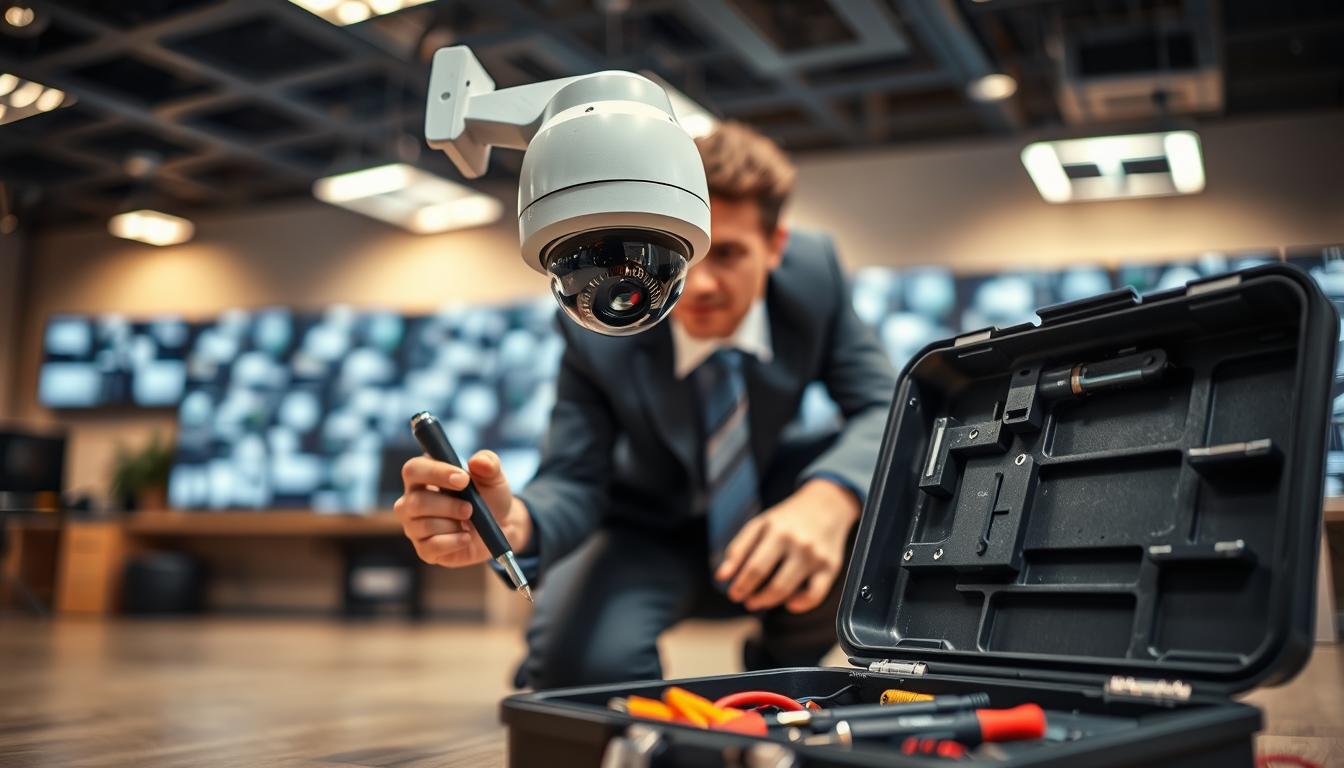
Troubleshooting: Why CCTV camera suddenly stopped working?
Your surveillance system provides peace of mind by protecting your property. When equipment fails without warning, it creates serious security risks. This guide helps you restore functionality quickly.
Power outages and electrical surges often cause unexpected malfunctions. These events can disrupt your entire security setup. Network connectivity problems also lead to video loss.
Regular maintenance and proper setup prevent most system failures. Our comprehensive troubleshooting approach addresses common issues. Many problems have simple solutions you can implement yourself.
For complex technical challenges, professional support may be necessary. Quick action helps restore your protection rapidly. We’ll cover power supply checks and network diagnostics.
Key Takeaways
- Power fluctuations and outages are common causes of surveillance system failures
- Network connectivity issues can interrupt video footage and monitoring capabilities
- Regular maintenance prevents many common security equipment problems
- Most issues can be resolved through systematic troubleshooting steps
- Professional help may be needed for complex technical problems
- Quick response restores security protection faster
- Proper setup reduces the risk of future system malfunctions
Understanding the Critical Need for a Functional CCTV System
Modern security infrastructure relies heavily on surveillance equipment to protect properties. When these systems function properly, they create a powerful deterrent against criminal activity. A well-maintained setup provides continuous monitoring and recording capabilities.
Unexpected equipment failures create immediate security vulnerabilities. Many property owners experience issues after power disruptions or network problems. These situations often result in footage loss and monitoring gaps.
Immediate response to malfunctions maintains your protection coverage. Quick troubleshooting prevents extended periods of vulnerability. Regular system checks help identify problems before they escalate.
Functional surveillance systems offer multiple security benefits:
- Crime prevention through visible monitoring presence
- Evidence collection for incident documentation
- Remote monitoring capabilities for property owners
- Integration with other security devices and alarms
System failures carry both financial and emotional costs. Missed security incidents can result in property loss or damage. The peace of mind that comes with reliable protection is invaluable.
Modern security cameras often feature advanced capabilities like night vision and motion detection. These features depend on proper power supply and network connection. Regular maintenance ensures all components work together effectively.
Proactive maintenance proves more cost-effective than emergency repairs. Simple steps like checking cables and connections prevent most issues. This approach saves time and resources while maintaining security.
Understanding your system’s operation helps address problems quickly. Knowledge of basic troubleshooting steps empowers owners to restore functionality. For complex issues, professional support provides specialized solutions.
Your surveillance equipment represents a significant investment in protection. Keeping it operational ensures that investment continues to provide value. Regular attention to system health maintains your security coverage effectively.
Common Reasons Your CCTV Camera Suddenly Stopped Working
Many property owners encounter unexpected surveillance equipment malfunctions that compromise their security. Understanding these common causes helps you address problems quickly. Proper identification leads to faster solutions.
Power-related issues frequently disrupt monitoring systems. Electrical surges can damage sensitive components instantly. Power outages may cause reboot sequences to fail.
Insufficient power supply creates operational instability. This often affects multiple security cameras simultaneously. Regular power checks prevent these disruptions.
Network connectivity problems interrupt video transmission. Both wired and wireless setups experience connection drops. IP-based systems particularly depend on stable networks.
Physical hardware failures include damaged cables and loose connections. Weather exposure accelerates component degradation. Regular inspections identify these issues early.
Environmental factors significantly impact performance. Poor lighting conditions affect image quality during night operations. Extreme weather can cause temporary malfunctions.
Software and firmware glitches create system-wide problems. Outdated camera firmware may cause compatibility issues. Regular updates maintain optimal performance.
Configuration errors often lead to unexpected behavior. Incorrect settings might disable essential features. Proper setup ensures reliable operation.
Compatibility issues arise between different system components. Mismatched software versions can create conflicts. Consistent equipment brands reduce these problems.
Aging equipment naturally experiences more failures. Normal wear-and-tear affects all electronic devices. Planned replacements prevent sudden breakdowns.
External interference from other electronics disrupts signals. Wireless systems are particularly vulnerable to this. Proper placement minimizes interference risks.
Most residential and commercial setups face similar challenges. Recognizing these patterns helps troubleshooting efforts. Professional support addresses persistent issues effectively.
Diagnosing and Resolving Power Supply Issues
Electrical power problems rank among the most frequent causes of surveillance equipment failure. These issues can manifest as complete system shutdowns or intermittent operation problems. Proper diagnosis helps restore your security coverage efficiently.
Begin with a systematic approach to identify power-related malfunctions. This method saves time and prevents unnecessary component replacement. Many power supply issues have straightforward solutions.
Checking the Power Cord and Connections
Visual inspection provides the first line of defense against power problems. Examine all cables for visible damage like fraying or cuts. Look for bent connectors or corrosion on metal contacts.
Ensure each connection sits securely in its port. Loose links often cause intermittent signal loss. Tighten any loose fittings to maintain consistent power flow.
Test voltage delivery using a multimeter if available. This tool measures electrical current reaching your devices. Proper readings confirm adequate power supply integrity.
Check power adapters and transformers for proper functionality. These components convert electricity to suitable voltages. Faulty converters can damage sensitive surveillance equipment.
Inspecting Battery Health for Wireless Cameras
Wireless security cameras depend on battery power for operation. Weak batteries frequently cause footage loss and recording gaps. Regular battery checks prevent these security vulnerabilities.
Most systems indicate battery status through software interfaces. Monitor these readings to anticipate replacement needs. Proactive battery swaps maintain uninterrupted protection.
Consider rechargeable options for sustainable power solutions. These batteries offer cost-effective long-term performance. Proper charging cycles extend their operational lifespan.
Extreme temperatures affect battery efficiency and longevity. Hot conditions accelerate power drainage in hot weather. Cold environments reduce battery output capacity significantly.
Backup power solutions provide critical protection during outages. Uninterruptible power supplies maintain system operation. These devices bridge gaps during electrical disruptions.
Professional assessment helps when DIY methods don’t resolve issues. Certified technicians identify complex power problems. Their expertise ensures proper voltage delivery to all components.
Solving Network and Connectivity Troubles
Modern surveillance equipment depends heavily on stable network connections to function properly. When your security system experiences connectivity problems, it can lead to frustrating gaps in coverage. Understanding network fundamentals helps resolve these issues efficiently.
Network connectivity serves as the backbone of modern security setups. It enables real-time monitoring and remote access to your footage. Without proper connection, even the best equipment cannot provide adequate protection.
Testing Wired and Wireless Connections
Wired connections require thorough physical inspection. Check Ethernet cables for visible damage like cuts or fraying. Ensure each connector clicks securely into its port.
Test cable integrity using network testing tools if available. These devices verify signal transmission quality. They help identify faulty cables before they cause problems.
Wireless systems demand different assessment methods. Signal strength directly impacts performance. Distance and physical barriers weaken wireless signals significantly.
Monitor signal quality through your security software interface. Most systems display connection strength indicators. Poor signals require router repositioning or signal boosters.
Interference from other devices affects wireless performance. Microwave ovens and cordless phones operate on similar frequencies. Relocate routers away from potential interference sources.
Pinging the Camera’s IP Address
Network diagnostics begin with basic connectivity tests. The ping command verifies if your equipment communicates properly. It sends test packets to specific IP addresses.
Open command prompt on your computer. Type “ping” followed by your camera’s IP address. Successful responses indicate proper network presence.
Failed pings suggest connectivity problems. Check if the IP address matches your network configuration. Incorrect addresses prevent proper communication.
IP conflicts occur when multiple devices share addresses. This creates network confusion and connection failures. Unique addresses ensure smooth operation.
Router settings might block camera communication. Security features sometimes misinterpret surveillance traffic. Adjust firewall settings to permit necessary data flow.
Bandwidth limitations affect video streaming quality. Multiple cameras demand substantial network resources. Upgrade your network hardware if capacity proves insufficient.
DNS configuration issues disrupt domain resolution. Incorrect gateway settings prevent internet access. Verify these settings match your network requirements.
Professional help becomes valuable for persistent network problems. Certified technicians diagnose complex connectivity issues. Their expertise ensures reliable security system operation.
Performing a Thorough Physical Inspection
Physical inspection forms the foundation of effective surveillance maintenance. This hands-on approach helps identify visible issues before they escalate. Regular checks maintain optimal performance for your security setup.
Begin with a systematic examination of all components. This method ensures no critical elements get overlooked. Document your findings for future reference.
Identifying Loose or Damaged Cables
Cable integrity directly impacts system performance. Frayed or crushed wiring causes signal loss and data problems. These issues often lead to footage gaps.
Examine all connection types during your inspection:
- Power cables for electrical delivery consistency
- Data transmission lines for signal quality
- Coaxial connections for video integrity
Check for weather-related damage on outdoor installations. Moisture and extreme temperatures accelerate wear. Protective conduit extends cable lifespan significantly.
Test each connection for secure seating. Loose links disrupt data flow and cause intermittent problems. Proper organization reduces short circuit risks.
Verifying Connections and Component Integrity
Connection verification ensures reliable operation. Each port should show clean, corrosion-free contacts. Dirty connections impair signal transmission.
Inspect camera housings for physical damage or condensation. Weatherproof seals degrade over time. Replacement maintains environmental protection.
Check mounting hardware for stability and alignment. Loose brackets affect camera positioning and coverage. Tight fittings prevent motion-related issues.
Examine lenses and infrared sensors for cleanliness. Dust accumulation reduces image quality, especially at night. Regular cleaning maintains optimal night vision capabilities.
Create a maintenance schedule for consistent inspections. Quarterly checks prevent most common problems. This proactive approach saves time and resources.
Environmental factors contribute to component degradation. Sun exposure, moisture, and temperature changes affect equipment. Protective measures extend system lifespan.
Professional support helps address complex physical issues. Certified technicians identify subtle damage signs. Their expertise ensures comprehensive system assessment.
Addressing Firmware and Software Problems
Modern surveillance technology relies on digital components that require regular maintenance. Firmware and software management forms a critical part of system upkeep. Proper handling of these elements ensures optimal performance and security.
Outdated components often lead to operational challenges. Regular updates address security vulnerabilities and improve functionality. This proactive approach prevents many common technical issues.
Upgrading Your Camera’s Firmware
Firmware acts as the internal software controlling your security devices. Manufacturers release updates to enhance features and fix bugs. These improvements boost overall system reliability.
Begin by checking your current firmware version through the device interface. Most systems display this information in the settings menu. Compare it against the latest version available from the manufacturer.
Download updates only from official manufacturer websites. This ensures you receive authentic and malware-free files. Follow installation instructions carefully to avoid problems.
Create backups before starting any upgrade process. This protects your configuration settings and recorded data. Backup procedures vary by manufacturer but typically involve exporting settings to external storage.
Use FAT32 formatted SD cards for physical updates when required. Some devices accept updates through local storage media. This method works well for systems without network access.
After installation, verify proper functionality through testing. Check all features including night vision and motion detection. Confirm the device maintains its network connection properly.
Checking for Software Compatibility Issues
Software harmony between components ensures smooth operation. Incompatible versions can cause system instability and feature loss. Regular compatibility checks prevent these problems.
Review software requirements for all connected devices. Recording equipment, monitoring applications, and security cameras must work together. Mismatched versions often create operational conflicts.
Manufacturer websites provide compatibility matrices and documentation. These resources outline which versions work best together. Consulting them before updates prevents many issues.
Network configuration changes sometimes occur after updates. Devices may lose their static IP addresses or connection settings. Tools like SADP or IP scanner applications help rediscover equipment on your network.
Manual IP address assignment resolves many connectivity problems. This ensures consistent communication between system components. Proper addressing maintains reliable surveillance coverage.
Establish a regular maintenance schedule for software updates. Quarterly checks balance security needs with operational stability. This routine keeps your protection current without frequent disruptions.
Professional support helps resolve complex compatibility challenges. Technical experts understand intricate system interactions. Their assistance ensures all components work harmoniously together.
Reviewing and Correcting Camera Settings
Configuration errors often create unexpected performance issues with surveillance equipment. Proper settings ensure your security system operates at peak efficiency. Regular reviews prevent many common operational problems.
Access your device’s configuration menu through the manufacturer’s software interface. Most systems provide web-based access or dedicated applications. These tools offer comprehensive control over all operational parameters.
Document your current settings before making any changes. This provides a restoration point if adjustments cause unexpected behavior. Keep this documentation accessible for future troubleshooting needs.
Restoring Default Camera Settings
Factory resets resolve many configuration-related problems. This process clears all custom settings and returns devices to original specifications. It’s particularly useful when troubleshooting persistent issues.
Locate the reset button on your security equipment. This small recessed button typically requires a pin or paperclip to access. Press and hold for approximately ten seconds until indicator lights flash.
Wait for the complete reboot cycle to finish. The device will restart with default factory settings. This process typically takes two to three minutes to complete.
Reconfigure basic parameters after restoration. Set appropriate date, time, and location information first. These fundamentals ensure proper timestamping on all recorded footage.
Enabling Necessary Recording and Alert Features
Activate continuous recording for comprehensive coverage. This setting captures all activity within the camera’s field of view. It provides complete documentation of events.
Configure motion detection zones to reduce false alerts. Define specific areas where movement should trigger recordings. This conserves storage space while maintaining security coverage.
Set appropriate sensitivity levels for your environment. Higher sensitivity detects smaller movements but may increase false alerts. Adjust based on typical activity patterns in monitored areas.
Enable push notifications for immediate alert delivery. These messages notify you of detected motion through mobile applications. Quick awareness enables rapid response to potential security incidents.
Optimize night vision settings for low-light conditions. Adjust infrared illumination levels based on environmental factors. Proper configuration ensures clear footage during nighttime hours.
Establish remote viewing capabilities for mobile access. Configure network settings to allow external connections securely. This enables monitoring from anywhere with internet access.
Implement privacy zones to respect personal boundaries. Mask areas that shouldn’t be recorded for privacy reasons. These settings maintain security while respecting individual privacy rights.
Regular settings reviews maintain optimal performance. Schedule monthly checks to ensure all features function correctly. This proactive approach prevents most configuration-related problems.
The Correct Way to Reboot Your CCTV System
System reboots serve as a powerful troubleshooting tool for resolving technical glitches. This process clears temporary data and refreshes all components. Many operational challenges disappear after proper restart procedures.
Rebooting addresses various performance issues effectively. It clears cached data that might cause software conflicts. The process also re-establishes proper network connection between devices.
Different surveillance setups require specific restart approaches. Individual security cameras need different handling than complete systems. Understanding these differences ensures successful troubleshooting.
Step-by-Step Rebooting Procedure
Begin by identifying the specific component needing restart. Individual camera reboots differ from full system restarts. Choose the appropriate method for your situation.
For single device restarts, locate the power source. Unplug the equipment from its electrical outlet. Wait thirty seconds before restoring power.
Complete system reboots require careful sequencing. Start with recording devices and monitors. Proceed to individual security cameras afterward.
Observe status indicators during the restart process. Most devices display lights showing boot progress. These signals help verify proper operation.
Document each reboot attempt for future reference. Note the time, method, and results. This information helps identify persistent problems.
Post-Reboot Verification Steps
After restarting, verify all features function correctly. Check night vision capabilities and motion detection. Ensure proper image quality and recording functionality.
Test remote viewing capabilities if your system supports it. Access footage from mobile devices or computers. Confirm proper connection to monitoring applications.
If issues persist after rebooting, investigate further. Check cable connections and power supplies. Verify camera firmware versions and update if necessary.
Repeated rebooting needs might indicate deeper problems. Consistent failures suggest hardware or configuration issues. Professional assessment becomes necessary in these cases.
Establish regular maintenance that includes scheduled reboots. Monthly restarts prevent many common surveillance challenges. This proactive approach maintains optimal performance.
Proper reboot protocols form an essential part of security maintenance. They resolve many temporary glitches efficiently. This knowledge empowers you to maintain reliable protection.
When to Seek Professional Technical Support
Sometimes your troubleshooting efforts reach their limits. When basic steps don’t resolve your security problems, expert help becomes essential. Professional support offers specialized solutions for complex technical challenges.
Recognizing when to call experts saves time and prevents frustration. Persistent issues with equipment often indicate deeper problems. These situations require advanced diagnostic tools and technical expertise.

Contacting the Manufacturer for Assistance
Manufacturer support provides model-specific guidance for your devices. They understand their equipment better than anyone else. This knowledge helps address unique problems effectively.
Prepare necessary information before calling support:
- Model numbers and serial numbers
- Purchase date and warranty status
- Detailed description of the problem
- Steps already taken in troubleshooting
Describe your issues clearly to technicians. Explain any footage loss or signal problems. Mention specific software or connection challenges.
Warranty coverage might apply to your situation. Many manufacturers offer free repairs for certain problems. Always check your warranty terms before seeking paid solutions.
Utilizing Professional CCTV Repair Services
Local repair services provide hands-on support for physical issues. These experts handle complex equipment failures efficiently. They offer comprehensive assessments and reliable repairs.
Choose qualified technicians with relevant experience. Look for professionals familiar with your system brand. They should understand both hardware and software aspects.
Prepare your system for professional assessment:
- Document all observed problems
- Note any error messages or warning lights
- Provide access to all components
- Share your maintenance history if available
Obtain multiple estimates for comparison. Different services might propose various solutions. Choose the option that best addresses your specific problems.
For Singapore residents, professional CCTV repair services offer reliable assistance. Experienced technicians can diagnose and fix complex issues that DIY methods cannot resolve.
Establish ongoing relationships with qualified technicians. Regular maintenance prevents future problems. Professional support ensures your security system remains operational long-term.
Remember that expert help often proves more cost-effective than repeated DIY attempts. Professionals make sure repairs are done correctly the first time. This approach saves money and maintains your security coverage effectively.
Proactive Measures to Keep Your CCTV System Running Smoothly
Maintaining your security setup prevents most operational challenges. Regular attention keeps everything functioning properly. This approach saves time and reduces repair costs.
Create a maintenance schedule with daily visual checks. Weekly tests verify all features work correctly. Monthly deep inspections catch hidden problems early.
Document all maintenance activities and system changes. This data helps identify patterns in equipment performance. Good records make troubleshooting much easier when issues occur.
Monitor environmental factors affecting your devices. Extreme weather can impact surveillance quality. Proper protection extends equipment lifespan significantly.
Establish performance baselines for quick problem detection. Notice changes in video quality or connection stability. Early intervention prevents complete system failures.
Invest in monitoring tools that alert you to potential issues. These solutions provide warnings before problems disrupt your security coverage. They help maintain continuous protection.
Train users on proper system operation and care. Knowledgeable handling reduces accidental damage. Everyone benefits from understanding basic maintenance steps.
Regular maintenance ensures reliable security footage when you need it most. This proactive approach keeps your investment working effectively for years.
FAQ
What should I check first if my security camera stops working?
Begin with the power supply. Ensure all cables are firmly connected and that the outlet is functional. For wireless models, check the battery level. Power issues are among the most common reasons for a sudden loss of video.
How can I tell if my camera has a network connection problem?
You can test this by pinging the device’s IP address from a computer on the same network. A failed ping indicates a connectivity issue. Also, inspect your router and Ethernet or Wi-Fi settings to ensure everything is configured correctly.
My camera has power and a connection, but there’s still no video. What’s next?
Perform a physical inspection. Look for any loose, frayed, or damaged cables, especially the one connecting the camera to its recorder or network. Also, verify that all ports and connectors are clean and secure.
Could outdated firmware cause my camera to fail?
Yes. Outdated firmware can lead to various performance issues and bugs. Check the manufacturer’s website for the latest firmware version for your specific model and follow their instructions for a safe upgrade.
What camera settings could accidentally disable its feed?
Motion detection zones, scheduling settings, or privacy masking can sometimes be configured in a way that hides the video feed. A quick reset to factory default settings can often reveal if a setting was the root cause.
What is the proper way to reboot my entire surveillance system?
Power down the system completely. This means unplugging the recorder and all cameras from their power sources. Wait 60 seconds before plugging the recorder back in, followed by the cameras. This clears the system’s memory and re-establishes connections.
When should I call for professional support instead of troubleshooting myself?
If you’ve checked power, connections, and settings but the problem persists, or if you suspect a hardware failure like a damaged sensor, it’s time to contact the manufacturer’s support team or a certified technician for repair services.
How can I prevent my security system from failing in the future?
Implement a proactive maintenance schedule. This includes regularly checking all physical connections, keeping firmware and software updated, cleaning camera lenses, and ensuring your network equipment is running smoothly to avoid future problems.


