
Who is responsible for CCTV?
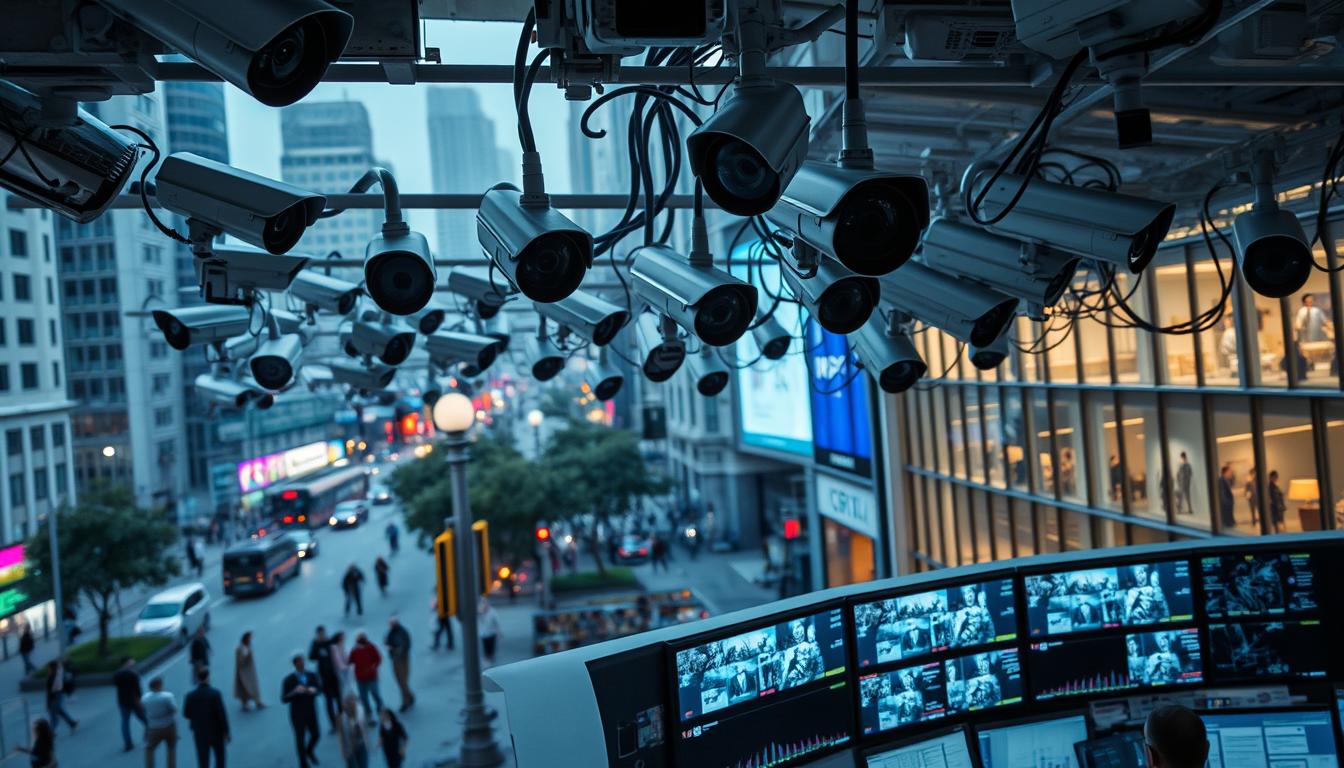
The use of CCTV cameras in Singapore has grown fast. This has made people wonder who is in charge of managing and owning these systems. With more than 500,000 cameras around, knowing who is responsible is key for following the law and making sure they work well.
Those who own CCTV cameras face a complex legal world. Laws like the Personal Data Protection Act (PDPA) play a big role. They help protect privacy and how data is used. This part will look at who is responsible for CCTV, focusing on the need to follow the law for good surveillance.
Key Takeaways
- CCTV usage in Singapore has noticeably increased, sparking questions about who is responsible.
- Legal duties for CCTV ownership include following the Personal Data Protection Act (PDPA).
- Good CCTV management means knowing the local laws and who is responsible.
- Proper use of CCTV helps keep communities safe and respects privacy.
- Those involved in CCTV ownership have different roles in following the law and managing systems.
Understanding CCTV Usage in Singapore
The use of CCTV in Singapore has grown a lot. These systems are key to keeping the country safe. Now, 93% of shops use CCTV to boost safety.
Growth of CCTV Installations
More CCTV cameras are being installed thanks to new tech and a focus on security. There are many types of cameras, like dome and bullet ones. They take clear pictures day and night.
Having CCTV cameras helps stop crimes. Many crimes are prevented just because there are cameras around.
Purpose of CCTV Systems
CCTV in Singapore does more than just watch. It helps prevent crimes and keeps people and businesses safe. CCTV lets us watch things live, making cities feel safer.
This helps make places safer for everyone. It shows how important security systems are in keeping us safe and calm.
Legal Framework Governing CCTV
In Singapore, CCTV is governed by strict laws. These laws protect personal data and ensure surveillance systems are used correctly. The PDPA is a key law that sets rules for using CCTV to collect personal data. Knowing these rules is important for anyone thinking about installing cameras.
Personal Data Protection Act (PDPA) Overview
The PDPA requires CCTV owners to get consent before recording anyone. It also makes sure people know how their data will be used and stored. Following the PDPA helps keep privacy respected in both public and private areas.
Town Council Regulations for Installation
The Town Council regulations in Singapore add to the PDPA’s rules. They focus on privacy and the size of areas being watched. Not following these rules can result in serious penalties. So, it’s vital for property owners to stay informed and follow the law.
CCTV Camera Ownership Responsibilities
Having CCTV cameras in Singapore means you have special duties to follow. These duties vary based on where you have the cameras. Knowing these rules is key for both home and business owners. Each group has its own set of guidelines for managing CCTV systems well.
Who Holds Ownership?
First, you need to figure out who owns the CCTV system. Homeowners usually own the cameras they put on their property. But, businesses can have many owners, making it harder to know who’s in charge. It’s important to know who owns the system to know who’s responsible for it.
Residential vs. Commercial Ownership Obligations
Home CCTV systems face fewer rules than business ones. Homeowners don’t need special licenses unless their cameras are in public spots. They mainly focus on keeping their property safe and private. On the other hand, businesses must follow strict laws, like the Personal Data Protection Act (PDPA).
This includes telling people they’re being watched, storing data right, and handling footage carefully.
Knowing the difference between home and business CCTV rules helps you understand Singapore’s surveillance laws better. Both property owners should stay informed and take action to avoid legal trouble.
Who is responsible for CCTV?
It’s important to know the laws about CCTV in Singapore for both owners and renters. Following CCTV rules is not just right; it’s also the law. Owners must know their legal duties to stay out of trouble. They need to make sure CCTV doesn’t hurt others’ privacy and talk to renters about their policies.
Owner’s Legal Obligations
There are clear rules for CCTV in Singapore that owners must follow. Cameras must respect people’s privacy. If they don’t, owners could face legal issues. So, owners should always check their CCTV use. They also need to tell people about the cameras with clear signs.
Responsibilities of Landlords vs. Tenants
Landlords must tell renters about CCTV in their buildings. This builds trust. It’s key for landlords and tenants to understand their roles in privacy and surveillance. Renters should know their rights in shared spaces. Talking about CCTV can prevent problems and keep everyone in line with the law.
To learn more about CCTV management, check out expert security camera installation in Singapore. This could help owners improve their CCTV systems while following the law.
CCTV Management in Residential Areas
Effective community CCTV management is key to keeping residential areas safe. It’s important for community members to get involved. By talking about CCTV placements and their goals, residents can make sure everything is clear and privacy is respected.
Community Involvement in Surveillance
Residents can really help make surveillance in neighborhoods work better. By joining community meetings, they can help decide where CCTV cameras should go. This way, everyone knows about the surveillance efforts and is more likely to support them. Community members should think about:
- Strategic positioning to maximize visibility
- Respect for neighbors’ privacy
- Regular review and updates of CCTV policies
Best Practices for Installing Residential CCTV
Following the best practices for installing residential CCTV can make neighborhoods safer. Proper installation makes CCTV systems work better and respects privacy. Some of the best practices include:
- Optimal camera positioning to avoid capturing areas outside the intended surveillance zone
- Visible signage informing residents and visitors about ongoing surveillance
- Establishing data management protocols to handle recorded footage responsibly
By following these guidelines, communities can improve their safety with surveillance while keeping privacy in mind.
CCTV Regulations for HDB Flats
Recent changes in HDB CCTV regulations show how safety and privacy in HDB flats are evolving. Now, residents can put up corridor-facing cameras without needing approval from the town council. This change aims to address safety concerns in Singapore.
New Changes in HDB Regulations
New guidelines make it easier for residents to boost their home security. These rules encourage homeowners to take a proactive approach to surveillance. They give more freedom while keeping a balance of responsibility. It’s important for residents to know these new CCTV laws to follow the right installation steps.
Privacy Considerations for Residents
Improving security is key, but privacy in HDB flats must also be respected. Cameras can raise privacy issues for neighbors. Homeowners should make sure their cameras don’t capture footage of nearby properties.
Having open talks with neighbors can help everyone understand and adjust camera placements. This way, we can keep a peaceful community while also ensuring safety.
CCTV in Commercial Spaces
Businesses using CCTV systems face a lot of rules and duties. It’s key to know the commercial CCTV laws to follow them. This helps keep surveillance legal and respects people’s rights. We’ll look at the main points of business data rules and how to tell employees and customers about CCTV.
Data Compliance for Businesses
Companies must follow the Personal Data Protection Act (PDPA) to be compliant. This law sets rules for handling personal data from CCTV. Businesses need to check their data management often to meet these standards.
Notification Requirements for Employees and Customers
Telling employees and customers about CCTV is important. Businesses should let everyone know about CCTV cameras and why they’re there. Clear signs help build trust. Also, telling people how footage is kept and used makes a safe place for everyone.
Privacy Concerns Related to CCTV Surveillance
In Singapore, CCTV systems bring up big privacy worries. As more communities use these systems, finding a balance between safety and privacy is key. The Personal Data Protection Act (PDPA) helps by setting rules for using personal data. It encourages open use of these systems and promotes responsible watching.
Understanding Privacy Laws
The PDPA sets rules for handling personal data. It’s important for dealing with CCTV privacy issues carefully. Companies with CCTV must know their PDPA duties. This protects people from being watched too much.
Community Engagement on CCTV Usage
Getting the community involved in CCTV is important for trust. Talking openly about surveillance can ease privacy worries. By explaining why CCTV is used, communities can reassure people. This way, everyone knows their privacy is valued.
CCTV Maintenance and Management Responsibilities
Effective CCTV maintenance is key to keeping surveillance systems working well. The responsibilities of CCTV owners include checking cameras regularly. They must ensure settings are right and data is safe.
Without these checks, the system’s effectiveness drops. This can lead to security issues.
Keeping records of who accesses footage is also important. It helps with accountability and following the law. A good system lets owners see who views footage and when.
This builds trust in homes and businesses.
Setting up a regular maintenance plan helps avoid problems with cameras. Working with professionals can improve CCTV maintenance. It lets owners focus on other tasks while keeping places safe.
Regular upkeep and good data management are key. They keep the system reliable and follow the rules.
FAQ
Who is responsible for the proper use of CCTV cameras in Singapore?
The owners of CCTV systems are mainly responsible. They must follow privacy laws and local rules, like the Personal Data Protection Act (PDPA). Commercial property owners have stricter rules than those in homes.
What percentage of retail businesses in Singapore utilize CCTV systems?
About 93% of retail shops in Singapore use CCTV systems. This shows their strong commitment to safety.
What is the Personal Data Protection Act (PDPA)? Why is it important for CCTV management?
The PDPA sets rules for handling personal data, like CCTV footage. It’s key for CCTV management because it requires consent and informs people about their data use.
What are the differences between residential and commercial CCTV ownership responsibilities?
Homeowners face less rules than business owners. Businesses must tell people about surveillance and protect data. Homeowners should respect others’ privacy.
How can landlords effectively inform tenants about existing CCTV systems?
Landlords should clearly tell tenants about CCTV systems. This builds trust and helps tenants know their rights in shared spaces.
What are best practices for community involvement in CCTV management?
Good practices include talking with residents about CCTV, following privacy rules, and placing cameras well. Communities should post signs about surveillance and talk openly about safety.
Are there new regulations for installing CCTV in HDB flats?
Yes, new rules let HDB flat owners put cameras facing corridors without council approval. But, they must not invade neighbors’ privacy.
What data compliance responsibilities do businesses have with CCTV installations?
Businesses must follow PDPA rules for CCTV. This includes telling people about cameras and handling data correctly.
How do privacy laws impact CCTV usage in Singapore?
Privacy laws under the PDPA guide how CCTV footage is used. It’s important for owners to follow these laws to avoid legal trouble.
What maintenance responsibilities do CCTV owners have to ensure compliance?
Owners must check CCTV systems regularly. They need to make sure settings are right and data is safe. Keeping records and following schedules helps build trust in CCTV use.


