
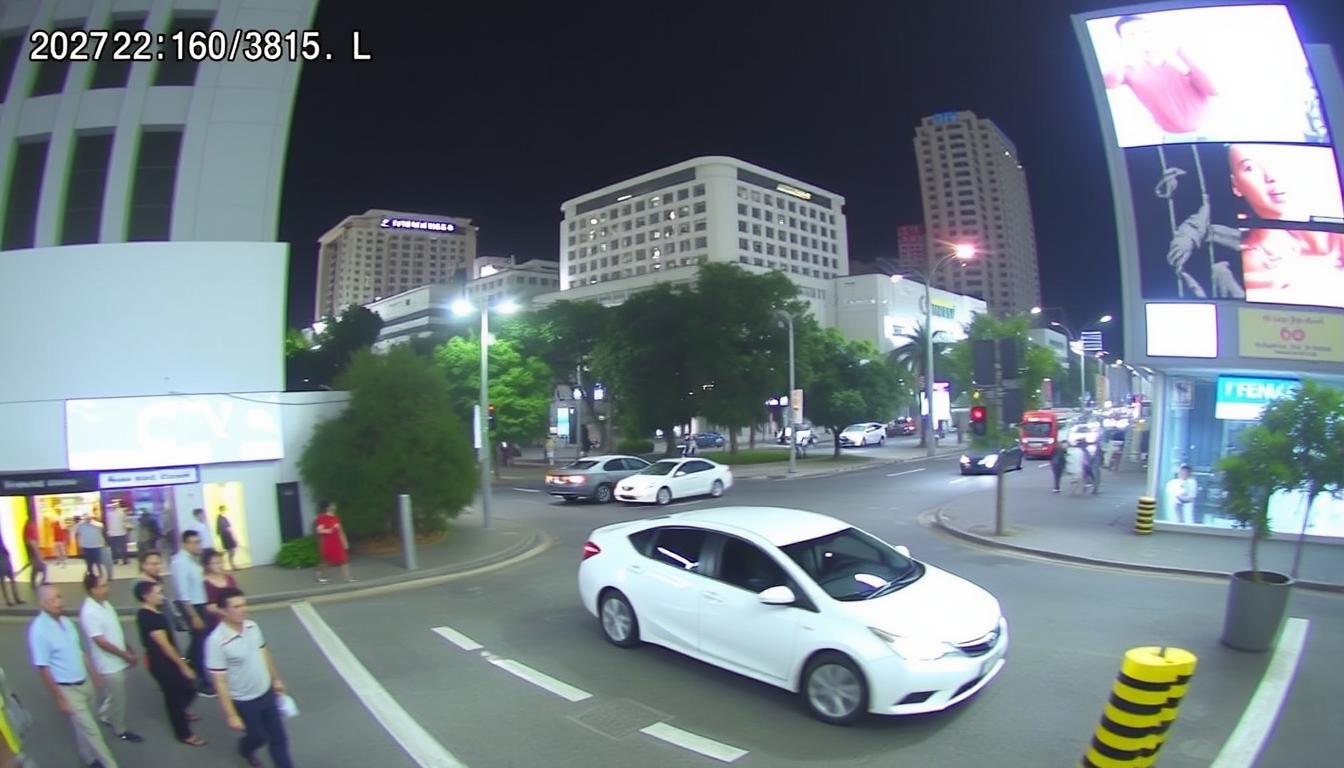
Who can view CCTV footage Singapore?
CCTV cameras are becoming more common in Singapore, raising questions about who can see the footage. It’s important to know who can access CCTV footage to follow the law and protect privacy. This section will look at the legal rules for CCTV access, setting the stage for more detailed discussions on surveillance data.
Key Takeaways
- CCTV footage is subject to specific legal regulations in Singapore.
- Access to CCTV footage is typically restricted to authorized personnel.
- Privacy laws in Singapore ensure individual rights regarding surveillance data.
- Understanding the legal framework informs compliance for CCTV owners.
- Public interest may affect the availability of CCTV footage in certain situations.
Understanding CCTV Regulations in Singapore
Knowing the CCTV regulations Singapore is key for everyone. These rules cover setting up and running CCTV systems. It’s important to follow them to avoid fines. The CCTV law in Singapore outlines what’s needed for licenses, how to install, and upkeep duties.
The rules have changed to help HDB residents. They now cover how to install CCTV in corridors. This ensures privacy while boosting security. It’s vital for owners to keep up with these rules to stay legal and protect their rights.
Following the Personal Data Protection Act (PDPA) is also critical. This act requires owners to protect personal data caught by their cameras. It shows the importance of balancing security with privacy in CCTV use.
Who can view CCTV footage Singapore?
In Singapore, CCTV footage handling follows strict rules to protect Singapore privacy. Only those with the right authorized CCTV access can see it. People can ask for footage related to them, but only if it fits the Personal Data Protection Act (PDPA).
Companies might let people see CCTV footage. But, they must check each request carefully. They look at who’s asking, why, and if it follows data access rights under the PDPA. They also make sure to hide personal info of others in the footage.
Requests that seem pointless or annoying might be turned down. This keeps the process fair and legal. Also, there could be costs for getting access to CCTV footage, showing the need for clear rules in Singapore.
The Role of CCTV in Enhancing Security
CCTV systems are key in modern security. They help prevent crime and provide evidence when needed. Studies show that places with CCTV see less crime, highlighting a major CCTV security benefit.
Thanks to surveillance technology advancements, you can watch your property live. This makes it hard for intruders to go unnoticed. Investing in good CCTV systems is essential for better security at home and work.
For those looking to set up or upgrade their CCTV, there are helpful resources. For example, how to check your CCTV camera online. These tools help you control your system better, making it more effective in preventing crime.
Personal Data Protection Act (PDPA) and CCTV Use
The Personal Data Protection Act (PDPA) in Singapore is key in managing surveillance cameras. Companies using CCTV must follow this act. This ensures privacy rights are respected while improving security.
Here are the main points the PDPA covers:
- Obtaining Consent: Companies need to get clear consent from people being watched by CCTV.
- Disclosure of Purpose: The reason for CCTV installation and footage use must be openly shared with the public.
- Data Security: Steps must be taken to keep the footage safe from unauthorized access and breaches.
- Retention Policy: Companies must have a clear policy on how long footage is kept before it’s deleted.
Following the PDPA in Singapore helps avoid legal issues and builds trust in CCTV use. Companies should focus on these points to balance security and privacy rights.
Accessing CCTV Footage: What You Need to Know
Getting CCTV footage in Singapore needs you to know the data access procedure. If you want to see footage, you must follow certain rules. This makes sure your request is okay. Companies with CCTV systems must help out while keeping privacy laws in mind.
When you ask for CCTV footage, give all the details about what happened and when. This helps them answer you faster. They might ask for your ID and proof you’re involved in the case.
The data access procedure also says to hide personal info of others in the footage. This keeps people’s privacy safe who weren’t meant to be recorded. If your request is seen as too much trouble, they might say no.
Following these rules helps keep the data access process fair and respects everyone’s privacy. It’s important to know this if you want to ask for CCTV footage in Singapore.
Legal Responsibilities of CCTV Owners
Owning a CCTV system comes with big legal duties. These duties are key to following legal compliance with local laws. In Singapore, owners must follow Town Council rules for camera setup and use. Not following these rules can cause fines or the removal of the cameras.
It’s vital for CCTV owners to keep their systems in good shape. Regular maintenance boosts surveillance quality and shows a commitment to CCTV ownership responsibility. Keeping records of maintenance and checks can also protect owners in case of legal issues.
Getting the right permissions for installation is also important. Owners need to get approvals from the right authorities. This makes sure cameras are placed legally and for a good reason. Laws also govern how and when footage can be recorded, protecting people’s privacy.
Ignoring these duties can lead to big problems, like privacy breaches and legal trouble. It’s wise to have clear policies for CCTV use and regular audits. This helps keep everything in line with the law and ensures the system works well.
Rights of Individuals Regarding CCTV Footage
People have certain rights privacy CCTV footage in many places. The Personal Data Protection Act (PDPA) in Singapore helps them know and use their data access rights Singapore. This is important when they want to see footage of themselves.
They can ask for CCTV footage that shows them. But, they must follow certain rules. Knowing these rights is key, as more surveillance systems collect personal info. People can fight against misuse of their data.
Key aspects of these rights include:
- The ability to request access to personal data captured on CCTV.
- The right to clarify the purposes for which the footage may be used.
- The option to seek corrections if their data is found to be inaccurate.
- Protection against inappropriate sharing of personal data without consent.
Privacy Concerns with CCTV Surveillance
CCTV surveillance is everywhere, raising big privacy worries. People are scared about misuse of footage and unauthorized access to their data. This shows the need to balance security with personal freedom.
There are many CCTV concerns. Questions pop up about how footage is stored, who can see it, and why. Without clear rules, this data could be misused, hurting privacy rights. This makes people lose trust in surveillance.
In Singapore, privacy laws regarding surveillance protect people. These rules help keep data protection in check, making sure CCTV doesn’t ignore citizens’ rights. They say surveillance must be open and done right.
Knowing these laws helps ease fears and starts a good talk about CCTV’s role in safety. Keeping these privacy rules strong is key as we use new tech to keep us safe.
Community Guidelines for CCTV Usage in Residential Areas
Setting up community CCTV guidelines is key to making neighborhoods feel safer. It’s important to talk openly with everyone about using cameras. This way, everyone knows why and how it helps.
Getting consent for camera installation is vital for trust. People should know how much they’re being watched and how the footage is used. This helps build a strong sense of community.
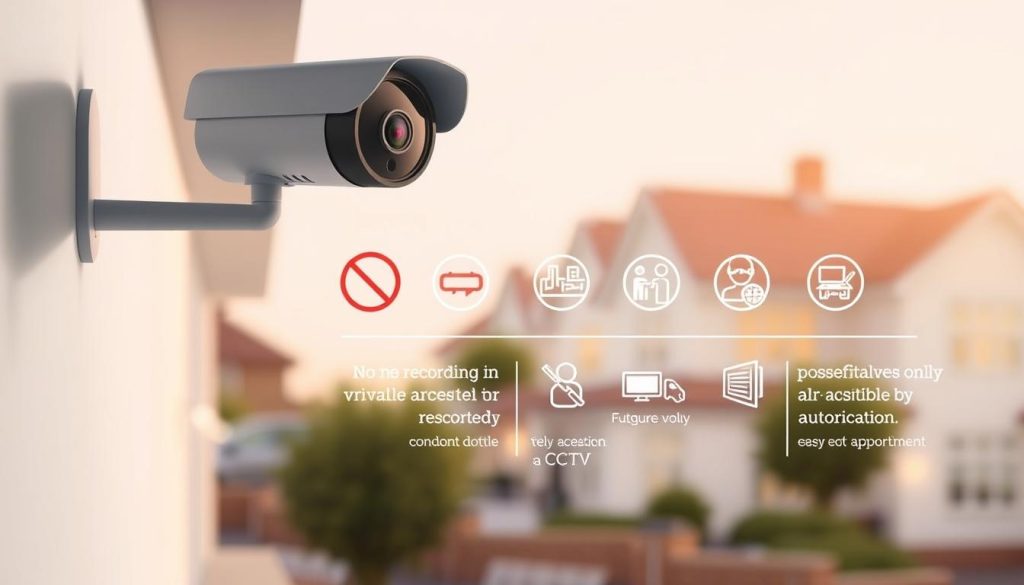
- Cameras should be placed in a way that respects privacy.
- Follow local laws about surveillance and data protection.
- Hold meetings to talk about how well the cameras work and listen to concerns.
It’s important to find a balance between safety and privacy. Teaching people about surveillance helps everyone use CCTV systems wisely.
CCTV Footage and Business Compliance in Singapore
Businesses in Singapore must follow strict rules about using CCTV systems. These rules cover many legal obligations that companies need to follow. They must have clear policies on why and how CCTV footage is used. This makes sure everyone knows about the surveillance at work.
Employers need to tell employees about the surveillance and how their data is handled. Being open helps meet legal standards and builds trust. It’s also important to train staff on how to protect data properly.
Businesses must find a balance between security and respecting employees. Following the law helps avoid legal trouble and creates a safe work place. By doing this, companies can work better and stay true to ethical standards in workplace surveillance.
FAQ
Who has the right to access CCTV footage in Singapore?
People can ask for CCTV footage from companies under the Personal Data Protection Act (PDPA). They must follow certain rules. This includes hiding the personal data of others in the footage.
What are the legal obligations for CCTV owners?
CCTV owners must follow local rules and keep their systems in good shape. They also need the right permissions to install them. It’s important to make sure their recordings are legal to avoid fines or legal trouble.
How does the Personal Data Protection Act (PDPA) apply to CCTV usage?
The PDPA says companies must get consent before recording people. They must also tell people why they are being recorded. Plus, they need to keep the data safe and only keep it for as long as needed.
What measures can be taken to address privacy concerns about CCTV?
To solve privacy worries, clear rules for using CCTV are key. Cameras should be placed thoughtfully, and the community should agree to surveillance. Following privacy laws is also important to prevent misuse.
How can individuals challenge unauthorized use of their data captured through CCTV?
Under the PDPA, people can fight against CCTV misuse. They need to follow certain steps to make complaints. If needed, they can also seek legal help.
What are the community guidelines for using CCTV in residential areas?
For CCTV in homes, guidelines focus on working together and being open. Getting consent from neighbors, placing cameras wisely, and following local rules are important. This way, security can be improved while respecting privacy.
How is CCTV used to enhance security in commercial properties?
CCTV boosts security by stopping crime and providing evidence when needed. Studies show it can lower crime rates. So, it’s a smart choice for businesses.
What is the process for requesting CCTV footage from an organization?
To get CCTV footage, you need to formally ask the company holding it. Make sure your request is not pointless and follows the PDPA. You should also ask them to hide the personal data of others.
What are the implications of failing to comply with CCTV regulations?
Breaking CCTV rules can lead to fines and lawsuits. Owners must follow all laws and have clear policies. This helps avoid legal problems.
What should businesses consider regarding employee surveillance with CCTV?
Companies should have clear rules for watching employees. They should tell workers about CCTV, train them on data laws, and follow the PDPA. This keeps the workplace safe while respecting employee rights.


