

Where are CCTV cameras not allowed? Ultimate Guide
Security systems bring peace of mind to homeowners and businesses. Yet, privacy protection remains equally important. Singapore has clear rules about surveillance equipment placement.
These regulations help balance safety with individual rights. Knowing where you cannot install monitoring devices prevents legal issues. This applies to both residential properties and commercial spaces.
Specific locations like changing rooms and bathrooms are always off-limits. The Personal Data Protection Act (PDPA) governs proper usage. Compliance ensures you respect others’ privacy while maintaining security.
Key Takeaways
- Singapore has specific laws governing surveillance camera placement
- Private areas like bathrooms and changing rooms are strictly prohibited
- The PDPA regulates how personal data from footage can be used
- Different rules apply for HDB flats versus private properties
- Proper installation requires understanding both legal and ethical considerations
- Non-compliance can result in significant legal consequences
- Approval processes exist for cameras facing common areas
Understanding CCTV Laws and Regulations in Singapore
Recent regulatory updates have transformed how residents approach home surveillance. Singapore’s framework balances security needs with privacy protection through specific legislation.
Different rules apply depending on property type and camera placement. Understanding these distinctions prevents legal complications while maintaining effective security.
The Personal Data Protection Act and CCTV Footage
The PDPA serves as Singapore’s primary legislation governing surveillance systems. This law classifies footage that identifies individuals as protected personal data.
Operators must comply with several key obligations under this framework. Clear signage at entry points provides necessary notification about camera usage.
Notices must explicitly indicate when audio recording occurs. Businesses collecting footage must appoint a Data Protection Officer for compliance.
HDB Versus Private Property: Different Rules Apply
HDB regulations differ significantly from private property guidelines. Recent policy changes allow internal camera installation without prior approval.
External cameras face stricter requirements, especially those facing common corridors. Private properties enjoy more flexibility but still must respect privacy boundaries.
The legal framework distinguishes between residential and commercial surveillance needs. Businesses face additional requirements for employee and visitor notification.
The Role of the Town Council in Surveillance Approval
Town Councils maintain authority over surveillance in common areas. They ensure community standards and privacy rights remain protected.
Approval processes exist for cameras monitoring shared spaces. This oversight prevents conflicts between security objectives and personal privacy.
Proper compliance requires staying updated with changes from HDB and PDPC. Regulations continue evolving to address new surveillance technologies.
Where are CCTV cameras not allowed? The Forbidden Zones
Surveillance systems create security boundaries that must respect personal space. Certain locations maintain absolute protection from monitoring devices. Understanding these restrictions prevents legal complications.
Privacy laws establish clear boundaries for camera placement. These rules protect individuals in their most vulnerable moments. Proper installation requires recognizing these sensitive zones.
Private Residences: Bedrooms, Bathrooms, and Helper’s Rooms
Bedrooms represent the ultimate private sanctuary in any home. These spaces hold the highest expectation of personal privacy. Monitoring devices here violate fundamental rights.
Bathrooms and toilets remain completely off-limits for surveillance. The law protects people during intimate activities. This includes helper’s quarters where domestic workers reside.
Installing cameras where someone might undress constitutes intrusion. Such actions could lead to criminal charges for modesty violations. Respect for personal dignity guides these strict prohibitions.
Commercial and Public Spaces: Changing Rooms and Restrooms
Businesses face particular restrictions in employee and customer areas. Changing rooms and locker rooms demand complete privacy protection. These locations serve as modern privacy sanctuaries.
Restrooms in commercial establishments follow similar rules. The law recognizes these as spaces where people expect isolation. Surveillance here breaches trust and legal boundaries.
Healthcare facilities maintain additional sensitivity requirements. Patients deserve complete confidentiality during treatment. Camera use in these environments requires special consideration.
Neighboring Properties and Common Corridors
HDB flats present unique challenges for external camera placement. Devices cannot capture neighboring windows or doors. This protects residents from unwanted observation.
Common corridors require careful camera positioning. Angling must avoid intruding on other households. The goal remains security without compromising community privacy.
Properties must maintain respectful distance from each other. Even permitted surveillance needs proper orientation. Accidentally capturing prohibited areas still violates regulations.
Understanding these boundaries ensures compliant security systems. It maintains community harmony while protecting everyone’s rights. Proper placement balances safety with essential privacy needs.
Guidelines for Legally Installing CCTV at Your HDB Flat
Singapore’s HDB residents enjoy simplified security camera installation processes following recent updates. These changes make home protection more accessible while maintaining community harmony.
Internal Installation: No Approval Needed
Since May 2023, internal cctv installation within HDB flats no longer requires formal approval. This policy change streamlines security enhancements for homeowners.
Residents can now install indoor cameras without bureaucratic hurdles. The focus shifts to responsible placement and privacy considerations.
Position devices to monitor your property only. Avoid capturing areas beyond your home’s boundaries.
External and Corridor-Facing Cameras: Navigating the Rules
Outdoor cameras demand careful positioning to respect neighbor privacy. Cameras outside must not point toward other flats’ doors or windows.
Building facades present special challenges. Avoid locations where devices might create safety hazards or potential damage.
Proper orientation ensures security without compromising community trust. Aim cameras primarily at your own property spaces.
The Approval Process for Common Areas
Shared spaces require Town Council authorization for surveillance equipment. This oversight maintains balance between security and community rights.
The approval process involves demonstrating compliance with privacy guidelines. Applications must show respectful camera placement and proper coverage areas.
Open communication with neighbors builds understanding about your security measures. This proactive approach prevents potential conflicts and maintains positive relationships.
Regular audits ensure ongoing compliance with evolving regulations. Stay updated with HDB and Town Council guideline changes for continuous proper camera use.
Navigating Privacy Laws and Your Neighbors’ Rights
Community harmony depends on respecting privacy while implementing security measures. This balance requires understanding both legal requirements and social expectations. Proper camera use involves more than just technical installation.
It demands awareness of how surveillance affects those around you. Thoughtful placement and communication prevent conflicts. They also ensure your security systems remain effective and compliant.
Understanding Reasonable Expectations of Privacy
The law recognizes different privacy levels in various locations. People expect complete privacy in bedrooms and bathrooms. Semi-private spaces like corridors have different standards.
Public areas have the lowest privacy expectations. This legal framework guides proper camera placement. Understanding these distinctions helps avoid legal issues.
Respecting these boundaries protects individuals from unwanted observation. It also maintains trust within your community.
The Importance of Notification and Signage
Clear signage is mandatory under Singapore’s PDPA regulations. Notices must appear at all entry points to surveilled areas. They should indicate when audio recording occurs.
This transparency builds trust with visitors and neighbors. Proper notification demonstrates respect for others’ privacy rights. It also fulfills legal requirements for data protection.
Signage should be visible and easy to understand. This simple step prevents misunderstandings about your surveillance practices.
Seeking Consent and Maintaining Community Harmony
Open communication with neighbors creates positive relationships. Discuss your security plans before installation. This shows respect for their privacy concerns.
Seeking consent for borderline camera placements prevents disputes. Even when not legally required, this demonstrates good faith. It fosters community responsibility and mutual understanding.
Regular discussions about surveillance practices establish neighborhood norms. They help balance security needs with privacy respect. This ongoing attention maintains harmony while protecting everyone.
Ethical Considerations for Home Surveillance
Home surveillance systems require careful ethical consideration beyond legal compliance. These security systems impact personal relationships and community dynamics. Thoughtful implementation creates trust while protecting property.
Balancing Security Needs with Privacy Rights
Every camera installation involves weighing protection against personal space. Residents deserve areas where they expect privacy without monitoring. Finding this balance prevents tension within neighborhoods.
Ethical surveillance practices consider both physical and psychological comfort. Systems should protect without creating constant monitoring atmospheres. This respect for boundaries maintains healthy community relationships.
The Impact of Camera Placement and Orientation
Proper positioning ensures cameras capture only intended areas. Even approved devices become problematic when angled incorrectly. Regular checks prevent accidental intrusion into private spaces.
Homeowners should verify sightlines during different times of day. Seasonal changes might affect what areas devices monitor. This ongoing attention maintains ethical camera use over time.
Transparent Communication with Your Community
Open discussions with neighbors build understanding about security measures. Explaining your cctv installation purposes fosters cooperation rather than suspicion. This transparency demonstrates respect for community norms.
Seeking consent for borderline placements shows good faith effort. Even when not legally required, this approach prevents disputes. Community harmony grows from these respectful conversations.
Regular reviews of surveillance systems ensure they remain ethically aligned. Technological updates might require policy adjustments. Maintaining ethical practices involves continuous attention and adaptation.
Legal Repercussions of Unauthorized Surveillance
Understanding legal consequences helps property owners make informed security decisions. Singapore’s framework imposes serious penalties for improper monitoring practices. These measures protect individual rights while maintaining security standards.
Civil Liabilities: Lawsuits and Invasion of Privacy Claims
Homeowners face significant financial risks when cameras capture private spaces. Invasion of privacy claims can result from improper camera placement. Even unintentional recording of neighbors’ properties may lead to lawsuits.
Civil courts often award substantial damages for privacy violations. These cases typically involve emotional distress and loss of personal dignity. Proper documentation of compliance efforts helps defend against such claims.
Criminal Charges: Potential Fines and Penalties
Deliberate surveillance of sensitive areas carries criminal consequences. Intentionally monitoring bedrooms or bathrooms violates Singapore’s laws. Such actions may result in fines reaching thousands of dollars.
Criminal charges apply when surveillance shows clear intent to violate privacy. The legal system treats these cases seriously to deter misconduct. Penalties increase significantly for repeated offenses.
Data Breach Violations Under the PDPA
The Personal Data Protection Act sets strict rules for footage handling. Organizations must report significant data breaches within three days. This includes any unauthorized access to surveillance video.
Non-compliance with PDPA requirements brings substantial financial penalties. Businesses face additional scrutiny for employee and visitor data protection. Proper security measures prevent these costly legal issues.
Regular compliance checks help avoid accidental violations. Consulting professionals ensures your security system meets all legal standards. This proactive approach protects both your property and your reputation.
Specific Rules for Commercial CCTV Installation
Commercial properties face distinct surveillance requirements under Singapore’s regulatory framework. Businesses must navigate additional compliance layers beyond residential guidelines. These measures protect both organizational security and individual privacy rights.
Workplace Surveillance: Informing Employees and Visitors
Transparency forms the foundation of ethical workplace monitoring. Organizations must provide clear notification about surveillance purposes. This typically involves prominent signage at all entry points.
Businesses should explain the extent of monitoring to affected individuals. Proper communication builds trust and demonstrates respect for privacy. It also fulfills legal obligations under the PDPA framework.
Consent remains crucial for workplace surveillance systems. Employees and visitors deserve understanding about how their data gets used. This approach prevents potential conflicts and maintains positive relationships.
Data Protection Officer Requirements for Businesses
Organizations collecting surveillance footage must appoint a Data Protection Officer. This role oversees compliance with privacy regulations. The DPO implements security safeguards for sensitive video data.
This professional handles all data protection matters within the organization. They ensure proper handling of personal information from security systems. Regular training keeps the DPO updated on evolving legal requirements.
The position requires understanding both technical and legal aspects of surveillance. Businesses benefit from having a dedicated compliance expert. This proactive approach prevents potential legal issues.
Retention Policies for CCTV Footage
Reasonable retention periods typically range from 21 to 30 days. This allows sufficient time to review footage after discovering incidents. The duration should balance operational needs with privacy considerations.
Businesses may extend retention for specific purposes like ongoing investigations. Legal requirements or insurance claims might necessitate longer storage periods. Organizations should document their retention policies clearly.
Regular audits ensure compliance with data protection standards. These reviews help identify necessary adjustments to surveillance practices. Proper documentation demonstrates commitment to legal compliance.
Commercial installations demand more comprehensive measures than residential systems. Understanding these specific requirements helps businesses implement effective security. It also maintains proper respect for individual privacy rights.
Handling and Requesting CCTV Footage
Proper management of recorded video ensures both security and compliance. Organizations must balance accessibility with privacy protection. Understanding these protocols helps maintain trust and legal adherence.
Your Right to Access Recorded Footage
Individuals possess legal rights to view surveillance content featuring them. Singapore’s privacy laws mandate reasonable access to personal data. Organizations must provide this while protecting others’ information.
Requesting parties may face reasonable fees for access. The process typically involves masking unrelated individuals. This maintains privacy while fulfilling legitimate requests.
Organizations can deny frivolous or vexatious demands. They may also refuse requests causing unreasonable burden. These protections prevent misuse of access rights.
Proper Protocols for Data Retention and Deletion
Effective data management requires clear retention policies. Most organizations maintain footage for 21-30 days. This period allows incident review while respecting privacy concerns.
Extended retention occurs for specific purposes. Legal proceedings or insurance claims might necessitate longer storage. Investigations often require preserving relevant video evidence.
Secure deletion protocols ensure proper disposal. They prevent unauthorized access to historical data. Regular purging maintains compliance with privacy standards.
Responding to a Data Breach Involving Surveillance
Security incidents demand immediate and structured responses. Organizations must report significant breaches within three days. This notification goes to the Personal Data Protection Commission.
Breach response protocols include multiple phases. Investigation determines the scope and impact. Containment prevents further data exposure.
Notification informs affected individuals about the incident. Remediation addresses vulnerabilities in security systems. Documentation demonstrates compliance during audits.
Proper handling of surveillance data builds trust. It shows commitment to both security and privacy protection. These practices ensure responsible use of monitoring systems.
Special Cases: Smart Doorbells and Security Exceptions
Modern security technology presents unique scenarios that require special consideration. Some devices operate under different rules than traditional surveillance systems. Understanding these exceptions helps homeowners implement effective protection while maintaining compliance.
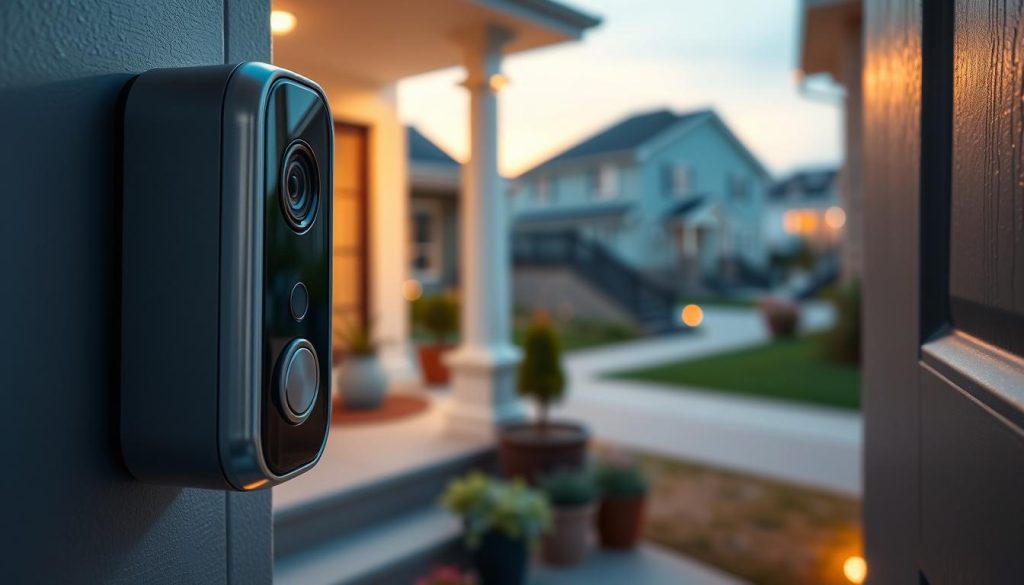
How Smart Doorbells Differ from Traditional CCTV
Smart doorbells and door viewers offer focused entry monitoring rather than broad surveillance. These devices typically face fewer restrictions due to their specific purpose. They’re designed primarily for identifying visitors at your doorstep.
Most smart doorbell installation follows simplified procedures. Homeowners can usually place them without complex approval processes. The devices are considered less intrusive than comprehensive cctv systems.
Audio recording capabilities require particular attention. Singapore’s regulations still govern sound capture through these devices. Proper notification remains essential when audio features are active.
Installing Cameras for Safety: The Police Report Exception
Security concerns sometimes justify temporary surveillance exceptions. Documented safety issues like harassment may permit special camera placement. This requires official documentation and proper approvals.
The process begins with filing a police report for genuine safety threats. Authorities then assess whether temporary surveillance is warranted. Successful applications receive time-limited permission for security measures.
Approved installations typically last for six months maximum. Homeowners must remove devices after this period or if the threat resolves earlier. This balance addresses immediate safety needs while protecting long-term privacy rights.
Temporary systems still require proper positioning and notification. Even exception-based installations must respect neighbor rights. The approval process ensures these special cases don’t create ongoing surveillance issues.
For those considering multiple security options, our guide on how many CCTV cameras you can provides additional helpful information about scaling your home security system appropriately.
Staying Compliant with Evolving CCTV Regulations
Singapore’s surveillance landscape continues to develop with technological advancements and social changes. Maintaining compliance requires ongoing attention to regulatory updates and best practices. Property owners must adapt their security approaches to meet current standards.
Keeping Abreast of Legal Updates from HDB and PDPC
Regular monitoring of official announcements ensures you follow the latest requirements. The Housing Development Board and Personal Data Protection Commission provide crucial guidance. Their websites offer current information about permitted surveillance practices.
Subscribe to official newsletters for immediate update notifications. Legal adjustments might affect where you can position monitoring devices. These changes help balance security needs with privacy protection.
Professional security consultants offer valuable insight into complex regulatory matters. They interpret how new rules apply to specific property situations. This expertise prevents potential compliance issues before they arise.
Conducting Regular Audits of Your Surveillance System
System reviews should occur at least twice yearly or after significant regulation changes. These checks verify that all equipment follows current placement guidelines. They also ensure data handling meets protection standards.
Audits examine camera angles and coverage areas for any privacy concerns. Seasonal changes might affect what spaces devices capture throughout the year. Adjustments maintain proper orientation while preserving security effectiveness.
Documentation of compliance efforts demonstrates responsible surveillance management. Records show your commitment to following established rules and respecting community standards. This documentation helps address any questions about your security approach.
Community awareness programs help neighbors understand evolving surveillance practices. Shared knowledge creates consistent standards throughout residential areas. This cooperation maintains harmony while protecting everyone’s security interests.
Technological advancements often drive regulatory updates in the surveillance field. New equipment capabilities might require additional privacy considerations. Staying informed about both technology and law ensures comprehensive compliance.
Implementing Responsible and Effective Home Security
Effective home security combines technology with thoughtful practices. It requires balancing protection with respect for everyone’s privacy.
Proper camera placement focuses on key areas while avoiding private spaces. This approach maintains security without intruding on others.
Open communication with neighbors builds trust and prevents misunderstandings. It shows respect for community harmony and individual rights.
Regular reviews ensure your system follows current rules and meets changing needs. Documentation demonstrates your commitment to responsible implementation.
Professional consultation can optimize both security effectiveness and compliance. Ultimately, these practices create safer communities while respecting personal boundaries.
FAQ
What are the main laws governing CCTV installation in Singapore?
The Personal Data Protection Act (PDPA) is the primary law. It regulates how personal data, including video footage from surveillance systems, is collected, used, and disclosed. Additionally, HDB has its own specific rules for residents installing cameras in common areas or on the exterior of their flats.
Can I install a camera inside my own HDB flat without approval?
Yes. You generally do not need approval to install a security camera inside your own home, as long as it only monitors your private property. However, you must ensure it does not infringe on the privacy of others, such as domestic helpers, by pointing into private spaces like their bedrooms.
Where is it absolutely forbidden to place a CCTV camera?
Cameras are strictly prohibited in any location where individuals have a reasonable expectation of privacy. This includes bathrooms, changing rooms, showers, and inside another person’s private residence without their explicit consent. Pointing a camera into a neighbor’s home or windows is also illegal.
Do I need my town council’s approval to install a camera outside my front door?
Yes. If your camera will be mounted on the exterior wall of your HDB block or will capture footage of common corridors, lift lobbies, or other shared spaces, you must seek written approval from your town council before proceeding with the installation.
What should I do if my neighbor’s CCTV camera is pointing into my home?
You should first communicate your concerns directly with your neighbor. Politely explain that the camera’s placement violates your privacy. If they are uncooperative, you can file a complaint with your town council or the Personal Data Protection Commission (PDPC), as this likely constitutes a breach of privacy laws.
Are there different rules for businesses using surveillance systems?
Yes. Businesses must comply with stricter PDPA guidelines. This includes notifying employees and visitors that CCTV is in use, often through clear signage. Companies may also need to appoint a Data Protection Officer (DPO) and establish strict policies for how long footage is retained.
How long can I keep recorded CCTV footage?
The PDPA states that personal data should not be kept longer than necessary. For home security, this typically means deleting footage after a short period, such as 30 days, unless it is required for an ongoing investigation or legal dispute. Businesses must have a defined and justified retention policy.
What are the penalties for illegally installing a surveillance camera?
Violations can lead to serious consequences. You could face civil lawsuits for invasion of privacy. Under the PDPA, organizations can be fined up to SWhat are the main laws governing CCTV installation in Singapore?The Personal Data Protection Act (PDPA) is the primary law. It regulates how personal data, including video footage from surveillance systems, is collected, used, and disclosed. Additionally, HDB has its own specific rules for residents installing cameras in common areas or on the exterior of their flats.Can I install a camera inside my own HDB flat without approval?Yes. You generally do not need approval to install a security camera inside your own home, as long as it only monitors your private property. However, you must ensure it does not infringe on the privacy of others, such as domestic helpers, by pointing into private spaces like their bedrooms.Where is it absolutely forbidden to place a CCTV camera?Cameras are strictly prohibited in any location where individuals have a reasonable expectation of privacy. This includes bathrooms, changing rooms, showers, and inside another person’s private residence without their explicit consent. Pointing a camera into a neighbor’s home or windows is also illegal.Do I need my town council’s approval to install a camera outside my front door?Yes. If your camera will be mounted on the exterior wall of your HDB block or will capture footage of common corridors, lift lobbies, or other shared spaces, you must seek written approval from your town council before proceeding with the installation.What should I do if my neighbor’s CCTV camera is pointing into my home?You should first communicate your concerns directly with your neighbor. Politely explain that the camera’s placement violates your privacy. If they are uncooperative, you can file a complaint with your town council or the Personal Data Protection Commission (PDPC), as this likely constitutes a breach of privacy laws.Are there different rules for businesses using surveillance systems?Yes. Businesses must comply with stricter PDPA guidelines. This includes notifying employees and visitors that CCTV is in use, often through clear signage. Companies may also need to appoint a Data Protection Officer (DPO) and establish strict policies for how long footage is retained.How long can I keep recorded CCTV footage?The PDPA states that personal data should not be kept longer than necessary. For home security, this typically means deleting footage after a short period, such as 30 days, unless it is required for an ongoing investigation or legal dispute. Businesses must have a defined and justified retention policy.What are the penalties for illegally installing a surveillance camera?Violations can lead to serious consequences. You could face civil lawsuits for invasion of privacy. Under the PDPA, organizations can be fined up to S
million. Individuals may also be subject to criminal charges for voyeurism or harassment, depending on the nature of the offense. million. Individuals may also be subject to criminal charges for voyeurism or harassment, depending on the nature of the offense.
FAQ
What are the main laws governing CCTV installation in Singapore?
The Personal Data Protection Act (PDPA) is the primary law. It regulates how personal data, including video footage from surveillance systems, is collected, used, and disclosed. Additionally, HDB has its own specific rules for residents installing cameras in common areas or on the exterior of their flats.
Can I install a camera inside my own HDB flat without approval?
Yes. You generally do not need approval to install a security camera inside your own home, as long as it only monitors your private property. However, you must ensure it does not infringe on the privacy of others, such as domestic helpers, by pointing into private spaces like their bedrooms.
Where is it absolutely forbidden to place a CCTV camera?
Cameras are strictly prohibited in any location where individuals have a reasonable expectation of privacy. This includes bathrooms, changing rooms, showers, and inside another person’s private residence without their explicit consent. Pointing a camera into a neighbor’s home or windows is also illegal.
Do I need my town council’s approval to install a camera outside my front door?
Yes. If your camera will be mounted on the exterior wall of your HDB block or will capture footage of common corridors, lift lobbies, or other shared spaces, you must seek written approval from your town council before proceeding with the installation.
What should I do if my neighbor’s CCTV camera is pointing into my home?
You should first communicate your concerns directly with your neighbor. Politely explain that the camera’s placement violates your privacy. If they are uncooperative, you can file a complaint with your town council or the Personal Data Protection Commission (PDPC), as this likely constitutes a breach of privacy laws.
Are there different rules for businesses using surveillance systems?
Yes. Businesses must comply with stricter PDPA guidelines. This includes notifying employees and visitors that CCTV is in use, often through clear signage. Companies may also need to appoint a Data Protection Officer (DPO) and establish strict policies for how long footage is retained.
How long can I keep recorded CCTV footage?
The PDPA states that personal data should not be kept longer than necessary. For home security, this typically means deleting footage after a short period, such as 30 days, unless it is required for an ongoing investigation or legal dispute. Businesses must have a defined and justified retention policy.
What are the penalties for illegally installing a surveillance camera?
Violations can lead to serious consequences. You could face civil lawsuits for invasion of privacy. Under the PDPA, organizations can be fined up to S
FAQ
What are the main laws governing CCTV installation in Singapore?
The Personal Data Protection Act (PDPA) is the primary law. It regulates how personal data, including video footage from surveillance systems, is collected, used, and disclosed. Additionally, HDB has its own specific rules for residents installing cameras in common areas or on the exterior of their flats.
Can I install a camera inside my own HDB flat without approval?
Yes. You generally do not need approval to install a security camera inside your own home, as long as it only monitors your private property. However, you must ensure it does not infringe on the privacy of others, such as domestic helpers, by pointing into private spaces like their bedrooms.
Where is it absolutely forbidden to place a CCTV camera?
Cameras are strictly prohibited in any location where individuals have a reasonable expectation of privacy. This includes bathrooms, changing rooms, showers, and inside another person’s private residence without their explicit consent. Pointing a camera into a neighbor’s home or windows is also illegal.
Do I need my town council’s approval to install a camera outside my front door?
Yes. If your camera will be mounted on the exterior wall of your HDB block or will capture footage of common corridors, lift lobbies, or other shared spaces, you must seek written approval from your town council before proceeding with the installation.
What should I do if my neighbor’s CCTV camera is pointing into my home?
You should first communicate your concerns directly with your neighbor. Politely explain that the camera’s placement violates your privacy. If they are uncooperative, you can file a complaint with your town council or the Personal Data Protection Commission (PDPC), as this likely constitutes a breach of privacy laws.
Are there different rules for businesses using surveillance systems?
Yes. Businesses must comply with stricter PDPA guidelines. This includes notifying employees and visitors that CCTV is in use, often through clear signage. Companies may also need to appoint a Data Protection Officer (DPO) and establish strict policies for how long footage is retained.
How long can I keep recorded CCTV footage?
The PDPA states that personal data should not be kept longer than necessary. For home security, this typically means deleting footage after a short period, such as 30 days, unless it is required for an ongoing investigation or legal dispute. Businesses must have a defined and justified retention policy.
What are the penalties for illegally installing a surveillance camera?
Violations can lead to serious consequences. You could face civil lawsuits for invasion of privacy. Under the PDPA, organizations can be fined up to S$1 million. Individuals may also be subject to criminal charges for voyeurism or harassment, depending on the nature of the offense.
million. Individuals may also be subject to criminal charges for voyeurism or harassment, depending on the nature of the offense.


