

When Should I Replace My Security Cameras? A Buyer’s Guide
Everything you own eventually wears out. Your surveillance equipment is no exception. Just like car tires or phone batteries, these devices have a limited lifespan.
Professional-grade units from brands like Axis or Uniview can last over seven years. Consumer models from online marketplaces often fail within 2-3 years. Proper installation helps, but replacement becomes necessary for optimal protection.
This guide explores key factors for your decision. We cover equipment lifespan, failure signs, and tech advancements. We also address Singapore’s tropical climate and local regulations.
Upgrading offers better resolution and smart features. Investing in quality brings long-term savings and reliability. Assess your current setup against these criteria.
Key Takeaways
- Security cameras have a finite lifespan like any other electronic device.
- Professional models last significantly longer than consumer-grade alternatives.
- Environmental factors and maintenance practices impact equipment longevity.
- Technological advancements provide compelling reasons to upgrade older systems.
- Local conditions in Singapore require special consideration for camera durability.
- Quality equipment investments yield better long-term value and performance.
- Regular assessment of your surveillance system ensures optimal security coverage.
Understanding Security Camera Lifespan and Durability
Like any piece of electronics, surveillance systems have a predetermined operational period. The longevity of your monitoring equipment depends on multiple factors working together. Quality construction, proper installation, and environmental conditions all play crucial roles.
Professional vs. Consumer-Grade Camera Longevity
Premium brands like Axis Communications build nearly bulletproof devices. These professional units often operate reliably for a decade or more. Their robust construction handles extreme weather conditions without failure.
Uniview maintains an impressive less than 1% failure rate. Their equipment withstands harsh winters and scorching summers. This reliability comes from superior engineering and quality materials.
Consumer-grade models typically fail within 2-3 years. Cheap construction leads to water ingress and temperature sensitivity issues. These budget options offer poorer image quality and shorter service life.
How Installation Location Affects Camera Lifespan
Outdoor-mounted units face constant environmental challenges. Sunlight, rain, and salt water accelerate component degradation. Indoor installations generally enjoy longer operational periods.
Proper sealing prevents water damage to electrical connections. Water contacting powered connectors causes short circuits and melted components. Waterproof fittings and junction boxes provide essential protection.
IP Ratings and Temperature Specifications Matter
IP66 or IP67 ratings are essential for outdoor surveillance. These certifications guarantee dust and water resistance. They prevent moisture-related damage in harsh environments.
Temperature specifications must match local climate conditions. Uniview cameras handle extreme cold down to -30°C. Tropical regions like Singapore require heat-resistant components.
Dielectric grease and silicone sealants add extra protection. These measures extend equipment life in challenging installations. Proper maintenance reduces the frequency of necessary replacements.
Understanding these durability factors helps choose appropriate surveillance solutions. Matching camera specifications to environmental demands ensures optimal performance. This approach maximizes your security investment over time.
Key Signs It’s Time to Replace Your Security Cameras
Your surveillance equipment communicates its condition through various symptoms. Recognizing these indicators helps maintain optimal protection for your property. Addressing issues promptly prevents security gaps and potential safety risks.
Deteriorating Video and Image Quality Issues
Blurry or grainy footage often signals equipment decline. Multiple factors contribute to this degradation over time.
Dirty lenses accumulate dust and moisture, distorting captured images. Outdated compression methods struggle with modern resolution demands. Poor lighting conditions further exacerbate quality problems.
Regular cleaning helps, but persistent issues indicate deeper problems. When cleaning fails to restore clarity, consider your options.
Persistent System Failures and Connectivity Problems
Frequent crashes and connectivity drops disrupt monitoring capabilities. These interruptions create dangerous blind spots in your coverage.
Network instability causes intermittent live feeds and remote access issues. Power supply fluctuations lead to unexpected shutdowns. Hardware malfunctions manifest as complete system failures.
IP address conflicts prevent proper device communication. Outdated software struggles with modern network demands. These recurring problems demand attention.
Physical Damage and Environmental Wear Indicators
Visible damage often compromises device functionality and safety. Singapore’s tropical climate accelerates this deterioration.
Cracks in housing allow moisture penetration during heavy rains. Corrosion attacks electrical components in humid conditions. Sun exposure fades housing and damages internal electronics.
Frayed wiring poses both operational and safety hazards. Water ingress causes short circuits and component failure. These physical signs rarely respond to repair attempts.
Monitoring equipment exhibits clear signals when approaching end-of-life. Multiple simultaneous issues strongly suggest necessary action. Professional assessment determines whether repair or replacement offers better value.
Frequent repairs become economically impractical over time. New systems provide enhanced reliability and advanced features. Protecting your property requires fully functional surveillance systems.
Technological Advancements: When to Upgrade for Better Features
Surveillance technology evolves rapidly, offering dramatic improvements over older systems. Modern upgrades deliver clearer images, smarter functionality, and enhanced reliability. These advancements transform basic monitoring into comprehensive protection.
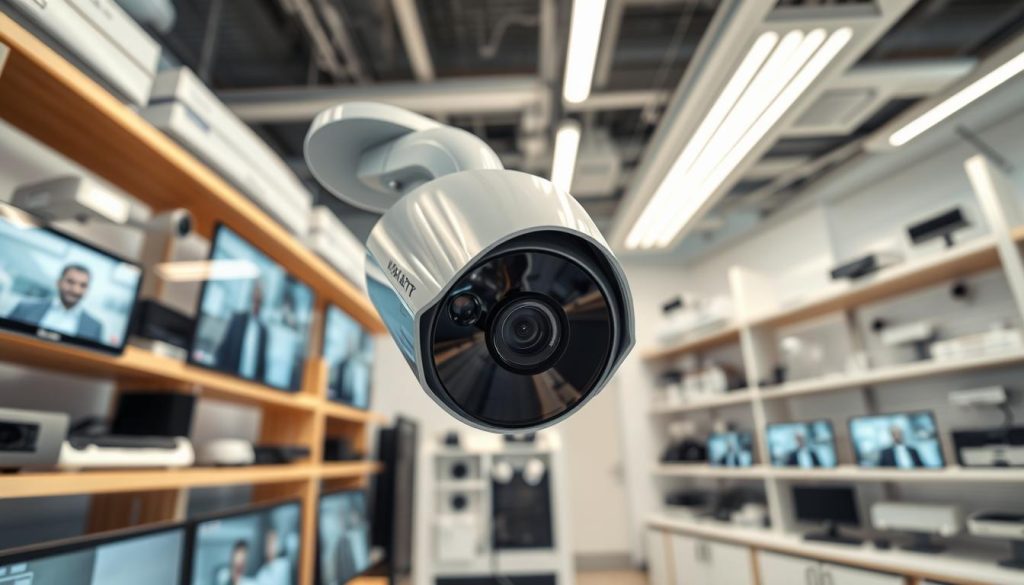
From Analog to Digital: Resolution and Connectivity Improvements
Digital IP cameras represent a massive leap forward from analog systems. They capture crystal-clear HD and 4K resolution footage. This clarity makes identifying details much easier.
Modern systems provide seamless internet connectivity. You can view live feeds from anywhere using smartphones or tablets. This remote access capability was impossible with old coaxial cable setups.
Digital storage solutions offer better organization and retrieval. Cloud-based options provide secure backup without physical hardware risks. These connectivity features revolutionize how we monitor properties.
Smart Features and Integration Capabilities
Artificial intelligence transforms basic motion detection into smart threat analysis. AI algorithms distinguish between people, vehicles, and animals. This reduces false alarms by filtering irrelevant movements.
Modern systems integrate with smart home ecosystems seamlessly. Cameras can trigger lights, locks, and alarms automatically. This creates a coordinated defense system for your property.
Real-time alerts keep you informed instantly. Notifications reach your devices immediately when activity occurs. This prompt awareness enables quicker response times.
Enhanced Night Vision and Motion Detection Technologies
Infrared and low-light technologies have advanced significantly. New cameras capture detailed images in near-total darkness. This ensures reliable 24/7 surveillance capability.
Advanced motion detection offers customizable sensitivity settings. You can define specific zones and ignore areas with regular movement. This precision prevents unnecessary notifications.
Thermal imaging options detect heat signatures rather than visible light. This technology works through fog, smoke, and complete darkness. It provides an additional layer of protection.
Studies show modern systems reduce burglary attempts by 40%. The visual deterrence alone makes properties less attractive targets. This crime prevention aspect justifies the investment.
While new technology involves upfront costs, it offers long-term value. Reduced maintenance needs and better functionality provide excellent returns. Professional assessment helps determine optimal upgrade paths.
Even functional older systems benefit from modernization. Upgrading every 5-7 years ensures access to the latest advancements. This proactive approach maintains optimal security efficacy.
Singapore-Specific Considerations for Security Camera Replacement
Operating surveillance equipment in Singapore requires addressing specific climate and regulatory factors. The island nation’s tropical environment and legal framework create unique maintenance demands. Understanding these local conditions helps maximize equipment performance and compliance.
Tropical Climate Impact on Camera Performance
Singapore’s high humidity and frequent rainfall accelerate equipment deterioration. Constant moisture exposure leads to internal condensation and corrosion. These conditions compromise electronic components over time.
Robust IP66 or higher ratings become essential for reliable operation. These certifications guarantee proper dust and water resistance. Heat-resistant materials withstand temperatures reaching 50°C.
Professional waterproofing measures include silicone sealing and junction boxes. These protections combat monsoon rains and persistent humidity. Regular inspections identify moisture damage before complete failure occurs.
Local Security Regulations and Compliance Requirements
Singapore’s surveillance laws dictate specific placement and data handling practices. These regulations protect privacy while maintaining security effectiveness. Non-compliance risks legal penalties and operational restrictions.
Modern systems often feature encrypted data storage and access controls. These measures prevent unauthorized viewing of captured footage. Updated equipment typically meets current regulatory standards better than older models.
Professional installers understand local legal requirements thoroughly. They ensure proper camera positioning and data management practices. This expertise avoids potential compliance issues during system upgrades.
Professional Maintenance Services Available in Singapore
Local providers like Casa Security offer comprehensive support packages. These services include 24/7 assistance and regular maintenance check-ups. Professional care extends equipment lifespan significantly in challenging conditions.
Monthly inspections identify early warning signs like frayed wiring or lens fogging. Technicians perform necessary cleaning and weatherproofing enhancements. Preventive maintenance reduces unexpected failures and costly emergency repairs.
These experts also provide valuable regulatory compliance guidance during installation. Their knowledge ensures new systems meet all Singapore-specific requirements. Partnering with local professionals addresses both climate and legal challenges effectively.
Regular professional maintenance becomes particularly valuable in tropical environments. The combination of technical expertise and local knowledge optimizes system performance. This approach delivers reliable protection for homes and businesses throughout Singapore.
Making the Right Replacement Decision for Your Security Needs
Choosing the optimal time for equipment upgrades requires careful evaluation. Professional-grade systems typically serve well for seven years or more. Consumer models often show signs of decline within 2-3 years.
Consider repair cost versus replacement value. Frequent repairs may indicate it’s more economical to invest in new technology. Modern systems offer superior resolution and smart features.
Assess your current security requirements. Property expansions or increased risks might demand additional coverage. Quality brands like Uniview withstand Singapore’s challenging conditions.
Consult local professionals for personalized advice. They ensure proper installation and regulatory compliance. Backup power options maintain surveillance during outages.
Thorough testing and user training maximize system effectiveness. Timely upgrades provide peace of mind through reliable protection. Contact security experts in Singapore for assessments.
FAQ
How long do security cameras typically last?
Most security cameras last between 5 to 10 years. Professional-grade models often outlast consumer versions. Proper installation and maintenance can extend their lifespan.
What are the signs that my cameras need replacement?
Look for fading image quality, frequent system crashes, or physical damage. Corrosion, foggy lenses, and connectivity drops also signal it’s time for an upgrade.
Does weather affect camera durability in Singapore?
A> Yes. Singapore’s humid, tropical climate can accelerate wear. Choose cameras with high IP ratings and robust housing to withstand moisture and heat.
When should I upgrade for better technology?
Consider upgrading if your current system lacks high-resolution video, smart integration, or advanced night vision. Newer models offer significantly improved safety and clarity.
Are there legal rules for security cameras in Singapore?
Yes. Singapore has guidelines on camera placement, especially regarding privacy. Ensure your system complies with local PDPA regulations to avoid legal issues.
Can regular maintenance extend my camera’s life?
Absolutely. Routine cleaning, software updates, and professional checks can prolong functionality. However, aging technology may still require eventual replacement.


