
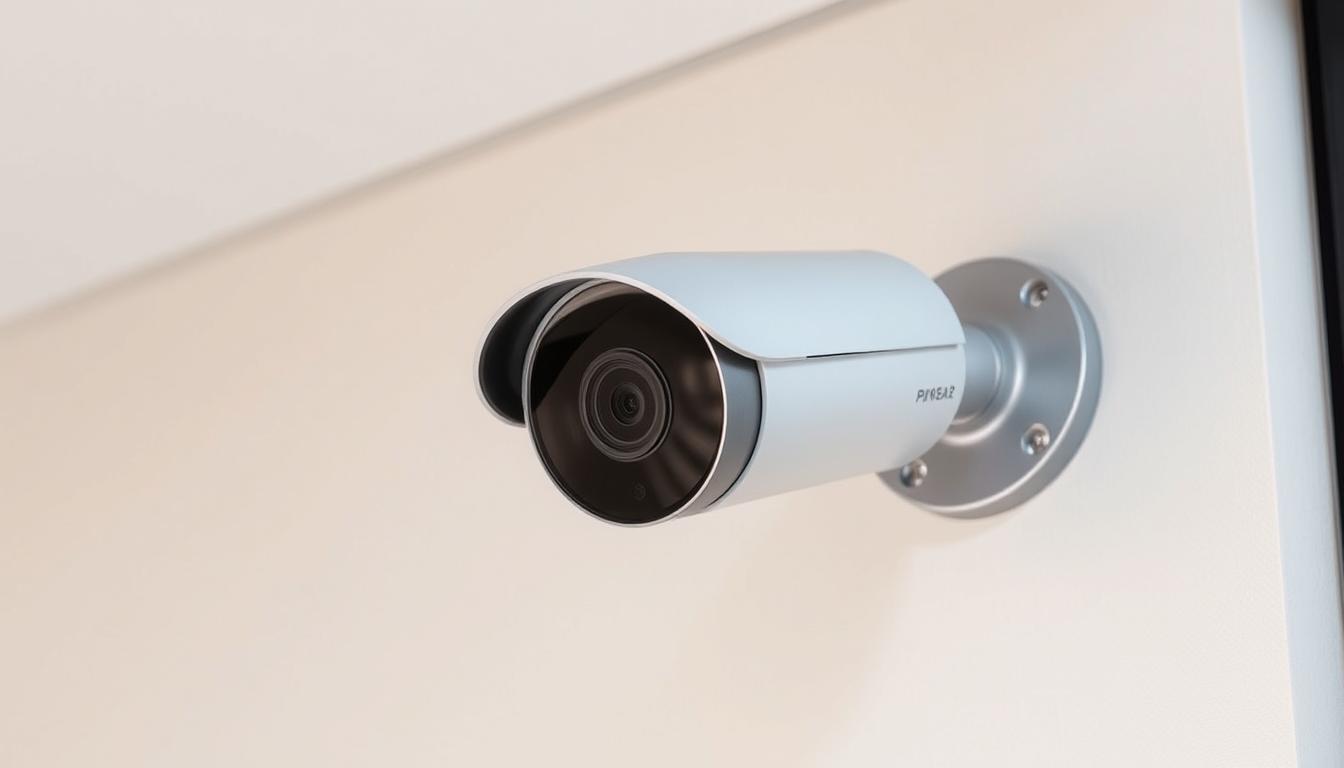
When should I replace my security cameras?
Choosing the right time to replace your security cameras is key for good surveillance and safety. Look out for signs like poor image quality, old tech, or physical damage. Knowing how long different cameras last and how the environment affects them is important. This article will help you spot when it’s time for a new camera, keeping your space safe and up to date.
Key Takeaways
- Regular checks can identify when to upgrade security cameras before issues arise.
- Different types of cameras have varying lifespans, influencing replacement timing.
- Environmental factors significantly affect the durability of security cameras.
- Technological advancements present opportunities for improved surveillance.
- Routine maintenance is essential for extending the lifespan of security cameras.
- Understanding component quality helps in making informed replacement decisions.
Lifespan of Security Cameras
The lifespan of security cameras varies a lot. It depends on the camera type and how it’s used. Knowing how long each type lasts helps you plan for maintenance and replacements.
Typical Lifespan for Various Camera Types
Analog cameras usually last 5 to 10 years. IP cameras, on the other hand, can last 3 to 5 years. NVR or DVR systems can last from 5 to 10 years, depending on the system.
Many things can affect how long a camera lasts. These include the camera’s quality, the environment it’s in, how often it’s used, and how well it’s maintained.
- Quality of components used in the camera
- Environmental conditions, such as temperature extremes and moisture exposure
- Frequency of camera usage
- Regular maintenance practices
Choosing well-known brands like Uniview or Axis Communications can help your camera last longer. Placing the camera in the right spot and keeping it well-maintained also helps. This is key for any surveillance system.
Signs of Degradation in Security Cameras
It’s key to spot camera degradation to keep your surveillance system working well. Many things can make security cameras less effective over time. These changes can really hurt how well your system works.
Common Indicators of Wear and Tear
There are several signs that show a camera is wearing out. These include:
- Blurry or pixelated images that make it hard to see important details.
- Constant problems with connecting, which can stop streaming or recording.
- Lighting issues that mess up how things look during the day or night.
- Physical damage, like broken lenses or loose parts.
The Impact of Image Quality on Security
Bad image quality is a big problem with camera wear. Poor video can make your surveillance system less useful. It’s hard to tell who’s who or what’s happening when pictures are fuzzy.
This makes your security system less effective. Spotting image quality issues early is important. It helps keep your cameras working right.
Environmental Factors Influencing Camera Longevity
Outdoor security cameras face many environmental challenges. These can greatly affect their performance and how long they last. It’s important to understand these factors to choose the right cameras for tough conditions. Weather effects and IP ratings are key to ensuring cameras last long outdoors.
Effects of Weather on Outdoor Cameras
Outdoor cameras are very sensitive to extreme weather. Rain, snow, and changing temperatures can harm their parts. This makes it hard for them to work well in bad weather. It’s essential to have cameras that can handle these conditions.
Importance of IP Ratings for Protection
IP ratings tell us how well a camera can handle the environment. For example, an IP66 rating means the camera can stand up to strong water jets. An IP67 rating means it can handle being underwater briefly. Choosing cameras with the right IP ratings helps them last longer, protecting them from moisture and dust.
When Should I Replace My Security Cameras?
Knowing when to replace your security cameras is key to keeping your surveillance system working well. Look for a drop in image quality. This can make it hard to recognize people or events. Also, if your cameras keep losing connection, it might be time for new ones.
Physical damage is another sign you need to replace your cameras. Cracks, rust, or wear can hurt their performance and security. If your cameras can’t keep up with new tech, it’s time to upgrade.
Check your surveillance system regularly to make sure it’s working right. Keep up with new tech that can improve your security. Not doing this could leave your property at risk.
The Role of Technology in Security Camera Upgrades
As security needs change, it’s key to keep up with technology upgrades. New security camera features improve monitoring, keeping properties safe.
Advancements in Features and Capabilities
Today’s security cameras have better resolution. This makes it easier to see faces and license plates. They also work well in low light, thanks to advanced technology.
Features like motion alerts and facial recognition make monitoring easier. These security camera features boost effectiveness. Upgrading to the latest models ensures a strong security system against today’s threats.
Regular Maintenance and Its Impact on Lifespan
Keeping your security cameras in top shape is key for their best performance and longer life. By following good maintenance habits, you can make your surveillance system work better. This means your cameras will last longer and keep giving you clear images.
Recommended Maintenance Practices
Here are some tips to keep your security cameras running smoothly:
- Routine cleaning of camera lenses keeps images clear by removing dust and dirt.
- Check cables and connections often to spot any wear or damage.
- Update firmware regularly to boost system performance and security.
- Set up a maintenance schedule to catch small issues before they get big.
Following these tips helps your cameras last longer and work better. Regular checks not only solve problems but also show you care about your security system. This care is essential for keeping your system running well for a long time.
Understanding the Importance of Quality Components
Choosing the right components for security cameras is key to their lasting performance. Investing in quality cameras means focusing on durable parts. This ensures your security system works well over time. Brands like Uniview and Axis are leaders in this area, making cameras that can handle tough conditions.
How Component Quality Affects Durability
Using top-notch materials, like strong plastics and metals, is essential. Good weather seals also help keep cameras working longer. If you don’t choose quality components, you might face more problems and costs over time.
By picking the best parts, you make your security system better. This can save you money in the long run. For more on when to replace your cameras, see this guide on when to replace your CCTV.
Physical Damage and Its Necessity for Replacement
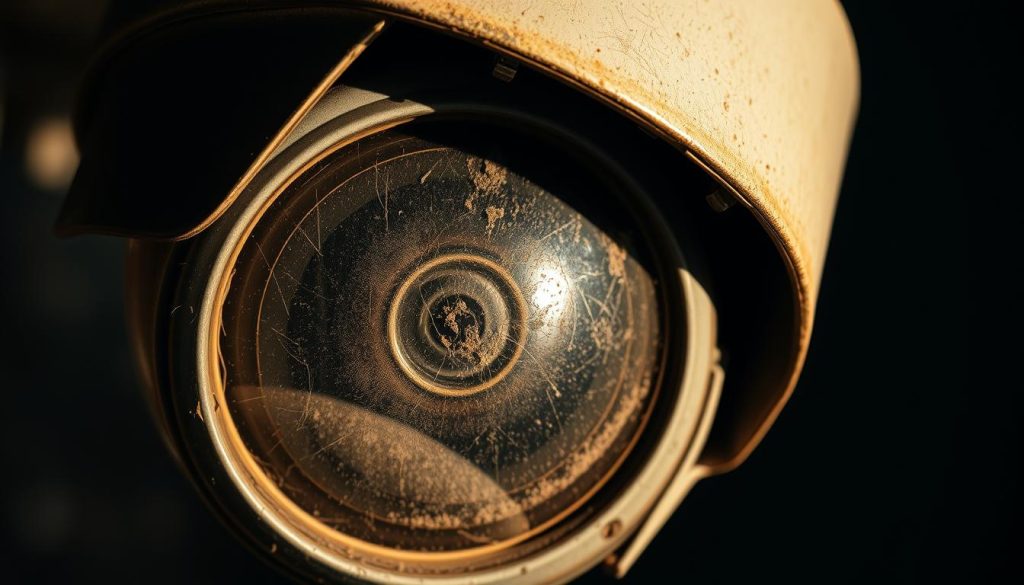
When cameras get damaged, it’s a sign they might not work well anymore. You might see cracks or faded lenses. These problems can make your surveillance system less effective.
- Cracks or Dents: Any visible physical damage can impair the camera’s ability to capture clear footage.
- Discoloration: Faded lenses may indicate exposure to harsh environmental conditions, affecting image quality.
- Malfunctioning Parts: Components that do not operate correctly may signify that the camera needs replacement.
Weather damage is also a big problem. Cameras can get worn out from being exposed to different weather conditions. If your camera is badly damaged, it’s time to replace it. This keeps your security system working well.
Performance Issues That Signal Replacement
Security cameras are key in protecting our property. It’s important to spot camera performance issues early. Problems like frequent connectivity issues or constant recording failures might mean it’s time for a new camera. Knowing these signs helps keep our security systems working well.
Common Connectivity Problems
Connectivity issues can come from old tech, weak internet, or environmental factors. These problems show up as slow video feeds or random disconnections. It’s important to watch for these signs, as they can make surveillance less reliable.
Upgrading to newer tech can fix many connectivity problems. This ensures a steady connection for better monitoring.
Recording Failures and Their Implications
Recording failures in security cameras are serious. They can mean the camera isn’t working right, which is bad for capturing important footage. If a camera misses recording during key moments, it fails its purpose and might let security threats go unchecked.
It’s vital to check how well cameras record regularly. Fixing issues right away is key to keeping security strong. For more on fixing your cameras, check out this resource.
Upgrading vs. Repairing Security Cameras
Deciding whether to upgrade or repair your security cameras is key to keeping your property safe. A detailed look at camera systems helps you choose wisely. Homeowners need to think about repair costs now versus the benefits of upgrading later.
Fixing cameras might seem cheaper at first. But, repair costs can add up, making your system less effective over time. Upgrading to newer models, on the other hand, brings better features, reliability, and energy savings.
Cost Analysis of Upgrades vs. Repairs
When looking at costs, consider:
- Repair costs for broken cameras, including parts and labor.
- The chance of more repairs and upkeep on older systems.
- The perks of newer camera tech, like better images and quality.
- Long-term savings from using less energy and better security.
In short, choosing to upgrade or repair cameras needs careful thought. It’s about weighing today’s costs against tomorrow’s security needs. The right choice will boost your surveillance system’s safety and performance.
Investing in Future-Proof Technology
In today’s fast-changing tech world, it’s key for property owners to invest in top-notch security cameras. These cameras come with the latest tech, like better image quality and smart analytics. This way, they stay ahead of the game and keep up with new security needs.
These cameras don’t just last long; they also work well with smart homes. This makes for a better security experience. It uses the Internet of Things to boost how well you can watch over your place. Investing in this tech now means you’ll have reliable and strong security for a long time.
Choosing advanced and flexible camera systems is smart for property owners. It helps them keep their security up to date as tech evolves. Going for future-proof systems now will be a big plus for keeping your place safe and secure.
FAQ
When should I replace my security cameras?
You should replace your security cameras if the image quality drops a lot. Also, if you face frequent connection problems or see physical damage. If your cameras can’t keep up with new tech or don’t meet your security needs anymore, it’s time for an upgrade.
What is the typical lifespan of different types of security cameras?
Analog cameras usually last 5-10 years. IP cameras last about 3-5 years. NVR/DVR systems, which store footage, can last 5-10 years. This depends on the quality of parts and the environment.
What factors affect the longevity of security cameras?
The lifespan of security cameras depends on several things. This includes the quality of parts, the environment, how often they’re used, and regular maintenance.
What are some common indicators of wear and tear in security cameras?
Signs of wear include blurry images, connection problems, and recording issues. These can make surveillance less effective.
How does image quality impact security?
Bad image quality makes it hard to identify people and see important events. It’s key to fix image quality issues quickly to keep security strong.
How do weather conditions influence the longevity of outdoor security cameras?
Weather like rain, snow, and extreme temperatures can harm outdoor cameras. Choosing cameras with high IP ratings, like IP66 or IP67, helps protect them from water and dust.
What role does technology play in security camera upgrades?
New tech, like better resolution and smart detection, makes surveillance better. Upgrading to the latest systems improves monitoring and fits with other security measures.
What are the recommended maintenance practices for security cameras?
Keep cameras clean, check cables and connections, and update firmware regularly. These steps help cameras work well and avoid problems.
How does the quality of components affect the durability of security cameras?
Good materials and design, like durable plastics and metals, make cameras last longer. Investing in quality parts means they’re reliable and cost-effective in the long run.
What signs of physical wear should I look for in security cameras?
Look for cracks, faded lenses, and broken parts. These signs mean the camera’s performance is at risk and needs to be replaced.
What performance issues indicate a need for replacement?
If cameras keep losing connection or recording fails, it’s time for a new one. Keeping an eye on these issues ensures your surveillance is reliable.
How do I decide between upgrading and repairing my security cameras?
Compare the cost of repairs to the cost of new cameras. While repairs might seem cheaper, new cameras often save money in the long run by being more efficient.
What is meant by future-proofing security camera technology?
Future-proofing means choosing cameras with the latest tech and strong design. This includes high-resolution images, advanced analytics, and smart home system integration.


