
What qualifications do I need to be a CCTV installer?
Starting a career in CCTV installation needs both education and hands-on experience. You must know a lot about security technology and how it works. The exact qualifications for CCTV installers can change, depending on where you live. This article will cover what you need to know to do well in this field.
Key Takeaways
- CCTV installer qualifications are essential for a successful career in security technology.
- Licensing and certification requirements can differ by region.
- Education and practical training are critical components of becoming a skilled CCTV installer.
- Understanding local regulations enhances job prospects in CCTV installation.
- Staying informed about advancements in security technology improves competence in the field.
Understanding the Role of a CCTV Installer
The CCTV installer role is key in keeping people and places safe. This includes homes, businesses, and public areas. They make sure surveillance systems work well and meet client needs.
Being a CCTV installer is more than just setting up cameras. They start by figuring out what the customer needs. They then recommend the right cameras and systems for each situation.
After choosing the right equipment, they install it. This involves putting up cameras, setting up software, and linking it to other security systems.
As part of their job description, installers also offer support after the installation. They teach clients how to use their new systems. This helps users feel comfortable and knowledgeable.
Installers also need to keep up with new camera tech and installation methods. This ensures they can provide the best service possible.
The Importance of Licensing in CCTV Installation
Knowing the importance of licensing in CCTV installation is key for both installers and customers. Following local CCTV licensing requirements makes sure the installation meets legal standards. This licensing protects customers from unqualified installers and boosts the installer’s reputation.
In many places, like parts of Singapore, installers must meet certain legal requirements for installers. They might need to register with state or local boards, pass background checks, and show they have enough insurance. These steps show a commitment to being professional and reliable.
Also, a licensed installer is seen as more reliable by clients. Knowing about security system licensing helps keep industry standards high and protects customer rights.
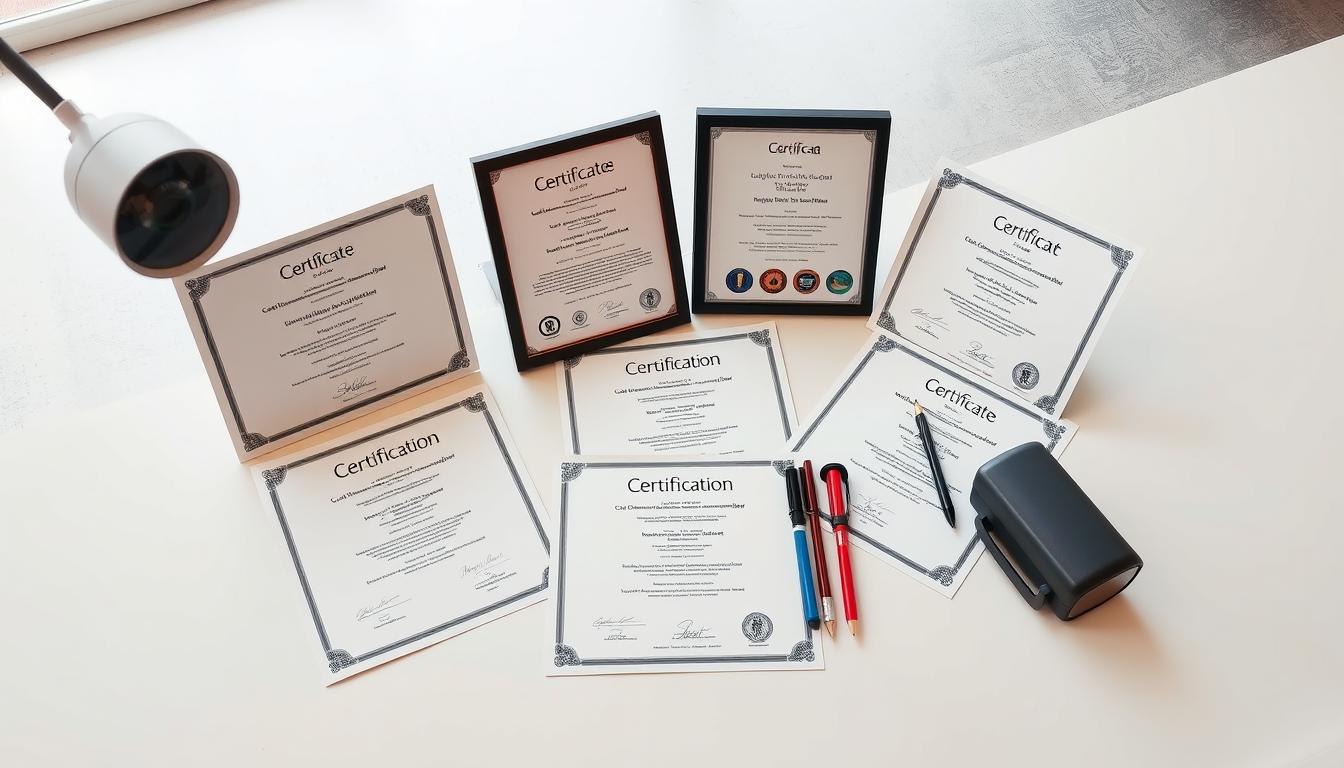
What qualifications do I need to be a CCTV installer?
To become a CCTV installer, you need certain qualifications. These ensure you can handle video surveillance systems well. You start with basic education, then take relevant courses and get certifications.
Education Requirements
First, you need a high school diploma or its equivalent. Many people then get degrees in electrical engineering or information technology. These degrees teach you about electronics and communication systems, key for the job.
Relevant Courses and Certifications
It’s important to take the right courses to get into this field. Look for CCTV installation courses that mix practical skills with theory. For example, Level 3 Diplomas in Electronic Fire and Security Systems are great choices.
Also, get certifications from recognized organizations. These boost your job chances and make you more credible. Going through these educational steps prepares you for the technical challenges of CCTV installation.
Apprenticeships and On-the-Job Training
For those wanting to be CCTV installers, apprenticeships are a great choice. They mix learning with doing, letting you work while you learn. You get to earn money and gain real-world experience.
Benefits of Apprenticeships
Apprenticeships offer many benefits:
- Hands-on Experience: You learn by doing, which makes your skills better.
- Networking Opportunities: You meet people who can help you find jobs later.
- Understanding Industry Standards: You learn from experts, so you know what’s expected.
How to Find Apprenticeship Opportunities
Finding apprenticeships takes effort. Here’s how to start:
- Get in touch with local trade associations that deal with security.
- Look at technical colleges that work with companies for apprenticeships.
- Contact security companies that offer training as part of their work.
Essential Skills for a CCTV Installer
To be great at CCTV installation, you need a mix of skills. These skills cover technical and people skills. They help you install systems well and make clients happy.
Technical Skills
Technical skills are key for a CCTV installer. Knowing electronics and software is important. You also need to know how to install and fix problems quickly.
Understanding different cameras and how they work is also important. This makes your installations better and improves your service.
Interpersonal Skills
Good people skills are also important. You’ll talk a lot with clients, so clear communication is a must. You need to listen well and meet their needs to make them happy.
Working well with others is also important. Being able to adapt and team up makes your job easier.
Industry Standards and Best Practices
Following CCTV industry standards is key for a security system’s success and longevity. Installers need to know the latest rules and tips to keep systems safe and reliable. Using best practices in installation makes sure the gear works well and is in the right spot for watching over areas.
Keeping current with security installation standards helps installers grow professionally. Joining groups like the Security Industry Association offers great advice on new codes, ways to install, and tech updates. By sticking to these standards, installers ensure their work is top-notch and improve their skills.
Certifications for Advanced CCTV Installation
For those looking to grow in surveillance, advanced certifications for CCTV installers are key. These certifications boost a technician’s skills and show their dedication to top-notch professional certifications in security systems. Programs like the Certified Security Project Manager (CSPM) are highly valued by employers.
Getting certified through groups like the Electronic Security Association (ESA) or the International Foundation for Protection Officers (IFPO) requires tough tests and ongoing learning. This journey keeps individuals up-to-date with new tech and industry standards. With many options, installers can pick certifications that match their career dreams and specialties, making them leaders in the field.
Equipment and Tools You Should Be Familiar With
Knowing the right tools for CCTV installation is key to a successful setup. A good equipment list for a CCTV installer has many specialized tools. Each tool is designed for a specific task, making the installation smoother and more efficient.
Here are the essential necessary installation equipment:
- Drills for mounting cameras securely.
- Cable testers to check if everything works right and is connected properly.
- Crimping tools for attaching connectors to cables accurately.
- Software programs for camera setup and configuration to optimize performance.
Installers also need to know about the camera systems and accessories, such as:
- IP cameras that need network setup.
- Power supplies for reliable operation.
- Mounting hardware for different installation places.
This knowledge improves the installation quality. It also makes the CCTV system last longer and work better.
Market Demand for CCTV Installers in Singapore
The need for security and crime prevention has grown a lot. This has led to a big job demand for CCTV installers in Singapore. Both homes and businesses are now using advanced surveillance systems. This means there are many job opportunities for skilled installers.
Job Prospects and Opportunities
The job outlook for CCTV installers is good. Companies are looking for experts to install and keep up security systems. This shows a big concern for safety among people and businesses.
Installers can work in many places, like:
- Residential areas
- Retail shops
- Corporate offices
- Industrial facilities
With more job demand for CCTV installers in Singapore, there are many chances for career growth.
Salary Expectations
The salary for security system installers depends on experience, certifications, and the job’s complexity. Beginners might start with a lower salary. But, those with more experience can earn more. On average, installers in Singapore can make:
- Entry-level salaries ranging from S$2,000 to S$2,500 monthly
- Mid-level salaries between S$2,500 and S$4,000 monthly
- Experienced installers with specialized skills earning over S$4,000 monthly
As market trends in CCTV installation change, so do the salaries. This shows how much skilled installers are valued in our society.
Continuing Education and Professional Development
The security world is always changing. This makes continuing education for CCTV installers very important. Training keeps professionals up-to-date and ready to serve clients well. It also helps them keep up with new trends in the field.
Staying Updated with Technology Trends
It’s key for CCTV installers to stay current with technology trends in security systems. They should look into:
- Workshops on new camera tech
- Online classes on advanced software
- Conferences for the latest industry insights
These steps improve skills and offer chances to meet others in the field. By always learning, installers make sure they meet today’s market needs.
Pathways to Career Progression in CCTV Installation
Exploring career paths for CCTV installers shows a world full of chances. Starting as a junior technician, you can move up to supervisory or project management roles. You might even get into security consulting or system design. A strong portfolio of your work can make you more attractive to employers.
Professional growth comes from networking with others in the field. Going to industry events, joining local groups, and using online forums can help. Getting advanced certifications also shows you’re serious about your work. This can make you stand out in a crowded job market.
The field of CCTV installation is always changing. To keep up, you need to keep learning and improving your skills. This way, you can take on more responsibility and earn more. With hard work and the right training, you can move up to a senior role. This path can lead to a rewarding career in security installation.
FAQ
What qualifications do I need to be a CCTV installer?
To be a CCTV installer, you need a high school diploma or similar. Getting more education in electrical engineering or IT helps. It’s also key to know about local licenses and certifications.
Why is licensing important for CCTV installers?
Licensing makes sure installers follow local laws. It also keeps consumers safe and boosts the installer’s reputation.
What type of education should I pursue for a career as a CCTV installer?
Start with a high school diploma and then vocational training or college courses. A Level 3 Diploma in Electronic Fire and Security Systems is a good start.
How can I find apprenticeship opportunities in CCTV installation?
Look for apprenticeships through local trade groups, tech colleges, or security firms. These programs mix learning with real-world experience.
What essential skills are needed for a CCTV installer?
You need technical skills like electronics and software knowledge. Also, being good at talking to people and providing great service is key.
What are the benefits of pursuing industry certifications?
Getting certifications like Certified Security Project Manager (CSPM) shows you’re an expert. It can lead to better jobs and higher pay.
What tools and equipment should a CCTV installer be familiar with?
You should know how to use drills, cable testers, and crimping tools. Also, learning about different cameras and mounting systems is important.
What is the market demand for CCTV installers in Singapore?
In Singapore, the need for CCTV installers is growing. This is because people are more worried about security. More jobs will open up as more places get surveillance systems.
How can I continue my education as a CCTV installer?
Keep learning with workshops, online courses, and conferences. This helps you keep up with new camera tech and security methods.
What are the career progression paths for CCTV installers?
You can move up to supervisory roles, project management, or even security consulting. Networking and getting more qualifications can help you advance.


