
What is the lifespan of NVR?
Network Video Recorders (NVRs) are key in today’s security systems, working with IP cameras. Knowing how long an NVR lasts is important for keeping your system running well. Most NVRs last 3 to 5 years, but better models might last longer with good care.
Things like how much you use it, how well you maintain it, and new tech can affect how long it lasts. You might need to update your system to keep it working at its best.
Key Takeaways
- NVRs usually last between 3 to 5 years.
- Higher quality models can surpass the typical lifespan with proper care.
- Usage and maintenance practices directly affect NVR longevity.
- Upgrades may be necessary due to advances in technology.
- Understanding factors influencing lifespan helps in preserving security effectiveness.
Understanding NVR Technology
NVR technology is key in today’s digital surveillance systems. It has a network video recorder at its heart. This recorder processes and stores video from IP cameras.
This setup makes managing and saving high-definition video easy. It ensures users get the best video quality.
NVRs are different from old digital video recorders. They handle digital signals from IP cameras. This boosts the quality of surveillance footage.
It also lets users access their footage remotely. This makes it great for those who want to manage their surveillance easily.
As technology gets better, NVR technology becomes more important. It can connect many cameras and let users manage them from anywhere. This makes it a top choice for security today.
Average Lifespan of NVR Systems
The average NVR lifespan is usually between 3 to 5 years. The quality of components and the environment affect this time frame. Regular use can also wear down the system, affecting its performance.
High-quality devices can last longer, up to 10 years, with proper care. This is due to good maintenance and keeping software up to date. Newer technologies make older systems less useful, encouraging users to update.
Storage devices in these systems also impact how long they last. Choosing the right storage can improve both performance and durability. For more tips on keeping CCTV systems running well, check out this helpful guide.
What is the Lifespan of NVR?
The lifespan of NVR systems can change a lot. Knowing what affects them is key to making them last longer.
Factors That Impact Longevity
Many things can affect how long an NVR lasts. The quality of its parts is very important. Better parts mean a longer life.
Where you install it also matters. Extreme weather or too much moisture can harm it. But, a controlled place can make it last longer.
Expected Lifespan Under Different Conditions
The life of an NVR can vary a lot. In the best conditions, with good care, it can last over five years. But, harsh conditions might cut it down to two or three years.
Regular checks and updates can help a lot. Watching out for the environment and keeping it in good shape can make it last longer.
Comparison of NVR and DVR Lifespans
When looking at surveillance systems, knowing the NVR vs DVR lifespan is key. Network Video Recorders (NVRs) usually last longer than Digital Video Recorders (DVRs). They can last from three to ten years, giving them a big edge over DVRs.
DVRs use older analog tech, which shortens their life to five to ten years. They are more prone to wear and tear because of their traditional parts. On the other hand, NVRs use newer tech and can handle constant use better. This shows how NVR durability is a big plus for modern surveillance.
Users should think about these points when picking between NVR and DVR systems. Knowing the differences helps make better choices and plan for future security tech needs.
Elements Affecting NVR Durability
The life and dependability of NVR systems depend on many factors. Knowing these can help users pick devices that last longer. A key thing to think about is the NVR component quality. This is vital for systems to handle daily use and environmental factors well.
Many organizations don’t focus on this, but it greatly affects the device’s performance.
Quality of Components
Not all NVR systems are the same. The quality of parts used in making them affects their performance and lifespan. High-quality materials in durable NVR systems last longer and work better than cheaper ones.
Brands like Reolink are known for making units that last through tough conditions. Choosing a high-quality product means it will last longer and work better over time.
Environmental Conditions
The place where an NVR is used can really affect how long it lasts. Things like temperature, humidity, and dust can harm the inside parts. For example, very hot or cold temperatures can cause overheating and failure.
Keeping an NVR in a cool, dry place can help it last longer. Regular checks and upkeep of these conditions can also help extend its life.
Maintaining Your NVR for Extended Lifespan
To keep your NVR system working well for a long time, regular maintenance is key. It’s important to update the system and keep it running smoothly. Here are some tips to help your NVR last longer.
Regular Software Updates
Keeping your NVR’s software up to date is vital. Manufacturers often release firmware upgrades to fix bugs and improve security. By updating your software quickly, you can boost your system’s performance and security. If you don’t update, your NVR might fail or work poorly, shortening its life.
Proper Ventilation and Placement
Where you place your NVR also matters for its lifespan. Make sure it has good airflow to avoid overheating. Heat can damage the hardware and make the system less efficient. Keeping it cool and well-ventilated is a simple way to extend your NVR’s life.
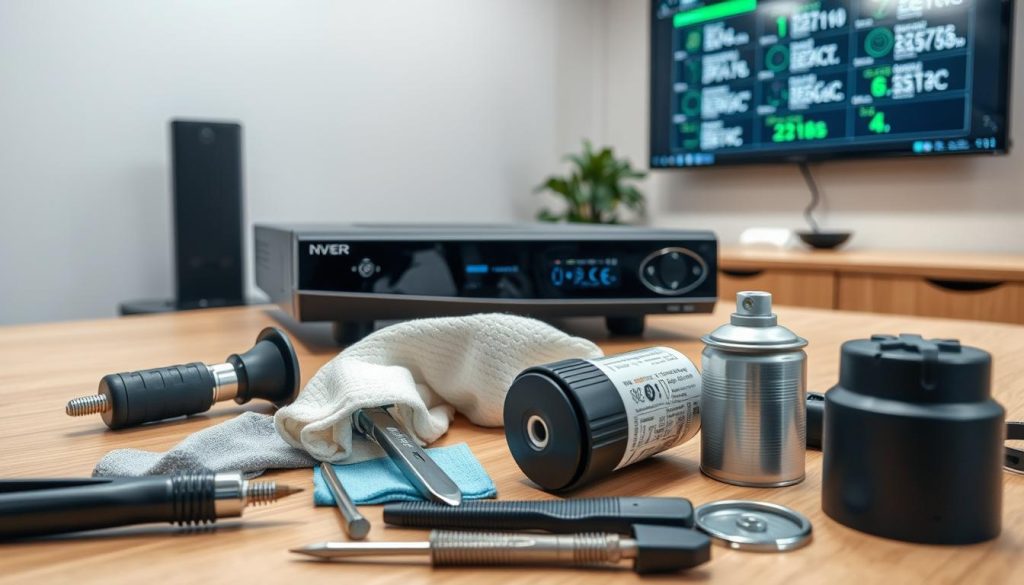
Signs that Your NVR Needs Replacement
As technology gets better, it’s key to know when your NVR needs a new one. Look out for frequent connection problems or slow responses. These signs often mean your NVR is not working right anymore.
Think about how your system handles new camera features. If it can’t handle high-definition or doesn’t support the latest tech, it’s time for a new NVR. Keeping an eye on your NVR helps catch problems early, saving you from big repairs and long outages.
Advancements in NVR Technology
NVR technology is changing fast, bringing new features to improve security and user experience. Now, NVRs can store more footage without losing quality. You can also access your videos from anywhere thanks to better cloud integration.
Artificial intelligence is a big part of the latest NVR innovations. It makes analyzing footage easier and more efficient. Modern NVRs also work better with a wider range of IP cameras, making setup easier.
These updates don’t just make video quality better. They also make NVRs last longer. You can count on your NVR to keep your place safe for years.
Choosing the Right NVR for Longevity
When picking NVRs, knowing what your system needs is key for lasting performance. Look at build quality, channel count, and features like remote access and easy setup. Choosing systems from trusted brands can make your investment last longer.
Also, consider NVR longevity tips when choosing. Go for systems that fit your needs now and can grow with you. The latest NVR systems often have extra features that are useful later on.
Doing your homework on user reviews and new tech can help you find the best NVR. Make sure your choice is backed by happy customers and good after-sales support. This way, you’ll get a system that’s reliable and will last.
FAQ
What is the typical lifespan of an NVR?
NVRs usually last between 3 to 5 years. But, with good care and quality models, they can last up to 10 years.
What factors impact the longevity of NVRs?
Several things affect how long NVRs last. These include the quality of parts, the environment, and how well they are maintained. Regular updates and checks are key.
How do NVR lifespans compare to DVR lifespans?
NVRs generally last longer than DVRs. NVRs can last from 3 to 10 years. DVRs usually last 5 to 10 years, but they use older technology.
How important is the quality of components in an NVR?
The quality of parts is very important for an NVR’s life. High-quality NVRs made with premium materials last longer than cheaper ones.
What role do environmental conditions play in NVR lifespan?
The environment greatly affects an NVR’s life. Extreme temperatures and humidity can shorten its life. NVRs in stable environments last longer.
Why is regular software maintenance important for NVRs?
Keeping the software up to date is essential for an NVR’s performance and life. Updates fix bugs and improve security. Ignoring updates can cause problems.
What signs indicate that an NVR may need to be replaced?
If your NVR has frequent connection issues, slow performance, or poor recording quality, it might need to be replaced. Struggling with new camera features is another sign.
What advancements are being made in NVR technology?
New NVRs have more storage, cloud integration, and AI. These advancements improve video quality and extend lifespan.
How do I choose the right NVR for longevity?
Look for NVRs with good build quality, enough channels, and advanced features. Choosing a reputable brand known for durability is best.


