
What is the lifespan of a CCTV camera? Expert Insights
Modern surveillance systems form the backbone of property protection across Singapore. With rising security concerns, reliable monitoring solutions have become essential for homes and businesses alike. These electronic eyes provide constant vigilance against theft and unauthorized access.
The operational duration of your surveillance equipment depends on multiple factors. Environmental conditions, component quality, and installation practices all play crucial roles. Proper care can extend this period significantly, protecting your investment.
This guide delivers professional advice on maximizing your system’s durability. We explore average expectancy ranges and the variables that influence them. You will learn practical strategies to enhance longevity through routine maintenance.
Understanding when to repair or replace aging units saves money and maintains protection. We also address Singapore’s specific regulatory landscape for surveillance. Our expert insights help you make informed decisions about your security infrastructure.
Key Takeaways
- Surveillance system longevity varies based on environment, quality, and usage patterns.
- Proactive maintenance routines dramatically extend operational years.
- Recognizing failure signs early prevents complete security breakdowns.
- Technological advancements may justify strategic upgrades for better protection.
- Singapore’s PDPA guidelines affect camera placement and data handling.
- Professional installation and quality components boost overall durability.
- Regular cleaning and weather protection are essential for tropical climates.
The Critical Role of CCTV Systems in Modern Singaporean Security
The increasing complexity of urban security demands in Singapore has elevated video monitoring systems to unprecedented importance. These electronic guardians provide constant vigilance across residential, commercial, and public spaces.
Deterring Crime in a Changing Landscape
Recent crime statistics reveal a pressing security challenge. Theft incidents surged over 25% during early 2023, affecting shops, homes, and offices nationwide.
Visible surveillance cameras create powerful psychological barriers against criminal activity. Potential offenders often avoid properties with obvious monitoring equipment installed.
For commercial establishments, these systems protect inventory and deter shoplifting. They also monitor employee performance and ensure workplace safety protocols get followed.
Homeowners gain substantial peace of mind knowing their property remains under watch. A functional system serves as both deterrent and evidence collection tool when needs arise.
From Passive Recording to Proactive Monitoring
Modern technology has transformed basic recording devices into intelligent security partners. Today’s systems offer remote access via smartphones and computers.
Advanced features like motion detection and AI analytics provide real-time alerts. This allows immediate response to suspicious activities instead of reviewing footage after incidents occur.
Line-crossing analytics can trigger warnings when people enter restricted zones. Facial recognition technology helps identify authorized personnel versus unknown individuals.
Integration with other security components creates comprehensive protection networks. These smart systems work together with alarms and access controls for layered defense.
The effectiveness of these critical security roles depends entirely on system reliability. Consistent operation ensures continuous protection for people and assets across Singapore.
What is the Lifespan of a CCTV Camera? Defining the Average Range
Industry standards provide a helpful starting point for gauging how long security cameras typically function. This section establishes clear benchmarks for operational duration. These figures serve as a baseline, heavily influenced by the specific factors explored later.
The 3 to 7-Year Benchmark: What the Averages Mean
Most surveillance equipment operates reliably for three to seven years. This range represents a common industry average. It accounts for the natural wear of electronic parts during continuous use.
Environmental stress accelerates this degradation process. Internal components like image sensors and circuit boards have finite service life. Their performance gradually declines even with proper care.
A critical distinction exists between physical and technological lifespan. A unit might power on after five years but deliver poor image clarity. Outdated firmware or missing security patches can also render older models ineffective.
Modern features like high-resolution streaming demand more from hardware. An aging device may struggle with current processing requirements. This technological obsolescence often dictates replacement before physical failure occurs.
Consumer-Grade vs. Professional System Longevity
Build quality creates a major disparity in how long cctv cameras last. Consumer-grade models, often found in retail electronics stores, typically offer two to three years of service. They use less durable materials and basic electronic components.
Professional surveillance systems are engineered for endurance. These cameras frequently operate beyond seven years with appropriate maintenance. Their robust construction handles demanding environments much better.
Leading manufacturers like Axis, HikVision, and Avigilon invest in superior components. These brands design their products for long cctv service periods in commercial settings. The initial higher cost translates to extended reliability and fewer replacements.
Professional cameras feature better seals against moisture and dust. Their internal circuitry withstands voltage fluctuations more effectively. This results in more consistent operation over many years.
Choosing higher-quality systems directly impacts total cost of ownership. While premium cameras cost more upfront, their extended service life offers better value. This investment protects your security infrastructure from frequent failures.
Key Factors That Shorten Your CCTV Camera’s Lifespan
Your surveillance equipment’s durability faces multiple threats that can cut its service years short. Identifying these elements allows for preventive action. Proactive measures directly counter these common factors.
Environmental Assault: Heat, Humidity, and Dust in Singapore
Singapore’s tropical climate presents a harsh environment for electronics. Constant heat and high humidity accelerate component degradation. Corrosive salt air near coastal areas adds another layer of risk.
Moisture ingress represents a silent killer. It causes internal corrosion on circuit boards and connectors. This corrosion leads to intermittent failures and eventual complete breakdown.
Excessive heat stresses internal parts like image sensors. It can permanently degrade their performance over time. Inadequate cooling in enclosed spaces worsens this thermal damage.
Dust accumulation creates multiple issues. It clouds lenses, reducing image clarity. Dust also clogs ventilation ports, preventing proper heat dissipation.
The Impact of Inferior Components and Construction
Build quality fundamentally determines how long surveillance cameras last. Cheap models use plastic housings that crack under UV exposure. Their internal electronics lack proper shielding.
Low-grade sensors capture poor footage from day one. They also fail faster under continuous operation. Industrial-grade chipsets in professional cameras handle stress much better.
Weak seals around housing joints allow moisture penetration. Inadequate heat dissipation designs cause internal hotspots. Fragile cable connectors break during maintenance or weather events.
Metal housings offer superior protection compared to plastic. They resist physical impacts and dissipate heat efficiently. This construction quality extends operational life significantly.
Continuous Operation and System Overload
Monitoring devices work around the clock unlike most electronics. This constant use creates relentless electrical and thermal stress. Internal components experience accelerated wear as a result.
System overload occurs when pushing equipment beyond design limits. Connecting too many high-resolution cameras to one recorder is common. The overwhelmed hardware fails prematurely from excessive heat.
Power supply instability causes another form of stress. Voltage spikes and brownouts damage sensitive circuitry. Using uninterruptible power supplies mitigates this risk effectively.
Vandalism and accidental impacts can end a camera‘s service instantly. Protective housings and strategic placement reduce this acute risk. For more detailed guidance on equipment durability, explore this resource on how long CCTV systems typically last.
How Environmental Conditions Dictate Camera Durability
The durability of monitoring devices is fundamentally shaped by their operating environment. Outdoor installations face constant exposure to elements that test their resilience daily. Selecting equipment designed for specific challenges ensures reliable long-term operation.
Singapore’s tropical climate demands specialized protection for electronic components. Heavy rainfall, intense humidity, and corrosive salt air accelerate wear on sensitive parts. Understanding protective ratings transforms environmental threats into manageable factors.
Weatherproof Ratings (IP Ratings) Explained for Tropical Climates
Ingress Protection (IP) codes define how well enclosures shield internal components. The two-digit rating indicates specific resistance levels to solids and liquids. For example, IP65 means complete dust protection and resistance to water jets.
Higher numbers offer better environmental shielding for surveillance equipment. IP66 units withstand powerful water jets from any direction. IP67 models can survive temporary immersion in water up to one meter deep.
Singapore’s outdoor installations require at least IP65 protection. Coastal areas benefit from IP66 or IP67 ratings due to salt spray exposure. These ratings ensure cameras continue functioning during monsoon seasons.
Ultraviolet radiation resistance is equally important for long cctv service life. UV-stabilized housings prevent plastic degradation and color fading. Look for certifications indicating protection against sunlight damage.
Proper installation completes the environmental protection strategy. Conduits shield cables from moisture and physical harm. Weatherproof junction boxes protect electrical connections from the elements.
Protecting Cameras from Physical Damage and Vandalism
Environmental durability extends beyond weather resistance to include physical security. Vandal-proof domes feature impact-resistant polycarbonate construction. These transparent shields allow clear viewing while protecting lenses.
Protective metal cages offer another layer of defense against deliberate damage. Mounting positions significantly influence vulnerability to tampering. Install units at least nine feet above ground level and out of easy reach.
Strategic placement considers both surveillance coverage and protection needs. Position cameras under eaves or other overhead structures when possible. This provides natural shelter from direct rainfall and sunlight.
Sunshades prevent overheating during peak daylight hours. They also reduce lens flare from direct sunlight exposure. Lens hoods minimize water droplet accumulation during heavy rain.
Cable management deserves careful attention for overall system integrity. Use waterproof connectors for all outdoor electrical joints. Secure wiring inside conduits to prevent environmental damage and tampering.
Regular inspection of protective features maintains their effectiveness over time. Check housing seals annually for signs of wear or deterioration. Replace damaged components promptly to preserve the security camera’s operational life.
Maximizing Longevity Through Proactive Maintenance
Proactive care transforms your security investment from a passive device into a long-term asset. Regular maintenance represents the single most effective method to ensure your equipment operates reliably for its maximum potential duration. This systematic approach addresses minor issues before they escalate into complete failures.
Establishing a routine extends service years significantly. It preserves image clarity and system functionality. Consistent upkeep also maintains warranty coverage from manufacturers.
Essential Weekly and Monthly Camera Checks
Simple visual inspections form the foundation of effective equipment care. These quick checks require minimal time but deliver substantial benefits. Implement a regular schedule to catch problems early.
Weekly glances verify that all units maintain their intended viewing angles. Look for new obstructions like growing plants or accumulated debris. Ensure each device’s field of view remains clear and unobstructed.
Monthly examinations should be more thorough. Inspect housing for cracks, discoloration, or moisture signs. Check cable connections for tightness and weatherproofing integrity.
Verify that mounting brackets remain secure and stable. Look for insect nests or spider webs around the housing. These simple steps help your surveillance cameras last longer.
The Right Way to Clean Lenses and Housings
Proper cleaning techniques maintain optimal image quality and prevent damage. Always power down the system or place cameras in a safe mode before beginning. Gather appropriate supplies: microfiber cloths, lens cleaning fluid, and compressed air.
Start by gently removing loose dust with a soft brush. Apply lens cleaner to the microfiber cloth, not directly onto the glass. Wipe in a circular motion from center to edges.
Clean the entire housing, not just the lenses. Dirt accumulation on infrared LEDs causes haze in night vision footage. Remove debris from ventilation slots to prevent overheating.
Avoid abrasive materials like paper towels or rough fabrics. Never use household cleaners containing ammonia or alcohol. These chemicals can damage anti-reflective coatings permanently.
Schedule cleaning during dry daylight hours for best results. Regular attention prevents “spider web” effects in infrared illumination. Clear lenses ensure your system’s performance remains consistently high.
Scheduling Professional Annual Inspections
While user maintenance handles surface-level needs, technical solutions require professional expertise. Annual inspections by qualified experts address internal conditions users cannot assess. These comprehensive evaluations typically examine multiple critical areas.
Technicians measure internal operating temperatures during peak usage. They verify voltage levels and power supply stability. Cable integrity tests identify degradation before connection failures occur.
Recorder health assessments check storage drive functionality and capacity. Firmware updates address security vulnerabilities and improve features. Professional maintenance can identify a slightly loose connection or a fan clogged with dust.
These small corrections prevent total system breakdowns. For optimal results, consider professional servicing at least annually, as detailed in this guide on how often CCTV should be serviced.
Consistent professional attention preserves manufacturer warranty coverage. It also provides documentation for insurance purposes. Investing in annual inspections represents cost-effective protection for your entire security infrastructure.
Recognizing the Signs Your CCTV Camera Needs Replacement
Electronic guardians exhibit specific deterioration patterns that warrant proactive replacement planning. Knowing these warning signals helps you maintain continuous security coverage. Timely action prevents complete system failure during critical moments.
This diagnostic guide identifies when repair costs outweigh replacement benefits. We examine visual, physical, and operational symptoms of aging equipment. Understanding these signs empowers informed decisions about your security infrastructure.
Image Degradation: Blurriness, Pixelation, and Color Shifts
Failing image sensors announce their decline through noticeable footage changes. Persistent blurriness that cleaning cannot fix indicates internal component failure. This differs from temporary haze caused by dirt or condensation.
Digital pixelation creates blocky, unclear images even with strong signals. Color shifts like pink or green tints suggest sensor calibration issues. These problems typically worsen over time as internal parts degrade.
Excessive digital noise appears as graininess in both day and night footage. Horizontal lines or flickering often point to connection problems or sensor damage. Such image quality deterioration compromises identification capabilities.
Compare current footage with recordings from previous years. Significant quality drops signal approaching end-of-service life. Professional assessment determines whether repair can restore original clarity.
Physical Symptoms: Corrosion, Cracked Housings, and Moisture Ingress
External damage provides visible evidence of environmental wear. Singapore’s humidity accelerates corrosion on metal connectors and mounts. White or green oxidation on contacts causes intermittent signal loss.
Cracked housings, especially around lens seals, allow moisture penetration. Plastic becomes brittle after prolonged UV exposure. Even hairline fractures compromise weatherproof integrity significantly.
Condensation inside dome cameras creates permanent fogging effects. Water droplets on internal lenses cannot be cleaned without disassembly. This moisture damage often spreads to circuit boards.
Insect nests or spider webs inside housings indicate seal failures. These infestations can short-circuit electronic components. Regular inspection catches these physical issues before they cause operational failure.
Performance Failures: Constant Rebooting and Recording Gaps
Operational instability represents perhaps the most serious warning sign. Cameras that randomly reboot multiple times daily suffer from power or internal faults. This behavior often precedes complete shutdown.
Network connectivity drops make security camera feeds unreliable. Units that frequently disappear from monitoring systems create coverage holes. These intermittent faults are particularly troublesome to diagnose.
Recording gaps represent major security red flags. Systems that fail to capture events without alerts leave vulnerabilities. This problem often stems from storage, software, or hardware failures.
System-wide lag when viewing multiple cameras suggests overloaded processing capacity. Older models struggle with modern resolution and analytics demands. Such performance needs may justify technological upgrades.
Differentiate between simple fixes and component failure. Loose cables cause similar symptoms but are easily remedied. Persistent problems after basic troubleshooting indicate deeper internal issues.
When multiple symptoms appear together, replacement usually becomes necessary. Investing in new cameras restores reliable protection and modern features. This proactive approach maintains your property’s security integrity.
Strategic Upgrades: When Technology Demands a Change
A functional camera can become a security liability if it lacks the capabilities of modern surveillance solutions. This concept defines the technological lifespan of your equipment. Hardware might still operate while being functionally obsolete.
Rapid innovation in monitoring technology creates this scenario. Capabilities considered premium five years ago are now standard. Staying current ensures your protection measures remain effective against evolving threats.
Industry experts often recommend reassessing your setup every three to five years. This cycle matches typical advancement periods in security technology. Proactive upgrades prevent capability gaps from undermining your property’s safety.
Assessing the Gap Between Your System and Current Capabilities
Begin your evaluation with fundamental questions about existing equipment. Determine whether you use analog or Internet Protocol (IP) based cameras. Analog systems transmit lower-quality signals over coaxial cables.
Modern IP cameras send digital data over networks. They offer superior clarity and enable advanced features. This distinction represents the first major upgrade consideration.
Check your maximum recording resolution against today’s standards. Standard definition (720p) no longer provides sufficient detail for identification. High-definition (1080p) has become the baseline for reliable monitoring.
Evaluate remote access functionality. Can you view live feeds securely from mobile devices? Older systems often lack this essential convenience feature.
Review firmware update status from your manufacturer. Unsupported software leaves systems vulnerable to cyber threats. Regular security patches are non-negotiable for modern protection solutions.
Benefits of Modern Features: AI Analytics, 4K Resolution, and Cloud Storage
Ultra-high-definition 4K resolution delivers transformative detail. It captures license plates and facial features from greater distances. This clarity turns vague footage into actionable evidence.
Artificial intelligence transforms passive recording into active threat detection. Smart algorithms distinguish between humans, vehicles, and animals. This intelligence dramatically reduces false alarms from leaves or shadows.
Advanced analytics offer loitering detection and perimeter breach alerts. Systems notify you immediately when suspicious behavior occurs. This proactive approach focuses attention on genuine security incidents.
Cloud-based storage provides several advantages over local network video recorders. Off-site backup protects footage from physical damage or theft. Remote management through web portals simplifies system administration.
Scalability allows easy addition of new cameras without hardware constraints. Subscription models often include automatic software updates. These solutions ensure your system evolves with technological improvements.
Cybersecurity protections in newer models address critical vulnerabilities. Encrypted data transmission prevents interception of sensitive footage. Regular firmware updates patch newly discovered security flaws.
Older analog systems lack these fundamental protections entirely. They represent significant risks in today’s connected environments. Upgrading becomes a security imperative rather than just an enhancement.
Implementing upgrades through a phased approach manages budget constraints effectively. Prioritize replacement of cameras covering critical entry points first. This strategy maintains coverage while spreading investment over time.
Consider hybrid solutions that integrate new IP cameras with existing infrastructure. Modern video encoders can bridge analog equipment to network systems. These transitional solutions extend the value of current investments.
View technological upgrades as strategic investments in enhanced protection capability. The return includes not just newer hardware but improved detection and response. Modern systems deliver peace of mind through their advanced performance.
Regular technology assessments ensure your security measures match contemporary threats. This proactive approach maintains the integrity of your property protection strategy. Investing in current capabilities safeguards your assets effectively over time.
Implementing a Practical CCTV Maintenance Schedule
Transforming maintenance from a reactive chore into a proactive routine is the key to unlocking maximum durability for your surveillance investment. A structured schedule turns random acts of care into a disciplined system for reliability.
This approach directly prevents common issues that degrade performance. It ensures your security infrastructure remains fully operational when you need it most.
Creating a Checklist for Regular Upkeep
A simple, time-based checklist makes consistent maintenance manageable for any business or homeowner. Break tasks into daily, monthly, quarterly, and annual steps.
Daily/Weekly Tasks (5 minutes):
- Conduct a quick visual scan of all cameras via your monitoring app or live feed.
- Verify each unit is online and its field of view remains unobstructed.
- Check for immediate physical damage or obvious tampering.
Monthly Tasks (15-30 minutes):
- Physically clean cctv lens covers and housings with appropriate materials.
- Test playback functionality by retrieving a recording from a specific time.
- Inspect for new environmental obstructions like plant growth.
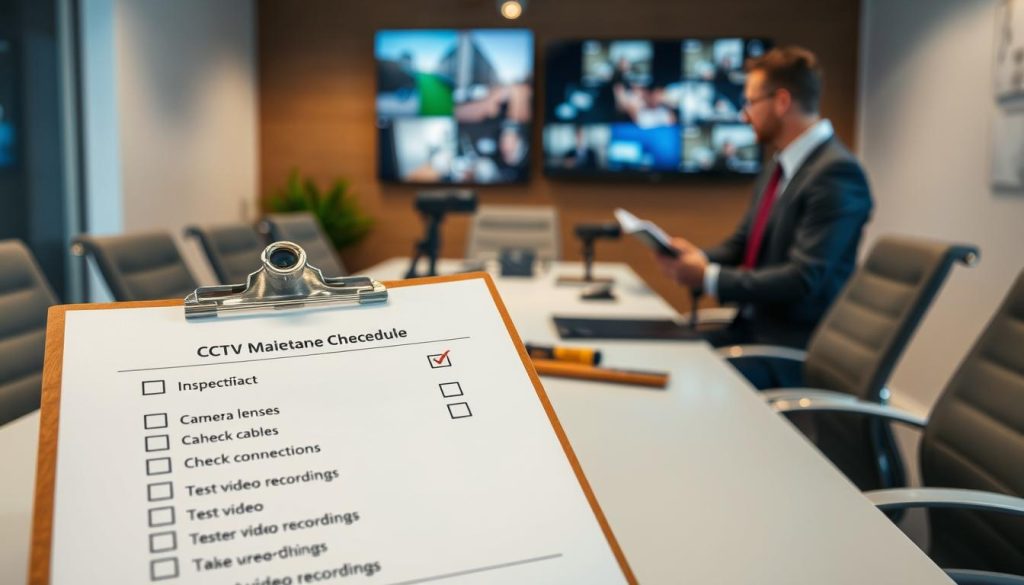
- Check and tidy all cable connections and conduits.
- Review and apply available firmware updates for cameras and recorders.
- Verify network settings and user access permissions.
Annual/Biannual Tasks (Professional Service):
- Schedule a professional inspection for electrical checks and deep cleaning.
- Request a full system diagnostic to assess component health.
- Review and update your overall security strategy.
Firmware Updates and Cybersecurity Hygiene
Regular software updates are non-negotiable for modern cctv systems. Firmware patches fix bugs, close critical security vulnerabilities, and can even add new features.
Neglecting these updates leaves your entire network exposed to cyber threats. Hackers often target outdated software with known exploits.
Implement these essential cybersecurity practices:
- Change Default Credentials: Always replace factory-set usernames and passwords with strong, unique alternatives.
- Enable Network Encryption: Use WPA2 or WPA3 for wireless systems and VLAN segmentation to isolate surveillance traffic from your main business network.
- Schedule Update Checks: Mark your calendar to check manufacturer websites or enable auto-update notifications quarterly.
Managing Storage Health and Power Supply Stability
Your surveillance data is only as secure as the hardware storing it. Network Video Recorders (NVRs) and DVRs rely on hard drives that experience constant wear.
Monitor storage health through your system’s admin interface. Look for warnings about bad sectors or failing drives. Ensure automatic overwrite settings are configured correctly to prevent recording gaps.
Power instability is a silent killer of electronic components. Voltage spikes and brief outages can corrupt data and damage internal circuitry.
An Uninterruptible Power Supply (UPS) is a wise investment. It provides clean, stable electricity and bridges short outages, allowing for graceful system shutdowns.
Document every maintenance action, issue found, and repair performed. This log provides a valuable history for troubleshooting and proves due diligence for warranties or insurance.
Adopting this comprehensive schedule is the cornerstone of a proactive approach. It systematically protects your cctv investment and ensures long-term, reliable performance.
Budgeting for the Full Lifecycle: Cost Considerations in Singapore
Understanding the complete financial picture of surveillance ownership prevents unexpected budget shocks down the road. The initial price tag represents just one part of your investment. True expense unfolds across the entire operational period.
Smart planning requires examining all cost phases. This includes installation, ongoing care, and eventual replacement. A holistic view ensures your security remains effective without financial strain.
Calculating Total Cost of Ownership: Purchase, Installation, and Maintenance
Total Cost of Ownership (TCO) provides the accurate financial metric for security systems. It sums every expense from acquisition to retirement. This approach reveals the real value of your investment.
TCO breaks down into several clear categories:
- Hardware Acquisition: The upfront price of cctv cameras, recorders, and accessories.
- Professional Installation: Labor costs for proper mounting, wiring, and configuration.
- Ongoing Maintenance: Regular cleaning, software updates, and component checks.
- Potential Repairs: Unexpected fixes for damaged parts or connection issues.
- Energy Consumption: Electricity costs for continuous 24/7 operation.
- Replacement Reserve: Funds set aside for eventual system refresh.
Consider this comparison between two common approaches. A budget system might cost $1,500 initially but require $800 in repairs over three years. A premium setup could be $3,000 upfront with minimal additional costs for seven years.
The premium option often delivers lower TCO despite higher initial price. Its extended longevity and reliability prevent frequent disruption costs. This financial reality guides savvy purchasing decisions.
Planning for Mid-Life Upgrades vs. Complete System Replacement
Not every aging component requires full system replacement. Strategic upgrades can refresh capabilities at lower cost. This approach extends the useful lifespan of your core infrastructure.
Common mid-life enhancements deliver significant value. Adding a high-resolution camera to a critical entry point improves coverage. Expanding cloud storage capacity accommodates longer retention periods.
Upgrading network switches can support additional devices. Installing a modern video management system unlocks new analytics features. These targeted investments maximize existing infrastructure.
Complete replacement becomes necessary when core components fail simultaneously. Outdated technology that cannot receive security patches poses risks. Systems approaching seven years often benefit from comprehensive renewal.
Create a replacement sinking fund for predictable budgeting. Set aside a small monthly amount matching your expected upgrade cycle. This disciplined approach prevents large, unexpected capital expenditures.
How Quality Investment Leads to Long-Term Savings
Superior quality equipment demonstrates its value through extended service and fewer failures. Industrial-grade cctv systems withstand Singapore’s environmental challenges better. Their robust construction translates directly to financial benefits.
The hidden costs of system failure often exceed equipment prices. Security breaches can result in stolen inventory or vandalism repairs. Loss of critical evidence during incidents creates legal vulnerabilities.
Business disruption from non-functional surveillance affects operations and insurance premiums. These indirect expenses make reliable protection essential. Quality solutions minimize such risks effectively.
“Investing in durability today prevents costly emergencies tomorrow. The most expensive system is the one that fails when you need it most.”
Warranties and service-level agreements provide predictable budgeting tools. Comprehensive coverage plans fix issues without surprise invoices. They transform variable repair costs into fixed annual expenses.
Professional support ensures proper installation from the beginning. Expert configuration optimizes performance and prevents early failures. This initial investment pays dividends throughout the equipment’s service life.
Align your security needs with appropriate quality levels. High-traffic commercial spaces demand industrial-grade durability. Residential applications might utilize reliable consumer models effectively.
Financial planning across a 5-10 year horizon ensures sustainable protection. Balance upfront costs with long-term reliability requirements. This strategic approach delivers both security and fiscal responsibility.
Navigating Singapore’s CCTV Regulations and Compliance
The Personal Data Protection Act (PDPA) creates specific obligations for businesses and homeowners using surveillance cameras in Singapore. This legal framework ensures your monitoring activities respect individual privacy while serving legitimate security needs. Compliance is not optional—it’s integral to responsible system management.
Understanding these rules protects you from legal complications. It also builds trust with employees, customers, and neighbors. A compliant surveillance setup demonstrates professional responsibility and ethical operation.
Understanding PDPA Guidelines for Surveillance Footage
Singapore’s PDPA establishes clear boundaries for collecting personal data through video monitoring. The law focuses on three core principles that every operator must follow. These guidelines balance security interests with privacy rights effectively.
Purpose Limitation means you can only collect footage for legitimate, stated reasons. General security monitoring qualifies, but secretive or excessive recording does not. Your surveillance objectives should be reasonable and transparent from the start.
The Notification Obligation requires informing people they are being recorded. This is typically achieved through clearly visible signage. Individuals deserve to know when their personal data is being captured by your systems.
Protection of Personal Data mandates securing all recorded footage from unauthorized access. This includes both digital and physical security measures. Your storage solutions must prevent data breaches or misuse.
The PDPA considers video footage containing identifiable individuals as personal data. This classification triggers specific handling requirements. Even brief clips showing faces or license plates fall under these protections.
Businesses must appoint a Data Protection Officer to oversee compliance. This role ensures ongoing adherence to evolving regulations. Regular audits help identify and correct potential violations before they become problems.
Proper Signage and Data Retention Policy Requirements
Effective signage serves as your primary method of fulfilling the notification requirement. Signs must be conspicuous and placed at all entry points to monitored areas. They should contain specific information to be legally sufficient.
Your signage should clearly state:
- The purpose of video surveillance (e.g., “For Security Purposes”)
- The organization responsible for the system
- Contact details for privacy inquiries
- A brief reference to the PDPA
Place signs at eye level where they’re easily noticed. Use both English and other languages common in the area. Illuminated signs work best for 24/7 visibility at night.
Data retention policies require careful planning and documentation. Most organizations keep footage for 30 days before automatic deletion. This period balances investigative needs with privacy considerations.
Your retention timeline should match your actual security requirements. Longer periods need stronger justification under the PDPA. Document your policy and ensure your recording systems enforce it automatically.
Securing stored footage involves multiple layers of protection:
- Digital Security: Encrypt video files and maintain access logs showing who viewed recordings and when.
- Physical Security: Lock network video recorder cabinets in controlled-access rooms.
- Network Security: Isolate surveillance systems on separate network segments with firewalls.
Professional installers play a crucial role in compliant placement. They help position cameras to monitor your property without intruding on neighbors’ privacy. Their expertise ensures your system meets both technical and legal standards.
Non-compliance carries serious consequences. The Personal Data Protection Commission can impose fines up to S$1 million. Reputational damage from privacy violations often exceeds financial penalties.
“A compliant surveillance system is not just legally sound—it’s ethically responsible. It shows respect for individuals while effectively protecting property and people.”
Regular reviews keep your practices current with regulation updates. Technology evolves, and so do interpretation of privacy laws. Staying informed prevents accidental violations over time.
Integrating compliance into your overall security strategy creates a robust framework. It ensures your surveillance solutions perform their protective role without creating legal vulnerabilities. This balanced approach delivers peace of mind on all fronts.
Choosing the Right Equipment and Partner for Maximum Durability
Building a long-lasting monitoring solution requires careful consideration of both hardware and human expertise. Your initial selections establish the foundation for years of reliable protection. This final guidance focuses on procurement and partnership strategies that deliver extended service life.
Smart choices today prevent frequent replacements tomorrow. They also minimize unexpected downtime and maintenance headaches. Investing in the right combination of technology and support creates a resilient security infrastructure.
Selecting Cameras Designed for Singapore’s Environment
Singapore’s tropical climate demands specialized surveillance equipment. Standard consumer models often fail under constant heat and humidity stress. Professional-grade cameras from reputable brands offer the necessary resilience.
Leading manufacturers like HikVision, Dahua, and Axis engineer products for challenging conditions. Their industrial solutions incorporate materials and features that combat environmental degradation. These investments directly translate to extended operational years.
When evaluating cctv options, prioritize these essential characteristics:
- High IP Ratings: Seek IP66 or IP67 certification for complete dust protection and resistance to powerful water jets. This ensures functionality during heavy monsoon rains.
- Corrosion-Resistant Materials: Stainless steel brackets and marine-grade aluminum housings withstand Singapore’s humid, salty air much better than standard plastics.
- Wide Operating Temperature Ranges: Look for units rated from -20°C to 60°C. This margin handles our hottest days without thermal shutdown or sensor damage.
- Built-in Sunshades: Integrated hoods prevent lens flare from direct sunlight and reduce internal heat buildup during peak afternoon hours.
- UV-Stabilized Housings: Special plastics resist becoming brittle and discolored after prolonged exposure to intense equatorial sunlight.
These features collectively enhance durability in our specific environment. They protect sensitive internal components from accelerated wear. The result is a security camera that delivers consistent performance across multiple seasons.
The Importance of Professional Installation and Reliable Support
Even superior equipment underperforms without proper setup. Professional installation transforms components into a cohesive, optimized system. Certified experts bring technical knowledge that DIY approaches cannot match.
Skilled installers provide critical value through meticulous execution:
- Weatherproofing Mastery: Correct sealing of all cable entries using waterproof glands and silicone prevents moisture ingress at its most vulnerable points.
- Strategic Cable Management: Running wires inside sealed conduits protects them from physical damage, rodents, and environmental exposure over decades.
- Optimal Placement: Positioning cameras to avoid backlight from windows, minimize sun exposure, and maximize coverage while staying out of easy reach.
- Proper Network Configuration: Setting up secure network segmentation, strong passwords, and appropriate bandwidth allocation for smooth remote viewing.
The relationship with your installer should extend far beyond the initial setup. Seek a technology partner rather than a one-time vendor. This distinction is crucial for long-term system health and longevity.
A true partner offers comprehensive after-sales support. This includes scheduled maintenance contracts, prompt repair services, and proactive advice on upgrades. They become familiar with your specific cctv infrastructure and its unique requirements.
When vetting potential installation solutions providers, conduct thorough due diligence:
- Verify their license with the Singapore Police Force’s Security Industry Regulatory Department.
- Request and contact references from previous clients, especially those with systems installed 3+ years ago.
- Examine their warranty offerings—look for at least 3 years on labor and equipment.
- Assess their familiarity with your chosen brand’s ecosystem and diagnostic tools.
- Confirm they understand PDPA compliance requirements for signage and data handling.
This partner becomes your single point of contact for all surveillance needs. They manage the complete lifecycle of your security investment. From initial design through eventual technology refresh, their consistent involvement ensures optimal performance.
For businesses especially, this partnership model provides predictable budgeting and minimized operational disruption. Scheduled maintenance prevents emergency repairs during critical hours. Proactive upgrades keep your protection capabilities current with evolving threats.
“The ultimate formula for durability combines purpose-built equipment with expert installation and ongoing professional support. This triad addresses technical, environmental, and human factors comprehensively.”
Your surveillance system represents a significant investment in protection and peace of mind. Making informed choices about both hardware and human resources maximizes that investment’s return. The right equipment installed correctly and maintained proactively delivers the reliable, long-term security Singaporean properties require.
Securing Your Investment: A Proactive Approach to CCTV Lifespan
Effective protection depends on treating your monitoring equipment as a dynamic, evolving asset. A cctv camera‘s operational life is not fixed. It reflects your choices regarding quality, environment, and ongoing care.
While three to seven years is typical, proactive owners achieve much more. They invest in climate-appropriate cameras and implement disciplined maintenance. This approach directly extends system longevity.
View surveillance as a continuous investment, not a one-time purchase. Regular checks catch issues early. Strategic upgrades keep technology current with evolving security needs.
In Singapore, compliance with regulations ensures sustainable management. Calculating total ownership costs reveals the true value of durable solutions. Partnering with reliable professionals maximizes your return.
Apply these insights to audit your current setup. With the right knowledge, you can ensure your security infrastructure delivers reliable performance for many years. Your vigilance today builds lasting protection tomorrow.
FAQ
How long do security cameras typically last?
Most modern surveillance cameras operate effectively for 3 to 7 years. Professional-grade systems from brands like Hikvision or Dahua often reach the upper end of this range, while cheaper consumer models may fail sooner. Regular maintenance and proper installation are key to achieving maximum durability.
What are the main reasons a camera fails early?
A> Premature failure often stems from environmental stress, like Singapore’s constant heat and humidity damaging internal parts. Inferior power supplies, subpar construction materials, and physical damage from dust or vandalism also drastically shorten operational life. Continuous 24/7 operation accelerates general wear.
How can I make my CCTV system last longer?
A> Proactive care extends longevity. Implement a simple schedule: clean lenses monthly with a microfiber cloth, check for housing damage, and ensure firmware is updated. Schedule an annual professional inspection to assess wiring, storage health, and overall performance before major issues arise.
What signs indicate it’s time for a replacement?
A> Watch for persistent image quality problems like blurriness or color distortion. Physical symptoms include cracked casings, visible corrosion, or fogging inside the dome. System issues like frequent reboots, missed recordings, or outdated technology that can’t meet current security needs also signal replacement time.
Does professional installation really matter for lifespan?
A> Yes, expert installation is critical. A qualified technician ensures proper weatherproofing, stable power delivery, and secure mounting to prevent vibration damage. Companies like Ademco or Securiguard provide correct setup for brands like Axis or Bosch, preventing early failures from installation errors.
Should I budget for upgrades or full replacement?
A> Planning for mid-lifecycle upgrades, like adding cloud storage from Milestone or improving lenses, can refresh an aging system. However, a full replacement becomes cost-effective when facing multiple failing cameras, obsolete technology, or when maintenance costs exceed new equipment investment.


