
What is the average life of a camera? A Buyer’s Guide
Investing in photography gear requires understanding how long your equipment will serve you. The functional lifespan of these devices varies significantly based on multiple factors.
Most cameras typically last between 3 to 10 years. Hobbyists often enjoy 5-10 years of service, while professionals may replace gear every 3-5 years due to intensive usage patterns.
Proper maintenance and handling play crucial roles in extending your camera’s functional life. Regular care protects against wear and tear, preserving image quality and performance.
This guide explores key factors affecting camera durability, including shutter count, sensor technology, and environmental conditions. We’ll compare brands and provide practical maintenance tips.
Key Takeaways
- Camera lifespan ranges from 3-10 years based on usage intensity
- Hobbyists typically get longer use (5-10 years) than professionals
- Regular maintenance significantly extends functional life
- Shutter count serves as a key indicator of camera health
- Brand reliability and environmental factors impact longevity
- Proper handling preserves image quality and performance
- Understanding lifespan helps evaluate investment value
What is the Average Life of a Camera?
Camera endurance depends on multiple factors beyond simple chronological age. Most devices typically serve photographers effectively for 3 to 10 years. This broad range reflects aggregated user experiences across different brands and usage scenarios.
General Lifespan Estimates: 3 to 10 Years
Usage frequency directly impacts how long your equipment remains functional. Heavy use accelerates wear and tear, while occasional shooting preserves components. Build quality and brand reputation also influence these estimates significantly.
Higher-end models often withstand similar usage conditions better than entry-level options. Environmental factors like storage conditions create variations within these general estimates. Proper handling prevents premature performance degradation.
Technological advancements sometimes make older cameras feel outdated before physical failure occurs. Many photographers upgrade for new features rather than replacement necessity. Understanding these patterns helps set realistic expectations for your gear’s duration.
Hobbyist Versus Professional Usage Patterns
Hobbyists typically achieve 5-10 years of service from their equipment. Sporadic usage patterns reduce mechanical stress on shutter mechanisms and other components. Regular maintenance further extends functional life for casual photographers.
Professionals often replace gear every 3-5 years due to intensive shooting schedules. Higher shutter counts and demanding environments accelerate wear. One wedding photographer noted:
“My primary body gets more action in one season than most hobbyists’ cameras see in five years.”
Web sources document extreme cases like the Nikon D5000 still functioning after 15 years of light use. Conversely, professional gear frequently shows significant wear within three years of heavy assignments. These examples highlight how usage intensity dictates actual lifespan more than calendar years.
Regular care helps both hobbyists and professionals maximize their equipment’s usable life. Proper storage, cleaning, and handling preserve image quality and performance. Ultimately, average lifespan estimates serve as guidelines rather than fixed expiration dates.
Your individual usage patterns and maintenance habits determine how long your camera remains capable of capturing stunning photos. Smart investment decisions consider both initial cost and anticipated years of service.
Key Factors Influencing Camera Longevity
Photographic gear longevity depends on a complex interplay of usage patterns, construction quality, and environmental exposure. Understanding these elements helps photographers make informed decisions about equipment investment and maintenance strategies.
How Usage Frequency and Intensity Wear on Your Gear
Professional photographers shooting thousands of weekly photos experience accelerated component degradation. High-volume usage places significant stress on mechanical parts, particularly the shutter mechanism.
This intensive photography work cycle dramatically reduces operational lifespan compared to casual use. Regular maintenance becomes essential to counteract this accelerated wear pattern.
User habits significantly influence how long equipment remains functional. Proper cleaning routines and careful storage practices extend usable life substantially.
The Impact of Brand and Model Build Quality
Construction standards vary dramatically across different manufacturers and product tiers. Nikon models typically offer 150,000-300,000 shutter actuations, demonstrating exceptional mechanical resilience.
Canon systems generally provide 100,000-200,000 shutter cycles, reflecting solid engineering standards. Entry-level options often feature less robust components with shorter expected service life.
Leica maintains a reputation for exceptional durability through precision manufacturing. DSLR designs typically outlast mirrorless counterparts due to more robust mechanical architecture.
Weather-sealing technology in higher-end models provides additional protection against environmental factors. This feature significantly enhances overall equipment resilience.
Environmental Threats: Temperature, Moisture, and Dust
Extreme heat causes component expansion and potential circuit board damage. Cold conditions dramatically reduce battery efficiency and performance.
Humidity and moisture exposure lead to internal corrosion and electrical issues. Dust infiltration affects image quality and can damage sensitive internal mechanisms.
Protective measures like weather-resistant housing and proper storage conditions mitigate these risks. Climate-controlled environments preserve equipment integrity over extended periods.
Regular cleaning prevents particulate buildup that compromises optical and mechanical performance. This simple maintenance step significantly extends functional lifespan.
Overall equipment durability combines usage patterns, brand quality, and environmental care. Smart photographers balance these factors when selecting and maintaining their gear.
Understanding Shutter Count: The Camera’s Odometer
Every camera carries a hidden digital odometer that reveals its true usage history. This measurement, known as shutter count, tracks the total number of photos captured. It serves as the most accurate indicator of your equipment’s remaining operational lifespan.
Shutter actuations function like a vehicle’s mileage tracker. Each click represents mechanical movement that gradually wears internal components. Higher numbers signal increased wear and potential nearing of replacement time.
https://www.youtube.com/watch?v=OD3fdUgJz4o
Different camera models offer varying durability ratings. Entry-level options typically handle 50,000 actuations before potential issues arise. Professional-grade equipment can withstand 300,000-500,000 shots in many cases.
Cameras under 150,000 shots generally maintain excellent condition. This range indicates significant remaining life for most photography needs. Regular monitoring helps anticipate maintenance requirements before problems occur.
Checking this vital statistic is straightforward for most photographers. Many cameras embed the data within image Exif information. Third-party websites like CameraShutterCount.com provide specialized analysis tools.
This metric becomes particularly valuable when evaluating pre-owned equipment. One experienced photographer noted:
“Shutter count tells the real story behind a camera’s history – it never lies about how hard the gear has worked.”
Nikon systems often demonstrate exceptional mechanical resilience in this area. Their professional models frequently exceed 300,000 actuations while maintaining image quality. This durability makes them popular among working professionals.
Remember that shutter count represents just one aspect of equipment health. Overall condition, maintenance history, and handling practices equally influence longevity. Smart photographers consider all factors when assessing their gear’s future.
Understanding this critical metric empowers better investment decisions. It helps photographers plan upgrades and anticipate repair needs. This knowledge ultimately extends the functional life of valuable photography equipment.
How Camera Lifespan Varies by Brand
Different manufacturers build cameras with varying durability standards and longevity expectations. Brand engineering philosophies significantly impact how long equipment remains functional under regular photography conditions.
Construction quality separates premium brands from entry-level options. Professional-grade models typically outperform consumer versions in durability testing. This difference becomes apparent when examining specific camera lifespan data across manufacturers.
Nikon and Canon: DSLR Durability Benchmarks
Nikon systems demonstrate exceptional mechanical resilience in professional photography environments. Their shutter mechanisms typically withstand 150,000-300,000 actuations before requiring service. This durability makes them popular among working photographers who need reliable gear.
Canon offers solid engineering with 100,000-200,000 shutter cycle expectations. Both brands maintain strong repair networks worldwide. Their DSLR designs have proven particularly robust over extended usage periods.
The Consistency of Pentax and Sony Systems
Pentax earns recognition for rugged construction and weather resistance. Their cameras often survive challenging environmental conditions that damage other systems. This toughness appeals to outdoor and adventure photographers.
Sony delivers consistent performance with generally shorter shutter life than Nikon. Their mirrorless systems incorporate advanced sensor technology that maintains image quality over time. Both brands offer reliable options for different photography needs.
Investing in Longevity: Leica and Hasselblad
Leica represents the pinnacle of photographic craftsmanship and durability. The company has repaired cameras since 1954, offering 2-3 year warranties on new models. Their SL3 model features a 60MP sensor and robust build designed for years of service.
Hasselblad provides exceptional support with repairs available for up to 10 years. Their 907X CFV 100C features modular design allowing future compatibility upgrades. One professional noted:
“My Hasselblad system has outlasted three generations of digital cameras while maintaining perfect image quality.”
These premium brands use superior materials and construction methods. While costing more initially, their extended functional life justifies the investment for serious photographers. Warranties typically range from 1-2 years depending on the series.
Brand choice significantly impacts how long your equipment remains operational. Professional models from reputable manufacturers typically offer the best longevity. Consider repair support and build quality when selecting photography gear for extended use.
Recognizing the Signs Your Camera Is Wearing Out
Photography equipment gradually shows wear patterns that signal approaching maintenance needs. Recognizing these early warnings helps photographers address issues before they become critical failures.
Inconsistent autofocus performance often indicates internal mechanism wear. Lenses may struggle to lock onto subjects or hunt continuously. This erratic behavior suggests alignment or motor issues developing.
Unusual mechanical noises during operation reveal internal component stress. Grinding, clicking, or whirring sounds differ from normal shutter operation. These auditory clues often precede more serious mechanical failures.
Power failures and startup issues signal electrical system degradation. Cameras may fail to turn on or experience sudden shutdowns. Battery connections and internal circuitry often cause these problems.
Declining image quality manifests through various visible symptoms. Photos may show increased blurriness despite proper technique. Color inaccuracies and sensor spots also indicate internal issues.
Erratic shutter behavior serves as a clear mechanical wear indicator. Lag between pressing the button and capturing images suggests mechanism fatigue. Complete failure to fire signals urgent repair needs.
One professional photographer observed:
“Slow shutter response was my first clue that the mechanism needed service. Catching it early saved me from missing important shots during a wedding season.”
Physical damage like lens scratches or body cracks often accompanies internal wear. These external signs frequently correlate with deeper performance issues. Regular inspections help identify problems before they worsen.
High shutter counts frequently precede visible wear symptoms. The mechanical stress from thousands of actuations gradually accumulates. Monitoring this number helps anticipate maintenance requirements.
Environmental damage accelerates wear symptoms significantly. Moisture ingress causes corrosion and electrical issues. Dust infiltration affects both image quality and mechanical operation.
Battery life degradation often accompanies camera aging. Older units struggle to hold charges through full photography sessions. Power management becomes increasingly challenging over time.
Regular performance checks help identify issues early. Photographers should test all functions before important shoots. Professional assessment provides definitive diagnosis when problems appear.
Early detection enables proactive maintenance strategies. Addressing minor issues prevents major repairs later. This approach extends functional lifespan significantly.
Monitoring equipment performance ensures reliable operation when needed most. Recognizing wear signs helps photographers plan maintenance and upgrades effectively.
Proactive Care: How to Extend Your Camera’s Life
Smart photographers know that proper maintenance significantly extends equipment functionality. Consistent care practices preserve image quality and mechanical performance over time.
These simple habits protect your investment and maximize shooting enjoyment. They work for all camera types and usage intensities.
Essential Maintenance and Cleaning Practices
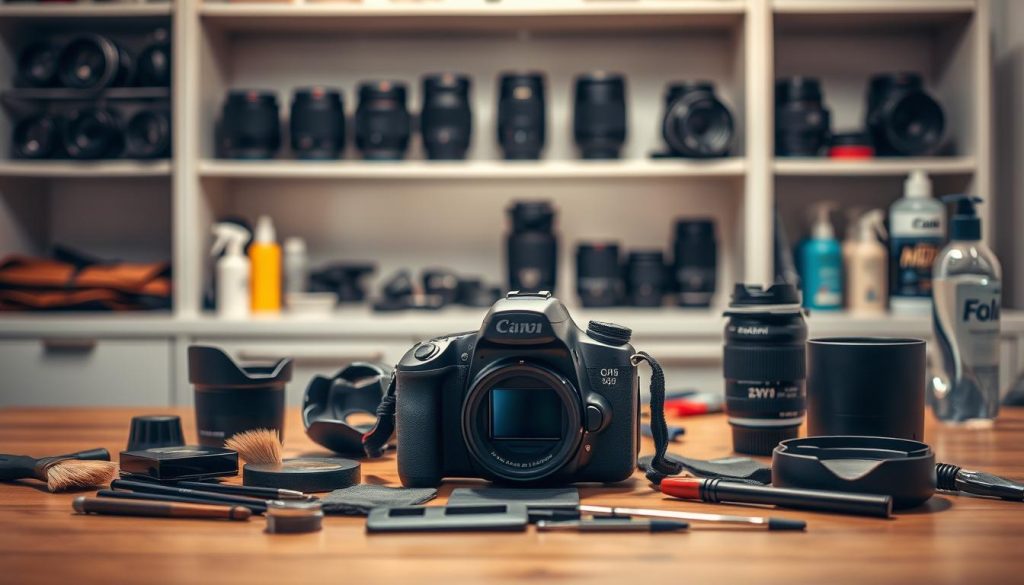
Regular cleaning prevents dust accumulation and preserves optical clarity. Use microfiber cloths for lens surfaces to avoid scratches.
Sensor cleaning requires special tools and careful technique. Professional service may be needed for deep sensor maintenance.
Firmware updates keep your camera performing optimally. Manufacturers release improvements that enhance features and fix issues.
Battery contact cleaning ensures consistent power delivery. Check terminals regularly for corrosion or debris.
One professional photographer shared:
“Weekly cleaning rituals have kept my primary body shooting perfectly past 200,000 actuations. Prevention beats repair every time.”
Recommended Protective Gear and Accessories
Sturdy camera bags provide essential impact protection during transport. Look for padded compartments and weather-resistant materials.
Tripods stabilize shots and prevent accidental drops. They also reduce hand-holding fatigue during long sessions.
Weatherproof covers defend against moisture and dust intrusion. These are crucial for outdoor photography in challenging conditions.
Lens caps and UV filters offer front-element protection. They prevent scratches and reduce dust accumulation on glass surfaces.
Proper storage conditions dramatically affect equipment longevity. Cool, dry environments prevent moisture damage and component degradation.
Consider professional servicing every few years for internal maintenance. Technicians can address wear issues before they become serious problems.
These protective measures represent smart investments in your gear’s future. They cost far less than major repairs or premature replacements.
Consistent care remains the most effective way to extend functional lifespan. It works regardless of brand choice or shooting frequency.
For more detailed repair guidance, explore our resource on camera repairability and maintenance options.
The Repair vs. Replacement Decision Matrix
Photographers often face a critical crossroads when their equipment shows signs of wear. Choosing between repair and replacement requires careful evaluation of multiple technical and financial factors.
A clear decision framework helps photographers make informed choices about their gear. Consider repair when costs stay below 50% of a new model’s price. This approach makes sense for equipment with low shutter counts or sentimental value.
Replacement becomes the wiser option when repair expenses exceed half the cost of new equipment. This is particularly true for cameras with high shutter counts nearing their mechanical limits. Technological obsolescence also justifies upgrading to newer models.
Modern cameras offer significant advancements over older versions. Newer sensors deliver superior image quality and performance. Enhanced features like improved autofocus and connectivity justify replacement even when repairs are technically feasible.
Parts availability presents another crucial consideration. Older models may have discontinued components, making repairs impractical or excessively costly. Leica stands out for supporting vintage models, while other brands may cease support for discontinued lines.
Shutter count remains a pivotal factor in this decision process. Equipment approaching or exceeding its rated shutter life often benefits more from replacement than repair. One professional noted:
“When my primary body hit 280,000 actuations, replacement made more sense than investing in shutter mechanism repairs.”
Environmental damage significantly impacts repair decisions. Water ingress or extensive dust contamination often causes widespread internal harm. These issues frequently make restoration economically unviable due to the extensive work required.
Upgrading equipment offers multiple benefits beyond simple repair. New cameras provide better battery performance and compatibility with modern accessories. Improved durability features protect against future wear and tear issues.
Evaluate the expected remaining functional lifespan after repairs. If the camera will only last another year or two, replacement typically offers better long-term value. This cost-benefit analysis ensures smart investment decisions.
Consider both financial and functional aspects before deciding. Repair preserves familiar equipment and may cost less initially. Replacement offers updated technology and potentially longer service life.
A balanced approach considers your specific photography needs and budget constraints. This ensures your equipment decisions support your creative goals while maintaining financial responsibility.
What to Look for When Buying a Secondhand Camera
Purchasing pre-owned photography equipment requires careful evaluation to ensure value and reliability. Smart buyers know that thorough inspection prevents costly mistakes and ensures satisfying purchases.
Several critical factors determine whether a used camera represents a wise investment. These elements reveal the true condition beyond surface appearance.
The Critical Step of Checking the Shutter Count
Shutter count serves as the most accurate indicator of a camera’s usage history. This number reveals how much mechanical life remains in the equipment.
Lower counts under 150,000 actuations typically indicate longer remaining functional life. Higher numbers suggest the mechanism may need service soon.
Many online tools help photographers check this vital statistic quickly. Websites like CameraShutterCount.com provide instant analysis for most models.
Brand-specific expectations help interpret these numbers correctly. Nikon models often handle 300,000 shots, while others may show wear earlier.
One experienced photographer advised:
“Never buy used gear without verifying the shutter count first – it’s the most honest story about a camera’s past.”
Conducting a Thorough Physical Inspection
Examine the body carefully for scratches, dents, or cracks. These signs often indicate rough handling or accidental drops.
Test every button, dial, and port to ensure proper functionality. Sticky controls or loose connections may signal internal issues.
Inspect the lens mount for wear or misalignment. Check glass elements for scratches, fungus, or dust accumulation.
Look for moisture signs inside the viewfinder or sensor area. These indicate exposure to humidity and potential corrosion problems.
Battery health significantly impacts camera performance. Test how long it holds charge and verify replacement availability.
Original packaging and accessories often indicate better care. Complete kits typically come from conscientious owners.
Service records provide valuable insight into maintenance history. Cameras with documented care usually offer better reliability.
Always test the equipment personally before purchasing. Capture sample photos to check focus accuracy and image quality.
Reputable sellers with return policies reduce purchase risk. They typically stand behind their equipment descriptions.
Combining shutter count data with physical inspection creates a complete picture. This comprehensive approach ensures smart buying decisions.
Making a Smart Investment for the Long Term
Smart camera purchases balance initial cost with long-term value. Premium brands like Leica and Hasselblad offer extended repair programs that ensure years of reliable service. Their durable construction withstands heavy usage patterns.
Future-proof features like high-resolution sensors prevent quick obsolescence. The Leica SL3’s 60MP sensor maintains image quality over time. Environmental sealing protects against dust and moisture damage.
Regular maintenance extends equipment lifespan significantly. Protective accessories and proper care keep cameras performing optimally. Higher initial costs often prove economical through extended durability.
Consider shutter count and personal photography needs when selecting gear. Understanding usage patterns helps choose equipment that lasts. Smart investments prioritize longevity and reliable performance.
FAQ
How many years can I expect my camera to last?
Most modern cameras function well for 3 to 10 years. Hobbyists often enjoy longer lifespans, while professionals may see more wear and tear from heavy daily use.
What is the single biggest factor that determines a camera’s lifespan?
The shutter count acts like an odometer. A high number of actuations indicates significant usage. Environmental threats like moisture, dust, and extreme temperatures also heavily impact durability.
Do some camera brands last longer than others?
A> Yes, build quality varies. Nikon and Canon DSLRs are known for their rugged durability. Brands like Leica and Hasselblad are engineered for exceptional longevity, though at a higher initial cost.
What are the signs my camera is nearing the end of its life?
Watch for declining performance. Key signs include a failing shutter, poor image quality, sensor issues, and frequent errors. Battery life often diminishes significantly over time.
How can I make my camera last longer?
Proper care is crucial. Regular cleaning to remove dust, using protective gear like cases and filters, and storing your equipment in a dry, stable environment will greatly extend its life.
When should I repair my camera instead of replacing it?
Consider repair if the cost is less than half the price of a comparable new model and the camera’s core components, like the sensor, are still in good condition.
What should I check when buying a used camera?
Always verify the shutter count first. Then, conduct a thorough physical inspection for any damage, wear, or dust on the sensor and lens mount. Test all features and buttons.


