
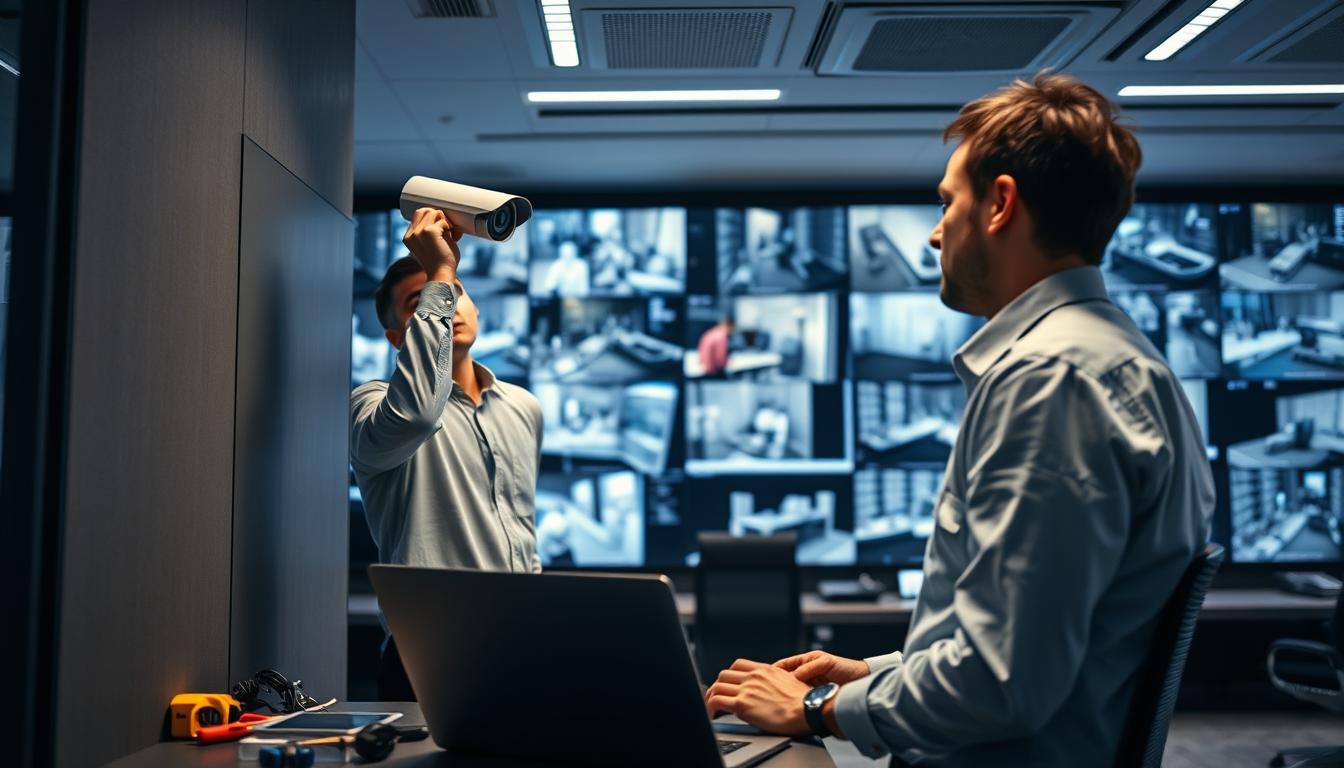
Learn What is CCTV Maintenance? Best Practices Inside
Your surveillance setup forms a critical layer of protection. In Singapore’s urban landscape, these eyes need to stay sharp. Regular care ensures they operate without hiccups.
This process involves routine checks and thorough cleaning. It also includes vital software updates and prompt repairs. Together, these actions keep your entire setup reliable.
Singapore’s tropical climate presents unique challenges. High humidity and intense heat can affect electronic components. Proactive care counters these environmental factors effectively.
A well-maintained setup prevents unexpected failures. It extends the operational life of your equipment. This practice also helps with compliance, including PDPA guidelines.
This guide delivers actionable strategies you can use immediately. Protect your investment and maintain robust security coverage.
Key Takeaways
- Regular upkeep prevents costly system failures and downtime.
- It significantly extends the lifespan of your surveillance equipment.
- Proper care ensures compliance with local regulations like the PDPA.
- It protects your security investment from premature replacement costs.
- Addressing environmental factors like humidity is crucial in Singapore.
- A consistent schedule reduces the need for emergency repairs.
- Reliable surveillance provides peace of mind for property owners.
Understanding the Critical Role of CCTV Maintenance
Viewing upkeep as an optional expense is a critical misunderstanding of how security technology functions. This ongoing care is the discipline that keeps your entire surveillance network alert and operational.
More Than Just Fixing Cameras: A Security Imperative
Routine care transcends simple repairs. It represents a fundamental security imperative. Studies indicate consistent upkeep can lower malfunction risks by up to 30%.
This directly translates to fewer unexpected stops in monitoring. In Singapore’s urban setting, reliable cameras are vital for deterrence. They make properties safer by discouraging criminal activity.
A well-maintained setup ensures footage remains clear and usable. This evidence can be crucial for legal proceedings. It turns your video surveillance from a passive recorder into an active shield.
The High Cost of Neglect: Downtime and Security Gaps
Neglected systems create dangerous blind spots. Criminal acts can go undetected during these failures. The resulting security gaps leave assets and people vulnerable.
The financial impact of downtime often exceeds regular service costs. Consider potential theft, vandalism, or liability issues. Emergency repairs are almost always more expensive than planned care.
Proactive maintenance addresses small issues early. It stops them from becoming major system failures. This approach safeguards your investment and extends equipment lifespan.
Ultimately, consistent care provides peace of mind. You gain confidence that your surveillance will function when needed most. This reliability is the core role of proper upkeep.
What is CCTV Maintenance? Defining System Care
Peak performance for your surveillance gear doesn’t happen by accident. It’s the result of deliberate, ongoing care. This discipline involves all activities needed to keep your setup reliable.
Effective care means keeping every component in perfect working order. It focuses on spotting small issues long before they cause a total failure. This proactive stance is the core of a solid security strategy.
A Proactive Approach to Surveillance System Health
Waiting for a camera to fail is a reactive gamble. A superior method involves preventing problems from ever occurring. This shift in mindset transforms upkeep from a cost into an investment.
“The goal isn’t to fix what’s broken, but to ensure nothing breaks in the first place. This is the essence of proactive system management.”
Regular inspections and cleaning form the foundation. Adjusting camera angles and focus maintains optimal coverage. These scheduled actions preserve high-quality video evidence and ensure legal compliance.
This strategy directly extends the operational life of your equipment. It also drastically reduces the need for costly emergency repairs. You gain consistent monitoring and lasting peace of mind.
Key Components: Hardware, Software, and Network
A holistic program addresses three interconnected pillars. Neglecting any one can compromise the entire surveillance operation.
Hardware upkeep covers the physical elements. This includes lenses, housings, cables, and recording devices. Replacing worn-out parts before they fail is crucial.
Software care is equally critical. It involves firmware updates and security patches. Managing configurations and optimizing the user interface also falls here.
Finally, network maintenance ensures smooth data flow. It checks connectivity and manages bandwidth between components. Proper care here guarantees video reaches your recorder without interruption.
A comprehensive program systematically addresses all these elements. This full-spectrum attention is what defines true system care for modern surveillance.
Why Regular Maintenance is Non-Negotiable in Singapore
Singapore’s environment and regulations create a perfect storm that demands consistent system care. Ignoring a scheduled service plan isn’t just risky—it can lead to legal, financial, and security consequences.
Three core reasons make this discipline essential for any property owner. They involve battling the climate, obeying the law, and safeguarding your money.
Combating Humidity, Heat, and Environmental Wear
The tropical climate here accelerates wear on electronic components faster than in temperate zones. High humidity promotes corrosion on metal connectors and circuit boards.
Intense heat and UV radiation can degrade external camera housings and lenses. This wear compromises image clarity and shortens the operational life of your gear.
Monsoon rains, salt air in coastal areas, and urban pollution add to the challenge. Without protective measures and frequent checks, cameras develop blind spots.
These vulnerabilities are precisely what intruders look for. A 2023 police analysis showed systems with quarterly inspections had 55% fewer failures.
Proactive cleaning and inspections are your first defense against environmental damage.
Meeting PDPA and Local Regulatory Compliance
Operating a surveillance system in Singapore carries legal responsibilities. The Personal Data Protection Act (PDPA) sets strict rules for video monitoring.
Your setup must have clear signage informing people of recording. It also mandates encrypted data storage that meets IMDA standards.
You must keep detailed access logs documenting every instance of footage retrieval. Non-compliant systems risk substantial fines.
Regulators can impose penalties up to S$10,000 for PDPA breaches related to surveillance. Functional, well-maintained equipment is the foundation of compliance.
Furthermore, the Security Agencies Act implies that non-functional cameras may void insurance claims after an incident. Regular upkeep ensures your evidence holds up.
Protecting Your Investment and Insurance Standing
Your surveillance gear represents a significant financial outlay. Consistent care directly protects that capital by extending equipment lifespan.
It prevents minor issues from escalating into total failures. Emergency repairs typically cost three to five times more than scheduled servicing.
Data recovery after a failure can add an average of S$1,200 to your bill. Proactive management avoids these surprise expenses.
Insurance providers recognize this reduced risk. Many offer premium discounts of up to 25% for properties with professionally maintained, compliant systems.
Well-documented service records prove due diligence. They are crucial during insurance claims or legal proceedings.
Ultimately, this disciplined approach safeguards your assets, ensures legal operation, and provides lasting peace of mind. For responsible property management here, it is non-negotiable.
The Three Pillars of Effective CCTV Maintenance
Building a resilient surveillance operation requires understanding three fundamental approaches to system care. These methodologies work together to ensure your security investment delivers consistent protection.
Each pillar serves a distinct purpose in the upkeep lifecycle. They range from preventing problems to fixing them and even predicting future needs.
Property owners who master this framework gain better control over their security assets. They also achieve more predictable operational costs and enhanced peace of mind.
Preventive Maintenance: Stopping Problems Before They Start
This proactive strategy forms the bedrock of reliable surveillance. It involves scheduled inspections and routine tasks performed before any malfunction occurs.
Regular lens cleaning ensures clear video evidence. Cable integrity checks prevent connectivity loss during critical moments.
Software updates and component testing follow a predetermined calendar. This approach spots minor wear before it escalates into total failure.
The financial benefits are substantial. Preventive care typically costs three to five times less than emergency repairs.
- Scheduled inspections identify worn components needing replacement
- Routine cleaning maintains optimal image quality in all conditions
- Firmware updates patch security vulnerabilities and add features
- System testing verifies all cameras and recording functions work properly
This disciplined routine extends equipment lifespan significantly. It transforms upkeep from an expense into a value-protecting investment.
Corrective Maintenance: Swiftly Addressing Failures
When components fail, this reactive approach restores functionality. It addresses actual malfunctions that have already disrupted monitoring.
Prompt response minimizes security gaps during outages. Technicians diagnose the root cause and implement repairs.
While necessary, this method carries higher costs and operational disruption. Emergency service calls often command premium pricing.
Common scenarios include replacing failed cameras, fixing corrupted recording drives, or restoring network connectivity. Each incident creates a temporary blind spot in your security coverage.
A well-documented corrective process includes thorough troubleshooting. It also involves quality replacement parts and post-repair verification testing.
“The goal of corrective action isn’t just to fix what broke, but to understand why it failed and prevent recurrence.”
Effective programs minimize reliance on this pillar through strong preventive measures. They treat corrective work as a necessary backup, not the primary strategy.
Predictive Maintenance: Using Data for Smarter Upkeep
Advanced surveillance setups now leverage technology to forecast needs. This data-driven approach represents the evolution of system care.
Modern equipment can monitor its own health through various sensors. Temperature readings, performance metrics, and usage patterns all provide valuable insights.
Analytics software processes this information to predict component failures. It alerts technicians before a problem actually occurs.
Singaporean businesses increasingly adopt these intelligent techniques. IoT sensors and AI analytics create smarter upkeep schedules.
Key advantages include:
- Reduced unexpected downtime through early warning systems
- Optimized resource allocation by focusing on components showing wear patterns
- Extended equipment life through precisely timed interventions
- Integration with building management systems for holistic facility care
This approach requires more sophisticated monitoring tools and expertise. However, it delivers superior reliability for mission-critical surveillance operations.
The most effective programs balance all three methodologies. Preventive care serves as the primary focus, with corrective action as the safety net.
Predictive techniques then optimize the entire process. This comprehensive framework ensures your security cameras remain vigilant guardians.
Essential CCTV Maintenance Tasks You Must Know
Reliable protection demands more than just installing cameras—it requires disciplined attention to specific operational checks. A detailed checklist keeps your surveillance equipment working at peak performance.
Regular inspections stop problems before they escalate. In Singapore, studies show 83% of surveillance failures stem from neglected routine care. Knowing what to monitor forms your first defense.
Camera Lens Cleaning and Housing Inspection
Clear video evidence starts with pristine lenses. Dust, rain spots, and tropical grime quickly degrade image quality. Quarterly cleaning maintains optimal clarity in our humid environment.
Use microfiber cloths with appropriate cleaning solutions. Avoid abrasive materials that scratch delicate coatings. Proper technique prevents streaks and haze on recordings.
Housing inspections are equally critical. Check for cracks, water ingress, and proper sealing before monsoon season. Verify mounting stability against strong winds.
Look for insect nests or spider webs inside housings. These obstructions create false motion alerts and blur night vision. A secure, clean enclosure protects your investment.
Software and Firmware Update Protocols
Digital components need regular updates like physical ones. Software patches fix bugs and add new features. Firmware updates address security vulnerabilities and performance gaps.
Schedule updates during low-activity periods to minimize disruption. Always maintain version control documentation for audit trails. This allows rollback if new versions cause issues.
Test updates on a single camera first before full deployment. Verify compatibility with your recording setup. Proper protocols prevent system-wide failures from bad updates.
Cybersecurity patches are particularly important. They protect your footage from unauthorized access. Regular updates ensure compliance with evolving data protection standards.
Power Supply and Cable Connection Checks
Consistent operation depends on stable electricity flow. Power issues cause 72% of all surveillance downtime incidents. Monthly verification prevents unexpected blackouts.
Check voltage output matches camera specifications. Test battery backup functionality during simulated outages. Install surge protection against tropical storm spikes.
Cable connections require careful inspection too. Look for corrosion on outdoor terminations. Rodent damage contributes to 65% of wiring repair costs here.
- Verify all connectors are snug and weather-sealed
- Replace frayed or cracked cable jackets immediately
- Label each connection for easy troubleshooting
- Use conduit protection in high-risk areas
Loose connections create intermittent failures hardest to diagnose. Preventive tightening during inspections saves hours of diagnostic work later.
Storage System Health and Data Management
Your recorded evidence is worthless without reliable storage. Monitor capacity to prevent overwriting critical footage. Most systems alert when storage reaches 80% capacity.
Perform regular disk health checks using manufacturer tools. Verify overwrite settings match your retention policies. Test backup systems quarterly to ensure they function.
Data management encompasses legal compliance too. Review access logs for unauthorized viewing attempts. Encryption status must meet PDPA requirements for personal data.
“Document every maintenance action in a service log. This history proves due diligence during insurance claims or legal proceedings.”
Establish clear retention periods for different footage types. Delete expired data securely to free space. Proper management turns raw video into actionable security intelligence.
Each task requires specific tools and safety knowledge. Some checks suit confident DIYers, while others need professional expertise. Consistent execution of these fundamentals guarantees your surveillance remains vigilant.
Creating a Proactive CCTV Maintenance Schedule
A systematic timetable transforms random upkeep into predictable, effective security management. This structured approach ensures every component receives attention at the right intervals.
Tailor your plan to Singapore’s unique conditions. Consider monsoon seasons and high-pollution zones. Different equipment types also demand specific care frequencies.
Document each activity for accountability. This history helps optimize future intervals. A balanced plan provides thorough protection without becoming burdensome.
Daily and Weekly Quick-Check Routines
Begin with simple daily verifications. Monitor live feeds to confirm all units operate. Ensure recording functions remain active across the entire network.
Weekly routines delve slightly deeper. Review system logs for any error messages. Test motion detection alerts to guarantee they function properly.
Verify remote access capabilities each week. This confirms you can view footage from any location. Quick checks prevent small issues from escalating into major problems.
These brief routines take only minutes to complete. They provide immediate awareness of your setup’s health. Consistent attention forms the foundation of reliable monitoring.
Monthly Inspections and Basic Cleaning
Dedicate time each month for more thorough evaluation. Start with lens cleaning using appropriate microfiber cloths. Clear optics ensure high-quality video evidence.
Examine all cable connections during this session. Look for signs of wear, corrosion, or rodent damage. Tighten any loose terminations to prevent intermittent failures.
Check storage capacity on your recording device. Most systems alert when space reaches 80% full. Verify power supply outputs match equipment specifications.
Test backup battery functionality monthly. Simulate a power outage to confirm seamless transition. These regular inspections maintain optimal performance.
Quarterly Comprehensive System Evaluations
Every three months, conduct a detailed assessment of the entire setup. This goes beyond basic cleaning and connection checks. Perform environmental sealing inspections before monsoon seasons.
Look for corrosion on outdoor connectors and housings. Singapore’s humidity accelerates metal degradation. Address any compromised weatherproofing immediately.
Evaluate whether camera placements still provide optimal coverage. Business needs and physical environments change over time. Adjust angles or positions if blind spots have developed.
Benchmark system performance against previous quarters. Note any degradation in image clarity or response times. Quarterly evaluations catch issues monthly checks might miss.
Annual Professional Audit and Deep Cleaning
Schedule a comprehensive professional service once yearly. Certified technicians bring expertise and specialized tools. They perform tasks beyond typical DIY capabilities.
A thorough audit examines every system component. Technicians calibrate lenses for perfect focus and alignment. They update firmware across all devices for security and features.
Deep cleaning removes accumulated grime from internal components. Professionals check hard drives in NVR or DVR units for early failure signs. They provide detailed compliance documentation for regulations.
“Annual professional audits transform reactive fixing into strategic management. The detailed report becomes your roadmap for the coming year’s care.”
Consider your business cycles when planning this service. Avoid critical periods when maximum uptime is essential. The audit ensures your surveillance remains a vigilant guardian.
This structured timetable creates predictable security management. Each interval serves a specific purpose in the care lifecycle. Together, they ensure continuous, reliable protection for your property.
Your Comprehensive CCTV Maintenance Checklist
A thorough checklist transforms routine upkeep from guesswork into precise, documented security management. This organized approach ensures every component receives proper attention during each service interval.
Research demonstrates that well-kept surveillance networks experience 50% fewer operational problems than neglected ones. A structured verification protocol eliminates oversight and guarantees comprehensive coverage of all security assets.
Your checklist should address three critical domains: visual and physical condition, operational performance, and network integrity. Each domain contains specific verification points that maintain overall system health.
Customize this framework for your specific environment. Industrial sites demand different checks than residential properties. Regular updates should incorporate new technologies and regulatory changes.
Visual and Physical Inspection Points
Begin with a detailed examination of all hardware components. Look for any visible signs of wear or environmental damage that could compromise surveillance.
Check each camera housing for cracks, corrosion, or water ingress. Singapore’s humidity accelerates metal degradation. Verify weatherproof seals remain intact before monsoon seasons.
Examine lens clarity carefully. Dust, rain spots, and tropical grime quickly degrade image quality. Use appropriate microfiber cloths for cleaning without scratching delicate coatings.
Ensure proper positioning hasn’t shifted due to wind or vibration. Identify any new obstructions like growing foliage or construction materials. These can create dangerous blind spots in your coverage.
Physical inspection encompasses cable integrity and connection points. Studies show wiring problems contribute to 65% of all repair costs in surveillance setups.
- Verify all connectors are snug and properly weather-sealed
- Look for rodent damage or frayed cable jackets
- Check mounting stability against strong winds
- Ensure environmental protection meets local conditions
Document each finding with photos when using digital checklists. This creates superior audit trails compared to paper-based systems. Clear pass/fail criteria ensure consistent execution across different technicians.
Performance and Recording Verification Steps
Operational verification confirms your equipment functions as intended. This goes beyond simple visual checks to test actual performance under various conditions.
Test image quality across different lighting scenarios—bright daylight, low light, and complete darkness. Verify focus remains sharp at all zoom levels for varifocal lenses.
Check pan-tilt-zoom operations for smooth movement and accurate positioning. These mechanical components require regular exercise to prevent seizing.
Recording verification is equally critical. Confirm continuous operation without gaps in the timeline. Test playback quality matches live view standards.
Verify timestamp accuracy down to the second. This evidence must hold up in legal proceedings. Ensure proper event tagging for motion detection and other triggers.
“Power supply failures cause 72% of all surveillance downtime incidents. Regular verification of voltage outputs and backup batteries prevents these disruptive outages.”
Monitor storage capacity to prevent critical footage overwriting. Most systems alert when space reaches 80% capacity. Test backup systems quarterly to ensure they function during primary failures.
Each verification step should have documented procedures and required tools listed. This standardization maintains quality across different service sessions and technicians.
Network and Connectivity Test Procedures
Modern surveillance relies on robust digital connectivity. Network testing ensures smooth data flow between all system components.
Monitor bandwidth utilization to prevent congestion during peak hours. High-quality video streams demand consistent data throughput. Connection stability checks identify intermittent problems before they cause complete failures.
Verify remote access capabilities from various devices and locations. This confirms you can view footage when away from the monitored premises. Test mobile applications and web interfaces for responsiveness.
Cybersecurity vulnerability assessments are now essential maintenance tasks. Apply software patches and firmware updates during scheduled downtime periods. These address security gaps that could allow unauthorized access.
Experts recommend professional servicing twice yearly for most installations. The frequency should adjust based on environmental factors and usage patterns. Coastal areas with salt air demand more frequent attention than inland locations.
Digital documentation provides the clearest audit trail. Photo evidence of each check point creates indisputable records. These prove due diligence during insurance claims or regulatory reviews.
The comprehensive nature of this checklist ensures no component gets overlooked. Regular updates incorporate lessons learned from previous maintenance cycles. This continuous improvement approach maximizes your security investment’s value and longevity.
Navigating Different CCTV System Types and Their Needs
]
### Сorrect-] Critical,ce- 9]
Troubleshooting Common CCTV Issues: A How-To Guide
Effective troubleshooting transforms frustrating equipment failures into manageable, solvable problems. When your security eyes develop issues, a logical diagnostic approach restores protection quickly. This guide provides step-by-step methods for addressing the most frequent operational challenges.
Begin with the simplest explanations before assuming complex failures. Check power sources and basic connections first. Document each step to create a valuable knowledge base for future reference.
Singapore’s humid environment adds unique complications to electronic diagnostics. Corrosion and condensation require special attention during problem-solving. Systematic processes cut through confusion when components stop working properly.
Solving Blurry Images and Poor Video Quality
Unclear footage defeats the purpose of surveillance entirely. Several factors typically contribute to this frustrating problem. Start your investigation with the most accessible component: the camera lens.
Dirt, fingerprints, or tropical grime on the glass surface scatter light. This creates hazy or distorted images. Use a microfiber cloth with appropriate cleaning solution for delicate optical surfaces.
Condensation inside sealed housings presents another common challenge. Temperature fluctuations in our climate cause moisture accumulation. Check weatherproof seals during your inspection routine.
Improper focus or camera vibration also degrades image clarity. Verify mounting stability against wind or machinery movement. Adjust focus settings while monitoring the live feed for optimal sharpness.
Compression settings and bandwidth limitations affect digital video quality too. High compression saves storage but sacrifices detail. Find the right balance for your specific security needs.
Camera sensor degradation occurs gradually over years of operation. Compare current footage with archived recordings. Noticeable decline indicates the unit may need replacement.
Addressing Camera Dropouts and Connectivity Loss
Intermittent camera availability creates dangerous security gaps. These dropouts usually point to power, network, or hardware problems. Isolate the faulty component through systematic elimination.
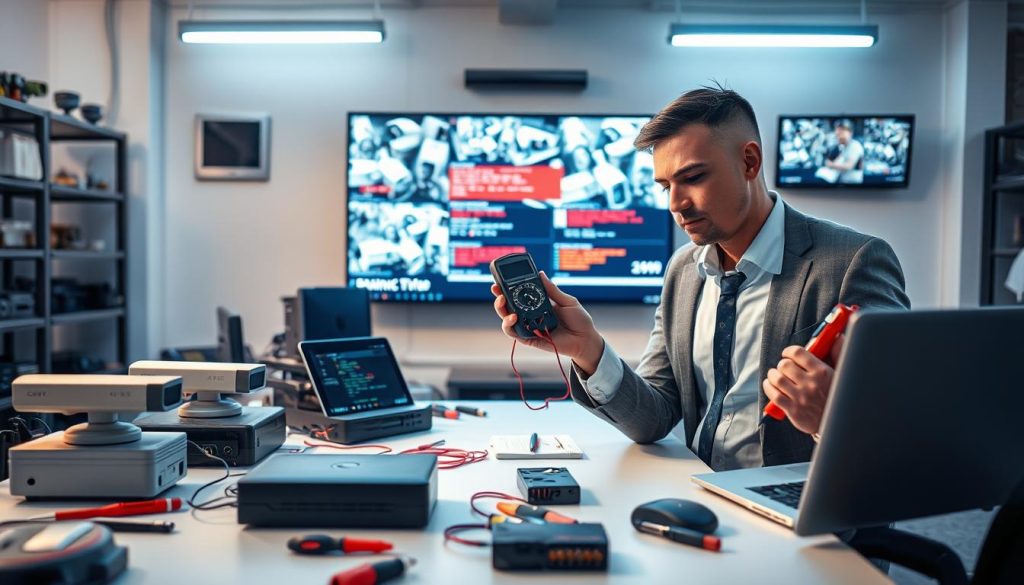
Begin by checking the power supply to affected units. Use a multimeter to verify voltage matches specifications. Test backup battery functionality during simulated outages.
For wired systems, cable damage causes many connectivity issues. Inspect for rodent bites, corrosion, or physical breaks. Loose connectors account for 40% of intermittent failures.
Network problems plague IP-based surveillance setups. Congestion during peak hours can overwhelm bandwidth capacity. Check switch configurations and prioritize video traffic.
Wireless systems face interference from other electronic devices. Change channels or frequencies to avoid conflict. Ensure proper signal strength throughout the coverage area.
Hardware failures require component replacement. Before swapping parts, document IP addresses and configurations. This simplifies the restoration process.
Fixing Recording Failures and Storage Problems
When cameras work but nothing gets saved, your evidence chain breaks completely. Recording problems typically involve storage devices, software errors, or configuration issues.
Check available capacity on your recording drive first. Most systems alert when space reaches 80% full. Automatic overwrite settings must align with retention policies.
Disk failures represent a critical threat to stored footage. Listen for unusual sounds from mechanical drives. Use manufacturer tools to assess health and predict failures.
Software glitches can halt recording without warning. Restart the recording application or entire network video recorder. Update to the latest stable firmware version.
File system corruption makes saved video inaccessible. Regular integrity checks prevent this data loss. Maintain verified backups of critical surveillance footage.
Configuration errors often disable recording for specific cameras. Verify each unit’s settings individually. Ensure motion detection or continuous recording functions remain active.
Resolving Night Vision and Infrared Issues
After-dark surveillance depends on reliable infrared illumination. When night vision fails, security coverage plummets during critical hours. Several factors typically cause these problems.
IR LED failure is the most common hardware issue. These components have limited operational lifespans. Check for dim or completely dark infrared illumination.
Reflective surfaces near cameras create “washout” effects. Windows, shiny walls, or metal objects bounce IR light back. Reposition units or adjust angles to minimize reflection.
Environmental factors like heavy rain or fog scatter infrared beams. This reduces effective illumination range. Consider weather-resistant housings for challenging locations.
Uneven lighting creates shadows where intruders can hide. Add supplemental IR illuminators for large areas. Ensure overlapping coverage eliminates dark spots.
Interference from other infrared sources causes problems too. Security lasers or neighboring systems can conflict. Use different frequency ranges when possible.
Camera settings significantly affect night performance. Adjust IR sensitivity, shutter speed, and gain controls. Test these adjustments during actual low-light conditions.
Always follow a logical diagnostic sequence: power, connections, settings, then hardware. This structured approach minimizes downtime and frustration. Proper troubleshooting keeps your surveillance vigilant around the clock.
DIY Maintenance vs. Professional Servicing: What to Do When
Managing your security cameras effectively requires knowing which tasks you can perform and which demand expert attention. A balanced approach optimizes your investment and ensures continuous protection.
Statistics show setups under professional contracts experience up to 40% fewer outages. Yet, some basic upkeep suits confident owners. Singapore’s Security Industry Regulatory Department provides guidelines for this division of labor.
Understanding this split helps control costs while maintaining safety and compliance. It also preserves your equipment warranties and prevents accidental damage.
Safe Tasks You Can Handle Yourself
Several routine checks are well within a property owner’s capability. These activities help you monitor system health between professional visits.
Exterior lens cleaning with a microfiber cloth maintains image clarity. You can also verify camera angles haven’t shifted and check for obvious physical damage to housings.
Simple cable connection checks and monitoring storage capacity are other safe DIY activities. Basic functionality verification, like ensuring all units show a live feed, is also recommended.
- Visual inspection of cameras and housings for dirt or obstructions.
- Verifying remote viewing access on your mobile device or computer.
- Checking the recording device for basic error messages or full storage alerts.
- Ensuring vegetation hasn’t grown to block a camera’s field of view.
These tasks provide valuable oversight without specialized tools. They form the first line of defense against minor issues.
When to Absolutely Call a Certified Professional
Certain complexities mandate licensed expertise. Attempting these yourself can void warranties, create hazards, or breach regulations.
Any electrical work, including power supply diagnostics or wiring, requires a certified technician. Structural modifications to mounts or conduits also need professional skill.
Firmware updates and software configurations on integrated systems demand specialized knowledge. Incorrect updates can cause crashes or create cybersecurity gaps.
Tasks tied to PDPA compliance, like configuring encrypted data storage or access logs, are critical. Certified professionals ensure your surveillance setup meets all local legal standards.
Warranty-preserving repairs and component replacements should always be handled by authorized service providers to keep your coverage valid.
For diagnosing intermittent failures or optimizing performance, a technician’s diagnostic tools are indispensable. Their training prevents improper fixes that lead to further damage.
Understanding the Value of a Maintenance Contract
A professional service agreement transforms reactive fixing into strategic management. It provides scheduled inspections, priority response, and predictable costs.
These contracts offer comprehensive coverage that DIY cannot match. They include specialized tools, manufacturer-trained expertise, and liability protection for the property owner.
The core value proposition extends beyond simple repairs. It encompasses extended equipment lifespan and a reduced total cost of ownership.
- Guaranteed Response: Priority scheduling for emergency issues.
- Preventive Care: Regular checks and cleaning to avoid major failures.
- Compliance Assurance: Updates and configurations that meet evolving regulations.
- Cost Predictability: Fixed schedule pricing versus variable emergency rates.
This professional support is especially valuable for complex system upgrades or integrated security networks. It ensures all components work in harmony.
The most effective strategy uses DIY for routine monitoring. It then relies on professional maintenance services for complex tasks and scheduled deep care. This division of labor delivers optimal reliability.
Selecting a CCTV Maintenance Provider in Singapore
Choosing the right partner for your surveillance system’s care is a critical decision that impacts long-term security and compliance. The expertise of your service team directly affects equipment reliability and legal standing.
Singapore’s regulatory landscape demands specific qualifications. Property owners should verify credentials before committing to any contract. A thorough vetting process prevents future headaches and security gaps.
Key Qualifications and Certifications to Look For
Top-tier providers hold essential credentials for operating legally here. The Security Industry Regulatory Department (SIRD) certification is non-negotiable. It confirms the company meets national standards for security services.
IMDA-approved data handling solutions ensure compliance with privacy laws. Cybersecurity Essentials+ certification protects your network from digital threats. These credentials demonstrate a provider’s commitment to modern security challenges.
PSG grant-accredited status can deliver significant cost savings. The Productivity Solutions Grant covers up to 50% of qualifying security solution expenses. Working with an accredited provider simplifies the application process.
Manufacturer certifications are equally important. They show technicians received proper training for your specific equipment. This expertise prevents improper handling during repairs or upgrades.
PDPA compliance knowledge is crucial for legal operation. Your provider must understand data retention and access logging requirements. This expertise protects you from potential regulatory penalties.
Evaluating Service Level Agreements and Response Times
Singaporean property owners typically choose between two contract models. Pay-per-service arrangements average S$120 per visit for specific issues. Annual plans usually cover four to six visits with approximately 15% savings.
Critical SLA components require careful verification. Response times under four hours for critical failures should be guaranteed. The agreement must define different priority levels clearly.
Evaluate both communication responsiveness and actual technician dispatch. Some providers promise fast responses but lack sufficient staff. Verify they can meet commitments during monsoon seasons or public holidays.
Service Level Agreements should detail what’s included and excluded. Routine cleaning, inspections, and software updates might be covered. Emergency repair costs and part replacements often have separate pricing.
The scope should match your specific surveillance needs. Commercial properties might need different schedule than residential ones. Industrial sites often require more frequent checks due to harsh conditions.
Questions to Ask Before Signing a Contract
Begin by inquiring about experience with your specific system type. Ask for references from clients with similar setups. This reveals their practical knowledge beyond certifications.
Verify staff qualifications and training frequency. Technicians should receive regular updates on new technologies. Inquire about insurance coverage for potential damages during service.
“A detailed proposal should clarify all assumptions before signing. This prevents misunderstandings about scope, pricing, and response commitments.”
Contract questions should cover renewal terms and termination conditions. Understand price adjustment clauses for multi-year agreements. Ask about their process for handling performance complaints.
Singapore-specific considerations deserve special attention. Discuss monsoon season preparedness and waterproofing checks. Ensure they understand local building codes for camera installations.
Clarify how they handle data security and firmware updates. These maintenance services are critical for modern cameras. A comprehensive maintenance plan addresses both physical and digital aspects.
Finally, request a site visit before finalizing any agreement. This allows proper assessment of your power setup and cables. A thorough selection process identifies partners offering both technical excellence and reliable support.
Budgeting for CCTV Maintenance: Costs and Considerations
Allocating resources for surveillance system care requires balancing immediate expenses against long-term protection value. This financial planning transforms routine upkeep from a simple cost into a strategic security investment.
Singaporean properties typically budget S$300 to S$600 yearly for professional maintenance services. This disciplined approach saves about 50% compared to emergency repairs. A well-structured financial plan ensures continuous operation.
Understanding Typical Service Pricing in Singapore
Professional service costs here follow clear pricing tiers. These reflect different levels of care and response guarantees. Basic cleaning and diagnostic visits range from S$120 to S$180.
Intermediate plans include quarterly firmware updates and deeper checks. They typically cost S$250 to S$350 per session. Comprehensive annual packages may exceed S$500.
These packages often include thermal scans and advanced diagnostics. They provide the most thorough evaluation of your surveillance setup. The right tier depends on your specific security needs.
Properties implementing scheduled care spend 60% less than reactive models. This applies over the entire equipment lifespan. Regular inspections prevent minor issues from becoming major expenses.
Weighing the Cost of Service vs. the Cost of Failure
Comparing regular upkeep expenses to failure consequences reveals clear advantages. Emergency repair calls often cost three to five times more than scheduled visits. Data recovery after a storage crash averages S$1,200.
Regulatory non-compliance carries even heavier penalties. PDPA breaches related to surveillance can result in fines up to S$10,000. Functional, well-maintained equipment forms your compliance foundation.
Security vulnerabilities during downtime present the greatest risk. Criminal acts may go undetected without operational cameras. This exposes assets and people to potential harm.
“The true expense of system failure extends beyond repair bills. It encompasses security gaps, potential losses, and regulatory consequences that dwarf routine service costs.”
Insurance claims may face challenges with non-functional surveillance. Providers recognize reduced risk in maintained setups. Many offer premium discounts for properties with documented care programs.
Long-Term Savings Through Preventative Care
Preventative strategies deliver substantial financial benefits over time. Extended equipment lifespan is the most direct saving. Proper care can add years to your camera and recorder operation.
Reduced emergency service premiums further lower expenses. Scheduled visits avoid premium rates for urgent calls. This predictability helps with accurate financial planning.
The Productivity Solutions Grant offers significant support. Singapore businesses can offset up to 50% of qualifying maintenance costs. This government initiative makes professional care more accessible.
Tax deductions provide additional financial advantages. Regular maintenance investments often qualify as security expenses. Consult with accounting professionals about specific eligibility.
Total cost of ownership calculations should include upkeep expenses. These ongoing costs accompany initial purchase and installation. Accurate planning requires this comprehensive view.
A strategic maintenance plan views care as an investment in reliability. It’s not merely an operational expense. This perspective maximizes your security budget’s effectiveness.
For detailed guidance on establishing a proper care routine, explore this resource about effective surveillance system management. It provides actionable strategies for Singapore property owners.
Advanced Maintenance Techniques for Modern Systems
The integration of artificial intelligence and cloud computing has revolutionized how Singaporean businesses maintain their surveillance infrastructure. Traditional manual methods cannot keep pace with today’s complex networks.
Sophisticated techniques now deliver 40% faster diagnostics. They also cut manual inspection expenses by nearly one-third. This represents a fundamental shift in security asset management.
Machine learning algorithms achieve remarkable 92% accuracy in forecasting equipment problems. Remote monitoring enables real-time health assessments across multiple locations. Cloud tools handle updates, backups, and threat detection automatically.
Leveraging Cloud Management and Remote Diagnostics
Centralized platforms transform how teams oversee security assets. Technicians can monitor numerous sites from a single dashboard. This eliminates the need for constant physical visits.
Automated reporting generates detailed status updates without manual input. Configuration changes happen remotely through secure portals. These platforms streamline operations significantly.
Remote diagnostics use transmitted system information for analysis. Experts examine data to identify root causes of issues. Sometimes they implement fixes without traveling to the location.
This approach reduces response times dramatically. It also lowers operational costs associated with travel. Property managers gain greater visibility into their security posture.
The Role of AI and Analytics in Predictive Upkeep
Artificial intelligence applications bring intelligence to routine care. Pattern recognition spots early warning signs of component failures. Automated systems prioritize alerts based on severity.
Predictive scheduling uses actual performance metrics instead of calendars. This condition-based approach is far more efficient. It addresses problems precisely when needed.
Analytics transform raw data into actionable insights. They identify trends that human observers might miss. This information guides future equipment selections and protocol improvements.
Advanced methods include thermal imaging for electrical component assessment. Signal analysis optimizes network connectivity. Automated testing routines verify system integrity continuously.
Integration with building management systems creates coordinated schedules. Different security assets share resources effectively. This holistic approach maximizes protection while minimizing costs.
Cybersecurity Updates: A Critical Maintenance Task
Internet-connected surveillance gear requires vigilant digital protection. Regular vulnerability assessments identify potential security gaps. Patch management ensures all software receives necessary updates.
Access control reviews prevent unauthorized entry to video feeds. Strong encryption protects stored footage from interception. These measures are essential for compliance with privacy regulations.
Firmware updates address both security and functionality. They patch vulnerabilities that hackers might exploit. Always test new versions before full deployment.
Network segmentation isolates surveillance traffic from other systems. This containment limits potential damage from breaches. It also improves overall network performance.
“Cybersecurity maintenance has evolved from optional to mandatory. Each connected camera represents a potential entry point that requires regular hardening.”
These advanced techniques demand specialized expertise. They represent the evolution from basic upkeep to intelligent asset management. The result is superior reliability with optimized operational expenditures.
Singaporean properties adopting these methods experience fewer unexpected outages. They also achieve better compliance with evolving standards. This strategic approach ensures continuous, robust security coverage.
Best Practices for Extending Your CCTV System’s Lifespan
First,
Tailoring Maintenance to Your Specific Environment
From a quiet bungalow to a bustling factory floor, each location dictates unique upkeep needs. A generic care plan creates security gaps where tailored strategies would excel.
Your property’s specific risks, traffic patterns, and physical conditions must guide the routine. This customization ensures resources protect the most vulnerable points effectively.
Singapore’s varied landscapes—from coastal zones to dense HDB estates—demand this adaptive thinking. A plan that works for a shop house will fail at a chemical plant.
Residential Property Upkeep Strategies
Homes require a balance of robust protection and respect for privacy. Perimeter cameras at gates and fences need regular lens cleaning to monitor visitors clearly.
Landed properties benefit from biannual professional servicing, with a focus on external units exposed to weather. Condominiums with shared networks need management committees to coordinate a unified schedule.
For HDB estates, weatherproofing checks before the monsoon season are critical. Integration with smart home systems adds complexity, requiring software and network checks.
The goal is deterrence and evidence collection without intrusive monitoring of neighbors. A well-maintained residential setup provides families with significant peace of mind.
Commercial and Retail Surveillance Maintenance Plans
These environments are defined by constant activity and multiple access points. High-traffic zones like entrances and cash registers need quarterly inspections due to wear.
Retail loss prevention depends on flawless video at points of sale. Image quality and recording reliability cannot drop during peak hours.
Maintenance here must integrate with access control and alarm systems. Cleaning schedules must be frequent to combat dust from customer flow.
Aesthetic placement is also a factor; cameras should be effective yet unobtrusive. Regular verification of footage playback is non-negotiable for inventory audits.
Industrial and High-Risk Area Special Requirements
Factories and plants present the toughest challenges. Chemical exposure, constant vibration, and temperature extremes accelerate damage.
Facilities using protocols like HACCP must document monthly camera calibrations. Inspections in these areas look for corrosion on cables and housings.
Construction sites demand weekly checks due to pervasive dust and equipment movement. Power supply stability is tested constantly to prevent failures.
“In high-risk zones, maintenance isn’t just about upkeep—it’s a critical safety protocol. Redundant systems and rigorous documentation are standard.”
For critical infrastructure like data centers or financial institutions, protocols are enhanced. They include redundant system checks during shift changes and immediate repair response clauses.
Every environment, from a marine yard to a hospital, dictates its own schedule, technician qualifications, and compliance logs. This tailored approach is what delivers true, lasting reliability.
Ensuring Continuous Protection for Peace of Mind
Protection that endures transforms video monitoring from simple equipment into a reliable security partner. This operational confidence stems from knowing your system functions flawlessly when moments matter most.
In Singapore’s demanding environment, this reliability requires vigilant attention. Regular checks prevent failures before they create dangerous gaps in coverage.
The investment in proper care delivers substantial returns through crime prevention and liability reduction. It ensures your surveillance remains a dependable guardian of people and property.
Ultimately, continuous protection provides the invaluable peace of mind that comes from security confidence. Your cameras will perform optimally, capturing critical evidence without interruption.
FAQ
How often should my surveillance system be serviced?
A proactive schedule is best. Plan for monthly visual inspections and quarterly comprehensive checks. An annual professional audit by a certified technician is crucial for deep cleaning, firmware upgrades, and assessing overall system health.
Can I perform any maintenance tasks myself?
A> Yes, some safe DIY tasks include gently cleaning external camera housings and checking for obvious physical damage or loose cables. However, internal repairs, electrical work, and complex software updates should always be handled by a professional security service provider.
What are the most common signs my CCTV needs attention?
Watch for blurry footage, cameras going offline, interrupted recording, or poor night vision performance. These are clear indicators of issues with lenses, power supplies, storage drives, or infrared LEDs that require corrective maintenance.
Why is professional upkeep especially important in Singapore?
The local climate of high humidity and heat accelerates wear on equipment. Furthermore, a professional maintenance plan ensures your footage integrity and system reliability comply with PDPA regulations and can support insurance claims or legal requirements.
What’s included in a typical maintenance contract?
A robust contract from a provider like SecureVision or Ademco covers scheduled inspections, emergency repair services, software updates, and component cleaning. It should clearly define response times, parts coverage, and provide a detailed log of all service history for your assets.
Does maintaining my system improve its lifespan?
A> Absolutely. Regular preventive care like cleaning lenses, securing connections, and updating firmware prevents minor issues from causing major failures. This proactive approach directly extends the operational life of your cameras, recorders, and network infrastructure.
How do I maintain a wireless security camera setup?
Wireless systems need focused attention on signal strength and power sources. Regularly verify Wi-Fi connectivity, ensure batteries in wireless units are charged or replaced, and keep firmware current to maintain a stable, secure video feed without dropouts.


