
What are the rules for CCTV in Singapore? Guide
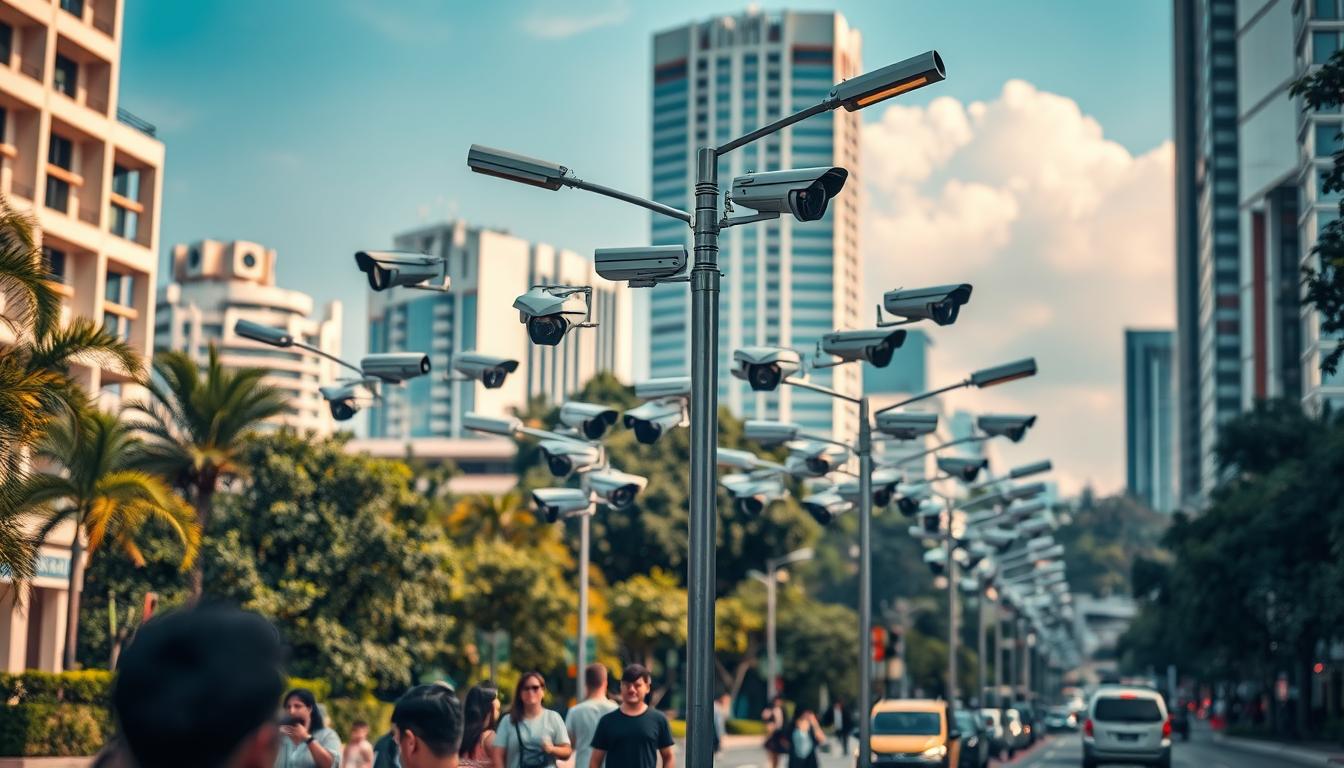
Singapore has seen a 61% rise in surveillance camera usage since 2020, reflecting growing security needs. Both homeowners and businesses must navigate specific laws when installing these systems.
The government recently simplified regulations for HDB residents. Corridor-facing cameras no longer need approval, making security upgrades easier. However, proper placement remains crucial to respect neighbors’ privacy.
Two main laws govern surveillance: the Personal Data Protection Act (PDPA) and Community Disputes Resolution Act (CDRA). These frameworks balance security benefits with individual rights. Violations can lead to fines up to $10,000.
Professional installers play a key role in maintaining compliance. Their expertise helps avoid common mistakes in camera positioning and data handling. For businesses, proper CCTV installation ensures legal operation while maximizing security benefits.
Key Takeaways
- Singapore’s CCTV usage has grown significantly in recent years
- New HDB rules simplify installation for residents
- PDPA and CDRA protect privacy while allowing security measures
- Non-compliance can result in substantial fines
- Professional installation helps maintain legal standards
Understanding CCTV Regulations in Singapore
Recent policy updates have transformed how residents install security cameras in HDB flats. The May 2023 changes removed approval requirements for corridor-facing devices, simplifying installation cctv cameras for home security. However, Town Councils still regulate devices in shared spaces.
Revised HDB Approval Process
Homeowners no longer need approval install cameras pointing at their own doors or corridors. This change recognizes the growing need for personal security. Temporary permits remain necessary for devices monitoring common areas like lifts or staircases.
The Ang Mo Kio Town Council requires residents to remove cctv cameras within shared spaces after six months. This balances security needs with community privacy concerns. Proper placement ensures devices don’t capture neighbors’ private spaces.
Legal Frameworks Explained
Two laws govern surveillance differently:
The Personal Data Protection Act (PDPA) applies to businesses using cameras. It mandates clear signage and limits footage retention to 30 days. A 2025 case saw a $5,000 fine for improper handling of customer recordings.
The Community Disputes Resolution Act (CDRA) protects residential privacy. Neighbors within 100 meters can claim up to $20,000 for intrusive surveillance. Smart doorbells must follow specific angle restrictions to comply.
Both laws emphasize data protection through different approaches. Businesses must justify camera use under PDPA’s “reasonable purposes” clause. Residents must avoid capturing private activities under CDRA guidelines.
Signage requirements vary by context. Commercial installations need visible notices with specific content, while residential systems should have discreet indicators when recording audio.
Installing CCTV Cameras in HDB Flats: Dos and Don’ts
The 45-degree angle rule prevents common mistakes in HDB camera positioning. This guideline ensures devices monitor your property without invading neighbors’ privacy. Proper placement balances security needs with community harmony.
Corridor-Facing Cameras: No Approval Needed
Since 2023, residents need approval only for cameras covering shared spaces beyond their doorways. Devices focused on your own entrance or corridor fall under permitted install cctv practices. Temporary permits still apply for monitoring lifts or mailboxes.
Restrictions on Camera Placement and Angles
All cameras installed must follow these technical requirements:
- Maximum 45° field of view from your doorway
- Minimum 2.4m mounting height for corridor devices
- 1.5kg maximum weight for facade-mounted units
- No audio recording capability without explicit consent
Ms. Lim from Bukit Batok learned this after her outside hdb camera captured a neighbor’s balcony. The Town Council required adjustments within 14 days to comply with angle restrictions.
“Proper alignment solved our dispute – my security stayed intact while respecting their privacy.”
Prohibited installations include devices that:
- Point directly at adjacent units’ windows/doors
- Use mounting brackets exceeding 15cm projection
- Feature zoom capabilities beyond 4x optical
To use cctv effectively, choose HDB-compliant models like Hikvision’s DS-2CD2023 model. Its 110° lens and compact design meet all safety standards. Regular maintenance checks ensure continued compliance with evolving regulations.
Rules for CCTV Installation Outside Your Home
External surveillance requires careful planning under Singapore’s strict privacy laws. Different regulations apply when installing devices outside home premises compared to indoor setups. Property type determines which approval process you’ll follow.
Temporary Approvals for Common Areas
Town Councils grant six-month permits for cameras monitoring shared spaces. The application takes 1-2 weeks and requires:
- Completed approval forms with camera specifications
- Floor plans showing device placement
- Police report copies for harassment-related cases
Condominium residents need MCST approval for exterior installations. Landed properties have fewer restrictions but must avoid capturing public sidewalks. All devices must withstand Singapore’s heavy rains with IP66-rated weatherproofing.
Smart Doorbells and Peephole Cameras
Modern smart doorbells must comply with these technical standards:
- Maximum 1080p resolution
- 30-day automatic deletion for recordings
- Disabled audio without explicit consent
The 2022 Boon Lay case showed proper footage usage. A resident’s door viewer camera helped identify a cat feeder violating pet bylaws. However, the footage couldn’t be used in court due to improper angle adjustments.
“Our team checks camera angles monthly to ensure compliance with the 45-degree rule for all exterior devices.”
Proper maintenance includes quarterly checks of mounting brackets and cleaning lenses. For HDB doors, use only 10cm-deep mounts that don’t obstruct walkways. Always consult your Town Council before modifying existing installations.
CCTV Laws for Private Properties vs. HDBs
Surveillance rules differ significantly between landed homes and condominiums in Singapore. While HDB residents follow strict guidelines, private property owners face varied requirements based on housing type and location.
Landed Properties: Fewer Restrictions
Owners of terraced houses and bungalows enjoy more freedom with cctv cameras. Key advantages include:
- No approval needed for perimeter surveillance
- Flexible placement at gates and driveways
- Higher mounting options (up to 3m allowed)
However, devices must avoid capturing public sidewalks or neighboring homes. A 2023 case in Sentosa Cove resulted in a warning for cameras overlooking a shared beach access path.
Condominiums and MCST By-Laws
Condo residents face stricter rules through Management Corporation Strata Title (MCST) regulations. Typical requirements:
- 2-week approval process for exterior cameras
- Submission of technical specifications and floor plans
- Restricted operating hours for PTZ models
“Our board rejects 30% of camera applications due to improper angles or excessive coverage areas.”
Violations carry heavier penalties than HDB cases. In 2022, a Bukit Timah resident paid $5,000 for unauthorized devices monitoring the pool area. Always consult your management before installing any surveillance equipment.
For gated communities, additional agreements often govern shared driveway monitoring. Insurance policies may void coverage for unapproved installations, making compliance essential.
Balancing Security and Privacy in Residential Areas
Finding the right balance between home security and neighbor privacy remains a key challenge for Singapore residents. With high-density living, cameras within residential spaces must comply with both technical specifications and community expectations.
How to Avoid Invading Neighbors’ Privacy
The Community Disputes Resolution Act mandates a 1.5m minimum distance from neighboring windows for any surveillance device. This prevents accidental capture of private activities while maintaining security coverage.
Homeowners should conduct a simple privacy assessment:
- Map all camera sightlines using floor plans
- Verify angles don’t extend beyond property boundaries
- Enable privacy masking features on digital systems
- Post visible consent notification signs for audio-enabled devices
The 2023 Yishun case demonstrated proper protocol. A resident’s improperly angled camera triggered harassment claims, resolved through mediation after adjusting the device’s field of view.
Handling Complaints and Disputes
Singapore’s 72-hour response rule requires addressing formal complaints promptly. Most Town Councils recommend this escalation path:
- Acknowledge receipt within one business day
- Conduct a joint inspection with the complainant
- Propose technical adjustments if needed
- Document resolution for future reference
“Annual privacy audits help prevent disputes before they arise. We review camera angles seasonally as sunlight patterns change.”
For shared buildings, signage must specify recording hours and data retention periods (maximum 30 days). Insurance providers increasingly require proof of compliant installations for liability coverage.
Business CCTV Systems: Complying with the PDPA
Businesses operating in Singapore must navigate strict surveillance guidelines under the PDPA framework. Commercial installations require specialized compliance measures that differ from residential setups, particularly regarding data protection and employee rights.
Public vs. Non-Public Area Surveillance
The law distinguishes between customer-facing zones and restricted employee areas. Public spaces like retail floors have different consent requirements than stockrooms or offices. Key differences include:
- Public areas: 90cm x 60cm signage mandatory at all entrances
- Restricted zones: Written employee consent required
- Camera density: Maximum 1 device per 20 sqm in workspaces
A 2024 audit of a major retail chain revealed common pitfalls. Inspectors found 63% of stores needed signage upgrades to meet PDPA standards.
“Proper zone classification prevents 80% of compliance issues we encounter during audits.”
Notification and Consent Requirements
Businesses must clearly communicate surveillance purposes through multiple channels. Effective methods include:
- Digital consent forms during employee onboarding
- Annual privacy awareness training sessions
- Visible signage with recording hours and retention periods
Footage retention follows strict timelines. Non-investigation recordings auto-delete after 30 days. Cloud storage solutions must use Singapore-based servers for data protection compliance.
Third-party monitoring services require additional contracts specifying access controls. Incident response plans must document breach notification procedures within 72 hours of discovery.
Data Protection and Retention Policies
Proper handling of recorded material forms the backbone of compliant CCTV operations. Singapore’s framework requires systematic approaches to managing surveillance data, balancing security needs with individual privacy rights.
Retention Periods for Surveillance Footage
The Personal Data Protection Commission mandates 21-30 day limits for non-critical recordings. Businesses must implement automated deletion systems, with exceptions for:
- Ongoing investigations (requires police case numbers)
- Insurance claims (maximum 90-day hold)
- Active legal disputes (court-ordered preservation)
Archived material requires AES-256 encryption standards. A 2024 audit found 78% of retail chains now use cloud-based solutions with Singaporean servers for data retention compliance.
“Our clients implement tiered storage – 30 days for routine footage, 90 days for flagged events, with secure deletion certificates issued monthly.”
Managing Individual Access Requests
Under PDPA guidelines, individuals may request their recorded footage within 14 business days. Service providers can charge up to $50 for redaction services to protect third-party identities.
Key steps in the request process:
- Submit written application with timestamp details
- Verification of requester’s identity
- Professional editing to blur unrelated parties
- Secure delivery via encrypted channels
Police investigations bypass normal access protocols. A 2023 amendment allows direct law enforcement retrieval from compliant storage systems without individual consent.
Prohibited Areas for CCTV Surveillance
Singapore’s surveillance laws strictly define where cameras cannot be placed to protect personal privacy. These restrictions apply equally to residential and commercial properties, with special considerations for sensitive locations. Violations can result in severe consequences under multiple legal frameworks.
Protected Private Spaces
The law completely bans devices in changing rooms, bathrooms, and similar intimate spaces. This applies to:
- Public facilities like shopping mall fitting rooms
- Workplace restrooms and shower areas
- Residential bathrooms visible from external cameras
Helper quarters present unique considerations. Live-in domestic workers’ rooms may only be monitored with written consent and visible signage. The 2024 case of a maid agency prosecution demonstrated improper bedroom surveillance led to $15,000 in fines.
Consequences for Non-Compliance
Legal penalties escalate based on violation severity:
- Section 509 Penal Code: Up to 3 years imprisonment for bathroom cameras
- $10,000 PDPA fines per violation instance
- MCST bylaw breaches: Additional $5,000 penalties in condominiums
“Our inspection team prioritizes childcare centers and religious sites, where unauthorized surveillance carries doubled fines under minor protection laws.”
High-risk industries face quarterly audits, while residential properties undergo spot checks. Thermal imaging devices require special permits, as they can violate privacy even without visual recording. Proper zone classification remains the best defense against accidental violations.
Choosing a Professional CCTV Installer in Singapore
Professional installation services minimize legal risks while maximizing system effectiveness. Singapore’s Private Security Industry Act (PSI) mandates specific qualifications for surveillance technicians, making vendor selection crucial for compliance.
Licensing Requirements Under the Private Security Industry Act
All installers must hold a Grade PL1 license with CCTV-SP certification. The Singapore Police Force maintains an online verification portal where clients can check credentials before hiring.
Essential qualifications include:
- $5 million liability insurance coverage
- SPF-approved training in privacy laws
- Annual refresher courses on PDPA updates
Note: Unlicensed operators void most property insurance policies. A 2023 case saw a retailer lose coverage after using uncertified technicians.
Questions to Ask Your Service Provider
Vet your service provider with these key questions:
- Can you provide current SPF license documentation?
- What warranty periods do you offer on equipment and labor?
- How do you handle emergency call-outs after hours?
“We recommend 3-year maintenance agreements with bi-annual system checks. This prevents 80% of compliance issues related to camera drift or data storage failures.”
Review contracts carefully for these clauses:
- Data handling protocols matching PDPA requirements
- Clear escalation paths for technical issues
- Technology upgrade options for future expansion
Proper installation often needs approval from building management. Reputable providers handle this paperwork as part of their service, saving homeowners weeks of processing time.
Real-Life Examples: How CCTV Footage Is Used
Singaporean courts increasingly rely on digital evidence in property disputes. These case studies demonstrate how properly managed surveillance systems serve both security and legal purposes. From residential conflicts to corporate compliance, recorded material plays a pivotal role in dispute resolution.
Case Studies from HDB Incidents
The 2022 Teck Whye shoe theft conviction set a precedent for cctv footage admissibility. A resident’s corridor camera captured clear images of the perpetrator removing footwear from doorsteps. Investigators used timestamp metadata and unbroken chain-of-custody documentation to secure conviction.
Legal experts emphasize three critical factors for evidentiary acceptance:
- Original, unedited recordings with intact metadata
- Documented access logs showing no tampering
- Proper redaction of unrelated individuals’ identities
Businesses and PDPA Compliance Failures
A 2023 MCST management case showed WhatsApp’s dangers for sharing surveillance material. Staff forwarded unredacted cctv footage of a dispute to unauthorized personnel, resulting in a $5,000 PDPA fine. The tribunal noted inadequate employee training as a contributing factor.
Effective incident response requires:
- Immediate segregation of relevant footage
- Designated personnel for evidence handling
- Secure sharing protocols with encryption
“Our compliance audits now include simulated scenarios testing staff response to data requests. This proactive approach reduced violations by 40% last year.”
Insurance claims increasingly require data protection compliance certificates. Providers now mandate quarterly system audits and documented staff training for coverage eligibility. These measures ensure surveillance systems enhance security without compromising legal standards.
Essential Tips for Legally Using CCTV in Singapore
Maintaining compliant surveillance systems requires ongoing attention. Follow these best practices to ensure your security setup meets all legal standards while protecting privacy rights.
New installations should follow a 5-point checklist: proper angles, clear signage, neighbor notifications, data encryption, and professional installation. Bi-annual technology reviews help keep systems current with regulation changes.
Document all communications with neighbors about camera placements. Keep approval letters and maintenance records for at least two years. This documentation proves compliance if disputes arise.
Consider joining professional associations like SSID for updates on regulation changes. Many offer compliance monitoring tools that automatically flag potential issues in your setup.
Review insurance policies whenever modifying your system. Some providers require notification of new cctv cameras or upgrades. For complex situations, schedule annual legal consultations to verify compliance.
Learn more about key considerations before setting up surveillance. Proper planning prevents costly mistakes and ensures your security measures respect all legal boundaries.
FAQ
Can I install CCTV cameras outside my HDB flat?
Yes, but only if they face common corridors and do not invade neighbors’ privacy. No approval is needed for corridor-facing cameras.
Do I need approval to install CCTV inside my home?
No, cameras within private spaces like living rooms or door viewers don’t require approval. Avoid pointing them at changing rooms or helper quarters.
Are smart doorbells allowed in HDB flats?
Yes, but ensure they only capture your doorstep and not neighbors’ homes. Consent and notification may be required if shared spaces are recorded.
How long can I keep CCTV footage?
Businesses must follow PDPA guidelines, typically 30 days. Homeowners should delete unnecessary footage to avoid privacy concerns.
Can CCTV footage be used as evidence in a police report?
Yes, recordings can support investigations if legally obtained. Ensure cameras comply with surveillance laws to avoid disputes.
What happens if my CCTV violates privacy laws?
Penalties include fines under PDPA or CDRA. Always position cameras to avoid capturing private areas without consent.
Do condominiums have different CCTV rules?
Yes, MCST by-laws may restrict installation. Check with management before setting up cameras in common areas.
Are professional installers required for CCTV setup?
No, but licensed providers ensure compliance with security laws. Ask about data retention and placement guidelines.
Can businesses record customers without consent?
Only in public areas with clear signage. Non-public spaces require notification or opt-out options under PDPA.
What’s the best way to handle neighbor complaints?
Adjust camera angles or share access if disputes arise. Mediation may be needed if privacy concerns persist.


