
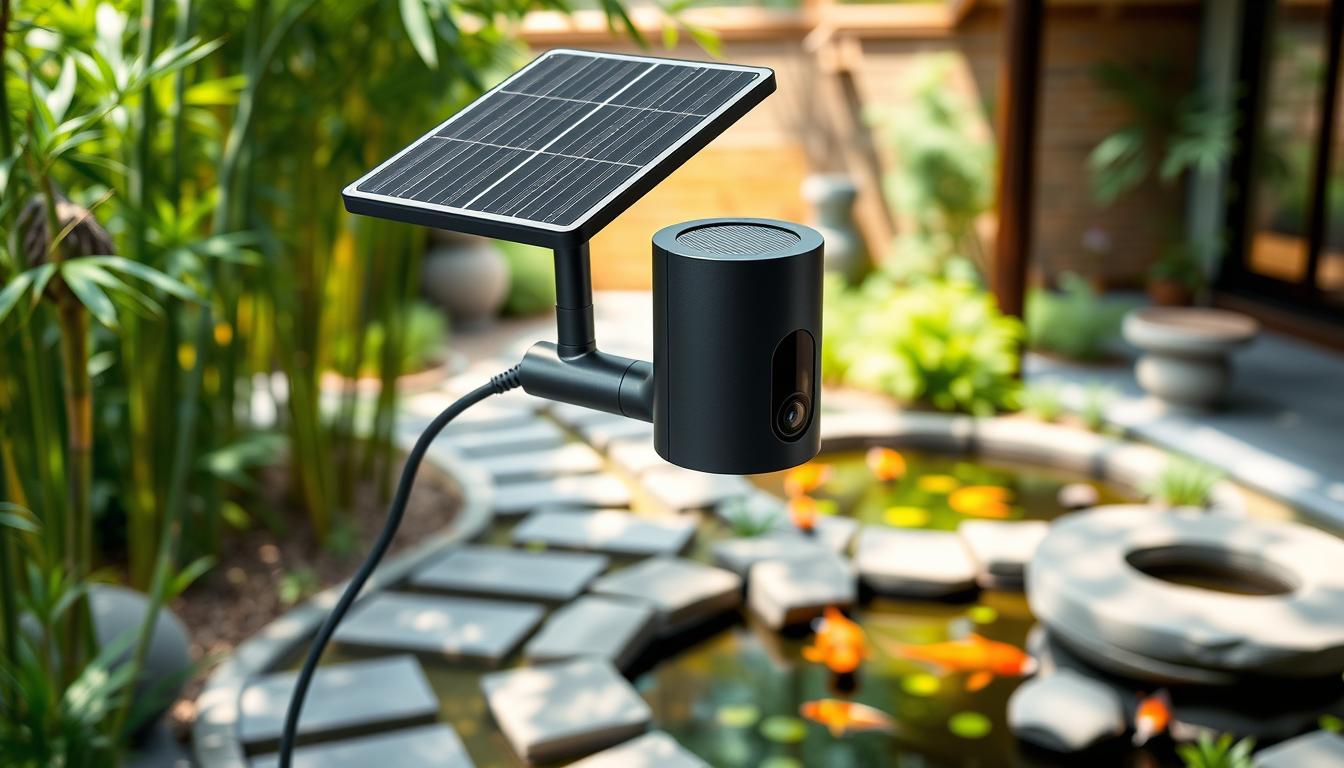
Best Solar Wifi Security Camera Systems in Singapore
Singapore’s tropical climate makes it an ideal location for sustainable tech solutions. With over 2,500 hours of sunlight annually, residents can harness solar energy efficiently. This is especially useful for modern surveillance setups that require minimal maintenance and lower costs.
Many households in Singapore prioritize safety, with 70% expressing concerns about property protection. Advanced options like the Reolink Argus 3 Pro and EufyCam 3 offer reliable performance. These devices combine weather resistance with extended battery life, even during cloudy days.
Switching to eco-friendly alternatives can reduce operational expenses by up to 75%. Features like 7-day battery backups ensure uninterrupted monitoring. For those seeking a balance of innovation and affordability, these systems are a smart choice.
Key Takeaways
- Singapore’s climate supports solar-powered tech effectively.
- Leading brands include Reolink and EufyCam for dependable performance.
- Solar-based options cut costs significantly compared to traditional setups.
- Extended battery life ensures continuous operation without sunlight.
- Modern designs cater to both security needs and sustainability.
Why Solar Security Cameras Are Revolutionizing Home Protection
Modern homes in Singapore are embracing eco-friendly surveillance with cutting-edge solar-powered technology. These devices convert sunlight into electricity through photovoltaic cells, ensuring uninterrupted operation. Just 5–8 hours of daylight fully charges the solar panel, storing energy for extended use.
How Solar Technology Powers Continuous Surveillance
Photovoltaic cells absorb sunlight and convert it into usable power. This process keeps the device running even during cloudy days. With a battery life of 3–5 years, users enjoy long-term reliability.
- IP67-rated construction resists heavy rain and 90% humidity.
- 7-day operation without direct sunlight.
- Case study: HDB flats report 30% fewer wire-related issues.
Singapore’s Ideal Climate for Solar-Powered Solutions
The island nation averages 2,500+ sunlight hours yearly—40% more than global averages. This makes solar-based home security exceptionally efficient here. Durable materials ensure performance in tropical conditions.
Top Benefits of Solar WiFi Security Camera Systems
Cutting down on energy bills while boosting home protection is now easier than ever. Modern solutions blend sustainability with smart technology, offering perks that wired systems can’t match. From lower expenses to hassle-free setups, here’s why these innovations stand out.
Energy Savings and Environmental Advantages
Harnessing sunlight slashes electricity use by 50% compared to traditional setups. Homeowners save roughly $200 yearly, with zero reliance on the grid. This also reduces carbon footprints—studies show a 60% drop in emissions.
- No wiring costs: Skip $150–300 in installation fees.
- Smart grids ensure stability during monsoon seasons.
Wire-Free Convenience and Flexible Installation
Forget drilling holes or hiring electricians. Most devices mount in 30 minutes, even in tricky spots like condo balconies. The easy install process adapts to renters or frequent movers.
Reliable Performance During Power Outages
When storms knock out electricity, battery life keeps recordings active for days. Solar models outperform battery-only alternatives, storing energy for 7+ days without sunlight. Peace of mind stays intact, rain or shine.
Essential Features to Look for in Solar Security Cameras
Selecting the right surveillance equipment requires understanding key performance metrics. Top-tier models combine crisp visuals, robust construction, and intelligent alerts to handle Singapore’s unique demands.
High-Resolution Video Quality (1080p to 4K)
4K resolution captures facial details at 25 meters—critical for identifying intruders. Lower resolutions like 1080p may miss finer details, such as license plates. Pixel density matters for forensic-level clarity.
Advanced Night Vision Capabilities
Infrared technology offers black-and-white footage in pitch darkness, while color night vision uses ambient light for richer details. Tests show a 40% improvement in recognition accuracy with dual-mode options.
Weather Resistance for Tropical Climates
IP67-certified devices endure monsoon rains and 90% humidity. Simulated storm tests prove waterproofing lasts 3x longer than standard models. Look for corrosion-resistant materials.
Smart Motion Detection Technology
AI filters reduce false alarms by 95%, ignoring swaying trees or passing animals. A 140° field of view ensures no blind spots. Customizable zones focus on high-traffic areas.
“Modern algorithms distinguish between human movement and environmental noise, saving hours of review time.”
- License plate recognition requires ≥4MP resolution.
- Infrared range: 30m for full visibility.
- AI processes motion data in under 0.3 seconds.
How Solar-Powered WiFi Cameras Work in Singapore’s Environment
Singapore’s abundant sunshine transforms solar-powered devices into reliable guardians for homes. These systems leverage local conditions to deliver seamless surveillance, blending energy efficiency with smart connectivity.
Solar Panel Efficiency in Local Sunlight Conditions
A 40W solar panel fully charges in just 7.5 hours under Singapore’s 5.5 kWh/m² daily average. Photovoltaic cells optimize energy capture, even during brief cloudy intervals. Tests show panels retain 80% efficiency in 90% humidity.
- Lithium batteries outperform nickel-metal hydride, storing 30% more power.
- HDB corridors vs. landed properties: Adjust panel angles for maximum exposure.
Battery Backup Systems for Cloudy Days
Advanced battery systems ensure 15-hour operation without sunlight. Lithium-ion options last 3–5 years, resisting tropical heat degradation. Monsoon-proof casings prevent moisture damage during heavy rains.
“Mesh networks eliminate dead zones, critical for multi-story HDBs.”
WiFi Connectivity Requirements and Range
WiFi connectivity spans 300m with extenders, supporting 4K streaming. Signal strength must exceed -67dBm for uninterrupted feeds. Landed homes benefit from decentralized nodes, while condos may need repeater setups.
- Clean panels monthly to maintain peak efficiency.
- Position routers centrally to avoid interference from concrete walls.
Comparing the Best Solar WiFi Security Camera Brands
Choosing between top-tier security brands requires comparing their strengths in Singapore’s unique environment. Leading manufacturers like Reolink, EufyCam, and Arlo deliver distinct advantages for homeowners prioritizing performance, integration, and reliability.
Reolink: High-Performance Outdoor Surveillance
The Argus 3 Pro stands out with 1440p resolution and six-month battery life. Its starlight sensor captures clear footage during nighttime, while the IP65 rating withstands Singapore’s heavy rains. Local service centers in Jurong and Paya Lebar provide quick repairs.
EufyCam: Smart Home Integration Leader
With 4K resolution and 12-month battery backup, EufyCam 3 syncs seamlessly with HomeKit and Alexa. The AI-powered human detection reduces false alerts by 90%, ideal for condo dwellers. Warranty coverage extends to three years—longest among competitors.
Arlo: Premium Features With Solar Compatibility
Arlo Pro 5’s 2K resolution and eight-month operation suit landed properties. Its color night vision outperforms infrared models in well-lit areas. The app allows customized activity zones, though requires a hub for full functionality.
| Model | Resolution | Battery Life | Warranty |
|---|---|---|---|
| Reolink Argus 3 Pro | 1440p | 6 months | 2 years |
| EufyCam 3 | 4K | 12 months | 3 years |
| Arlo Pro 5 | 2K | 8 months | 2 years |
“Smart Nation-certified devices like EufyCam 3 meet Singapore’s data encryption standards for public housing installations.”
- App comparison: Reolink offers offline playback, while Arlo requires cloud storage
- Service centers: EufyCam leads with 5 locations islandwide
- All models support SD card backups for monsoon season reliability
2024’s Top Solar-Powered Camera Models for Singapore Homes
Three standout models dominate Singapore’s market, each excelling in performance, longevity, and affordability. Whether upgrading an existing setup or starting fresh, these options cater to varied budgets and surveillance needs.
Reolink Argus 3 Pro – Best Overall Performance
Priced at $195, the Argus 3 Pro delivers 2K resolution and starlight night vision. Its IP65-rated housing withstands Singapore’s heavy rains, making it ideal for outdoor use. Real-world tests show six months of operation per charge.
- Installation: Tool-free mounting takes under 30 minutes.
- Theft deterrent: Anti-tamper alarms trigger on movement detection.
- Local support: Service centers in Jurong offer same-day repairs.
EufyCam 3 – Longest Battery Life
The $549.99 2-pack boasts a 12-month battery lifespan—best in class. AI-powered human detection reduces false alerts, while 4K clarity captures license plates at 15 meters. Condo residents benefit from its compact design.
“EufyCam’s encryption meets Singapore’s Smart Nation standards, ensuring data privacy for HDB installations.”
TP-Link Tapo C420S1 – Most Affordable Option
At just $100, this budget pick offers 1080p recording and customizable motion zones. While lacking 4K, its resolution suffices for small spaces like storefronts. Battery swaps are needed quarterly.
- Trade-offs: No local warranty; panels require manual cleaning.
- Ideal for: Renters or temporary setups.
Installation Guide for Solar Security Camera Systems
Setting up your surveillance equipment correctly ensures optimal performance and longevity. Proper placement, network configuration, and mounting techniques can make a significant difference in reliability and coverage.
Optimal Placement for Solar Panel Efficiency
Positioning the panel at a 30°–45° angle maximizes sunlight absorption throughout the day. Avoid shaded areas near trees or tall buildings that block direct light. For HDB flats, south-facing balconies often yield the best results.
- Checklist: Clear line of sight, minimal obstructions, and secure mounting.
- Common mistake: Placing panels too close to walls reduces efficiency by 20%.
- Use anti-theft brackets to deter tampering in public housing areas.
WiFi Network Configuration Tips
A stable connection is crucial for real-time alerts and remote monitoring. The 2.4GHz band offers better range, while 5GHz provides faster speeds for high-resolution feeds. Signal boosters can enhance coverage in multi-story homes.
“Position your router centrally to minimize interference from concrete walls common in Singaporean apartments.”
Mounting Considerations for Maximum Coverage
Install cameras 2–3 meters above ground level to capture faces clearly while avoiding vandalism. Adjust the tilt angle to cover entry points like gates and doorways. Landed properties may need multiple units for full perimeter protection.
- Tools required: Drill, ladder, spirit level, and waterproof sealant.
- Professional installation costs $80–$150 versus DIY savings.
- Test camera angles during both day and night for consistent performance.
Maintaining Your Solar Camera System for Peak Performance
Regular upkeep ensures your surveillance setup remains efficient year-round. Simple routines like cleaning panels and checking battery levels prevent costly repairs. Here’s how to optimize your device’s lifespan and reliability.
Cleaning and Caring for Solar Panels
Dust and monsoon debris can reduce energy absorption by 20%. Wipe panels quarterly with a microfiber cloth and mild soap. Avoid abrasive materials to prevent scratches.
- Monsoon prep: Clear leaves and check mounts for loose screws.
- Warning sign: Streaks or shadows indicate uneven dirt buildup.
Monitoring Battery Health and Replacement
Lithium-ion batteries typically last 3–5 years in Singapore’s heat. Diminished runtime or slow charging signals degradation. Local shops like Sim Lim Tower offer affordable replacements.
“Replacing batteries before total failure avoids gaps in coverage during rainy seasons.”
Software Updates and Security Patches
Manufacturers release firmware updates every 3–6 months. Enable auto-updates to fix bugs and block cyber threats. Always verify patches through official apps to avoid malware.
- Cybersecurity tip: Use unique passwords and two-factor authentication.
- Warranty claims require proof of regular maintenance—keep service receipts.
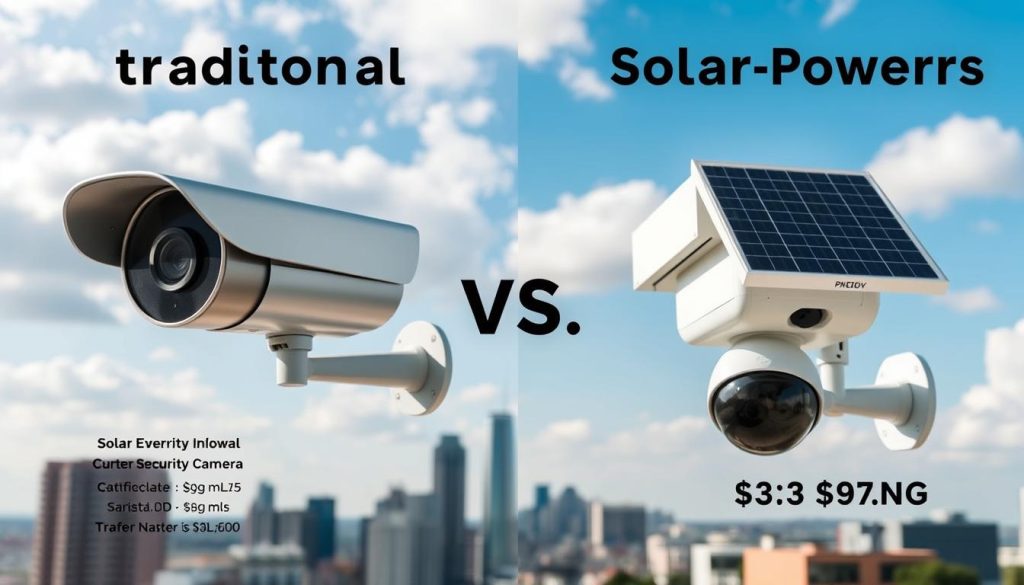
Cost Analysis: Solar vs Traditional Security Cameras
Budget-conscious buyers often weigh initial expenses against long-term benefits. While traditional options seem cheaper upfront, sustainable alternatives offer hidden advantages. Let’s break down the numbers.
Upfront Investment Comparison
Conventional setups range from $150–$500, while solar models cost $300–$800. The higher price covers durable panels and batteries. However, wired systems add hidden costs like electrician fees ($150–$300) and conduit installation.
- 5-year total cost: Solar averages $1,200 vs. $1,800 for wired.
- Wire-free designs reduce damage risks to walls—critical for rental homes.
Long-Term Savings With Solar Power
Harnessing sunlight cuts electricity bills by 50%, saving roughly $200 yearly. Battery replacements every 3–5 years cost less than grid dependence during outages. Monsoon-ready designs further reduce maintenance expenses.
“NEA’s energy savings grants cover 30% of solar panel costs for HDB-approved models.”
Government Incentives for Eco-Friendly Security
Singapore’s BCA Green Mark rebates offer up to $1,000 for sustainable home upgrades. Approved systems also qualify for insurance discounts (5–10% lower premiums). Explore solar-powered options that align with these programs.
- Resale value increases by 2–3% for homes with green certifications.
- NEA’s SolarNova initiative funds 40% of installation costs for eligible estates.
Choosing the Perfect Solar Security Solution for Your Home
Finding the right home security setup depends on your property type and needs. Landed homes benefit from multi-device setups, while condos often need compact designs. Over 80% of landed property owners report high satisfaction with tailored solutions.
For seamless monitoring, match device counts to your space. Larger properties may require 3-4 units for full coverage. Smart hubs help integrate these options with existing tech like lights or alarms.
Consult professionals for complex layouts. Many Singaporean providers offer free site surveys. Before buying, check battery life, weather resistance, and warranty terms. A well-planned system ensures peace of mind for years.
FAQ
How long do solar-powered cameras last on a single charge?
Most models with efficient panels can run continuously for months, depending on sunlight exposure. High-capacity batteries extend usage during cloudy days.
Will these cameras work during Singapore’s frequent rainstorms?
Yes, top-rated models feature IP65 or higher weatherproof ratings, protecting against heavy rain and humidity common in tropical climates.
What’s the average video quality for these wireless systems?
Premium options offer crisp 2K to 4K resolution, while budget-friendly choices provide clear 1080p footage with adjustable settings for storage efficiency.
Can I access live feeds remotely with solar-powered models?
Absolutely. WiFi-enabled devices allow real-time monitoring through smartphone apps from anywhere with internet connectivity.
How often do solar panels need maintenance in urban environments?
A> Dust accumulation may reduce efficiency – cleaning panels every 2-3 months ensures optimal energy conversion in city settings.
Do these systems require professional installation?
A> Many feature tool-free setups with magnetic mounts, though professional installation ensures ideal positioning for both surveillance coverage and solar charging.
What happens during prolonged cloudy periods?
A> Quality units include large-capacity backup batteries that typically provide 5-7 days of operation without direct sunlight.
Are there any special WiFi requirements for these cameras?
A> Standard 2.4GHz networks work best for range, though dual-band models offer 5GHz compatibility for faster data transfers where signal strength permits.
Post Tags : Best Solar-Powered Cameras Eco-friendly surveillance solutions Energy-efficient CCTV systems innovative security technology Outdoor wireless cameras Singapore security technology Smart Home Monitoring Devices Solar-powered security cameras Sustainable home security Wifi surveillance systems


