
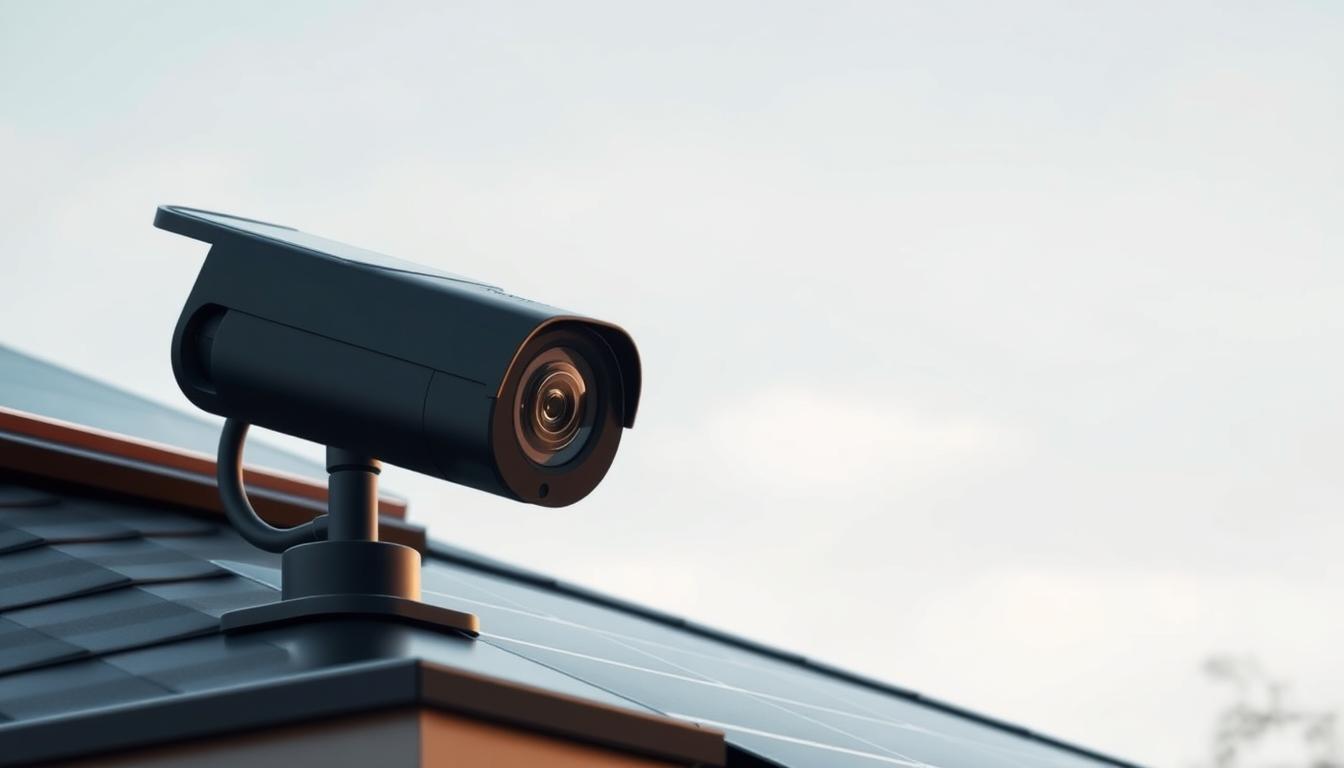
Top Rated Solar Powered Wifi Security Camera System
Singapore has seen a surge in demand for eco-friendly surveillance solutions. More homeowners now prefer sustainable options that reduce energy costs while maintaining reliable protection. These innovative devices offer a smart way to monitor properties without complex wiring.
The best-rated models combine efficiency with advanced features. Prices range from $59.99 for basic setups to $799.99 for premium configurations. Popular choices like the Reolink Argus 3 Pro deliver exceptional performance in Singapore’s tropical climate.
With over 640 local reviews averaging 4.5/5 stars, these systems prove their worth. They provide continuous operation through built-in solar panels. This eliminates frequent battery changes while ensuring 24/7 coverage.
Key Takeaways
- Singaporeans increasingly adopt sustainable surveillance solutions
- Significant cost savings compared to traditional wired setups
- Top models maintain 4.5/5 ratings from local users
- Price points accommodate different budgets and needs
- Reliable performance in tropical weather conditions
Introduction to Solar WiFi Security Cameras
Eco-conscious surveillance is transforming property protection in Singapore. These devices blend cutting-edge tech with environmental responsibility, offering a smarter way to monitor spaces. Homeowners and businesses alike appreciate their hassle-free setup and long-term savings.
The Rise of Sustainable Security in Singapore
Singapore’s push for green initiatives has fueled demand for energy-efficient solutions. Wireless setups are particularly popular in heritage districts, where traditional wiring is restricted. Even commercial sectors adopt them for ESG compliance and flood monitoring in vulnerable areas.
Benefits of Going Green with Solar Cameras
With up to 35% lower electricity costs, these devices pay for themselves over time. Their battery life impresses too—lasting seven days without sunlight. Lithium-ion models use just 10% power nightly, ensuring uninterrupted coverage.
Modern features like 4K resolution and real-time alerts enhance usability. Bulk pricing at $135.80 makes them viable for large-scale deployments. Whether for homes or businesses, sustainable security is no longer a luxury but a practical choice.
Why Choose a Solar Powered WiFi Security Camera System?
Singapore’s tropical climate demands resilient, energy-efficient surveillance tools. These devices offer a unique blend of sustainability and performance, ideal for both homes and businesses. With rising energy costs and environmental awareness, their advantages go beyond basic monitoring.
Cost-Efficiency and Environmental Impact
Switching to eco-friendly surveillance cuts electricity bills by up to 35%. The built-in panels harness sunlight to power devices, eliminating wiring hassles. Over time, this translates to significant savings while reducing carbon footprints.
Most models include lithium-ion batteries that last seven days without direct sunlight. Bulk purchasing options further lower costs for large-scale deployments. It’s a win-win for budgets and the planet.
Reliability in Singapore’s Climate
Designed for harsh weather, these tools boast IP67 waterproof ratings. They maintain 95% uptime during monsoons and operate in temperatures up to 40°C. Advanced features like condensation prevention ensure clarity in high humidity.
- UV-resistant panels maintain efficiency despite intense sunlight.
- Hurricane-grade wind resistance tested for storm-prone areas.
- 24-month warranties cover performance during haze or heavy rain.
Whether it’s all-day sun or relentless rain, these systems deliver uninterrupted protection. Homeowners can trust their durability in Singapore’s unpredictable conditions.
Key Features of Solar Powered Outdoor Security Cameras
Modern surveillance solutions now integrate eco-friendly power with cutting-edge performance. These systems excel in clarity, responsiveness, and resilience, making them ideal for Singapore’s diverse environments.
High-Resolution Video and Night Vision
Crisp 4K footage ensures every detail is visible, even in low light. Advanced infrared sensors provide 30-meter night vision, capturing clear images after sunset. This eliminates blind spots for round-the-clock monitoring.
Motion Detection and Real-Time Alerts
Smart sensors reduce false alarms by distinguishing between humans and animals. Instant notifications reach your phone within 0.5 seconds, saving time during critical moments. The battery-efficient design ensures alerts continue during extended cloudy periods.
Weatherproof and Durable Design
Built to MIL-STD-810G standards, these cameras withstand monsoons and scorching heat. Key weather resistances include:
- IK10-rated impact resistance against vandalism
- Salt spray protection for coastal installations
- Condensation-free lenses in 95% humidity
Five-year warranties cover corrosion, while solar panels maintain efficiency in direct sunlight. Whether facing hailstorms or 60°C heat, performance remains uninterrupted.
How Solar Outdoor Camera WiFi Works
Understanding how these innovative devices function helps users maximize their benefits. They blend renewable energy with wireless tech for hassle-free monitoring. Here’s what makes them tick.
Solar Panel Efficiency and Battery Life
Built-in panels convert sunlight into power, storing it in lithium-ion batteries. Even on cloudy days, most models last seven days without recharge. Premium units extend this to 14 days with energy-saving modes.
Connectivity Options: WiFi, 4G, and More
Dual-band WiFi ensures stable links within a 100-meter range. For areas with weak signals, 4G fallback keeps the system online. Advanced setups even support mesh networks for larger properties.
Key features to consider:
- Data plans: 4G models require SIM cards with ~5GB/month for HD streaming.
- Signal boosters: Enhance coverage in dense urban areas like Singapore.
- WPA3 encryption: Protects footage from cyber threats.
The entire system adapts to your needs, whether you’re monitoring a home or business. With flexible connectivity, these cameras deliver reliability in any environment.
Comparing the Best Solar Security Camera Systems
Selecting the right surveillance setup requires careful comparison of features and costs. Top brands vary in durability, smart integrations, and after-sales support. For Singapore’s humid climate, evaluating long-term value is essential.
Top Brands: Reolink, Eufy, and Ring
Reolink leads with 4K resolution and military-grade weatherproofing. Eufy excels in AI-driven alerts, while Ring offers seamless smart-home compatibility. Each caters to different priorities, from image clarity to automation.
Price vs. Performance Breakdown
Premium systems ($299–$799) include extended warranties and 5-year storage plans. Entry-level cameras save upfront but lack condensation resistance. Hidden costs like mounts add 15–20% to budgets.
Key considerations:
- Cloud fees: Average $8.99/month for HD backups.
- Local warranties: Cover solar panel degradation in tropical heat.
- Bulk discounts: 10–15% off for multi-camera setups.
Black Friday deals often slash prices by 30%, making premium models more accessible. Always verify international warranty terms for cross-border purchases.
Top Solar Outdoor Camera WiFi Models Available
Homeowners in Singapore now have multiple high-performance options for sustainable monitoring. Each model excels in specific areas, from resolution to smart integrations. Below are the top contenders vetted for local conditions.
Reolink Argus 3 Pro: Best for High Resolution
The Argus 3 Pro delivers 4K clarity, ideal for identifying fine details. Its starlight sensor captures vivid footage even at night. Users praise the 160° field of view for minimizing blind spots.
Singapore’s humidity is no match for its IP67-rated casing. Local distributors offer voltage-compatible units with 24/7 support. “The image quality outperforms wired systems,” notes a verified buyer.
EufyCam 3: Best for Smart Features
AI-powered alerts distinguish humans from pets, reducing false alarms. The battery lasts six months, backed by a dual-panel charging system. Real-time tracking syncs seamlessly with smart home devices.
Installation takes under 15 minutes, though cloud storage requires a subscription. Its compact design blends into heritage districts without compromising performance.
Budget Picks: Wyze Battery Cam Pro
At $73.99, this model offers 1080p resolution and customizable motion zones. The price includes local warranty coverage, but DIY mounting may challenge beginners.
Weatherproofing tests confirm resistance to monsoons, though panels need occasional cleaning. For cost-conscious buyers, it’s a reliable entry-point into solar power surveillance.
Solar Camera Installation Process: Step-by-Step
Setting up a sustainable surveillance solution requires strategic planning for optimal performance. Most units install in under 45 minutes, but proper placement and configuration ensure long-term reliability. Follow this guide to avoid common pitfalls.
Optimal Placement for Maximum Sunlight
Position panels facing north or northeast to capture Singapore’s intense sunlight. Avoid shading from trees or buildings—even partial coverage reduces efficiency by 30%.
Mount units 2–3 meters high for both energy capture and wide-angle views. Test locations using the manufacturer’s mobile app sunlight calculator before permanent installation.
Connecting and Configuring Your System
Scan the QR code to pair devices with your network. Enable WPA3 encryption during setup for secure connectivity. Key steps include:
- Verify IMDA compliance for radio frequency standards
- Assign multi-user access levels (admin/view-only)
- Schedule firmware updates during low-usage hours
For complex setups, professional installers handle wiring and disaster recovery protocols. They optimize the entire system for Singapore’s humidity and signal interference.
Evaluating Market Options for Solar WiFi Security Cameras
Singapore’s market offers diverse choices for sustainable surveillance tech. Buyers should weigh performance against local conditions and long-term value. Key factors range from weatherproofing to after-sales support.
What to Look for in a Solar Camera
Prioritize devices with localized certifications like IMDA approval. These ensure compatibility with Singapore’s electrical standards and climate. Look for these essential features:
- Singlish voice support for seamless control
- GST-inclusive pricing with no hidden fees
- Regional firmware updates for optimal performance
Condensation-resistant lenses prove crucial in 90% humidity. The best cameras maintain clarity during monsoon seasons. “Our top performers all have dual-layer waterproofing,” notes a local installer.
Local vs. International Brands
Singaporean companies offer 2-day repairs versus 2-week waits for imports. However, global brands charge 30% premiums for advanced technology. Consider these trade-offs:
- Local advantages: Adapted solar panel coatings for intense UV
- International perks: Cutting-edge motion tracking algorithms
- Hybrid option: Regional offices of multinational providers
Check warranty terms for humidity-related damages. Some brands void coverage if installed below 2 meters. For comprehensive guidance, explore our eco-friendly surveillance guide.
Maintenance Tips for Long-Lasting Performance
Proper care extends the lifespan of your monitoring devices significantly. Follow this guide to maintain peak efficiency and avoid common issues. Simple routines can prevent 80% of performance problems.
Cleaning and Upkeeping Solar Panels
Dust and pollen reduce energy absorption by 25% monthly. Wipe panels every two weeks with a microfiber cloth. For stubborn grime, use distilled water and a soft brush.
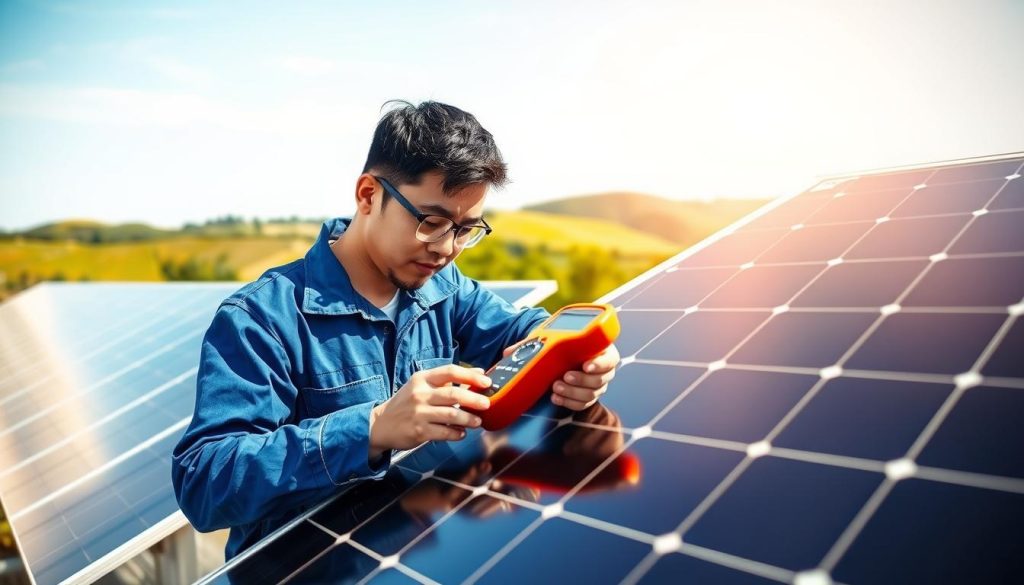
Singapore’s frequent rain helps, but manual cleaning ensures optimal results. Check these key areas:
- Mounting brackets: Tighten loose screws during quarterly inspections
- Panel angles: Adjust seasonally for maximum sun exposure
- Cable joints: Apply dielectric grease to prevent corrosion
Software Updates and Troubleshooting
Manufacturers release critical features every 90 days. Enable auto-updates to maintain security patches. Common fixes include:
- Error 407: Reset connectivity via device reboot
- Frozen feeds: Clear cache in the companion app
- Night vision failure: Clean IR sensors with alcohol wipes
For complex issues, document these steps:
- Backup configurations to cloud storage
- Note error codes before factory resets
- Contact local support with incident details
Pro tip: Schedule maintenance during dry spells to minimize system downtime. Keep firmware versions consistent across all devices for seamless operation.
Choosing the Right Solar WiFi Security Camera for Your Needs
Finding the perfect surveillance solution starts with understanding your property’s unique requirements. Assess key factors like space size, lighting conditions, and budget to narrow down options. A well-planned choice ensures long-term satisfaction and optimal performance.
Measure your property’s dimensions to determine camera coverage needs. Darker areas may require enhanced night vision, while sunny spots maximize solar-powered security efficiency. Allocate funds wisely—balance upfront costs with future-proof features like AI detection.
Consult local experts for tailored advice on Singapore’s climate challenges. They can recommend models with humidity-resistant builds and proper warranty coverage. “The right setup saves time and money,” notes a seasoned installer.
Prioritize home security needs over flashy extras. Whether for a compact apartment or sprawling estate, matching tech to your lifestyle guarantees peace of mind. Start smart—your ideal security camera awaits.
FAQ
How long do solar-powered cameras last on a single charge?
Most models offer 2-5 days of runtime, depending on usage and sunlight exposure. High-efficiency panels extend battery life significantly.
Can these cameras work in cloudy weather?
Yes, they store energy during sunny periods. Some brands like Reolink include backup batteries for low-light conditions.
What’s the ideal placement for solar panels?
Position panels where they get 6-8 hours of direct sunlight daily. Avoid shaded areas for optimal performance.
Do they support night vision?
Absolutely. Top models feature infrared or color night vision with ranges up to 30 feet for clear nighttime monitoring.
Are these systems weatherproof?
Yes, leading options like EufyCam 3 have IP65 or higher ratings, resisting rain, dust, and extreme temperatures.
How does motion detection work?
Advanced sensors trigger alerts via mobile apps. Customizable zones reduce false alarms from passing animals or foliage.
What’s the average video storage capacity?
Cloud or local storage varies by brand. Reolink offers free rolling 7-day cloud backups, while others support microSD cards up to 128GB.
Can I access footage remotely?
Yes, WiFi-enabled models provide live feeds through apps like Ring or Eufy, accessible from anywhere with internet.
Are there 4G options for areas without WiFi?
Some systems, like Arlo Go, use cellular networks, ideal for remote locations or construction sites.
How often should I clean the panels?
Wipe them monthly with a damp cloth to remove dust or debris, ensuring maximum energy absorption.
Post Tags : Best Solar Security Camera Models Outdoor Security Camera Solutions Solar Panel Security Camera Technology Solar-Powered Home Security Cameras Solar-powered security cameras Top Rated Security Camera Reviews Wifi Connected Surveillance Cameras WiFi-enabled surveillance systems Wireless solar camera systems


