
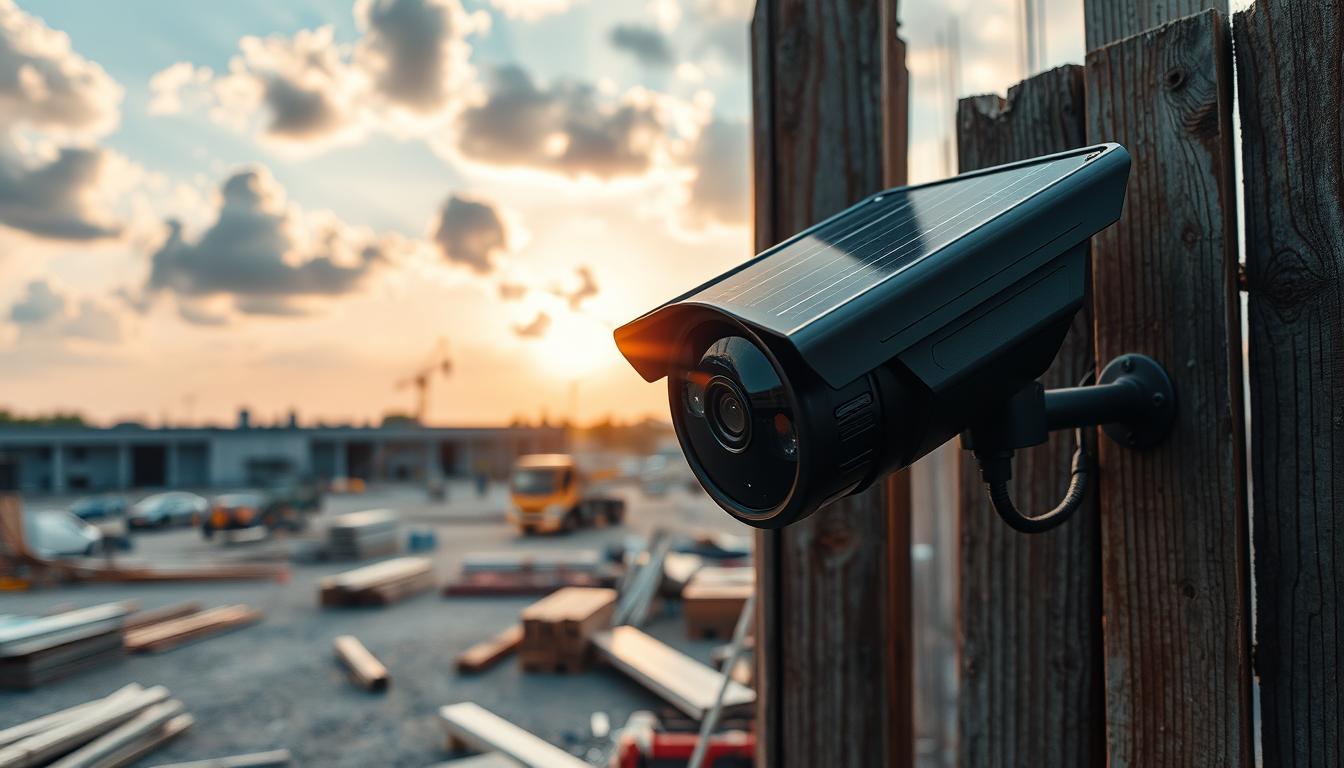
Buyer’s Guide to Solar Powered Security Cameras for Construction Sites
Singapore’s construction industry values safety and efficiency above all. The tropical climate makes innovative solutions essential for project success. Many companies now turn to advanced surveillance technology for better protection.
The Ministry of Manpower recommends video monitoring systems to improve safety standards. These devices offer reliable operation in remote locations without power access. They provide continuous monitoring day and night.
This guide explores the key benefits of modern surveillance technology. We’ll examine critical features like weather resistance and motion detection. You’ll learn how to choose the right system for your specific needs.
Key Takeaways
- Solar-powered systems provide energy-efficient surveillance in Singapore’s climate
- These devices offer 24/7 operation in remote construction areas
- They are more cost-effective than traditional wired setups
- Weather resistance and durability are crucial for challenging environments
- Proper installation ensures optimal performance and compliance with regulations
- Regular maintenance extends device lifespan and maintains security coverage
- Understanding local requirements helps in selecting appropriate monitoring technology
Why Construction Site Security Demands Innovative Solutions
Construction projects in Singapore face distinct monitoring challenges that demand creative approaches. These temporary work zones span large territories with limited infrastructure access. Traditional protection methods often fall short in such dynamic environments.
The Unique Vulnerabilities of a Construction Site
Open work areas present multiple risks that require constant attention. Equipment and materials remain exposed to potential theft or damage. Unauthorized entry becomes easier without proper barriers.
These locations typically lack permanent structures for mounting surveillance devices. The changing layout of project zones complicates consistent coverage. Remote placement further increases vulnerability to incidents.
Limitations of Traditional Wired Security Systems
Conventional wired setups struggle in temporary work environments. They depend on existing power sources that may not be available. Extensive cabling requirements make installation complex and costly.
Fixed wiring limits flexibility as project needs evolve. Repositioning cameras becomes difficult, creating coverage gaps. Singapore’s tropical climate adds moisture and corrosion issues to wired equipment.
Modern wireless technology addresses these limitations effectively. Autonomous operation ensures continuous protection without grid dependency. Real-time alerts and remote access enhance monitoring capabilities significantly.
The Essential Role of a Solar Powered Security Camera for Construction Site
Modern construction projects demand innovative protection solutions that adapt to challenging environments. These autonomous devices provide reliable oversight where traditional methods fall short. Their self-sufficient nature makes them ideal for temporary work zones.
Overcoming the Challenge of Remote Locations and No Power
Remote project sites often lack electrical infrastructure for conventional monitoring systems. This creates significant gaps in protection during critical phases. Autonomous technology eliminates these vulnerabilities completely.
Advanced models from leading brands offer impressive backup capabilities. Hikvision provides seven days of continuous operation without sunlight. Milesight extends this to nine days of uninterrupted recording.
These systems harness natural energy through efficient solar panels. They store power in high-capacity batteries for consistent performance. This ensures continuous operation during extended cloudy periods.
Ensuring 24/7 Surveillance Without Infrastructure
Round-the-clock monitoring becomes achievable without complex wiring installations. The elimination of cables reduces setup time and expenses significantly. Projects can deploy protection immediately upon commencement.
Optimal placement becomes possible without power source limitations. Devices can be positioned for maximum coverage and visibility. This flexibility enhances overall site protection dramatically.
Singapore’s undeveloped areas benefit greatly from this autonomy. Continuous oversight maintains safety standards in challenging locations. Weather-resistant features ensure reliable operation in tropical conditions.
Wireless connectivity supports real-time alerts and remote access capabilities. This technology future-proofs protection systems as projects evolve. The investment addresses both current and future monitoring needs effectively.
Core Advantages of Solar-Powered Surveillance Systems
Modern monitoring technology offers remarkable benefits for temporary work zones. These innovative solutions address multiple challenges simultaneously. They provide comprehensive protection while reducing environmental impact.
Advanced systems deliver exceptional value through multiple channels. They combine operational efficiency with environmental responsibility. This dual approach makes them ideal for contemporary projects.
Significant Reduction in Operational Costs and Energy Use
Renewable energy sources eliminate electricity expenses completely. This creates immediate savings on utility bills. Long-term financial benefits become apparent quickly.
Efficient panels and batteries minimize energy consumption dramatically. They harness natural resources without waste. This sustainable approach aligns with corporate responsibility goals.
Operational expenses drop significantly over time. Reduced reliance on traditional power sources cuts costs further. The investment pays for itself through continuous savings.
Rapid Deployment and Flexibility for Evolving Project Sites
Quick installation becomes possible without complex wiring. Some models require less than two hours for complete setup. Protection becomes operational almost immediately.
Relocation flexibility adapts to changing project layouts effortlessly. No additional wiring costs occur when moving devices. This adaptability supports evolving project needs perfectly.
Minimal infrastructure reduces site disruption during installation. Productivity remains unaffected by setup processes. Downtime becomes virtually nonexistent.
Environmental Sustainability and Green Compliance
Renewable energy use reduces carbon emissions substantially. This supports Singapore’s green initiative requirements. Environmental impact decreases significantly.
Many systems qualify for government grants and incentives. These programs promote eco-friendly technology adoption. Additional financial benefits become available through compliance.
Sustainable operation meets modern environmental standards. Companies demonstrate commitment to responsible practices. This enhances corporate reputation while improving protection.
Comprehensive solutions address both current and future demands. They combine cost efficiency with environmental responsibility. This balanced approach delivers exceptional value for temporary work zones.
Critical Features for Uninterrupted Performance
Selecting the right surveillance equipment requires careful consideration of several key components. These elements work together to ensure reliable operation in demanding environments. Understanding these aspects helps make informed decisions about your protection needs.
Solar Panel Efficiency and Battery Backup Capacity
Energy collection depends heavily on panel quality and positioning. High-efficiency models capture more energy even in limited light conditions. This maximizes power generation throughout changing weather patterns.
Battery capacity determines how long devices operate without sunlight. Leading brands offer impressive backup durations for continuous coverage. Some systems provide up to nine days of autonomous operation.
Proper sizing ensures consistent performance during extended cloudy periods. This reliability prevents gaps in monitoring during critical times. Always verify both panel output and storage capacity specifications.
Superior Weather Resistance and Durability
Industrial environments demand robust protection against environmental factors. IP67 and IP68 ratings indicate superior resistance to water and dust intrusion. These certifications guarantee operation in heavy rain and dusty conditions.
Durable materials withstand temperature extremes and physical impacts. Corrosion-resistant components maintain integrity in humid climates. This reduces maintenance requirements and extends service life significantly.
Proper enclosures protect internal electronics from environmental damage. This ensures consistent operation despite challenging site conditions. Always check ingress protection ratings before final selection.
High-Quality Video Resolution and Color Night Vision
Clear footage is essential for effective monitoring and evidence collection. Modern systems offer 1080p or 4K resolution for detailed image capture. This clarity helps identify important details like faces or license plates.
Advanced night vision technology provides color images after dark. This represents a significant improvement over traditional black-and-white footage. Color details enhance threat detection and incident documentation capabilities.
Infrared illumination supports visibility in complete darkness. Some models feature smart light activation for deterrence purposes. These capabilities ensure comprehensive coverage around the clock.
When evaluating options, prioritize these critical aspects for optimal results. The right combination ensures reliable performance meeting your specific requirements. This approach delivers peace of mind throughout project durations.
Connectivity Options: 4G LTE vs. Wi-Fi for Remote Sites
Reliable data transmission forms the backbone of effective surveillance systems. Choosing the right connection method ensures seamless operation and instant notifications. This decision impacts overall system performance and response capabilities.
Ensuring Reliable Real-Time Alerts and Video Transmission
Cellular networks provide exceptional coverage in isolated locations. 4G LTE technology uses existing mobile infrastructure for consistent data transfer. This eliminates dependency on local network availability.
Real-time alerts require stable connections for immediate notification delivery. Cellular systems maintain constant communication with monitoring centers. They ensure prompt incident reporting without transmission delays.
Video quality remains uncompromised through robust cellular networks. High-definition footage transmits smoothly even during peak usage times. This reliability supports thorough incident documentation.
Choosing the Right Connectivity for Your Site’s Location
Evaluate existing infrastructure before selecting your connection method. Wi-Fi works well near established networks with strong signals. It offers cost-effective solutions for sites with office proximity.
Truly remote areas benefit significantly from cellular options. 4G LTE covers vast territories without additional equipment requirements. It adapts easily to changing site layouts and locations.
Network strength testing should precede final system selection. Check signal quality across different site areas during planning phases. This prevents coverage gaps in critical monitoring zones.
Data plan costs represent an important consideration factor. Cellular services may involve monthly subscription fees for data transmission. These expenses often justify themselves through reliable operation.
Mobile integration allows remote access through dedicated applications. Both connection types support smartphone monitoring and control features. Cellular options provide greater flexibility for frequently changing sites.
Ultimately, your specific location demands determine the optimal choice. Assess environmental factors and existing resources carefully. The right decision ensures uninterrupted protection and peace of mind.
Advanced Detection and Alert Capabilities
Modern surveillance technology now incorporates sophisticated intelligence that transforms how we monitor sensitive locations. These innovations move beyond basic motion triggers to deliver precise, actionable information. This evolution represents a significant leap forward in protection technology.
AI-Powered Motion Detection and Smart Zoning
Artificial intelligence brings remarkable precision to monitoring systems. Advanced algorithms analyze movement patterns in real-time. They distinguish between humans, vehicles, and environmental factors.
Leading brands like Hikvision and Milesight utilize proprietary detection technology. Their systems classify objects with impressive accuracy. This eliminates unnecessary alerts from wind-blown debris or animals.
Smart zoning allows users to define specific monitoring areas. You can focus on high-value zones while ignoring peripheral movement. This customization enhances overall system efficiency dramatically.
Reducing False Alarms and Focusing on Real Threats
Traditional systems often generate excessive false notifications. This overwhelms staff and reduces response effectiveness. Intelligent filtering changes this dynamic completely.
Advanced features ensure alerts correspond to genuine security needs. Personnel receive notifications only for relevant incidents. This preserves resources and maintains operational focus.
Machine learning enables continuous improvement over time. Systems adapt to site-specific patterns and behaviors. Detection accuracy increases as the technology learns your environment.
Mobile integration provides customizable alert settings. Users configure notification preferences based on individual requirements. This flexibility supports varied monitoring scenarios effectively.
When selecting surveillance devices, prioritize models with these intelligent capabilities. They represent the current standard in reliable protection technology. Proper implementation ensures peace of mind through accurate threat detection.
Explore our comprehensive solar CCTV solutions that incorporate these advanced detection features for optimal site protection.
Data Storage and Remote Access Management
Effective surveillance requires robust data management and accessibility solutions. Modern systems offer flexible options for storing and retrieving recorded footage. These choices impact both security effectiveness and operational convenience.
Choosing the right storage method depends on your specific requirements. Different approaches suit various site conditions and monitoring needs. Understanding these options ensures optimal system performance.
Onboard SSD Storage vs. Cloud-Based Solutions
Local storage keeps footage directly on the device or connected equipment. This approach eliminates monthly subscription fees completely. You maintain full control over your recorded material.
Solid-state drives offer reliable performance in challenging environments. They withstand vibration and temperature variations effectively. This durability makes them ideal for industrial applications.
Onboard solutions work perfectly in areas with limited internet connectivity. They continue recording without network dependency. This ensures uninterrupted coverage during connectivity issues.
Cloud-based alternatives provide off-site backup protection. They safeguard footage against equipment theft or damage. Remote accessibility becomes possible from any location.
These services often include automatic encryption features. They protect sensitive data through advanced security measures. Scalability allows easy expansion as project needs grow.
Managing Footage and Permissions through Mobile Apps
Modern applications transform smartphone management of surveillance systems. Platforms like Hik-Connect offer comprehensive control features. Users can review recordings and adjust settings remotely.
Live viewing capabilities provide real-time monitoring access. Instant alerts notify personnel about detected activity. This enables prompt response to potential incidents.
Permission management ensures appropriate access levels. Administrators control who views specific footage types. This maintains data security while enabling necessary access.
Integration capabilities support existing security infrastructure. Many systems work seamlessly with other protection devices. This creates cohesive monitoring ecosystems for complete coverage.
Explore our comprehensive solar CCTV solutions that incorporate these advanced data management features for optimal site protection.
Meeting Singapore’s MOM Safety and Compliance Standards
Regulatory compliance represents a critical aspect of modern project management in Singapore’s building sector. The Ministry of Manpower establishes clear guidelines for workplace safety protocols. These standards help protect workers and maintain operational integrity throughout project durations.
Advanced monitoring technology plays a vital role in meeting these requirements. Modern systems provide the documentation needed for regulatory adherence. They create comprehensive records of site activities and safety practices.
How Solar CCTV Systems Aid in Regulatory Adherence
Autonomous monitoring devices offer continuous oversight without infrastructure limitations. This ensures consistent coverage across all work zones. Real-time observation helps prevent safety violations before they occur.
These systems provide tangible evidence during compliance audits. High-quality footage demonstrates proper safety protocol implementation. Inspection teams can verify adherence to MOM standards efficiently.
“Video documentation serves as objective evidence of safety practices and incident responses.”
Key benefits for regulatory compliance include:
- Continuous monitoring without power grid dependency
- High-resolution footage for detailed incident analysis
- Remote accessibility for real-time compliance checks
- Automated reporting features for documentation needs
Documenting Incidents and Ensuring Worker Safety
Accurate incident documentation supports thorough investigation processes. Clear video evidence helps determine causation and responsibility. This information becomes valuable for insurance claims and legal proceedings.
Worker protection enhances through constant visibility. Supervisors can identify potential hazards promptly. Quick response to emergencies reduces accident rates significantly.
Time-lapse features document project progression effectively. This demonstrates due diligence in site management practices. Regulatory bodies appreciate comprehensive progress documentation.
These technologies foster a culture of safety awareness among workers. Knowing they’re being monitored encourages compliance with safety protocols. This psychological aspect improves overall site safety dramatically.
Investing in compliant monitoring solutions brings multiple advantages. It avoids potential penalties while promoting safer work environments. The right system becomes an invaluable asset for project success.
Key Selection Criteria for Your Investment
Making the right choice in monitoring technology requires careful evaluation of several crucial factors. Each project has unique demands that influence the optimal solution. Understanding these elements ensures your investment delivers maximum value and protection.
Assessing Your Site’s Sunlight Exposure and Power Needs
Proper energy assessment forms the foundation of reliable operation. Evaluate daily sunlight patterns across different zones. Areas with consistent direct light maximize panel efficiency.
Shaded locations may require additional energy collection capacity. Calculate operational hours and connectivity demands. These factors determine battery requirements for uninterrupted performance.
Thorough evaluation prevents energy shortfalls during critical periods. Consider seasonal variations in sunlight intensity. Backup capacity ensures continuous operation during extended cloudy weather.
Evaluating Required Camera Coverage and Field of View
Coverage analysis determines the number and placement of devices. Wide-angle lenses reduce blind spots and equipment needs. Strategic positioning optimizes visibility across important areas.
Consider both horizontal and vertical viewing angles. Different models offer varying coverage capabilities. Match lens specifications to your specific monitoring requirements.
Proper assessment minimizes gaps in protection. It also reduces overall equipment costs through efficient placement. Always verify coverage maps before finalizing your selection.
Balancing Initial Cost with Long-Term Value and ROI
Financial considerations extend beyond purchase price. Evaluate total cost of ownership over the project duration. Energy independence creates significant operational savings.
Durable systems withstand environmental challenges for years. Scalable solutions adapt to changing project needs. These factors contribute to long-term value.
Return on investment includes multiple benefit categories:
- Theft prevention reduces equipment replacement costs
- Improved safety lowers incident-related expenses
- Regulatory compliance avoids potential penalties
- Reduced maintenance extends service life
Reputable brands offer reliable performance and support. Warranty coverage provides peace of mind throughout usage. These elements enhance overall investment value.
Thorough evaluation of these criteria ensures optimal selection. The right choice delivers both immediate protection and long-term benefits. This approach maximizes your investment’s effectiveness and value.
Top Solar-Powered Security Camera Systems in Singapore
Singapore’s market offers several excellent options for autonomous monitoring technology. These devices combine reliability with advanced features for various applications. Understanding the strengths of each brand helps make informed decisions.
Leading manufacturers provide distinct advantages for different operational needs. Some focus on durability while others prioritize extended operation times. Each system brings unique benefits to temporary work zones.
Hikvision Solar-Powered Setup: Durability and Integration
Hikvision stands out for its robust construction and seamless connectivity. These units feature IP67 ratings against water and dust intrusion. They withstand Singapore’s tropical climate exceptionally well.
The integration capabilities through Hik-Connect simplify management significantly. Users access live feeds and recordings from any location. This flexibility supports remote oversight effectively.
Seven days of backup operation ensures continuous coverage during limited sunlight. The system maintains performance through extended cloudy periods. This reliability makes it a popular choice among professionals.
Milesight 4G Solar-Powered Kit: Extended Operation and Ease of Use
Milesight excels in autonomous operation with impressive battery performance. Their kits provide up to nine days of uninterrupted monitoring. This extended duration suits locations with variable weather patterns.
Installation simplicity represents another major advantage. Teams can complete setup in under two hours typically. Quick deployment meets the demands of dynamic project sites perfectly.
The 4G connectivity ensures stable transmission in remote areas. Real-time alerts keep personnel informed about detected activity. This combination of features delivers outstanding value.
Comparing Other Leading Brands: Dahua and Local SG Options
Dahua offers advanced detection capabilities in certain models. Thermal imaging technology enhances visibility in challenging conditions. This feature proves valuable for low-light environments.
Local Singapore brands provide tailored solutions meeting regional standards. They often include compliance with MOM requirements inherently. Competitive pricing makes these options attractive for budget-conscious projects.
Service accessibility represents another benefit of local providers. Quick support response times minimize potential downtime. This advantage maintains continuous protection coverage.
Key comparison factors include:
- Battery duration during limited sunlight periods
- Weather resistance ratings for tropical conditions
- Connectivity options matching site location needs
- Overall cost including maintenance requirements
- Mobile application features and remote access capabilities
Hikvision and Milesight lead in reliability and performance. Dahua and local alternatives offer unique advantages for specific situations. Careful evaluation ensures the ideal match for your operational demands.
Integration with cloud services and mobile apps remains consistent across top brands. This uniformity provides flexibility in management approaches. The right selection balances all these elements for optimal results.
Implementing Your System: Planning and Installation
Proper implementation transforms your surveillance investment into reliable protection. Strategic planning ensures optimal performance from day one. A methodical approach prevents common installation pitfalls.
Conducting a Site Survey for Optimal Camera Placement
Begin with a thorough assessment of your location. Identify zones receiving maximum direct sunlight throughout the day. These spots ensure consistent energy collection for your panels.
Evaluate coverage needs across different areas. High-risk zones demand priority placement. Equipment storage and entry points require constant monitoring.
Consider height requirements for broad viewing angles. Avoid obstructions like trees or temporary structures. Proper positioning maximizes visibility and detection capabilities.
Strategic placement balances energy needs with security requirements. This dual focus ensures uninterrupted operation. Your system performs reliably under various conditions.
Step-by-Step Guide to a Hassle-Free Installation
Start with secure mounting of all components. Use sturdy poles or brackets designed for outdoor use. Ensure stability against wind and weather elements.
Connect panels and devices according to manufacturer guidelines. Verify battery charge levels before activation. This prevents initial downtime during setup.
Configure settings through mobile applications or web interfaces. Establish connectivity parameters and motion zones. Customize alert preferences for your specific needs.
Complete thorough testing after installation. Check video quality during day and night operation. Verify connectivity and solar charging performance.
This structured approach minimizes site disruption. Quick deployment becomes crucial for time-sensitive projects. You gain immediate protection without delays.
Following these steps creates a reliable monitoring solution. Your system adapts to changing site conditions effortlessly. Peace of mind comes from proper implementation.
Integration with Existing Security and Management Systems
Modern protection technology achieves maximum effectiveness when working together. Standalone devices become part of a comprehensive monitoring network. This approach creates seamless oversight across all project areas.
Compatibility becomes crucial for successful implementation. New equipment must communicate with established infrastructure. This ensures continuous operation without disruptions.
Creating a Cohesive Site Monitoring Ecosystem
Unified platforms bring multiple protection layers together. Access control and alarm systems connect with visual monitoring. Staff manages everything through a single interface.
Centralized management reduces training requirements significantly. Operators learn one system instead of multiple interfaces. This simplification minimizes errors and improves response times.
Industry-standard protocols enable smooth communication between different technologies. Older equipment works alongside modern devices seamlessly. This maximizes your investment value across all protection components.
Cloud integration allows remote data access and sharing. Multiple teams view footage from various locations. Decision-making becomes faster with comprehensive information access.
Customization features adapt systems to specific workflow requirements:
- API support enables tailored integration with management software
- SDK availability allows development of project-specific features
- Mobile applications provide flexible control options
- Automated reporting streamlines documentation processes
Planning integration during selection prevents future compatibility issues. Technical teams verify communication protocols beforehand. This proactive approach ensures all components work harmoniously.
“A unified protection approach transforms individual devices into an intelligent monitoring network that anticipates needs and responds effectively.”
Response coordination improves through integrated alert systems. Notifications trigger multiple actions simultaneously. This comprehensive approach enhances overall site protection dramatically.
Regular maintenance becomes simpler with centralized management. System health monitoring occurs through unified dashboards. Technical teams address issues before they affect performance.
The right integration strategy brings peace of mind through reliable operation. Your investment works efficiently as a complete protection solution. This cohesion delivers maximum value throughout project durations.
Ongoing Maintenance and Troubleshooting Best Practices
Proper care ensures your monitoring investment delivers consistent protection over time. Regular attention prevents performance issues before they affect operation. This approach maintains reliability throughout project durations.
Routine Cleaning Schedules for Solar Panels and Lenses
Dust accumulation reduces energy collection efficiency significantly. Clean panels every six months using soft cloths and mild cleaners. Avoid abrasive materials that could scratch surfaces.
Lens clarity affects video quality and detection accuracy. Gentle wiping maintains optical performance in all conditions. Proper care ensures clear footage day and night.
Regular maintenance prevents gradual performance degradation. Scheduled cleaning becomes part of overall site management. This proactive approach saves time and resources.
Monitoring System Health and Battery Performance Remotely
Mobile applications provide real-time insight into equipment status. Check charge levels and connectivity without physical inspections. Remote access simplifies oversight dramatically.
Battery health indicators help anticipate replacement needs. Track performance trends through application dashboards. Early detection prevents unexpected downtime.
Common issues often have simple solutions:
- Connectivity problems may require signal strength checks
- False alarms can be adjusted through sensitivity settings
- Firmware updates resolve many operational glitches
- Environmental factors sometimes need minor adjustments
Prompt updates enhance features and fix potential vulnerabilities. Regular maintenance extends equipment lifespan considerably. This care ensures continuous protection with minimal effort.
Adopting these practices brings peace of mind through reliable operation. Your investment performs optimally throughout changing conditions. Proper care maximizes value and effectiveness.
Leveraging Surveillance for More Than Just Security
Modern monitoring technology serves multiple purposes beyond traditional protection needs. These versatile systems offer valuable insights for project management and documentation. Smart features transform standard oversight into comprehensive operational tools.
Using Time-Lapse Recording for Project Progress Tracking
Time-lapse capabilities capture the entire project lifecycle beautifully. They create visual records showing daily development and milestones. This documentation becomes invaluable for stakeholder communication.
Project managers gain clear visibility into work progression. They can identify potential delays early and adjust schedules accordingly. Visual evidence supports accountability across all teams.
These recordings serve as permanent project archives. They showcase the transformation from empty site to completed structure. This visual history has lasting value for future reference.
Documenting Weather Events and Site Conditions
Environmental monitoring provides crucial evidence for various situations. Severe weather events get recorded with timestamps and details. This documentation supports insurance claims and schedule adjustments.
Material storage conditions remain visible through continuous oversight. Equipment usage patterns become apparent for efficiency improvements. Resource management benefits from this additional visibility.
“Comprehensive documentation transforms reactive management into proactive oversight, creating opportunities for continuous improvement.”
Key operational benefits include:
- Visual progress tracking for better project management
- Weather event documentation for claims and adjustments
- Resource monitoring for improved efficiency
- Compliance evidence for regulatory requirements
These additional functions enhance the overall investment value significantly. They provide operational insights beyond basic protection needs. Smart technology delivers comprehensive benefits for modern projects.
Integrated systems combine safety with management capabilities seamlessly. This dual approach maximizes equipment utilization effectively. The right choice brings peace of mind through multiple value streams.
Calculating the Return on Investment for Solar CCTV
Financial justification becomes crucial when investing in modern surveillance solutions. Understanding the complete value proposition helps stakeholders make informed decisions. A thorough analysis reveals both immediate and long-term advantages.
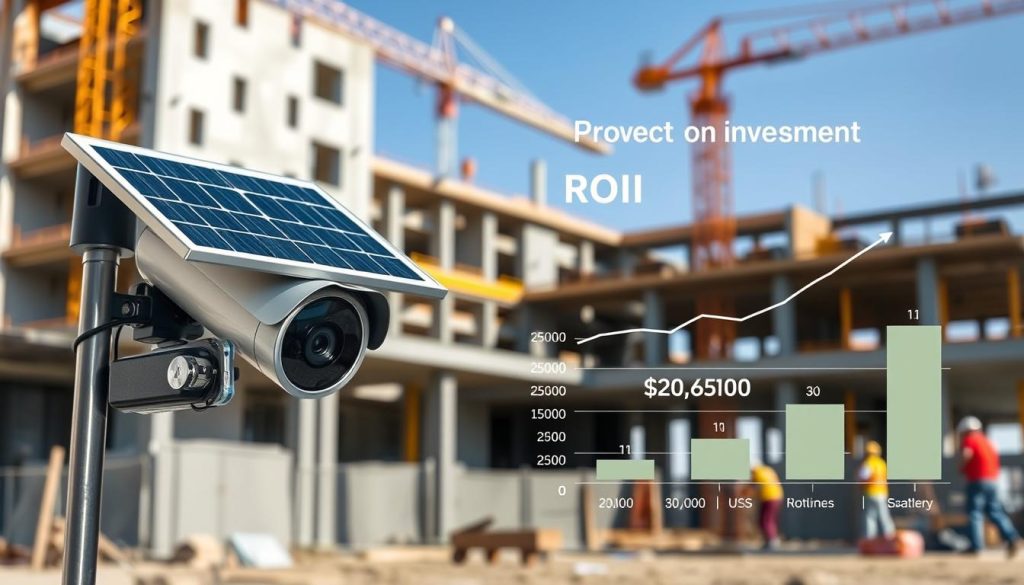
Return on investment encompasses multiple financial benefits beyond initial purchase costs. These systems deliver measurable savings across various operational areas. The comprehensive value becomes apparent when examining all contributing factors.
Quantifying Theft Prevention and Operational Efficiency Gains
Equipment protection represents a significant financial benefit. Reduced theft incidents lower replacement costs substantially. Insurance premiums often decrease with improved protection measures.
Project delays from stolen materials become less frequent. This maintains construction schedules and avoids penalty costs. The financial impact extends beyond simple equipment replacement.
Operational improvements create additional value streams. Faster response times prevent small issues from escalating. Better resource management reduces waste and improves productivity.
Safety enhancements decrease accident-related expenses. Fewer incidents mean lower medical costs and reduced downtime. Worker compensation claims typically decrease with better oversight.
Long-Term Savings on Energy and Infrastructure Costs
Eliminated electricity bills provide ongoing financial benefits. These savings accumulate throughout the project duration. The amount depends on local utility rates and system size.
Wiring expenses disappear completely with autonomous operation. No electrical upgrades or modifications become necessary. This avoids both material and labor costs associated with traditional setups.
Infrastructure cost avoidance represents another major advantage. No additional power distribution systems need installation. Temporary electrical setups become unnecessary for monitoring purposes.
“The true value emerges when considering total cost of ownership rather than just purchase price.”
Key financial benefits include:
- Reduced equipment replacement costs from theft prevention
- Lower insurance premiums through improved protection
- Eliminated electricity expenses from grid independence
- Avoided wiring and electrical upgrade costs
- Decreased project delays maintaining schedule compliance
- Reduced accident-related expenses through better safety
Government incentives for green technology improve financial returns further. Singapore offers various programs supporting sustainable solutions. These can significantly reduce the net investment required.
Initial costs may appear higher than traditional alternatives. The lifetime expense calculation reveals a different story. Lower maintenance and operational costs create positive returns over time.
A well-documented ROI analysis helps justify the investment decision. It demonstrates comprehensive value beyond basic protection needs. This approach ensures stakeholder buy-in through financial clarity.
Secure Your Project with the Right Solar Surveillance Solution
Choosing the perfect monitoring setup requires careful consideration of your specific requirements. Professional assessment helps identify optimal products and placement strategies.
The ideal solution balances advanced features with practical durability. It provides reliable protection that adapts to changing project conditions.
Proper installation and regular maintenance ensure long-term performance. This approach guarantees maximum return on investment.
Consulting experts helps deploy systems that deliver peace of mind. Your project gains comprehensive protection through adaptable technology.
FAQ
How do these systems operate without a direct power source?
They utilize high-efficiency photovoltaic panels to convert sunlight into electrical energy. This charges an integrated battery, which then supplies consistent power to the unit, enabling full autonomy from the grid.
What happens during extended periods with no direct sunlight?
Modern units are equipped with high-capacity batteries designed to store surplus energy. This reserve can typically support several days of operation, including overnight recording and advanced features, ensuring uninterrupted monitoring.
Are these devices difficult to install on a large project site?
Not at all. A major benefit is their rapid deployment. Most kits are designed for straightforward setup without the need for complex wiring or electrical work, making them highly flexible for evolving project layouts.
Can I view the live feed and receive alerts remotely?
Yes. These surveillance systems offer robust remote access. Through a 4G LTE cellular connection or on-site Wi-Fi, you can monitor real-time footage and get instant notifications directly to your smartphone or computer from any location.
How well do the cameras perform at night?
They deliver exceptional low-light performance. Advanced models feature full-color night vision or powerful infrared (IR) technology, providing clear, detailed video to identify potential threats or activity after dark.
What kind of video quality and storage options are available?
You can expect high-definition video resolution. For storing footage, options typically include local storage on a microSD card or a subscription-based cloud service, allowing for flexible and secure data management.
How durable are they against harsh weather on a construction site?
They are built for toughness. Look for models with an IP67 or IP68 rating, which certifies them as dust-tight and protected against heavy rain or even temporary submersion, making them ideal for demanding outdoor environments.


