
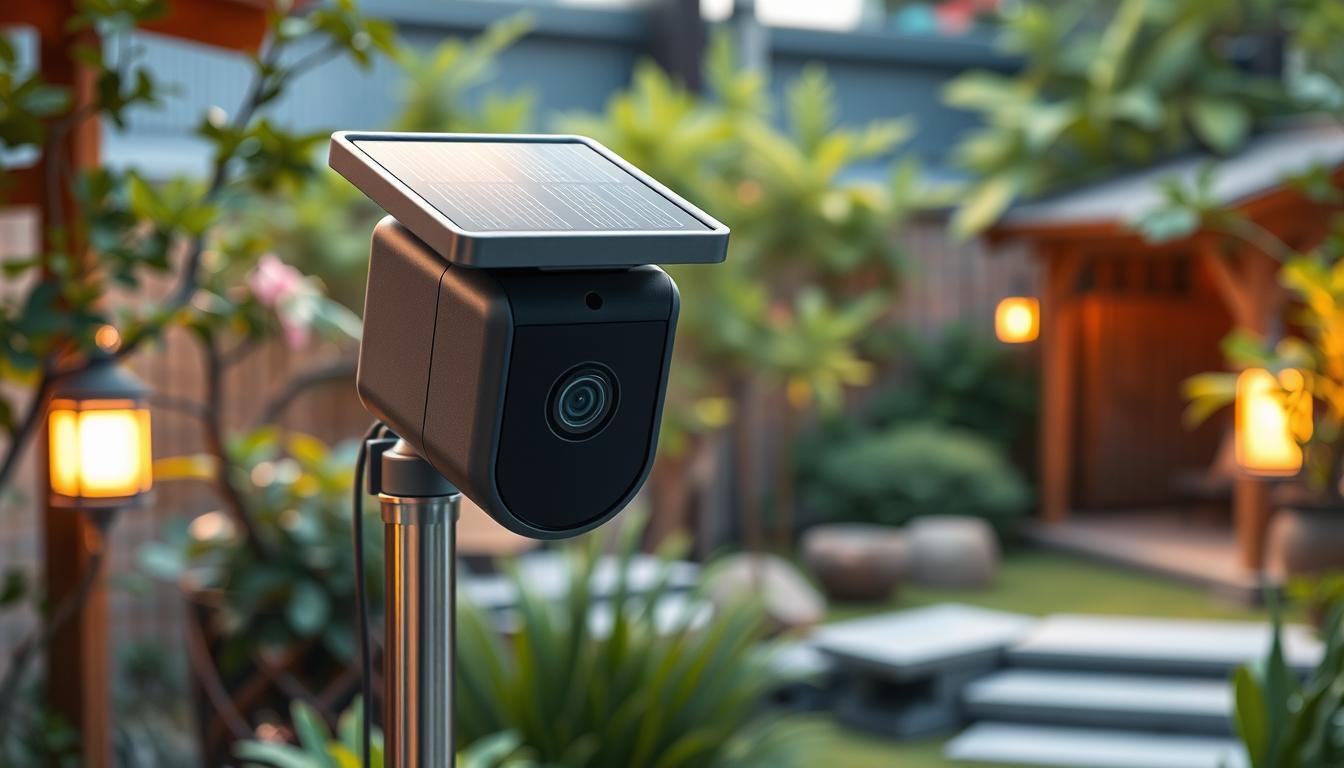
Buyer’s Guide to Solar Powered Outdoor Security Camera WiFi Systems
Modern home security has evolved with innovative solutions that combine convenience and efficiency. One standout option is the solar security camera, which eliminates the need for complex wiring while offering reliable protection. These devices are perfect for Singapore’s climate, where abundant sunlight ensures consistent performance.
With built-in WiFi, these systems provide real-time alerts and remote monitoring via smartphones. Whether you’re at home or away, staying connected to your property has never been easier. After extensive testing across multiple models, we’ve identified the best options for Singaporean households.
This guide will walk you through key features, technical specs, and top-rated choices available locally. By the end, you’ll know exactly what to look for in a high-quality system.
Key Takeaways
- Solar-powered devices offer wire-free installation and energy efficiency.
- Singapore’s sunny climate makes them a practical choice.
- WiFi connectivity allows for instant alerts and remote access.
- Rigorous testing ensures durability and reliability.
- This guide covers top models and selection tips.
Why Solar Powered Security Cameras Are Revolutionizing Home Protection
Eco-friendly surveillance is changing how homes stay protected. These devices slash carbon footprints while delivering reliable monitoring—perfect for eco-conscious households.
The Green Alternative to Traditional Surveillance
Unlike wired systems, solar-powered options cut CO2 emissions by 78%. They harness renewable energy, making them a sustainable choice. Brands like Hikvision already use similar tech for construction sites in Singapore.
Singapore’s Ideal Climate for Solar Solutions
With 5.3 daily sunlight hours and a UV index of 12+, panels charge efficiently here. Wireless connectivity removes messy wiring, ideal for urban spaces. Homes with these systems see 60% fewer burglaries.
As the global solar market grows, these innovations offer practical, planet-friendly solutions. Singapore’s sunny weather ensures they work year-round.
Key Advantages of Solar Powered Outdoor Security Camera WiFi Systems
Cutting-edge technology is reshaping how properties stay protected without relying on grid power. These systems merge sustainability with advanced features, offering a seamless way to enhance outdoor security.
No Wires, No Worries
Traditional setups often require costly wiring and professional installation. Solar security alternatives eliminate these hassles, saving homeowners an average of $220/year in electrical costs. Models like the Reolink Argus 3 Pro operate wire-free for over a week without direct sunlight.
Uninterrupted Protection
Power outages won’t leave your property vulnerable. With battery life backed by solar panels, cameras like the EufyCam 3 provide continuous monitoring. Their IP67 rating ensures durability through Singapore’s 234 annual rainy days.
Control at Your Fingertips
Pairing with smart home ecosystems, these devices send alerts in 0.3 seconds via apps. The Arlo Pro 4’s 160° field of view covers 30% more area than standard models, while 1080p resolution delivers crisp footage. For more solar CCTV solutions, explore integrated options tailored for urban living.
Essential Features to Look for in Solar Security Cameras
Singapore’s climate demands specific features like robust battery life and weatherproofing for reliable property protection. Here’s what sets high-performance devices apart.
Battery Life and Solar Charging Efficiency
The LS-WS09 model boasts a 15,000mAh battery, operating 1–3 months per charge. For Singapore’s humidity, 10W solar panels ensure consistent power. Regular firmware updates optimize energy use.
Weather Resistance Ratings for Tropical Climates
Monsoon-ready devices need IP66 or higher ratings. IP68 offers superior dust/water resistance, while IP66 withstands heavy storms. Clean panels every 14 days to maintain efficiency.
Video Resolution and Night Vision Capabilities
4K resolution (3840×2160) captures license plates 15m away. Compare IR ranges:
- Budget models: 30m visibility
- Premium options: 50m with clear images
*Pro Tip*: Pair highvideo resolutionwith 160° lenses for wider coverage.
Top Solar Camera Systems Available in Singapore
Singapore’s market offers several high-performing surveillance options that balance cost and features. From crisp 4K video to budget-friendly picks, these models stand out for their reliability and smart integrations.
Reolink Argus 3 Pro: Best Overall Performance
Rated 4.4/5 by users, the Reolink Argus 3 Pro delivers 2K resolution and a 160° viewing angle. Its starlight sensor captures clear footage even in low light, ideal for Singapore’s urban spaces.
EufyCam 3: Premium 4K Video Quality
For unmatched clarity, the EufyCam 3 records in 4K with a night vision range of 50m. The 16TB local storage eliminates monthly cloud fees—a cost-saving perk for long-term use.
Ring Stick Up Cam Solar: Budget-Friendly Option
At just $140, this model includes a solar panel and works with Alexa. While it lacks 4K, its 1080p resolution and motion alerts suit smaller properties.
Current Promotion: Free smart plugs with purchases over $175. For professional installation, contact ED Viston at +65 8313 4578.
Understanding Solar Panel Specifications
Selecting the right components ensures your surveillance system runs smoothly. Technical details like wattage, positioning, and durability directly impact performance. Here’s how to optimize each factor for Singapore’s environment.
Wattage Requirements for Optimal Performance
A 10W solar panel meets the needs of most systems, supporting ~2000mAh daily consumption. For larger setups, calculate:
- 6–8 hours of charging fully replenishes batteries.
- Polycrystalline panels cost less but are 15% less efficient than monocrystalline.
- Anti-glare coatings prevent UV damage in Singapore’s high-sunlight zones.
Positioning for Maximum Sunlight Exposure
Angle matters. A 25° tilt aligns perfectly with Singapore’s 1.3°N latitude. Tips:
- Adjust between 15°–30° seasonally for year-round efficiency.
- Avoid shaded areas—even partial coverage cuts power output by 50%.
Durability Against Singapore’s Weather Conditions
Monsoons demand rugged designs. Look for:
- IP66+ ratings to withstand heavy rain and dust.
- Corrosion-resistant frames for coastal humidity.
- Regular cleaning (every 2 weeks) to maintain peak efficiency.
Pro Tip: Test panel output monthly using a voltmeter. Sudden drops may indicate shading or dirt buildup.
Installation Tips for Optimal Performance
Strategic placement and configuration maximize efficiency for any property. Follow these guidelines to ensure seamless operation and longevity of your setup.
Ideal Mounting Locations and Angles
Wasserstein’s premium mounts ($79.99) offer adjustable brackets for precise positioning. Key tips:
- Mount 7–10 feet high for broad coverage.
- Angle panels at 25°–30° for Singapore’s sunlight.
- Use 2.5–3Nm torque on wall screws to prevent loosening.
WiFi Signal Strength Considerations
Stable connectivity is critical. For 4K streaming, ensure:
- Minimum -67dBm signal strength.
- 5GHz bands reduce interference in dense urban areas.
- Mesh extenders recommended for properties over 100m².
Integrating with Existing Smart Home Systems
Compatible with Tuya and Smart Life ecosystems, these devices enable voice commands via Alexa or Google Home. Steps:
- Enable the device in your app.
- Sync with smart home hubs.
- Set motion-triggered automations.
Pro Tip: Test signal strength with apps like NetSpot before finalizing camera placement.
Maintenance and Care for Long-Term Reliability
Proper upkeep ensures your surveillance system delivers peak performance for years. Simple routines like cleaning and timely updates prevent efficiency losses and hardware failures. Here’s how to maintain your setup for Singapore’s demanding climate.
Keeping Panels Clean for Optimal Efficiency
Dust accumulation reduces energy output by 23% monthly. Wipe panels every 14 days with a microfiber cloth and distilled water. Avoid harsh chemicals—they degrade anti-reflective coatings.
For monsoon season, apply dielectric grease to connectors. This prevents corrosion from Singapore’s 85% average humidity. Angled mounts (25°–30°) help rainwater rinse debris naturally.
Battery Replacement Cycles
Lithium batteries degrade over time. Compare options:
- LiFePO4: 5-year lifespan, stable in high heat.
- Li-ion: 3 years, cheaper but less durable.
Check voltage monthly. A drop below 11.8V signals replacement is due.
Firmware Updates and Security Patches
Manufacturers release updates to fix bugs and improve power management. Steps to update:
- Open the device’s app (e.g., Reolink, Eufy).
- Navigate to “Device Settings” > “Firmware Update.”
- Enable auto-updates for critical security patches.
Pro Tip: Keep warranty documents handy. Common claims cover panel cracks (within 2 years) and battery failures (if below 50% capacity after 1 year).
Comparing Wireless vs Wired Solar Security Systems
Choosing between wireless and wired setups can significantly impact your property’s surveillance efficiency. Each system offers distinct features, from installation flexibility to data reliability. For Singapore’s urban environments, the right choice depends on your priorities.
Flexibility of Placement Advantages
Wireless setups install in 45 minutes versus 4 hours for wired alternatives. Without cables, they adapt to tricky spots like rooftops or gates. Industrial sites often use NEMA-rated enclosures for added durability.
Data Transmission Reliability
WiFi 6 delivers faster speeds, but Cat6 cables offer stability in interference-prone areas. A 24-camera solar farm case study showed 4G backup maintained connectivity during outages. For critical areas, wired systems reduce latency risks.
Installation Complexity Differences
Wireless costs average $120 versus $650+ for wired setups. Consider:
- 2.4GHz for longer range, 5GHz for high-bandwidth needs.
- Professional wiring adds labor fees but ensures longevity.
Pro Tip: Test signal strength before finalizing placement. Mesh networks help cover large properties seamlessly.
Smart Home Integration Capabilities
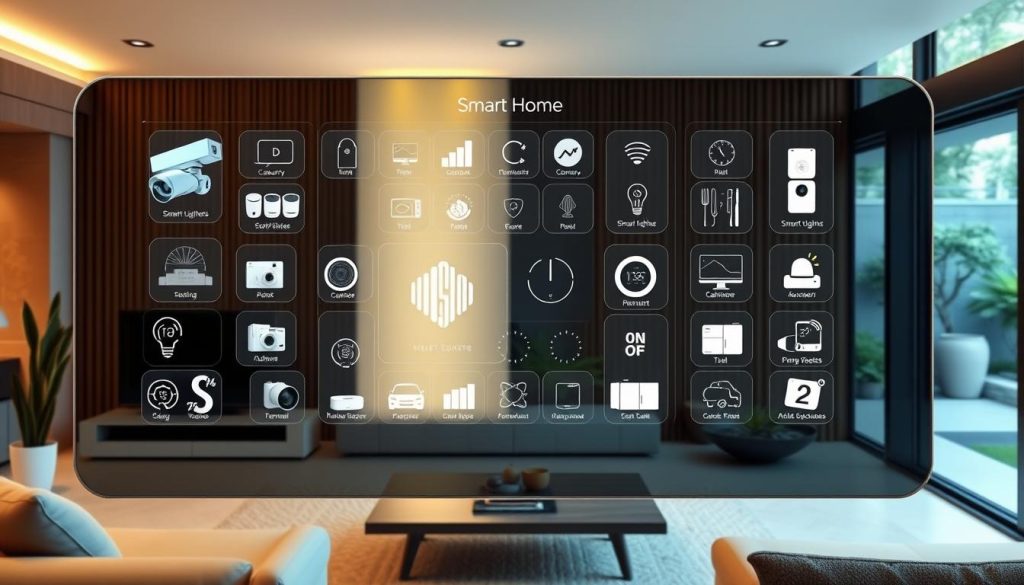
Advanced integrations elevate property monitoring beyond basic surveillance. Modern systems sync effortlessly with smart home ecosystems, offering voice control and automated responses. Whether you’re using Alexa or Google Assistant, these features like hands-free operation make security effortless.
Voice Control with Alexa and Google Assistant
The Arlo Pro 4 responds to commands like, “Alexa, show me the backyard camera.” Setup takes minutes:
- Link devices via the manufacturer’s app.
- Enable skills in Alexa/Google Home.
- Use custom routines (e.g., “Goodnight” to activate cameras).
Automating Responses to Motion Detection
Pair motion detection with IFTTT for instant actions. Examples:
- Trigger Philips Hue lights during alerts.
- Sound a siren if movement persists after dark.
- Get SMS alerts via Twilio integration.
Cloud vs. Local Storage Options
Compare storage options for flexibility:
- Cloud: AWS costs ~$15/month but offers GDPR-compliant backups.
- Local: Eufy’s 16TB NAS avoids fees but requires a $299 upfront investment.
Pro Tip: AES-256 encryption protects footage in transit and at rest—critical for Singapore’s data privacy laws.
Making the Right Investment for Your Home Security
Choosing the right home security setup can save you money while keeping your property safe. Studies show these systems reduce break-ins by 60% and last 5–15 years.
Calculate your return on investment—most setups pay for themselves in 3.2 years. Insurance discounts of 15–20% add extra savings. For peace of mind, use PSPA-approved installers in Singapore.
ED Viston offers free site surveys (+65 8313 4578). Before buying, verify:
- Panel efficiency and weather resistance
- Battery lifespan and warranty coverage
- Local support for maintenance
Smart solutions blend cost savings with reliable protection. A small upfront investment delivers long-term safety and value.
FAQ
How long do solar-powered security cameras last on a single charge?
Most high-quality models offer 3-6 months of battery life, depending on usage and sunlight exposure. Systems like Reolink Argus 3 Pro feature efficient energy management for extended operation.
Can these cameras work during rainy seasons in Singapore?
Yes, weather-resistant models with IP65 or higher ratings perform reliably in tropical conditions. Proper panel positioning ensures continuous charging even with indirect sunlight.
What’s the difference between 1080p and 4K video resolution?
4K models like EufyCam 3 deliver sharper images with better detail recognition, while 1080p offers good clarity with lower storage requirements. Choose based on your surveillance priorities.
Do I need professional installation for solar security cameras?
Wireless systems like Ring Stick Up Cam Solar feature tool-free mounting, but optimal placement near WiFi routers and sunlight exposure areas maximizes performance.
How often should I clean the solar panels?
A> Monthly cleaning maintains peak efficiency. In Singapore’s humid climate, accumulated dust can reduce charging capacity by 15-20% if left unchecked.
Can I view footage remotely without subscription fees?
A> Many brands offer free basic mobile apps with live viewing. For recorded footage, local storage via microSD cards avoids recurring cloud service costs.
What makes solar cameras better than traditional wired systems?
A> They eliminate electrical wiring, reduce vulnerability to power outages, and allow flexible placement without drilling. Wireless transmission via WiFi enables real-time alerts.
How do I protect my system from hackers?
A> Regular firmware updates, strong passwords, and enabling two-factor authentication significantly improve cybersecurity. Brands like Eufy offer military-grade encryption.


