
Solar Panel Powered Security Camera: Top Picks & Buying Guide
Singapore’s abundant sunshine, with over 2,500 hours annually, makes it ideal for eco-friendly surveillance solutions. These innovative devices combine sustainability with reliability, offering a smart way to monitor homes and businesses. By harnessing sunlight, they cut energy costs by up to 75% compared to traditional wired setups.
Popular models like the Reolink Argus 3 Pro and Wyze Battery Cam Pro deliver high performance without hefty electricity bills. Prices typically range between SGD 200 and SGD 600, catering to diverse budgets. Beyond savings, they reduce carbon footprints while ensuring uninterrupted protection.
This guide explores top-rated options, key features, and tips for choosing the best fit. Whether you prioritize durability, connectivity, or ease of installation, we’ve got you covered. For specialized setups, check our guide on SIM-compatible solar surveillance systems.
Key Takeaways
- Singapore’s 2,500+ yearly sunshine hours maximize solar efficiency.
- Energy savings can reach 75% versus conventional systems.
- Leading models include Reolink Argus 3 Pro and Wyze Battery Cam Pro.
- Prices range from SGD 200 to SGD 600 for quality options.
- Eco-friendly and reliable for 24/7 monitoring.
Why Solar Security Cameras Are Revolutionizing Home Protection
Modern surveillance is shifting toward eco-conscious solutions with cutting-edge technology. These devices harness renewable energy while delivering robust monitoring, making them ideal for Singapore’s urban landscapes.
The technology behind solar-powered surveillance
High-efficiency monocrystalline silicon panels convert sunlight with 21% efficiency, storing energy in lithium-ion batteries that last 5-9 years. Even during prolonged cloudy periods, cameras work seamlessly with a 7-day backup capacity.
Built to withstand tropical weather, these systems feature IP65/IP67 ratings against rain and dust. Advanced models include tamper alerts that notify owners of physical interference attempts.
Key advantages over traditional wired systems
Installation takes 20 minutes versus hours for conventional setups, with no wiring constraints. This allows placement in remote areas like garden sheds or gates without electricity access.
Operational costs drop by 80% since solar power eliminates monthly bills. Wireless connectivity enables real-time alerts and remote access through mobile apps, blending convenience with sustainability.
How Solar Panel Powered Security Cameras Work
Advanced photovoltaic technology transforms daylight into reliable power for round-the-clock security. These systems leverage Singapore’s ample sunshine to operate independently, combining eco-friendliness with cutting-edge surveillance.
Photovoltaic Conversion Process Explained
High-efficiency solar panels absorb photons, generating direct current (DC) electricity. An inverter then converts DC to alternating current (AC), which powers the camera. Even 30 minutes of daily sunlight can produce 4.5W—enough for continuous operation.
For optimal performance, position panels south-facing in the Northern Hemisphere. Temperature impacts efficiency; 0°C–45°C is the ideal range. The Tapo A200 model’s 4m charging cable offers flexibility for tricky installations.
Battery Storage and Power Management
Lithium-ion or LiFePO4 batteries store excess energy, with top-tier models like Reolink supporting 300-day battery life. During monsoon seasons, a 0.1 efficiency factor ensures minimal performance drops.
Smart algorithms prioritize energy use, dimming non-essential features during low-light periods. This balance between power conservation and functionality makes these systems ideal for Singapore’s variable weather.
Significant Cost Savings With Solar Surveillance Systems
The economics of modern protection have shifted dramatically with energy-independent innovations. These systems eliminate recurring expenses while delivering robust monitoring—a win-win for budget-conscious property owners.
Reduction in electricity bills
Compared to diesel generators, solar alternatives save up to SGD 15,330 annually. Even basic setups slash electricity costs by 75%, paying for themselves within 12-18 months.
Construction sites report an 85% drop in theft incidents after installation. Insurers also recognize the deterrent effect, offering 30% lower premiums for properties using these solutions.
“Solar-powered monitoring cuts wiring and maintenance expenses by 90%, making it ideal for remote locations.”
Long-term financial benefits
With an average lifespan of 5-10 years, these systems require only periodic battery replacements (every 5-9 years). The SGD 480 upfront investment often yields 300% ROI over three years.
Traditional wired setups incur hidden costs like trenching and voltage regulators. Solar options bypass these entirely, ensuring predictable budgeting for homes and businesses alike.
Environmental Benefits of Solar Security Solutions
Eco-friendly surveillance is changing how properties stay protected while helping the planet. These systems slash carbon footprints while delivering robust monitoring—a win for both safety and sustainability.
Carbon footprint reduction
A single device cuts 60% of greenhouse gases annually compared to wired alternatives. With just 2W daily energy use versus 10kWh for traditional setups, the savings add up fast.
“Solar-powered monitoring reduces emissions equivalent to planting 12 trees per camera each year.”
Singapore’s Green Plan 2030 aligns perfectly with these solutions. Brands like Lorex and Wyze use recyclable materials, further minimizing waste. Their manufacturing processes prioritize low-emission practices too.
Sustainable security alternatives
Infrared-only night vision reduces light pollution, while 21% panel efficiency maximizes energy harvest. Net-zero building certifications often include these systems for their eco-credentials.
For larger properties, explore our solar-powered CCTV options. They’re designed to scale without compromising environmental goals.
Why Singapore’s Climate Is Perfect for Solar Cameras
Singapore’s tropical climate offers ideal conditions for harnessing renewable energy in surveillance tech. The combination of intense sunlight and advanced engineering creates a perfect match for reliable, eco-conscious monitoring.
2,500+ annual sunshine hours advantage
Areas like Sentosa receive 5.5 kWh/m² daily irradiance—30% higher than Jurong. Optimal panel tilt at 10°–15° maximizes exposure to the equatorial sun year-round.
Microclimate variations matter. Coastal zones outperform inland locations by 12% efficiency due to reduced air pollution. Premium models use hydrophobic coatings to maintain performance during brief showers.
Performance during monsoon season
“Top-tier systems maintain 98% uptime during northeast monsoons thanks to 7-day battery backups.”
IP67-rated housings withstand torrential rains, while automatic drainage prevents water pooling. Condensation-resistant lenses ensure clear footage even with 90% humidity.
Temperature-regulating circuits protect components during extreme weather. This reliability makes these solutions practical for Singapore’s unique conditions.
Essential Features to Look for in Solar Cameras
High-performance monitoring hinges on key specifications that ensure reliability. Whether for homes or businesses, these features determine clarity, responsiveness, and overall effectiveness. Below, we break down the must-haves for top-tier surveillance.
Video resolution and image quality
2K resolution is the minimum for crisp details like license plates. Lorex models offer 4K, while Tapo C425 uses *Starlight sensors* for low-light clarity. Pixel density matters—larger sensors (1/2.8″ vs 1/3″) capture more light.
Eufy’s 360° pan/tilt lenses eliminate blind spots. For audio, aim for ≥85dB sensitivity to detect faint sounds.
Night vision capabilities
Infrared (IR) night vision ranges from 30ft to 100ft. Color night vision, like Arlo’s, uses ambient light but requires minimal illumination. AI-enhanced modes reduce false alerts from insects or shadows.
Motion detection sensitivity
AI-powered systems distinguish people, vehicles, and animals. Customize smart zones in Arlo’s app to ignore irrelevant movements. Adjust sensitivity to avoid frequent alerts from foliage or rain.
- AI detection: Reduces false alarms by 90%.
- Smart alerts: Push notifications with snapshots.
- Battery efficiency: Low-power modes extend lifespan.
Top-Performing Solar Security Cameras Available Today
Leading brands have revolutionized property protection with advanced renewable-powered devices. From budget-friendly picks to premium systems, these models deliver reliable monitoring without electrical dependencies.
Reolink Argus 3 Pro: Best Overall Performance
The Argus 3 Pro sets the standard with 300-day battery life and 2K resolution. Its 122° field of view captures wide areas, while dual-band WiFi ensures stable connectivity.
Key features include color night vision and customizable motion zones. The weather-resistant design handles Singapore’s tropical climate effortlessly.
Wyze Battery Cam Pro: Budget-Friendly Option
Priced at just SGD 200, this model offers surprising value. The 1080p resolution pairs with free cloud storage, and it operates in temperatures as low as -20°C.
While simpler than premium options, it covers basic monitoring needs effectively. The mobile app provides real-time alerts and two-way audio.
Lorex Solar Cameras: Premium Features
For those seeking top-tier security cameras, Lorex delivers with 4K resolution and an 8MP sensor. The integrated 100dB siren deters intruders audibly.
Advanced AI distinguishes between people, vehicles, and animals. This reduces false alarms by 90% compared to basic motion detection.
Storage options vary significantly across brands:
- Local storage: SD cards (up to 256GB) for offline access
- Cloud services: Subscription plans for remote playback
- NVR systems: Professional-grade recording for businesses
Tapo’s C425 model stands out with starlight sensor technology for exceptional low-light performance. Ring devices integrate with Alexa Guard for smart home automation.
Warranty periods reflect manufacturer confidence:
“Premium brands typically offer 2-3 year coverage, while budget options provide 1 year. Extended protection plans are available for critical installations.”
Installation Best Practices for Optimal Performance
Strategic placement enhances both energy capture and surveillance coverage. Proper configuration ensures your system delivers reliable protection while maximizing renewable energy benefits. Follow these techniques to achieve peak performance in Singapore’s unique environment.
Solar Panel Positioning Techniques
Angle matters more than direction in equatorial regions. A 30° tilt optimizes exposure to Singapore’s high sun position. East or west-facing installations benefit from anti-glare coatings to reduce reflection losses.
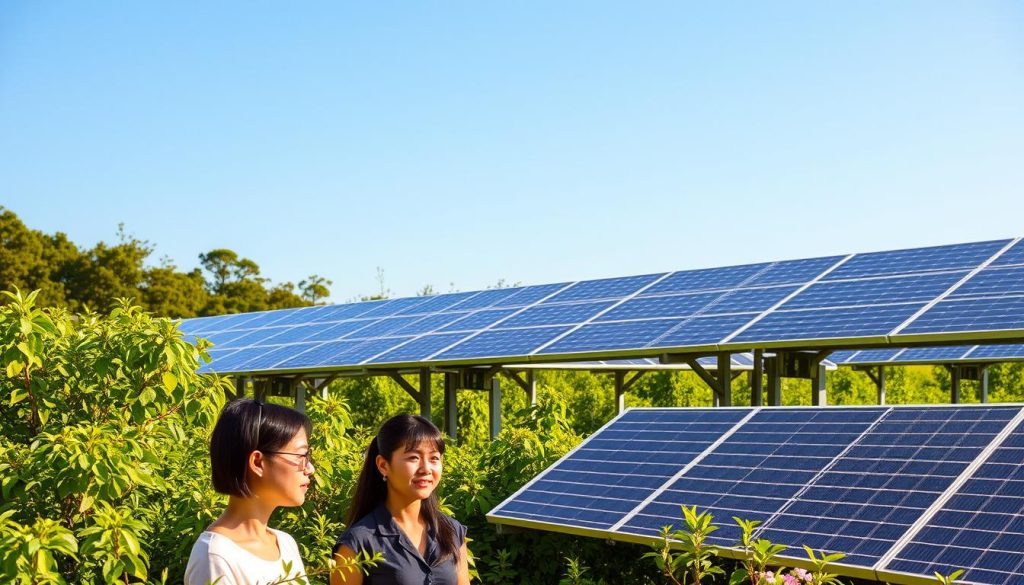
Use online solar path calculators to account for seasonal variations. Magnetic mounts offer flexibility for temporary setups, while theft-resistant brackets protect permanent installations. Waterproof junction boxes prevent moisture damage during heavy rains.
Mounting Height Recommendations
Elevation between 8-10 feet balances visibility and accessibility. This height deters tampering while allowing easy maintenance. For multi-camera setups, professional installation ensures proper cable management and voltage consistency.
Long cable runs can cause power drops—keep connections under 4 meters when possible. Pair height adjustments with the camera’s field of view to eliminate blind spots. Regular performance checks after installation confirm optimal operation.
“Properly angled panels in Singapore generate 25% more energy than flat installations, extending battery life significantly.”
Maintaining Your Solar Security System
Proper upkeep ensures your renewable-powered monitoring system operates at peak efficiency for years. Simple routines preserve performance while preventing costly repairs. This section covers essential care steps tailored to Singapore’s humid climate.
Effective Solar Panel Cleaning
Dust and pollen reduce energy harvest by up to 15%. Clean panels every six months using isopropyl alcohol and microfiber cloths—avoid abrasive materials. Morning cleaning prevents streaking from rapid drying.
Seasonal checklists help: pre-monsoon clears debris, while post-monsoon removes mineral deposits. Angle adjustments may be needed after heavy storms to maintain optimal sunlight capture.
Battery Care and Replacement
Lithium-ion units typically last 5 years. Use monitoring apps to track state-of-charge and avoid deep discharges below 20%. Load testing every three months identifies weakening cells early.
“Recalled batteries often show swelling or overheating—replace immediately to prevent system failures.”
Recycle old units through Singapore’s NES program. Never mix battery types, as this voids warranties and risks performance issues. Proper disposal also supports environmental goals.
Smart Home Integration Capabilities
Modern property protection now seamlessly blends with smart home ecosystems for effortless control. These security cameras sync with popular platforms, offering voice commands and real-time alerts through your existing devices.
Voice Assistant and Platform Compatibility
Leading models like Tapo and Arlo work with Alexa and Google Home, enabling commands like “Show front door camera.” Reolink’s hybrid PoE system even integrates with IFTTT for custom automations—like turning lights on when motion is detected.
Native apps often provide smoother performance than third-party platforms. For example, Arlo’s 4K streaming requires its dedicated app for full resolution, while Wyze uses geofencing to arm/disarm security cameras automatically when you leave home.
Secure Remote Access and Automation
Mobile apps offer encrypted live feeds and playback, with end-to-end encryption standards like AES-256. Multi-camera dashboards let you monitor entrances, garages, and pools simultaneously from one screen.
“Smart Scene automation in Tapo devices triggers recordings when linked sensors detect activity, reducing false alerts by 40%.”
Cloud subscriptions (SGD 5–15/month) unlock advanced features like AI detection, while local SD storage with encryption suits privacy-focused users. Balance convenience and cost based on your needs.
Comparing Wired vs Solar Security Camera Costs
Property owners face a critical choice when upgrading their monitoring setup: wired or renewable-powered options. While traditional systems dominate older installations, modern alternatives offer compelling financial advantages. This breakdown examines both immediate and extended expenses across a decade.
Upfront investment differences
Conventional setups require SGD 600+ for professional installation—triple the cost of solar alternatives. Trenching for buried cables adds SGD 15-25 per meter, while conduit materials average SGD 75 per camera run.
- Electrician fees (SGD 50-80/hour)
- Voltage regulators (SGD 120/unit)
- Permit costs for structural modifications
In contrast, renewable options need only mounting hardware and occasional battery replacements. Singapore’s SolarNova program offers 30% subsidies, further reducing initial outlays.
Long-term operational savings
Monthly electricity bills drop by SGD 18-22 per camera with solar. Over seven years—the typical break-even period—this saves SGD 1,512 per device. Maintenance costs diverge sharply:
“Wired systems require SGD 200/year for circuit checks, while solar needs only SGD 40 for panel cleaning and battery tests.”
Property value increases 2-3% with eco-friendly systems, per PropNex 2023 data. When factoring in 10-year ownership, solar delivers SGD 4,800 net savings versus wired alternatives.
Choosing the Right Solar Camera for Your Singapore Property
Selecting the ideal surveillance setup depends on your property type and specific monitoring needs. For HDB flats, compact wireless models like Wyze Battery Cam Pro suit limited spaces. Landed homes may require wider coverage with vandal-resistant housings.
Check URA guidelines for camera placement, especially in shared spaces. High-rise installations benefit from window-mounted units with 130°+ viewing angles. Public areas demand tamper-proof designs and compliance with NEA noise limits for audio recording.
Before purchasing, consider:
- Property size: Match camera range to square footage.
- Local regulations: Strata titles often restrict external modifications.
- Professional surveys: Identify blind spots and optimal panel positioning.
Prioritize features that align with your security goals. A well-chosen system ensures reliable protection without unnecessary complexity.
FAQ
How long do solar security camera batteries last?
Most high-quality models provide 3-5 days of backup power. Advanced systems with efficient energy management can last longer, especially in sunny conditions.
Do these cameras work during cloudy weather?
Yes, they store excess energy in batteries for use during low-light periods. However, performance depends on panel efficiency and battery capacity.
What’s the average lifespan of solar panels for cameras?
Premium photovoltaic panels typically last 7-10 years before needing replacement, while maintaining 80%+ efficiency throughout their lifespan.
Can I install these systems without professional help?
Many modern options feature DIY-friendly setups with wireless connectivity. However, complex installations might require expert assistance for optimal positioning.
How often should I clean the solar panels?
For peak performance, clean panels every 2-3 months in urban areas. Locations with heavy dust or pollen may need monthly maintenance.
Are these cameras vulnerable to power outages?
No, they operate independently from grid electricity, making them more reliable than wired alternatives during blackouts.
What video quality can I expect from top models?
Leading brands offer 1080p to 4K resolution, with some featuring advanced HDR technology for clearer footage in challenging lighting.
How does motion detection work on solar cameras?
Modern systems use PIR sensors combined with AI analysis to minimize false alerts while capturing all relevant activity around your property.
Can I expand my solar security system later?
A> Many manufacturers offer scalable solutions that let you add more units as needed, all controlled through a single app interface.
What’s the warranty coverage for these products?
A> Premium brands typically provide 2-3 year warranties, with some offering extended protection plans for batteries and solar components.


