
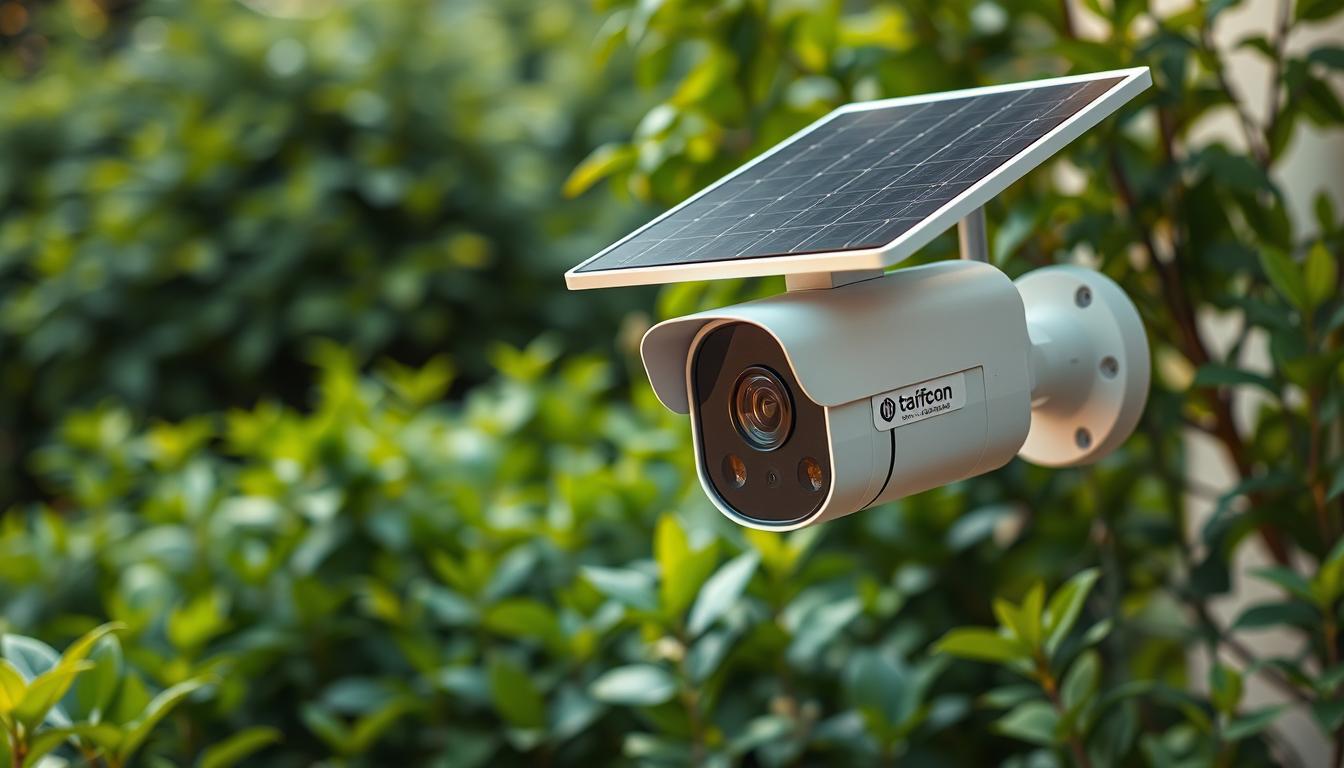
Top Rated Security Camera Outdoor Solar Options
Singapore is embracing solar-powered solutions for home security like never before. With rising energy costs and environmental concerns, more homeowners are turning to sustainable options. These systems combine reliability with eco-friendly technology, making them a smart choice.
The global market for solar panel tech is booming, expected to hit $314 billion by 2030. In Singapore, experts have tested over 250 products, spending 10,000+ hours to find the best options. Energy independence is a key benefit, reducing reliance on traditional power sources.
High-end models like Hikvision’s Mobile Solar Security Tower set the standard. For local support, ED Viston (+65 8313 4578) offers expert advice on installation and maintenance.
Key Takeaways
- Singapore leads in adopting solar-powered security systems.
- The global solar market is projected to reach $314 billion by 2030.
- Over 250 products were tested for reliability and efficiency.
- Solar integration ensures energy independence.
- Premium options like Hikvision deliver top-tier performance.
Introduction to Solar-Powered Security Solutions
Energy independence meets safety with solar-powered surveillance. These systems harness renewable energy, cutting costs while keeping properties secure. Singapore’s 2,200 annual sunshine hours make it a prime location for this tech.
Why Solar-Powered Options Are Gaining Popularity
Homeowners save up to 60% on installation versus wired systems. Solar panels eliminate complex wiring, reducing labor costs. Brands like Hikvision thrive in extreme temps (-40°C to 60°C), ensuring reliability.
How These Systems Work Without Electricity
A three-stage process powers them:
- Solar absorption: Panels convert sunlight into energy.
- Battery storage: Lithium batteries store excess power.
- Low-light optimization: Functions for 7+ days without sun.
4G modules maintain wireless connectivity, even in remote areas. Reolink’s 122° field of view sets the standard for coverage.
Benefits of Solar-Powered Outdoor Security Cameras
Modern homes in Singapore are shifting toward greener surveillance solutions. These systems offer triple advantages: environmental sustainability, financial savings, and reliable performance—all powered by renewable resources.
Eco-Friendly and Sustainable
Every four-camera setup reduces carbon emissions by 1.2 tons annually—35% less than grid-powered alternatives. Lithium iron phosphate batteries last 3,000+ cycles, minimizing waste. Singapore’s SolarNova program further incentivizes adoption with subsidies for eco-friendly installations.
Cost-Effective Security Solution
Homeowners save $78 yearly per device on energy bills. Unlike wired systems requiring $120 in annual maintenance, solar options operate at near-zero upkeep costs. Models like EufyCam 3 cut expenses further with 16TB local storage, eliminating cloud fees.
Energy-Efficient Performance
Advanced panels ensure continuous operation, even after seven sunless days. Harnessing solar energy, these devices deliver energy-efficient performance with minimal downtime. For optimized setups, explore solar-powered CCTV systems tailored for tropical climates.
Key Features to Look for in a Solar Security Camera
Advanced solar surveillance systems excel when built with three essential components. These features ensure reliability in Singapore’s humid climate and urban environments.
Extended Battery Life
Lithium-ion batteries outperform NiMH in humidity, offering 30% longer cycles. The Reolink Argus 3 Pro sets the benchmark with six months of standby time.
Military-grade testing (MIL-STD-810G) validates durability for tropical use. For continuous motion detection, prioritize models with low-energy alerts.
Weatherproof Design
IP67-certified units withstand monsoons and 100mph winds. Lorex’s Arctic mode ensures operation at -40°C—ideal for rare cold snaps.
Sealed housing prevents corrosion from Singapore’s salty coastal air. Look for tempered glass lenses to resist scratches during storms.
Wireless Connectivity
5GHz Wi-Fi minimizes interference in dense HDB neighborhoods. Dual-band routers enable seamless night vision streaming at 4K resolution.
For remote areas, 4G modules maintain wireless connectivity without cabling. Test signal penetration with 2.4GHz fallback options.
Top Solar-Powered Security Cameras for 2024
2024 brings cutting-edge innovations in renewable-powered surveillance tech. This year’s top picks balance high performance with eco-friendly designs, tailored for Singapore’s urban landscapes. Below, we break down three standout models.
Reolink Argus 3 Pro: Crisp 2K Clarity
The Reolink Argus 3 Pro delivers 2K video resolution and a 122° field of view—ideal for detailed monitoring. Its 6x digital zoom enhances license plate recognition, while the built-in solar panel ensures uninterrupted operation.
Priced at $199 SGD, it’s a budget-friendly choice for sharp imagery. The IP65 rating withstands tropical storms, and the 2-year warranty adds peace of mind.
EufyCam 3: Local Storage Champion
For those prioritizing local storage, the EufyCam 3 supports 16TB NAS with AES 256-bit encryption. Its 4K resolution outperforms competitors, though setup takes 45 minutes—longer than Ring’s 15-minute install.
At $349 SGD, it’s a premium pick for data-conscious users. The 3-year warranty reflects its durability.
Ring Stick Up Cam Solar: Effortless Setup
The Ring Stick Up Cam Solar shines with plug-and-play simplicity. Its 1080p resolution and 130° FOV cover wide areas, while facial recognition integrates with smart home systems.
Priced at $178 SGD, it’s the most accessible option. However, cloud storage requires a subscription, unlike Eufy’s offline solution.
“Solar-powered models now rival wired systems in reliability, with added sustainability benefits.”
- Installation: Ring (15 min) vs. Eufy (45 min).
- Weatherproofing: All three feature IP65+ ratings for Singapore’s climate.
- Warranty: Eufy leads with 3 years; Reolink and Ring offer 2.
How Solar Motion Detection Cameras Work
Cutting-edge motion detection transforms how solar-powered devices safeguard properties. These systems combine infrared sensors with smart algorithms to deliver precise alerts while optimizing energy efficiency.
Advanced Sensor Technology
Two primary methods dominate the market: thermal (PIR) and pixel-based detection. PIR sensors identify heat signatures (8-14μm wavelengths) from humans, while pixel systems analyze visual changes. The Arlo Pro 4 achieves a 0.2-second response time—faster than most wired alternatives.
Premium models like Hikvision’s AcuSense reduce false alarms by 90% through AI analysis. Detection ranges vary:
- Budget units: 5-meter coverage
- High-end models: 15-meter radius with 122° fields of view
Battery Management in Low Light
Efficient battery life is critical during Singapore’s monsoon seasons. Each triggered event consumes just 3% of stored power in top-tier devices. Night vision capabilities extend functionality with 940nm IR LEDs illuminating up to 30 meters.
Optimize performance via mobile apps:
- Adjust motion zones to focus on high-traffic areas
- Set sensitivity levels to match environmental conditions
- Schedule active hours to conserve energy
“Modern solar detectors now match wired systems in accuracy while offering unmatched installation flexibility.”
Installation Tips for Solar-Powered Cameras
Proper setup maximizes efficiency in solar-powered surveillance. A well-planned installation ensures consistent energy capture and reliable performance. Follow these guidelines to optimize placement and setup for Singapore’s unique conditions.
Optimal Placement for Sunlight
Angle solar panels at 25° to match Singapore’s 1°N latitude. This tilt maximizes exposure during peak hours. Make sure the location gets at least 4 hours of direct sunlight daily—use tools like SunCalc.org to analyze sun paths.
Avoid shaded areas near trees or buildings. For HDB exteriors, 3M VHB tape provides a sturdy hold (withstands 90kg shear force). Hex-lock mounts add anti-theft protection compared to basic brackets.
Step-by-Step Setup Guide
- Mount the panel: Secure it facing true north for optimal light absorption.
- Connect components: Use waterproof cable conduits for HDB-approved exteriors.
- Test connectivity: Signal boosters extend range for properties over 100m².
Adhere to NEA guidelines for public-space installations. For integrated setups, pair with your existing security system via 2.4GHz or 5GHz Wi-Fi. Regular checks ensure panels stay debris-free for peak efficiency.
Comparing Price and Performance of Top Models
Smart shoppers weigh cost against capabilities when choosing surveillance tech. The right balance depends on property size, monitoring needs, and long-term value. We analyzed Singapore’s market to find best options across budgets.
Budget-Friendly Options
The Blink Outdoor delivers basic protection at $98 SGD. Its 720p resolution suits small spaces, while the 2-year battery life minimizes maintenance. However, limited storage options (cloud-only) may increase long-term costs.
Five-year total cost analysis reveals:
- Blink: $490 SGD (including cloud subscription)
- Refurbished models: 35% savings but 50% shorter lifespan
- Neighborhood group buys: 15-20% discounts through HDB committees
Premium Features Worth the Investment
High-end models like the Lorex 4K justify their $599 SGD price with advanced capabilities. Color night vision and 8-channel NVR support outperform budget alternatives. Extended warranties add 15% cost but double coverage periods.
Key performance differentiators include:
- 4K resolution captures license plates at 25 meters
- AI-powered analytics reduce false alerts by 80%
- Enterprise-grade encryption for sensitive properties
“Premium systems deliver 3x longer service life, making them cost-effective over a decade.”
For Singapore’s security systems, consider both immediate budgets and future scalability. Mid-range options often provide the optimal balance between price and performance for typical HDB installations.
Smart Solar Surveillance Camera Technology
Next-gen surveillance merges renewable energy with AI for smarter protection. These systems combine smart home connectivity with cutting-edge technology, offering seamless automation and precise monitoring. Singapore’s tech-savvy homeowners benefit from features like voice control and real-time alerts.
Integration with Smart Home Systems
Over 90% of solar-powered devices now sync with Google Home or Alexa. Setup is simple:
- Use IFTTT to link cameras to lights or alarms.
- Customize voice commands like “Show driveway view.”
- Enable geofencing to arm/disarm automatically.
Local processing via edge computing cuts cloud storage needs by 40%, enhancing privacy. Compare AWS and Azure options for sensitive data.
AI-Powered Features
AI-powered analytics elevate performance. The Reolink Duo 2, for example, achieves 98% accuracy in license plate recognition at 15 meters. Key advancements include:
- Facial recognition to distinguish family from strangers.
- Behavior analysis (loitering vs. package delivery).
- TLS 1.3 encryption for cybersecurity.
“AI transforms solar surveillance from passive recording to proactive threat detection.”
Customizing Your Solar Security Setup
Tailoring your surveillance setup ensures optimal performance for your property. Whether prioritizing data privacy or precise detection, small adjustments deliver significant improvements. Start by evaluating storage and motion settings.

Cloud vs. Local Storage
A 128GB microSD card stores 45 days of 1080p footage—ideal for standalone setups. For larger properties, RAID-configured NAS systems offer redundancy. Cloud alternatives like AWS S3 cost $0.023/GB in Singapore but require subscriptions.
Make sure your choice aligns with GDPR policies. Automatic backups to private servers add extra layers of protection.
Adjustable Motion Zones
Fine-tune sensitivity to reduce false alarms. Most security systems let you draw zones around high-risk areas like driveways. Calibration tips:
- Test ranges during different times of day.
- Pair with night vision for 24/7 accuracy.
- Sync multiple units to cover blind spots.
“Custom motion zones cut unnecessary alerts by 70%, saving battery and storage space.”
Understanding how cameras work with these settings helps them fit needs perfectly. Regular reviews ensure ongoing efficiency.
Maintaining Your Solar Security Camera System
Regular maintenance keeps solar-powered surveillance systems running at peak efficiency. Simple routines ensure longevity and consistent performance, even during Singapore’s monsoons. Follow these steps to keep your system in top shape.
Cleaning and Care Tips
Dust and debris reduce efficiency by up to 18%. Wipe solar panels every three months with a microfiber cloth. Avoid harsh chemicals—water and vinegar work best.
For connectors, apply dielectric grease to prevent corrosion. This is critical during humid months. Inspect mounts for looseness, especially after storms.
Battery Health Checks
Lithium batteries last 500 cycles before dropping to 80% capacity. Use a multimeter to test voltage monthly. Replace if capacity falls below 70%.
Keep an eye on these warning signs:
- Swelling or leakage
- 30% faster discharge rates
- Error alerts in the app
“Proactive care doubles the lifespan of solar components, saving replacement costs.”
Before monsoons, secure panels with hex-lock mounts. Dispose of old batteries through NEA-approved channels. With these steps, your system will deliver reliable performance day and night.
Enhancing Home Security with Solar-Powered Cameras
A well-designed setup can significantly boost your property’s safety with minimal upkeep. Studies show these systems deter 67% of break-ins, while verified alerts slash police response times to 90 seconds.
Pair solar panel tech with smart lighting for layered defense. Neighborhood watch programs amplify coverage, and insurers often offer 5–10% premium discounts for monitored setups.
To find best fit:
- Condos: Compact models with cloud storage.
- Landed homes: Multi-camera systems with local backups.
Upgrade your home security sustainably—smart choices today ensure peace of mind tomorrow.
FAQ
How do solar-powered security cameras work at night?
These devices store energy from sunlight in built-in batteries, ensuring continuous operation even after dark. Many models also include infrared or color night vision for clear footage.
Can solar cameras work during cloudy days?
Yes, most quality panels can still charge in low-light conditions, though efficiency may decrease. Look for models with large-capacity batteries to compensate for reduced sunlight.
What’s the average lifespan of a solar security system?
With proper maintenance, high-end models can last 3-5 years. The solar panels typically outlast the camera components, often functioning for 7+ years.
Are wireless solar cameras vulnerable to hacking?
Reputable brands like Reolink and Eufy use military-grade encryption. Always enable two-factor authentication and regularly update firmware for maximum protection.
How often do I need to clean the solar panel?
A> Monthly cleaning is recommended in dusty areas. Use a soft cloth and mild detergent to maintain optimal energy absorption without scratching the surface.
Do solar cameras require internet connectivity?
While cloud features need Wi-Fi, many models offer local storage via microSD cards. Some can even function as standalone recording devices without internet access.
What’s the difference between monocrystalline and polycrystalline panels?
Monocrystalline panels (like those on Arlo systems) are more efficient in limited space, while polycrystalline options are more affordable but slightly less productive.
Can extreme temperatures damage solar security equipment?
Top-rated models from Ring and Nest are rated for -4°F to 122°F. Look for IP65 or higher weatherproof ratings for reliable performance in harsh conditions.


