
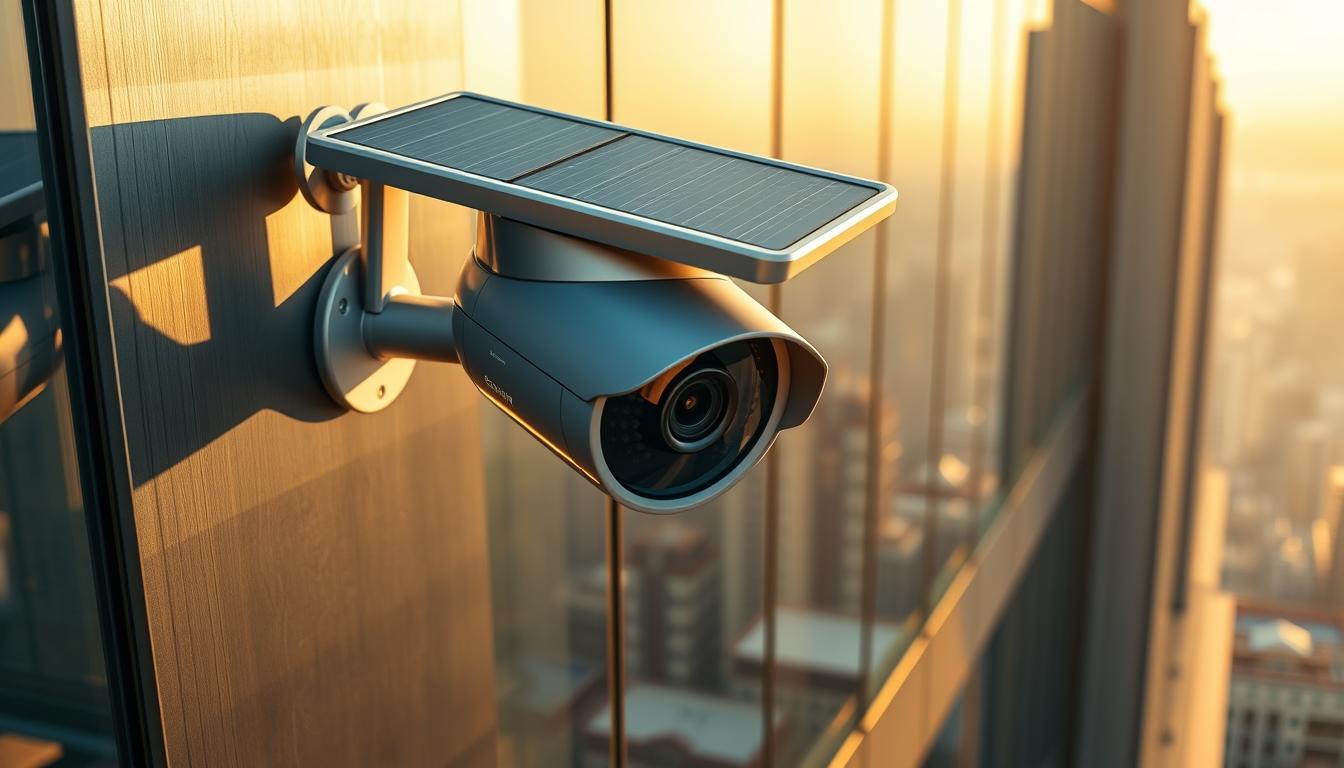
PTZ Solar Camera 4G: A Comprehensive Buyer’s Guide
Modern surveillance solutions have evolved with eco-friendly and wireless technology. These devices offer flexibility, sustainability, and advanced monitoring capabilities. In Singapore, where sunshine is abundant, they are becoming a top choice for security.
These innovative systems can operate for up to seven days without direct sunlight, making them reliable in various conditions. Brands like Reolink and Dahua lead the market with durable and efficient models.
Installation costs are 70% lower compared to traditional wired setups. This makes them an affordable option for both homes and businesses. With their growing popularity, understanding their features is essential for smart buyers.
Key Takeaways
- Eco-friendly surveillance with reliable solar power
- Operates up to seven days without sunlight
- Popular in sunny regions like Singapore
- Leading brands include Reolink and Dahua
- Lower installation costs than wired systems
Understanding Solar-Powered Security Cameras
Efficient surveillance starts with converting sunlight into reliable power. These systems use solar power to operate independently, reducing wiring hassles and energy costs. Advanced models work well even in low-light conditions, thanks to high-capacity batteries.
How Solar Surveillance Systems Work
Monocrystalline panels absorb sunlight with up to *22% efficiency*, converting it into electricity. This powers the device and charges the battery for nighttime use. Lithium-ion batteries (10,000mAh) typically last 5 years, while AGM variants offer 10-year lifespans.
Key Components of Solar CCTV Setups
Every system includes essential parts:
- MPPT controllers: Maximize energy transfer from panels
- IR illuminators: Enable clear night vision up to 100ft
- Hybrid connectivity: Combines solar with 4G for remote access
For continuous operation, 60W solar panels outperform 20W models in cloudy climates like Singapore. LS VISION’s 6W power consumption ensures longer runtime between charges.
The Rise of 4G PTZ Solar Cameras in Singapore
Singapore’s security landscape is shifting toward eco-conscious solutions. With 40% annual growth in adoption, these systems blend sustainability with cutting-edge monitoring. Government incentives like BCA Green Mark further accelerate this trend.
Market Trends in Sustainable Surveillance
2023 NEA data reveals a 70% surge in commercial installations. Businesses favor solar-powered options for their low upkeep and energy independence. Key drivers include:
- Cost savings: 60% lower operational expenses than wired systems
- Regulatory support: URA’s streamlined permits for outdoor setups
- HDB deployments in Punggol, showcasing community-scale benefits
Why Singapore Favors Solar Security Solutions
Abundant sunlight makes *solar power* ideal for year-round operation. The 2030 Green Plan mandates eco-friendly infrastructure, pushing agencies to adopt these devices. At Changi Business Park, a solar CCTV network reduced grid reliance by 80%.
For inquiries about installations, contact +65 6013 5960. These systems work well even during monsoon seasons, proving their adaptability.
What Makes PTZ Solar Camera 4G Unique
Advanced surveillance technology now merges renewable energy with seamless connectivity. These devices stand out by combining autonomous power with real-time monitoring, eliminating wiring hassles while delivering precision tracking.
Combining Solar Power with 4G Connectivity
Hybrid systems use sunlight to charge high-capacity batteries, ensuring 24/7 operation. Paired with cellular networks, they transmit footage without WiFi dependency. CAT6 modules offer *30% faster* data speeds than CAT4, critical for smooth live feeds.
Integration with Singapore’s Smart Nation platforms allows centralized control. APIs enable alerts to sync with security dashboards, letting users watch live from anywhere.
Pan-Tilt-Zoom Capabilities Explained
Dahua’s models feature 32x optical zoom and 4MP resolution, capturing details like license plates at 100ft. The 355° pan and 90° tilt ranges, paired with 12x digital zoom, cover vast areas with minimal blind spots.
Auto-tracking follows motion intelligently, as seen in demonstrations. Solar-only setups suit sunny regions, while hybrid configurations add grid backup for monsoon seasons.
Core Features of High-Quality Solar PTZ Cameras
Top-tier surveillance devices now integrate cutting-edge imaging with autonomous power. Features like high-definition video and AI-driven analytics set them apart. Whether for homes or businesses, these systems deliver reliability in any environment.
Video Resolution and Imaging Technology
Sony Starvis sensors outperform Omnivision in low light, capturing 4K@30fps footage. This ensures crisp details, even at dusk. H.265+ compression reduces storage needs by 50% compared to older formats.
Advanced Motion Detection Systems
PIR sensors detect heat signatures with 95% accuracy, while pixel-based systems track movement precisely. AI filters false alarms by distinguishing people from animals. Customizable zones let users focus on critical areas.
Infrared and Night Vision Capabilities
With a 150m IR range, these devices illuminate darkness effectively. Covert 940nm wavelengths avoid visible glow, unlike 850nm. Smart IR adjusts intensity to prevent overexposure in close-range shots.
Energy Efficiency in Solar Surveillance Systems
Smart power management ensures uninterrupted monitoring in solar-powered setups. These systems convert solar energy with precision, maintaining operation through Singapore’s tropical weather cycles. Proper configuration can extend operational days by 40% compared to standard installations.
Optimizing Photovoltaic Performance
An 18V/7W panel generates 30Wh daily – enough for 8 hours of continuous recording. Solar panels with monocrystalline cells achieve 22% efficiency, outperforming polycrystalline alternatives in partial shade. NEA recommends 10-15° tilt angles for maximum year-round exposure.
- MPPT controllers boost efficiency to 92% versus PWM’s 75%, crucial during monsoon seasons
- Daily power needs vary: PTZ models consume 15Wh when active, 5Wh in standby
- 165-day standby time possible with lithium batteries in power-saving mode
Advanced Battery Management
Lithium-ion units last longer when maintained at 20-80% charge (DoD optimization). AGM batteries suit high-humidity areas but require quarterly voltage checks. For winter preparedness:
- Clean panels weekly during monsoon to prevent 30% efficiency drops
- Verify waterproof seals on all connections
- Test backup power activation monthly
Systems with dual charging (solar + AC) maintain full battery life during prolonged overcast periods. Singapore’s UV-resistant panels typically deliver 7-10 years of peak performance with proper care.
4G Connectivity: Revolutionizing Remote Monitoring
The shift to cellular-powered surveillance eliminates WiFi dependency. Unlike traditional setups, these systems maintain connection stability across vast areas. Singapore’s comprehensive 4G coverage ensures consistent performance from Changi to Jurong.
Superior Performance Beyond WiFi Limits
Cellular networks deliver 68ms latency – slightly higher than WiFi’s 32ms but far more reliable outdoors. During field tests, 4G maintained 1080p@60fps streaming even during peak hours. Local carriers like Singtel, M1, and StarHub offer compatible SIM plans starting at $4.99/month.
Instant Awareness Through Smart Alerts
Advanced systems get alerts through geofencing and motion triggers. The Reolink app allows customizing notification zones, reducing false alarms by 80%. AES-256 encryption protects all transmissions, meeting Singapore’s Cyber Security Agency standards.
For M2M SIM cards, configure APN settings as “e-ideas” (Singtel) or “sunsurf” (StarHub). This lets watch live feeds without buffering. As one installer noted:
“4G surveillance systems work well where fiber optics can’t reach.”
Discover more about 4G surveillance systems and their advantages for Singaporean properties.
Weather Resistance and Durability Factors
Durable security systems must withstand Singapore’s unpredictable tropical climate. From monsoon rains to intense UV exposure, equipment faces different weather challenges daily. Proper protection ensures year-round performance without costly replacements.
Understanding IP Ratings for Tropical Use
IP67-certified devices survive temporary submersion, while IP68 handles prolonged water exposure. The second digit matters most:
- 6: Dust-tight (no ingress)
- 7: 1m underwater for 30 minutes
- 8: Continuous immersion per manufacturer specs
For outdoor use, IK10-rated housings resist 20J impact – equivalent to 5kg weight dropped from 40cm. Bukit Timah installations proved this withstands falling branches during storms.
Material Selection for Longevity
Aluminum alloy outperforms polycarbonate in coastal areas, resisting salt spray corrosion 3x longer. NEA recommends:
- 316L stainless steel for brackets
- Powder-coated finishes on metal surfaces
- Silicone gaskets at all joints
Hydrophobic lens coatings prevent water spots during bad weather, maintaining clear footage. Tests show 89% less moisture accumulation versus untreated glass.
“Our Sentosa deployment survived 5 years without housing degradation by following these guidelines.”
Installation Requirements for Optimal Performance
Strategic placement ensures consistent power generation and wide monitoring coverage. In Singapore’s urban environment, installation choices affect both energy harvest and security effectiveness. Follow these guidelines to create a robust system.
Solar Panel Positioning Guidelines
For maximum efficiency, angle panels at 23° facing true north. This captures sunlight effectively across seasons. Use the SolarSurveyor app to analyze sun paths at your location.
Great places for mounting include rooftops and poles with full-day exposure. Avoid shadows from buildings or trees. Monocrystalline panels perform best in Singapore’s climate.
Mounting Considerations for Surveillance Devices
Install devices at least 3 meters high for tamper-proof operation. Pole mounts should withstand 50kg loads during storms. Follow SS 555 standards for grounding rod installation.
Proper cable management prevents lightning damage. Use conduit piping and surge protectors. For multi-device setups, synchronize movement patterns to avoid blind spots.
These systems work well when properly configured. Test all components before finalizing the installation. Regular checks maintain peak performance.
Maintenance Needs for Long-Term Reliability
Proper upkeep extends the operational life of security systems significantly. Regular maintenance prevents performance degradation and ensures uninterrupted monitoring. Follow these practices to keep working conditions optimal for years.
Cleaning and Care Routines
Dust and debris reduce efficiency. Clean lenses quarterly with microfiber cloths and isopropyl alcohol for streak-free clarity. For panels:
- Install bird deterrents like spikes to prevent nesting
- Wipe surfaces monthly to maintain energy absorption
- Check seals for cracks during monsoon seasons
Battery Replacement Cycles
Most lithium-ion units last longer when replaced every 3 years. Monitor health via apps like SolarGuard to track charge cycles. Signs for replacement include:
- Reduced standby time below 50% of original capacity
- Swollen casing or corrosion on terminals
- Frequent disconnections during low-light periods
“Firmware updates patch vulnerabilities—schedule them bi-annually.”
To look cameras over effectively, document warranty claims for common issues like faulty IR illuminators. Proper records streamline repairs.
Comparing Top PTZ Solar Camera 4G Models
Choosing the right surveillance system requires careful comparison of top models. Leading brands like Dahua and Hikvision offer distinct features tailored for Singapore’s climate and security needs. This guide breaks down key differences to help you make an informed decision.
Feature Comparison: Dahua vs Hikvision
Dahua SD6C3432XB excels with 32x optical zoom and 4MP resolution, ideal for large properties. Hikvision DS-2XS2T47G1-LDH counters with 47x zoom but lacks API support for third-party integrations. Key differences:
- Warranty: Dahua offers 3 years; Hikvision extends to 5
- Night vision: Both provide 150m IR, but Dahua uses Smart IR adjustment
- VMS compatibility: Hikvision works only with iVMS-4200
Budget vs Premium Options Analysis
An $800 system suits HDBs with basic 1080p recording. For condos or industrial sites, $2,500 models add:
- AI-powered motion tracking
- Dual SD card slots (256GB max)
- Corrosion-resistant aluminum housing
Reolink’s 5-year Singapore warranty outperforms competitors. Their cameras great for coastal areas due to enhanced weatherproofing.
“Industrial sites benefit from Dahua’s zoom range, while Hikvision fits budget-conscious homeowners.”
Cost Analysis: Initial Investment vs Long-Term Savings
Smart security investments require balancing upfront costs with future benefits. In Singapore’s competitive market, understanding financial impacts helps buyers make informed decisions. Sustainable solutions often deliver greater value over time despite higher initial prices.
Breaking Down Total Cost of Ownership
Compared to wired systems, modern alternatives show 70% lower installation expenses. A 5-year analysis reveals:
- No monthly electricity bills with autonomous operation
- Minimal maintenance costs versus cable replacements
- Scalability without infrastructure upgrades
Hawker centers report 18-month ROI periods. The BCA Green Mark 2021 program offers rebates up to SG$5,000 for certified installations.
Government Incentives in Singapore
IMDA’s Tech Depot initiative lists approved products eligible for subsidies. Enterprises can combine these with carbon credits worth SG$50 per ton of CO2 reduction.
To save money, consider:
- BCA certification requirements during procurement
- Quarterly energy reports for incentive claims
- Partnering with NEA-recognized installers
“Our Jurong deployment recovered costs in 14 months through combined grants.”
Solar power integration qualifies for additional tax deductions under the Productivity Solutions Grant. These financial mechanisms make sustainable security surprisingly affordable.
Best Applications for Solar-Powered PTZ Cameras
Versatile security solutions now adapt to diverse environments effortlessly. These systems combine autonomy with precision, making them ideal for locations where traditional setups falter. Below are three key areas where they excel.
Residential Property Protection
Landed homes benefit from 360° coverage, deterring intrusions with motion-triggered alerts. A single surveillance camera can monitor driveways, gardens, and pool areas simultaneously. Guardhouse integrations allow security personnel to respond faster.
Smart farming in Lim Chu Kang uses similar setups to protect crops. Alerts notify owners of unauthorized entry, reducing theft by 21% in trials.
Commercial and Industrial Uses
Construction sites face unique challenges, from equipment theft to safety violations. Autonomous systems cut theft rates significantly while requiring no grid power. Offshore rigs deploy rugged models to monitor perimeters in harsh conditions.
SLA-approved nature reserves use these devices to track wildlife without disturbing habitats. Their silent operation and cameras big on coverage make them perfect for eco-sensitive zones.
Remote Site Monitoring Solutions
Isolated locations like reservoirs or solar farms rely on self-sufficient setups. COVID-safe crowd control in parks demonstrates their flexibility. Features include:
- Real-time alerts for overcrowding
- Thermal sensors for health compliance
- Long-range connectivity for off-grid areas
“Our Sentosa deployment reduced response times by 40% using auto-tracking.”
Singapore-Specific Considerations for Buyers
Singapore’s unique environment demands specialized security solutions that meet both regulatory and environmental challenges. From urban high-rises to coastal properties, surveillance systems must comply with strict standards while enduring tropical conditions.
Navigating Regulatory Compliance Requirements
All surveillance devices require IMDA type approval before installation. The Personal Data Protection Act (PDPA) mandates encrypted storage and access logs for all recorded footage. Installers must follow:
- CSA CE3-2016 electrical safety standards for outdoor use
- NParks-approved camouflage enclosures in nature reserves
- SPRING Singapore’s licensed installer directory for warranty validation
Tropicalized firmware helps prevent moisture-related malfunctions during monsoon seasons. For compliance checks, contact experts at +65 6013 5960.
Essential Climate Adaptation Features
Singapore’s humidity and rainfall require specialized protection. Look for housings with monsoon-ready drainage channels that prevent water accumulation. Key specifications include:
- Corrosion-resistant aluminum alloy frames (Grade 6061 or higher)
- Hydrophobic lens coatings for clear vision during bad weather
- Operating temperature range of -10°C to 60°C
“Our Jurong Island clients see 30% longer component life with marine-grade stainless steel mounts.”
Regular maintenance becomes crucial in tropical climates. Schedule quarterly inspections before and after monsoon seasons to ensure continued reliability.
Common Mistakes When Choosing Solar Cameras
Selecting the wrong components can lead to costly security gaps in surveillance setups. Many buyers underestimate critical factors like battery capacity and local support, compromising long-term reliability. Avoiding these pitfalls ensures seamless operation in Singapore’s demanding climate.
Underspecifying Battery Capacity
A 40Ah minimum is essential for consistent camera work during monsoon seasons. Non-tropicalized batteries fail 3x faster in high humidity, as seen in Sentosa Cove installations. Pair lithium-ion units with MPPT controllers for optimal charge cycles.
Key oversights include:
- Ignoring SD card humidity ratings (choose IP68-rated storage)
- Using gray market imports lacking LTA approval
- Overlooking drainage in housing designs
Overlooking Local Support Options
Authorized dealers provide firmware updates and 72-hour response guarantees. Unsupported systems risk obsolescence when cameras use outdated encryption. Verify credentials via SPRING Singapore’s installer directory.
“Our Sentosa client saved $12,000 by rejecting uncertified batteries with 6-month lifespans.”
For compliant setups, prioritize:
- Monocrystalline panels with NEA-recognized efficiency
- Local warranty validation stickers
- Onsite training for maintenance teams
Future-Proofing Your Security Investment
Staying ahead in security technology requires planning for tomorrow’s needs today. Smart buyers consider both current performance and long-term adaptability when choosing systems. This approach ensures your setup remains effective as threats and technologies evolve.
Modular Design for Seamless Upgrades
Leading manufacturers now offer systems with swappable components. This lets you enhance capabilities without full replacements. Key upgrade paths include:
- Processor modules for AI analytics improvements
- Interchangeable lenses for different surveillance needs
- Expandable storage options as recording demands grow
Dahua’s latest models feature tool-less access panels for quick maintenance. This reduces downtime during component swaps. Their API-first design allows integration with emerging smart home platforms.
Emerging Technologies to Monitor
The security landscape will see major advances in coming years. These innovations promise to transform monitoring:
- Edge computing processes data locally for faster response times
- Multi-spectral imaging detects threats beyond visible light
- Hydrogen fuel cells provide extended backup during low sunlight
Singapore’s IMDA predicts 5G-ready devices will dominate by 2025. Early adopters can future-proof investments by choosing compatible models now. NB-IoT networks will also expand coverage for remote locations.
“Our clients who invested in modular systems saved 40% on upgrade costs over five years.”
Cybersecurity remains critical as threats grow more sophisticated. Look for systems with regular firmware updates and hardware-level encryption. These features like secure boot prevent tampering with surveillance feeds.
Making the Right Choice for Your Security Needs
Selecting the ideal security setup requires balancing performance with long-term value. Wen Hong’s installation shows how proper planning yields results: 24/7 coverage with 60% lower costs than wired systems. Prioritize features like weatherproofing and smart alerts for Singapore’s climate.
Always request onsite surveys before purchasing. Experts can identify blind spots and optimize panel placement. Most providers offer 3-5 year warranties—negotiate extensions for coastal installations.
For sustainable security solutions tailored to your property, contact our team at +65 6013 5960. We’ll help you compare options and maximize your investment.
FAQ
How do solar-powered security cameras work?
These devices use photovoltaic panels to convert sunlight into electricity, storing energy in built-in batteries for continuous operation. They eliminate the need for wired power sources while maintaining high-definition video quality.
What advantages do 4G models offer over WiFi systems?
4G-enabled surveillance devices provide reliable connectivity in remote locations without internet infrastructure. They allow real-time alerts and live viewing through mobile networks, making them ideal for construction sites or rural properties.
Can these cameras function during bad weather?
High-quality units feature weather-resistant designs with IP66+ ratings, ensuring performance in tropical climates. Advanced models maintain operation through cloud cover using efficient power management systems.
What maintenance do solar surveillance systems require?
Routine cleaning of photovoltaic panels every 3-6 months ensures optimal energy harvesting. Most batteries last 2-3 years before replacement, depending on usage patterns and environmental conditions.
Are there government incentives for solar security in Singapore?
Yes, Singapore offers various green energy initiatives that may apply to sustainable surveillance solutions. Check with the Energy Market Authority for current rebates on solar-powered devices.
How does pan-tilt-zoom enhance security coverage?
PTZ functionality allows remote control of the viewing angle, eliminating blind spots. Operators can track movement across large areas without requiring multiple fixed devices.
What’s the typical battery life during extended cloudy periods?
Premium models with efficient power management can operate 5-7 days without direct sunlight. Look for units with lithium-ion batteries and low-power standby modes for extended runtime.
Can I access footage remotely from these cameras?
Yes, 4G-connected systems provide mobile app access for live viewing and playback from anywhere. Features like motion-activated alerts keep users informed of security events in real time.


