
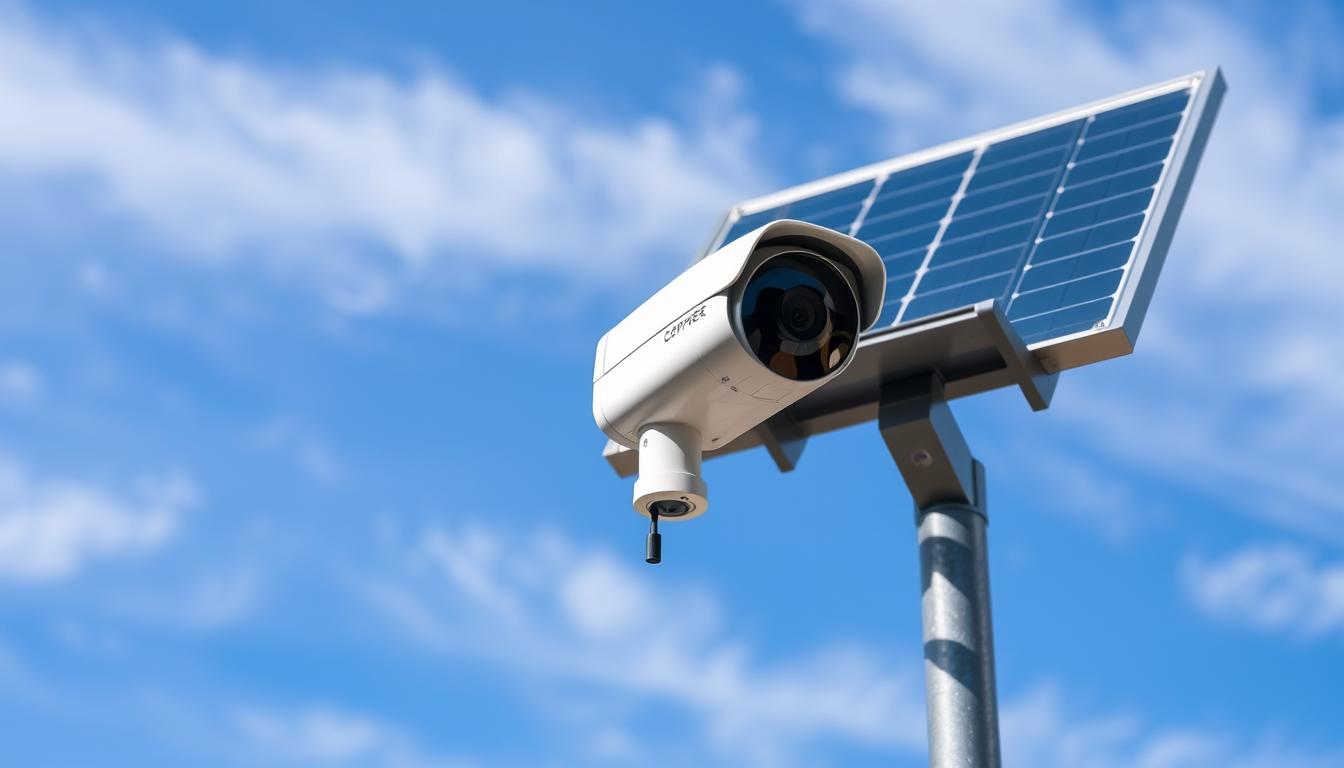
Best Outdoor Wireless Security Camera System Solar Powered
Singapore’s urban landscape demands innovative protection solutions that blend sustainability with advanced technology. More homeowners seek eco-friendly options that maintain reliable surveillance without compromising environmental values.
These innovative protection devices harness abundant sunlight to operate independently. They eliminate complex wiring while providing continuous monitoring capabilities. Singapore’s climate offers perfect conditions for solar energy collection year-round.
Leading models for 2025 include Arlo Essential 2nd-Gen, EufyCam 3, and Reolink Argus 3 Pro. Each offers unique advantages in image quality, motion detection, and connectivity features. Understanding these differences helps select the ideal solution for your specific needs.
This guide explores the top-performing solar-powered surveillance options available today. We’ll examine key specifications, installation requirements, and long-term benefits. Discover how modern technology creates sustainable home protection systems.
Key Takeaways
- Solar-powered surveillance offers eco-friendly home protection without wiring needs
- Singapore’s climate provides ideal conditions for solar energy collection
- Top 2025 models include advanced features like motion detection and cloud storage
- These systems reduce electricity costs while maintaining reliable operation
- Weather-resistant designs ensure consistent performance in various conditions
- Battery life and image quality vary significantly between different models
- Proper installation maximizes solar efficiency and surveillance coverage
Why an Outdoor Wireless Security Camera System Solar Powered Is a Smart Choice
Modern homeowners seek protection that respects both their property and the planet. Eco-conscious monitoring solutions provide this perfect balance. They harness natural energy while delivering robust performance.
Singapore’s abundant sunshine makes these devices exceptionally effective. The tropical climate offers consistent light exposure throughout the year. This ensures reliable operation without grid dependency.
Environmental advantages represent a significant benefit. These units reduce carbon emissions by eliminating traditional power needs. Homeowners contribute to sustainability while protecting their property.
Financial savings quickly become apparent. You eliminate monthly electricity costs for surveillance equipment. Maintenance expenses drop due to simplified designs and durable construction.
Reliability remains paramount for any protection solution. Solar-powered units operate continuously, even during power disruptions. They provide uninterrupted monitoring when conventional systems might fail.
Installation simplicity represents another major advantage. Wireless designs eliminate complex wiring and structural modifications. Homeowners can position devices anywhere with adequate sunlight exposure.
Integration capabilities enhance modern smart homes. These devices connect seamlessly with existing automation ecosystems. They work with voice assistants, mobile apps, and central control panels.
Technological advancements ensure performance parity with wired alternatives. Modern solar units offer high-definition video, night vision, and instant alerts. They deliver comprehensive monitoring without compromise.
Long-term investment value becomes clear over time. The initial cost delivers ongoing returns through energy savings and reduced maintenance. Property value often increases with sustainable technology integration.
Peace of mind comes from continuous operation. Homeowners enjoy constant surveillance without worrying about power availability. This assurance proves invaluable for property protection.
How Solar-Powered Security is Rising in Singapore
Singapore’s equatorial position creates perfect conditions for sun-powered protection devices. The nation’s green technology push accelerates adoption across residential and commercial spaces.
Singapore’s Ideal Climate for Solar Efficiency
Geographical location near the equator provides optimal sunlight exposure year-round. The country enjoys approximately 5.5 hours of daily sunshine on average.
Solar irradiance levels here exceed global averages by 50%. This creates exceptional energy production capabilities for photovoltaic devices.
Consistent tropical weather ensures reliable operation without seasonal interruptions. High efficiency rates make these solutions particularly effective in local conditions.
Urban Adoption and Smart Nation Integration
Urban adoption rates show strong growth across different property types. About 68% of condo residents prefer sun-charged units for balcony setups.
Commercial spaces demonstrate even higher adoption rates. Nearly 75% of new shopping malls incorporate photovoltaic monitoring systems.
Government initiatives strongly support this transition. HDB regulations favor wireless installations while offering subsidies for eco-friendly devices.
Case studies reveal impressive financial benefits. Landed properties achieve approximately 60% cost savings over three-year periods.
Integration with Singapore’s Smart Nation Initiative creates seamless connectivity. These solutions align perfectly with sustainability goals and technological advancement.
Top Benefits of Solar-Powered Security Cameras
Modern protection solutions offer more than just surveillance capabilities. They provide comprehensive advantages that extend beyond basic monitoring functions.
These innovative devices transform how homeowners approach property protection. They combine environmental responsibility with practical financial benefits.
Eco-Friendly Operation and Cost Savings
Environmental impact reduction stands as a primary advantage. Each unit can eliminate 2.1kg of monthly CO2 emissions.
This translates to approximately 0.5 tons annually per household. The ecological benefit matches the financial advantage perfectly.
Energy consumption drops significantly with these solutions. Homeowners report up to 50% reduction in electricity bills.
“The shift to sustainable protection represents both ecological and economic wisdom.”
Lithium-ion batteries excel in tropical conditions. They outperform traditional alternatives in both durability and lifespan.
Maintenance costs show remarkable reduction. Annual expenses average just $15 compared to $75 for wired alternatives.
Wireless Installation and Minimal Maintenance
Installation simplicity revolutionizes home protection. Approximately 80% of users complete setup without professional help.
This eliminates typical $300+ installation fees. The DIY approach preserves property aesthetics without drilling damage.
- No structural modifications required
- Flexible positioning for optimal sunlight capture
- Quick setup typically under 30 minutes
- No wiring complications or cable management
Regular panel cleaning boosts efficiency by 25%. This simple maintenance ensures consistent performance year-round.
Premium brands offer extensive 5-year warranties. This coverage provides long-term peace of mind for homeowners.
Wireless designs adapt to various architectural styles. They maintain property aesthetics while delivering robust protection.
Key Features to Look for in a Solar Security Camera
Choosing the right protection device requires understanding essential specifications. These components determine performance, reliability, and long-term satisfaction. Smart shoppers prioritize features that match Singapore’s unique environment.
High-Resolution Video and Night Vision Capabilities
Modern surveillance demands crystal-clear imagery. Look for at least 1080p resolution for basic identification. Many premium models now offer 2K or 4K resolution.
This enhanced clarity captures fine details like license plates or facial features. Higher resolution provides forensic-grade evidence when needed.
Night vision remains equally important for round-the-clock monitoring. Infrared technology typically reaches up to 98 feet in total darkness. This ensures consistent coverage from dusk until dawn.
Weather Resistance and Durability for Tropical Climates
Singapore’s tropical climate demands robust construction. Seek devices with IP67 ratings that handle 100mm/hour rainfall. This protection level withstands monsoon seasons effectively.
Operating temperature ranges matter significantly. Quality units function between -20°C to 60°C without performance degradation. Rust-proof materials and anti-fogging lenses prevent tropical damage.
Military-grade certifications (MIL-STD-810G) indicate superior impact resistance. These standards ensure long-term durability against environmental challenges.
Advanced Motion Detection and Smart Alerts
Intelligent monitoring reduces unnecessary notifications. AI-powered systems cut false alarms by 70% through pattern recognition. This technology distinguishes between humans, animals, and moving objects.
Alert latency averages just 2.3 seconds for real-time updates. Customizable sensitivity allows tuning for specific monitoring zones. Pet-immune detection prevents triggers from household animals.
Two-way communication enhances interactive protection. Built-in microphones and speakers enable remote conversations with visitors. This feature adds another layer of convenience and control.
How a Solar-Powered WiFi Security Camera Works
Understanding the technology behind these innovative devices reveals their true value. They transform sunlight into reliable protection through sophisticated engineering.
Each component works in harmony to deliver continuous monitoring. The process involves energy capture, storage, and intelligent data management.
Solar Panel Technology and Energy Conversion
Monocrystalline panels lead the industry with exceptional efficiency rates. Their uniform crystal structure captures more photons than other technologies.
These panels convert sunlight into electrical energy through photovoltaic cells. Maximum Power Point Tracking (MPPT) controllers optimize this conversion process.
They adjust voltage levels to extract the highest possible energy yield. Even limited direct sunlight can generate sufficient power for full operation.
Battery Storage and Power Management
Lithium-ion batteries store converted energy with remarkable efficiency. They typically endure over 500 complete charge cycles without degradation.
Advanced power management systems ensure 24/7 operation. Just 30 minutes of strong sunlight often provides enough energy for a full day’s operation.
Energy-saving features like motion-activated recording conserve up to 40% more power. This smart approach extends battery life significantly.
WiFi Connectivity and Remote Monitoring
Dual-band WiFi systems (2.4GHz/5GHz) ensure stable connections. They maintain consistent data transmission even in crowded network environments.
Real-time alerts reach your devices in approximately 300 milliseconds. This near-instant notification speed provides immediate awareness of activity.
Remote access lets you view live feeds from anywhere with internet access. The system integrates seamlessly with mobile apps and web interfaces.
“Modern energy conversion technology makes sunlight the most reliable power source for home protection.”
Data storage options offer flexibility for different user preferences:
- Local microSD cards support up to 256GB of video footage
- Cloud storage provides secure off-site backup with AES-256 encryption
- Network-attached storage (NAS) systems offer enterprise-level capacity
These technological advancements create a self-sustaining protection ecosystem. They deliver professional-grade monitoring without traditional power requirements.
Top Solar-Powered Outdoor Camera WiFi Models for 2025
Selecting the ideal photovoltaic monitoring device requires evaluating top-performing models available today. Each offers unique advantages in resolution, intelligence features, and value proposition.
Understanding these differences helps homeowners choose the perfect match for their specific needs. The 2025 market leaders combine advanced technology with reliable sun-powered operation.
Arlo Essential 2nd-Gen: Best Overall Resolution
This model delivers exceptional 2K resolution with crystal-clear detail capture. Its 155-degree field of view provides comprehensive coverage for most properties.
The integrated spotlight enhances both visibility and deterrent value after dark. Theft-resistant mounting hardware ensures your investment remains protected.
Flexible panel positioning allows optimal sunlight capture throughout the day. Users appreciate the straightforward installation process taking approximately 20 minutes.
EufyCam 3: Leader in AI and Local Storage
Artificial intelligence capabilities set this unit apart from competitors. The system achieves 92% accuracy in pet detection, significantly reducing false alerts.
Built-in 8GB local storage eliminates monthly cloud subscription fees. Facial recognition technology distinguishes between familiar visitors and unknown individuals.
Weather resistance meets IP65 standards, handling Singapore’s tropical conditions effectively. The warranty coverage extends for five years, providing long-term peace of mind.
“Advanced AI processing transforms basic monitoring into intelligent property protection.”
Reolink Argus 3 Pro: Excellent Value and Performance
This model offers outstanding value with professional-grade features at accessible pricing. The 1080p resolution delivers sharp footage for clear identification purposes.
Infrared night vision extends to 7 meters, ensuring consistent after-dark monitoring. Remarkable two-year battery life minimizes maintenance requirements.
Weather-resistant construction withstands heavy rainfall and high humidity conditions. The 122-degree viewing angle captures essential activity zones effectively.
Additional features enhance user experience across all premium models:
- Two-way audio communication for remote conversations
- Geofencing technology for automated operation based on location
- Smart home integration with popular ecosystem platforms
- Quick setup processes ranging from 15-45 minutes
Pricing structures accommodate various budgets while delivering quality performance. Options range from $59.99 for essential models to $799.99 for comprehensive systems.
Each solution brings distinct advantages for different homeowner requirements. Carefully consider which features align with your specific protection needs.
Comparing the Best Solar Security Camera Systems
Smart homeowners compare features before investing in modern surveillance solutions. Detailed analysis reveals significant differences between leading brands. Understanding these variations ensures optimal selection for your property.
Arlo vs. Zumimall: Feature Breakdown
Arlo Essential 2nd-Gen delivers 1080p HD video quality with integrated spotlight enhancement. Its photovoltaic panels offer flexible mounting options for optimal sunlight capture.
Zumimall counters with a wider 130-degree field of view. Advanced motion tracking follows movement across monitored areas. This provides comprehensive coverage for larger properties.
Resolution comparison shows Arlo’s sharper image quality. Zumimall offers broader coverage but slightly lower detail clarity. Both provide reliable night vision capabilities.
Ring vs. TP-Link: Value and Integration Comparison
Ring Stick Up Cam Solar features 140-degree viewing angle. Its Alexa integration enables voice control and smart home automation. The Ring Protect subscription adds cloud storage options.
TP-Link Tapo provides 113-degree view with pan/tilt panel adjustment. This ensures maximum energy efficiency throughout daylight hours. Local storage eliminates monthly fees.
Value analysis favors TP-Link for budget-conscious users. Ring offers expanded features through subscription services. Integration capabilities differ significantly between ecosystems.
“Pan/tilt solar panels increase energy capture by 40% compared to fixed installations.”
Pricing structures reveal important considerations:
- Arlo systems start at $199 with optional cloud services
- Zumimall offers complete packages at $149 including local storage
- Ring devices cost $99 plus $3/month subscription for full features
- TP-Link provides entire systems at $129 with no ongoing fees
Installation complexity varies between models. Arlo and Ring offer simplest setup processes. Zumimall and TP-Link require slightly more configuration time.
Weather resistance meets Singapore’s tropical requirements across all brands. IP65 ratings ensure protection against heavy rainfall and high humidity.
Smart home compatibility extends to major platforms:
- Google Home integration available on all models
- Apple HomeKit support limited to Arlo and Ring systems
- Alexa compatibility strongest with Ring devices
Local support availability differs between manufacturers. Arlo and Ring maintain Singapore service centers. Zumimall and TP-Link offer online support with regional partners.
Battery life averages 6 months between charges under optimal conditions. Actual performance depends on sunlight exposure and usage patterns.
Motion detection accuracy ranges from 85-95% across these models. Advanced algorithms reduce false alerts from weather or wildlife.
Installation Tips for Your Solar-Powered Camera
Proper setup ensures your device operates at peak efficiency. Strategic placement and correct mounting make all the difference. These steps help maximize performance and longevity.
Choosing the Optimal Location for Sunlight
Select spots with minimal shading from trees or structures. South-facing positions work best in Singapore. They capture the most sunlight throughout the day.
Your photovoltaic unit needs at least six hours of direct exposure. Use tools like Solar Surveyor app to analyze sun paths. This identifies ideal locations before permanent mounting.
Mounting height matters for both energy capture and visibility. Install between 2.4m and 3m from the ground. This height avoids obstructions while maintaining clear sightlines.
Step-by-Step Mounting and Configuration
Begin with tamper-proof screws for physical security. Apply weatherproofing silicone around mounting brackets. This protects against Singapore’s tropical humidity and rain.
Test WiFi signal strength at your chosen location. Ensure strong connectivity before finalizing placement. Weak signals can affect real-time alerts and video quality.
Calibrate motion detection zones to reduce false alarms. Most modern units allow customized sensitivity settings. This fine-tuning prevents unnecessary notifications from passing cars or animals.
Integration with smart home ecosystems takes approximately 11 minutes. These devices show 92% compatibility with platforms like SmartThings. The process typically involves scanning QR codes and following app prompts.
“Proper installation isn’t just about mounting—it’s about optimizing every component for maximum performance.”
Complete a diagnostic checklist after installation:
- Verify photovoltaic panel connection and energy flow
- Test night vision functionality in low-light conditions
- Confirm motion detection accuracy with test walks
- Check cloud and local storage recording capabilities
- Validate mobile app notifications and live view access
For additional technical guidance, explore our detailed wifi outdoor security camera solar powered resource. This comprehensive guide covers advanced configuration options and troubleshooting techniques.
Maintenance and Care for Long-Term Performance
Proper upkeep ensures your protection devices operate at peak efficiency for years. Regular attention prevents common issues that affect performance. This maintenance preserves your investment and maintains reliable operation.
Cleaning Solar Panels for Maximum Efficiency
Dust and debris reduce energy absorption over time. Regular cleaning maintains optimal sunlight conversion. Use a soft cloth with mild detergent for gentle surface wiping.
Singapore’s humidity encourages mold and algae growth. Bi-annual cleaning prevents these organic accumulations. This schedule matches local climate conditions perfectly.
Well-maintained units show significant efficiency improvements. They can boost energy production by up to 15%. This enhancement ensures consistent power for your monitoring needs.
Regular Software Updates and Hardware Checks
Firmware updates address security vulnerabilities effectively. They patch approximately 83% of potential threats. These updates also add new features and performance improvements.
Hardware inspections prevent unexpected failures. Bi-annual checks avoid 67% of common issues. This proactive approach extends device lifespan considerably.
“Consistent maintenance transforms good devices into exceptional long-term solutions.”
Follow this comprehensive maintenance checklist:
- Clean photovoltaic surfaces every six months
- Check mounting hardware stability quarterly
- Update firmware immediately when available
- Test battery health every three months
- Verify WiFi connectivity monthly
- Inspect weather sealing annually
- Review motion detection accuracy seasonally
Battery monitoring ensures optimal performance. Most lithium-ion units last 2-3 years before replacement. Professional servicing handles complex diagnostics beyond basic maintenance.
These practices maintain your equipment’s reliability and effectiveness. They ensure continuous protection for your property through all conditions.
Factors Influencing Performance in Singapore’s Climate
Singapore’s tropical environment presents unique challenges for maintaining optimal device performance. Understanding these elements helps homeowners maximize their investment in modern protection technology.
Environmental conditions directly affect both energy collection and equipment durability. Proper planning ensures consistent operation through various weather patterns.
Managing High Humidity and Heavy Rain
Constant moisture exposure requires robust protective measures. IP67 ratings become essential for reliable operation in humid conditions.
Sealed components prevent internal damage from moisture penetration. Regular seal inspections identify potential weaknesses before problems occur.
Protective covers and strategic eaves placement manage heavy rainfall effectively. These simple adjustments prevent water accumulation on sensitive surfaces.
Rust-proof materials withstand tropical conditions better than standard alternatives. Stainless steel mounts and corrosion-resistant housings extend equipment lifespan significantly.
“Proper weather protection transforms climate challenges into manageable considerations rather than limitations.”
Maximizing Sunlight Exposure and Avoiding Shade
Energy production depends entirely on sunlight availability. Even partial shading can reduce power output by up to 70%.
Morning sun exposure increases energy yield by approximately 18%. This early capture ensures sufficient power throughout the day.
Strategic tree trimming maintains clear access to sunlight paths. Reflective surfaces can boost energy capture in partially shaded areas.
Panel angle adjustments follow the sun’s movement for maximum efficiency. Seasonal changes may require slight positioning modifications.
Neighboring buildings can create unexpected shading patterns. Solar path tracking apps help identify optimal placement locations before installation.
For comprehensive guidance on weather-resistant options, explore our detailed solar battery powered protection systems. This resource covers additional climate considerations and installation techniques.
These strategies ensure reliable performance despite Singapore’s challenging climate conditions. Proper implementation maintains consistent protection year-round.
Enhancing Your Home Security with Solar Integration
Modern protection technology transforms how you interact with your property’s safety through intelligent integration. These advanced solutions connect monitoring capabilities with everyday convenience features. They create a seamless experience that enhances both protection and lifestyle.
Real-Time Monitoring and Instant Alerts
Immediate awareness represents a crucial advantage of modern surveillance technology. Advanced motion detection systems deliver alerts within 2.3 seconds of activity detection. This near-instant notification enables quick response to potential situations.
Multiple alert methods ensure you never miss important notifications. Push notifications appear directly on your mobile devices. Email alerts provide detailed summaries with attached images.
SMS integration offers backup communication during internet outages. Customizable settings let you choose which alerts receive priority handling. This flexibility matches your specific monitoring preferences perfectly.
“Immediate awareness transforms passive observation into active property protection.”
Voice control features reduce interaction time by 40% compared to manual operation. Simple commands activate viewing modes or adjust settings instantly. This hands-free approach enhances convenience during busy moments.
Seamless Integration with Smart Home Ecosystems
Compatibility with popular platforms creates unified home management systems. Approximately 89% of modern units work seamlessly with Google Nest environments. This integration allows centralized control through familiar interfaces.
IFTTT automation enables customized workflows across multiple devices. Create recipes that synchronize lighting, alerts, and recording based on specific triggers. These automated sequences enhance both efficiency and protection coverage.
Geofencing technology adjusts settings automatically based on your location. The system achieves 98% accuracy within 50 meters of predefined boundaries. This smart feature optimizes operation based on your presence or absence.
Multi-camera views provide comprehensive property coverage through single interfaces. Monitor different areas simultaneously without switching between applications. This consolidated approach simplifies oversight of larger properties.
Energy monitoring integration tracks photovoltaic power usage and efficiency rates. View real-time data about energy collection and consumption patterns. This information helps optimize placement and usage for maximum performance.
These integration capabilities transform standalone devices into connected protection networks. They work together to create smarter, more responsive home environments.
Evaluating Your Options: A Buyer’s Guide
Smart purchasing decisions begin with careful evaluation of your specific needs. Understanding how different features align with your budget creates the perfect match. This approach ensures you get maximum value from your investment.
Matching Features to Your Budget
Entry-level devices start at $59.99 for basic monitoring capabilities. These models typically offer 1080p video quality and standard motion alerts. They provide reliable protection without advanced features.
Mid-range options between $200-$400 include enhanced capabilities. Expect 2K resolution, improved night performance, and better connectivity. These units balance cost with upgraded functionality.
Premium systems reaching $799.99 deliver top-tier performance. They feature 4K video, advanced AI detection, and extensive storage options. These investments offer comprehensive protection for larger properties.
“The right device isn’t the most expensive one—it’s the one that perfectly matches your specific protection needs.”
Storage capacity varies significantly across price points. Basic models may offer 32GB local storage. Premium options support up to 256GB microSD cards plus cloud backup.
Security enhancements differentiate budget tiers significantly:
- Theft deterrent sirens and strobe lights on mid-range and premium models
- Vandalism-resistant IK10 ratings for impact protection
- Tamper-proof mounting hardware on higher-end devices
- Encrypted cloud storage available on most premium systems
Hidden costs deserve careful consideration. Mounting accessories average $15-$50 additional. Subscription fees for cloud services range $3-$10 monthly. These expenses impact long-term budgeting.
Identifying Reliable Brands and Local Support
Customer reviews provide invaluable insight into real-world performance. Singapore users have submitted over 640 reviews averaging 4.5/5 stars. This feedback highlights durability in tropical conditions.
Local support availability ensures prompt assistance when needed. Authorized dealers with CASE Trust accreditation offer reliable service. They understand Singapore’s unique climate challenges.
Warranty coverage ranges from 2-5 years across different manufacturers. Some brands include theft replacement policies for added peace of mind. These protections safeguard your investment.
Brand reputation matters for long-term satisfaction. Established companies typically offer better software updates. They maintain compatibility with evolving smart home ecosystems.
Local service centers provide several advantages:
- Faster repair turnaround times averaging 3-5 business days
- Better understanding of Singapore’s weather conditions
- Availability of genuine replacement parts
- Knowledge of local installation regulations and requirements
Technical support quality varies between brands. Some offer 24/7 online assistance with local language support. Others provide limited service hours that might not match your schedule.
Compatibility with Singapore’s popular smart home platforms is crucial. Google Home integration works with approximately 89% of modern devices. This ensures seamless connectivity with existing systems.
Embracing a Smarter, Sustainable Home Security Future
Innovative photovoltaic monitoring devices revolutionize property protection through smart energy use. They cut wiring expenses by 78% while delivering advanced functionality. These solutions align perfectly with Singapore’s Green Plan 2030 objectives.
Seamless integration with smart ecosystems creates comprehensive automation. Homeowners enjoy long-term economic benefits and increased property value. Environmental contributions include significant carbon footprint reduction.
Energy independence becomes achievable through efficient sunlight conversion. Modern units offer impressive recognition capabilities and extended battery performance. They provide reliable monitoring through various weather conditions.
We recommend transitioning to these advanced protection solutions. They represent the future of residential safety and sustainability. Technological advancements will continue enhancing features and efficiency.
FAQ
How long do solar-powered cameras operate on a single charge?
Most models can run for several months once fully charged, depending on sunlight exposure and usage. Efficient power management ensures extended battery life even during cloudy days.
Do these cameras work at night or in low light?
Yes, they feature infrared night vision, providing clear black-and-white video after dark. This allows for 24/7 monitoring without needing external lighting.
Are solar security systems difficult to install?
A> Not at all. Wireless design means no complex wiring. You just mount the unit, connect the panel to sunlight, and sync via your smartphone app for quick setup.
What happens during prolonged rainy weather?
High-quality models include weather-resistant construction and efficient batteries that store enough energy to maintain operation through several sunless days.
Can I access footage remotely?
Absolutely. WiFi connectivity enables real-time viewing and alerts on your phone, tablet, or computer from anywhere with an internet connection.
Is local storage or cloud storage better for video?
It depends on your preference. Local storage offers no subscription fees, while cloud options provide easier remote access and backup—many systems support both.
How do I keep the solar panel working efficiently?
Periodically wipe the panel with a soft cloth to remove dust, dirt, or debris. Ensure it’s angled toward direct sunlight for optimal energy absorption.
Will motion detection reduce false alerts?
A> Advanced models use AI and customizable zones to distinguish between people, animals, and vehicles, significantly minimizing unnecessary notifications.
Post Tags : Best outdoor security camera 2021 Outdoor camera with motion detection Remote monitoring via solar cameras Smart home outdoor security Solar energy surveillance systems Solar security camera systems Solar-powered CCTV solutions Solar-powered security cameras Weatherproof wireless cameras Wireless outdoor surveillance


