
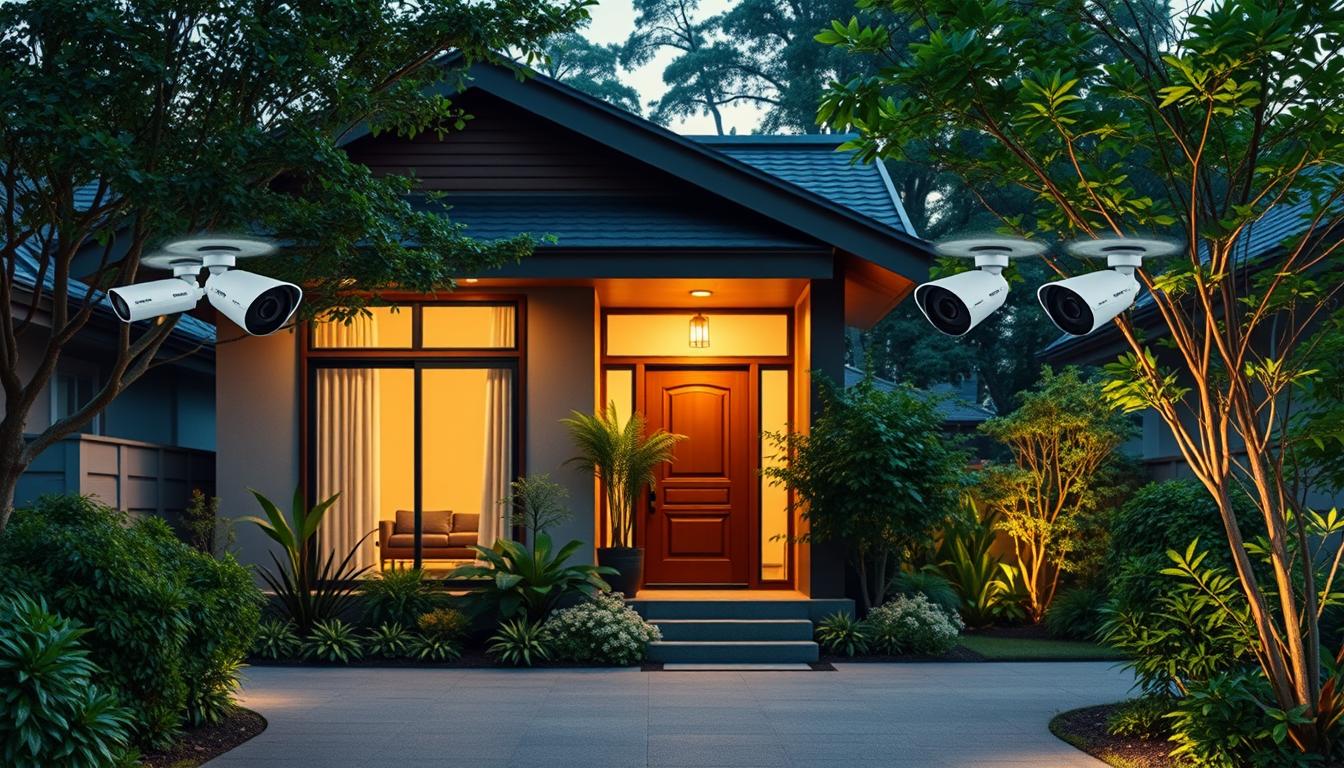
Optimal CCTV Cameras for Your Home Security
Are you truly safe in your own home, or is your perception of security just an illusion?
Your home is your sanctuary, but how can you ensure it remains protected from threats? As safety concerns grow, the need for top-notch CCTV cameras is key for homeowners. This article covers all you need to know about picking the best CCTV solutions in Singapore. We’ll look at different types, important features, and tips for setting up and keeping your system running.
By keeping up with tech advancements, you can find a system that’s affordable yet offers full surveillance for your property. Invest in your safety today. Learn how the right CCTV system can protect what’s most important to you.
For tailored advice on choosing the best CCTV cameras, contact CCTV Maintenance today at +65. Check out the latest options made just for you.
Key Takeaways
- Understand your home’s layout to determine the optimal number of CCTV cameras needed for adequate coverage.
- Choose between wired and wireless options based on your installation needs and budget.
- Consider essential features like motion detection and weather resistance when shopping for cameras.
- Your surveillance system should monitor all critical entry points to deter intruders.
- Regular maintenance of your CCTV system is critical to ensure it continues to function effectively.
Understanding the Importance of CCTV Cameras
CCTV cameras are very important in today’s world. In Singapore, almost a million cameras watch over us. They help stop crimes like burglary and vandalism. Installing CCTV in homes can make people feel safer and protect against threats like harassment.
Modern CCTV systems offer clear video and remote monitoring. This means you can watch your home from anywhere. The footage helps police solve crimes. Cameras with night vision capture important details, day or night.
But, there are rules for using CCTV cameras. Knowing these rules helps avoid privacy issues. CCTV cameras work best when used with other security measures like alarms and locks.
If you want to improve your home’s security with CCTV, contact CCTV Maintenance. Call us at +65 60135960 to learn more about our solutions and offers!
Types of CCTV Cameras for Home Use
Knowing the different CCTV cameras helps you pick the right Home CCTV options for your needs. Each type has its own benefits. It’s important to find the one that fits your goals.
Dome cameras are great for both inside and outside use. They have a design that hides their direction. This makes them perfect for entry points. Bullet cameras are best for outdoor use and can see far away, making them the Best CCTV for home in many cases.
PTZ (pan-tilt-zoom) cameras can move to cover different areas. They are very useful for live monitoring. Dark fighter technology cameras are perfect for low-light areas, capturing clear images without extra light.
ANPR/LPR cameras read license plates, useful for tolls or parking security. Thermal image cameras can detect up to 300 meters at night. They are key for nighttime security.
When looking at these CCTV cameras, you can find strong Home CCTV options for your needs. Look at their features to see which is best for your home.
Need help choosing the right system? Contact CCTV Maintenance at +65 60135960. They offer the latest CCTV solutions and deals tailored for you.
CCTV Camera Features You Should Consider
When picking a CCTV camera, look at key features. Homeowners need to find cameras that fit their security needs. A good camera should have high-resolution video, like 1080p, for clear footage. It should also have night vision for seeing in the dark.
The camera’s field of view is important. It shows how much area it can watch. Motion detection alerts users to any unusual activity. These security camera specifications make a system stronger.
Other key CCTV functions can make a camera even better. Two-way audio lets you talk in real time, useful for visitors or to scare off intruders. Remote access means you can watch your home from anywhere.
Event notifications keep you updated on any movement. This lets you act fast if needed. Knowing these features helps pick the best cameras for home security. For more info, call CCTV Maintenance at +65 60135960 to explore new CCTV options.
How Many CCTV Cameras Can I Have on My House?
Figuring out how many CCTV cameras you can have at home involves knowing your security needs and local laws. Many people ask, how many CCTV cameras can I have on my house? The answer depends on the CCTV camera limit at home set by local rules, which can change by area. Most experts suggest using a mix of cameras at key spots around your property.
Residential Security Camera Restrictions
When setting up your home surveillance, it’s key to know the local rules on CCTV camera limit at home. Laws might consider privacy or zoning rules for where you can put cameras. Talking to your local authority helps make sure your security meets community standards and your needs.
Maximum Residential CCTV Cameras
Most homes find two to six cameras work best for good monitoring. This usually covers doors, windows, garages, and driveways, the most at-risk spots. Studies show homes with visible cameras see fewer break-ins. So, following the max number of cameras not only increases security but also helps keep the neighborhood calm.
Choosing the right cameras for your home’s layout and needs is key. A smart setup can scare off intruders and give you full surveillance. Start making your home safer. Call CCTV Maintenance today at +65 60135960 to learn about the latest CCTV options and deals.
Choosing Between Wired and Wireless CCTV Cameras
Homeowners often face a big choice when improving security. They must decide between wired and wireless CCTV cameras. Each has its own benefits and drawbacks that affect how well they work.
Pros and Cons of Wired Systems
Wired CCTV systems are known for their reliability and clear images. Here are some good points:
- Stable Connectivity: Wired systems keep video streaming steady, reducing connection problems.
- Security: They face fewer hacking threats than wireless systems.
- Extensive Coverage: Wired systems can handle up to 64 cameras, great for big homes.
But, wired systems also have some downsides:
- Installation Costs: They can be more expensive, often needing a pro for setup.
- Installation Time: Setting up wired cameras takes longer because of the cables.
- Power Outages: Wired cameras might stop working if the power goes out, needing a backup.
Pros and Cons of Wireless Systems
Wireless CCTV cameras are flexible and easy to set up. They’re good for certain situations. Their benefits include:
- Convenient Installation: No cables means easy setup in many places.
- Scalability: Wireless systems are easy to add to as security needs grow.
- Advanced Features: Some have cool features like PTZ, weather resistance, and facial recognition.
But, wireless systems have some downsides:
- Limited Camera Support: Most wireless systems only support four to eight cameras, not ideal for big homes.
- Connectivity Issues: Relying on a wireless network can cause connection problems.
- Security Risks: Poor network security can lead to hacking and privacy issues.
In summary, picking between wired and wireless CCTV cameras depends on what you need. Think about your home, budget, and what you want in terms of connectivity. For more advice and to see the latest CCTV options, call CCTV Maintenance at +65 60135960.
Key Factors Influencing CCTV Camera Placement
Good home security starts with the right CCTV camera placement. Knowing what matters can make your surveillance better. Things like field of view, lighting, and what might block the camera’s view are key.
Here are some important spots for cameras:
- Entry Points: 70% of cameras are at doors and windows to catch important moments.
- Driveways and Parking Areas: 60% watch these spots to see who’s coming or going.
- Backyards and Gardens: About 50% are here to keep an eye out for unwanted visitors.
- Perimeter Monitoring: 45% cover the property’s edges for full security.
- Vulnerable Entry Points: 55% watch places like sliding doors for extra safety.
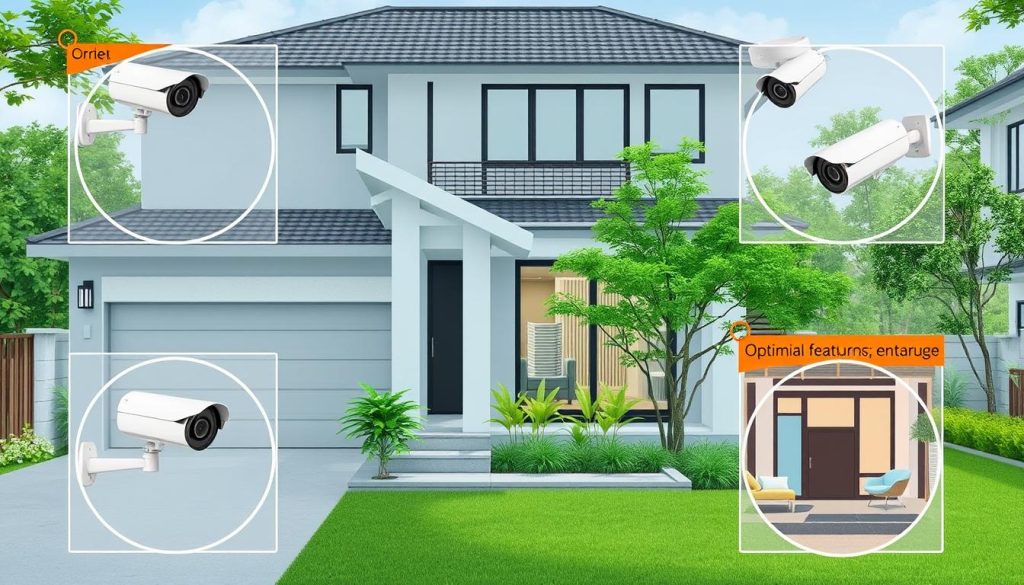
When setting up surveillance, cameras should be 7 to 9 feet high. This helps with face recognition and keeps them safe from tampering. Also, placing cameras where you can easily reach them makes upkeep simpler.
Lighting is also important for cameras. About 65% of them have special lighting for different conditions. Adding lights that turn on when someone moves can scare off intruders.
Remember, cameras should respect privacy. 40% are set up to avoid seeing neighbors’ homes. This keeps good relations in the community while keeping your place safe.
Need help with CCTV? Call CCTV Maintenance at +65 60135960 for expert advice.
Optimal CCTV Cameras for Various Budgets
Home security is a big concern for many. With new tech, there are many options for different budgets. You can find both cheap and expensive CCTV cameras to fit your needs.
Affordable Options
Budget CCTV cameras are a great way to get security without spending a lot. For example, the Lorex 1080p HD Outdoor Wireless Security Camera costs just $149. They are easy to use and set up.
Basic models, like bullet cameras, offer long-range visibility at low prices. They are perfect for those on a budget.
High-End Solutions
High-end CCTV systems, like those from SimpliSafe, offer top-notch performance and features. The SimpliCam is easy to use and has a high SecurityScore of 8.2/10 in 2024. It’s the best security camera of the year.
Features like night vision and motion detection are common in these cameras. They ensure your home is fully protected. Brands like Lorex and Ring are also popular, with high SecurityScores.
Choosing between cheap and expensive cameras depends on your needs and budget. Think about what you need and pick the right cameras for you. For more advice and deals, call CCTV Maintenance at +65 60135960.
Local vs. Cloud Storage for Camera Footage
Homeowners often face a choice between local and cloud storage for CCTV footage. Each option has its own benefits and challenges. These can affect how well security cameras keep video records.
Benefits of Local Storage
Local storage is a traditional choice. It’s great for those who value control and privacy. Here are some key benefits:
- Direct Control: Users have full control over their data, ensuring privacy.
- Faster Access: Footage is accessed directly from the device, without internet speed issues.
- One-Time Cost: It involves a one-time hardware investment, avoiding subscription fees.
- No Internet Dependence: It works without internet, ensuring access during outages.
- Compliance Control: Homeowners can better manage data protection regulations.
Understanding Cloud Storage Costs
Cloud storage is popular for its scalability and convenience. Costs vary based on several factors:
- Monthly Fees: Users pay subscription fees based on storage used.
- Adjustable Capacity: Cloud storage makes it easy to scale storage as needed.
- Redundancy and Security: Providers use strong security, but users should be aware of privacy concerns.
- Remote Access: Cloud data can be accessed from anywhere, ideal for real-time monitoring.
- Maintenance-Free: Providers handle maintenance, reducing user burden.
The choice between local and cloud storage depends on personal preferences. It’s about security, accessibility, and cost. For advice on storage solutions, contact CCTV Maintenance at +65 60135960. They offer the latest CCTV options and deals.

Tips for Maintaining Your CCTV System
Keeping your CCTV system working well depends on regular care. Good CCTV system maintenance keeps your system running smoothly for a long time. A pro should check it at least once a year to catch problems early.
- Clean camera lenses every three months to eliminate dirt and dust that could impair video quality.
- Inspect camera placements regularly as surroundings may change, necessitating adjustments for optimal coverage.
- Verify camera enclosures to prevent water, dirt, and condensation from affecting functionality.
- Ensure all cables are firmly connected to avoid power loss and possible system failure.
- Check for corrosion in connectors, replacing any that show signs of deterioration immediately.
- Dust DVR or NVR systems routinely to prevent dust accumulation that can hinder performance.
- Trim landscaping around outdoor cameras to avoid obstructing views.
- Check hard drives periodically to ensure they perform well and can store recordings reliably.
Good lighting in key areas makes things clearer. Using CCTV illuminators can really help outdoor cameras. Also, make sure the recorder’s date and time are correct for accurate tracking.
Tips for camera longevity include checking recorded footage often. This ensures it’s clear and useful. For expert advice, contact CCTV Maintenance at +65 60135960. They offer the latest in CCTV tech and deals. Taking care of your CCTV system means you can relax, knowing your home is safe.
Conclusion
Choosing the right CCTV cameras for your home is key to keeping it safe. It’s important to know why surveillance matters and to look at different camera types. You should also think about what features you need and how much you can spend.
Home security experts say to think about where to put your cameras and how to store the footage. This helps build a strong security system for your home.
How many cameras you need depends on your home’s size and how much you want to watch. Usually, homes need between one to six cameras. They should be placed in key spots like doors and driveways. This way, you get good coverage without cluttering your space.
If you’re in Singapore, talking to local security providers can help. They can offer solutions that fit your specific needs.
Investing in a good CCTV system makes your home safer. It gives you peace of mind. Homeowners should call CCTV Maintenance at +65 60135960. They can tell you about the latest CCTV options and special deals that match your needs.
FAQ
How many CCTV cameras can I install at my house?
The number of CCTV cameras you can install depends on local laws. These laws can change by district in Singapore. Usually, 4-8 cameras are enough for most homes.
Are there any restrictions on residential security cameras?
Yes, there are rules on where you can place cameras to protect neighbors’ privacy. Always check with local authorities or security experts for specific rules in your area.
What is the maximum number of security cameras for residential use?
There’s no one-size-fits-all answer to the maximum number of cameras. Homeowners should think about their needs and follow the law. 4-8 cameras are usually enough without breaking any rules.
Are there guidelines for household CCTV camera capacity?
Yes, there are guidelines. They focus on covering important areas like doors and windows. But, they also consider privacy for neighbors.
What should I look for in features when selecting CCTV cameras?
Look for high video resolution, good night vision, and wide fields of view. Also, consider motion detection and features like remote access and two-way audio.
What are the pros and cons of wired versus wireless CCTV systems?
Wired systems give better quality and stability but need a pro to install. Wireless systems are easier to set up and offer cloud storage. But, they might have network problems.
How can I effectively place my CCTV cameras?
Place cameras where they get good light and have a wide view. Avoid obstructions. Focus on entry points and common areas to cover all angles.
What are some budget-friendly CCTV options?
For affordable options, consider Wyze Cam and Ring Indoor Cam. They offer basic security features without costing too much.
What are the benefits of local storage for CCTV footage?
Local storage lets you access footage directly without needing the internet. It also saves money in the long run, as you only pay for the initial hardware.
How can I maintain my CCTV system?
Keep your system running well by cleaning camera lenses and checking footage regularly. Update firmware and make sure you have enough storage for all recordings.
Source Links
- https://blog.arlo.com/best-security-setups/how-many-security-cameras-do-i-need/
- https://nellyssecurity.com/blogs/articles/how-many-security-cameras-do-i-need-a-step-by-step-guide?srsltid=AfmBOoq5G4RrMocmPmqZHLhdKhy23p7PoDKeTLuyQI7Jb7eJXwl–BIH
- https://www.security.org/security-cameras/placement-guide/
- https://web.securitysystem.com.sg/cctv-law-singapore/
- https://ajax.systems/blog/security-camera-pros-and-cons/
- https://www.caughtoncamera.net/news/different-types-of-cctv/
- https://casasecurity.com.au/how-many-security-cameras-should-you-have-in-your-home/
- https://nellyssecurity.com/blogs/articles/how-many-security-cameras-do-i-need-a-step-by-step-guide?srsltid=AfmBOort5gQxiKvmPq0fOpG1-JEEkBWVNIEzY0osGiaJP7EuFyfxM-_5
- https://www.adt.com/resources/how-many-security-cameras-do-i-need
- https://allroundsecurity.co.nz/blog/how-many-cctv-cameras-do-i-need-for-my-home/
- https://nellyssecurity.com/blogs/articles/how-many-security-cameras-do-i-need-a-step-by-step-guide?srsltid=AfmBOopAfcovjQkW0gxq8fncyN6uuDfn4PEFS_J_83tyfpsGYcVtSQrB
- https://www.promaxvision.com.au/blogs/cctv/which-camera-is-better-wired-or-wireless-cctv-cameras?srsltid=AfmBOopFtSGkq55kVe0aMt0STJ1BaDL_cX5Pbg1GSXYLcd0hb4Tx-1qY
- https://www.cnet.com/home/security/wired-vs-wireless-security-cameras-how-to-choose-which-is-best-for-you/
- https://www.cctvsg.net/wired-vs-wireless-cctv-cameras/
- https://staysafe.org/home-safety/home-security-camera-placement/
- https://mayocctv.ie/placement-strategies-for-home-cctv-ensuring-comprehensive-security/
- https://simpleblog52.wordpress.com/2023/11/29/how-to-select-the-best-location-for-cctv-camera-placement/
- https://www.security.org/security-cameras/best/
- https://cctvcameravision.com/which-type-of-cctv-camera-is-best-for-home-and-why/
- https://wasabi.com/blog/video-surveillance/cloud-vs-local-storage-surveillance
- https://www.a1securitycameras.com/blog/local-vs-cloud-storage/?srsltid=AfmBOory3MQASx95tdypxJDfvVfyclupLCA2D1UWIPYUA7nIUI_XXdWY
- https://www.aosulife.com/blogs/smart-home/cloud-storage-vs-local-storage-which-one-is-better-for-security-cameras
- https://www.corepowerltd.com/how-to-properly-maintain-and-care-for-your-cctv-cameras/
- https://brillianttechnology.com.au/practical-tips-for-maintaining-your-cctv-security-system/?srsltid=AfmBOormivplM5n69nhxo0CpUrJYCr8G-hCinwzcoXMdSrz6kQvMJhlh
- https://nellyssecurity.com/blogs/articles/how-many-security-cameras-do-i-need-a-step-by-step-guide?srsltid=AfmBOoqzi0SWBVNb4wQcSETLXShn1bxxpocQmf5u-hs2Z63-hzkzpIhJ
- https://www.justicesecurity.co.uk/blogs-item/how-many-security-cameras-do-i-need
- https://www.safewise.com/home-security-faq/how-many-security-cameras-do-i-need/


