
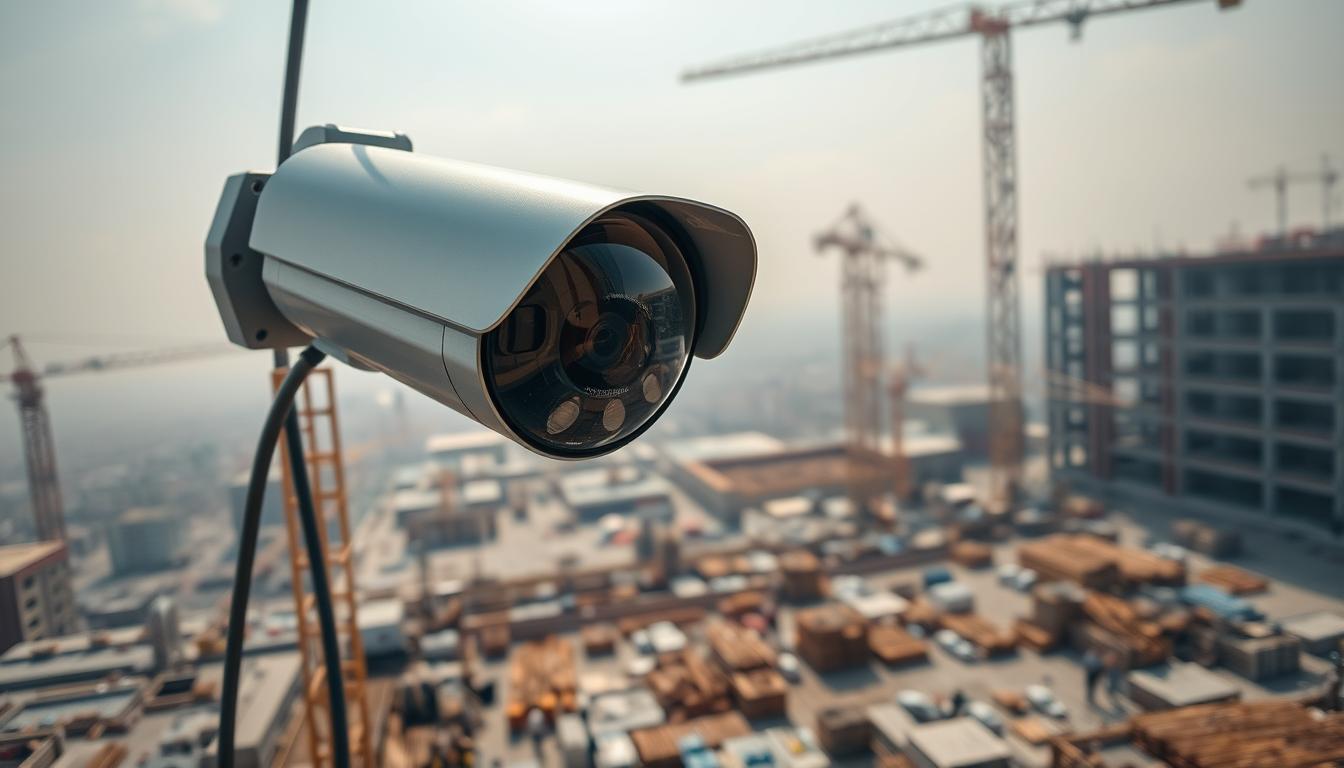
Understanding Jobsite Security Camera Rental Cost: A Buyer’s Guide
Protecting your construction site requires smart decisions. Many project managers choose surveillance systems instead of permanent installations. This approach offers flexibility and significant savings.
Video surveillance helps prevent theft and vandalism on construction sites. It also enhances overall site safety for workers and equipment. Understanding rental options can lead to better security outcomes.
This guide explores the financial benefits of temporary surveillance solutions. We’ll examine different equipment types and their features. Local Singapore regulations and compliance requirements will also be covered.
Key Takeaways
- Renting surveillance equipment provides flexibility for short-term projects
- Video monitoring significantly reduces incidents of theft and vandalism
- Different camera types offer varying levels of site security coverage
- Compliance with Singapore safety regulations is crucial for construction sites
- Temporary surveillance solutions can be more cost-effective than purchasing
- Advanced features like night vision enhance protection around the clock
- Proper implementation ensures seamless integration with existing systems
Why Jobsite Security is a Non-Negotiable Priority
Construction sites represent valuable targets for criminals. They contain expensive equipment and materials. Implementing proper protection measures becomes essential for project success.
The Staggering Financial Impact of Site Theft and Vandalism
Industry reports reveal shocking numbers. Construction theft creates losses reaching $1 billion annually. These incidents affect project timelines and budgets significantly.
Visible surveillance systems act as powerful deterrents. Studies show theft attempts drop by 53% when cameras are present. This reduction directly protects your financial investment.
Beyond Theft: Enhancing Worker Safety and Accident Documentation
Protection extends beyond material assets. Modern surveillance solutions enhance site safety for everyone. They provide constant oversight of work areas.
Real-time monitoring helps prevent accidents before they happen. Should incidents occur, footage provides accurate documentation. This evidence supports proper investigation and resolution.
Meeting Mandatory Compliance: Singapore’s MOM VSS Regulations
Singapore’s Ministry of Manpower introduced new requirements. Projects exceeding $5 million must install Video Surveillance Systems. This mandate takes effect from June 2024.
Non-compliance carries serious consequences. Fines can reach $50,000 for violations. Implementing proper systems ensures compliance with local regulations.
Proper surveillance provides peace of mind for project managers. It prevents unauthorized access and documents all activities. This comprehensive approach protects both assets and people.
An Overview of Security Camera Solutions for Construction Sites
Modern construction projects demand comprehensive protection systems. The market offers diverse surveillance solutions to address various needs. These systems range from basic fixed units to advanced mobile configurations.
Each option provides different levels of coverage and functionality. Fixed cameras offer consistent monitoring of specific areas. Mobile units deliver flexibility for changing site layouts.
Comprehensive coverage extends from entry points to perimeter areas. This approach creates overlapping visibility zones. It minimizes blind spots throughout the entire work area.
Singapore’s regulatory environment shapes available options. Compliance-ready setups meet specific technical standards. These include 1080p resolution and 30-day data retention requirements.
Basic packages typically include four cameras. Monthly rates start around $600 for essential coverage. More advanced systems can reach $1,600 monthly with enhanced features.
Higher-end packages incorporate remote viewing capabilities. Real-time alerts notify managers of suspicious activities. This immediate feedback enables quick response to potential threats.
“The right surveillance system acts as both deterrent and documentation tool. It protects assets while creating valuable records.”
Providers like Wen Hong Engineering offer tailored approaches. They assess specific site requirements before recommending solutions. This customized planning ensures optimal coverage and compliance.
Understanding available options helps project managers make informed decisions. It sets the foundation for detailed feature and cost discussions. This knowledge ensures both protection and regulatory adherence.
Choosing appropriate surveillance equipment represents a strategic decision. It balances coverage needs with budget considerations. The right selection provides peace of mind throughout project duration.
Breaking Down Jobsite Security Camera Rental Cost
Understanding pricing structures helps managers make smart financial decisions. Multiple factors influence your monthly investment in protection systems. Each component contributes to the overall effectiveness of your setup.
Basic packages typically start around $150 per unit. This baseline covers essential monitoring capabilities. More sophisticated configurations command higher rates due to enhanced functionality.
How Camera Type Directly Influences Your Monthly Rate
Different models serve distinct purposes on construction sites. Dome units offer fixed coverage at lower prices. They typically cost 20% less than pan-tilt-zoom alternatives.
PTZ models provide greater flexibility through movement capabilities. This functionality justifies their premium pricing structure. Mobile trailer solutions offer complete deployment independence.
The Price of Advanced Features: Night Vision, AI, and Connectivity
Enhanced capabilities significantly improve surveillance effectiveness. Infrared technology enables clear viewing in darkness. This feature ensures uninterrupted protection throughout night hours.
Artificial intelligence brings smart detection capabilities. Systems can distinguish between workers and intruders. This reduces false alarms while improving threat identification.
Wireless connectivity enables off-site oversight. LTE capabilities add $50-$100 to monthly costs. This investment provides valuable remote monitoring benefits for managers.
Understanding the Impact of Rental Duration on Your Quote
Contract length directly affects per-month pricing. Longer commitments often receive discounted rates. Six-month agreements typically offer better value than three-month terms.
Weatherproofing requirements influence tropical climate pricing. Singapore’s environment demands robust protection against moisture. Cloud storage fees add to the total cost ownership calculation.
Solar-powered units carry a 15% premium over standard models. Their energy independence justifies this additional investment. These self-sufficient systems operate without grid connections.
“Smart budgeting requires understanding all cost components. The right balance of features and duration maximizes value.”
Project managers should evaluate their specific site requirements. This analysis ensures optimal feature selection within budget constraints. Proper planning leads to effective protection without overspending.
Renting vs. Buying: A Detailed Cost-Benefit Analysis
Project leaders face a critical financial decision when implementing protection measures. Choosing between temporary access and permanent acquisition requires careful evaluation. This analysis examines both approaches to help determine the optimal path.
Upfront Investment vs. Recurring Operational Expense
Purchasing requires significant capital expenditure immediately. This approach ties up funds that could support other project needs. Renting transforms this into predictable monthly operational costs.
Operational expenses often receive better accounting treatment. They simplify budget planning throughout project duration. This flexibility proves valuable for dynamic construction environments.
The Financial Advantages of Renting for Short-Term Projects
Temporary projects benefit greatly from rental arrangements. Studies show savings reaching 60% for durations under twelve months. This makes rental the superior choice for most construction timelines.
Ownership brings rapid value decline that affects balance sheets. Equipment typically loses 60% of its value within two years. This depreciation represents a hidden cost of purchasing decisions.
Calculating Total Cost of Ownership (TCO) Over 5 Years
Comprehensive TCO analysis reveals interesting patterns. Five-year projections frequently favor rental arrangements for most scenarios. This includes maintenance, updates, and support services.
Rental agreements typically include these services at no extra charge. Ownership requires separate budgeting for repairs and replacements. These hidden expenses add significantly to long-term costs.
Tax considerations further influence the financial equation. Rental payments qualify as fully deductible business expenses. Equipment purchases only allow partial depreciation deductions annually.
“The flexibility of rental arrangements provides financial advantages that ownership cannot match for temporary projects.”
Key financial considerations include:
- Elimination of large initial capital outlays
- Superior cost efficiency for projects under one year
- Inclusion of maintenance and technical support services
- Better tax treatment for rental expenses
- Protection against equipment obsolescence
This analysis demonstrates clear advantages for temporary surveillance needs. Project leaders should evaluate their specific duration requirements. The data strongly supports rental solutions for most construction scenarios.
Exploring the Types of Cameras Available for Rent
Selecting the right surveillance equipment requires understanding different models. Each type serves specific purposes on construction sites. Matching capabilities to site needs ensures optimal protection.
Modern surveillance systems offer various configurations. Fixed units provide steady observation of key areas. Mobile solutions adapt to changing site layouts.
Fixed Cameras: Dome and Bullet Models for Consistent Coverage
Fixed surveillance solutions deliver reliable monitoring. They maintain constant watch over designated spots. This consistency proves valuable for documenting activities.
Dome models feature vandal-resistant designs. Their 150-foot range makes them ideal for indoor spaces. These units blend discreetly into various environments.
Bullet versions excel at long-distance observation. They cover distances up to 250 feet effectively. This makes them perfect for perimeter security needs.
PTZ Cameras: Maximizing Flexibility with Pan, Tilt, and Zoom
PTZ cameras offer superior adaptability. Their 360-degree rotation covers wide areas completely. Optical zoom capabilities reach 30x magnification.
This flexibility allows monitoring multiple zones with one unit. Operators can track movement across large spaces. Remote control enables quick response to incidents.
These advanced surveillance solutions provide comprehensive oversight. They work well for monitoring high-risk areas. Real-time adjustments ensure no blind spots remain.
Mobile and Trailer-Mounted Solutions for Dynamic Sites
Mobile surveillance equipment offers complete deployment freedom. These systems relocate easily as projects evolve. They maintain protection during site changes.
Trailer-mounted units provide independent operation. They often include power generation capabilities. This independence ensures uninterrupted monitoring.
Providers like Wen Hong Engineering offer diverse options. Their range includes all major camera types. This variety supports customized security planning.
“Choosing the right surveillance equipment means matching technology to terrain. The perfect system adapts to your site’s unique challenges.”
Key selection considerations include:
- Site layout and coverage requirements
- Range needs for different monitoring areas
- Flexibility requirements for changing conditions
- Environmental factors affecting equipment performance
- Integration capabilities with existing systems
Understanding these options helps project managers make informed decisions. Proper selection ensures effective protection throughout project duration. The right choice balances coverage with practicality.
Must-Have Advanced Features for Modern Jobsite Security
Today’s advanced monitoring systems incorporate cutting-edge features that significantly boost effectiveness. These technological innovations provide superior oversight and immediate response capabilities. They transform basic observation into intelligent protection.
High-Definition Resolution and Optical Zoom for Clarity
Superior image quality forms the foundation of effective surveillance. Modern systems offer 4K resolution for exceptional detail capture. This clarity ensures precise identification of individuals and activities.
Optical zoom maintains image integrity while magnifying distant objects. Unlike digital alternatives, it preserves quality during enlargement. This capability proves crucial for detailed examination of specific areas.
Infrared Night Vision for Uninterrupted 24/7 Monitoring
Complete darkness no longer limits protection capabilities. Infrared technology enables clear viewing in zero-light conditions. These systems maintain 100-foot visibility range during nighttime hours.
Continuous operation ensures no gaps in oversight coverage. This feature proves particularly valuable for overnight security. It maintains consistent protection regardless of lighting conditions.
AI-Powered Motion Detection and Real-Time Alert Systems
Artificial intelligence revolutionizes how systems respond to potential threats. Smart algorithms distinguish between normal activity and suspicious behavior. This intelligence dramatically improves threat identification accuracy.
Studies show these systems reduce false alarms by 40% compared to traditional methods. They focus attention on genuine security concerns. This efficiency saves time and resources while improving response.
Immediate notification systems deliver alerts through multiple channels. Push notifications and SMS messages ensure quick awareness. This rapid communication enables prompt intervention when needed.
“Intelligent features transform surveillance from passive recording to active protection. They create responsive systems that anticipate and prevent issues.”
Mobile integration allows comprehensive remote monitoring from any location. Managers can access live feeds and review footage remotely. This flexibility enhances oversight without physical presence requirements.
These advanced features work together to create comprehensive protection networks. They represent the evolution of modern surveillance technology. Implementing them ensures maximum security effectiveness.
Navigating Singapore’s Regulatory Landscape for Video Surveillance
Singapore’s construction industry operates within a specific regulatory framework. Understanding these requirements is essential for proper system implementation. The Ministry of Manpower establishes clear guidelines for protection measures.
Project leaders must follow these rules to avoid penalties. They also ensure worker safety and proper documentation. Compliance demonstrates commitment to maintaining high standards.
Decoding the Ministry of Manpower VSS Mandate
The Ministry of Manpower introduced new requirements for larger projects. These rules apply to developments exceeding $5 million in value. The mandate became effective starting June 2024.
Non-compliance carries significant financial consequences. Fines can reach $50,000 for violations. This makes adherence to local regulations critically important.
Technical Standards: Resolution, Frame Rate, and Data Retention
Specific technical specifications ensure proper system performance. Surveillance systems must capture 1080p resolution footage. This provides clear identification of individuals and activities.
Systems must maintain 12 frames per second recording. This ensures smooth playback and accurate event documentation. Data retention periods extend to 30 days for review purposes.
These standards create comprehensive monitoring capabilities. They support thorough incident investigation when needed. Proper implementation meets all regulatory requirements.
Privacy Considerations and On-Site Notification Best Practices
Worker privacy remains an important consideration. Singapore’s laws require transparent communication about monitoring. Project managers must inform teams about surveillance presence.
Clear signage should appear at all entry points. Notifications should explain the purpose of monitoring. This approach maintains trust while enhancing site safety.
Data management protocols protect recorded information. Access should remain limited to authorized personnel only. These practices balance protection needs with privacy rights.
“Proper implementation combines technical compliance with respectful practices. It protects assets while maintaining positive work environments.”
Financial support is available through the Productivity Solutions Grant. This program covers up to 70% of costs for qualifying small and medium enterprises. It makes compliance more accessible for various project sizes.
Approved vendors like Hikvision and Dahua offer compliant equipment. Their systems meet all technical specifications required. Choosing these providers simplifies the compliance process.
Understanding these requirements helps managers select appropriate systems. It ensures both regulatory adherence and effective protection. This knowledge supports successful project execution.
The Undeniable Benefits of Renting Your Security System
Modern project leaders increasingly recognize the strategic advantages of temporary surveillance arrangements. These systems deliver comprehensive protection while maintaining financial flexibility throughout project timelines.
Rental agreements transform capital expenditures into manageable operational costs. This approach provides access to professional-grade equipment without large upfront investments. The model proves particularly effective for dynamic construction environments.
Operational Flexibility and Scalability for Phased Projects
Construction projects often evolve through distinct phases with changing needs. Rental arrangements allow easy adjustment of coverage areas and equipment types. Systems can expand or contract based on current site requirements.
This adaptability proves invaluable for projects with uncertain timelines. Teams can modify their protection approach as work progresses between phases. The flexibility ensures optimal coverage throughout the entire project duration.
Included Maintenance, Repairs, and Technical Support
Professional rental agreements typically include comprehensive service packages. These cover routine maintenance, unexpected repairs, and technical assistance. Providers handle all aspects of system functionality.
This comprehensive support saves project budgets $200-$400 monthly compared to ownership costs. Teams benefit from expert assistance without additional financial commitments. The approach ensures consistent performance throughout the rental period.
- 24/7 technical support ensures quick resolution of any issues
- Regular maintenance prevents potential system failures
- Immediate repair services maintain uninterrupted operation
- Professional monitoring guarantees system reliability
Access to the Latest Technology Without Capital Investment
Technology evolves rapidly in the surveillance industry. Rental arrangements provide access to cutting-edge features without purchase commitments. Project managers can leverage advanced capabilities as they become available.
This approach eliminates concerns about equipment obsolescence. Teams always work with current-generation technology. The benefit proves particularly valuable for longer projects where technology might advance during the timeline.
“Rental solutions offer more than just financial benefits. They provide peace of mind through professional support and current technology.”
The combination of these advantages creates a compelling value proposition. Project leaders gain comprehensive protection with minimal administrative burden. This approach maximizes security effectiveness while minimizing operational complexities.
What to Expect During Professional Installation and Setup
Proper implementation of monitoring equipment requires careful planning and execution. Professional teams follow a structured approach to deployment. This ensures optimal performance from day one.
Experienced technicians handle all aspects of the setup process. They work efficiently to minimize disruption to ongoing activities. Most installations complete within four hours.
The Importance of a Pre-Installation Site Survey
Every successful deployment begins with thorough site assessment. Technicians evaluate terrain, structures, and potential obstacles. This critical step prevents 89% of coverage gaps.
Teams identify optimal mounting locations during this phase. They consider sight lines and potential interference sources. This proactive approach ensures maximum effectiveness.
Optimal Camera Placement Strategies for Maximum Coverage
Strategic positioning focuses on critical zones requiring monitoring. Entry points and equipment storage areas receive priority attention. These locations represent high-risk areas for incidents.
Technicians create overlapping coverage patterns for comprehensive oversight. They eliminate blind spots through careful angle calculations. This method provides complete visibility across the property.
- Primary gates and access roads receive constant monitoring
- Equipment yards and material storage zones get focused attention
- Perimeter fencing requires consistent surveillance coverage
- Common areas benefit from general oversight capabilities
Ensuring Compliance with Mounting Height and Power Guidelines
Installation teams follow strict regulatory requirements for placement. Mounting heights adhere to Ministry of Manpower specifications. This compliance ensures both effectiveness and safety.
Power solutions include primary and backup options for reliability. Solar panels and generators provide uninterrupted operation during outages. These measures maintain constant protection regardless of conditions.
“Professional installation transforms equipment into effective protection systems. Proper placement and compliance create reliable monitoring networks.”
Project managers receive complete documentation after installation. This includes placement maps and system operation guidelines. Thorough training ensures teams can utilize all features effectively.
The entire process focuses on creating robust surveillance systems. These installations enhance site safety through comprehensive coverage. They provide peace of mind throughout project duration.
Ensuring Reliability: Maintenance and Support Services
Professional surveillance systems require consistent care to maintain peak performance. Comprehensive service packages form an essential part of rental agreements. These services ensure your protection measures operate effectively throughout the project duration.
Scheduled Maintenance Plans for Lens Cleaning and Updates
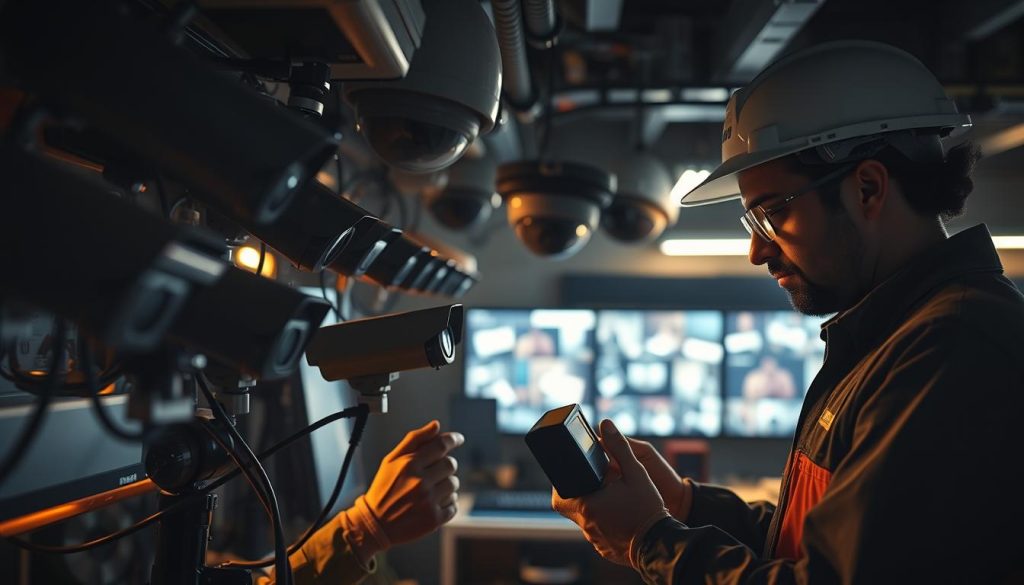
Regular upkeep prevents common issues that affect system performance. Technicians perform thorough lens cleaning every 90 days. This routine maintenance ensures clear image quality and proper functioning.
Firmware updates keep your equipment current with the latest features. These updates address security vulnerabilities and improve functionality. Regular maintenance significantly reduces system failures and false alarms.
24/7 Technical Support and Emergency Response Guarantees
Immediate assistance remains available around the clock. Professional teams provide quick solutions for any technical issues. This support ensures uninterrupted operation of your protection measures.
Emergency response teams typically arrive within 15 minutes. Their rapid intervention minimizes downtime during critical situations. This prompt service maintains continuous site security coverage.
Understanding Service Level Agreements (SLAs) and Uptime
Service agreements define performance standards and response times. These contracts guarantee 98.5% or higher system availability. This reliability provides peace of mind for project managers.
SLAs outline specific maintenance schedules and support response times. They ensure providers meet their commitment to system reliability. These agreements protect your investment in surveillance solutions.
“Comprehensive support services transform equipment rentals into complete protection solutions. They ensure consistent performance without additional management burden.”
Key benefits of professional maintenance include:
- Regular cleaning maintains optimal image quality
- Software updates enhance features and security
- Immediate technical support resolves issues quickly
- Guaranteed uptime ensures continuous protection
- Emergency response maintains system functionality
These services work together to create reliable protection networks. They enhance site safety through consistent operation. Remote monitoring capabilities remain fully functional throughout the rental period.
Solar-Powered and Mobile Units: Security for Any Location
Innovative protection approaches address challenging environments with remarkable efficiency. These advanced surveillance systems adapt to locations without traditional infrastructure. They deliver comprehensive oversight regardless of site conditions.
Achieving Energy Independence for Remote or Off-Grid Sites
Solar-powered surveillance equipment operates completely independently. These units harness renewable energy through integrated panels. They function without external power connections.
Installation typically completes within 45 minutes. This rapid deployment suits time-sensitive projects perfectly. The systems maintain uninterrupted operation through battery storage.
These solutions prove ideal for remote locations. They eliminate fuel costs and reduce maintenance needs significantly. The approach offers substantial operational savings.
The Rapid Deployment Advantage of Mobile Trailer Solutions
Mobile trailer surveillance solutions provide exceptional flexibility. These units relocate easily as project needs evolve. They maintain consistent protection during site changes.
Each trailer covers approximately 500 square meters effectively. This coverage ensures comprehensive monitoring of critical areas. The systems adapt to dynamic construction sites seamlessly.
Quick setup enables immediate protection implementation. Teams can respond rapidly to changing security requirements. This mobility enhances overall site safety.
GPS Tracking and Anti-Theft Measures for Your Equipment
Advanced protection features safeguard the surveillance equipment itself. Integrated GPS tracking provides real-time location monitoring. This technology prevents unauthorized movement.
Anti-theft measures include ruggedized enclosures and alarm systems. These features deter vandalism and equipment tampering effectively. They ensure continuous system functionality.
“Mobile solar solutions represent the future of adaptable site protection. They combine environmental resilience with operational independence.”
These units withstand tropical climates exceptionally well. Their design accommodates high humidity and temperature variations. This durability ensures reliable performance in challenging conditions.
Key benefits include:
- Complete energy independence through solar power
- Rapid deployment capabilities for urgent needs
- Comprehensive coverage of large areas
- Enhanced equipment protection features
- Climate-resistant construction for tropical environments
These innovative surveillance solutions address unique site challenges effectively. They provide flexible protection for dynamic project requirements. The technology ensures reliable monitoring in any location.
Key Criteria for Choosing the Right Rental Provider
Selecting the perfect partner for your monitoring needs requires careful evaluation. The right provider surveillance makes all the difference in project success. This decision impacts both protection quality and regulatory compliance.
Experienced companies bring valuable insights to your project. They understand local challenges and technical requirements. This knowledge ensures smooth implementation and operation.
Evaluating Industry Experience and Local Market Knowledge
Longevity in the field indicates reliability and expertise. Providers like Wen Hong Engineering bring over 25 years of specialized experience. This extensive background translates into practical solutions for complex sites.
Local market knowledge proves equally important. Understanding regional conditions and local regulations ensures proper system configuration. Teams familiar with Singapore’s environment can anticipate unique challenges.
These factors combine to create effective surveillance solutions. They address both technical and regulatory aspects simultaneously. The result is comprehensive protection that meets all requirements.
Assessing the Range of Equipment and Service Offerings
Comprehensive providers offer diverse surveillance systems to match various needs. Their inventory should include basic units and advanced mobile configurations. This variety allows customized solutions for different project phases.
Service quality extends beyond equipment selection. Look for providers offering complete packages including installation and maintenance. 24/7 support ensures continuous operation and quick issue resolution.
- Extensive equipment selection from fixed to mobile units
- Professional installation services by trained technicians
- Regular maintenance schedules for optimal performance
- Round-the-clock technical support availability
- Remote monitoring capabilities for off-site management
Checking Certifications: SSIC, BizSafe, and IMDA Compliance
Industry certifications demonstrate commitment to quality and safety. SSIC recognition indicates adherence to construction industry standards. BizSafe certification shows strong workplace safety practices.
IMDA compliance ensures systems meet Singapore’s technical requirements. These certifications collectively verify provider reliability and capability. They help ensure compliance with all relevant local regulations.
Project managers should verify these credentials during selection. Certified providers deliver proven performance and regulatory adherence. This due diligence prevents future complications and ensures smooth operations.
“The right partnership transforms surveillance from equipment rental to comprehensive protection. Choose providers who demonstrate both technical capability and regulatory knowledge.”
Thorough evaluation leads to successful security partnerships. It ensures your project receives appropriate surveillance solutions. This careful selection process protects your investment throughout the project lifecycle.
Integrating Rental Cameras with Your Existing Site Systems
Modern construction sites often operate multiple protection technologies simultaneously. Proper integration creates a unified defense network that outperforms isolated solutions. This approach maximizes your investment in monitoring equipment.
Successful integration begins with compatibility assessment. Your new equipment should communicate effectively with current setups. This coordination enhances overall site protection significantly.
Compatibility with Access Control and Alarm Systems
Modern surveillance systems connect seamlessly with various protection technologies. ONVIF compatibility allows communication with over 30 different platforms. This standardization ensures smooth data exchange between devices.
Integrated systems work together to detect and respond to threats. When motion detection triggers an alert, cameras automatically focus on the area. Access control systems can lock doors while alarms activate simultaneously.
This coordinated response reduces false alarms by 42% according to industry studies. It eliminates duplicate notifications from separate systems. The result is more accurate threat identification and faster response times.
Centralized Monitoring Through a Single Dashboard
Unified management interfaces simplify oversight for project managers. A single dashboard displays feeds from all connected cameras and sensors. This consolidated view improves situational awareness dramatically.
Remote monitoring capabilities allow off-site access to the entire system. Managers can view real-time monitoring data from any location. This flexibility enhances decision-making during critical situations.
Customizable alerts ensure important notifications receive immediate attention. The system can prioritize alerts based on severity and location. This intelligent filtering helps teams focus on genuine security concerns.
Data Management and Cybersecurity Protocols
Integrated systems require robust data protection measures. AES-256 encryption secures all transmitted footage and alerts. This military-grade encryption prevents unauthorized access to sensitive information.
Automated purging schedules maintain compliance with data retention policies. Systems automatically delete footage after the required retention period. This practice ensures adherence to privacy regulations while managing storage efficiently.
Regular security audits identify potential vulnerabilities in the network. These assessments ensure all components maintain current protection standards. The process helps prevent breaches and ensures data privacy.
“Unified protection systems create synergistic effects where the whole becomes greater than the sum of its parts. Proper integration transforms individual components into comprehensive security ecosystems.”
Key integration benefits include:
- Enhanced coordination between different protection layers
- Reduced false alarms through intelligent system communication
- Simplified management through centralized control interfaces
- Improved response times during security incidents
- Comprehensive data protection through advanced encryption
Proper integration ensures all components work together harmoniously. This approach creates a seamless protection network that adapts to evolving threats. The result is enhanced site safety through coordinated technology deployment.
Best Practices for Implementing Your Surveillance System
Successful protection implementation requires careful planning and execution. Following proven methods ensures your investment delivers maximum value. These approaches create comprehensive coverage while maintaining regulatory compliance.
Conducting a Thorough Risk Assessment and Site Survey
Begin with a comprehensive evaluation of potential vulnerabilities. This critical step identifies areas needing special attention. Proper assessment prevents 89% of coverage gaps.
Survey teams examine terrain and existing structures. They note potential obstacles and lighting conditions. This analysis determines optimal equipment placement.
High-risk areas receive priority consideration. These include entry points and equipment storage zones. Strategic placement ensures complete visibility.
Establishing Clear Data Management and Access Protocols
Data handling requires structured policies for security and compliance. Retention periods typically span 30 days as required by regulations. This timeframe supports thorough incident investigation.
Access controls limit system entry to authorized personnel only. Different permission levels ensure appropriate oversight. These measures protect sensitive information effectively.
Regular audits verify protocol adherence. They identify potential improvements in data management. This ongoing review maintains system integrity.
Training Site Managers on System Use and Incident Response
Proper education ensures teams utilize all available features. Training covers basic operation and advanced functionality. This knowledge enhances overall system effectiveness.
Managers learn to interpret alerts and respond appropriately. This skill reduces false alarms significantly. Quick response capabilities improve site safety.
Regular refresher courses keep skills current. They introduce new features and best practices. Ongoing education maintains peak performance.
“Proper implementation transforms equipment into effective protection. Training and protocols ensure systems operate at full potential.”
Key implementation steps include:
- Comprehensive risk assessment before installation
- Strategic equipment placement based on site survey
- Clear data retention and access policies
- Thorough training for all management personnel
- Regular system audits and performance reviews
These best practices create layered protection zones throughout construction sites. They prioritize coverage for critical areas. This approach enhances overall site safety through comprehensive oversight.
Project managers benefit from real-time monitoring capabilities. These systems provide immediate awareness of site conditions. Proper implementation ensures maximum return on investment.
Calculating the Return on Investment (ROI) of Site Security
Investing in surveillance systems for construction sites proves financially smart. It’s not just an expense—it’s a strategic move that pays off. These systems protect assets and reduce losses from theft and vandalism.
Studies show theft incidents drop by up to 70% with proper monitoring. This saves thousands of dollars annually. Insurance premiums often decrease by 15% when protection measures are in place.
Project managers should compare rental expenses against potential losses. Documented cases reveal ROI ratios of 3:1 from prevented vandalism. This makes surveillance a cost-effective solution with clear financial benefits.
Consider both direct savings and indirect advantages like improved safety. Real-world data supports the value of these investments. They enhance efficiency while protecting your bottom line.
FAQ
What are the primary benefits of renting surveillance equipment for a construction project?
Renting offers significant financial flexibility, eliminating large upfront costs. It provides access to the latest technology, includes professional maintenance and support, and allows for easy scaling as a project evolves. This approach is ideal for meeting temporary needs without long-term capital commitment.
How does the Ministry of Manpower (MOM) in Singapore regulate video surveillance on sites?
The MOM’s Video Surveillance System (VSS) requirements mandate specific standards for equipment. These include minimum resolution, frame rates, and data retention periods. Compliance is not optional; it’s a mandatory condition for operating legally and ensuring site safety.
What advanced capabilities should I look for in a modern system?
Prioritize features like high-definition resolution, infrared night vision, and AI-powered motion detection. These technologies provide clear evidence, enable 24/7 monitoring in all conditions, and send real-time alerts to prevent incidents, drastically enhancing overall site oversight.
Is it more cost-effective to rent or purchase surveillance systems?
For short-term projects, renting is almost always more cost-effective. It transforms a large capital expense into a manageable operational one. When calculating the total cost of ownership over several years, including maintenance and upgrades, renting often proves financially advantageous.
What is included in a typical professional installation and support package?
A comprehensive package begins with a site survey to determine optimal camera placement. Professional installers then set up the equipment to ensure maximum coverage and compliance. Ongoing support typically includes maintenance, troubleshooting, and 24/7 technical assistance to guarantee uninterrupted operation.


