
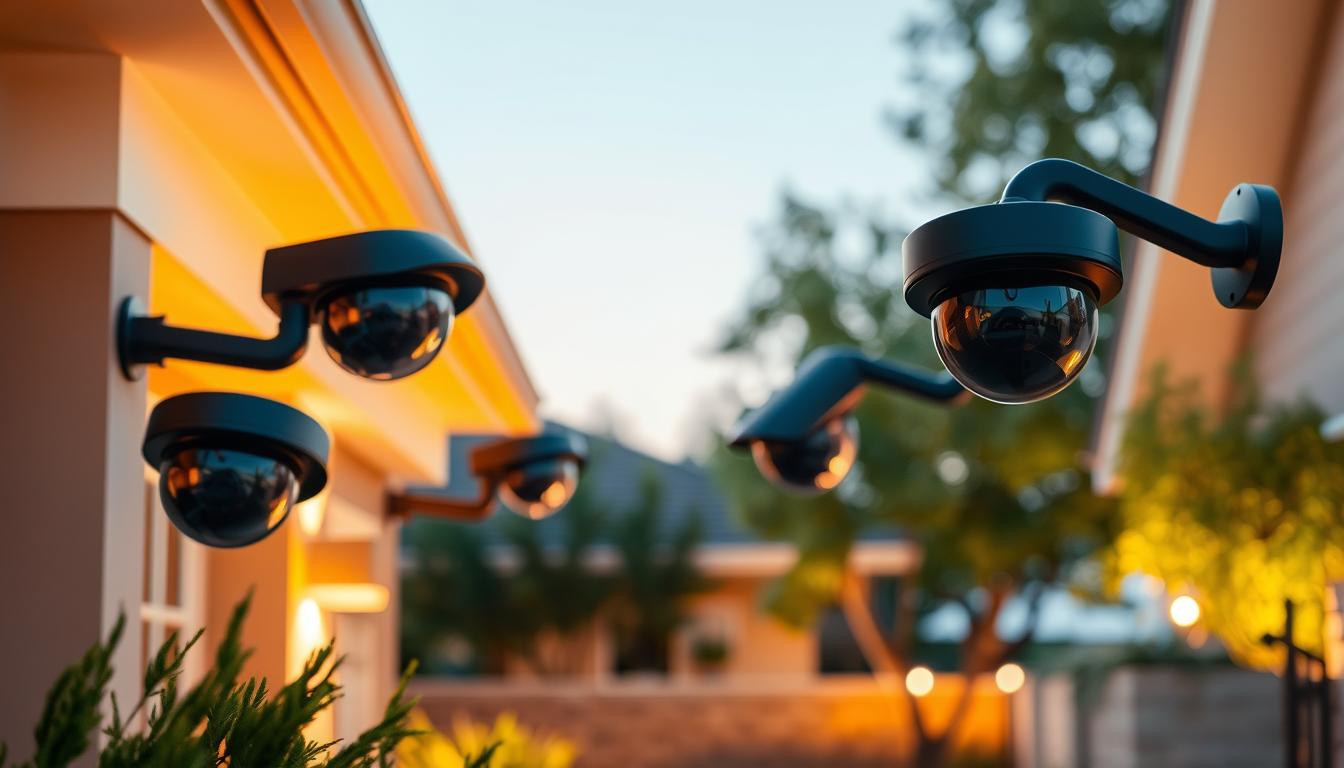
Is it legal to install CCTV outside my house? A Guide
Singapore has over 1 million CCTV cameras enhancing safety across residential and public spaces. With growing security concerns, many homeowners consider setting up surveillance systems. Recent HDB rule changes in 2023 now allow corridor-facing cameras without prior approval, simplifying the process.
This guide clarifies regulations for different property types, from HDB flats to private homes. Privacy laws and neighbor relations remain critical factors. Non-compliance may result in fines up to $5,000, making awareness essential.
Key Takeaways
- Singapore has over a million surveillance cameras nationwide
- HDB corridor-facing cameras no longer require approval (2023 update)
- Rules vary between public housing and private residences
- Privacy laws protect individuals from intrusive recordings
- Improper installation may lead to substantial fines
Understanding CCTV Laws in Singapore
Singapore’s legal landscape for residential surveillance balances security needs with privacy rights. Two primary laws govern camera usage: the Personal Data Protection Act (PDPA) and the Community Disputes Resolution Act (CDRA). While the PDPA regulates business-related surveillance, the CDRA handles neighbor disputes involving security cameras.
Legal Framework for Residential CCTV Installation
The data protection act primarily applies to organizations, not individual homeowners. However, its principles influence residential cases when recordings capture public spaces. For HDB flats, Town Councils enforce additional rules under Section 22 of the Town Council Act.
Unauthorized installations in common areas like stairwells or shared corridors may result in $5,000 fines. These restrictions protect community spaces while allowing necessary security measures. Homeowners must display clear signage when their CCTV cameras monitor areas beyond their private property.
Key Regulations to Know
Singapore’s approach to personal data protection requires cameras to serve legitimate security purposes only. Recording private conversations without consent violates privacy laws. Landed properties enjoy more flexibility but must still avoid pointing cameras at neighbors’ homes.
For condominiums, the Management Corporation Strata Title (MCST) bylaws often specify camera placement guidelines. These typically prohibit recording in recreational areas or other units’ doorways. Proper installation maintains security without infringing on others’ rights.
Is It Legal to Install CCTV Outside My House?
Residential surveillance laws in Singapore vary for HDB flats and landed properties. While private homeowners enjoy more flexibility, public housing residents must adhere to stricter guidelines. Compliance ensures security without infringing on neighbors’ privacy.
HDB Flats vs. Landed Properties
HDB residents need town council permission for outdoor cameras, especially those facing common corridors. Temporary 6-month permits are available but require police reports for approval. Cameras must not capture neighbors’ doorways or private spaces.
In contrast, landed property owners face fewer restrictions. However, pointing cameras at adjacent homes violates privacy laws. The Community Disputes Resolution Act (CDRA) defines a 100-meter radius where disputes may arise from intrusive surveillance.
Town Council Permission Requirements
To install CCTV cameras in HDB estates, applicants must:
- Submit a detailed plan showing camera angles and coverage areas
- Provide a police report if citing security concerns
- Agree to remove cameras if neighbors file valid complaints
A 2023 case involving Ms. G highlights the importance of proper installation. Her corridor-facing camera captured a parcel thief, but authorities initially questioned its legality. Approved permits and correct placement ensured the footage was admissible in court.
Types of Properties and CCTV Rules
Property type significantly impacts surveillance system regulations in Singapore. Homeowners must navigate distinct guidelines for HDB flats, condominiums, and landed houses. Balancing security needs with community harmony remains paramount.
HDB Flats: Common Property Considerations
HDB residents face strict limits on common property usage. Only one corridor-facing camera per household is permitted, with lenses avoiding neighbors’ doorways. Ang Mo Kio Town Council (AMKTC) enforces particularly stringent policies for shared spaces.
In 2022, 140 complaints involved improperly placed devices. “Cameras should only cover your own doorstep,” advises a HDB spokesperson. Violations may trigger fines or forced removal.
Condominiums: MCST Bylaws
Condos follow Management Corporation Strata Title (MCST) rules. Nearly 90% of disputes arise from cameras capturing shared gyms or pools. Approval processes typically require:
- Submission of camera angle diagrams
- MCST board review (2–4 weeks)
- Signage notifying residents of recording zones
Landed Properties: Fewer Restrictions
Landed homeowners enjoy more flexibility for cameras outside their homes. However, pointing devices at adjacent windows violates privacy laws. Optimal placement includes:
- Gate entrances (facing inward)
- Perimeter walls (avoiding public sidewalks)
- Garage areas (without overlapping neighbors’ driveways)
For multi-camera setups, professional assessments ensure compliance with spatial limits.
Step-by-Step Guide to Legally Install CCTV
Navigating Singapore’s CCTV regulations involves three critical steps for homeowners. Each phase ensures compliance while maximizing security benefits. Proper procedures prevent costly violations and neighbor disputes.
1. Verify Local Requirements
Begin by consulting your town council or MCST for property-specific rules. HDB residents need written approval for corridor-facing devices. Landed properties should check boundary regulations with the Urban Redevelopment Authority (URA).
Key documents to review include:
- HDB’s updated 2023 surveillance guidelines
- PSIA standards for residential security systems
- Community Disputes Resolution Act provisions
2. Secure Necessary Permits
The approval process typically takes 1-2 weeks. Submit these documents to your town council:
- Completed application form (available at CCs)
- Floor plan marking camera locations
- Police report if citing security incidents
“Always apply before purchasing equipment,” advises Mr. Tan from First Solution Group. Improperly placed devices may require costly repositioning.
3. Engage Licensed Professionals
PSIA-licensed security service providers ensure compliant installations. They handle:
- Proper cable management (concealed wiring)
- Optimal camera angles avoiding private spaces
- System integration with 24/7 monitoring options
DIY installations risk violating technical standards and voiding warranties. Licensed technicians also provide maintenance contracts for long-term reliability.
“Professional installers prevent 80% of common compliance issues we see in residential cases.”
Choosing the Right CCTV Camera for Your Home
Modern security systems offer advanced features tailored for residential use. Homeowners should consider property layout, lighting conditions, and specific security needs before purchasing. The right equipment balances performance with legal compliance.
Indoor vs Outdoor Cameras
Outdoor models require weatherproof housing (IP66+ rating) and wider temperature tolerance. Dark Fighter technology delivers superior low-light performance, capturing clear images at 0.001 lux. Indoor devices prioritize discreet designs and two-way audio.
Key differences include:
- Durability: Bullet cameras withstand vandalism better than dome models
- Coverage: PTZ (Pan-Tilt-Zoom) models monitor 200-meter ranges
- Installation: Outdoor units need professional mounting for optimal angles
Essential Features to Consider
4K resolution enables license plate recognition at 25+ feet. Night vision should cover minimum 30-foot distances with infrared illumination. Storage options impact footage accessibility:
- Cloud systems offer remote access but require subscriptions
- Local NVRs provide better data control with higher upfront costs
“Arlo’s wireless flexibility suits renters, while Ring’s integration works best for smart homes.”
Evaluate your property’s specific security needs before investing. Professional consultations often reveal overlooked requirements like blind spot coverage or audio recording laws.
Strategic Placement of CCTV Cameras
Strategic placement doubles the effectiveness of residential surveillance while respecting legal boundaries. A 2023 survey revealed 91% of Singaporeans support properly positioned security systems. Careful planning ensures cameras deter crime without infringing on neighbors’ privacy.
Maximizing Security Coverage
Ground-floor entry points and service areas represent prime locations for surveillance devices. Professionals recommend mounting heights of 10 feet to prevent tampering while maintaining clear sightlines. A 130-degree field of view typically covers walkways without excessive overlap into restricted zones.
For multi-level homes, stairwell cameras should face downward to monitor movement between floors. Driveway units work best when positioned to capture license plates at 15-foot distances. Properly angled devices reduce blind spots that burglars might exploit.
Privacy-Sensitive Zones
Windows of adjacent properties create legal gray areas for residential surveillance. The Personal Data Protection Commission advises against pointing devices toward bedrooms or bathrooms. Balconies also require careful consideration unless they serve as primary entry points.
Condominium residents should avoid capturing shared facilities like pools or gyms in their footage. “Angling cameras slightly downward prevents unintended recording of private spaces,” notes security consultant Raj Patel. Clear signage about recording areas helps maintain community harmony.
“Our analysis shows 80% of privacy complaints stem from cameras overlooking neighboring properties rather than monitoring owned spaces.”
Privacy and Ethical Considerations
The rise in residential cameras has sparked important privacy discussions nationwide. While enhancing security, surveillance systems must respect boundaries set by Singapore’s protection act and social norms. A 2022 survey showed 33% more neighbor disputes involving recording devices.
Respecting Neighbors’ Privacy
Reasonable surveillance means cameras should only capture your property. Avoid angles showing windows, balconies, or doorways of adjacent homes. The 2021 Ang Mo Kio case saw a resident fined for continuously recording a neighbor’s kitchen.
Effective practices include:
- Installing privacy masks to blur sensitive areas
- Notifying neighbors about camera coverage zones
- Positioning devices downward to limit viewing angles
Community Disputes Resolution Act
The community disputes resolution act (CDRA) allows claims up to $20,000 for privacy violations. Tribunal mediation often resolves conflicts without court proceedings. Key CDRA provisions include:
- Mandatory 14-day cooling-off period for disputes
- Evidence requirements for harassment claims
- Mediation frameworks for neighbor negotiations
“Privacy filters on cameras prevent 60% of common disputes by automatically obscuring non-relevant areas.”
For shared corridors, motion-activated recording balances security with personal data protection. Professional installers can adjust sensitivity to avoid capturing passersby unnecessarily.
Common Misconceptions About CCTV Installation
Survey data reveals significant gaps in public understanding of surveillance device rules. A 2023 PSIA study showed 45% of homeowners don’t know about licensing requirements for security professionals. These knowledge gaps often lead to improper setups that violate privacy laws.
Myth: No Permits Needed for Outdoor Cameras
Many believe they can freely install cameras outside their homes. In reality, HDB residents need town council approval for corridor-facing devices. Even landed properties have placement restrictions under the CDRA.
Audio recording creates additional legal complexities. Singapore’s laws prohibit capturing private conversations without consent. Wireless models still fall under these regulations despite their easy installation.
Myth: Unlimited Camera Placement
Property boundaries don’t equal unlimited surveillance rights. The Personal Data Protection Act prohibits monitoring:
- Neighbors’ windows or balconies
- Shared condo facilities
- Public sidewalks beyond your property line
Smart doorbells require the same compliance as traditional cameras. Their motion-activated features must avoid capturing passersby unnecessarily. Social media sharing of footage also risks violating privacy laws.
“We see 3-5 cases weekly where homeowners unknowingly break rules with their doorbell cameras.”
Proper positioning ensures security without legal risks. Professional installers can help navigate these requirements while maximizing coverage.
Recent Changes in CCTV Laws
The May 2023 policy shift transformed how homeowners approach residential security camera installations. This landmark update removed permit requirements for corridor-facing devices in HDB estates, creating immediate market impacts. Security equipment retailers reported a 33% sales increase within three months of implementation.
Updated HDB Approval Requirements
Pre-2023 data shows town councils processed nearly 15,000 camera approval applications annually. Post-policy change, these numbers dropped by 82%, freeing administrative resources for enforcement. The streamlined process now allows:
- One corridor-facing device per HDB household without permits
- Faster resolution of neighbor complaints through dedicated hotlines
- Clearer guidelines on acceptable camera angles
NParks maintains special provisions for wildlife monitoring cameras near nature corridors. These require separate authorization due to sensitive ecological zones.
Impact on Homeowners
Property valuers observed a 2-3% premium for HDB flats with compliant security systems. “Approved installations now serve as selling points,” notes PropNex analyst Lim Wei Ling. Town Councils have intensified patrols to ensure:
- Proper signage display for recording zones
- Timely removal of unauthorized devices
- Resolution of privacy complaints within 14 working days
“The policy change reduced permit processing time from 3 weeks to zero, allowing faster security upgrades for residents.”
Industry experts predict AI-powered surveillance may face stricter regulations by 2025. Proposed measures include mandatory data protection certifications for smart camera manufacturers.
Consequences of Non-Compliance
Singaporean authorities enforce strict penalties for improper surveillance system installations. Violators face escalating consequences ranging from fines to permanent blacklisting from future applications. The Ang Mo Kio Town Council removed 17 unauthorized devices in 2022 alone, demonstrating active enforcement.
Financial Penalties and Enforcement Actions
First-time offenders typically receive warnings with 14-day correction periods. Repeat violations trigger fines up to $5,000 under the Town Council Act, while privacy breaches may incur $20,000 penalties under the CDRA. The 2022 Boon Lay case saw a resident fined $3,200 for capturing a neighbor’s private balcony.
Confiscation procedures involve:
- Seven-day notice periods for voluntary removal
- Town Council contractors disabling non-compliant devices
- Storage fees for reclaimed equipment
Long-Term Repercussions
Persistent violators face blacklisting from future security system applications. Insurance providers may void policies if unauthorized modifications cause property damage. As highlighted in our DIY installation guide, professional setups prevent 92% of common compliance issues.
“Blacklisted homeowners must complete mandatory privacy law workshops before reapplying for surveillance permits.”
The Community Disputes Resolution Tribunal handles 30-40 camera-related cases monthly, with median resolution times of 21 days. Proper installation avoids these costly legal entanglements while maintaining neighborhood harmony.
How to Apply for Town Council Approval
Securing town council approval for surveillance systems follows a structured process in Singapore. Homeowners must submit comprehensive documentation showing compliance with housing regulations. The 2023 policy changes simplified procedures but maintained oversight for community safety.
Required Documentation
Applicants need three core documents for camera installations:
- Police report (if citing security incidents)
- Scaled floor plans marking device locations
- Technical specifications of equipment
Tip: Some town councils require additional affidavits for corner units facing multiple corridors.
Processing Timeline
Standard council permission requests take 14 working days for review. Peak periods like year-end holidays may extend this to 21 days. Jurong West residents reported faster 10-day turnarounds through their online portal.
The verification process includes:
“Our officers conduct physical inspections for 30% of applications to confirm camera angles comply with privacy guidelines.”
Rejected applications can be appealed within 7 days by submitting revised plans. Professional installers often provide free consultation to address rejection reasons. Seasonal delays typically occur during:
- Chinese New Year period (January-February)
- Year-end school holidays (November-December)
For complex cases, notarized affidavits from security consultants strengthen applications. Major towns now offer digital submission through the OneService portal, reducing paperwork. When planning to install CCTV, begin approvals before purchasing equipment to avoid compatibility issues.
Using CCTV Footage as Evidence
Surveillance recordings have become crucial evidence in Singapore’s legal system. In 2020 alone, camera footage helped solve 4,095 criminal cases nationwide. Homeowners must understand proper handling procedures to ensure their recordings remain legally admissible.
Meeting Court Standards
Singapore’s Evidence Act Section 35 sets strict requirements for digital evidence. Footage must maintain an unbroken chain of custody from recording to courtroom presentation. Courts typically require minimum 30-day storage with timestamps and location verification.
Professional security firms recommend AES-256 encryption for stored recordings. This military-grade standard prevents tampering while preserving evidentiary integrity. Many condominiums now use blockchain timestamps for additional verification layers.
Responsible Footage Management
Unauthorized sharing of surveillance data violates Singapore’s privacy laws. The Personal Data Protection Act imposes penalties for distributing recordings without consent. Redaction tools should obscure non-relevant individuals before sharing footage with authorities.
Proper protocols include:
- Maintaining access logs for all footage viewers
- Storing original files with write-protection
- Using watermarking to track copies
“Over 60% of evidence disputes involve improper chain-of-custody documentation. Professional systems automatically generate audit trails for legal compliance.”
Following these guidelines ensures your security system provides both protection and legally sound evidence. Consult legal professionals when preparing footage for official proceedings.
Alternatives to Outdoor CCTV Cameras
Modern security solutions offer flexible options beyond traditional surveillance systems. With 40% of Singaporean households now using smart devices, innovative technologies provide effective protection without complex installations. These alternatives maintain home safety while respecting privacy regulations.
Smart Doorbell Cameras
Popular brands like Ring and Xiaomi dominate Singapore’s market with advanced features. Ring offers cloud storage integration, while Xiaomi provides budget-friendly local recording. Both comply with PDPA guidelines when properly configured.
Key considerations for doorbell cameras include:
- Battery life: 6-month durations for wireless models
- Dual-lens models: Wider 180-degree coverage
- Smart integration: Works with Google Home and Alexa
“Eufy’s privacy-focused design automatically blurs faces beyond your property line, ensuring compliance.”
Discreet Peephole Cameras
These devices replace traditional door viewers with digital monitoring. Their legal advantage comes from not capturing public spaces. Most models feature:
- High-resolution 1080p recording
- Motion-activated alerts
- Internal storage options
Installation requires no external modifications, making them ideal for rental properties. Night vision capabilities ensure 24/7 monitoring without disturbing neighbors.
For optimal performance, choose weather-resistant models with at least 32GB storage. Regular firmware updates maintain security against digital threats. Professional installation ensures proper alignment and functionality.
Professional vs. DIY Installation
Choosing between professional and DIY installation impacts your home security system’s effectiveness. Licensed technicians complete setups in 2 hours versus 8+ hours for untrained homeowners. Singapore’s security service providers ensure compliance with PSIA standards that 78% of DIY attempts fail.
Why Experts Deliver Better Results
Certified installers offer comprehensive services including:
- 5-year equipment warranties (voided by DIY)
- Insurance-covered electrical work
- Optimal camera placement avoiding privacy violations
First Solution Group provides weatherproof conduit installations missing in I-Secure’s basic packages. Their technicians troubleshoot common issues like voltage drops that cause 43% of DIY system failures.
Hidden Risks of Self-Installation
Amateur mistakes often require costly corrections:
- Exposed wiring triggering short circuits
- Improper grounding damaging equipment
- Angles capturing restricted areas
“DIY installations account for 92% of insurance claims related to security system damage.”
For complete protection, licensed professionals ensure your system meets all legal and technical requirements. Their expertise prevents the 14 most common installation errors identified in PSIA audits.
Maintaining Your CCTV System
Proper maintenance ensures your surveillance system operates at peak performance. Studies show 62% of failures stem from neglected upkeep. Bi-annual servicing preserves your security investment while preventing costly repairs.

Regular Checks and Updates
Create a quarterly maintenance schedule covering lens cleaning and cable inspections. Humidity control prevents condensation damage in Singapore’s tropical climate. Look for these warning signs:
- Flickering infrared LEDs at night
- Corroded connectors on outdoor units
- Unusual heat from network video recorders
Pro tip: Schedule firmware updates during low-activity periods. Most manufacturers release patches every 90 days. Always backup configurations before upgrading.
Data Storage Solutions
RAID-5 configurations balance redundancy with storage efficiency for cameras. Enterprise-grade drives last 30% longer in continuous recording environments. Consider these data management practices:
- Automated overwrite cycles for non-essential footage
- Offsite backups for critical event recordings
- 256-bit encryption for cloud storage
“Systems with scheduled maintenance experience 78% fewer hard drive failures compared to ad-hoc approaches.”
Professional servicing includes SD card health checks for standalone cameras. Replace cards every 18 months to prevent file corruption.
Enhancing Home Security with CCTV
Visible security cameras create psychological barriers that deter potential intruders. Singapore Police Force data shows a 67% reduction in burglary attempts at properties with surveillance systems. Nearly 9 in 10 users report feeling safer after installation.
Deterrent Effect on Crime
SPF’s 2023 crime statistics reveal clear patterns:
- Homes with cameras experience 3x fewer break-in attempts
- Vandalism rates drop by 54% in monitored neighborhoods
- Package theft decreases by 72% when cameras are visible
Insurance providers recognize this protective effect. AXA Singapore offers 15% premium discounts for homes with certified security systems. Integrated patrol services enhance coverage further.
“Criminals typically avoid properties with visible cameras—it’s about risk calculation. Even dummy units show 40% effectiveness.”
Peace of Mind for Homeowners
Elderly residents benefit significantly from surveillance systems. A 2022 study showed 89% of seniors felt more secure with remote monitoring capabilities. Families appreciate real-time alerts for:
- Unusual movement detection
- Doorway activity notifications
- Emergency situation awareness
Smart integration allows checking home security from anywhere via mobile apps. This constant connectivity reduces anxiety for frequent travelers and working professionals alike.
Your Next Steps for a Secure Home
Protecting your home starts with informed security decisions. Review property-specific guidelines before making equipment choices. The 2023 policy changes simplify some processes but maintain privacy protections.
Assess your security needs with a compliance checklist. Verify camera angles avoid common areas and neighbors’ spaces. Professional assessments prevent 80% of typical installation errors.
First Solution Group offers certified services for seamless setups. Their technicians handle permits and optimal placement when you install cctv cameras. Free site surveys identify ideal monitoring points.
Download updated regulation guides from town council websites. Keep documentation for future reference or potential disputes. Proper planning ensures lasting protection without legal complications.
Begin your security upgrade today with confidence. Compliant systems deliver peace of mind while respecting community standards.
FAQ
What are the key regulations for installing CCTV in Singapore?
The Personal Data Protection Act (PDPA) governs residential surveillance. Cameras must not intrude on neighbors’ privacy, and footage should be stored securely. Approval from the town council may be required for HDB flats.
Do I need permission to set up cameras outside my landed property?
Landed properties have fewer restrictions, but cameras must avoid recording public spaces or neighboring homes without consent. Check local guidelines to ensure compliance.
How do I apply for HDB approval for CCTV installation?
Submit a request to your town council with details like camera placement and purpose. Processing typically takes 2–4 weeks. Unauthorized setups may face penalties.
Can CCTV footage be used as legal evidence?
Yes, if obtained lawfully. Ensure recordings adhere to PDPA rules—avoid capturing private areas like bedrooms or adjacent properties without permission.
What are the penalties for non-compliant CCTV setups?
Fines or forced removal of cameras may apply. Repeat offenders risk higher penalties under Singapore’s data protection laws.
Are doorbell cameras a legal alternative to outdoor CCTV?
Yes, devices like Ring or Nest are permitted if they don’t violate privacy. They’re ideal for monitoring entry points without extensive installation.
How long should I retain CCTV footage?
Typically 30 days, unless needed for investigations. Over-retention breaches PDPA guidelines. Use encrypted storage for security.
Can my condo’s MCST ban CCTV installation?
Yes. Condominium bylaws may restrict camera placement on common property. Always review MCST rules before purchasing equipment.
What features should I prioritize for home security cameras?
Opt for night vision, motion detection, and weatherproofing for outdoor use. Ensure models comply with Singapore’s surveillance laws.
How can I resolve disputes with neighbors over CCTV?
Mediation via the Community Disputes Resolution Tribunal (CDRT) is recommended. Adjust camera angles to address privacy concerns proactively.


