
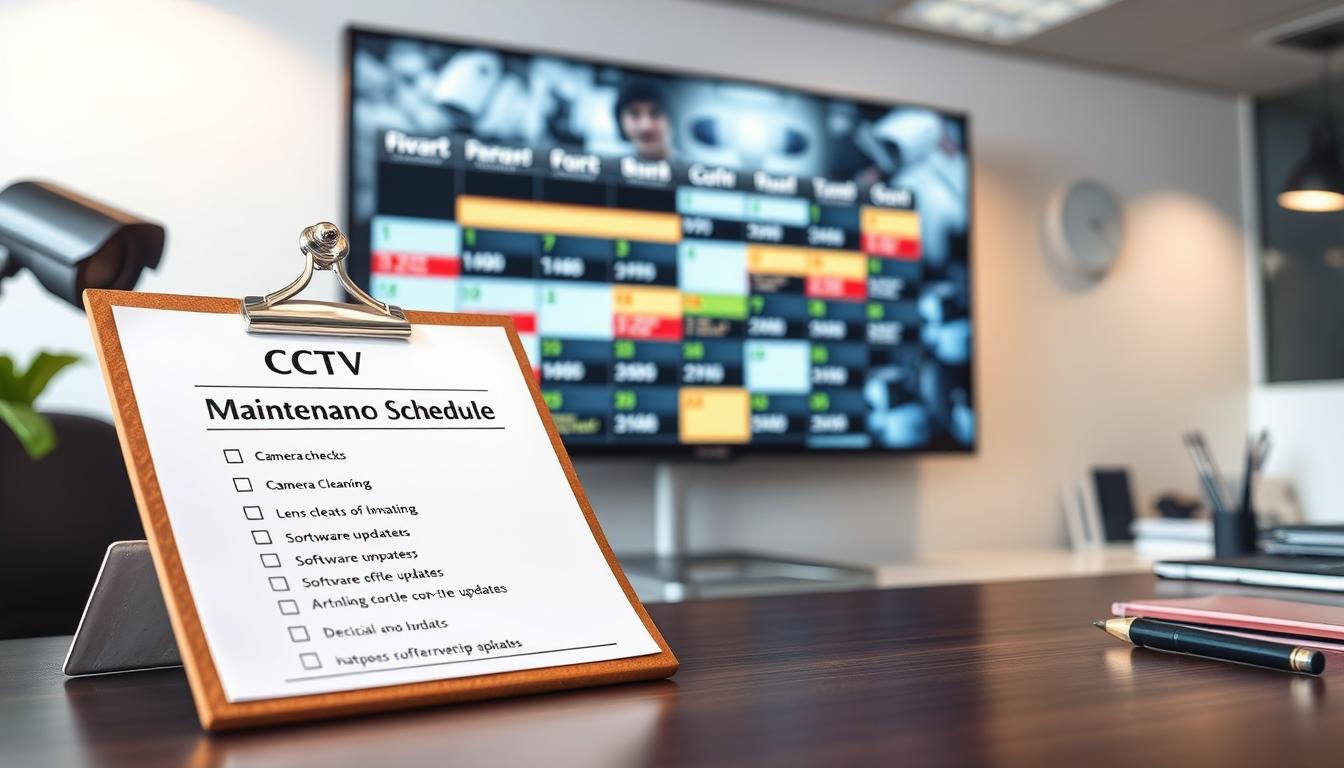
How often should CCTV be serviced? A Guide
Your surveillance system is a vital part of your property’s protection. Regular upkeep keeps it running smoothly and reliably. A good maintenance plan prevents unexpected problems and costly repairs.
Neglecting your security cameras can lead to poor image quality and system failures. Dust on camera lenses and outdated settings hurt performance. Proactive care finds issues early and keeps your footage clear.
This guide covers the best practices for maintenance. We will discuss recommended service frequencies and signs you need attention. Both home and business owners in Singapore will find this useful.
Sticking to a schedule extends your equipment’s life. It also ensures compliance with local standards and saves money over time. Protect your investment and your safety with consistent checks.
Key Takeaways
- Regular maintenance prevents system failures and ensures clear image quality.
- Proactive checks help identify issues like dust accumulation early.
- A structured upkeep plan extends the lifespan of your surveillance equipment.
- Consistent servicing leads to significant cost savings and avoids emergencies.
- Maintaining your system ensures reliability and uninterrupted monitoring.
- Adhering to a schedule helps meet legal standards and security needs in Singapore.
- Quality footage is crucial for effective evidence collection and safety.
Why Regular CCTV Maintenance is Non-Negotiable for Security
A well-maintained CCTV network forms the backbone of any security strategy. Consistent upkeep ensures your surveillance system operates at peak performance when you need it most. This proactive approach prevents unexpected failures and maintains uninterrupted monitoring.
The Direct Link Between Servicing and System Reliability
Regular maintenance keeps your security cameras functioning optimally. Professional checks identify potential problems before they escalate into system failures. This preventative care ensures all components work together seamlessly.
Dust accumulation on camera lenses can dramatically reduce image quality. Humidity in Singapore’s climate accelerates corrosion in electrical components. Scheduled cleaning and inspections prevent these common issues.
Software updates are equally important for system reliability. Outdated firmware can create security vulnerabilities and compatibility problems. Professional servicing includes these critical updates.
Avoiding Costly Emergencies Through Proactive Care
Minor issues become major repairs without regular attention. Loose wiring connections can lead to complete system failures. Early detection through maintenance checks saves significant repair costs.
Replacing entire cameras costs far more than routine lens cleaning. Emergency service calls typically carry premium pricing compared to scheduled maintenance. A structured maintenance plan proves cost-effective over time.
Environmental factors in Singapore demand particular attention. High humidity requires more frequent checks for moisture damage. Dust from urban environments necessitates regular lens cleaning.
Upholding Legal and Compliance Standards in Singapore
Singapore has specific regulations governing surveillance systems and data protection. Maintenance ensures your equipment meets these legal requirements. Non-compliance can result in significant fines.
Clear, uninterrupted footage is often necessary for legal evidence. Poor maintenance can render recordings unusable in investigations. This creates potential legal complications for property owners.
Data protection standards require secure system operation. Regular updates protect against cyber threats to your surveillance system. This maintains privacy compliance for recorded footage.
Investing in regular maintenance is essential for comprehensive security. It protects your financial investment while ensuring legal compliance. Most importantly, it provides peace of mind through reliable protection.
Key Benefits of a Consistent CCTV Servicing Schedule
A disciplined servicing approach transforms your security cameras from reactive tools to proactive assets. This strategic maintenance delivers tangible advantages that strengthen your entire protection framework.
Maximizing Surveillance Uptime and System Availability
Regular checks prevent unexpected outages that compromise security. Professional maintenance identifies potential failures before they disrupt monitoring.
Consistent upkeep ensures cameras remain operational during critical moments. This reliability is essential for continuous property protection.
- Prevents recording gaps through storage device verification
- Maintains remote access functionality for mobile monitoring
- Ensures uninterrupted coverage during security incidents
Ensuring Crystal-Clear Image Quality for Evidence Collection
Lens cleaning removes dust and debris that obscure crucial details. Calibration maintains optimal focus for identification purposes.
High-quality footage becomes invaluable evidence during investigations. Maintenance preserves this evidential integrity over time.
Night vision performance improves with sensor cleaning and setting adjustments. Low-light capture quality remains consistently reliable.
Extending the Operational Lifespan of Your Equipment
Proactive care significantly reduces replacement costs over time. Well-maintained systems operate efficiently for years longer.
Software updates enhance features while addressing security vulnerabilities. These updates keep your system current with technological advances.
Physical components receive protection against environmental damage. Regular inspections prevent corrosion and weather-related deterioration.
Comprehensive maintenance demonstrates commitment to security, potentially reducing insurance premiums through proven risk management.
These collective advantages provide peace of mind for property owners. Robust protection becomes achievable through consistent, professional upkeep.
Top Signs Your CCTV System Is Begging for Service
Your security setup gives subtle clues when it needs professional attention. Recognizing these signals early prevents bigger issues. Timely action keeps your protection strong and reliable.
Identifying Problems Early: Blurry or Pixelated Footage
Clear images are crucial for effective monitoring. Blurry or distorted footage often means dirty lenses. Dust accumulation reduces visibility significantly.
Pixelation indicates potential calibration issues. Sensors might need cleaning or adjustment. These problems hurt identification capabilities.
Regular checks help maintain optimal performance. Professional cleaning restores crystal-clear quality. Don’t ignore deteriorating image clarity.
Unexplained Gaps in Recording and Missed Events
Missing footage creates dangerous security blind spots. Recording gaps suggest hardware malfunctions. Storage devices might need verification.
DVR or NVR units could have internal issues. Wiring problems often cause intermittent failures. These gaps compromise entire surveillance efforts.
Immediate inspection identifies the root cause. Professional diagnosis prevents recurring problems. Complete coverage depends on consistent recording.
Physical Damage, Corrosion, or Weather-Related Wear
Singapore’s climate accelerates equipment deterioration. High humidity promotes corrosion on metal components. Regular exposure requires frequent inspections.
Cracked housings need urgent replacement. Weather damage affects waterproofing integrity. These issues demand professional repairs.
Vandalism attempts might misalign camera angles. Tampering signs necessitate immediate recalibration. Physical integrity ensures uninterrupted monitoring.
- Frequent disconnections indicate power supply issues
- Poor night vision signals sensor cleaning needs
- Error messages point to internal system faults
- Slow playback suggests hardware slowdowns
- Remote access problems require network checks
Proactive maintenance catches these issues early. Professional CCTV maintenance services provide comprehensive solutions. Addressing warning signs promptly prevents total system failures.
Your security investment deserves consistent attention. Regular upkeep ensures reliable protection year-round.
How Often Should CCTV Be Serviced? The Core Recommendation
Establishing a consistent maintenance rhythm is fundamental for surveillance reliability. Proper timing prevents most common technical issues while maximizing equipment longevity. This structured approach balances thoroughness with practicality.
The Industry Standard: Bi-Annual and Annual Service Intervals
Security professionals generally recommend bi-annual inspections for critical surveillance setups. High-traffic commercial locations benefit from six-month intervals. This frequency addresses wear from constant operation.
Standard residential installations typically require annual professional attention. Yearly servicing maintains optimal performance for most home security cameras. This schedule suits moderate-usage environments.
Older analog systems often need quarterly checkups. Aging components demand more frequent monitoring. Modern digital systems generally require less intensive upkeep.
Understanding the Difference Between Basic Checks and Full Service
Basic inspections involve visual assessments and simple verifications. Property owners can perform these monthly checks themselves. They include lens cleaning and recording tests.
Full professional service encompasses comprehensive system evaluation. Technicians perform hardware diagnostics and software updates. They also conduct compliance audits and detailed cleaning.
Singapore’s climate necessitates additional attention during monsoon seasons. Humidity and dust require more frequent professional intervention. Environmental factors significantly impact maintenance needs.
Regular basic checks reduce the frequency of required full services, creating long-term cost savings while maintaining system reliability.
Professional maintenance includes detailed health reports. These documents help track equipment performance over time. They inform future servicing decisions and budget planning.
Understanding this distinction helps allocate resources effectively. It ensures appropriate attention for different system components. This knowledge supports either in-house management or professional contracts.
Following these core recommendations extends equipment lifespan significantly. It prevents image degradation and unexpected failures. Most importantly, it ensures continuous protection for Singaporean properties.
Tailoring Your Service Frequency: Residential vs. Commercial Needs
Different environments demand unique maintenance approaches. Your property type determines the right care schedule. Proper planning ensures optimal protection without unnecessary costs.
Singapore properties vary from quiet homes to busy malls. Each setting presents distinct security challenges. Matching maintenance to actual usage prevents both overspending and vulnerabilities.
CCTV Care for Singaporean Homes and Low-Traffic Areas
Residential systems typically experience lighter usage. Annual professional inspections usually suffice for most homes. Monthly visual checks by homeowners maintain performance between visits.
Basic maintenance tasks are manageable for residents. Lens cleaning and recording verification keep systems functional. These simple actions prevent most common problems.
Environmental factors still require attention. Weather exposure can affect outdoor cameras. Regular visual inspections catch weather-related damage early.
The Demands of High-Traffic Commercial and Retail Spaces
Commercial installations face constant operation and higher risks. Quarterly professional service becomes essential for reliability. This frequency addresses heavy usage and security requirements.
Integrated systems need coordinated maintenance. Access control and alarm systems require simultaneous checks. Complex setups demand professional expertise for proper upkeep.
Data management is critical for business surveillance. Storage systems handle large volumes of footage. Regular verification ensures continuous recording capability.
- Vandalism risks necessitate frequent physical inspections
- Network connectivity requires constant monitoring
- Compliance standards demand documented maintenance records
- Multiple camera angles need regular alignment checks
Commercial properties benefit from service contracts. Professional teams provide consistent care. Scheduled visits prevent disruptions to security operations.
Understanding these differences helps create effective maintenance plans. Residential users save money with lighter schedules. Businesses invest in comprehensive protection.
Both approaches prioritize safety and system reliability. The right balance depends on individual security needs. Proper planning ensures optimal performance for any property type.
Critical Factors That Influence Your CCTV Service Intervals
Multiple elements determine the ideal frequency for maintaining your surveillance equipment. Understanding these variables helps create a customized schedule that matches your specific situation. This personalized approach ensures optimal performance without unnecessary expenses.
Assessing Environmental Impact: Weather, Dust, and Vandalism
Singapore’s tropical climate presents unique challenges for outdoor installations. High humidity accelerates corrosion on metal components and electrical connections. Regular exposure to rain requires more frequent weatherproofing checks.
Urban environments generate significant dust accumulation. Construction sites and traffic increase particulate matter that coats camera lenses. This buildup reduces image quality and can cause internal damage over time.
Vandalism-prone locations demand additional attention. Tampering attempts may misalign camera angles or damage housings. Regular inspections verify proper positioning and functionality after potential interference.
- Humid conditions necessitate corrosion checks every 3-6 months
- Dusty environments require monthly lens cleaning for clear footage
- High-risk areas benefit from weekly physical integrity verification
- Outdoor installations need seasonal weatherproofing assessments
How System Age, Technology, and Usage Patterns Dictate Care
Older analog systems generally require more intensive maintenance schedules. Aging components experience natural wear and may need more frequent replacements. Outdated technology often lacks modern protective features.
Modern digital systems typically offer better reliability with less upkeep. However, advanced features like AI analytics require regular software updates. These technological enhancements demand specialized maintenance attention.
Usage intensity significantly impacts service needs. Systems operating 24/7 experience faster component degradation. High-traffic areas accumulate more environmental debris on equipment surfaces.
Heavily used commercial systems may require quarterly professional service, while residential setups often function optimally with annual maintenance.
The Role of System Complexity and Integration with Other Security
Integrated security networks demand coordinated maintenance approaches. Cameras connected to access control or alarm systems require simultaneous checks. This ensures all components work together seamlessly.
Complex installations with multiple camera types need specialized attention. Different models may have unique maintenance requirements and update schedules. Professional technicians understand these technical variations.
Networked systems require additional cybersecurity considerations. Regular firmware updates protect against digital threats to your surveillance footage. These security patches maintain system integrity and data protection.
Evaluating these factors creates an effective maintenance strategy. It balances thorough protection with practical scheduling. This comprehensive approach extends equipment life while ensuring reliable security monitoring.
Building Your Proactive CCTV Maintenance Checklist
A structured maintenance plan transforms random checks into reliable protection. This organized approach ensures comprehensive coverage of all critical components. Your checklist becomes the foundation for consistent security performance.
Monthly Visual Inspections You Can Perform Yourself
Regular visual checks help identify issues before they escalate. These simple tasks maintain optimal performance between professional visits. Most property owners can complete them without technical expertise.
Start with camera lens inspection for dust accumulation. Clean gently with appropriate materials to prevent scratches. Verify mounting stability and proper alignment angles.
Check power connections and cable conditions. Look for frayed wires or loose connections. Ensure no vegetation or objects obstruct camera views.
Test basic recording functionality and playback. Verify date/time stamps remain accurate. These monthly checks prevent minor problems from becoming major repairs.
Essential Quarterly Tests for Recording and Hardware Function
Quarterly evaluations provide deeper insight into system health. These tests verify critical functions beyond surface-level appearances. They ensure continuous monitoring capability.
- Verify uninterrupted recording across all cameras
- Test motion detection sensitivity and alert systems
- Inspect cable conduits for weather damage or wear
- Review storage capacity and backup systems
- Check network performance and remote access functionality
Document all findings in a maintenance log. This record helps track recurring issues and performance trends. It becomes invaluable for troubleshooting and planning.
Semi-Annual and Annual Deep-Cleaning and Professional Tasks
Professional services address complex maintenance needs. Technicians perform comprehensive diagnostics and deep cleaning. These visits ensure long-term reliability and compliance.
Semi-annual tasks include thorough lens and housing cleaning. Professionals remove ingrained dust and environmental debris. They conduct complete hardware diagnostics and performance testing.
Annual maintenance involves software updates and security patches. Technicians verify compliance with Singapore regulations. They provide detailed system health reports and recommendations.
Consistent professional upkeep extends equipment lifespan by 40-60% compared to reactive maintenance approaches.
High-risk environments benefit from more frequent professional attention. Urban locations with heavy dust require additional cleaning. Vandalism-prone areas need regular physical integrity checks.
A customized maintenance plan ensures optimal protection for your specific situation. It balances thorough coverage with practical scheduling. This proactive approach saves money and maintains security reliability.
The Professional CCTV Service: What to Expect During a Visit
Professional maintenance transforms your security investment into reliable protection. Technicians follow a systematic approach to ensure comprehensive coverage. This thorough process addresses both visible and hidden components.
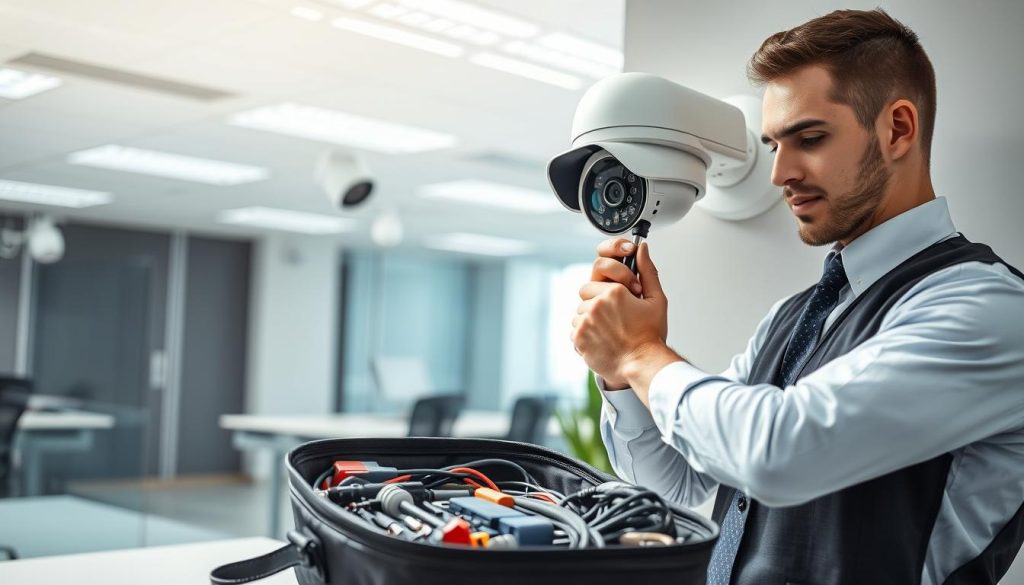
Each service visit follows a structured methodology. The goal is maximum system reliability and performance. You receive detailed documentation of all work completed.
A Thorough Inspection of Lenses, Housings, and Mounts
Technicians begin with physical component evaluation. They examine camera lenses for dust accumulation and scratches. Housing integrity checks verify weatherproofing remains effective.
Mounting hardware receives careful attention. Stability tests ensure cameras maintain proper positioning. Corrosion inspection is crucial in Singapore’s humid climate.
- Lens cleaning removes debris affecting image quality
- Housing seals prevent moisture damage
- Mount adjustments maintain optimal viewing angles
- Physical damage assessment identifies repair needs
Testing Cabling, Connections, and Power Supplies
Electrical components require meticulous verification. Cable integrity tests prevent signal degradation over time. Connection points undergo thorough cleaning and securing.
Power supply evaluation ensures consistent voltage delivery. Fluctuations can cause system failures and equipment damage. Backup power systems receive performance testing.
Network connectivity verification maintains remote access capability. Data transmission rates are measured and optimized. These checks prevent monitoring interruptions.
Updating Firmware, Software, and Security Patches
Digital components demand regular attention. Firmware updates enhance camera performance and features. Security patches protect against cyber threats.
Software optimization improves recording efficiency and storage management. Compatibility checks ensure all components work seamlessly. These updates address bug fixes and performance improvements.
Regular software maintenance extends equipment lifespan while ensuring compliance with current security standards.
Configuration backups protect your settings during updates. System calibration maintains optimal image quality and motion detection. Storage device verification prevents data loss.
Integration testing confirms proper operation with other security systems. Alarm triggers and access control links receive validation. This coordinated approach ensures comprehensive protection.
Post-service reports detail all actions taken and recommendations. These documents help track system health over time. They inform future maintenance planning and budget allocation.
Professional service visits guarantee manufacturer warranty compliance. They also meet Singapore’s regulatory requirements for surveillance systems. This comprehensive approach provides peace of mind.
Leveraging Technology: Software and Remote Monitoring Checks
Modern surveillance technology offers powerful tools for maintaining optimal system performance. These digital solutions provide continuous oversight and proactive maintenance capabilities. They transform traditional upkeep into intelligent, automated processes.
The Critical Importance of Regular Firmware Updates
Firmware updates address security vulnerabilities in your surveillance equipment. They improve functionality and ensure compatibility with new devices. Regular updates prevent system incompatibilities and potential security breaches.
These updates enhance features like AI analytics in modern setups. They keep your security cameras current with technological advances. Neglecting firmware updates can lead to performance issues and reliability concerns.
Utilizing Mobile Apps for Real-Time System Health Monitoring
Mobile applications provide instant alerts for camera outages or storage problems. They enable real-time monitoring of your entire surveillance network. These tools help identify issues promptly before they escalate.
Automated monitoring tools schedule regular checks automatically. They reduce the need for manual inspections and constant attention. This approach is ideal for Singapore’s fast-paced security environment.
Users receive notifications about storage capacity and connectivity status. Motion detection settings and alert configurations remain continuously verified. Multi-user systems maintain proper permission settings through app management.
Verifying Remote Access and Storage Integrity
Remote access testing ensures you can view feeds from any location. Connectivity verification from different networks confirms proper functionality. Login credentials and streaming quality require regular validation.
Cloud storage integrity prevents data loss and ensures backup functionality. Regular verification maintains the reliability of your recorded footage. This process safeguards crucial evidence and monitoring continuity.
Automated systems can perform these checks on scheduled intervals. They provide reports on access success rates and storage health. This professional maintenance approach ensures comprehensive coverage.
Technology-driven maintenance provides continuous oversight while reducing manual effort, making it essential for modern security management.
Incorporating these tech-driven checks into your routine ensures efficient operation. It maintains system reliability and extends equipment lifespan. Most importantly, it provides peace of mind through consistent, automated protection.
Budgeting for Maintenance: Cost of Service vs. Cost of Failure
Smart financial planning for your surveillance setup involves balancing regular upkeep expenses against potential failure costs. A strategic budget protects your investment while ensuring continuous security coverage. This approach prevents unexpected financial burdens from system breakdowns.
Understanding the Price of Professional Maintenance Plans
Professional maintenance services in Singapore typically charge between SGD 200-500 annually per camera. These contracts cover comprehensive inspections, software updates, and minor repairs. Regular service ensures optimal performance and early problem detection.
Service plans include thorough cleaning of camera lenses and components. Technicians verify all connections and power supplies. They also update security settings and firmware during visits.
Weighing Proactive Costs Against Emergency Repairs and Replacements
Scheduled maintenance costs significantly less than emergency repairs. Urgent service calls often cost 3-5 times more than planned visits. Replacement parts add substantial expenses during crisis situations.
System failures can lead to complete camera replacements. Emergency technicians charge premium rates for after-hours calls. These unexpected costs strain security budgets dramatically.
Proactive maintenance reduces total ownership costs by preventing major breakdowns and extending equipment lifespan.
The Hidden Financial Risks of Security Breaches and Downtime
Security system failures create vulnerabilities that criminals can exploit. Theft losses from breached properties can reach substantial amounts. Liability issues may arise from inadequate surveillance coverage.
Business operations suffer during system downtime. Lost productivity and sales impact revenue streams. Customer trust diminishes when security appears compromised.
- Compliance fines for data protection violations add financial penalties
- Insurance premiums may increase after security incidents
- Reputation damage affects long-term business prospects
- Legal costs from liability cases create additional burdens
Well-maintained systems maintain higher resale value and longer operational life. They demonstrate responsible security management to insurers and regulators. This approach ultimately saves money while ensuring protection.
Budgeting for software subscriptions and cloud storage is essential. Advanced features require ongoing investment for optimal performance. These costs form part of a comprehensive maintenance plan.
Regular upkeep proves far more economical than dealing with system failures. The minimal expense of scheduled service prevents massive financial fallout. Protect your investment with consistent, professional care.
Creating Your Customized CCTV Maintenance Plan for Singapore
A tailored maintenance strategy ensures your surveillance setup performs optimally in Singapore’s unique environment. This personalized approach addresses specific equipment needs and local conditions. It transforms generic recommendations into actionable protection plans.
Step 1: Audit Your Current System and Its Environment
Begin with a comprehensive evaluation of your existing setup. Document all camera models, installation dates, and technical specifications. Note each unit’s physical location and exposure risks.
Singapore’s tropical climate demands special attention. Identify cameras exposed to heavy rain or high humidity. Check for potential vandalism risks in public areas.
Assess system age and technology level. Older equipment might need more frequent attention. Modern digital systems often require different care than analog setups.
Step 2: Define Your Inspection and Service Calendar
Create a schedule based on your audit findings. Residential systems typically benefit from annual professional servicing. Commercial installations often need quarterly professional checks.
Incorporate monthly visual inspections by property staff. These simple verifications maintain performance between professional visits. They include lens cleaning and basic functionality tests.
Account for seasonal variations in Singapore’s weather. Schedule pre-monsoon checks for outdoor equipment. Plan additional cleaning during dry, dusty periods.
- Software updates should occur quarterly for optimal security
- Remote monitoring tests verify continuous system access
- Storage capacity checks prevent data loss incidents
- Network performance evaluations maintain streaming quality
Step 3: Choose Between In-House Management and Professional Contracts
Simple residential systems might suit trained homeowner maintenance. Basic cleaning and visual checks are manageable without professional help. This approach reduces ongoing service costs.
Complex commercial setups usually require professional contracts. Integrated security networks need specialized technical knowledge. High-risk environments benefit from expert oversight.
Local Singapore providers understand regional compliance requirements. They offer quick response times for urgent issues. Their familiarity with local conditions ensures appropriate care.
Documenting your maintenance plan in a dedicated log helps track compliance and adjust schedules based on actual performance data.
Regular plan reviews ensure continued effectiveness. Annual evaluations accommodate system expansions or new threats. This proactive approach optimizes resource allocation.
A customized maintenance strategy delivers reliable security without unnecessary expenses. It addresses Singapore’s unique environmental challenges while ensuring regulatory compliance. This tailored method provides peace of mind through consistent protection.
Choosing the Right CCTV Maintenance Partner in Singapore
Selecting a qualified professional team ensures your surveillance setup receives proper care. The right partner understands Singapore’s unique security landscape and environmental challenges. They deliver consistent quality that protects your investment effectively.
What to Look for in a Security Service Provider
Verify certifications like ISO standards and local licensing requirements. These credentials demonstrate technical competence and regulatory knowledge. They ensure your provider meets industry benchmarks.
Check their experience with Singapore’s specific regulations and climate conditions. Local expertise matters for humidity management and compliance adherence. Providers familiar with regional needs deliver better solutions.
- Response time guarantees for emergency situations
- Transparent pricing without hidden fees
- Detailed service reports after each maintenance visit
- 24/7 support availability for urgent issues
- Positive customer reviews and references
Evaluate their technical capabilities with your specific equipment. Different camera brands and systems require specialized knowledge. Ensure they can handle your entire surveillance network.
The Advantages of a Long-Term Maintenance Contract
Long-term agreements provide significant cost savings through bundled services. You avoid premium rates for emergency repairs and individual visits. Consistent scheduling prevents missed upkeep appointments.
Familiar technicians develop deep knowledge of your specific setup. They recognize patterns and potential issues more quickly. This familiarity improves service quality and problem resolution.
Contracts often include discounts on replacement parts and repairs, reducing unexpected expenses while ensuring consistent system reliability.
Priority scheduling ensures your maintenance needs receive prompt attention. During peak seasons, contracted customers get service first. This prevents delays that could compromise security.
Providers customize services based on your property’s specific requirements. Residential and commercial setups receive appropriate attention levels. This tailored approach addresses unique security goals.
Singapore-based partners understand local environmental challenges thoroughly. They implement humidity-resistant solutions and dust management strategies. Their regional expertise enhances system longevity.
Evaluating multiple quotes helps find the best value for your investment. Compare service offerings, response times, and contract terms. Choose a partner who demonstrates understanding of your security objectives.
The right maintenance relationship ensures regulatory compliance and operational excellence. It transforms upkeep from a task into a strategic advantage. Your surveillance system remains reliable through professional partnership.
Secure Your Investment with a Proactive Maintenance Mindset
A proactive mindset is key to protecting your surveillance investment. Regular upkeep ensures your equipment performs at its best. It helps avoid unexpected failures and keeps your assets secure.
Consistent checks extend equipment life and save money. They also meet Singapore’s strict security standards. This approach offers peace of mind and reliable protection.
Start with a system audit and contact professionals for tailored solutions. Prioritize maintenance today to prevent future emergencies. Security is an ongoing process that demands regular attention.
In Singapore’s dynamic environment, a well-maintained system is essential. It safeguards families, employees, and customers effectively. Protect your property with consistent, professional care.
FAQ
What is the recommended frequency for professional CCTV servicing?
Most security professionals recommend a full professional service at least once a year. For high-traffic commercial systems or those in harsh environments, a bi-annual schedule provides better reliability and performance.
Why is regular maintenance crucial for my surveillance system?
Consistent upkeep prevents unexpected system failures, ensures optimal image quality for evidence, and extends the operational life of your equipment. It is a proactive approach to security that avoids costly emergency repairs.
What are the most common signs my security cameras need service?
Key indicators include blurry or pixelated footage, unexplained gaps in recording, physical damage to housings, or corrosion. These issues signal that your system needs immediate attention to maintain its effectiveness.
Can I perform any maintenance tasks on my CCTV system myself?
Yes. You can conduct monthly visual inspections for obvious damage and clean camera lenses gently to remove dust. However, deeper technical checks, software updates, and electrical testing should be handled by a professional technician.
How does the environment impact my CCTV maintenance schedule?
Systems exposed to weather, dust, salt air, or high risk of vandalism require more frequent checks. These factors accelerate wear and can lead to image quality problems and hardware damage if not addressed promptly.
What does a professional CCTV service typically include?
A comprehensive service involves inspecting all hardware, testing cabling and power supplies, deep-cleaning lenses and housings, updating firmware and software, and verifying storage and remote access functionality.
Is a maintenance plan cost-effective compared to emergency repairs?
Absolutely. The cost of a scheduled maintenance plan is significantly lower than emergency call-outs, equipment replacements, or potential losses from security breaches due to system downtime. It protects your investment.


