
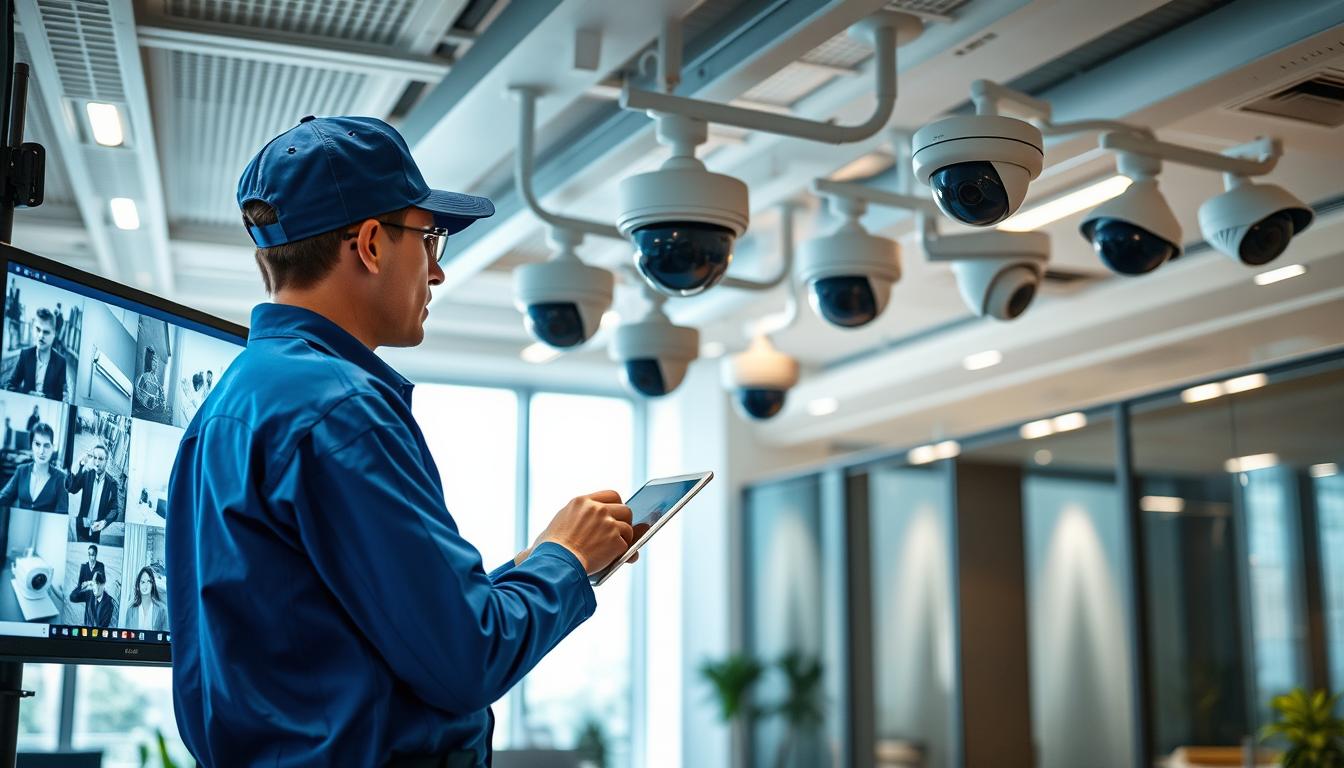
How Much is CCTV Maintenance? Costs Explained
Keeping your surveillance equipment in top condition requires proper upkeep. Many property owners wonder about the investment needed for reliable security monitoring.
In Singapore, professional upkeep typically ranges from SGD 100 to SGD 300 per service visit. Annual expenses generally fall between SGD 300 and SGD 1,500 depending on your setup.
Regular attention to your security system prevents unexpected breakdowns. Studies show consistent upkeep reduces equipment failures by up to 30%.
This proactive approach extends your surveillance system’s lifespan significantly. It also ensures continuous protection for your property and assets.
Key Takeaways
- Professional maintenance services typically cost SGD 100-300 per visit in Singapore
- Annual maintenance costs range between SGD 300-1,500 depending on system complexity
- Regular upkeep reduces equipment failures by up to 30%
- Proactive maintenance extends the lifespan of security systems
- Proper maintenance ensures continuous surveillance coverage
- Investing in regular checks prevents costly emergency repairs
- Maintenance contracts help budget for ongoing security needs
Understanding the Critical Role of CCTV Maintenance
Your surveillance investment deserves consistent attention to deliver maximum protection. Proper upkeep transforms security hardware from passive equipment into an active crime deterrent.
Preventing Costly System Failures and Downtime
Routine checks identify issues before they escalate. Technicians spot problems early like frayed wiring or lens obstructions.
These small interventions prevent major breakdowns. Businesses avoid expensive emergency service calls and security gaps.
Proactive care reduces equipment failures by significant margins. This approach saves 200-300% compared to reactive repairs.
Ensuring High-Quality Surveillance and Legal Compliance
Clear footage is essential for evidence and monitoring. Regular cleaning and calibration boost image clarity by up to 40%.
Singapore regulations require functional surveillance systems. Maintenance ensures compliance with local security standards.
Sharp video quality enhances crime prevention effectiveness. It provides reliable evidence when incidents occur.
Extending the Lifespan of Your Security Equipment
Well-maintained security systems typically last 5-7 years. Some components continue functioning even longer with proper care.
Routine service includes:
- Camera lens cleaning and alignment
- Storage system health checks
- Software and firmware updates
- Power supply verification
This comprehensive approach maximizes your investment return. It ensures continuous protection for properties and assets.
Core Components of a Modern CCTV System
Modern surveillance setups consist of several key elements working together. Each component plays a vital role in overall system performance and reliability. Understanding these parts helps property owners make informed decisions about their security investments.
Types of Cameras: Dome, Bullet, IP, and PTZ
Dome cameras offer discreet monitoring for indoor spaces. Their compact design makes them less noticeable while providing wide-angle coverage. These units are popular for retail stores and office environments.
Bullet cameras feature long-range viewing capabilities for outdoor applications. Their weather-resistant housing protects against environmental elements. Many property owners choose these for perimeter security and parking areas.
IP cameras deliver high-resolution footage with remote access features. Network connectivity allows viewing from smartphones or computers. Brands like HIKVision and Dahua offer advanced models with enhanced clarity.
PTZ (Pan-Tilt-Zoom) cameras provide adjustable coverage through remote control. Operators can zoom in on specific areas or follow movement patterns. This flexibility makes them ideal for large spaces requiring active monitoring.
The Role of Recorders: DVR vs. NVR Systems
DVR systems work with analog cameras to process video signals. They convert footage into digital format for storage and playback. These setups typically use coaxial cables for camera connections.
NVR systems connect with IP cameras through network infrastructure. They receive already-digitized video streams over Ethernet cables. This digital approach often provides superior image quality and flexibility.
The choice between DVR and NVR affects storage needs and maintenance requirements. Network video recorders generally support higher resolution recordings. This impacts both initial investment and ongoing upkeep costs.
Supporting Infrastructure: Storage, Software, and Power
Storage solutions range from local hard drives to cloud-based options. Capacity requirements depend on recording quality and retention periods. Regular checks ensure data integrity and prevent loss of critical footage.
Video management software controls camera functions and user access. Updates maintain compatibility and security features. Proper software maintenance prevents performance issues and vulnerabilities.
Power over Ethernet (PoE) simplifies wiring for network cameras. Single cables carry both data and electrical power. This streamlined approach reduces installation complexity and potential failure points.
Advanced features like motion detection and cloud storage impact maintenance needs. More sophisticated systems may require specialized technical support. Choosing appropriate components balances performance with manageable upkeep requirements.
Key Factors That Determine Your CCTV Maintenance Cost
Several variables influence the final price of keeping your surveillance equipment operational. Understanding these elements helps property owners budget effectively for their security needs.
System Complexity and Number of Cameras
Larger installations with multiple units require more time and resources. A basic four-camera setup needs less attention than a twenty-camera network.
Advanced configurations like multi-site monitoring increase service requirements. Integrated systems with access control or alarm systems need specialized expertise.
Each additional device adds to the overall upkeep expenses. More cameras mean longer inspection times and potentially higher parts replacement costs.
Camera Quality and Technological Features
High-definition models demand precise calibration for optimal performance. Their sophisticated lenses and sensors require careful handling during cleaning.
Specialized features like night vision or thermal imaging need expert attention. Advanced analytics and motion detection capabilities require software adjustments.
Premium brands often need genuine components for replacements. These authentic parts typically come at higher prices than generic alternatives.
Installation Environment and Accessibility
Outdoor placements face weather exposure and environmental challenges. Regular exposure to elements necessitates more frequent checks and cleaning.
Hard-to-reach locations like high ceilings or tight spaces increase service time. Technicians may need special equipment for safe access.
Harsh industrial environments require more robust protection measures. Dusty or humid conditions accelerate wear and tear on components.
Storage Requirements and Software Needs
Cloud-based solutions involve ongoing subscription fees and remote management. Local storage systems need physical inspections and hardware maintenance.
Advanced video management software requires regular updates and security patches. Analytics features might need calibration and performance optimization.
Data retention policies impact storage system maintenance frequency. Longer footage storage periods mean more intensive drive health monitoring.
Industry data shows annual upkeep typically represents 8-15% of initial installation investment. This percentage varies based on your specific configuration and requirements.
How Much is CCTV Maintenance? Average Pricing in Singapore
Property owners in Singapore need clear pricing information for their surveillance upkeep. Understanding service costs helps businesses budget effectively for security operations.
Cost Per Visit: From Basic Check-ups to Major Servicing
Service visits typically range between SGD 100 and SGD 300 in Singapore. Basic inspections start around SGD 100-150 for fundamental checks.
Comprehensive servicing can reach SGD 300 for extensive diagnostics. This includes thorough equipment evaluation and performance testing.
Pricing varies based on camera quantity and system complexity. More units require additional time and resources for proper assessment.
Annual Maintenance Costs and Budgeting for Upkeep
Yearly expenses generally fall between SGD 300 and SGD 1,500. Basic packages average SGD 200-500 for essential coverage.
Comprehensive plans range from SGD 600 to SGD 1,500 annually. These include regular inspections and emergency support options.
Experts recommend allocating 8-12% of initial installation costs for yearly upkeep. This proactive approach prevents expensive emergency repairs.
Regular attention every six months maintains optimal performance. It also extends equipment lifespan significantly.
For detailed pricing on professional maintenance services, consult local providers. They offer personalized quotes based on specific security needs.
What’s Included in a Standard CCTV Maintenance Service
Professional upkeep packages deliver comprehensive care for your surveillance setup. These scheduled visits ensure every component functions at peak performance.
Routine Physical Inspection and Camera Cleaning
Technicians examine each unit for physical damage or wear. They check mounting stability and housing integrity.
Thorough cleaning removes dust and debris from lenses. This prevents image distortion and maintains clear visibility.
Connection points receive attention to ensure secure wiring. Loose cables can cause intermittent failures.
Software and Firmware Updates for Optimal Performance
Regular updates patch security vulnerabilities in your system. They also add new features and improve stability.
Firmware upgrades enhance camera functionality and compatibility. Outdated software often causes performance issues.
These updates maintain compliance with current security standards. They ensure your system meets industry requirements.
System Health Diagnostics and Functionality Testing
Comprehensive testing verifies recording and playback functions. Technicians confirm storage systems work properly.
Power supply checks prevent unexpected shutdowns. Voltage stability is crucial for continuous operation.
Network connectivity tests ensure remote access functions. This confirms proper integration with monitoring systems.
Standard packages typically include:
- Visual inspection of all cameras and housings
- Lens cleaning and calibration adjustments
- Software and security patch installations
- Storage system health verification
- Connection and wiring integrity checks
Premium contracts may cover emergency repairs and part replacements. These comprehensive plans offer greater peace of mind.
Regular service visits reduce equipment failures by approximately 30%. This proactive approach saves money over time.
Many providers like Certis Cisco include these services in their maintenance contracts. They help businesses maintain reliable security coverage.
Comparing Residential and Commercial Maintenance Pricing
Property scale directly impacts surveillance system maintenance requirements. Home and business security needs differ in scope and complexity.
This affects both service frequency and overall upkeep expenses. Understanding these differences helps property owners budget appropriately.
Scale and Complexity of Typical Home Systems
Residential installations typically feature 2-4 cameras covering key areas. These simpler setups require less technical attention during service visits.
Basic maintenance focuses on lens cleaning and recording checks. Technicians verify system functionality without complex diagnostics.
Service costs range between SGD 100-150 per visit for most homes. Annual contracts average SGD 200-400 for bi-annual inspections.
Homeowners benefit from straightforward security solutions. These systems provide adequate protection without advanced features.
The Demands of Large-Scale Business Surveillance
Commercial properties often deploy 10+ cameras with advanced capabilities. These systems include remote monitoring and analytics features.
Monthly check-ups prevent operational disruptions for businesses. Regular attention ensures continuous security coverage.
Service visits cost SGD 200-300 due to increased complexity. Annual expenses reach SGD 500-1,000 with frequent maintenance needs.
Larger storage requirements and network integration add to upkeep costs. Business systems demand specialized expertise for optimal performance.
“Commercial surveillance requires more frequent attention than residential setups due to higher security stakes and system complexity.”
Retail stores and office buildings need robust protection systems. These environments justify higher investment in reliable monitoring.
Regular maintenance prevents security gaps that could impact operations. Proactive care ensures business continuity and asset protection.
Exploring Different Types of CCTV Maintenance Services
Property owners have multiple service options to keep their surveillance equipment functioning optimally. Understanding these choices helps you select the right approach for your specific security needs.
Planned Preventive Maintenance (PPM) and Routine Checks
Scheduled PPM visits provide systematic care for your security infrastructure. Technicians perform comprehensive inspections during these planned sessions.
These routine checks include camera cleaning, software updates, and performance testing. Early problem detection prevents major system failures down the line.
Statistics show preventive care reduces equipment issues by approximately 30%. This proactive approach extends your security investment’s lifespan significantly.
Reactive and Emergency Repair Services
Unexpected breakdowns require immediate technical response. Emergency services address sudden failures or vandalism damage quickly.
Providers like ClearView offer 24/7 support with rapid response times. Their technicians achieve high first-time fix rates for urgent situations.
This service category minimizes surveillance downtime during critical incidents. Quick resolution ensures continuous property protection.
The Growing Role of Remote Diagnostics
Modern technology enables off-site troubleshooting for many common issues. Remote diagnostics allow technicians to address software problems without physical visits.
This approach reduces service costs and resolution times dramatically. Clients access support through dedicated portals and helplines.
Network connectivity issues and software glitches often resolve remotely. This innovative service method complements traditional on-site maintenance.
Common service options include:
- Planned preventive visits for scheduled inspections and updates
- Emergency repair services for unexpected system failures
- Remote diagnostics for software and connectivity issues
- Hybrid approaches combining scheduled and on-demand support
“Remote diagnostics have revolutionized how we maintain surveillance systems, allowing us to resolve 40% of issues without dispatching technicians.”
Choosing the right service mix depends on your security requirements and risk tolerance. Many businesses combine scheduled maintenance with emergency support options.
This balanced approach ensures comprehensive coverage for all potential situations. It provides peace of mind while optimizing operational expenses.
Evaluating Long-Term vs. Short-Term Maintenance Contracts
Choosing the right service agreement impacts both your budget and security coverage. Different contract lengths offer distinct advantages for various operational needs.

Cost-Saving Benefits of Annual or Multi-Year Agreements
Extended contracts typically span three years or more. Providers offer significant discounts for these commitments.
Annual savings average 8-12% of your initial installation investment. This approach bundles services at reduced rates.
Long-term agreements ensure consistent service quality. They prevent gaps in your surveillance coverage.
Industry data shows these contracts can reduce overall expenses by up to 75% over time. This makes them ideal for stable security needs.
Flexibility and Adaptability of Short-Term Service Plans
Monthly or yearly agreements allow quick adjustments. Businesses can modify services as their requirements evolve.
This adaptability suits companies experiencing growth or changes. It accommodates shifting security priorities.
Short-term plans typically cost more per service visit. However, they provide valuable flexibility for dynamic environments.
Many Singapore providers offer tiered pricing structures. These options balance immediate needs with budget considerations.
“Three-year contracts provide the best value for most commercial installations, offering price stability and guaranteed response times.”
Each contract type serves different operational models. Long-term agreements suit established businesses with predictable needs.
Short-term options work well for temporary sites or testing new providers. They allow assessment before longer commitments.
Consider your growth plans and risk tolerance when choosing. The right balance ensures both protection and financial efficiency.
A Breakdown of Common CCTV Maintenance Packages
Security service packages offer structured approaches to surveillance upkeep. These options provide clear frameworks for property protection.
Providers typically offer tiered solutions matching different security requirements. Understanding these options helps select appropriate coverage.
Features of an Essential Basic Maintenance Plan
Basic packages range from SGD 200 to SGD 500 annually. This investment covers fundamental surveillance upkeep needs.
These plans include scheduled inspections every six months. Technicians perform camera cleaning and system checks.
Firmware updates ensure software remains current. Basic diagnostics verify recording functionality.
This level suits properties with standard security requirements. It maintains system performance without advanced features.
“Basic plans provide cost-effective protection for residential and small business applications.”
Comprehensive Packages with Emergency Support and Monitoring
Enhanced packages cost between SGD 600 and SGD 1,500 yearly. They include additional protective features.
24/7 emergency repair services address urgent issues immediately. Remote monitoring provides continuous system oversight.
Predictive analytics help identify potential problems early. This proactive approach prevents unexpected failures.
These solutions benefit businesses requiring maximum uptime. High-security environments justify the additional investment.
Comprehensive coverage often includes replacement parts for critical components. This reduces out-of-pocket expenses during repairs.
Many providers like Prowler offer tailored contracts for specific needs. These agreements can significantly reduce unexpected costs over time.
For properties with complex installations, understanding camera repairability options becomes crucial. This knowledge helps select the right protection level.
Choosing between basic and comprehensive packages depends on risk tolerance. Higher-value properties typically benefit from expanded coverage.
How to Select the Right Maintenance Plan for Your Needs
Choosing the perfect service agreement for your surveillance setup requires careful consideration. Your decision impacts both security coverage and financial planning.
Begin by evaluating your property’s specific protection requirements. Consider camera count, system sophistication, and potential risk factors.
Assessing Your Security Requirements and Risk Profile
High-risk locations demand more frequent professional attention. Areas with valuable assets or high foot traffic need robust coverage.
Complex installations with advanced features require specialized expertise. Multi-site operations need coordinated service schedules.
Evaluate your tolerance for potential system downtime. Businesses often prioritize rapid response times and emergency support.
Evaluating Service Providers and Contract Terms
Reputable companies display CaseTrust accreditation and positive client feedback. Look for providers with Enterprise Singapore recognition.
Scrutinize agreement details including service frequency and response guarantees. Confirm what’s included like software updates or part replacements.
Transparent pricing structures prevent unexpected expenses. Clear communication channels ensure smooth ongoing support.
“Accredited providers deliver consistent quality and reliable response times, making them worth the investment for critical security needs.”
Balancing Cost with the Value of Reliability and Peace of Mind
Comprehensive plans might seem expensive initially. They often prevent costly emergency repairs down the line.
Well-chosen agreements can boost system uptime by up to 80%. This reliability ensures continuous property protection.
Consider long-term value rather than just upfront expenses. Quality service extends equipment lifespan significantly.
Key selection factors include:
- Provider reputation and industry certifications
- Clear service inclusion and exclusion details
- Emergency response time commitments
- Flexibility to adjust as needs change
- Transparent pricing without hidden fees
The right balance between cost and coverage brings peace of mind. It ensures your investment continues protecting what matters most.
The Tangible Benefits of Professional CCTV Maintenance
Investing in proper care for your surveillance setup delivers measurable advantages that extend beyond basic functionality. These benefits translate into real value for both residential and commercial property owners in Singapore.
Maximizing System Uptime and Security Effectiveness
Regular professional attention keeps your cameras and recorders operating continuously. This prevents unexpected interruptions that could compromise property protection.
Clear video quality ensures reliable evidence collection and monitoring capabilities. Well-maintained equipment deters criminal activity more effectively than neglected systems.
Statistics show maintained surveillance setups experience 30% fewer failures. This reliability ensures continuous coverage when you need it most.
Reducing Total Long-Term Cost of Ownership
Proactive care significantly lowers overall expenses compared to reactive approaches. Preventive measures avoid major breakdowns that require expensive emergency repairs.
Data indicates proper upkeep can reduce long-term costs by 15-30%. This savings comes from extended equipment lifespan and fewer replacement needs.
Well-maintained security systems typically operate 50% longer than neglected ones. This represents substantial value retention for your initial investment.
Ensuring Your Investment Continues to Protect Your Property
Professional maintenance services ensure compliance with Singapore’s surveillance regulations. This keeps your security setup legally operational and effective.
Regular software updates and hardware checks maintain optimal performance levels. These measures prevent gradual degradation that might go unnoticed.
Studies show maintained systems contribute to higher business efficiency and safety. They provide peace of mind knowing your property remains protected.
“Properties with professional maintenance contracts experience 55% fewer malfunctions and achieve better overall security outcomes.”
The return on investment becomes clear through reduced emergency calls and consistent performance. Quality upkeep transforms security equipment from an expense into a valuable asset.
Securing Your Investment with the Right Maintenance Strategy
A proactive approach to surveillance upkeep protects your assets and ensures continuous monitoring. Regular professional service prevents unexpected failures and extends equipment lifespan significantly.
Choose a plan that matches your security needs and budget. Well-maintained systems offer peace of mind and enhance protection effectiveness.
Contact experts like Wen Hong at +65 60135960 for tailored solutions. They provide personalized advice and current deals on surveillance services in Singapore.
Investing in quality upkeep delivers long-term value and reliability. It transforms security equipment into a lasting protective asset.
FAQ
What does CCTV maintenance typically include?
Professional maintenance services cover camera cleaning, software updates, system diagnostics, and functionality checks. These steps ensure your surveillance equipment operates reliably and captures clear footage when needed.
How often should I schedule maintenance for my security system?
Most experts recommend quarterly or bi-annual check-ups. The frequency depends on your system’s complexity, camera count, and environmental factors like dust or weather exposure.
Are there different maintenance plans for homes and businesses?
Yes. Residential packages often focus on basic upkeep for fewer cameras. Commercial contracts include more frequent checks, emergency support, and advanced monitoring due to larger, more complex surveillance needs.
Can I perform basic maintenance tasks myself?
Simple tasks like lens cleaning can be done carefully. However, software updates, hardware repairs, and full system diagnostics should be handled by professionals to avoid damaging sensitive equipment.
What factors influence the cost of a maintenance service?
Key factors include the number of cameras, system complexity, technology features, installation environment, and whether you choose a one-time visit or an annual contract with ongoing support.
Why is regular upkeep important for surveillance systems?
Consistent maintenance prevents unexpected failures, extends equipment lifespan, ensures legal compliance with video quality standards, and maintains high performance of your security investment.
Do maintenance contracts cover emergency repairs?
Comprehensive packages often include emergency support. Basic plans may charge extra for urgent repairs. Always review contract terms to understand coverage for reactive services.
How does remote diagnostics work in modern maintenance services?
Many providers use secure connections to monitor system health, apply software patches, and identify issues remotely. This allows faster response times and can reduce onsite visit costs.
Post Tags : Annual CCTV maintenance expenses Camera security system service charges CCTV maintenance cost breakdown CCTV repair and maintenance fees CCTV service pricing guide Monitoring system upkeep pricing Professional CCTV system maintenance Security camera maintenance budgeting Surveillance system upkeep expenses Video surveillance maintenance costs


