
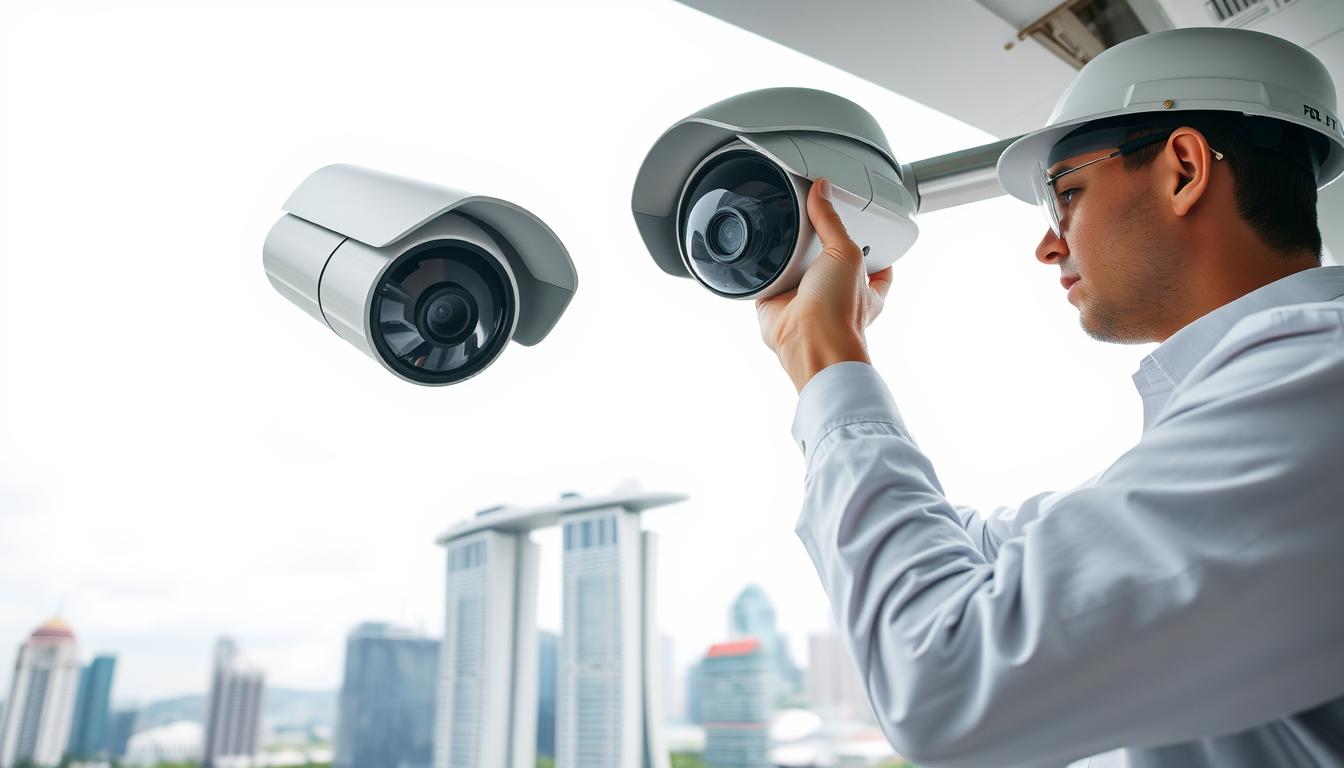
How much is CCTV maintenance? Expert Maintenance Services
Keeping surveillance systems working well is essential for property safety in Singapore. Regular upkeep ensures clear footage, reduces failures, and extends equipment lifespan by up to 30%. Without it, 83% of system malfunctions occur due to neglect.
Professional services typically cost between SGD 100–300 per visit. Residential properties often pay SGD 100–150, while commercial setups range from SGD 200–300. This investment enhances crime prevention and avoids costly replacements.
Key Takeaways
- Regular upkeep extends system lifespan by 30%.
- Prices range from SGD 100–300 per visit.
- Commercial properties often pay higher fees.
- Neglect causes 83% of system failures.
- Maintained cameras improve crime deterrence.
Why Regular CCTV Maintenance Matters in Singapore
Singapore’s security demands make proactive upkeep non-negotiable for surveillance systems. Without it, cameras and recorders face faster wear, especially in tropical conditions. Regular checks keep systems operational and prevent costly failures.
Preventing Security Vulnerabilities
Dusty lenses or outdated firmware can blind cameras when you need them most. Thermal stress on DVRs may cause crashes during critical moments. Scheduled servicing reduces these risks by 55%, ensuring cameras run smoothly year-round.
Extending System Lifespan
Well-maintained setups last 7+ years versus 3 years for neglected ones. Cleaning lenses prevents image degradation, while proper ventilation protects recording units. Hikvision recommends servicing every 2,000 hours for optimal performance.
“Annual maintenance costs (~SGD 280) are 5x cheaper than replacing a failed system (SGD 1,500).”
Investing in upkeep preserves components and maximizes ROI. It’s the smart choice for systems working well long-term.
Key Components That Affect Maintenance Needs
Equipment choices directly impact the frequency and type of required upkeep. Each part of your surveillance setup has specific care requirements that determine long-term performance.
Camera Types and Their Requirements
Dome cameras need monthly lens cleaning in dusty areas to keep the system works well. Bullet cameras require housing inspections to prevent water damage in Singapore’s humid climate.
PTZ models demand extra attention to mechanical parts. Thermal cameras need periodic calibration for accurate temperature readings. Each type follows different service schedules.
Recording Equipment Considerations
DVRs in a security system fail three times more often than NVRs due to mechanical hard drives. Cloud-based setups eliminate local storage but need bandwidth monitoring.
Key maintenance tasks include:
- Replacing HDDs every 12-18 months for 24/7 recording
- Checking RAID arrays for data integrity
- Testing power supplies for stable voltage output
Brand-specific firmware updates vary significantly. Dahua systems need quarterly patches, while Hikvision recommends biannual updates for running well. Storage capacity alerts prevent critical footage loss.
“Unmaintained DVRs account for 68% of emergency service calls in commercial installations.”
Proper component care reduces failures by 40% compared to neglected systems. This applies especially to high-usage environments.
How Much Is CCTV Maintenance? Breaking Down the Costs
Understanding surveillance upkeep costs helps businesses in Singapore budget effectively. Prices vary based on property type, system size, and service frequency. Professional care ensures security components remain operational when needed most.
Average Service Pricing Structures
Standard visits range from SGD 100-300 across the city-state. Residential properties typically pay SGD 100-150 per session. Condos often need less frequent servicing than landed homes due to sheltered camera placements.
Commercial installations demand more attention, averaging SGD 200-300 per maintenance call. Retail spaces require weekly lens cleaning in high-traffic areas. Manufacturing facilities pay 20% more for dust-proofing services.
“Enterprise contracts with SLA guarantees typically cost SGD 1,500 annually but prevent 90% of emergency repairs.”
Industry-Specific Considerations
After-hours service carries a 30% premium for businesses Singapore operates 24/7. Multi-site operations can save 15% with bundled maintenance plans. System complexity affects pricing more than physical size.
Proper upkeep keeps security systems running optimally between scheduled visits. Thermal imaging units need quarterly calibration, while standard cameras benefit from monthly checks. Service frequency directly impacts long-term reliability.
What Determines Your CCTV Maintenance Price
Multiple factors influence the final price of keeping your surveillance equipment in top condition. From hardware configurations to environmental challenges, each aspect affects service costs and frequency. Understanding these variables helps keep budgets predictable while ensuring reliability.
System Complexity Factors
Advanced setups with PTZ cameras or thermal imaging require specialized care. Mechanical parts in moving cameras need lubrication, while thermal units demand calibration. Multi-camera networks also increase labor time for checks.
Recording systems add another layer. DVRs with mechanical hard drives need more frequent HDD replacements than cloud-based NVRs. High-risk sites like construction zones may require weatherproofing or tamper-resistant housings.
Service Frequency Impact
Regular maintenance every quarter reduces failures by 55% compared to annual visits. Offices with stable environments might opt for biannual servicing, while industrial sites benefit from monthly inspections.
Remote monitoring services tier costs by response times. Guaranteed 2-hour emergency support costs 20% more than standard 24-hour response. Contracts with penalties for delays ensure accountability.
“Quarterly servicing plans lower long-term costs by 40% through preventive care.”
Tailoring schedules to your systems working conditions optimizes both performance and expenditure. Proactive care minimizes unexpected breakdowns and extends hardware lifespan.
Standard Maintenance Service Inclusions
Professional surveillance upkeep involves specific procedures to ensure reliability. Service providers follow structured protocols addressing both physical components and digital configurations. These standardized approaches help prevent common failures while optimizing performance.
Routine Inspection Checklist
Technicians verify each component during scheduled visits. Camera housings get checked for weather damage while lenses receive professional cleaning. Proper alignment ensures the system works as intended without blind spots.
Electrical connections undergo voltage testing to prevent power issues. Storage devices get examined for sufficient capacity and recording integrity. These checks typically cover:
- Infrared functionality for night vision
- Mounting bracket stability
- Ventilation for recording equipment
Software and Hardware Updates
Firmware updates patch 68% of known vulnerabilities when applied quarterly. Manufacturers release critical patches every 90-120 days to address emerging security needs. Legacy systems may require special upgrade paths for compatibility.
Proper update management includes configuration backups before installation. Technicians test new versions before full deployment to ensure running smoothly. Rollback procedures remain ready in case of compatibility issues.
“Scheduled updates reduce cybersecurity risks by 73% compared to unpatched systems.”
These maintenance essentials form the foundation of reliable surveillance operations. Combining physical care with digital updates creates comprehensive protection.
Comparing Maintenance Packages
Surveillance system upkeep comes in different service tiers to match various security needs. Providers in Singapore offer plans ranging from essential checks to full-scale protection with rapid response guarantees. Selecting the right package ensures your investment delivers continuous protection.
Basic Monitoring Plans
Entry-level packages focus on keeping your security system operational with quarterly inspections. These typically include camera cleaning, recording device checks, and basic firmware updates. For many residential properties, this level suffices to maintain 90% functionality.
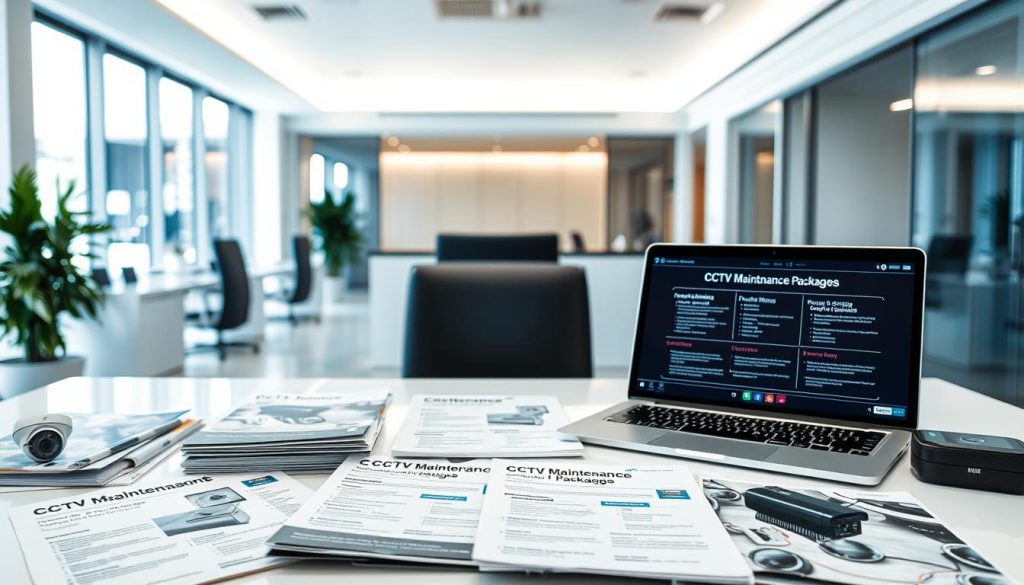
Providers often bundle three annual visits with email alerts for storage capacity issues. While cost-effective, these plans lack emergency support—response times average 24-48 hours for non-critical issues.
Comprehensive Service Agreements
Premium contracts ensure systems working around the clock with 24/7 remote monitoring and 4-hour emergency response. Beyond preventive maintenance, they cover disaster recovery protocols and temporary equipment loans during repairs.
Key advantages include compliance documentation for audits and insurance certification support. Customized reports detail system health metrics like uptime percentages and storage utilization patterns.
“Enterprise clients see 40% fewer failures with comprehensive plans versus basic packages.”
These agreements suit high-security environments where downtime poses significant risks. The higher upfront cost balances against reduced emergency repair expenses long-term.
Residential CCTV Maintenance Specifics
Home surveillance setups need tailored care to stay effective. Unlike commercial systems, residential units face unique challenges like limited budgets and smaller scales. Proper care keeps systems running smoothly while avoiding unnecessary costs.
Typical Home System Requirements
Most houses use 2–4 cameras with basic recording setups. Weatherproof housings reduce wear in Singapore’s humidity. Self-cleaning lenses cut professional service needs by 40%.
Cost-Saving Tips for Homeowners
Regular maintenance prevents major repairs. Group neighborhood contracts save 15–20% through bulk discounts. Check manufacturer warranties—many cover parts for 2–3 years.
Simple DIY steps like sealing cable gaps help. Schedule off-season checks for lower rates. Some upgrades qualify for tax deductions under home security incentives.
FAQ
What’s included in standard maintenance services?
Routine checks cover lens cleaning, cable inspections, software updates, and verifying features like motion detection and night vision. Technicians also test remote monitoring and image quality.
How often should surveillance systems be serviced?
For optimal performance, schedule professional checks every 6 months. High-traffic commercial setups may need quarterly visits to prevent equipment failures.
What impacts pricing for upkeep in Singapore?
Costs range from SGD 500 to SGD 1,500 annually, depending on system complexity, camera count, and service frequency. Commercial setups often cost more than residential ones.
Can skipping regular checks lead to problems?
Yes. Dust buildup, outdated firmware, or unnoticed damage can degrade image quality and create security gaps. Proactive upkeep helps keep systems running smoothly.
Are there affordable plans for homeowners?
A> Basic packages start around SGD 500/year, focusing on essential tasks like cleaning and diagnostics. Bundling with alarm systems sometimes reduces overall costs.
Do modern security systems need less attention?
A> While advanced models with durable housings last longer, all setups benefit from scheduled inspections to catch issues early and ensure all features work well.


