
Discover How long will an NVR last? A Comprehensive Guide
Network Video Recorders form the backbone of modern security setups. These devices work seamlessly with IP cameras to store and manage footage. Understanding their operational duration is crucial for maintaining system reliability.
Most quality NVR systems typically serve for 3 to 5 years. Premium models often exceed this range with proper care. Several factors influence this timeline, including build quality and maintenance practices.
Environmental conditions and usage patterns also play significant roles. Regular updates and system checks can extend functional life substantially. Choosing the right system initially ensures better long-term value and performance.
Key Takeaways
- Network Video Recorders are central to modern IP camera security systems
- Typical NVR lifespan ranges from 3 to 5 years for standard models
- Higher quality units can exceed average longevity with proper maintenance
- Environmental protection and correct installation maximize durability
- Regular updates and system checks significantly extend operational life
- Initial investment in quality equipment provides better long-term value
- Multiple factors including usage patterns affect overall system lifespan
Understanding NVR Technology and Its Role in Security
The evolution of security monitoring brought forth advanced devices that handle digital video streams efficiently. These modern solutions represent significant progress beyond older analog methods.
Network-based recording equipment processes footage from internet protocol cameras. This approach delivers superior image quality and flexible installation options.
What Is a Network Video Recorder?
A Network Video Recorder represents the digital advancement in surveillance technology. It processes and stores footage from multiple internet protocol cameras simultaneously.
Unlike traditional recording systems handling analog signals, these devices work exclusively with digital feeds. This fundamental difference enables clearer images and better performance.
How This Technology Works with IP Cameras
These recording units connect to internet protocol cameras through network infrastructure. Each camera transmits digital data directly to the central unit.
The system architecture supports remote access to live views and stored recordings. Security professionals can monitor feeds from any internet-connected device worldwide.
“Network video technology enables comprehensive surveillance coverage across entire facilities with centralized management.”
Key Advantages Over Older Systems
Modern recording solutions offer significant benefits compared to previous generations. The digital nature provides superior scalability and installation flexibility.
Advanced features include motion detection and real-time analysis capabilities. Support for high-definition streams ensures detailed footage capture.
These systems integrate with cloud storage and offer mobile compatibility. This allows for convenient monitoring and management from various locations.
The technology continues evolving with enhanced functionality and reliability. Proper implementation ensures optimal performance for security needs.
How Long Will an NVR Last? The Core Lifespan Explained
Understanding the operational duration of network video recorders helps in planning security investments. These devices serve as the central hub for modern surveillance operations.
Most systems provide reliable service for several years. The exact timeframe depends on multiple variables that affect performance.
The Average Lifespan of an NVR System
Standard network video recorders typically operate effectively for 3 to 5 years. This timeframe represents typical performance under normal conditions.
Premium models from established manufacturers often exceed expectations. Some high-end units continue functioning properly for up to a decade.
Technological evolution sometimes makes older systems outdated. This occurs even when physical components remain functional.
How Quality and Usage Influence Duration
Component construction plays a crucial role in determining service life. Superior materials and engineering contribute to extended operation.
Usage patterns significantly impact how long equipment remains effective. Continuous 24/7 operation may reduce overall duration compared to intermittent use.
Environmental conditions affect internal components. Temperature stability and humidity control help maintain optimal performance.
Regular maintenance adds valuable years to system operation. Proactive care includes cleaning, updates, and periodic inspections.
Storage device selection influences overall performance consistency. Higher-grade hard drives contribute to better long-term reliability.
“Investing in quality surveillance equipment from the beginning ensures better returns and extended service life.”
Choosing appropriate equipment for specific needs maximizes value. Proper installation and environmental protection further enhance durability.
Key Factors That Directly Impact NVR Lifespan
Effective security system management requires understanding key durability determinants. Multiple elements influence how recording equipment performs over time. These elements work together to determine overall system reliability.
Environmental conditions and usage patterns create the foundation for longevity. Proper care and quality components significantly extend service duration. Knowing these factors helps maximize your security investment.
Build Quality and Component Durability
Superior manufacturing standards create more resilient systems. High-grade materials withstand continuous operation better than budget alternatives. Industrial-grade components typically outlast consumer-grade parts.
Circuit board quality and solder joints affect thermal tolerance. Better construction handles temperature fluctuations more effectively. This durability directly impacts long-term performance consistency.
Environmental Conditions: Temperature and Humidity
Extreme heat causes premature component degradation. Consistent overheating accelerates capacitor failure and board damage. Ideal operating temperatures range between 50-80°F for optimal function.
High humidity promotes corrosion and electrical shorts. Moisture protection is essential for tropical climates like Singapore. Proper enclosure selection prevents environmental damage.
“Environmental control represents the most overlooked aspect of surveillance system longevity. Proper temperature management alone can extend operational life by 40%.”
The Critical Role of Maintenance Practices
Regular maintenance prevents minor issues from becoming major failures. Dust accumulation interferes with cooling system efficiency. Quarterly cleaning maintains proper airflow and heat dissipation.
Firmware updates address security vulnerabilities and improve stability. These updates often include optimizations that reduce hardware stress. Consistent maintenance preserves all system features at peak performance.
For comprehensive NVR lifespan considerations, professional installation and routine checks prove invaluable. These practices ensure your system delivers reliable service throughout its operational duration.
NVR vs. DVR: A Comparison of Expected Lifespans
Choosing between network and digital video recorders involves more than just current features. The expected service duration differs significantly between these technologies. Understanding these differences helps make informed security decisions.
Both systems typically provide reliable operation for 5-10 years with proper maintenance. However, several things influence their actual service duration. These include technological architecture and upgrade capabilities.
Technological Differences and Longevity
Network video recorders process digital signals directly from IP cameras. This approach creates less strain on internal components. Digital processing reduces heat generation and power consumption.
Digital video recorders convert analog signals to digital format. This extra conversion process increases component stress. The additional processing can affect long-term reliability.
Network-based systems support modular upgrades more effectively. You can often replace individual components rather than entire units. This flexibility extends the practical service life significantly.
“The digital-native architecture of network recorders provides inherent longevity advantages over conversion-based systems.”
Why NVRs Often Have a Modern Advantage
Network systems maintain better compatibility with emerging technologies. They integrate seamlessly with modern security ecosystems. This includes smart home platforms and cloud services.
Software support typically continues longer for network-based platforms. Manufacturers provide updates well beyond the purchase date. These updates often include performance optimizations and security patches.
Environmental conditions affect both systems similarly. However, network recorders often feature better cooling systems. Superior thermal management contributes to extended component life.
The network environment allows for more flexible installation options. You can place units in climate-controlled areas away from cameras. This protection from extreme weather conditions enhances durability.
Remote access capabilities reduce physical interaction with the equipment. Less handling means reduced wear on ports and connections. This convenience factor indirectly supports longer operational life.
Recognizing the Signs Your NVR Needs Replacement
Being alert to replacement indicators preserves your investment and keeps your surveillance network reliable. Timely recognition of deterioration signals prevents major security disruptions. Ignoring these warnings can lead to complete system failure when you need it most.
Modern security systems demand consistent performance. When your recording equipment shows concerning signs, immediate attention becomes necessary. This proactive approach saves both money and security coverage.
Performance Degradation and System Failures
Gradual performance decline often signals internal component wear. You might notice delayed video playback or intermittent recording gaps. The system struggles with multiple camera streams it once handled effortlessly.
Frequent crashes and reboot requirements indicate advanced aging. Complete operational downtime becomes more common. These issues suggest diminishing internal durability and component stress.
Storage-related problems emerge as hard drives age. The system may fail to recognize new storage devices. Consistent recording errors point to motherboard or processor limitations.
Compatibility Issues with New Cameras and Tech
Technology evolves rapidly in the security industry. Older recording units often cannot integrate with modern IP cameras. Newer compression formats and resolution standards create compatibility barriers.
Software updates may no longer support aging hardware. Security patches become unavailable for outdated systems. This leaves your surveillance network vulnerable to modern threats.
“Compatibility limitations represent the most common reason for NVR replacement in Singapore’s evolving security landscape.”
Network connectivity issues persist despite troubleshooting efforts. The equipment cannot maintain stable connections with modern routers. These problems indicate failing network interface components.
Physical Wear and Frequent Downtime
Visible deterioration appears on external ports and connections. Component corrosion becomes evident in Singapore’s humid climate. Internal circuits show signs of thermal stress and aging.
Frequent maintenance checks become necessary to keep the system operational. Repair needs increase dramatically over time. The cost-benefit ratio shifts toward replacement rather than continued repairs.
Physical wear combined with performance issues creates a clear replacement scenario. The system demands more attention than it provides security value. Recognizing this point ensures optimal surveillance performance.
Proactive Maintenance to Extend Your NVR’s Life
Proactive maintenance transforms your security investment from temporary equipment to long-term protection. Regular care practices significantly increase operational duration for surveillance systems. These methods preserve both functionality and value over time.
Implementing a Regular Cleaning and Inspection Routine
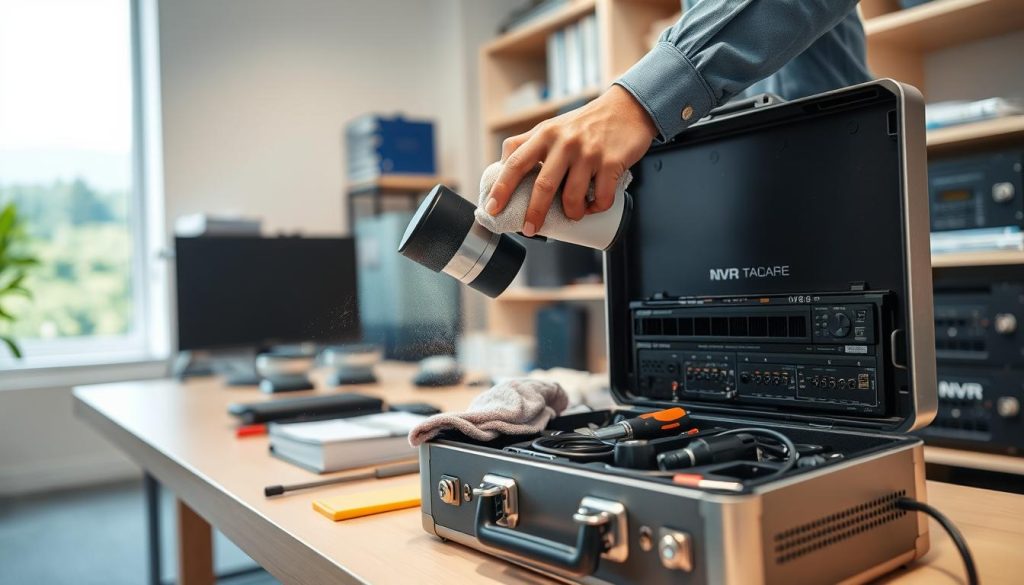
Dust accumulation represents a silent threat to electronic devices. Regular cleaning prevents overheating that can cause component failure. Monthly inspections help identify potential issues before they escalate.
Focus cleaning efforts on ventilation ports and internal components. Use compressed air to remove dust without damaging sensitive parts. This maintenance preserves optimal airflow and cooling efficiency.
Systematic inspection schedules include checking all connections and cables. Look for signs of wear or corrosion in Singapore’s humid climate. Early detection prevents data loss and system failures.
The Importance of Timely Firmware and Software Updates
Manufacturers release updates that address security vulnerabilities and improve performance. These updates often include optimizations that reduce hardware stress. Regular maintenance ensures compatibility with new devices and technologies.
Software updates prevent conflicts that could shorten system lifespan. They also extend functionality with new features and improvements. Consistent updating practices maintain peak performance for your recording equipment.
“Regular firmware updates represent the simplest yet most effective longevity strategy for network video recorders in modern security systems.”
Ensuring Proper Ventilation and Optimal Placement
Thermal management directly impacts electronic component durability. Proper ventilation maintains stable operating temperatures. This prevents thermal stress that accelerates aging.
Optimal placement considerations include avoiding direct sunlight exposure. Maintain adequate airflow around the unit on all sides. Climate-controlled environments significantly extend service life.
Storage management practices include regular health checks on hard drives. Monitor capacity to prevent system strain during continuous recording. Power protection measures safeguard against electrical damage.
Adjust recording settings to balance quality and system load. Optimized configurations reduce storage wear and processing demands. These practices maximize your security investment while preserving footage integrity.
How Environmental Factors Affect NVR Durability
Surrounding conditions play a critical role in determining your security system’s operational duration. Various environmental elements can accelerate wear or cause premature failure. Understanding these impacts helps maximize your equipment’s service life.
Proper environmental management ensures your surveillance system usually last years beyond typical expectations. Singapore’s tropical climate presents unique challenges that require specific protective measures.
Protecting Your System from Extreme Temperatures
Heat represents the most common environmental threat to electronic components. Continuous high temperatures cause thermal expansion and contraction cycles. This stress gradually weakens solder joints and circuit boards.
Ideal operating temperatures range between 50-80°F for optimal performance. Climate-controlled environments provide the best protection against thermal damage. Dedicated cooling systems help maintain stable temperatures during operation.
Proper ventilation prevents heat buildup around critical components. Ensure adequate airflow space on all sides of the unit. Avoid placing equipment near heat sources or in direct sunlight.
“Temperature stability alone can extend electronic component life by 40% in challenging environments like Singapore.”
Mitigating Risks from Moisture and Physical Damage
Humidity control is essential for preventing corrosion and electrical shorts. Moisture accumulation leads to permanent component damage over time. Waterproof enclosures provide necessary protection in humid conditions.
Dust and particulate contamination impair cooling efficiency and cause electrical issues. Regular cleaning maintains proper airflow and prevents internal contamination. Secure mounting protects against physical shocks and vibrations.
Vandalism prevention requires discreet placement and robust enclosures. Position equipment away from high-traffic areas and potential impact zones. These measures protect both physical integrity and data security.
Electrical environment considerations include surge protection and stable power supply. Proper grounding prevents damage from power fluctuations. These precautions work together to create optimal operating conditions.
Regular environmental monitoring helps identify potential issues before damage occurs. This proactive approach preserves your system’s functionality and extends its service life significantly.
The Influence of Storage on NVR Performance and Longevity
The selection and management of recording media fundamentally influence security system performance and service life. Storage solutions determine how effectively surveillance equipment operates over time. Proper implementation ensures reliable data retention and system stability.
Choosing the Right Hard Drive for Your Needs
Enterprise-grade drives offer superior durability for continuous operation. These specialized components withstand the constant data writing demands of surveillance systems. Surveillance-rated models specifically designed for 24/7 use provide optimal performance.
Solid-state technology delivers exceptional speed and reliability for certain applications. While cost per gigabyte remains higher, the performance benefits often justify investment. RAID configurations add valuable data redundancy that protects against drive failure.
“Investing in quality storage media from the beginning ensures your surveillance system maintains peak performance throughout its operational life.”
How Storage Capacity and Health Affect the System
Adequate space prevents system overwork and extends component life. Proper capacity planning ensures smooth operation even during high-demand periods. Regular monitoring through SMART data analysis helps predict potential failures.
Maintenance routines include defragmentation for traditional drives and capacity management. These practices preserve system efficiency and prevent performance degradation. Cloud integration supplements local storage while reducing physical drive wear.
Replacement schedules should align with manufacturer ratings for continuous operation. This proactive approach maintains system reliability in Singapore’s challenging environmental conditions. Consistent care helps equipment usually last beyond typical expectations.
Regular checks identify issues before they impact overall system performance. This vigilance preserves both data integrity and equipment functionality. Proper storage management represents a critical aspect of comprehensive surveillance maintenance.
Future-Proofing Your NVR Security Investment
Planning ahead keeps your surveillance setup effective for years. Smart choices today prevent costly upgrades tomorrow. Your security systems deserve lasting protection.
Choose equipment with scalable architecture. This allows easy camera additions and resolution upgrades. Modular designs enable component updates instead of full replacements.
Cloud integration offers flexible storage expansion. It also provides remote access capabilities. These features extend system relevance as technology evolves.
Select brands known for long-term software support. Regular updates maintain compatibility with new devices. This practice ensures protection against emerging threats.
Professional installation maximizes performance potential. Proper configuration handles Singapore’s climate challenges. Good care and maintenance practices provide peace of mind.
Consider warranty options and technical support access. These safeguards protect your investment against premature issues. Future-proof planning makes your digital video security truly reliable.
FAQ
What is the typical lifespan of a network video recorder?
A well-maintained NVR usually lasts between 5 to 8 years. Higher quality models can exceed this range with proper care and optimal conditions.
How does build quality affect an NVR’s durability?
Superior components and construction directly impact longevity. Premium brands like Hikvision or Dahua often use better materials, ensuring resilience against wear.
Can environmental conditions shorten an NVR’s life?
Yes. Exposure to extreme temperatures, high humidity, or dust accelerates deterioration. Always place your system in a cool, dry, and clean environment.
What maintenance extends an NVR’s operational years?
Regular cleaning, firmware updates, and ensuring adequate ventilation are crucial. These practices prevent overheating and keep software secure and efficient.
Do NVRs last longer than DVR systems?
Generally, yes. NVRs leverage modern IP technology, which is more scalable and less prone to obsolescence compared to older analog DVR setups.
What are signs that my NVR needs replacement?
Look for frequent crashes, failed recordings, or incompatibility with new cameras. Consistent downtime or outdated software also signals it’s time for an upgrade.
How does storage impact an NVR’s performance over time?
Using enterprise-grade hard drives, like those from Seagate or Western Digital, ensures reliable recording and reduces strain on the system, aiding longevity.
Can I future-proof my NVR investment?
Selecting a model with support for higher resolutions, ample channel capacity, and regular firmware updates helps keep your system relevant and functional longer.


