

How long is CCTV normally kept for? – A Guide to CCTV Retention
Singapore’s landscape is watched by close to a million surveillance cameras. This vast network highlights a critical question for every property owner and manager.
Understanding video retention periods is essential. It balances security needs with personal data privacy. Getting it wrong can lead to legal trouble or missed evidence.
Rules are not random. They come from security requirements and laws like the PDPA. Storage limits also play a big role in deciding retention time.
Residential systems often keep footage for about two weeks. Commercial setups usually need at least 30 days. This guide explains these standards and the factors behind them.
We provide a clear framework for setting your policy. Learn about technology solutions that help manage data. Use this information to review your current practices and plan for the future.
Key Takeaways
- Singapore has an extensive network of surveillance cameras making retention policies important.
- Retention periods balance security requirements with personal data protection.
- Residential CCTV typically stores recordings for approximately two weeks.
- Businesses and commercial properties often follow a 30-day retention standard.
- Legal frameworks and practical storage limitations influence how long video is kept.
- Establishing a clear policy helps avoid legal, financial, and operational risks.
- Modern technology offers solutions to optimize storage duration and access.
How Long Is CCTV Footage Normally Kept For? The Core Answer
The timeframe for preserving surveillance video varies significantly between different types of properties and security needs. Standard retention periods provide clear guidelines for managing recorded data. These benchmarks help balance operational requirements with practical storage limitations.
Residential CCTV Retention: The Two-Week Baseline
Home surveillance systems commonly maintain recordings for about fourteen days. This two-week window suits most residential security needs. It allows homeowners to review incidents while managing storage space efficiently.
Modern solutions like cloud services or SD cards make this duration easy to achieve. The perceived risk at home is generally lower than commercial settings. This influences the shorter retention standard for residential properties.
Commercial CCTV Retention: The 30-Day Minimum Standard
Businesses typically follow a stricter guideline for keeping their video evidence. Singapore’s Media Development Authority advises a minimum of thirty days for commercial entities. This one-month period has become an industry best practice.
The police suggest a thirty-one day benchmark for most security and investigative purposes. This timeframe supports thorough incident review and evidence collection. Companies can choose to extend this based on their specific risk assessment.
Commercial systems require more robust storage solutions to handle longer retention. The additional time helps with operational monitoring and liability protection. These recordings serve multiple business functions beyond basic security.
Industry-Specific Exceptions: Banking, Retail, and Hospitality
Certain sectors face unique regulatory requirements for footage days. Financial institutions like banks often must keep footage for ninety days or more. Their higher security demands justify these extended periods.
Retail environments typically adhere to the thirty-day standard. They may extend this to ninety days when investigating specific incidents. This flexibility helps address theft, customer disputes, and safety concerns.
Hospitality businesses often mirror the commercial thirty-day rule. They maintain the option to preserve specific recordings longer when needed. These practices accommodate guest safety and property protection requirements.
These industry exceptions demonstrate how security needs shape retention rules. The primary purposes remain deterrence, evidence collection, and operational oversight. Various factors can cause organizations to adjust these standard timeframes.
Why CCTV Retention Policy Matters in Singapore
Establishing clear guidelines for video preservation transforms surveillance from a passive recording activity into an active security asset. A documented policy moves beyond simple technical settings. It becomes the operational backbone of your entire security strategy.
This framework ensures your surveillance systems serve their intended purpose effectively. Without it, organizations face significant risks. These range from missed evidence to serious legal consequences under Singapore’s data protection rules.
Deterring Crime and Providing Investigative Evidence
A known retention period acts as a powerful crime deterrent. Potential offenders understand that evidence exists for a predictable duration. This awareness alone can prevent incidents before they occur.
Recorded footage serves as crucial evidence for law enforcement. Singaporean police frequently rely on surveillance video to solve cases. Your policy determines whether this evidence remains available when needed most.
Consider these critical functions of properly retained recordings:
- Evidence Preservation: Maintains clear chain of custody for legal proceedings
- Incident Reconstruction: Allows security teams to analyze events in detail
- Liability Protection: Provides objective documentation for insurance claims and disputes
- Operational Monitoring: Supports internal reviews of safety procedures and staff performance
The value of this footage diminishes if you cannot keep footage for an appropriate time. Organizations must balance investigative needs with practical storage considerations. A clear policy makes this balance achievable.
Surveillance systems without defined retention protocols often fail when evidence is needed most. The window for actionable intelligence closes quickly.
Balancing Security with Personal Data Privacy
Singapore’s Personal Data Protection Act (PDPA) creates the essential counterbalance to security needs. This legislation mandates that personal data—including identifiable images from cameras—not be retained longer than necessary.
The storage limitation principle forms a core tenet of data protection law. It requires organizations to:
- Define specific purposes for collecting surveillance data
- Establish minimum and maximum retention periods aligned with those purposes
- Systematically delete information once the retention period expires
- Document these practices for accountability and transparency
Over-retention carries substantial legal and financial risks. The Personal Data Protection Commission can impose significant fines for non-compliance. Reputational damage from data mismanagement often proves more costly than financial penalties.
Companies that long keep unnecessary footage violate the purpose limitation principle. This concept ties your retention period directly to your stated surveillance objectives. When those objectives are met, the data must be disposed of properly.
A transparent policy builds trust with the public, employees, and customers. It demonstrates responsible handling of personal information. This trust becomes particularly valuable in today’s privacy-conscious environment.
Operationally, clear guidelines ensure storage solutions remain efficient. They prevent systems from becoming cluttered with irrelevant recordings. This maintains access speed and reliability for current surveillance needs.
Your retention policy ultimately navigates the intersection of security objectives and legal compliance. It represents the documented agreement between protecting people and respecting their privacy rights.
Understanding the Legal Framework: PDPA and MDA Guidelines
Legal compliance for surveillance systems hinges on two distinct but interconnected sets of guidelines in Singapore. The Personal Data Protection Act provides the mandatory legal foundation. The Media Development Authority offers practical recommendations that shape industry practices.
Together, these frameworks create clear boundaries for video retention. They balance security objectives with privacy rights. Understanding both rules prevents costly violations and operational gaps.
The Personal Data Protection Act (PDPA): Your Primary Obligation
The PDPA classifies identifiable images from cameras as personal data. This classification triggers specific legal duties for any organization collecting such recordings. The law’s storage limitation obligation is particularly relevant.
This principle states you must keep personal data only as long as necessary for its original purpose. For surveillance, this means defining why you collect video and setting a maximum retention period accordingly.
Once that time expires, systematic deletion is required. The PDPA also mandates clear notification. Signs must inform people about cameras and the purpose of recording.
Non-compliance carries severe penalties. The Personal Data Protection Commission can impose fines up to S$1 million. Reputational damage from privacy violations often exceeds financial costs.
Media Development Authority (MDA) Recommendations for Businesses
While the PDPA sets legal boundaries, the MDA provides specific operational guidance. Their recommendation establishes a thirty-day minimum for commercial systems. This has become the standard benchmark for businesses across Singapore.
The thirty-day period supports most investigative and operational needs. It allows adequate time to review incidents while managing storage space efficiently. Many companies treat this as their baseline retention policy.
Following MDA guidelines demonstrates good faith compliance efforts. It shows your organization understands industry standards. This can be valuable during regulatory reviews or disputes.
MDA’s thirty-day recommendation provides a practical compliance target that aligns with both security objectives and the PDPA’s storage limitation principle.
Key Legal Considerations for Camera Placement and Signage
Legal rules extend beyond how long footage is kept. They also govern where cameras point and what notices must display. Proper placement avoids privacy intrusions that violate the PDPA.
Signage must clearly state the purpose of surveillance. Notices should be visible at all entrances to monitored areas. This fulfills the PDPA’s notification requirement and builds transparency.
Placement rules vary by location type:
- HDB Residences: Owners may install cameras at their main doors but must avoid capturing neighbors’ private spaces.
- Commercial Properties: Generally no permit needed, but angles must focus on security needs without intruding on reasonable privacy expectations.
- Prohibited Zones: Absolute bans exist for toilets, changing rooms, and other private areas where individuals expect complete privacy.
These placement guidelines work alongside retention periods to create compliant systems. They ensure cameras collect only necessary data for legitimate purposes. This alignment is crucial for full legal protection.
Understanding this framework represents the first step toward a sound policy. It informs technical solutions and operational practices. For historical context on retention evolution, consider how retrieving very old footage presents unique with today’s standards.
Key Factors That Determine Your Ideal Retention Period
Title 5>
My Task and the correct tags, please
.6: Write H2: (a H2 Сreaten
A Step-by-Step Guide to Setting Your Retention Policy
Developing a retention policy represents the critical bridge between security technology and responsible data management. This systematic approach transforms random recording into strategic asset protection. Follow these four practical steps to build a compliant and effective framework.
Step 1: Define the Clear Purpose of Your Surveillance
A narrowly defined purpose forms the foundation of PDPA compliance. Vague objectives like “general security” provide weak justification for keeping footage. Specific purposes create clear boundaries for your retention period.
Consider these contrasting examples. A weak purpose states “monitor the office.” A strong purpose declares “prevent unauthorized access to the server room after hours.” The second example directly links to necessary security actions.
Your stated purpose determines how long you must keep recordings. It justifies the entire surveillance operation. Document this purpose before configuring any technical settings.
Step 2: Consult Industry Benchmarks and Legal Minimums
Research establishes your policy’s starting point. Singapore’s Media Development Authority recommends thirty days for commercial operations. This benchmark suits many retail and office environments.
Specific sectors face stricter requirements. Financial institutions often need ninety days or more. Healthcare facilities follow patient safety protocols that extend retention periods.
Always cross-reference with PDPA obligations. The law requires that you do not keep data longer than necessary for your stated purpose. Industry standards provide guidance, but your specific needs dictate the final timeframe.
Step 3: Calculate Your Technical Storage Capabilities
Conduct a thorough audit of your current surveillance system. Count all cameras and note their resolution settings. Higher resolution footage consumes significantly more storage space.
Recording mode dramatically affects capacity. Continuous recording fills drives faster than motion-activated capture. Evaluate whether your security needs justify twenty-four hour recording.
Use this simple formula to estimate days of retention. Multiply camera count by daily storage needs per camera. Divide your total available storage by this number.
Many modern systems provide automatic calculations. These tools help balance video quality with retention duration. They ensure your storage solutions match your operational requirements.
Step 4: Document and Communicate Your Final Policy
Formalize your decisions in a written policy document. This becomes your official reference for all surveillance activities. Include specific retention periods for different camera locations.
Train all relevant staff on policy procedures. Employees should understand how to handle footage requests. They must know the process for preserving evidence when incidents occur.
Display clear signage in monitored areas. Notices should state the surveillance purpose and retention timeframe. This transparency builds trust and demonstrates compliance.
Establish an annual review schedule. Mark your calendar to reassess the policy each year. Changes in operations, technology, or regulations may require adjustments.
Your documented policy serves multiple functions. It guides daily operations and demonstrates due diligence. This living document evolves with your security needs and legal landscape.
Exploring CCTV Storage Options: From DVRs to the Cloud
Behind every functional CCTV system lies a critical decision: where and how to preserve the recorded video data. Your choice of storage technology dictates your retention capabilities, evidence reliability, and overall system resilience.
Singaporean property managers and business owners have several viable paths. Each option balances cost, control, and convenience differently. Selecting the right one aligns your technical setup with your security policy.
Local Storage: DVR, NVR, and SD Card Solutions
On-premises storage keeps your surveillance data within physical reach. This traditional approach offers complete control over the recording hardware. You avoid monthly fees but assume full responsibility for maintenance.
Digital Video Recorders (DVRs) connect to older analog cameras using coaxial cables. They convert video signals into digital files stored on internal hard drives. While cost-effective, DVR systems generally offer lower image quality than modern alternatives.
Network Video Recorders (NVRs) represent the current standard for IP-based camera systems. They receive digital video streams directly over your network. This allows for superior resolution, easier installation, and advanced features like analytics.
The primary advantage of local NVRs and DVRs is direct ownership. There are no ongoing subscription costs for the storage service. You also benefit from fast, network-based playback without internet dependency.
Significant drawbacks exist, however. The physical hardware is vulnerable to theft, damage, or environmental failure like fire. Storage capacity is finite, directly limiting how many days of footage you can retain. For insights on maximizing this local capacity, understanding calculating recording capacity is essential.
For very small-scale needs, SD cards inside individual cameras provide a simple solution. They are ideal for a single camera at a home entrance or a small retail counter. Their limited capacity makes them unsuitable for multi-camera systems or extended retention periods.
Cloud-Based Storage: Scalability and Remote Access
Cloud storage moves your video data off-site to secure servers managed by a service provider. This model is defined by its flexibility and powerful remote features. It transforms surveillance management from a local task into an anywhere-accessible service.
The scalability is virtually unlimited. You can add camera feeds or extend retention periods without purchasing new hardware. This is ideal for growing businesses or projects with fluctuating security needs.
Disaster recovery is a core benefit. Your footage remains safe even if your local system is destroyed or stolen. This ensures evidence survives incidents meant to obscure them.
Cloud services shift the burden of security, upkeep, and scalability from the user to the provider, offering peace of mind for a predictable operational cost.
Authorized users can view live feeds and recordings from any internet-connected device. Managers can check on multiple sites from a single dashboard. This remote access capability is a game-changer for distributed operations.
Common concerns include ongoing subscription fees and consistent internet bandwidth requirements. Reputable providers use strong encryption to protect data in transit and at rest. This addresses the paramount concern of data security in the cloud.
Hybrid Storage Models: Combining the Best of Both Worlds
Many modern security deployments now adopt a hybrid approach. This strategy leverages the strengths of both local and cloud solutions. It creates a layered storage system optimized for both performance and longevity.
A typical configuration uses a local NVR for immediate, high-speed access to recent footage. This might cover the last 7 to 14 days. Simultaneously, all video is duplicated and uploaded to a cloud service for the full retention period, such as 30 days.
This model offers excellent resilience. If the local NVR fails, the cloud archive maintains a complete record. If internet connectivity drops, local recording continues uninterrupted.
Hybrid systems are increasingly popular for commercial applications. They provide the instant playback needed for daily incident review. They also guarantee a secure, off-site archive for investigations and compliance audits.
Your operational needs should guide the choice. A small shop may find a local NVR perfectly adequate. A corporation with multiple sites will likely benefit from a cloud or hybrid setup. The technology you select fundamentally enables your retention policy.
How Storage Technology Affects Retention Duration
Beyond legal policy, the physical and digital architecture of your setup dictates the practical limit of your footage retention. The choices made during system configuration create a locked-in effect on long-term storage management. Understanding this cause-and-effect relationship empowers you to align your technology with your security needs.
Hard Drive Capacity vs. Video Quality Trade-Offs
The most straightforward factor is total storage space. A larger hard drive, like a 4TB model versus a 1TB one, directly allows for a longer retention period. This is simple math: Total Storage Capacity / Daily Recording Data Rate = Maximum Retention Days.
Your daily data rate is heavily influenced by video quality. Choosing a lower resolution, such as 720p instead of 1080p, can double or triple your storage time. This trade-off is critical. Higher clarity consumes space rapidly, while lower quality buys you more days.
Modern systems often use Variable Bit Rate (VBR) recording. This smart feature optimizes quality during motion events while conserving space during static scenes. It’s a practical solution to balance detail with duration.
The Space-Saving Power of Motion-Activated Recording
Motion-activated recording is arguably the single most effective method to extend retention on a fixed budget. This feature only saves video when movement is detected by the cameras. In low-traffic areas, it can reduce stored footage by over 80%.
Proper configuration is key to its success. You must set up motion detection zones carefully. This avoids false triggers from irrelevant movement, like swaying foliage or passing vehicles. Accurate zones ensure the system only captures security-relevant events.
This approach means you usually keep evidence only when something happens. It transforms your archive from a continuous log into a curated record of incidents. This massively increases the effective storage time for your available drive space.
How Modern Compression Extends Footage Lifespan
Advanced compression technology works behind the scenes to maximize efficiency. Codecs like H.265 represent the modern standard. They can reduce file sizes by approximately 50% compared to the older H.264 standard.
This reduction happens without significant quality loss. The effect is powerful: it effectively doubles your retention duration on the same hardware. Adopting modern compression is essential for maximizing storage efficiency in any new system.
While compression saves invaluable space, excessive compression can render recordings useless for identifying crucial details. The goal is intelligent efficiency, not minimal file size at all costs.
These technical factors—drive size, resolution, motion settings, and compression—combine to define your system’s capability. They determine how many footage days you can long keep available for review. Smart configuration choices during setup ensure your surveillance investment meets both operational and compliance needs.
Best Practices for Managing and Maintaining Stored Footage
A robust CCTV policy is only as good as the daily routines that maintain the integrity of its stored footage. This operational discipline transforms your surveillance investment from a passive recorder into a reliable security asset. Consistent practices ensure recordings are there when you need them and protected when you don’t.
These routines cover three critical areas: safeguarding data from loss, controlling who can see it, and keeping the entire system healthy. For businesses in Singapore, this is not just about good security. It’s about upholding the accountability required by local rules.
Implementing a Regular Backup and Archiving Routine
Hardware fails. Drives become corrupted. A disciplined backup strategy is your primary defense against losing critical video evidence. Don’t rely on a single copy of your footage.
Adopt the 3-2-1 backup rule. Maintain three total copies of your data. Use two different types of media, like a local network drive and a cloud service. Keep one copy off-site for disaster recovery.
Schedule automatic backups to run daily or weekly. Local backups allow for quick recovery of recent recordings. Off-site or cloud archives protect against physical threats like theft or fire.
This process ensures you can keep footage safe beyond the primary storage device’s lifespan. It turns your retention policy into a resilient reality.
Ensuring Data Security: Encryption and Access Controls
CCTV footage is sensitive personal data. It requires protection equal to financial records or customer information. Strong security solutions prevent unauthorized viewing or tampering.
Encryption is non-negotiable. Apply it to data both at rest (on drives) and in transit (to the cloud). This scrambles the video, making it useless without the proper decryption key.
Strict access controls are equally vital. Implement unique user logins for all personnel. Assign role-based permissions to limit what each user can do.
Not everyone needs the ability to export or delete recordings. Granular permissions minimize internal risk and create a clear audit trail.
Maintain a detailed log of all footage access, views, and exports. This log provides accountability. It shows exactly who viewed what and when, which is crucial for internal investigations.
Conducting Periodic System Audits and Maintenance
Your surveillance system needs regular check-ups, just like any critical business infrastructure. Proactive audits catch small problems before they cause recording failures or data loss.
Establish a two-tier audit schedule. Perform quick weekly checks. Verify all cameras are recording properly. Check that storage capacity is not nearing its limit.
Conduct comprehensive quarterly reviews. Ensure the system adheres to your documented retention policy. Test backup restoration procedures to confirm they work.
Physical and technical maintenance is part of the audit. Clean camera lenses and housings for a clear image. Update system firmware and software to patch security vulnerabilities.
Document every audit and maintenance action. This log proves due diligence. It provides a history for troubleshooting future issues and demonstrates compliance during reviews.
These operational practices complete your security framework. They mitigate the risks of evidence loss, privacy breaches, and system downtime. A well-maintained system delivers peace of mind and operational confidence.
The Risks of Getting It Wrong: Over-Retention and Under-Retention
Both retaining footage too long and deleting it too soon create serious vulnerabilities for any surveillance operation. These opposing errors represent the twin pitfalls of poor policy planning. Each carries distinct but equally damaging consequences for businesses in Singapore.
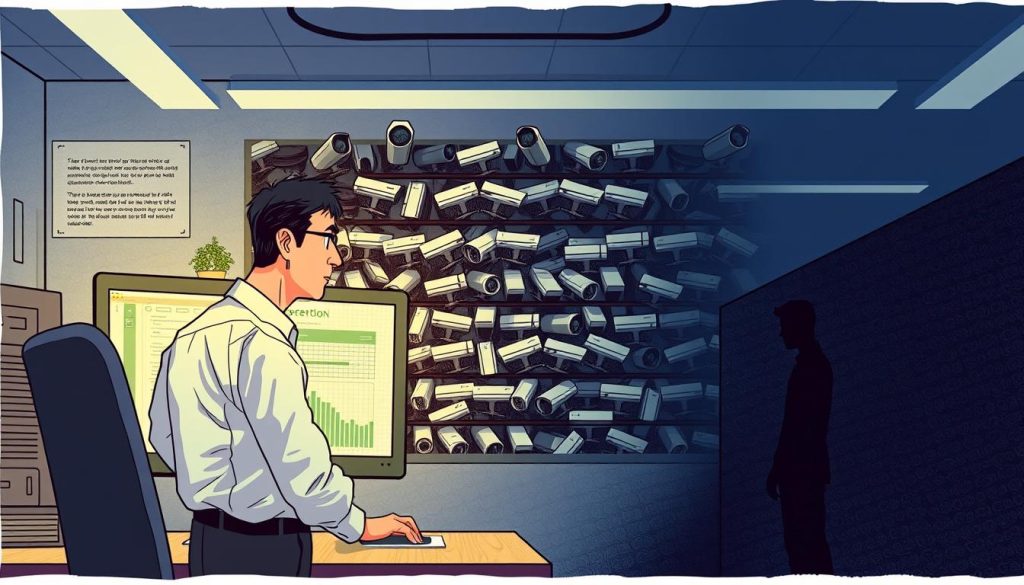
A miscalibrated retention period exposes organizations to legal, operational, and reputational threats. The security value of your system depends entirely on getting this balance right. Understanding these risks is the first step toward effective mitigation.
Legal and Financial Penalties for PDPA Non-Compliance
Over-retention directly violates Singapore’s Personal Data Protection Act. The storage limitation principle requires organizations to must keep personal data only as long as necessary. Keeping recordings “just in case” without a defined purpose breaks this fundamental rule.
The Personal Data Protection Commission enforces these rules strictly. They can impose fines of up to S$1 million for serious breaches. Financial penalties represent just one dimension of the legal exposure.
Excessive storage also increases vulnerability during data breaches. A larger archive means more personal information could be compromised. This amplifies both the scale of a breach and the resulting liability.
Organizations that long keep unnecessary video evidence face the highest compliance risks. The PDPC consistently targets such practices in enforcement actions.
Operational Hazards of Insufficient Footage Retention
Under-retention creates different but equally serious problems. Critical evidence may be auto-deleted before an incident is discovered. Imagine a theft detected on day 31 when your policy only usually keep footage for 30 days.
This scenario leaves security teams without vital investigative tools. A 2023 security report noted over a 25% increase in certain theft categories. Reliable recordings are more essential than ever for operational defense.
Insufficient retention undermines multiple business functions:
- Insurance Claims: Lack of evidence can result in denied claims or reduced settlements
- Internal Discipline: Employee misconduct cases collapse without conclusive video proof
- Safety Investigations: Workplace accidents cannot be properly analyzed without relevant footage
- Customer Disputes: Resolution becomes impossible when transaction recordings are unavailable
These operational failures demonstrate how technical settings impact real-world outcomes. The right storage duration supports all these business needs.
Reputational Damage from Data Mismanagement
Both over-retention and under-retention can severely harm an organization’s reputation. News of a data breach involving old footage erodes public trust quickly. Customers question why their images were preserved beyond reasonable time frames.
Conversely, failing to provide critical evidence also damages credibility. Stakeholders wonder why security systems failed when needed most. This perception can be more damaging than the actual incident.
Reputational harm affects multiple relationships:
- Customer Trust: Privacy-conscious consumers avoid companies with poor data practices
- Employee Confidence: Staff may feel surveilled unnecessarily or unprotected adequately
- Regulatory Standing: Repeated violations mark an organization as high-risk to authorities
- Partner Relationships: Other businesses may hesitate to collaborate with non-compliant entities
Singapore’s competitive market makes reputation particularly valuable. Once damaged, restoring trust requires significant time and resources. Proactive policy management prevents such scenarios entirely.
A well-considered retention policy serves as your primary risk mitigation tool. It addresses both legal liability and security vulnerability simultaneously. The cost of compliance—establishing and following clear rules—is far lower than the cost of non-compliance.
View your storage duration not as a technical setting but as a core component of organizational risk management. This perspective transforms policy from an administrative task into a strategic advantage. Proper calibration protects against all the major threats facing modern surveillance operations.
Navigating Footage Requests: From Law Enforcement to Individuals
The true test of a surveillance system comes when someone requests to see the recorded footage. Your established retention period defines what is available, but your procedures for disclosure determine if it’s handled correctly. This final stage of the data lifecycle is governed by strict rules and requires careful protocol.
Requests can arrive from police, employees, or the public. Each type has different legal standing. A clear internal policy for handling them is as vital as the storage policy itself. It protects privacy, ensures compliance, and maintains the integrity of your security operations.
Proper management turns your surveillance investment into a reliable tool for accountability. Mishandling a request can lead to legal trouble or broken trust. The following guidelines help businesses in Singapore navigate this complex terrain.
Your Obligations Under the PDPA for Data Access Requests
Singapore’s Personal Data Protection Act grants individuals a specific right. They can ask for access to personal data held by an organization. This explicitly includes CCTV footage where they are identifiable.
This is called a Data Access Request (DAR). Upon receiving one, your organization has thirty days to respond. You must provide the requested recordings or a valid reason for refusal.
The process involves several key steps. First, verify the requester’s identity to prevent unauthorized access. Then, locate the specific video from the stated time and date. This is where a clear retention policy proves invaluable.
You know exactly what footage days should still exist in your system. Before providing the recordings, you must redact or blur images of other individuals. This protects their privacy.
You may charge a reasonable fee for providing the data. The PDPA allows this to cover administrative costs. Crucially, you must not delete relevant footage once a DAR is anticipated or received.
Fulfilling a DAR is not optional. It is a direct legal obligation under the PDPA. A documented procedure ensures you meet the 30-day deadline consistently.
Proper Protocols for Providing Footage to Authorities
Law enforcement requests are common but require a distinct protocol. Police may need CCTV footage for an active investigation. Your cooperation is important, but it must be structured.
Always ask for the request in writing. This can be a formal letter or an official email. Verbal requests should be followed up with written confirmation. Verify the officer’s identity and credentials thoroughly.
Understand the legal basis for their request. Providing video without this due diligence can risk a privacy violation. Log every detail of the request: officer’s name, badge number, date, time, and the case reference.
When providing the footage, never hand over the original storage media or the only copy. Always provide a duplicate. This allows you to keep footage within your own system according to your policy.
Formal documentation creates a clear chain of custody. It shows exactly what was provided and to whom. This protects your organization if the data is later used as evidence in court.
Handling Requests from Employees and the Public
Internal requests from staff members need careful control. An employee might ask for access to recordings after a workplace incident. Such requests should require formal manager approval.
The purpose must be limited and legitimate, like reviewing a safety concern. General browsing of surveillance cameras is not permitted. This aligns with the PDPA’s purpose limitation principle.
Requests from the general public or media often lack a legal mandate. You are generally not obliged to provide CCTV video to them. Discretion is required, heavily weighted towards protecting the privacy of all captured individuals.
Releasing such footage publicly could violate the PDPA. It could also compromise an ongoing police investigation. A standard response should direct these inquiries to the appropriate authorities.
For all request types, implement a simple request form and a master log. Track who asked for what, when, why, and what was provided. This log is your primary tool for accountability and audit trails.
Handling requests properly is the final step in responsible data management. It completes the lifecycle that begins with recording. Robust practices here ensure your security solutions serve their purpose without creating new risks.
Future-Proofing Your CCTV Storage Strategy
A resilient surveillance strategy anticipates technological evolution and regulatory shifts in Singapore’s security landscape. Your current storage setup must serve tomorrow’s requirements. This forward-looking approach saves money and prevents disruptive overhauls.
View your video retention framework as a living plan. It requires periodic review and adaptation. This mindset transforms static recording into dynamic asset protection.
Adopting AI and Smart Analytics for Efficient Storage
Modern systems move beyond basic motion detection. Artificial intelligence enables intelligent filtering based on object classification. This technology analyzes video streams in real time.
AI-powered analytics identify specific events worth preserving. The system might only save clips showing a person entering a restricted zone. It could flag a vehicle lingering near a perimeter after hours.
This selective approach drastically reduces storage needs. Vast amounts of irrelevant footage never get recorded. Your archive contains only security-relevant events.
Smart analytics represent the next evolution in data efficiency. They provide powerful solutions for managing storage space. This technology maximizes the value of every gigabyte.
Planning for Storage Scalability as Your Needs Grow
Your security requirements will change over time. A scalable infrastructure accommodates this growth without major reinvestment. Smart planning today avoids bottlenecks tomorrow.
Consider physical expansion options. Choose Network Video Recorders with unused drive bays. This allows easy addition of hard drives as your camera count increases.
Cloud storage services offer flexible, pay-as-you-grow plans. You can increase your retention periods with a few clicks. There is no need to purchase and install new hardware.
Evaluate your network’s capacity to handle increased data flows. More cameras and higher resolution demand robust bandwidth. A scalable network supports future surveillance upgrades.
Scalability planning is essential for growing businesses. It ensures your security investment remains effective for years. This proactive approach delivers long-term value.
Staying Updated on Evolving Singaporean Regulations
Compliance is an ongoing duty, not a one-time task. Singapore’s regulatory environment continues to evolve. Recent changes to HDB rules on corridor cameras demonstrate this fluidity.
Subscribe to official updates from key authorities. The Personal Data Protection Commission website provides crucial announcements. The Media Development Authority also issues relevant guidance for companies.
Industry association bulletins offer practical interpretations of new rules. They help translate legal requirements into operational practices. Staying informed protects your organization from inadvertent violations.
Integrating “privacy by design” principles into new system purchases builds compliance from the ground up. This approach embeds retention controls and data protection features at the architecture level.
Regularly review how regulatory changes affect your footage retention policy. Adjust your storage time and procedures accordingly. Document these updates to demonstrate due diligence.
Future-proofing combines smart technology with regulatory awareness. It creates a storage strategy that adapts to both market innovations and legal developments. This comprehensive approach ensures lasting security and compliance.
Essential Checklist for Your CCTV Retention Policy
Turning retention guidelines into security reality demands attention to three critical areas. This actionable checklist transforms theoretical policy into daily operational practice. Use it to audit your current framework or establish a new one from scratch.
Regular review ensures your surveillance investment delivers maximum value. All three components must work together seamlessly. Documentation, technical configuration, and human protocols form the complete picture.
Compliance Documentation and Signage
Proper paperwork provides the legal backbone for your security operations. It demonstrates due diligence and supports PDPA compliance. Start with a written retention policy document.
This policy should specify exact retention periods for different camera locations. Include the purpose of surveillance for each area. Document your procedures for handling data access requests.
Maintain a log of all footage requests and disclosures. Record who requested what, when, and why. This creates an audit trail for accountability.
Signage must be clearly visible at all monitored entrances. Notices should state who operates the system. Include contact details and the specific purpose of recordings.
Effective signage typically contains this information:
- Organization name and contact information
- Clear statement that video monitoring is in operation
- The primary purpose for collecting video
- The standard retention period (e.g., 30 days)
- Reference to your data protection policy
Technical System Configuration Review
Your hardware and software settings must align perfectly with your policy. Technical misconfiguration is a common failure point. Verify these settings match your documented rules.
Check that auto-overwrite settings correspond to your stated retention period. A policy stating 30 days requires the system to delete after exactly that time. Mismatches create compliance gaps.
Audit resolution settings per camera. Higher resolution consumes more storage space. Ensure quality meets investigative needs without wasting capacity.
Review recording schedules. Confirm whether cameras record continuously or use motion activation. Verify detection zones are properly calibrated to avoid false triggers.
Calculate available storage capacity against your daily data rate. Use this formula: Total Storage / Daily Data Rate = Actual Retention Days. Ensure the result matches your policy.
Key technical settings to verify quarterly:
- Auto-delete/overwrite cycle duration
- Video resolution and frame rate per camera
- Recording mode (24/7 vs. motion-activated)
- Motion detection sensitivity and zones
- Available storage space and health status
- Backup system functionality and schedule
Employee Training and Awareness Protocols
Human factors determine policy success more than technology. Untrained staff can undermine the most sophisticated systems. Establish clear training protocols for all relevant personnel.
Employees must understand who can access footage and under what circumstances. Define authorization levels for different roles. Frontline staff should know basic procedures.
Train team members on secure export methods. They should know how to provide recordings without compromising chain of custody. Include redaction techniques for protecting third-party privacy.
Establish specific protocols for law enforcement requests. Staff should know to request written documentation. They must understand how to provide duplicates rather than originals.
Consistent training turns policy documents into lived security practices. It ensures every team member becomes a responsible steward of surveillance data.
Document all training sessions and attendees. Maintain records showing who received instruction and when. This demonstrates organizational commitment to proper practices.
Essential training topics for security personnel:
- Your organization’s specific retention policy details
- Legal obligations under Singapore’s PDPA
- Procedures for handling data access requests
- Secure methods for exporting and sharing video
- Chain of custody requirements for evidence
- Signage requirements and public communication
Use this checklist quarterly or biannually. Regular reviews catch configuration drift before it creates problems. Update your policy based on audit findings and changing security needs.
This framework turns abstract guidelines into concrete action. It ensures your surveillance solutions operate as intended. Proper implementation protects both people and property effectively.
Taking the Next Step Towards Compliant Surveillance
Effective video monitoring requires more than just installing cameras—it demands a thoughtful approach to data lifecycle management. A documented retention policy transforms raw footage into a valuable security asset.
Remember the core standards: thirty days for commercial operations and about two weeks for residential systems. The PDPA’s storage limitation principle remains paramount. Your policy should evolve with technology and business needs.
Take action now. Audit your current setup against the essential checklist. Review your storage duration and access controls. Consider seeking expert guidance for complex implementations.
For professional advice on compliant CCTV solutions, contact reputable providers like Wen Hong (+65 60135960) or ED Viston (+65 8313 4578). They help businesses design systems that balance security with legal obligations.
Compliant surveillance strengthens both protection and organizational integrity. Master your footage retention to build trust and enhance security posture responsibly.
FAQ
What is the standard CCTV footage retention time for a home?
For residential security systems, a common baseline is to keep recordings for about two weeks. This period typically provides enough time to review incidents without demanding excessive storage space. Many modern setups for homes use features like motion detection to save storage and extend this retention window.
How long do businesses usually need to store security camera data?
Commercial operations in Singapore often follow a 30-day minimum standard. This duration supports internal investigations and meets common operational needs. Sectors like banking or retail may have longer mandatory periods due to specific regulatory requirements.
What are the main legal rules for CCTV in Singapore?
The Personal Data Protection Act (PDPA) is the primary law. It requires organizations to collect video data only for legitimate purposes and to protect it. The Media Development Authority (MDA) also provides guidelines on proper camera placement and the use of clear signage to inform the public.
What factors determine how long I can keep my surveillance footage?
A> Several key factors influence retention duration. Your security risk level and operational needs are paramount. Technically, the resolution of your cameras, the use of video compression, and whether you record continuously or only on motion all impact how much storage space your video files consume.
What are the different options for storing my camera recordings?
You have three main avenues. Local storage uses a DVR or NVR with an internal hard drive. Cloud-based storage offers remote access and off-site security. A hybrid model combines both, keeping recent footage locally while archiving older clips to the cloud.
How does motion-activated recording help with storage?
Motion detection is a powerful space-saving tool. Instead of recording 24/7, cameras only save video when movement is sensed. This drastically reduces the amount of useless footage, allowing you to keep relevant clips for a much longer time on the same storage hardware.
What are the risks of keeping video data for too short a time?
Under-retention creates operational hazards. If an incident is discovered after your retention period ends, the critical evidence is lost. This can hinder internal reviews, insurance claims, and cooperation with law enforcement, potentially leading to financial or liability issues.
Am I obligated to provide CCTV footage if someone requests it?
Under the PDPA, individuals have the right to request access to their personal data, which can include video recordings. Your organization must have a process to handle these Data Access Requests. You also need a clear protocol for providing footage to official authorities like the police.
How can I make my CCTV storage system more efficient for the future?
Adopting smart analytics and AI can filter out irrelevant footage automatically. Planning for scalability by choosing systems with expandable storage is crucial. Most importantly, stay informed about updates to Singapore’s PDPA and other guidelines to ensure ongoing compliance.


