
How long can CCTV record without electricity? Expert Guide
Power outages can create significant security vulnerabilities for both homes and businesses in Singapore. Understanding your surveillance system’s capabilities during these situations is crucial for maintaining continuous protection.
Modern security systems have evolved with impressive backup solutions that extend recording time during electrical disruptions. Today’s technology offers various options to ensure your cameras continue functioning even when mains power fails.
In Singapore’s security landscape, 82% of professional video systems now use AI-enabled network cameras. Approximately 65% of IP cameras utilize Power over Ethernet, while the remainder employ WiFi connectivity for flexible installation.
This comprehensive guide explores the factors affecting recording duration and the solutions available. We’ll examine how different systems work during power interruptions and what options provide the most reliable protection.
Key Takeaways
- Modern CCTV systems feature advanced backup power options for uninterrupted monitoring
- Power over Ethernet (PoE) and wireless connectivity offer different backup advantages
- Battery-powered security cameras provide varying duration capabilities during outages
- AI-enabled network cameras dominate Singapore’s professional security market
- Technological advancements have made backup solutions more accessible and reliable
- Proper system selection ensures continuous surveillance during power failures
- Multiple backup options exist to maintain security system operation without electricity
Understanding the Critical Role of CCTV in Singaporean Security
The increasing security challenges in urban environments highlight the value of visual monitoring systems. Singapore faces particular safety concerns that make these technologies essential for comprehensive protection.
Recent data shows a 24% crime rate across the island nation. This statistic underscores why property owners prioritize robust security measures. The situation became more urgent with a 25% jump in theft incidents during 2023.
Visible security cameras serve as powerful deterrents in both residential and commercial areas. Potential offenders often reconsider illegal activities when they know they’re being watched. This preventive effect significantly reduces crime rates where surveillance is present.
Recorded video footage provides critical evidence for investigations and legal proceedings. Law enforcement agencies rely on this visual data to identify suspects and build cases. The evidential value makes these systems invaluable for justice outcomes.
Many insurance companies offer premium discounts for properties with certified security systems. This financial benefit makes surveillance technology a smart investment for homeowners and businesses. The cost savings can offset initial installation expenses over time.
Modern surveillance solutions contribute significantly to public safety in high-traffic areas. They help create safer community environments through continuous monitoring. This constant vigilance deters criminal behavior and helps authorities respond quickly.
These systems maintain operational integrity around the clock regardless of conditions. The 24/7 monitoring capability ensures no security gaps during critical periods. This reliability is particularly valuable for commercial establishments.
Business environments benefit from surveillance technology in maintaining employee honesty. The presence of cameras reduces internal theft and improves workplace accountability. This protection extends to inventory, cash handling, and sensitive data areas.
Singaporean residents and businesses increasingly adopt these security solutions. The growing installation rates reflect rising safety concerns across the community. This trend shows no signs of slowing as technology advances.
Properly implemented surveillance systems offer comprehensive protection for various spaces. They secure homes, offices, and public areas with equal effectiveness. The right configuration addresses specific security needs for each environment.
An Overview of Modern CCTV System Types and Technologies
Security camera technology has evolved dramatically, offering distinct system types with unique capabilities. Understanding these differences helps property owners choose the optimal surveillance solution for their specific needs.
Modern security systems fall into two primary categories with different technological foundations. Each type offers particular benefits for various installation scenarios and performance requirements.
Analog vs. Digital (IP) Camera Systems
Traditional analog systems support HD resolution at 720p or 1080p quality levels. These established technologies use coaxial cables for video transmission and separate power connections.
Digital IP cameras deliver significantly sharper images, typically at 5MP resolution or higher. This enhanced clarity provides better detail recognition for security identification purposes.
Transmission speed differs substantially between these technologies. Analog systems operate with approximately 50ms latency, while IP cameras experience around 120ms delay.
Durability factors also vary between system types. Coaxial cables in analog setups better withstand power surges but offer lower data capacity than Ethernet solutions.
The Advantages of Power over Ethernet (PoE)
Power over Ethernet technology represents a significant advancement in security system design. This approach combines data and electrical delivery through a single cable connection.
PoE systems deliver between 15.4W and 30W per port depending on specific requirements. This streamlined approach simplifies installation while maintaining reliable performance.
IEEE standards govern PoE implementation for consistent operation. The 802.3af standard provides 15.4W per port, while 802.3at delivers 30W for advanced camera models.
Singapore’s CP5 wiring standards ensure safe and compliant PoE deployments throughout the country. These regulations guarantee proper installation practices for maximum system reliability.
Technical requirements for PoE systems include adequate switch capacity for optimal performance. An 8-port switch needs ≥120W capacity for 4K transmission within the 100m Cat6 limit.
Modern PoE systems automatically adjust power delivery based on connected devices. Auto-sensing ports in commercial-grade hardware optimize energy distribution throughout the network.
These systems offer excellent scalability advantages for growing security networks. Both residential and commercial Singaporean properties benefit from this expandable technology approach.
How Long Can CCTV Record Without Electricity? The Defining Factors
Multiple technical elements determine surveillance duration during electrical disruptions. Understanding these variables helps property owners select optimal security solutions.
Modern IP cameras with integrated batteries typically maintain operation for 24 to 48 hours. This timeframe varies significantly based on several critical system specifications.
The Impact of Battery Capacity and Type
Battery capacity directly influences surveillance duration during outages. Larger capacities enable extended monitoring when mains power fails.
Different battery technologies offer varying performance characteristics. Sealed Lead Acid (SLA) units provide approximately 300 charge cycles.
Lithium Iron Phosphate (LiFePO4) batteries deliver superior longevity with 2,000+ cycles. This makes them more cost-effective for long-term security applications.
A 10Ah battery can sustain a 5W camera for roughly 7 hours. This calculation helps estimate system runtime during unexpected blackouts.
Camera Model, Resolution, and Power Draw
Individual camera specifications significantly affect energy consumption. Higher-resolution models demand more electrical resources.
The Reolink Duo 2 PoE consumes 12W during operation. This compares to more efficient models that use less energy.
Recording resolution dramatically impacts power requirements. 4K and 5MP configurations consume substantially more energy than lower-resolution options.
Some advanced models achieve exceptional battery performance. The Reolink Altas PT Ultra can operate up to 8 days on a full charge.
Number of Cameras on the System
Each additional camera increases total system power draw. This cumulative effect reduces overall backup duration during outages.
A typical 4-camera system costs approximately S$18.60 monthly in Singapore. This energy expense reflects continuous operation requirements.
Proper system sizing ensures adequate backup coverage. Balancing camera quantity with battery capacity maintains security during disruptions.
These factors combine to determine actual surveillance duration. Smart configuration maximizes protection during any power interruption scenario.
Battery Backup Solutions for Uninterrupted Surveillance
Modern security systems offer multiple layers of protection against power disruptions. These solutions ensure continuous monitoring when the grid fails.
Property owners can choose from various backup options. Each solution addresses different outage durations and security needs.
Uninterruptible Power Supply (UPS) Systems
UPS units provide immediate emergency power during short interruptions. They bridge the gap until main power returns or generators activate.
The Eaton 9PX 2000RT model delivers impressive performance. It provides 45 minutes runtime for a standard 4-camera setup.
Two main UPS types serve different purposes. Line-interactive models correct voltage fluctuations without using battery power.
Online double-conversion units offer superior protection. They provide pure sine wave output for sensitive electronic equipment.
Stand-by Generators for Long-Term Outages
Generators offer reliable solutions for extended power failures. These systems automatically activate when mains power disappears.
Commercial establishments benefit from generator backup. They maintain security systems during prolonged electrical disruptions.
Proper generator sizing ensures adequate power supply. It supports all surveillance equipment plus essential building systems.
Battery-Powered and Solar-Powered Cameras
Independent security cameras operate without grid connection. The Reolink Argus 3 Pro exemplifies this technology.
Solar-powered options leverage Singapore’s abundant sunlight. The country averages 5.4 daily sunlight hours for reliable charging.
A 200W solar panel efficiently charges a 20Ah lithium battery. This process typically completes within 5 hours under optimal conditions.
Solar controller efficiency varies between technologies. MPPT controllers achieve 92-97% efficiency versus PWM’s 70-75% performance.
Large-scale storage solutions support commercial applications. The Tesla Powerwall 2 offers 13.5kWh capacity for extensive security networks.
Layered backup approaches provide comprehensive protection. They address outages of varying durations and severity.
Selecting appropriate solutions depends on specific security requirements. Consider outage probability and critical monitoring needs.
Proper implementation ensures continuous surveillance coverage. Your security systems work reliably through any power scenario.
Ensuring CCTV Footage Storage and Retention During Power Loss
Maintaining video evidence during electrical disruptions represents a critical security priority. Modern surveillance systems incorporate advanced storage solutions that preserve crucial footage when the grid fails.
Many contemporary cameras feature onboard storage capabilities. These internal memory systems continue capturing video even during complete power outages. This ensures no security gaps during critical moments.
Battery-powered models like the Argus 4 Pro maintain operation through solar charging capabilities. These units harness Singapore’s abundant sunlight to ensure continuous recording cycles. They efficiently charge during daylight hours for nighttime surveillance.
Solar-powered options provide exceptional reliability without grid connection. They represent smart solutions for properties seeking energy independence. These systems work autonomously through day-night cycles.
“Proper backup planning separates effective security from vulnerable systems during electrical disruptions.”
Backup power systems including generators and UPS units remain essential for constant monitoring. They provide the necessary bridge during unexpected blackouts. Without these solutions, surveillance can fail completely.
Cameras with built-in retention capabilities offer particular value during outages. Models like Reolink Argus 3 Pro and Altas PT Ultra continue recording through power loss. Their integrated batteries activate automatically when mains power disappears.
UPS systems deliver immediate power until primary restoration or generator activation. They prevent system shutdowns during brief interruptions. This temporary bridging maintains surveillance continuity.
Business and mall applications benefit significantly from cameras with internal memory storage. These specialized systems ensure evidence preservation in commercial environments. They provide added protection for high-value premises.
Implementing redundant storage solutions ensures footage integrity during extended outages. Multiple backup layers create comprehensive protection systems. This approach safeguards against single points of failure.
Proper backup system design considers local power reliability patterns. It addresses specific outage probabilities and duration expectations. Smart planning matches solutions to actual security needs.
These advanced retention technologies provide peace of mind during electrical challenges. They maintain security system operation when it matters most. Your surveillance continues uninterrupted through any power scenario.
Performance of Surveillance Systems During an Outage
When the grid fails, security systems reveal their actual operational capabilities. Different technologies respond uniquely to electrical disruptions. Understanding these variations helps property owners select optimal protection.
Many modern cameras feature integrated backup batteries for limited operation. These internal power sources typically provide 2-4 hours of continued surveillance. The duration depends on camera model and battery capacity.
Overall system performance during blackouts depends on both battery capacity and comprehensive planning. Proper backup strategies extend monitoring duration significantly. Smart configuration maintains security through various outage scenarios.
Some systems experience connectivity limitations when switching to battery power. Remote viewing capabilities may temporarily disappear during this transition. Network equipment requires separate power backup to maintain full functionality.
Uninterruptible Power Supply units maintain operation for cameras and networking gear. They bridge power gaps until main electricity returns. These systems prevent complete surveillance failure during brief interruptions.
Cellular-based surveillance devices continue recording independently of local power status. They maintain transmission capabilities through mobile networks. This technology ensures constant monitoring during extended outages.
“Cellular backup devices provide the most reliable solution for uninterrupted surveillance during prolonged power loss events.”
Incorporating cellular backup ensures continuous monitoring and recording capabilities. These systems work independently of local electrical infrastructure. They represent the gold standard for outage protection.
Abrupt power loss creates data integrity risks for some systems. SD card corruption can occur during sudden shutdowns. The last 10 seconds of footage may become unrecoverable in these situations.
Brownout-resistant models outperform standard units during power fluctuations. The Dahua SD6AL245U-HNI maintains stable operation during voltage variations. These specialized cameras handle electrical inconsistencies better than conventional models.
Best practices for maintaining optimal performance include regular system testing. Schedule monthly backup power checks to ensure readiness. Keep batteries properly charged and replace them according to manufacturer guidelines.
Implement layered backup solutions for comprehensive outage protection. Combine UPS systems with cellular backups for maximum reliability. This approach addresses both short and long-duration power disruptions.
Advanced Technologies Extending CCTV Recording Time
Cutting-edge energy solutions now provide unprecedented surveillance continuity through intelligent power integration. These advanced systems combine multiple energy sources with smart management for optimal performance during disruptions.
Hybrid Power Systems and Cloud Storage
Modern hybrid power systems combine solar panels, lithium batteries, and grid connections for comprehensive energy security. The Hanwha Wisenet Wave platform exemplifies this approach with integrated 200W solar panels paired with 20Ah lithium batteries.
These systems automatically switch between power sources based on availability and demand. During outages, they prioritize battery and solar power while maintaining full surveillance functionality.
Cloud storage solutions ensure data preservation during extended power loss. AWS Snowball Edge devices create local 100TB caches that sync automatically when connectivity resumes. This approach guarantees no footage loss during network disruptions.
Storage capacity has reached impressive levels with modern solutions. Seagate SkyHawk AI 18TB drives offer 180 days of 4K footage storage with RAID 5 redundancy. This massive capacity ensures extended recording without data overwrite concerns.
“Integrated hybrid systems represent the future of reliable security monitoring during any power scenario.”
AI and Efficient Encoding for Lower Power Use
Artificial intelligence dramatically reduces power consumption while maintaining surveillance quality. Smart algorithms enable cameras to operate more efficiently without compromising security coverage.
Advanced encoding technologies minimize bandwidth and storage requirements. A single 4K stream now requires just 8Mbps upload bandwidth for practical cloud backup. This efficiency enables more affordable remote storage options.
Security encryption has reached new levels of sophistication. Milestone XProtect® VMS 2023 R1 uses military-grade AES-256 encryption for secure edge storage. This protection ensures data integrity even during system vulnerabilities.
Enterprise-level solutions offer comprehensive failover capabilities. The Synology SA3400 with 96TB RAW capacity pairs with 4G LTE failover at approximately S$15 monthly per camera. This affordable redundancy maintains connectivity during internet outages.
Implementation guidance focuses on matching technology to specific security needs. Property owners should assess outage probability and critical monitoring requirements. Professional installation ensures optimal system configuration and performance.
These advanced technologies work together to create resilient security networks. They extend recording duration significantly during power challenges while maintaining data integrity and accessibility.
Best Practices for Homeowners: Maintaining Security During Blackouts
Home security requires proactive planning for unexpected power disruptions. Smart homeowners implement reliable backup solutions to maintain protection when the grid fails.
Invest in quality backup systems and perform regular maintenance checks. Keep cameras and batteries in optimal condition for immediate response during outages.
UPS battery backups provide immediate power to security cameras during electrical interruptions. These units bridge the gap until main power returns or generators activate.
Regular equipment inspections ensure proper functionality when needed most. Test your security gear monthly to verify all components work correctly.
Choose weatherproof cameras designed for outdoor use in Singapore’s tropical climate. These durable units withstand humidity, rain, and temperature fluctuations.
Standby generators offer long-term power solutions for extended outages. They provide continuous electricity when battery capacity becomes insufficient.
HDB guidelines restrict installations to two external cameras per residential unit. This regulation ensures proper compliance while maintaining security coverage.
Compact solutions like Hikvision DS-HD1 offer excellent residential applications. This 4MP camera provides 98° coverage with clear monitoring capabilities.
Landed properties benefit from enhanced options like DS-2CD2043 models. These cameras deliver superior night vision up to 30 meters for comprehensive coverage.
Quarterly inspections are essential in Singapore’s tropical environment. Regular maintenance prevents performance degradation from climate conditions.
“Proper backup planning separates effective security from vulnerable systems during electrical disruptions.”
Create a comprehensive checklist for maintaining security effectiveness during blackouts. Include battery testing, camera cleaning, and system functionality verification.
Monitor battery health regularly to ensure optimal performance. Replace aging batteries before they fail during critical moments.
Consider solar charging options for extended backup capabilities. Singapore’s abundant sunlight provides reliable energy for continuous operation.
Test your entire security system during simulated outage conditions. Verify that all components switch to backup power seamlessly.
Keep emergency contact information for security professionals handy. Quick access to experts ensures rapid response during system issues.
Document your security system configuration and backup procedures. This information helps during emergencies and troubleshooting scenarios.
Implementing these practices ensures continuous protection through any power challenge. Your home remains secure regardless of electrical conditions.
Best Practices for Businesses: Ensuring Compliance and Continuity
Business operations demand uninterrupted security monitoring to meet regulatory standards and maintain protection. Companies must implement robust backup solutions that keep surveillance active during electrical disruptions.
Singapore’s regulatory framework imposes strict requirements on commercial security installations. The Personal Data Protection Act mandates 30-day footage retention for most business surveillance systems.
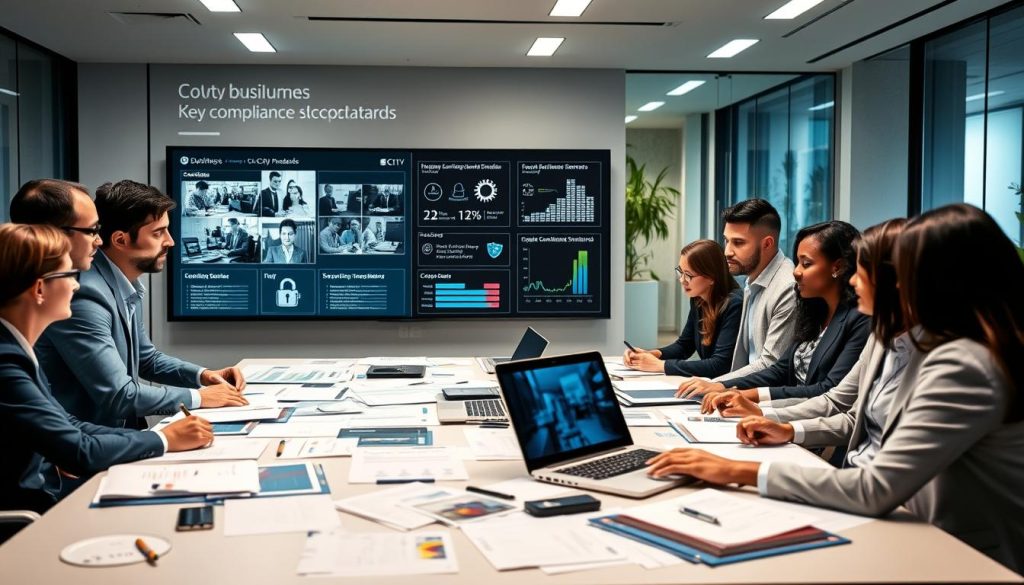
Enterprise-level systems handling sensitive data require ISO 27001 certification. This international standard ensures proper data protection protocols and security management practices.
Financial institutions face particularly rigorous standards. DBS Bank’s 2022 audit demonstrated 99.97% uptime, exceeding IMDA’s 99.95% threshold requirement.
Jurong Town Council regulations specify additional mounting height requirements for cameras in public areas. These bylaws ensure optimal coverage while maintaining privacy standards.
“Proper backup planning separates effective security from vulnerable systems during electrical disruptions.”
The SCDF mandates 72-hour backup capabilities for critical installations including hospitals and emergency facilities. These requirements ensure continuous operation during extended power outages.
Scalable solutions like the Milestone Husky M30 support up to 32 channels for growing SME security needs. This flexibility allows businesses to expand their surveillance networks as requirements evolve.
Commercial installations require quarterly IMDA certification and annual data protection audits. These regular assessments verify compliance with Singapore’s evolving security standards.
PDPA introduces tiered penalty structures for non-compliance. First-time residential violations carry S$10,000 fines, while commercial non-compliance can reach S$200,000.
Implementing comprehensive backup systems protects against both financial penalties and security breaches. Proper planning ensures business continuity during any power scenario.
Regular testing of backup power systems is essential for compliance. Scheduled checks verify that all components function correctly when needed most.
Documentation of security system performance helps during regulatory audits. Maintain detailed records of backup system tests and maintenance activities.
Professional installation ensures optimal system configuration for specific business needs. Experts can design solutions that meet both security requirements and compliance standards.
These practices create a framework for maintaining security continuity during electrical challenges. Your business remains protected and compliant through any power situation.
Singapore-Specific Considerations for Power and Climate
Singapore’s unique environmental conditions require specialized security system planning. The tropical climate presents particular challenges that affect equipment performance and reliability.
Understanding local conditions helps optimize surveillance system performance. Proper planning ensures continuous monitoring despite environmental factors.
Local Grid Reliability and Regulatory Standards
Singapore maintains exceptional electrical infrastructure quality. The Energy Market Authority rates grid reliability at 99.999%.
SP Group’s distribution network demonstrates impressive performance. It averages just 0.3 minutes of annual downtime across the system.
Location significantly affects outage frequency. Jurong Island facilities experience three times more disruptions than CBD areas.
Industrial electrical loads create higher vulnerability in manufacturing zones. These areas require enhanced backup solutions for reliable security.
How Tropical Climate Affects Backup System Performance
Singapore’s consistent heat impacts battery efficiency. Average 35°C temperatures reduce performance by approximately 18%.
High humidity levels demand special protective measures. 80% relative humidity requires conformal coating to prevent corrosion.
Heavy rainfall necessitates robust equipment protection. IP66-rated enclosures handle Singapore’s 1700mm annual rainfall.
Environmental guidelines dictate specific requirements. NEA’s PSI standards influence cooling needs for outdoor units.
Regular maintenance ensures optimal system performance. Monthly solar panel cleaning maintains 90% output during hazy periods.
Flood zone considerations affect equipment placement. BCA guidelines recommend mounting security gear 1.5 meters above ground level.
These climate-specific factors influence backup system selection. Proper accounting ensures reliable performance during challenging conditions.
“Understanding local environmental factors is crucial for maintaining security system reliability in tropical climates.”
Implementing climate-appropriate solutions guarantees continuous protection. Your surveillance systems perform optimally despite Singapore’s unique conditions.
Making an Informed Decision on Your CCTV System
Selecting the right security setup demands careful evaluation of your specific needs. Match technical capabilities with operational requirements for optimal protection.
Consider future-ready models with 5G and AI analytics support. ONVIF Profile S/T compliance ensures easy system upgrades as technology evolves.
PoE installations offer significant CapEx savings versus traditional analog infrastructure. They provide better integration with smart building frameworks.
Financial support through IMDA grants makes advanced video analytics more accessible. Professional consultation optimizes camera placement and system design.
For customized security solutions, contact Wen Hong at +65 60135960. Get expert advice on the latest surveillance technology for your property.
FAQ
What is the typical duration a CCTV system can operate during a power outage?
The duration depends on the backup power solution. A standard UPS may provide 1-4 hours, while battery-powered cameras or generators can extend this to 8-24 hours or more, depending on capacity and system load.
How does a UPS system help maintain CCTV surveillance?
An Uninterruptible Power Supply (UPS) offers immediate battery backup during outages, keeping cameras and recorders running smoothly. It bridges short gaps until power is restored or a generator kicks in.
Are there CCTV cameras designed specifically for areas with frequent power issues?
Yes, models with built-in batteries, solar-powered options, or low-power consumption designs are ideal. These are often used in remote locations or regions with unstable electricity supply.
Does camera resolution affect how long the system can run on backup power?
Absolutely. Higher resolution cameras consume more power and storage. Lowering resolution or using efficient encoding can extend both recording time and backup battery life during an outage.
What role does cloud storage play during power loss?
Cloud storage allows footage to be saved off-site, so even if local systems fail due to power loss, video data remains secure and accessible, ensuring no critical footage is lost.
How can businesses in Singapore ensure compliance during extended power outages?
Businesses should invest in robust backup systems like generators or high-capacity UPS units, paired with cloud or redundant storage. This meets regulatory requirements for uninterrupted surveillance and data retention.
Do environmental factors like Singapore’s climate impact backup system performance?
Yes, high heat and humidity can reduce battery efficiency and lifespan. It’s essential to choose backup solutions rated for tropical conditions and perform regular maintenance to ensure reliability.


