
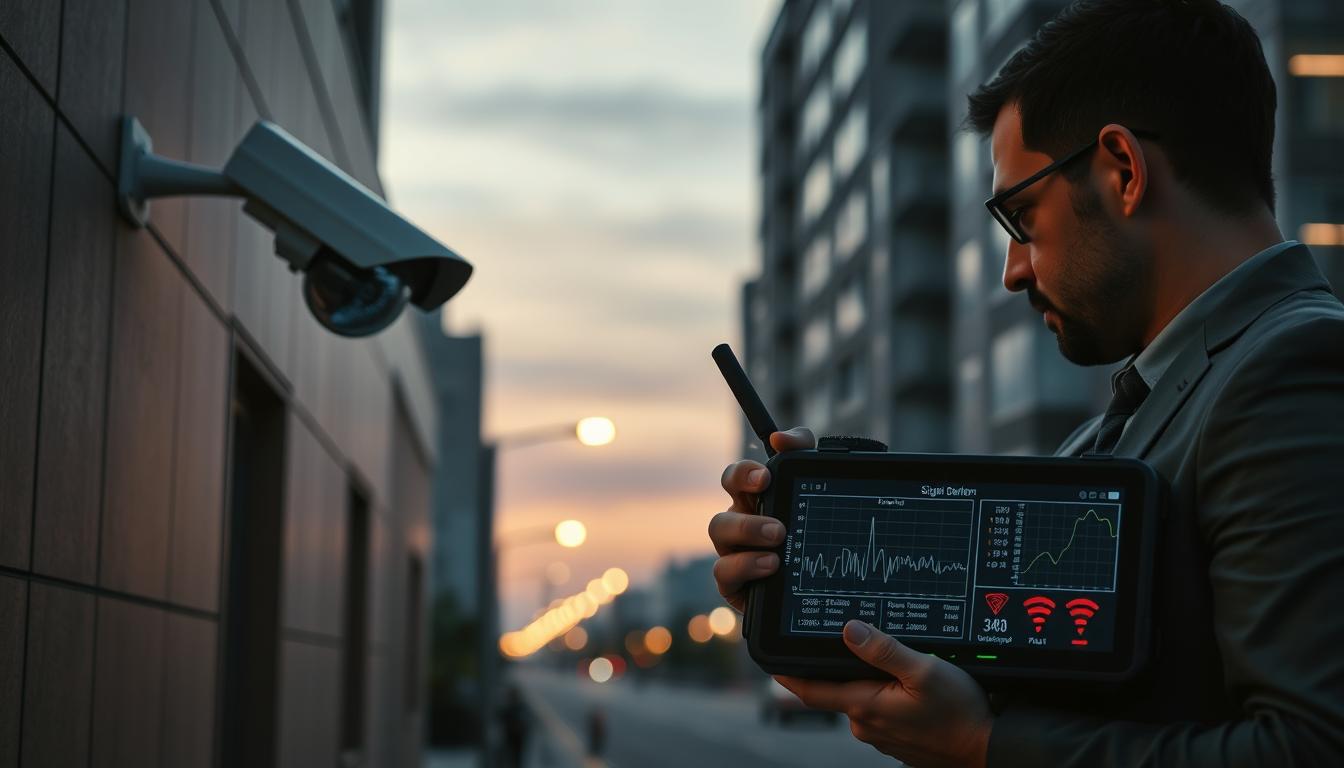
How do you know if someone is jamming your camera? Tips
Modern wireless security cameras provide excellent convenience for homeowners. Yet, this technology introduces new vulnerabilities. Reports from Singapore’s National Crime Prevention Council highlight a growing concern over signal disruption incidents.
Criminals can use radio frequency interference to disable these surveillance systems. This deliberate act is known as jamming. It creates a serious challenge for property protection.
Technical glitches often mimic the signs of a deliberate attack. Sudden video loss or distorted footage can cause alarm. This guide helps distinguish between common connectivity issues and intentional jamming attempts.
Understanding these signs is crucial for maintaining effective home security. A well-configured system reacts differently to unplugging versus signal interference. Proactive awareness forms your first layer of defense.
This article provides practical, actionable advice. We cover detection methods, prevention strategies, and legal considerations in Singapore. Proper configuration and regular maintenance can significantly reduce your system’s vulnerability.
Key Takeaways
- Wireless security systems are convenient but can be vulnerable to signal interference.
- Reports in Singapore show a rise in concerns over surveillance disruptions.
- Differentiating between technical glitches and deliberate jamming is essential.
- Proactive system configuration and awareness are key to reducing risk.
- This guide offers practical steps for detection and prevention specific to homeowners.
- Layered security defenses provide the best protection for your property.
Understanding the Threat of Security Camera Jamming
The reliability of your home security system can be compromised by a silent, invisible threat: radio frequency interference. This deliberate act targets the wireless signals that connect your devices. It creates a blind spot in your surveillance, often without any physical trace.
Understanding this electronic vulnerability is the first step toward stronger protection. Modern security relies on clear data transmission. When that link is broken, your property becomes exposed.
What Is Camera Jamming?
Camera jamming is the deliberate interference with radio frequencies to disable security systems. Attackers use specialized devices that emit stronger radio waves. These overpower the legitimate signals from your cameras.
Most wireless security cameras operate on predictable frequency bands. The common targets are the 2.4GHz or 5GHz ranges. Jammers flood these bands with electromagnetic noise.
This noise creates a wall that prevents footage from reaching your receiver. The result is a complete data loss or a distorted video feed. Cybersecurity reports note these devices can be effective within a 100-meter radius.
Jamming technology varies in sophistication. Basic models block all nearby signals indiscriminately. More advanced, frequency-adaptive devices scan for specific channels.
They then overpower those channels dynamically. This makes detection attempts more challenging for standard home systems.
Why Wireless Cameras Are Vulnerable
Wireless cameras are vulnerable due to their reliance on open-air connections. Unlike wired systems, they do not require physical access to tamper with. A jammer can disrupt the signal from a distance.
This presents a lower risk for a criminal compared to cutting a cable. In Singapore’s dense urban environment, this vulnerability is amplified. Many residential signals overlap on crowded frequency bands.
Local studies indicate that approximately 72% of users rely on the 2.4 GHz frequency. This makes it a prime target for interference. High-density living increases signal congestion.
Wired security systems offer a different challenge. They require direct, physical tampering to disable. This often leaves clear evidence and carries a higher risk of being caught.
For a layered defense, recognizing this weakness in wireless technology is crucial. It informs the choice between different security models and configurations.
How Do You Know If Someone Is Jamming Your Camera? Key Signs
Several distinct technical symptoms can reveal when surveillance systems face deliberate disruption. These indicators help distinguish between ordinary technical faults and targeted interference attempts. Understanding these patterns is essential for maintaining reliable property protection.
Sudden and Unexplained Loss of Internet Connection
A sudden, complete loss of internet connection affecting your security cameras warrants attention. This could indicate a jammer overpowering your WiFi signal with stronger radio waves. Unlike routine ISP outages, this disruption typically affects only wireless devices.
Check your router logs for unusual packet loss or bandwidth reduction patterns. Technical analyses note that packet loss exceeding 2% can be a key jamming indicator. Consistent drops during specific time periods suggest deliberate activity rather than network congestion.
Black Screens, Pixelation, or Distorted Video Feeds
Visual disruptions like black screens or pixelated footage signal transmission problems. Jammers flood specific frequencies, preventing data from reaching your recording system. The result is a complete loss of video or heavily distorted imagery.
These issues occur because the interference blocks legitimate signals from your cameras. Unlike compression artifacts, jamming-induced distortion appears suddenly and consistently. It affects the entire feed rather than specific sections of the frame.
Frequent and Unexplained Connectivity Drops
Cameras cycling offline and online repeatedly may face timed jamming attacks. These frequent connectivity drops differ from occasional WiFi hiccups. They often follow a predictable pattern, like occurring at the same time each night.
In Singapore, a homeowner documented nightly outages between 1-3 AM. Investigations eventually traced these to a nearby interference device. Such consistent timing strongly suggests intentional disruption rather than random technical faults.
Unusual Static or Consistent Interference Patterns
Unusual static or consistent noise patterns differ from random weather-related interference. Jamming creates specific electronic signatures when competing signals clash. You might notice audio echoes, flickering video, or patterned static.
Urban environments like Singapore experience particular challenges. 2.4 GHz networks face three times more disruptions than 5 GHz systems due to frequency congestion. This makes them prime targets for jamming attempts in dense residential areas.
Test your system by rebooting cameras and checking connections. If issues persist consistently across multiple devices, further investigation is warranted. A layered approach to detection helps confirm suspicions before taking action.
How Camera Jammers Work to Disrupt Your Signal
Jamming devices operate by exploiting fundamental principles of radio frequency communication. These tools create deliberate signal interference that overwhelms legitimate transmissions from surveillance equipment. Understanding this process reveals why certain security setups prove more vulnerable than others.
The Technology Behind Common Jamming Devices
Modern jamming devices contain three core electronic components working in unison. An oscillator generates the base radio frequency matching your camera’s broadcast band. This targets the specific channel your surveillance system uses for data transmission.
A noise generator creates disruptive signal patterns designed to corrupt legitimate data. These patterns form electronic noise that floods the targeted frequency. Finally, an amplifier boosts this interference to extend its effective range.
Consumer-grade jammers available on dark web markets typically cost between S$80 and S$300. Military-grade units with advanced capabilities can exceed S$5,000. Portable models dominate residential crimes due to their small size and easy concealability.
These compact devices can render cameras useless within a 100-meter radius under optimal conditions. Their effectiveness depends on output power and proximity to the target. Singapore’s dense urban landscape presents unique challenges for signal integrity.
Targeted Frequencies: 2.4 GHz vs. 5 GHz
Most wireless security cameras operate on either 2.4 GHz or 5 GHz frequency bands. The 2.4 GHz spectrum faces significantly more congestion and interference in urban environments. Singapore’s high-density living conditions amplify this vulnerability through overlapping signals.
Comparative testing reveals important differences in system resilience. Reolink wireless cameras experience approximately 40% more disruption during interference events compared to wired Axis systems. This highlights the inherent risk of relying solely on wireless transmission.
Frequency-hopping cameras provide enhanced protection against jamming attempts. These advanced models automatically switch between frequency bands when detecting interference. This technology reduces vulnerability by 68% compared to standard single-frequency devices.
Effective jamming requires specific technical knowledge about broadcast frequencies and proper equipment deployment. Most burglars lack this specialized expertise, making sophisticated attacks relatively uncommon. Basic interference attempts remain more prevalent in residential settings.
A layered security approach combining different technologies offers the best protection. Understanding how jammers work helps homeowners make informed decisions about their surveillance systems. Proper configuration can significantly reduce exposure to these electronic threats.
The Legal Landscape: Are Jammers Legal in Singapore?
Singapore maintains one of the world’s strictest legal frameworks to combat unauthorized radio frequency interference. The Infocomm Media Development Authority (IMDA) classifies all signal jamming devices as prohibited technology. This outright ban covers possession, use, and even testing of such equipment.
Understanding these laws is vital for any property owner relying on wireless surveillance. The legal risks for an attacker are severe. For homeowners and businesses, knowing the rules helps in reporting incidents correctly.
Singapore’s Telecommunications Act and IMDA Regulations
The primary law governing this area is the Telecommunications Act. Section 26 specifically prohibits any unauthorized interference with licensed telecommunication systems. This includes the signals used by your home security cameras and smart home networks.
IMDA, the national regulator, has broad enforcement powers. The agency conducts regular spectrum monitoring sweeps across the island. These sweeps detect illegal signal interference from unauthorized jamming devices.
Citizen reports of interference are a key part of this enforcement. When you report unexplained camera failures, you help authorities locate illegal operators. This public cooperation is crucial for maintaining signal integrity in dense urban areas.
A 2022 PCWorld report documented a relevant case. A retail chain’s surveillance cameras were disabled during a burglary. Subsequent investigations led to arrests under Singapore’s strict jamming laws, showcasing active enforcement.
Despite the ban, these devices still circulate on underground markets. They are often found on dark web platforms for SGD 50 to 200. Some are disguised as “signal testers” in an attempt to bypass customs inspections.
Corporate espionage incidents have also been reported. In business districts like Raffles Place, disguised jammers hidden in briefcases have been used to cripple competitor security systems. This highlights the threat beyond simple burglary.
It is important to distinguish between illegal and legal tools. Encrypted Wi-Fi analyzers that detect interference are legal. Jammers that actively cause interference are not. Businesses must audit procurement channels to avoid accidentally buying prohibited technology.
Penalties for Using or Possessing Jamming Devices
The penalties for violating these regulations are designed to be a strong deterrent. Conviction under the Act can result in fines of up to S$50,000. Offenders may also face imprisonment for a term of up to three years.
In more severe cases, fines can reach up to SGD 100,000. The courts also have the power to order the confiscation of all jamming equipment. This applies regardless of whether the device was successfully used.
Merely possessing a jammer is a prosecutable offense. There is no requirement to prove intent to commit a further crime. This strict liability approach underscores the seriousness with which Singapore views spectrum integrity.
The law protects all licensed wireless systems. This includes your residential security cameras, corporate networks, and public infrastructure. The goal is to ensure a reliable and secure radio environment for everyone.
For homeowners, this legal backdrop provides a layer of deterrence. It also clarifies the steps to take if you suspect a jamming attack. Reporting the incident to IMDA initiates a formal process that can lead to detection and prosecution.
Proactive Measures to Prevent Camera Jamming
Taking proactive steps can significantly harden your surveillance setup against electronic attacks. Prevention is always more effective than reacting to a security breach. A layered approach combines technology upgrades with consistent maintenance protocols.
This strategy reduces vulnerabilities before criminals can exploit them. Each measure builds upon the last, creating a robust defense system. The goal is to make jamming attempts difficult and easily detectable.
Upgrading Your Network: Wired, 5GHz, and Dual-Band Systems
Network infrastructure forms the backbone of any modern security system. Upgrading to 5 GHz networks reduces interference by 40% compared to standard 2.4 GHz systems. This band offers less congestion and more available channels in Singapore’s dense urban environment.
Wired connections provide 100% jamming immunity for critical areas. They use physical cables instead of vulnerable wireless signals. This approach is ideal for entry points and high-value asset locations.
Dual-band systems offer intelligent flexibility for comprehensive coverage. Reolink’s Atlas PT Ultra automatically switches to 5GHz when detecting interference on 2.4GHz bands. This technology maintains surveillance continuity during disruption attempts.
Strengthening Encryption and Router Security
Modern encryption standards are essential for protecting camera networks. Upgrading routers to WPA3 security blocks 90% of brute-force attacks. This protocol provides stronger protection than older WPA2 standards.
Access your router’s admin panel through a web browser. Navigate to the wireless security settings section. Select WPA3-Personal encryption from the available options.
Create a strong password with at least 12 characters. Use a mix of uppercase, lowercase, numbers, and symbols. Avoid common words or personal information that criminals might guess.
Installing Signal Boosters and Directional Antennas
Signal enhancement equipment strengthens weak network coverage areas. TP-Link AC1750 boosters extend reliable connections throughout your property. These devices help maintain consistent video transmission quality.
Directional antennas focus transmission power toward monitored zones. Ubiquiti LiteBeam models reduce jamming surface exposure by 60%. Singapore-approved versions provide reliable coverage for 50-100 meter ranges.
Proper placement maximizes antenna effectiveness in HDB flats. Position equipment toward monitored areas while avoiding neighboring units. Mount antennas at least 2 meters above ground level for optimal performance.
Conducting Regular System Audits and Firmware Updates
Ongoing maintenance identifies vulnerabilities before criminals exploit them. Quarterly security audits by IMDA-certified professionals check signal strength consistency. These experts also monitor for unauthorized access attempts.
Manufacturers release critical updates to patch security vulnerabilities. Companies like Dahua issue important firmware updates every 3-6 months. Regular installation keeps your system protected against emerging threats.
Cloud-based management adds real-time monitoring capabilities. Systems like Reconeyez provide instant alerts for network anomalies. This enables immediate response to potential interference or disruptions.
What to Do If You Suspect a Jamming Attack
Effective incident response transforms suspicion into actionable intelligence for authorities investigating electronic attacks. When surveillance disruptions occur, a structured approach preserves evidence and maintains system integrity. This protocol helps distinguish between technical failures and criminal interference.
Singapore Police Force guidelines recommend initiating response protocols within 60 minutes of detection. Delayed reporting reduces investigation success rates by 40%. Prompt action is crucial for preserving forensic evidence and identifying perpetrators.
A methodical verification process begins with physical inspection and progresses to technical analysis. Each step builds a comprehensive case for authorities. Proper documentation creates a clear timeline of events.
Immediate Verification and Evidence Documentation
Begin by inspecting all security cameras for physical tampering. Look for loose cables, repositioned mounts, or unusual device orientations. These signs may indicate attempted access before electronic interference.
Check your router logs for authentication failures and signal anomalies. Unrecognized MAC addresses appearing during disruption periods suggest unauthorized network access. Signal strength drops exceeding 15dBm often accompany jamming attempts.
Preserve 48 hours of system logs before and after suspected incidents. This timeframe captures critical pre-attack patterns and post-interference recovery data. Log preservation should include authentication attempts, connection status, and bandwidth usage.
Record RF scan results with precise GPS coordinates when using detection equipment. Maintain video backups of any distorted footage as evidence. Timestamp all documentation using synchronized network time protocols.
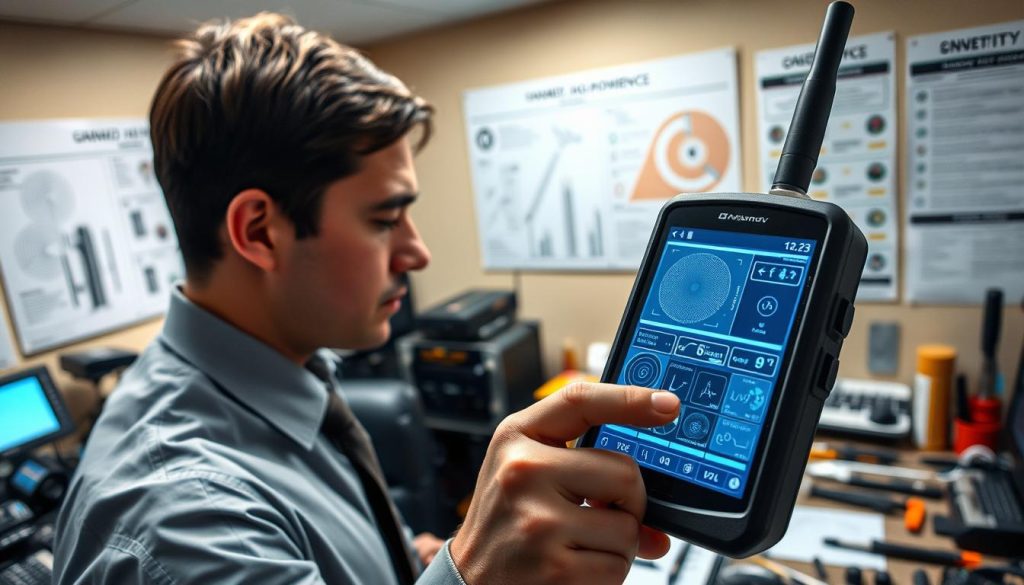
Thermal imaging tools can identify overheating jammers within 10-meter ranges during physical sweeps. These devices often generate significant heat during operation. Visual identification supports technical detection data.
Create a comprehensive incident report detailing all observations. Include timestamps, affected devices, and specific disruption patterns. This documentation becomes essential when contacting authorities.
Using RF Scanners and Technical Detection Methods
Portable spectrum analyzers verify jamming attacks by measuring baseline RF levels. These devices detect signal-to-noise ratio fluctuations and frequency band saturation percentages. Professional-grade equipment provides court-admissible evidence.
Singapore-based firms like Aegis Security provide forensic-grade detection device rentals. Their DT-3000 scanner identifies 98% of consumer jammers available in regional markets. Rental services include basic operation training for homeowners.
Conduct scans during both normal operation and suspected interference periods. Compare results to establish baseline electromagnetic environment readings. Significant deviations indicate potential jamming activity.
Focus scanning on the 2.4GHz and 5GHz frequency bands used by most wireless security systems. Look for unusually high noise floors across multiple channels. Consistent interference patterns across these bands suggest deliberate attacks rather than environmental noise.
“Professional RF detection transforms suspicion into verifiable evidence. The DT-3000 scanner’s 98% identification rate makes it Singapore’s most reliable consumer-grade detection tool.”
Document all scan results with timestamps and location data. Include signal strength measurements, frequency occupancy percentages, and noise level readings. This technical evidence strengthens your case with authorities.
Alerting the Authorities in Singapore
Contact the SPF Cybercrime Division immediately when technical verification confirms interference. Provide exact times of disruptions, affected device models, and RF detector logs showing frequency anomalies. Include all preserved system logs and video evidence.
Prepare a concise summary highlighting the most compelling evidence. Focus on timestamp correlations between signal disruptions and RF detection results. Clearly distinguish between suspected criminal activity and potential equipment failure.
Singapore’s legal framework provides strong support for reporting electronic attacks. The Infocomm Media Development Authority collaborates with police on spectrum interference cases. Your report initiates coordinated investigation protocols.
Submit evidence through official channels while maintaining local copies. Follow up within 48 hours if you don’t receive acknowledgment. Persistent but professional communication ensures your case receives appropriate attention.
Update all camera and router firmware immediately after reporting incidents. Manufacturers regularly patch vulnerabilities that jammers exploit. Current firmware reduces future attack surfaces significantly.
Consider adding non-wireless backup detection like motion sensors to create redundancy in security networks. These secondary systems maintain protection during wireless disruptions. Layered approaches provide continuous monitoring despite interference attempts.
Post-incaction reviews help identify security gaps exposed during attacks. Analyze which detection methods proved most effective and which required improvement. This assessment strengthens your overall home security posture against future threats.
Building a Layered Defense for Comprehensive Security
A truly resilient security strategy moves beyond single-point solutions to embrace multiple defensive layers. Modern systems must evolve to counter emerging electronic threats like jamming and interference.
Advanced solutions form the technical backbone of this approach. AI-powered surveillance cuts false alarms dramatically while detecting most intrusion attempts. Directional antennas effectively block common WiFi jammers, and encrypted wireless devices resist signal disruption.
Singapore’s Smart Nation initiative recommends regular technology upgrades for home security. Multi-layered defenses combining wired and wireless cameras significantly reduce breach risks. For deeper understanding of these threats, learn more about camera jammers and their operation.
While no technological system offers absolute protection, proactive layered defense substantially lowers vulnerability. Regular audits by certified professionals ensure ongoing resilience against evolving jamming techniques in Singapore’s security landscape.
FAQ
What are the main signs of a jamming attack on my security system?
Look for sudden, unexplained loss of video feed, persistent pixelation, or black screens. Your smart home devices may also drop offline. Consistent interference patterns and repeated connectivity failures are major red flags. These disruptions often happen without a clear cause, like a router reboot.
Are wireless security cameras more vulnerable than wired models?
Yes, wireless cameras are more susceptible. They rely on radio frequencies like 2.4 GHz or 5 GHz for transmission. A jammer can flood these frequencies with noise, blocking the signal. Wired systems using Ethernet cables are immune to this type of wireless interference, offering a more stable connection.
Is it legal to own a signal jammer in Singapore?
No, it is strictly illegal. The Infocomm Media Development Authority (IMDA) regulates this under the Telecommunications Act. Possessing, using, or selling these devices is prohibited. Penalties are severe, including heavy fines and potential imprisonment, as jammers disrupt critical communications.
How can I protect my home security cameras from jamming?
A> Build a layered defense. Use dual-band routers and connect devices to the less crowded 5 GHz band. Strengthen your Wi-Fi encryption with WPA3. Consider wired connections for critical cameras. Regular firmware updates for your router and cameras also patch security holes that attackers might exploit.
What should I do immediately if I suspect my camera is being jammed?
First, document everything. Take screenshots of error messages and note the time. Check other wireless devices for similar issues to rule out a simple internet outage. For a technical check, an RF scanner can detect signal noise. Then, report the incident to the Singapore Police Force with your evidence.
Can a jammer affect other smart home devices?
A> Absolutely. Jammers target specific radio frequencies. If your smart locks, lights, or sensors use the same Wi-Fi or wireless bands as your cameras, they will also experience disruptions. This widespread failure across multiple home devices is a strong indicator of a deliberate jamming attack, not just a random glitch.


