
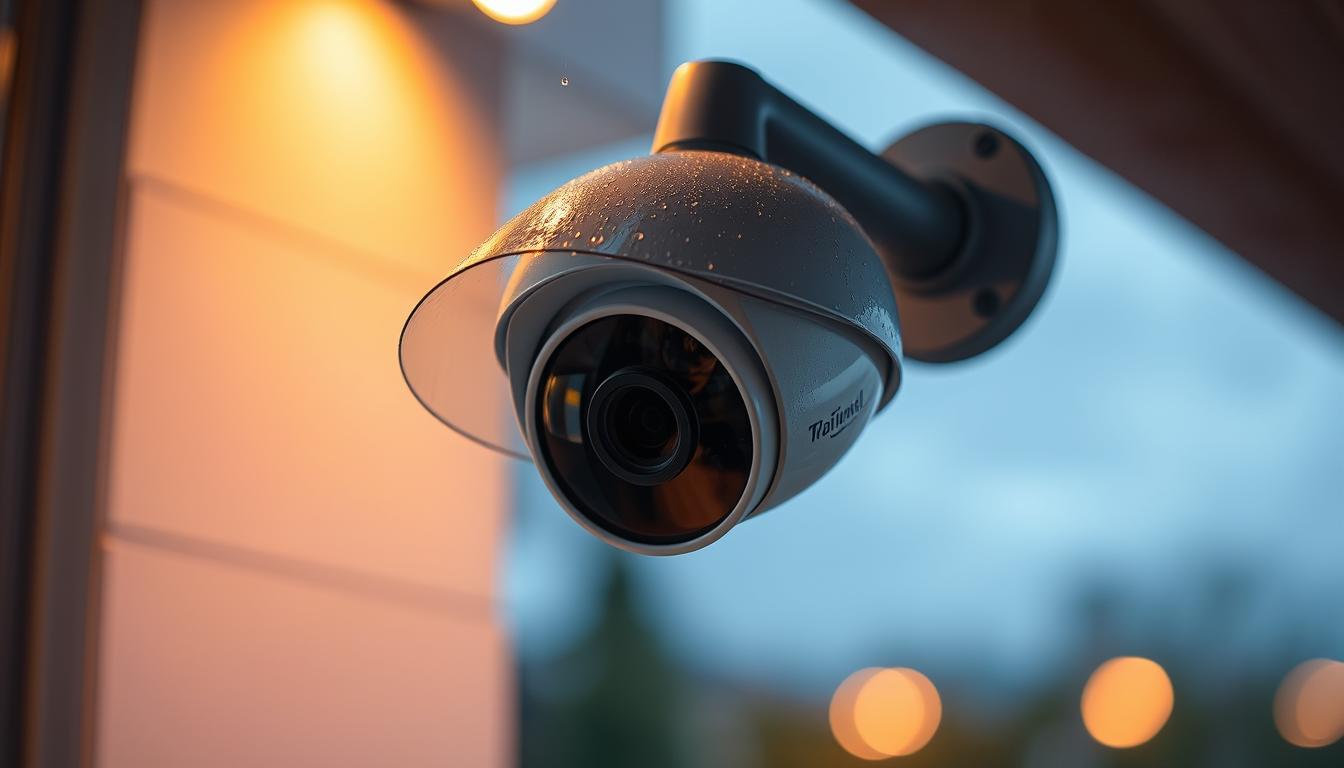
How do I stop my CCTV camera from raining?
In places like Singapore, where it rains a lot, keeping your CCTV system dry is key. CCTV rain protection is vital for your outdoor security cameras to work well. Rain can damage these cameras, making your surveillance poor and expensive to fix.
In this article, we’ll look at ways to keep your CCTV systems dry. We’ll cover waterproof solutions and tips to protect them from moisture. Knowing how to keep your devices safe can make them last longer and work better.
Key Takeaways
- Protecting CCTV systems from rain is vital for optimal performance.
- Outdoor security cameras can suffer from water damage if not adequately protected.
- Investing in waterproof CCTV solutions can save costs in the long run.
- Regular maintenance helps to extend the lifespan of your cameras.
- Proactive measures can prevent significant water-related issues.
Understanding the Impact of Rain on CCTV Cameras
Rain can really hurt CCTV systems, affecting their impact of rain on CCTV performance. Cameras get damaged when they get wet, leading to problems with how well they work and how long they last.
Water can cause short circuits, foggy lenses, and even mechanical failures. In places like Singapore, where it rains a lot, it’s key to know how water damages cameras. Knowing about immersion, condensation, and surface damage helps us see how rain can mess with CCTV cameras.
Knowing these problems helps us take steps to protect our surveillance systems. Water damage not only weakens security but also costs money to fix or replace. For tips on dealing with water issues, check out this resource.
How do I stop my CCTV camera from raining?
Water damage is a big problem for CCTV cameras. It can cause serious issues that hurt how well they work. Knowing about these problems helps users find ways to keep their cameras safe.
Common Types of Water Damage
Water damage can happen in many ways, affecting CCTV cameras. Here are some common types:
- Immersion damagefloods or heavy rainfall.
- Condensation forming inside the camera, leading to corrosion of internal components.
- Surface damage caused by relentless heavy rain, which may erode protective coatings.
How Water Affects Image Quality
Water can really mess up camera images. Moisture can make pictures blurry and hard to see. This makes it hard for CCTV cameras to do their job well.
It’s important to protect cameras from water to keep images clear. Regular checks can spot water damage early. This helps keep images sharp and clear.
Best Practices for Outdoor CCTV Camera Installation
Proper outdoor CCTV installation helps avoid water damage. This ensures your security system lasts longer and works better. It’s key to pick the right spots for your cameras and use protective covers. These steps help keep your equipment safe from the weather.
Choosing the Right Location
Where you place your CCTV camera is very important. Putting it under eaves or in covered spots helps avoid rain. Also, think about the camera’s view and how close it is to your property’s entrance.
Choosing the best spots helps your cameras stay clear and avoid water damage.
Using Protective Covers
Protective covers for CCTV cameras add an extra shield against rain and moisture. Things like canopies and waterproof boxes keep your gear safe. Make sure the covers fit well and let air in to prevent moisture buildup.
Utilizing Waterproof Housing for CCTV Systems
Keeping CCTV cameras dry is key to their working well. Waterproof housing is a smart move for lasting performance. There are many enclosures for different cameras and places. They protect against damage from rain and moisture.
Types of Waterproof Enclosures
There are many waterproof CCTV enclosures to choose from. Each one meets different needs:
- Hard-shell boxes: Great for cameras in open spots.
- Waterproof bags: Light and easy to use, good for short-term or less wet places.
- Custom enclosures: Made to fit special needs and camera types.
Benefits of Using Waterproof Boxes
Waterproof boxes offer many benefits. Key advantages of camera covers include:
- They protect against water damage, making cameras last longer.
- They’re tough against dust, dirt, and other outdoor stuff.
- They keep images clear by stopping moisture on lenses.
- They save money by cutting down on repairs and new camera costs.
Optimal Camera Positioning to Prevent Rain Exposure
Getting the camera position right is key to avoiding rain damage for CCTV systems. Cameras mounted correctly can stay dry while keeping a sharp eye on everything. Using the right rain protection methods helps keep the equipment safe and the video clear.
Mounting Techniques for Rain Protection
There are many ways to mount CCTV cameras to protect them from rain. Here are a few:
- Mount cameras under eaves or overhangs to fend off rain.
- Adjust the angle of the cameras parallel to these architectural features to reduce rain interception.
- Install cameras at an elevated height to limit exposure to ground-level rainfall.
Using Eaves and Overhangs Effectively
Eaves and overhangs are great at blocking rain, making them perfect for CCTV camera mounts. When using these, make sure:
- Cameras are placed at an angle that maximizes coverage while minimizing rain exposure.
- The spacing allows for a clear view without obstruction from decorative elements.
- Periodic checks are performed to ensure that these structures remain free from debris, which could hinder camera functionality.
Regular Maintenance and Checks for CCTV Cameras
Keeping CCTV cameras in good shape is key. Regular checks for water damage and quick fixes help avoid big problems. It’s also important to keep camera seals tight to stop moisture from getting in.
Inspecting for Signs of Water Damage
Look for early signs of water damage. Check for:
- Corrosion around camera housings
- Fogging of camera lenses
- Unusual electrical issues
Regular checks help catch issues early. Water damage can hurt camera work and picture quality. So, these checks are very important.
Maintaining Seals and Gaskets
Don’t overlook camera seal maintenance. Seals and gaskets keep water out. Make sure to:
- Check seals for wear or damage
- Ensure gaskets fit well and seal properly
Fixing seals fast keeps your CCTV system working well. It protects against the weather.
Moisture Control Solutions for CCTV Equipment
Keeping CCTV systems dry is key for top performance. Using the right methods can cut down moisture, which harms image quality and can damage equipment. Silica gel and anti-fog technologies are two effective ways to keep cameras working well, even in damp or rainy weather.
Using Silica Gel Packets
Adding silica gel packets to CCTV camera housings helps soak up extra humidity. These packets act as moisture catchers, stopping condensation and keeping parts dry. It’s important to check and replace them often to keep the environment stable, improving both the camera’s life and performance.
Implementing Anti-Fog Technology
Anti-fog tech adds extra protection against moisture. It uses special coatings on lenses or thermal elements to stop fogging. This ensures a clear view, which is vital in places where temperature changes quickly. It makes your CCTV system more reliable.
Using silica gel and anti-fog tech together is a smart way to manage moisture. This approach helps avoid problems and keeps surveillance systems running smoothly. For more tips on CCTV care, check out security camera maintenance resources.
Choosing the Right Waterproof CCTV Cameras
Choosing the right waterproof CCTV cameras is key for constant surveillance, even in bad weather. Knowing about IP ratings helps pick cameras that can handle tough conditions. Cameras with higher IP ratings can better protect against water and dust.
Models with IP66 and IP67 ratings can handle a lot of moisture. This makes them great for places like Singapore that often get heavy rain.
IP Ratings Explained
IP ratings, or Ingress Protection ratings, tell us how well a device can keep out solids and liquids. The first digit shows protection against solid objects. The second digit shows how well it resists water.
A camera rated IP66 can handle strong water jets. IP67 can even stay underwater for a short time. Knowing these ratings is key to picking the right camera for rainy weather.
Recommended Models for Wet Environments
When picking waterproof CCTV cameras, go for well-known brands for quality and dependability. Brands like Hikvision and Reolink have great options for wet climates. These cameras are made to last and come with advanced features for better performance in the rain.
Investing in strong waterproof CCTV cameras means they’ll last longer and work better in bad weather.
Preventive Measures Against Water Damage
Effective preventive measures for CCTV systems are key to keeping them running well, even in rainy conditions. Proper cable management and using weatherproof accessories are vital. They help protect your surveillance setup from water damage.
Proper Cable Management
Cable care is critical to avoid water damage. Make sure cables are not exposed to rain. Use weatherproof sheathing to cover them for extra protection.
Each connection point must be sealed to keep moisture out. Good cable management not only prevents water damage but also makes maintenance easier.
Weatherproof Accessories to Consider
High-quality weatherproof accessories can greatly improve your CCTV system’s durability. Items like rain hoods and protective couplings offer extra protection. They keep moisture away from important parts, ensuring your system works well.
Using these accessories is essential to keep your equipment in top shape.
Recognizing Early Signs of Water Damage
Spotting water damage early is key to keeping your CCTV system working well. Knowing the signs of water damage in CCTV can save you a lot of trouble. By watching for moisture intrusion symptoms, you can fix problems before they get worse.
Symptoms of Moisture Intrusion
Look out for these signs of moisture issues:
- Visible corrosion on metal parts.
- Foggy or unclear images from the lens.
- Video feed that keeps cutting in and out.
- Condensation inside the camera.
Your Action Plan for Quickly Addressing Issues
Here’s what your CCTV maintenance action plan should cover:
- Regular checks for water damage signs.
- Quickly clean and replace damaged parts.
- Seal off any moisture entry points.
- Upgrade the housing to stop future damage.
Professional Installation Services and Water Damage Prevention
Getting professional CCTV installation boosts water damage prevention for surveillance systems. Expert installers know how to place cameras best in different settings. This helps avoid water damage and keeps cameras working well for longer.
Many services also offer ongoing support. They help with regular checks and any sudden problems. This support is key to keeping security cameras running smoothly, even in bad weather.
Choosing professional services helps in the long run. It not only sets up your system right but also keeps it safe from water damage. This is very important in Singapore’s changing weather.
FAQ
How can I prevent my CCTV camera from getting damaged by rain?
To keep your CCTV camera safe from rain, place it in dry spots. Use covers like canopies. Also, pick models with high IP ratings for better water resistance.
What are the signs of water damage in CCTV cameras?
Look out for corrosion, foggy lenses, and odd camera behavior. Regular checks can spot these problems early.
Why is it important to have a high IP rating for CCTV cameras?
A high IP rating means the camera can handle water and dust well. This is key for working right in wet weather.
What types of waterproof housing are available for CCTV cameras?
There are many waterproof options, like hard boxes and bags. They keep water out and make the cameras last longer.
How often should I perform maintenance on my CCTV cameras?
Check your cameras every few months or after bad weather. This helps find water damage and keeps them working well.
Can using silica gel packets really help with moisture control in CCTV systems?
Yes, silica gel packets soak up extra moisture. This stops fog and keeps images clear.
What are the most recommended waterproof CCTV camera brands for rainy environments?
Brands like Hikvision and Reolink are top picks. They make cameras that are tough and work well in wet places.
What steps should I take for proper cable management to prevent water damage?
Use weatherproof cable sheathing and watertight connections. Also, add rain hoods to protect against the elements.
How can I recognize early signs of water damage in my CCTV system?
Watch for corrosion, foggy lenses, and camera issues. Regular checks can catch these problems early.
Should I hire professionals for the installation of my CCTV camera system?
Yes, hiring pros can help prevent water damage. They ensure your system is installed right and protected well.


