
Solar Powered Farm Security Cameras: Ultimate Buyer’s Guide
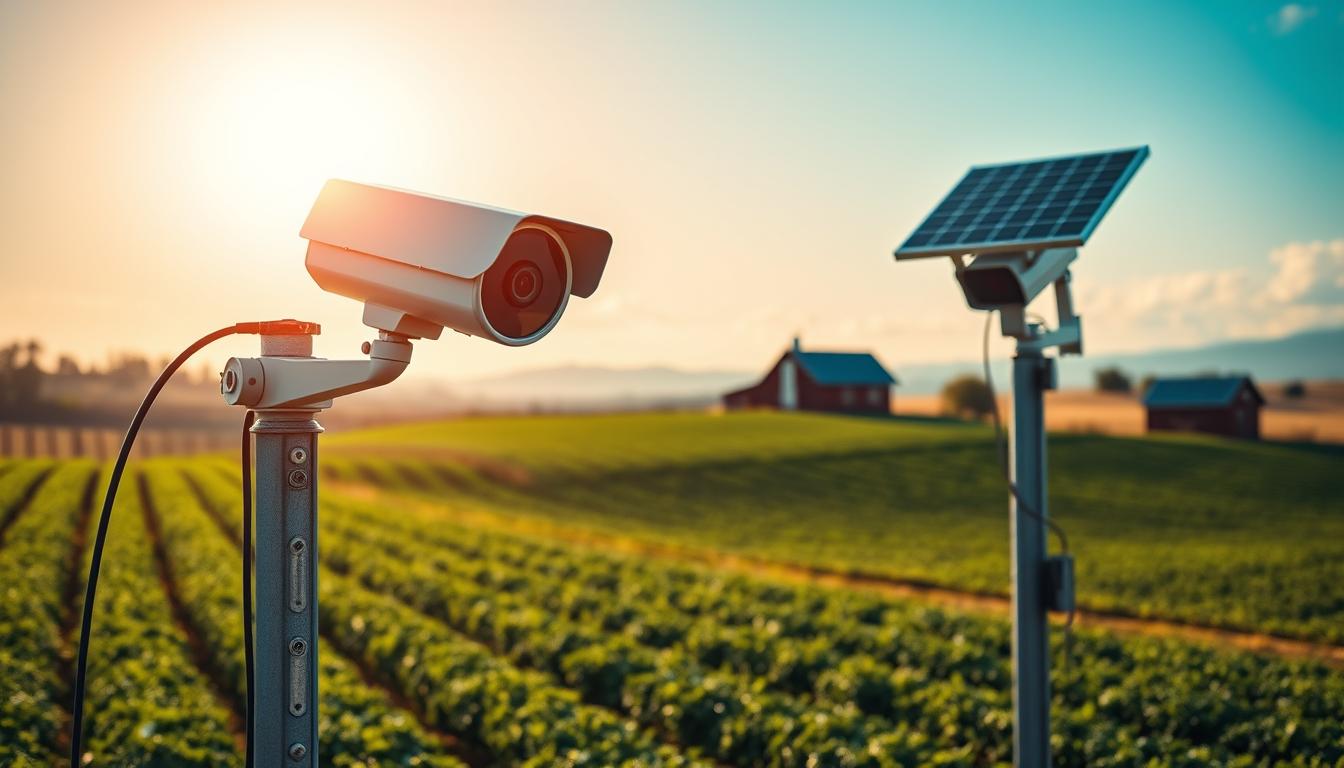
Protecting your agricultural property just got smarter. Modern surveillance technology now harnesses the sun’s energy to provide reliable monitoring. This innovative approach eliminates the need for complicated wiring and constant electricity.
Singapore’s abundant sunlight—approximately 2,500 hours annually—makes these systems particularly effective. They can operate for up to seven days without direct sunlight, ensuring continuous protection. This reliability is crucial for monitoring crops and livestock day and night.
Farmers are increasingly adopting these eco-friendly solutions. They appreciate the reduced installation costs and wireless convenience. Modern options feature 4G and Wi-Fi connectivity for remote access to live footage.
These systems are specifically designed for challenging environments. They offer corrosion resistance and weatherproofing suitable for tropical climates. Manufacturers like Hikvision provide customizable configurations to cover large areas effectively.
This guide will help you navigate the best options available. We’ll explore key features, benefits, and installation processes tailored for Singapore’s unique agricultural needs.
Key Takeaways
- Solar-powered systems operate up to 7 days without sunlight using efficient battery storage
- Singapore’s high sunlight exposure makes these cameras exceptionally effective
- Wireless designs significantly reduce installation time and costs
- Weather-resistant construction ensures durability in tropical conditions
- Modern connectivity options allow remote monitoring via 4G or Wi-Fi
- Customizable configurations can protect large agricultural properties effectively
- Eco-friendly operation reduces environmental impact while maintaining security
Why Farm Security is a Critical Investment in Singapore
The tranquility of Singapore’s countryside belies a growing security crisis that puts rural livelihoods at risk. Recent studies show over 70% of homeowners express serious concerns about property protection. This anxiety extends particularly to agricultural operations where valuable assets are often exposed.
Rural properties face unique challenges that make them prime targets. Isolated locations and expensive equipment create attractive opportunities for criminals. Theft of valuable components like panels and inverters has become increasingly common.
The Growing Threat of Theft and Vandalism in Rural Areas
Criminal activities in agricultural zones have shown a disturbing upward trend. Trespassing incidents often lead to damaged crops and stolen livestock. Expensive machinery left in fields becomes vulnerable to theft during off-hours.
These security breaches don’t just cause immediate financial losses. They disrupt operations and can jeopardize entire growing seasons. The cumulative impact threatens the sustainability of agricultural businesses.
Protecting Livestock, Crops, and High-Value Equipment
Modern surveillance systems offer powerful protection for valuable agricultural assets. They provide constant monitoring of remote areas that would otherwise be unprotected. This 24/7 watchfulness acts as both deterrent and evidence collection tool.
When incidents occur, recorded footage becomes invaluable for investigation and insurance claims. The presence of visible monitoring equipment alone often prevents crimes from occurring. This proactive approach to protection ensures business continuity and economic stability.
For comprehensive protection solutions tailored to agricultural needs, explore our specialized monitoring systems designed for rural environments.
Investing in proper surveillance represents more than just equipment purchase. It’s a commitment to operational security and long-term business viability. As rural crime trends continue upward, this protection becomes increasingly essential for Singapore’s agricultural sector.
Introduction to Solar-Powered Surveillance Technology
Agricultural monitoring enters a new era with self-sustaining systems that operate independently from traditional power grids. These innovative solutions transform sunlight into reliable energy for continuous protection.
The core technology involves photovoltaic cells that capture solar energy. This energy converts to electricity and stores in high-capacity batteries. The system maintains operation day and night without external power sources.
How Solar Panels and Battery Systems Create Autonomous Security
Photovoltaic panels capture sunlight throughout daylight hours. They convert this energy into electrical power for immediate use. Excess energy stores in lithium-ion batteries for nighttime operation.
This autonomy eliminates dependence on grid electricity. Remote locations gain reliable monitoring without infrastructure challenges. The systems function perfectly in isolated agricultural settings.
Advanced battery technology ensures extended operation during cloudy periods. Most systems provide seven days of continuous coverage without direct sunlight. This reliability makes them ideal for Singapore’s climate patterns.
The Shift Towards Sustainable and Off-Grid Security Solutions
Property owners increasingly choose eco-friendly monitoring options. Renewable energy reduces carbon footprint while maintaining protection. This aligns with sustainable agricultural practices.
Modern systems integrate sophisticated features like motion detection. They send real-time alerts to mobile devices when activity occurs. This enhances responsiveness to potential threats.
“The move toward green technology represents both environmental responsibility and practical economics.”
Customizable configurations allow tailoring to specific property needs. Farmers can scale systems based on coverage requirements. The technology adapts to various monitoring challenges.
This approach combines environmental consciousness with effective protection. It represents the future of agricultural monitoring solutions.
Top Advantages of Choosing Farm Security Cameras Solar Powered
Modern agricultural protection systems offer compelling benefits that extend beyond basic monitoring. These innovative solutions transform how property owners approach surveillance challenges.
The financial and practical advantages make these systems stand out from traditional options. They deliver substantial savings while maintaining reliable operation.
Significant Reduction in Operational Energy Costs
Self-powered monitoring devices slash electricity expenses dramatically. Studies show they can cut energy bills by up to 50% compared to conventional systems.
This substantial saving comes from harnessing natural sunlight instead of grid power. The technology converts abundant solar energy into continuous operation.
Property owners enjoy lower monthly expenses without compromising protection quality. The economic benefit accumulates significantly over time.
Elimination of Complex and Costly Electrical Wiring
Wire-free installation represents a major breakthrough for rural properties. It removes the need for extensive electrical infrastructure projects.
This simplification reduces labor costs by approximately 30% during setup. Maintenance requirements drop considerably without wiring vulnerabilities.
The flexibility allows placement anywhere with adequate sunlight exposure. Expansion becomes straightforward without additional infrastructure investment.
These systems provide excellent return on investment through multiple channels. Insurance providers often offer discounts for enhanced protection measures.
Environmental impact decreases through reduced non-renewable energy consumption. The technology aligns perfectly with sustainable agricultural practices.
Remote locations benefit from consistent operation regardless of grid reliability. The autonomy ensures uninterrupted monitoring day and night.
Environmental and Economic Benefits of Solar Security
Agricultural operations in Singapore stand to benefit from a unique convergence of natural resources and technological innovation. These advanced monitoring systems deliver both ecological and financial advantages that traditional options cannot match.
Utilizing Singapore’s Abundant Sunlight for Renewable Power
Singapore receives approximately 2,500 hours of sunlight annually. This abundant resource makes photovoltaic technology exceptionally effective for continuous operation.
The systems convert sunlight into clean energy without greenhouse gas emissions. This reduces dependence on fossil fuels and supports sustainable practices.
Property owners contribute to environmental protection while maintaining reliable surveillance. The technology aligns with Singapore’s green initiatives and sustainability goals.
“Renewable energy adoption represents both practical economics and environmental responsibility for modern agricultural operations.”
Long-Term ROI: Lower Bills and Potential Insurance Discounts
These innovative solutions offer substantial financial benefits over time. Energy costs drop significantly since the systems generate their own power.
Maintenance expenses remain minimal compared to wired alternatives. The durable construction withstands tropical conditions with fewer repairs needed.
Many insurance providers offer premium discounts for enhanced protection measures. This additional saving improves the overall return on investment.
Government incentives for renewable energy adoption further improve affordability. The combined financial advantages make these systems an economically sound choice.
Operational independence from grid electricity ensures consistent performance. This reliability protects valuable assets regardless of power fluctuations or outages.
Essential Features for Reliable Farm Monitoring
Technical specifications separate basic monitoring from comprehensive protection systems for rural properties. The right combination of features ensures consistent performance in challenging agricultural environments.
Camera Resolution: Why 1080P or 4MP is the Minimum Standard
High-definition imaging represents the foundation of effective surveillance. Clear footage enables positive identification of individuals and incidents.
1080p or 4-megapixel resolution captures crucial details like facial features and vehicle license plates. This clarity becomes essential for evidence collection and investigation purposes.
Lower resolution options often miss important details during critical moments. Investing in quality imaging technology provides peace of mind through reliable documentation.
Advanced Motion Detection to Filter Animals from Intruders
Intelligent motion analysis technology significantly reduces false alarms. Systems can distinguish between wildlife, livestock, and human movement patterns.
This precision targeting ensures farmers receive alerts only for genuine threats. It prevents notification fatigue while maintaining vigilant monitoring.
Advanced algorithms learn typical movement patterns over time. This adaptive capability improves accuracy and reduces unnecessary interruptions.
IP66/IP67 Weatherproof Rating for Tropical Rain and Humidity
Singapore’s climate demands robust environmental protection for electronic equipment. IP66 certification guarantees resistance against heavy rainfall and dust infiltration.
IP67-rated devices withstand temporary immersion in water, providing extra protection during floods. This durability ensures continuous operation through seasonal weather changes.
Proper sealing prevents moisture damage that could compromise system functionality. Tropical conditions require this level of protection for long-term reliability.
Additional features enhance overall monitoring capability. Night vision technology maintains visibility during darkness through infrared or starlight capabilities.
Artificial intelligence improves threat recognition accuracy through pattern analysis. Smart analytics provide real-time notifications about suspicious activities.
Wide viewing angles and optical zoom capabilities cover extensive areas effectively. These features work together creating comprehensive protection solutions for agricultural applications.
Ensuring Uninterrupted Coverage with Battery and Solar Efficiency
Reliable protection requires consistent power regardless of weather conditions. Modern surveillance technology achieves this through intelligent energy management systems.
These systems combine efficient solar collection with robust storage capacity. They maintain operation through extended periods of limited sunlight.
How 7-Day Battery Life Provides Security During Cloudy Periods
Advanced lithium-ion batteries offer exceptional storage capacity. They can sustain continuous operation for up to seven days without direct sunlight.
This extended backup period covers Singapore’s occasional cloudy stretches. Property owners enjoy peace of mind knowing their protection remains active.
The technology automatically manages power consumption during low-light conditions. It prioritizes essential functions to maximize operational duration.
Calculating Solar Panel Wattage for Your Property’s Needs
Proper sizing ensures optimal performance and cost-effectiveness. Consider these factors when determining your requirements:
- Total daily energy consumption of all monitoring devices
- Singapore’s average sunlight hours (approximately 5-6 daily)
- Battery storage capacity needed for nighttime operation
- Additional capacity for cloudy day coverage
A typical 40-watt panel can fully charge a system in about 7.5 hours of sunlight. This efficiency makes them ideal for Singapore’s climate.
Modern panels feature adjustable angles for seasonal optimization. They capture maximum sunlight throughout the year.
Regular maintenance extends both panel and battery lifespan. Simple cleaning ensures peak efficiency while proper charging practices preserve battery health.
These systems represent a smart investment in reliable property protection. They deliver consistent performance while reducing operational costs.
Remote Access and Real-Time Monitoring Capabilities
Modern surveillance technology transforms how property owners interact with their protection systems. The ability to monitor remotely represents a significant advancement in agricultural protection.
These innovative solutions provide instant access to live views from any location. Property managers can check on their operations while away from the premises.
Viewing Live Feeds via 4G LTE or Wi-Fi on Your Mobile Device
Mobile applications deliver real-time video directly to smartphones and tablets. This connectivity works through both Wi-Fi and cellular networks.
4G LTE technology ensures reliable transmission in remote locations. It provides stable connections where traditional internet services might be limited.
Users receive immediate notifications when activity occurs. The systems send alerts for motion detection or other predefined events.
Two-way audio features enable communication through the devices. This allows for remote interaction with visitors or deterrence of intruders.
The Role of Cloud Storage for Accessing Recorded Footage
Cloud-based storage solutions offer secure data retention without physical hardware. Recorded video remains accessible from any internet-connected device.
This approach eliminates the risk of local storage damage or theft. Data remains protected through advanced encryption protocols.
Multiple users can access the same footage simultaneously. This facilitates collaborative management and incident response.
Storage plans scale according to specific requirements. Property owners can choose options based on retention duration and video quality.
“Remote accessibility transforms reactive security into proactive management.”
User-friendly interfaces make system management straightforward. Intuitive controls allow easy adjustment of settings and viewing preferences.
These capabilities provide comprehensive oversight of agricultural operations. They ensure constant awareness of property conditions and activities.
Review of the Best Solar Security Cameras for Singaporean Farms
Selecting the right monitoring equipment requires careful evaluation of performance specifications and environmental suitability. The tropical climate and agricultural applications demand specific features that ensure reliable operation.
Three standout models offer distinct advantages for different monitoring scenarios. Each provides unique capabilities while maintaining essential weather resistance.
Dahua Imou Cruiser 4G: Pan-Tilt Flexibility and Full HD Clarity
This model excels in comprehensive area coverage with its 360-degree rotation capability. The motorized pan-tilt function scans large spaces automatically.
1080p Full HD resolution captures crisp details for accurate identification. The 4G connectivity ensures stable transmission in remote locations without Wi-Fi access.
Installation simplicity makes it ideal for temporary or permanent deployment. Farmers appreciate the wide viewing angle that reduces equipment needs.
Reolink Go: Renowned Starlight Night Vision and Battery Life
Exceptional low-light performance defines this robust outdoor solution. Starlight technology provides clear color video even in near-total darkness.
The battery system operates for months between charges under normal use. This extended duration makes it perfect for hard-to-access locations.
Weatherproof construction withstands heavy rain and high humidity. Users receive mobile alerts for detected movement through cellular networks.
Hikvision Solar-Powered Series: 7-Day Operation and 4MP Resolution
This series offers superior image quality with 4-megapixel resolution. The enhanced clarity shows fine details important for evidence collection.
Reliable operation continues for seven full days without sunlight exposure. The efficient power management maximizes performance during cloudy periods.
Durable housing protects internal components from tropical conditions. Customizable settings allow tailoring to specific monitoring requirements.
Comparative Analysis for Informed Selection
Key differences emerge when examining these solutions side by side:
- Resolution options range from 1080p to 4MP for varying detail needs
- Battery duration varies from days to months based on usage patterns
- Night vision capabilities differ in technology and effectiveness
- All models feature IP66 or higher weather resistance ratings
Additional options like Arlo Pro 4 offer 2K resolution for enhanced clarity. EufyCam 3 provides extended battery performance for minimal maintenance.
Connectivity and Installation Considerations
Each model supports either 4G LTE or Wi-Fi connectivity options. This flexibility accommodates different internet availability across properties.
Wire-free installation simplifies setup without professional assistance. Mounting options include poles, walls, and existing structures.
Price points range from budget-friendly to premium investment levels. The value proposition depends on specific feature requirements and coverage areas.
“Matching camera capabilities to actual monitoring needs ensures optimal protection without unnecessary expense.”
Farm operators should assess their primary concerns before selecting equipment. Theft prevention, animal monitoring, and crop protection may require different feature emphasis.
These solutions represent the current market leaders in autonomous monitoring technology. Their proven performance in tropical conditions makes them reliable choices for Singaporean applications.
Strategic Installation for Maximum Security and Sun Exposure
Proper placement transforms good equipment into exceptional protection. The right positioning maximizes both surveillance coverage and energy collection. This dual focus ensures your investment delivers optimal results.
Choosing Optimal Locations: Entry Points, Storage Areas, and Fields
Identify critical zones requiring constant monitoring. Farm entrances demand clear visibility for identifying visitors. Equipment storage areas need coverage to prevent theft of valuable tools.
Livestock pens benefit from oversight ensuring animal welfare. Crop fields require monitoring against trespassing and damage. High vantage points provide the broadest viewing angles.
Consider sight lines and potential obstructions. Ensure each camera covers its intended area completely. Overlapping coverage eliminates blind spots throughout your property.
Step-by-Step Guide to Mounting and Aligning Equipment
Begin by fully charging your devices before installation. Insert SIM cards if using cellular connectivity options. Follow manufacturer instructions for specific model requirements.
Mount hardware securely using appropriate brackets and fasteners. Choose locations that resist tampering and environmental damage. Elevated positions improve both security and solar exposure.
Align photovoltaic panels toward the south for maximum sunlight capture. Minimize shading from trees or structures during peak hours. This orientation optimizes energy collection throughout the day.
Test system functionality before finalizing all mounts. Verify camera angles cover intended surveillance areas. Confirm solar panels receive adequate light for charging.
Mobile applications simplify configuration and management. Use tools like UBOX for device setup and monitoring. Name locations clearly for easy identification during alerts.
“Proper installation isn’t just about mounting equipment—it’s about creating an integrated system that works harmoniously with your environment.”
Wire-free setups allow flexible placement without professional help. This independence saves significant time and installation costs. Seasonal adjustments maintain optimal performance year-round.
Regularly check camera angles and panel alignment. Environmental changes might require occasional repositioning. This maintenance ensures continuous protection and energy efficiency.
Routine Maintenance to Keep Your System at Peak Performance
Maintaining your surveillance equipment ensures consistent protection and extends its operational lifespan. Proper care prevents performance degradation and maintains clear visibility.
These self-sustaining units require minimal attention compared to traditional wired alternatives. A simple routine keeps them functioning optimally through Singapore’s varying weather conditions.
Cleaning Camera Lenses and Solar Panels for Optimal Efficiency
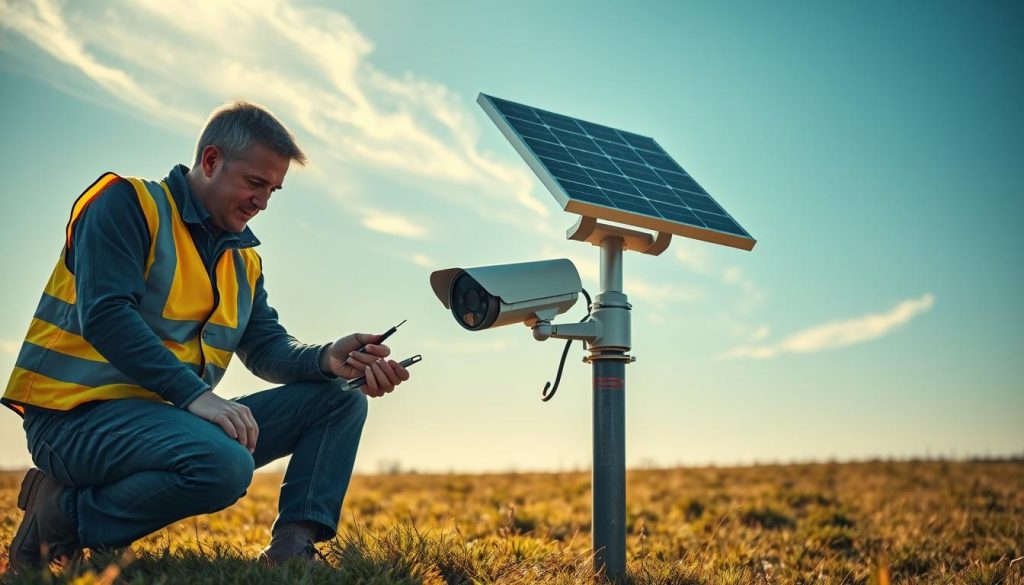
Dust and debris accumulation affects both image quality and energy collection. Monthly lens cleaning maintains crisp video footage for accurate monitoring.
Photovoltaic surfaces need quarterly attention to maximize sunlight absorption. Use a soft cloth and mild cleaning solution for both components.
Singapore’s tropical environment can cause faster dirt buildup. Regular wiping prevents permanent stains and maintains efficiency.
Monitoring Battery Health and Performing System Diagnostics
Lithium-ion batteries typically last 2-3 years before needing replacement. Check charge levels through your mobile app’s performance metrics.
Modern systems include diagnostic tools for comprehensive health checks. Run monthly tests to verify all components function correctly.
Firmware updates enhance features and address potential vulnerabilities. Keep your application and device software current for best performance.
“Proactive maintenance prevents small issues from becoming major problems. It’s the key to uninterrupted protection.”
After heavy rainfall or storms, inspect equipment for damage or misalignment. Tropical weather can occasionally affect mounting stability.
These simple steps ensure your investment continues providing reliable coverage. They require minimal time while delivering maximum protection benefits.
Practical Applications for Solar Cameras on Your Property
Modern monitoring technology transforms how agricultural operations manage daily oversight. These innovative tools provide comprehensive visibility across diverse property areas.
24/7 Livestock Surveillance to Ensure Animal Welfare
Continuous observation helps maintain animal health and safety. Advanced systems track behavior patterns and movement throughout day and night.
Farmers receive immediate alerts for unusual activity. This includes injuries, escapes, or potential distress situations. The technology enables quick response to emerging issues.
Remote access allows checking on animals from any location. This reduces physical inspection requirements while maintaining thorough oversight.
Deterring Trespassing and Theft in Remote Crop Areas
Visible monitoring equipment discourages unauthorized entry. Potential intruders recognize they’re being watched and recorded.
These systems protect valuable harvests from damage or theft. They provide evidence collection capabilities when incidents occur. Insurance claims become stronger with clear documentation.
“Constant visibility transforms how we protect our investments. It’s like having extra eyes everywhere.”
Additional applications extend beyond basic protection. Equipment tracking ensures tools remain where they belong. Water level monitoring helps manage irrigation systems efficiently.
Pest detection becomes easier with regular observation. Early identification prevents widespread crop damage. This proactive approach saves time and resources.
The scalability allows starting small and expanding gradually. Property owners can add units as their needs evolve. This flexibility makes the technology accessible for various operations.
Integration with management software creates comprehensive oversight. Data from monitoring contributes to better decision-making. It combines protection with operational efficiency.
Labor costs decrease through automated surveillance. The systems work continuously without human intervention. This represents significant time savings for busy operations.
Comparing Solar CCTV to Traditional Wired Security Systems
Property owners face a crucial decision when selecting monitoring technology. The choice between autonomous and grid-connected options impacts both immediate functionality and long-term value.
Each approach offers distinct advantages for different operational requirements. Understanding these differences helps make informed protection decisions.
Installation Ease: Wireless Freedom vs. Electrical Infrastructure
Self-powered units revolutionize setup through complete wireless operation. They eliminate the need for complex electrical work and professional installation services.
Traditional alternatives require extensive wiring throughout the property. This process involves trenching, conduit installation, and connection to power sources.
The wireless approach reduces implementation time by approximately 70%. Property owners can position devices anywhere with adequate sunlight exposure.
Grid-dependent configurations limit placement options to wired locations. Relocation becomes difficult and costly after initial installation.
Operational Cost Analysis: Solar Savings vs. Grid Dependency
Autonomous monitoring delivers substantial financial benefits over time. It eliminates monthly electricity expenses completely.
Traditional systems incur ongoing operational costs through grid power consumption. These expenses accumulate significantly throughout the equipment lifespan.
Maintenance requirements differ considerably between the two approaches. Wireless designs have fewer components that might require servicing.
Wired configurations involve more complex infrastructure with higher maintenance needs. Connection points and wiring can develop issues over time.
Performance characteristics vary between these technological approaches. Autonomous units excel in remote locations and during power interruptions.
Grid-connected options might offer slightly better consistency in low-light conditions. This difference has narrowed with advancing starlight technology.
Flexibility represents another significant advantage for wireless solutions. They adapt easily to changing property layouts and monitoring requirements.
“The initial investment in autonomous technology pays dividends through operational independence and long-term savings.”
Environmental impact differs substantially between these options. Renewable energy reduces carbon footprint compared to grid-dependent operation.
Reliability during outages favors systems with battery backups. They continue functioning when traditional options might fail completely.
The comprehensive cost-benefit analysis clearly favors modern autonomous solutions. They combine financial savings with enhanced sustainability and flexibility.
Addressing Potential Challenges of Solar Security Systems
Even the most advanced monitoring technology faces occasional obstacles. Understanding these challenges helps users maximize their system’s effectiveness. Proper planning and maintenance can overcome most common issues.
Managing Performance During Extended Periods of Limited Sunlight
Singapore’s weather patterns occasionally bring consecutive cloudy days. These conditions can affect energy collection and storage capacity. Proper preparation ensures continuous operation during these periods.
Larger battery capacity provides extended backup power. Some systems offer expansion options for additional storage. This enhancement guarantees uninterrupted monitoring through extended low-light conditions.
Regularly check weather forecasts to anticipate challenging periods. Adjust system settings to conserve energy when needed. Reduce motion detection sensitivity or recording frequency temporarily.
Backup power options include small generators or grid connections. These provide emergency charging during exceptionally long cloudy spells. Most systems rarely need this support in Singapore’s climate.
Ensuring Data Security and Privacy in Wireless Cloud Systems
Wireless transmission requires robust protection measures. Modern systems employ advanced encryption protocols for all data transfers. This prevents unauthorized access to your monitoring information.
Always use strong, unique passwords for your accounts. Enable two-factor authentication when available. These simple steps significantly enhance your system’s protection.
Choose reputable cloud service providers with proven security records. They should offer transparent privacy policies and compliance certifications. Regular security updates protect against emerging threats.
Local regulations govern surveillance activities in Singapore. Always inform employees and visitors about monitoring areas. Post visible notices where appropriate to maintain legal compliance.
“Proactive security measures protect both your property and your privacy. They ensure your monitoring system remains a tool for protection, not vulnerability.”
Signal reliability affects data transmission consistency. 4G networks generally offer better coverage in remote locations. Signal boosters can enhance connectivity where reception is weak.
Regular system checks identify potential issues early. Update software promptly to address security vulnerabilities. Professional consultations help optimize your setup for maximum reliability.
Quality products from reputable manufacturers reduce problem frequency. They typically offer better warranties and customer support. This investment pays dividends through reduced maintenance needs.
Train staff on basic system operation and troubleshooting. This enables quick response to minor issues before they escalate. Proper education maximizes your technology investment.
Making an Informed Choice: Is Solar Right for Your Farm?
Selecting the ideal monitoring solution requires careful evaluation of your unique agricultural environment. The decision involves multiple factors that determine whether self-sustaining technology fits your operational requirements.
Key Considerations: Farm Size, Risk Level, and Budget
Property dimensions directly influence equipment quantity and placement strategy. Larger operations need more units to cover all vulnerable zones effectively.
Evaluate historical incidents and local crime statistics. Areas with higher theft rates demand more comprehensive protection measures. Valuable assets like equipment and livestock require priority monitoring.
Financial planning should account for both initial investment and long-term savings. Consider these cost factors:
- Equipment purchase price based on required features
- Installation expenses for professional setup
- Potential energy bill reductions over time
- Possible insurance premium discounts
Scalability ensures your system grows with changing needs. Choose solutions that allow easy expansion as your operation evolves.
How to Assess Your Specific Security Needs Before Buying
Begin with a thorough property evaluation. Identify all areas requiring constant surveillance. This includes entry points, storage facilities, and remote fields.
Analyze past security incidents to understand vulnerability patterns. Document all previous thefts or trespassing events. This history helps prioritize protection investments.
Consult with professionals for tailored advice. Experts like Wen Hong at +65 6013 5960 offer customized recommendations. Their experience ensures optimal system configuration.
“Proper assessment prevents overspending on unnecessary features while ensuring adequate protection for critical areas.”
Test equipment through demonstrations before commitment. Verify compatibility with your specific environment and requirements. This trial period confirms performance expectations.
Create a comprehensive checklist for decision-making:
- Daily sunlight exposure across different property areas
- Connectivity options available in remote locations
- Essential features like motion detection and night vision
- Maintenance capabilities and support availability
Future-proofing ensures long-term value from your investment. Select technology that adapts to emerging threats and operational changes.
This careful evaluation process guarantees optimal protection alignment with your agricultural needs. It maximizes return on investment while providing peace of mind.
Taking the Next Step Towards a Secure and Sustainable Farm
Your journey to enhanced protection begins with a simple conversation. Contact professionals at +65 6013 5960 for personalized quotes and installation guidance. They’ll help tailor a system that meets your specific monitoring needs.
Start with a pilot area to test effectiveness before expanding coverage. This gradual approach ensures smooth integration with existing operations. You’ll see immediate benefits in theft prevention and animal safety.
These solutions contribute significantly to environmental sustainability goals. They reduce electricity consumption while providing reliable surveillance. Neighboring properties can collaborate for enhanced regional safety.
Enjoy peace of mind knowing your assets remain protected day and night. This reliability lets farmers focus on productivity rather than worry. Vendor support ensures long-term maintenance and updates.
Invest today to safeguard your livelihood while supporting greener practices. The combination of protection and sustainability creates lasting value for agricultural operations.
FAQ
How do these cameras work without an electrical connection?
They use a built-in photovoltaic panel to convert sunlight into electricity. This energy charges an internal battery, which provides consistent operation day and night, making them ideal for remote locations.
What happens during cloudy weather or at night?
High-quality units are equipped with efficient batteries that can store enough charge for several days of operation. This ensures continuous monitoring even during periods with limited sunlight.
Are these systems difficult to install?
No. One of the primary benefits is their straightforward setup. Without the need for extensive wiring, you can typically mount the unit and align the panel yourself, saving on installation costs.
Can I view the footage remotely?
Yes. Most modern options offer connectivity via 4G LTE or Wi-Fi, allowing you to access live feeds and recorded video directly on your smartphone or computer from anywhere.
How do they perform in Singapore’s tropical climate?
They are specifically built with high weatherproof ratings (like IP66/IP67) to withstand heavy rain, high humidity, and intense heat, ensuring reliable performance in local conditions.
What is the typical lifespan of the battery?
The rechargeable batteries in these units are designed for longevity, often lasting several years before needing replacement, depending on usage and environmental factors.


