
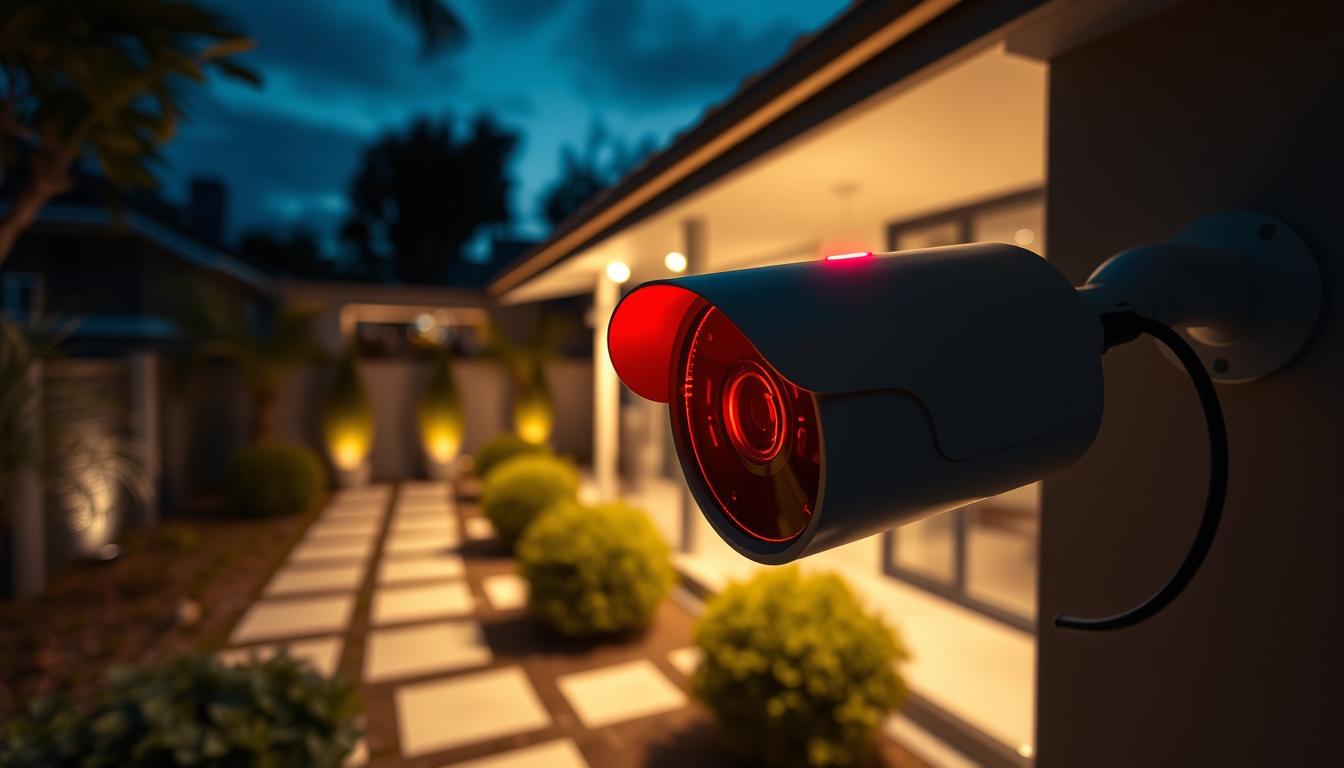
Does Red Light on Camera Mean Someone is Watching? Explained
Many people notice glowing indicators on their devices and wonder about their purpose. That small illuminated dot often triggers privacy concerns about potential monitoring.
These visual signals serve different functions across various equipment types. Understanding their true meaning requires knowing the specific device context.
In Singapore’s advanced technological landscape, surveillance systems are widespread. Residents frequently encounter different recording devices in public and private spaces.
Interpreting these visual cues correctly is crucial for privacy awareness. This guide explores what various indicator signals actually communicate about device status.
Key Takeaways
- Camera indicator lights serve multiple purposes beyond active monitoring
- Different camera types have unique signaling systems and meanings
- Singapore’s surveillance environment makes this knowledge particularly relevant
- Understanding these signals enhances personal privacy awareness
- Context determines the actual meaning behind illuminated indicators
- Technological advancements continue to evolve camera signaling systems
- Proper interpretation balances security needs with privacy concerns
Introduction to Camera Status Indicators
Illuminated indicators on recording equipment provide immediate visual feedback about system functions. These small lights serve as communication tools between surveillance systems and observers. Understanding their meaning is essential in today’s monitored environments.
The Role of Lights in Modern Surveillance
Modern surveillance technology relies heavily on visual cues for operational status. These indicators have evolved from simple power lights to sophisticated alert systems. Different brands implement unique signaling methods for their security cameras.
Infrared technology often creates visible glows during night vision operation. This represents just one example of how indicators communicate technical status. The evolution continues toward smarter, more informative status alerts.
These visual signals impact public behavior in monitored spaces. People naturally modify their actions when they see active surveillance indicators. This psychological effect enhances the deterrent value of security systems.
Why Understanding These Signals Matters for Your Privacy
Recognizing camera status indicators empowers individuals in monitored environments. This knowledge helps distinguish between recording, standby, and other operational modes. Such awareness is particularly valuable in Singapore’s extensive surveillance landscape.
Privacy implications emerge when cameras display their operational status. Visible indicators create transparency about when recording occurs. This balance between security needs and privacy concerns remains crucial.
Different equipment types feature varied indicator systems. Home security cameras may signal differently than traffic enforcement systems. Understanding these variations enhances personal security awareness.
Proper interpretation of these signals helps citizens navigate monitored spaces confidently. It transforms mysterious glowing lights into understandable communication tools. This knowledge represents an essential skill in our increasingly surveilled world.
What Does a Red Light on a Camera Actually Mean?
That crimson glow emanating from surveillance equipment often triggers immediate privacy concerns among observers. Different illumination patterns convey specific operational information about the device’s current state. Understanding these visual signals requires examining both steady and intermittent patterns.
Steady Red Light: Power, Recording, or Standby?
A constant crimson indicator typically signifies normal operation. Many security systems use this steady glow to show the device has power and is functioning properly. The exact meaning varies across manufacturers and models.
Some equipment uses a steady illumination to indicate active recording is occurring. This is common in consumer-grade security cameras and traffic monitoring systems. Other devices may simply indicate power status without necessarily recording.
Infrared technology often produces a visible red glow during low-light conditions. This occurs when night vision features activate to capture clear footage. The steady appearance doesn’t always mean human monitoring is happening.
Manufacturers program different behaviors for their equipment. High-end security systems might use solid indicators for recording status. More basic models could use the same visual cue for power confirmation.
Blinking Red Light: Signaling Activity or an Error?
Intermittent illumination patterns communicate different messages than steady indicators. A flashing crimson signal often indicates system activity or potential issues. The specific pattern provides clues about what’s happening.
Many modern security cameras use blinking patterns during motion detection events. The system activates recording when movement occurs within its field of view. This visual alert serves as a warning that capture is happening.
Some blinking sequences indicate technical problems or errors. Rapid flashes might signal connectivity issues or storage problems. Slower patterns could indicate setup mode or system updates in progress.
Smart camera systems employ sophisticated light behaviors for various functions. Different blink rates can distinguish between recording activity, data transfer, or maintenance modes. Understanding these patterns helps interpret the device’s status accurately.
Error indications through specific blinking patterns help technicians diagnose issues. Manufacturers design these visual codes to simplify troubleshooting processes. Regular blinking often differs from error-sequence patterns.
The Technology Behind Camera Indicator Lights
Modern surveillance systems rely on sophisticated visual communication methods. The glowing indicators represent complex engineering solutions rather than simple status lights. Understanding their technical foundation reveals how these systems communicate their operational state.
How Infrared Illumination Creates a Red Glow
Infrared technology operates at wavelengths invisible to human eyes. Special LEDs emit light at 850nm or 940nm frequencies for night vision capabilities. The 850nm wavelength often produces a faint crimson glow during operation.
Light sensors automatically activate infrared modes when darkness falls. This transition enables clear recording in low-light conditions. The visible glow represents a byproduct of this advanced night vision function.
Thermal management systems prevent overheating during extended infrared use. Heat dissipation maintains optimal performance in Singapore’s tropical climate. This technical consideration ensures reliable operation around the clock.
From Simple Power LEDs to Smart Status Alerts
Early surveillance systems used basic LEDs for power indication only. Modern systems employ multi-color LEDs for comprehensive status communication. This evolution reflects advancements in surveillance technology.
Contemporary IP cameras use colored indicators for various system functions. Different colors signal recording activity, network status, or error conditions. This visual language communicates complex data through simple cues.
Smart status alerts integrate with other diagnostic systems. Visual indicators often synchronize with mobile notifications and system logs. This integration creates a cohesive monitoring experience for users.
The function of these indicators has expanded beyond basic status reporting. They now serve as important communication tools in security systems. This technological progression demonstrates Singapore’s leadership in smart surveillance solutions.
Different Types of Security Cameras and Their Signals
Surveillance equipment varies significantly in design and functionality across different applications. Each category employs distinct visual signaling methods that communicate specific operational statuses. Understanding these differences helps interpret what various indicators actually signify.
Traditional Wired CCTV Systems
Classic closed-circuit television setups employ straightforward indicator patterns. These systems typically use simple red or green lights for basic status communication. The illumination often signifies power status rather than recording activity.
Many traditional CCTV installations feature minimal indicator lights. This design approach focuses on functionality rather than user communication. The simplicity reflects their primary purpose as surveillance tools rather than interactive devices.
Modern Wireless IP and Smart Cameras
Contemporary network-connected devices employ sophisticated signaling features. These advanced cameras use multi-color LEDs and complex blinking patterns. They communicate various status conditions including recording, connectivity, and system health.
Smart home security systems often integrate status indicators with mobile applications. This creates a comprehensive monitoring experience for users. The visual signals complement digital notifications for complete system awareness.
Specialized Traffic Enforcement Cameras
Singapore’s extensive traffic monitoring network employs specialized indicator systems. The Land Transport Authority operates numerous enforcement devices across the island. These systems feature unique signaling patterns tailored to their specific function.
Traffic enforcement devices often employ bright, highly visible indicators. This design choice enhances their deterrent effect on motorists. The visual signals communicate active monitoring status to road users.
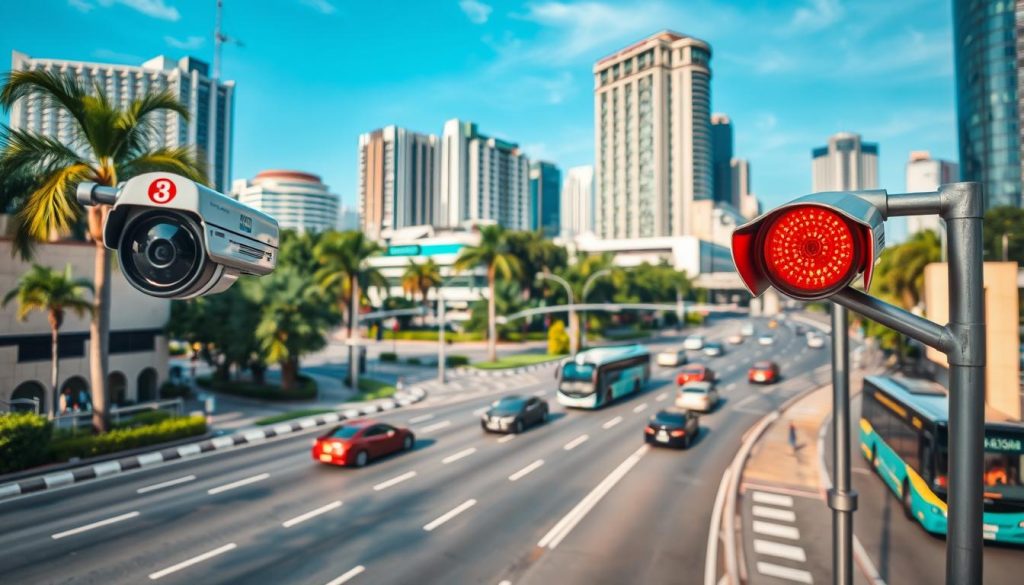
As one example, red light cameras at intersections employ specific illumination patterns. These devices use specialized LEDs that remain visible under various lighting conditions. Their design ensures clear communication of operational status to drivers.
Advanced traffic monitoring CCTV systems incorporate weather-resistant indicator lights. This durability ensures reliable operation in Singapore’s tropical climate. The robust design maintains consistent signaling through diverse environmental conditions.
Does Red Light on Camera Mean Someone is Watching?
The glowing indicator on surveillance equipment often creates a false assumption about live observation. Many systems operate automatically without human intervention, despite their visible signals.
Automated Recording vs. Live Human Monitoring
Modern security systems primarily function through automated processes. Police statistics reveal only 20% of devices with illuminated indicators have live operator access.
Most surveillance cameras record footage for later review when triggered. This automated approach allows efficient monitoring of large areas. The systems capture activity without requiring constant human attention.
Cloud-connected devices often feature specific indicator behaviors. These systems upload footage to remote servers for storage. The visual signals typically confirm successful data transmission rather than live viewing.
Government monitoring centers differ significantly from commercial systems. Public safety operations may involve more live monitoring than private installations. However, even government systems rely heavily on automated recording.
The Important Difference Between “Recording” and “Watching”
Recording indicates the system is capturing and storing footage. Watching implies active human observation of the live feed. These are fundamentally different functions with distinct purposes.
Motion-activated systems only record when they detect movement. This efficient approach conserves storage space and review time. The indicator light typically activates during these recording periods.
Psychological impacts emerge when people believe they’re constantly observed. This perception can influence behavior in monitored spaces. However, the reality involves much less direct human supervision than assumed.
Understanding this distinction enhances personal awareness in surveilled environments. It helps people make informed decisions about their actions. This knowledge is particularly valuable in Singapore’s extensive security landscape.
Identifying Real vs. Fake Security Cameras
Distinguishing operational surveillance equipment from decorative replicas requires careful observation of specific physical and functional characteristics. Many property owners install dummy units for psychological deterrence while others deploy fully functional systems. Understanding the differences helps consumers make informed decisions about their security investments.
Authentic Indicators: Steady Lights and Quality Build
Genuine surveillance devices exhibit consistent illumination patterns that reflect their operational status. A steady glow typically indicates proper power connection and normal function. This reliable signaling helps users tell camera status at a glance.
Quality construction represents another hallmark of authentic equipment. Housing units feature weatherproof ratings and manufacturer engravings. Proper cabling and professional mounting demonstrate serious installation intent.
Infrared functionality provides another authenticity clue. Real devices emit faint glows during low-light operation. This technical feature separates operational units from decorative replicas.
Brand certification markings offer additional verification points. Reputable manufacturers include serial numbers and compliance certifications. These details confirm device authenticity and performance standards.
Decoy Giveaways: Erratic Blinking and Flimsy Construction
Non-functional replicas often exhibit unconvincing visual signals. Erratic blinking patterns without purpose suggest decorative intent. These random lights lack the consistency of genuine status indicators.
Construction quality reveals much about device authenticity. Flimsy materials and poor finishing characterize many fake units. Missing weather sealing and improper mounting hardware indicate non-functional installations.
Incomplete wiring represents another red flag. Decoy cameras often lack proper power connections or network cables. Some models use battery-powered blinking LEDs purely for visual effect.
Understanding these differences helps consumers avoid deceptive products. Singapore’s regulations address misleading surveillance representations. Property owners should understand legal implications before installing any monitoring equipment.
For comprehensive information about operational status indicators, visit our guide on CCTV status indicators. This resource provides additional details about interpreting various device signals.
Interpreting Other Camera Light Colors and Patterns
Surveillance devices communicate through a sophisticated visual language beyond simple illumination. Different hues and blinking patterns convey specific operational information about device functions. Understanding this color-coded system enhances awareness in monitored environments.
Green Light: Normal Operation and Ready Status
A steady green glow typically indicates proper power connection and system readiness. Many security devices use this color to show normal operation without active recording. The specific meaning varies across different manufacturers and models.
Some equipment displays green during network connectivity establishment. This confirms successful communication with monitoring servers or cloud storage. Other systems use green to indicate standby mode awaiting activation.
Infrared-equipped devices may show green during daylight operation. This contrasts with their nighttime crimson glow during low-light recording. The color change helps users distinguish between different operational modes.
Amber or Yellow Light: Warnings and System Issues
Amber illumination often signals attention-required conditions within surveillance equipment. Common issues include connectivity problems, storage limitations, or power fluctuations. The specific pattern provides clues about the nature of the problem.
Slow blinking amber typically indicates minor system notifications. These might include scheduled maintenance reminders or storage capacity warnings. Rapid flashing often suggests more urgent conditions requiring immediate attention.
Singaporean installations frequently combine visual alerts with audible signals. This dual notification system ensures operators notice important system status changes. The combination enhances overall monitoring reliability.
Blue and Multicolor Lights: Data Transfer and Diagnostics
Blue illumination commonly appears during information exchange processes. Networked devices use this color during firmware updates or cloud synchronization. The specific pattern indicates different data transfer stages.
Multicolor sequences represent advanced diagnostic functions. These complex patterns help technicians identify specific system conditions. Different manufacturers employ unique color combinations for various status reports.
Modern surveillance systems use intelligent color coding for comprehensive status communication. This evolution reflects Singapore’s leadership in smart security technology. The standardized patterns enhance interoperability across different security systems.
- Green typically confirms power without recording activity
- Amber warnings indicate connection problems or storage issues
- Blinking blue suggests active data transfer operations
- Multicolor sequences signal firmware updates or system diagnostics
- Manufacturers use different color coding systems
- Singapore’s infrastructure employs standardized indicator patterns
- Visual alerts often combine with audible notifications
- Understanding these signals enhances system monitoring effectiveness
Red Light Cameras in Singapore’s Security Landscape
Singapore’s urban environment integrates sophisticated monitoring systems that employ standardized visual indicators across various security applications. These devices follow specific operational protocols that balance public safety with technological transparency.
Scale and Function of Traffic Enforcement Systems
The Land Transport Authority maintains over 320 enforcement devices at strategic locations across the island. These specialized units employ consistent indicator patterns that communicate their operational status to motorists.
Traffic monitoring systems have demonstrated significant impact on road safety metrics. Studies show intersections with active enforcement experience 42% fewer accidents than uncontrolled junctions.
Electronic Road Pricing gantries incorporate similar indicator technology for consistent public communication. These systems use standardized light patterns that drivers can easily recognize and understand.
Public Space Surveillance and Indicator Standards
Singapore’s comprehensive security framework establishes clear guidelines for surveillance device indicators. Government agencies follow uniform protocols for status light implementation.
Public awareness campaigns educate citizens about various monitoring system indicators. This knowledge helps people understand when recording occurs in different environments.
The standardization extends across transportation, public safety, and urban planning departments. Consistent indicator rules ensure predictable device behavior throughout Singapore’s infrastructure.
Smart Nation initiatives integrate these visual communication standards with digital monitoring systems. This creates a cohesive security ecosystem that prioritizes both public safety and operational transparency.
Legal and Privacy Considerations for Surveillance
Singapore’s legal framework establishes clear boundaries for surveillance operations and personal data protection. These regulations ensure monitoring practices respect individual rights while maintaining public security. Understanding these legal parameters helps citizens navigate monitored environments with confidence.
The Personal Data Protection Act (PDPA) serves as the cornerstone of Singapore’s privacy protection system. This comprehensive legislation outlines specific requirements for all organizations collecting personal information. Surveillance activities fall directly under these regulatory provisions.
Singapore’s PDPA and Requirements for Transparency
Section 18 of the PDPA mandates that data collection must be limited to what’s necessary for security purposes. This principle prevents excessive monitoring and protects individual privacy. Organizations must justify their surveillance scope under this requirement.
The legislation requires visible notices within 5 meters of recording devices. These notifications must clearly indicate monitoring activities are occurring. This transparency measure ensures people understand when they’re in surveilled areas.
“Organizations may collect, use or disclose personal data only for purposes that a reasonable person would consider appropriate in the circumstances.”
Non-compliance with these regulations can result in significant penalties. Organizations face fines up to S$1 million for violations. This substantial financial consequence encourages strict adherence to privacy rules.
Indicator lights on surveillance equipment help meet these transparency requirements. The visible signals provide immediate awareness of operational status. This visual communication supports compliance with notification obligations.
The Balance Between Public Safety and Personal Privacy
Singapore’s approach carefully balances security needs with individual rights protection. The framework acknowledges that some monitoring is essential for public safety. However, it also establishes clear limits to prevent overreach.
Law enforcement agencies operate under specific exemption protocols. These allow necessary surveillance for criminal investigations and national security. The exemptions remain subject to oversight and accountability measures.
Sensitive locations like medical facilities follow enhanced privacy shield protocols. These environments require additional safeguards for personal information protection. Specialized rules govern surveillance in these contexts.
Consent requirements vary across different surveillance scenarios. Public spaces may involve implied consent through posted notices. Private areas typically require explicit agreement for monitoring activities.
The regulatory framework continues evolving with technological advancements. New guidelines address emerging surveillance technologies and methods. This adaptive approach maintains relevance in Singapore’s dynamic security landscape.
Benefits of Visible Camera Status Indicators
Visible indicators on surveillance equipment provide dual benefits that extend beyond simple status communication. These glowing signals serve important functions for both security operators and the general public. Their presence creates a balanced approach to modern monitoring solutions.
Deterrent Effect on Crime and Unwanted Activity
Illuminated status signals significantly reduce opportunistic offenses through psychological influence. Potential offenders often reconsider their actions when they see active monitoring indicators. This visual confirmation creates an immediate awareness of surveillance presence.
Retail environments demonstrate particularly strong results from visible indicators. Studies show a 31% reduction in shoplifting and other theft-related incidents. The glowing signals communicate that recording equipment is operational and attentive.
Public spaces benefit similarly from transparent monitoring systems. Vandalism and other property crimes decrease when people see active surveillance indicators. This preventive approach enhances community safety through visual deterrence.
The psychological impact works on both conscious and subconscious levels. People naturally modify their behavior when they know they’re being observed. This phenomenon contributes to more orderly conduct in monitored areas.
Building Public Trust Through Operational Transparency
Clear status indicators foster greater acceptance of surveillance systems among community members. Nearly 90% of residents support visible status lights according to recent surveys. This overwhelming approval reflects the value of operational transparency.
Trust-building occurs when monitoring systems openly communicate their status. People appreciate knowing when recording equipment is active versus idle. This honesty creates a collaborative relationship between security systems and the public.
Accountability mechanisms strengthen through visible indicator implementation. Operators must ensure their systems function as indicated by the status lights. This verification process maintains integrity within surveillance operations.
International best practices emphasize transparency as a cornerstone of effective security. Singapore’s approach aligns with global standards that prioritize both safety and privacy. This balanced methodology earns public confidence in monitoring initiatives.
Cost-benefit analysis favors visible indicators over hidden monitoring approaches. The deterrent value combined with public trust creates superior overall security outcomes. These combined benefits make status indicators valuable components of modern surveillance systems.
Common Misconceptions About Camera Lights
Public understanding of surveillance indicators often contains significant inaccuracies. These misunderstandings can lead to unnecessary anxiety about privacy and monitoring. Clearing up these false beliefs helps people navigate monitored environments more confidently.
Myth: Any Red Light Means a Live Feed is Being Monitored
Many people incorrectly assume that crimson indicators always signal human observation. National University of Singapore research reveals a different reality. Their study found 40% of functional devices use this color for system errors rather than active monitoring.
Maintenance modes frequently activate these visual signals during routine checks. Technical diagnostics often produce the same illumination as recording indicators. This similarity creates confusion among observers who lack technical knowledge.
Common false assumptions include blinking patterns indicating emergency alerts. Many believe brightness levels correlate directly with recording quality. These misconceptions stem from limited understanding of surveillance technology.
Reality: Indicators Have Multiple Technical Meanings
Modern surveillance equipment uses visual signals for various system functions. These features communicate technical status beyond simple recording activity. The same indicator might signal different conditions across various manufacturers.
Manufacturers program unique meanings into their device indicators. Some use specific blinking patterns for firmware updates. Others employ steady illumination for power status confirmation.
This technology serves multiple purposes beyond surveillance communication. Indicators help technicians diagnose system issues quickly. They also assist users in understanding device status without technical expertise.
Educational initiatives can correct these widespread misunderstandings. Better public knowledge leads to more accurate interpretations of surveillance signals. This understanding is particularly valuable in Singapore’s technology-rich environment.
- Visual indicators serve numerous technical functions beyond monitoring status
- Manufacturer programming varies significantly across different surveillance systems
- Maintenance modes often activate the same indicators as recording functions
- Public education improves accurate interpretation of surveillance signals
- Cultural factors influence how people perceive monitoring equipment indicators
- Technical understanding reduces unnecessary privacy concerns
- Standardized signaling would improve public comprehension across systems
Making Informed Decisions in a Monitored World
Modern urban living requires understanding surveillance technology. This knowledge empowers individuals in increasingly monitored environments.
Transparent indicator systems benefit both community security and personal privacy. Unusual light patterns often signal technical needs rather than active monitoring.
Technological literacy enhances protection for home and business users. Smart choices about security cameras create balanced environments.
Future surveillance systems will likely feature even clearer status indicators. This evolution supports both safety and privacy concerns.
When encountering suspicious equipment, consult local authorities for guidance. They can verify proper installation and operation.
Understanding these systems transforms anxiety into informed awareness. This knowledge represents essential urban survival skills today.
FAQ
What does a steady red light on a security camera mean?
A steady red indicator typically means the device is powered on and actively recording. It can also signal that the camera is in standby mode, depending on the manufacturer’s design.
Does a blinking red light mean someone is watching the feed?
Not necessarily. A blinking red light often indicates data transfer, system activity, or an internal error. It rarely confirms live human monitoring.
How can I tell if a security camera is real or fake?
Authentic cameras usually have consistent indicator lights and a sturdy build. Fake models often feature erratic blinking patterns and lower-quality materials.
Are there other light colors I should look for on surveillance systems?
Yes. Green usually means normal operation, amber indicates warnings, and blue or multicolor lights often relate to data transfer or diagnostic functions.
Do all cameras use red lights for night vision?
Many use infrared illumination, which produces a subtle red glow. However, not all security systems rely on visible light for low-light performance.
What should I do if I notice a camera with a red light in a public space?
Assume it might be recording. In places like Singapore, many traffic and public safety systems use such indicators legally and transparently.


