
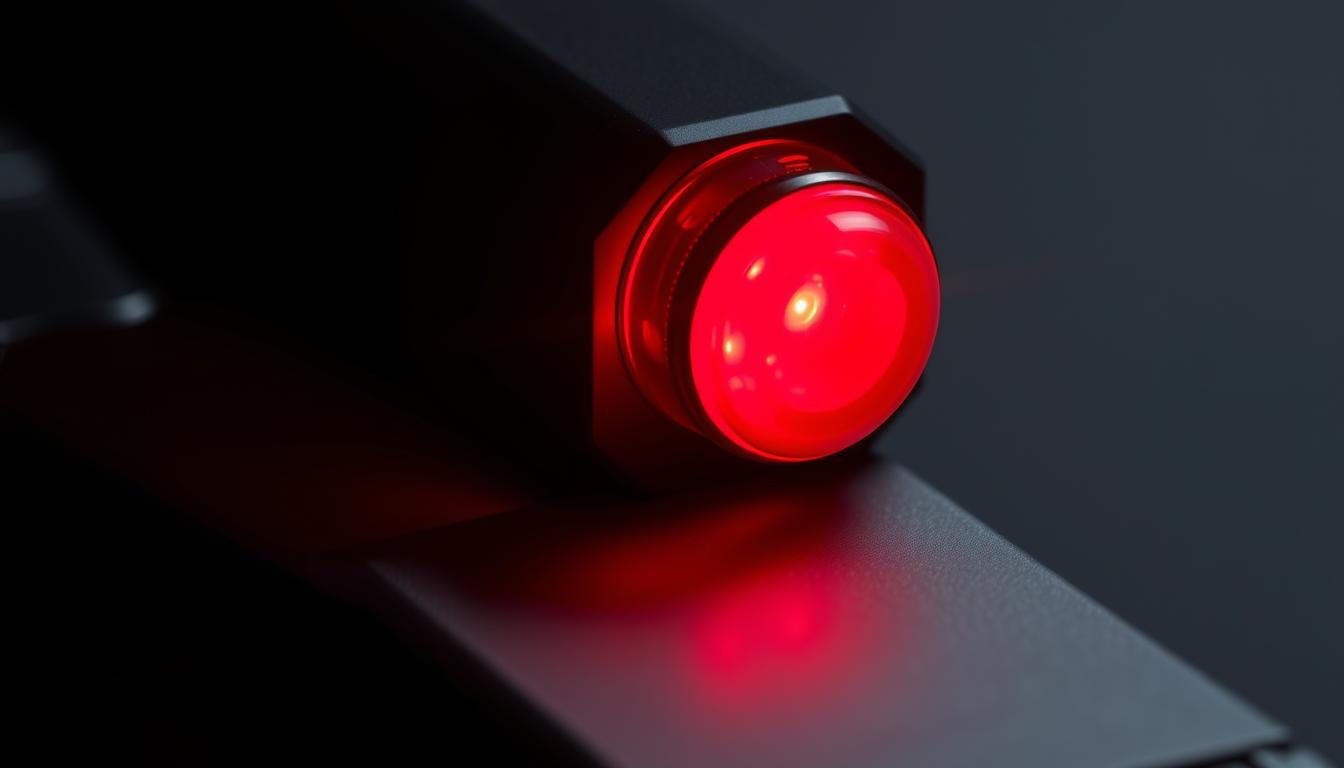
Does red light mean recording?
The red light on many devices can be confusing. It’s important to know what it means for technology safety, like with security cameras. Many people ask if a red light means a device is recording video or audio. This article will explain the role of red light indicators on different devices.
Key Takeaways
- Red lights often indicate that a device is in operation, such as recording.
- Understanding security camera indicators can enhance technology safety for users.
- Not all devices that light up red are recording; some use it for status indication only.
- Different technologies have varied interpretations of red light signals.
- User awareness of these indicators can prevent misconceptions about device functionality.
Understanding the Red Light Indicator
Red light indicators are key in many technologies. They tell users about device status, like power, recording, or alerts. These lights help us stay aware, which is important in today’s world of surveillance.
Importance of Red Lights in Technology
Red light technology is common in many devices. These lights keep users informed about their devices’ status. For example, a red light on a smartphone might mean the camera or microphone is being used.
This alerts users to be careful about their privacy. Red lights also show battery status or recording functions. Knowing what these lights mean is key in today’s tech world.
Common Devices That Utilize Red Lights
Many everyday devices use red lights to show their status. Some examples include:
- Security cameras
- Smartphones
- Home electronics
- Remote controls
These red lights make devices more transparent. They help users feel safe and aware. Knowing about these indicators is important for privacy in our modern society.
Does Red Light Mean Recording?
Many think a red light means a camera is recording because it’s common in surveillance tech. This idea can cause confusion about what recording indicators really mean. Understanding their specific roles helps clear up any misunderstandings.
Clarifying Misconceptions About Recording Indicators
Red lights are seen in many security cameras, but they don’t always mean the same thing. For traditional cameras, a steady red light usually means recording is happening. This has led people to believe any red light means recording.
But, some devices use red lights just to show they’re on or connected. For instance, many IP cameras have a red light to show they’re online, not recording. This can lead to confusion about what’s being monitored or recorded.
Functionality of Red Lights on Security Cameras
Knowing how red lights work on security cameras helps us understand if they’re really watching. These surveillance indicators tell us if a camera is recording or just looking good. It’s important to know this to spot real security.
Indication of Camera Status
A steady red light means a camera is on and might be recording. This is key for keeping safe. On the other hand, a blinking red light could mean the camera isn’t working or is a fake camera. It’s vital to know these signs to make smart choices about safety.
Differences Between Real and Fake Cameras
Telling real cameras from fake ones is critical for security. Real cameras work well and watch over us. Fake cameras just look good but don’t record anything. Knowing the difference helps us choose better security.
For more tips on spotting real surveillance, see this guide on CCTV indicators. Knowing the real from the fake can make your security system much better.
Red Light Indicators in Smartphones
Smartphone indicators are key to a good user experience, focusing on communication and privacy. Red light indicators are vital, showing the status of calls and app use. They help users know what’s happening with their devices. This knowledge boosts privacy and recording awareness.
The Role of Red Lights During Calls
When you’re on a call, a red light means the microphone is on. It tells you if you’re being heard or recorded. This helps users understand their device’s communication status.
Apple’s Privacy Features Explained
Apple has introduced cool privacy features in its devices. A big one is the red dot that tells you when an app uses the microphone. It builds trust and shows when personal info might be recorded without permission. Apple’s focus on privacy sets a high standard for the industry.
Red Light Indicators in Traffic Management
Red light indicators are key in traffic management. They help keep roads safe by telling drivers when to stop. In places like Singapore, where traffic is heavy, these signals are very important.
Enhancing Road Safety
Using road safety technologies makes driving safer. Red light indicators help by cutting down on accidents. They give drivers clear signs to stop, reducing the danger of speeding.
Types of Technologies Used
Many technologies use red light indicators to improve traffic flow. Some of these include:
- Red light cameras that catch violators.
- Traffic signal sensors that watch how many cars pass and change lights.
- Systems that show traffic in real-time to help manage it better.
How Red Light Signals Impact Privacy
Red light indicators are becoming more common, raising questions about privacy and surveillance. Many see them as important for safety, but they also worry about being watched all the time. This mix of views leads to deep discussions about surveillance in our daily lives.

Public Perception and Concerns
Recently, people have become more aware of surveillance. Some think red light signals help keep communities safe by scaring off bad behavior. But others feel uneasy about being watched in public places.
- Concerns over unwanted monitoring by governmental entities and corporations.
- Debates on the balance between enhanced security and personal privacy rights.
- Growing calls for transparency regarding the implementation of surveillance technology.
These talks are important as technology keeps getting better. Finding a way to balance safety needs with privacy is tough. Talking openly can help us figure out how to deal with these issues.
Understanding Video Recording Devices
Video recording devices are key in today’s surveillance systems. But, many people have wrong ideas about how they work. They think a red light always means the device is recording. This isn’t always true.
Common Misconceptions About Recording Signals
Many people think a red light always means a device is recording. But, the light’s meaning can change based on the device. Some cameras use red lights for power or standby, while others show they’re recording.
It’s important to know these differences. This helps users keep their privacy and trust their surveillance systems.
Technology Behind Red Light Cameras
Red light cameras are key in keeping our roads safe. They use advanced technology to watch traffic at intersections. They spot cars that don’t stop when the light turns red.
These cameras work well because of their reliable detection systems. They make sure any breaking of the rules is caught and recorded.
Detection Mechanisms and Functionality
Red light cameras use different technologies to do their job. They have loop sensors in the road that sense when a car is coming. If a car goes through the stop line when the light is red, the camera snaps a photo or video.
This helps police enforce traffic laws better. It’s a big help in keeping everyone safe on the roads.
In Singapore, these cameras are very important for road safety. They check if a car really broke the rules before giving a ticket. This makes sure only real offenders get fined.
The technology behind these cameras keeps getting better. This makes them even more useful in teaching people to drive safely.
Enhancing User Awareness and Transparency
It’s key for makers of surveillance gear to talk clearly about red light indicators. This helps users know when they’re being watched. It also stops wrong ideas about being monitored.
Clear guidelines and signs help a lot. They tell people when they might be watched. This makes users trust the tech in public places more.
Following CCTV rules also builds trust in surveillance tech. It shows respect for privacy. By making users know how red lights work, makers boost trust and follow the law.
FAQ
Does a red light mean recording on all devices?
No, a red light doesn’t always mean recording. It depends on the device. Some cameras show it when recording, but others just when they’re on or connected.
Why are red light indicators important in technology?
Red light indicators tell us if devices are working. They help us know if we’re being recorded and alert us to notifications. This is true for many technologies.
What common devices utilize red lights?
Many devices use red lights. This includes smartphones, security cameras, TVs, and remote controls. They help us know if they’re working right.
How can I tell if a security camera is recording?
A steady red light usually means a camera is on and might be recording. But, it’s key to know the specific signs for each camera.
What are the differences between real and fake security cameras based on red lights?
Real cameras have steady red lights. Fake ones might blink. Blinking lights often mean a camera isn’t recording.
How do red light indicators function in smartphones?
On phones, red lights tell us if the microphone is on. This is during calls or recordings. It helps us feel more secure about our privacy.
What privacy features are associated with Apple’s devices?
Apple devices have a red dot for microphone use. It’s to let users know and keep their recordings private.
How do red light indicators enhance road safety?
Red lights in traffic systems warn drivers of violations. They help manage traffic and keep roads safer. This leads to better traffic law following.
What technologies are used in traffic management involving red lights?
Red light cameras and sensors are used to watch and control traffic. They help reduce accidents by catching red light runners.
What are public perceptions regarding red light surveillance?
People have mixed views on red light cameras. Some see them as making roads safer. Others worry about constant watching and privacy.
Are there common misconceptions about video recording devices and red light signals?
Yes, many think a red light always means recording. But, different devices use red lights for different things.
How do red light cameras detect violations?
Red light cameras use tech to spot violators. They take pictures and help enforce traffic laws. This makes roads safer.
How can manufacturers enhance user awareness about red light indicators?
Makers can help by giving clear instructions. They should tell users what red lights mean and why they’re important.


