
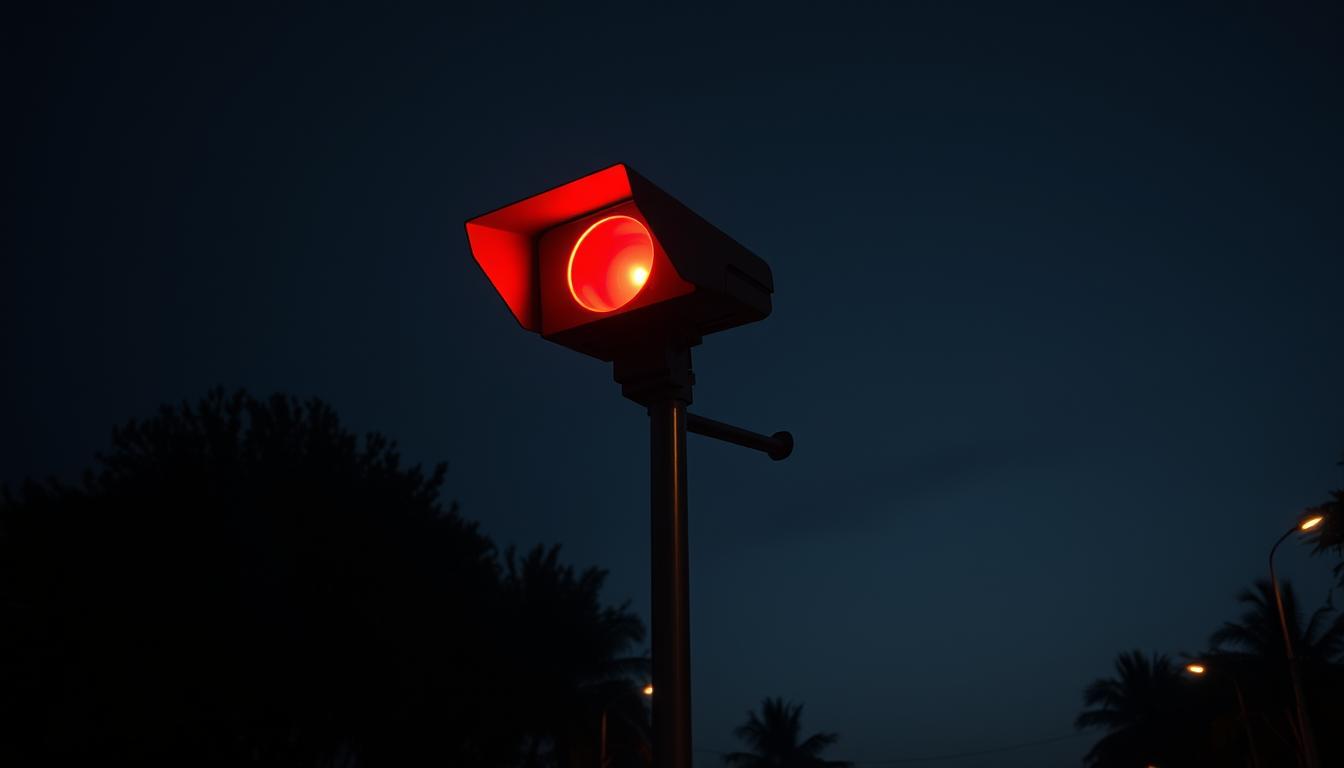
Does it mean someone is watching if the camera is red?
A red light on a camera might make you think someone is watching, like in Singapore. It’s important to know what a red light means in different cameras. This is because it affects our privacy and security.
Not all red light cameras mean someone is watching. It depends on the camera type and its use. To learn more, check out this useful resource on the implications of red light.
Key Takeaways
- A red light on a camera often indicates it’s recording or active, but this varies by model.
- Surveillance systems use various security indicators, including red lights, for monitoring.
- Understanding the function of these indicators is essential for privacy awareness.
- Not all red light cameras imply that someone is watching; context matters.
- Factors like camera type and installation environment influence indicator usage.
Understanding Camera Indicators
Camera indicators are key to knowing if security cameras are working right. They show up as lights that tell us if the camera is recording. It’s important for both users and anyone who might try to sneak around.
Different cameras have different light signals. A steady red light might mean the camera is on and recording. A blinking light could mean it’s recording live. Knowing these signs helps make surveillance systems better.
Some cameras don’t use lights at all. This is to keep things quiet and hidden. But understanding these indicators helps make security systems stronger.
How Red Lights Function in Camera Systems
Red lights are key in both old CCTV systems and new IP cameras. A steady red light means a camera is working and might be recording. This is very important in surveillance, where knowing if a camera is on is critical.
With infrared technology, red lights do more. In dim light, these cameras use red lights to show they’re recording. This helps them work well in different light conditions, making it clear to users.
Steady versus blinking red lights can tell you a lot. Real cameras usually have steady lights, showing they’re recording. Fake cameras might blink to trick people, making it seem like they’re working.
The Role of Recording Indicators in Surveillance
Recording indicators are key in surveillance, affecting public safety and surveillance ethics. Visible signs like red lights on cameras tell people they’re being watched. They also highlight the importance of following legal standards on privacy and consent.
Knowing they’re being monitored makes people more aware and law-abiding. This awareness can stop crimes, as those who might break the law know they’re being watched. The link between tech and recording signs shows we need to talk more about surveillance ethics.
It’s important to think about legal standards for surveillance to keep everyone safe without taking away privacy. By understanding recording indicators, we can make sure surveillance helps us stay safe while respecting our rights. This creates a safer and more respectful place for everyone.
Does it mean someone is watching if the camera is red?
A red light on a surveillance camera often sparks curiosity. Many think it means someone is watching or recording. But, this belief changes with different camera types, each with its own features and signals.
Typical Red Light Usage Across Different Cameras
Red lights on cameras have different meanings in various settings. For example:
- Infrared Cameras: These cameras have a steady red light for night vision. It shows the camera works well, even when it’s dark.
- Traditional Cameras: Older cameras might not have clear indicators. Their status can be unclear, making it hard to know if they’re recording.
Distinction Between Real and Fake Cameras
Telling real cameras from fake ones is key for accurate monitoring. Real cameras usually have a constant red light, showing they’re working. Fake cameras might have blinking lights, just for show. Knowing the difference is important for effective surveillance.
Legal Considerations for Recording Indicators
Knowing the laws on surveillance is key for camera system users. Laws about recording signs differ across places. Many areas need to tell people when they’re being recorded, showing the need to respect privacy regulations and people’s rights.
In Singapore, for example, there are strict rules about watching people. This is because privacy is very important there.
It’s important to know the local rules about recording permissions, like audio recording consent. Breaking these rules can lead to big legal problems. Knowing these laws helps use surveillance systems right and understand the ethics of camera use.
Types of Security Cameras and Their Indicators
Security cameras come in many types, each with its own indicators. These indicators show the camera’s status and how it works. Knowing about these types helps users pick the best security camera for their needs.
Traditional CCTV Cameras
Traditional CCTV systems use wires and don’t always show red lights when recording. They are reliable and need to be installed physically. Their indicators include:
- Power Indicators: Show if the camera is working.
- Recording Indicators: These are often hidden, making them hard to see.
These systems have limitations in real-time monitoring. Users usually check them manually to see if they’re working right.
Modern IP Cameras
Modern IP cameras, on the other hand, use the latest technology for wireless monitoring. They often use colored lights to show their status, making it easier for users. The indicators in IP cameras include:
- Network Status Lights: Show if the camera is connected and transferring data.
- Recording Lights: Clearly show when the camera is recording.
IP cameras are more flexible and popular for home and business security. Their advanced features make them a favorite in today’s surveillance world.
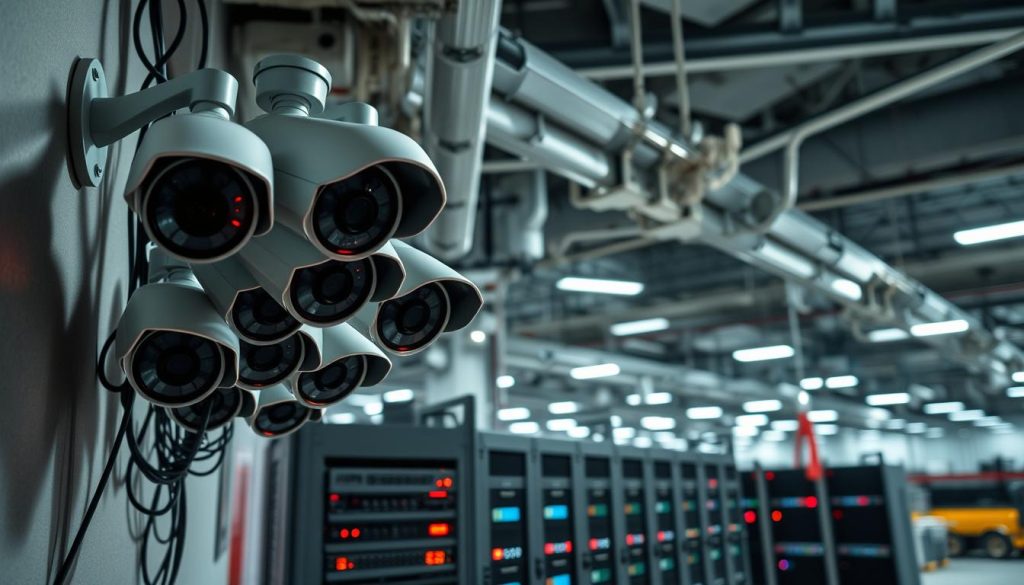
Benefits of Active Recording Indicators
Active recording indicators are key in making surveillance transparency clear. They are seen in public and private areas, letting people know they’re being watched. This makes everyone more aware and responsible, helping keep places safe.
These indicators also serve as a strong deterrence. Seeing cameras recording might stop someone from doing something wrong. It keeps our communities safe and secure for those who follow the law.
Knowing how useful active recording indicators are helps businesses and people make smart choices about their surveillance. They can set up systems knowing they protect their property and help create a safer, more respectful community.
Can a Camera Record Without a Visible Indicator?
In the world of security and surveillance, technology advancements have made devices that can work secretly. Many modern security cameras can record without showing any signs like red lights. This is key for discreet surveillance, where the goal is to watch without being noticed.
Not seeing recording signs can make things tricky for users. People might not know they’re being recorded, which can make them wonder about their privacy. It’s important to understand these advanced systems to know if you’re secure.
With the ongoing debate on surveillance ethics, it’s critical for people to know about the tech they use. Understanding how discreet surveillance works is essential in today’s world, where security is a big concern.
Understanding Other Camera Lights Beyond Red
Not all camera lights are the same. Different colors mean different things. For example, a steady green light means the camera is working and ready to record. But, a yellow or orange light might show there’s a problem or a warning.
Flashing lights also tell us something important. A blinking blue light could mean the camera is processing data or recording. Other colors might warn of system alerts or maintenance needs. Knowing these colors helps you keep an eye on your surveillance system and fix problems fast.
It’s key to know what each light means, mainly if you’re watching over a place that needs security. By understanding these lights, you can check if your camera is working right. This knowledge helps you use your surveillance system better, no matter what happens.
FAQ
Does a red light on a camera mean someone is watching?
A red light usually means the camera is on and might be recording. But, it doesn’t always mean someone is watching. Many cameras work on their own, without someone always watching.
What different camera types use red lights?
Many cameras, like CCTV systems and IP cameras, use red lights. In dark places, infrared cameras might also show red lights to show they’re working.
How can I tell if a camera is real or fake based on its indicator light?
Real cameras usually have steady lights. Fake ones might blink red to look like they’re working. Knowing this can help you figure out if a camera is real or not.
What are the legal considerations surrounding recording indicators in surveillance cameras?
Rules about recording vary by place. Many places need visible signs, like red lights, to tell people they’re being watched. This helps follow privacy laws.
What are the common types of security cameras and their indicator lights?
Older CCTV cameras often don’t show red lights and need to be wired. Newer IP cameras use different colors for status and might be wireless.
What are the benefits of active recording indicators in surveillance systems?
Active recording indicators make things clear and fair in watched areas. They can stop bad behavior and make people feel safer in public.
Can a camera record without a visible indicator?
Yes, some advanced cameras can record without showing lights. They use secret ways to watch without lights.
What do other camera lights, beside red, signify?
Other colors on cameras mean different things. A steady green might mean it’s working right. Flashing colors could mean it’s processing data or showing alerts. Knowing this helps understand what the camera is doing.


