
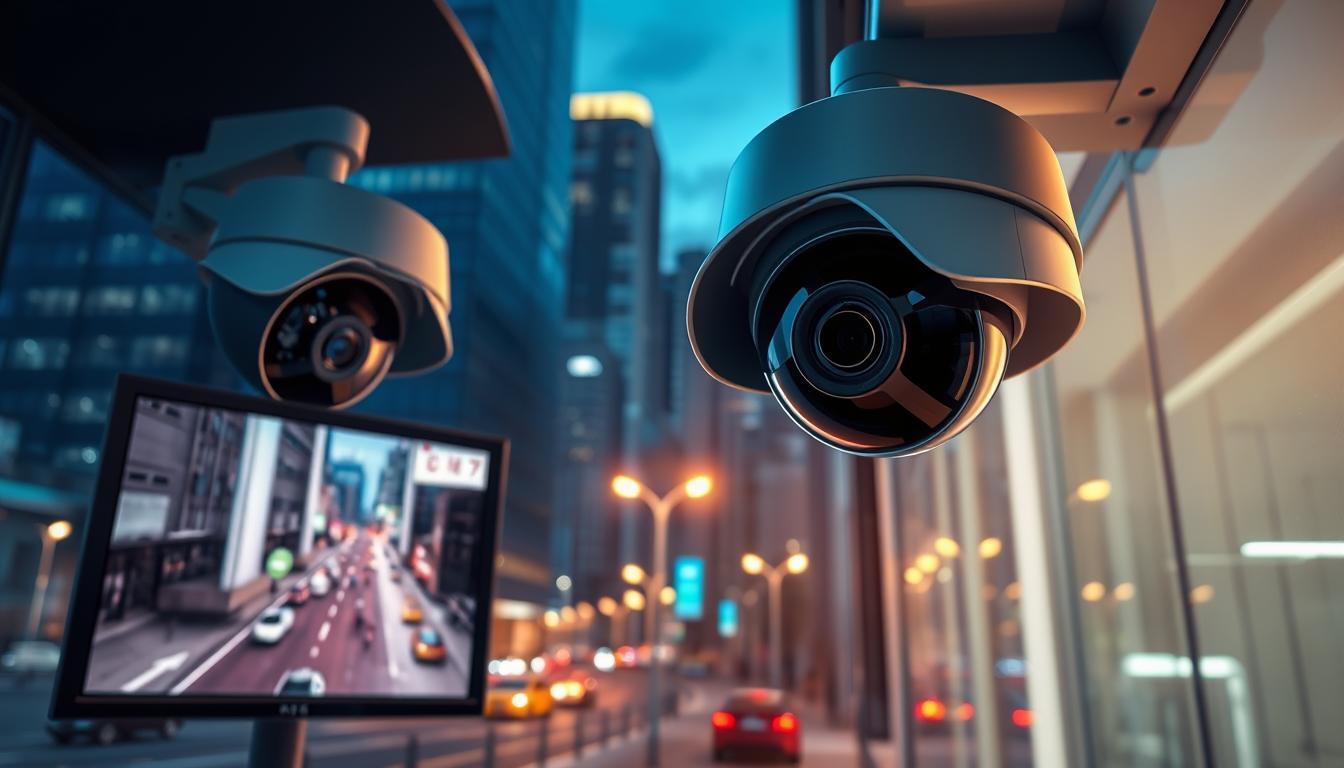
How CCTV Works: Does CCTV work when switched off?
In Singapore, where crime affects nearly one in four people, reliable security is essential. Surveillance systems provide peace of mind by watching over homes and businesses. They capture important video that can deter trouble and help solve crimes.
These cameras need electricity to function. A constant power source keeps them recording footage day and night. If the electricity stops, most standard setups stop working immediately.
This creates a serious gap in protection. Power outages or intentional cuts can leave properties vulnerable. Understanding this basic truth is the first step toward real security.
This guide explores how surveillance technology operates during disruptions. We’ll look at solutions that keep cameras running when the main power fails. Knowing your options helps you build a system that won’t let you down.
Key Takeaways
- Most security cameras require continuous electrical power to record video and function properly.
- Standard surveillance systems typically stop operating immediately during a power loss, creating a security gap.
- Singapore’s security landscape, with a notable crime rate, makes uninterrupted protection especially important.
- Advanced solutions like battery backups and UPS units can provide temporary operation during outages.
- Understanding this fundamental limitation is crucial for designing a reliable security strategy.
- Common misconceptions about blinking lights or dummy cameras can create dangerous false security.
- Choosing the right type of system for your needs requires knowing how different technologies handle power issues.
Understanding the Fundamentals of CCTV Surveillance
Behind every clear video feed is a coordinated system of specialized components, each with a distinct role. These parts must work together seamlessly to provide reliable monitoring and evidence. Grasping this interplay is the first step in choosing effective security.
Core Components: Cameras, Storage, and Power
Every surveillance network hinges on three essential elements. The camera captures the scene, the storage device saves the video, and the power supply keeps everything running. If one part fails, the entire system’s effectiveness is compromised.
Cameras are defined by their lenses and image sensors. The lens determines the field of view, while the sensor converts light into a digital signal. For instance, CMOS sensors offer excellent cost efficiency for most settings. Specialized chips can provide superior performance in very low light.
Storage is where your video data resides. Local options like Network Video Recorders (NVRs) use internal hard drives. A high-capacity 8TB drive can store approximately 45 days of continuous footage. Modern cloud solutions offer remote access and vital off-site backup, protecting data even if hardware is damaged.
Power is the non-negotiable lifeline of the entire operation. Without a consistent electrical supply, all recording and monitoring functions stop immediately. This vulnerability makes backup plans—like Uninterruptible Power Supply (UPS) units or batteries—a critical part of any serious security design.
In Singapore, selecting PSIA-certified equipment is a smart move for assured compliance and reliability. Manufacturers often back this quality with warranties of two years or more, signaling good product durability for the local climate.
Installation has been simplified by innovations like Power over Ethernet (PoE). This technology allows both data and electrical power to be delivered over a single Cat6 cable. It reduces wiring clutter and can lower overall installation complexity.
Understanding these components allows you to match a system to specific needs. A wide parking lot requires a different lens and sensor than a narrow corridor. The right integration enables real-time monitoring and creates a reliable evidence trail, which is crucial for any property.
Power: The Lifeline of Any CCTV System
Without a constant electrical supply, even the most advanced surveillance technology becomes nothing more than decorative hardware. Every component in a security network depends on this fundamental resource to capture, process, and store video evidence.
The choice between wired and wireless power fundamentally shapes installation complexity and long-term reliability. This decision impacts everything from initial setup costs to ongoing maintenance requirements.
Wired vs. Wireless Power Requirements
Wired configurations provide the most consistent energy flow for continuous operation. These setups include traditional alternating current (AC) connections and modern Power over Ethernet (PoE) technology.
PoE standards like IEEE 802.3af deliver 15.4 watts per camera port. The more advanced IEEE 802.3at standard boosts this to 30 watts for power-hungry devices.
This technology sends both data and electricity through a single Cat6 cable. It simplifies installation while ensuring steady performance.
Specific models demonstrate impressive efficiency within these parameters. The Reolink Duo 2 PoE draws only 12 watts despite its dual-lens design.
Traditional 24VAC systems remain useful for extended cable runs exceeding 100 meters. However, they can experience voltage drop over very long distances.
Wireless cameras offer installation flexibility where running cables proves impractical. Battery-operated and solar-powered models fit locations with difficult access.
Solar-powered solutions like the Reolink Argus 3 Pro need adequate daily sunlight. Typically, six or more hours of direct exposure keeps their lithium-ion batteries charged.
Battery life represents a critical performance metric for these devices. Modern lithium-ion units generally provide around 500 full charge cycles.
This significantly outperforms older nickel-metal hydride (NiMH) technology. NiMH batteries average approximately 300 cycles before requiring replacement.
Energy consumption varies dramatically between different camera types. A low-draw wireless model like the AlfredCam uses about 5 watts during active recording.
Multi-camera 4K systems have a much higher cumulative power demand. This difference directly impacts backup power planning for entire security networks.
Selecting the appropriate power type involves clear trade-offs. Wired connections offer maximum reliability for permanent installations.
Wireless and solar options provide flexibility for temporary setups or challenging locations. Your specific security needs should guide this essential choice.
Exploring Common Types of CCTV Cameras
The effectiveness of any monitoring network depends heavily on deploying the appropriate camera types for different locations and purposes. Not all surveillance devices serve the same function or offer equal deterrence value.
Physical design directly correlates with intended application and environmental resilience. Choosing the right mix creates a comprehensive visual security net.
Dome, Bullet, and PTZ: Form and Function
Dome cameras feature discreet, vandal-resistant housings ideal for indoor spaces. Their subtle presence makes them perfect for retail stores, offices, and building lobbies.
These units provide wide-angle coverage while maintaining a low profile. Many models include infrared capabilities for low-light performance.
Bullet cameras offer a strong visual deterrent with their long, cylindrical shape. Their prominent mounting signals active monitoring to anyone approaching.
Engineered for long-range viewing, they excel at monitoring property perimeters and outdoor areas. Weather-resistant construction protects them from Singapore’s tropical climate.
PTZ (Pan-Tilt-Zoom) cameras provide ultimate operational flexibility. Security personnel can remotely control direction, tilt, and zoom functions.
This allows active tracking of suspicious movement across large spaces like car parks. Advanced models include auto-tracking features that follow motion automatically.
Specialized camera technologies address specific environmental challenges. Day/Night models use IR cut filters to optimize recording in changing light.
They deliver color footage during daylight and switch to high-sensitivity monochrome at dusk. This ensures consistent video quality around the clock.
True night vision units employ infrared (IR) LEDs for complete darkness operation. These invisible illuminators capture clear footage without visible light.
This feature is essential for external areas or poorly lit surveillance points. It maintains security coverage during nighttime hours.
The rise of IP cameras has transformed modern surveillance technology. These network-connected devices transmit high-resolution footage over data connections.
Many support 5MP or 4K resolution for exceptional detail capture. Footage can be stored locally or in cloud-based solutions for remote access.
Modern systems often combine multiple camera types for complete coverage. Dome units might monitor indoor spaces discreetly.
Bullet cameras could secure external boundaries visibly. PTZ models may cover large, open areas requiring active monitoring.
Integration with motion detection enhances system efficiency. Cameras can remain in low-power mode until movement triggers recording.
This conserves storage space and power while ensuring critical events get captured. Alerts can be sent directly to mobile devices for immediate response.
Choosing the right camera types requires analyzing specific security needs. Consider visibility requirements, environmental conditions, and monitoring objectives.
A well-planned system addresses all potential vulnerabilities throughout your property. This strategic approach delivers reliable protection for homes and businesses.
Does CCTV Work When Switched Off? The Definitive Answer
A surveillance system without power is like a sentry without eyes—completely blind to its surroundings. This reality forms the core answer to a critical security question. The unequivocal truth is that conventional monitoring devices cannot operate without electricity.
Standard security cameras require continuous energy flow to capture and transmit video. When disconnected from their power source, these devices become inactive hardware. Their sophisticated electronics simply have no way to function.
The Immediate Halt: What Happens When Power Cuts
Operation ceases within milliseconds of an electrical interruption. Live video transmission stops instantly, creating an immediate surveillance gap. Recording functions halt completely, leaving no evidence of events during the outage.
Advanced components suffer immediate operational paralysis. Pan-tilt-zoom mechanisms in models like the Hikvision DS-2DE3225IW-DE freeze in position. All remote control capabilities disappear the moment energy flow stops.
Recording devices initiate protective shutdown sequences. Network video recorders typically begin a 30-second process to safeguard stored data. This procedure parks hard drive heads properly to prevent mechanical damage.
Internal safety mechanisms activate at predetermined voltage thresholds. Voltage regulators disconnect circuits when power drops below safe levels. For standard 12-volt systems, this cutoff typically occurs around 9.6 volts.
Abrupt energy loss poses serious risks to recorded evidence. Sudden shutdowns can corrupt footage on SD cards and internal storage. The last 10-15 seconds of video often become unrecoverable during unclean power cuts.
This technical reality underscores a crucial security principle. “Switched off” directly translates to “protection disabled” for standard setups. Understanding this limitation is essential for effective security planning.
Contingency measures for power continuity should be integral to system design. They are not optional additions but fundamental requirements. Proper planning ensures monitoring integrity remains unbroken during disruptions.
Dispelling myths about covert operation is equally important. Devices cannot somehow remain secretly active without energy. This knowledge encourages proactive steps to maintain surveillance coverage.
Recording Capabilities During a Power Loss
The gap between security and vulnerability narrows to the capacity of a battery during blackouts. When main electricity fails, a monitoring network’s continued operation depends entirely on its backup design. Without supplemental energy sources, all recording functions stop immediately.
This creates a critical window where properties remain unmonitored. The duration of this security lapse is determined by your contingency planning. Effective solutions bridge this gap until normal power resumes.
Battery Backup Durations and Comparisons
Not all backup batteries offer equal performance or longevity. Battery chemistry fundamentally dictates how many charge cycles a unit can handle before replacement becomes necessary.
Traditional Sealed Lead Acid (SLA) batteries provide an affordable initial solution. They typically deliver around 300 full charge cycles. This makes them suitable for occasional use in residential settings.
Modern Lithium Iron Phosphate (LiFePO4) technology represents a superior long-term investment. These advanced units can exceed 2,000 charge cycles. Their durability justifies the higher upfront cost for commercial applications.
Backup duration follows a predictable calculation based on capacity and consumption. A standard 10Ah (Amp-hour) battery can theoretically sustain a 5-watt camera for approximately seven hours. Real-world factors like battery age and ambient temperature will reduce this runtime.
Specific product examples illustrate practical expectations. The solar-powered Reolink Argus 3 Pro maintains standby operation for up to 48 hours on its internal battery. This suits locations with intermittent sunlight for recharging.
For multi-camera installations, dedicated Uninterruptible Power Supply (UPS) units provide centralized protection. The APC Back-UPS Pro 1000 might support a small four-camera network for about 53 minutes. This allows time for either power restoration or a controlled system shutdown.
Singapore’s security standards emphasize reliability for critical infrastructure. The SS 550:2016 code mandates 99.9% uptime for essential monitoring systems. This pushes commercial operators toward enterprise-grade resilient solutions from brands like Bosch.
Proper sizing requires calculating the total power draw of all components. Add the wattage of every camera and the video recorder. This total determines the minimum capacity needed for your backup power source.
Remember that these solutions are designed for bridging short to medium disruptions. They are not infinite power sources. Their purpose is maintaining coverage during unpredictable but inevitable electrical interruptions.
Proactive testing of backup systems is non-negotiable for reliable security. Schedule regular checks to verify battery health and automatic switchover functionality. Understanding these limitations ensures your surveillance remains active when it matters most.
Backup Power Solutions for Uninterrupted Surveillance
Beyond individual camera batteries lies a more comprehensive approach to power resilience. Centralized systems are designed to keep entire security operations online during disruptions. This ensures continuous protection when it’s needed most.
Uninterruptible Power Supply units bridge short-term outages seamlessly. They provide instantaneous backup electricity the moment main power fails. This prevents any gap in video evidence collection.
Uninterruptible Power Supply (UPS) Systems
A UPS is the most robust solution for maintaining operation during cuts. It delivers battery power to keep the entire network running. Not a single frame of footage is missed during switchover.
These units come in different topologies for various needs. Line-interactive models efficiently correct voltage sags and surges. Brands like Schneider Electric APC Smart-UPS use this technology well.
Online double-conversion models provide the cleanest, most stable output. The CyberPower OL series constantly converts AC to DC and back. This creates pure sine wave power for sensitive electronics.
Runtime is a key specification for any backup system. A model like the Eaton 9PX 2000RT offers about 45 minutes for a typical setup. This often suffices for short grid outages or generator startup.
Proper sizing is critical for effective performance. The UPS capacity should exceed total equipment wattage by at least 25%. This buffer handles startup surges and ensures efficient operation.
Safety standards are paramount for reliable installations. Compliance with NEC Class 2 circuit requirements limits power output. SELV (Safety Extra-Low Voltage) systems add another layer of protection.
A quality unit does more than provide emergency electricity. It shields sensitive surveillance electronics from damaging power spikes. This protection can significantly extend equipment lifespan.
For larger commercial installations, rack-mounted designs integrate seamlessly. The CyberPower CP1500PFCLCD fits well with server and network equipment. This creates a centralized, manageable power solution.
Implementing a correctly specified UPS is foundational for resilience. It upholds the security promise even during main power failures. This investment ensures your monitoring remains active without interruption.
Technical Limitations and System Vulnerabilities
Modern surveillance technology introduces a critical dependency beyond electricity: stable network connectivity. Internet Protocol cameras represent a significant advancement over older analog models. They offer high-resolution video and remote access capabilities.
This innovation comes with inherent technical constraints. Network reliability directly impacts system performance. Understanding these limitations helps users build more resilient security setups.
Impact of Internet Outages on IP Cameras
Contemporary monitoring devices require both electrical power and data connections. An internet disruption severs the link between cameras and recording equipment. Live viewing becomes impossible during these network partitions.
Cloud-based features suffer immediate interruption. Remote access to footage stops completely. Alerts and notifications may not reach mobile devices in real time.
Local network failures create similar problems. A router malfunction can isolate cameras from the Network Video Recorder. This prevents central storage of captured video evidence.
Many modern units include onboard storage as a buffer. They can record to microSD cards during connectivity loss. This footage typically syncs with the main system once the network recovers.
Professional-grade solutions from vendors like Axis Communications offer enhanced resilience. Their systems maintain event logging during network issues. Administrators receive alerts about connection problems immediately.
Wi-Fi cameras add another layer of potential instability. They operate on crowded 2.4GHz and 5GHz frequency bands. Signal interference from other devices can degrade video quality.
Bandwidth congestion affects performance in dense urban areas. Multiple cameras streaming simultaneously may overwhelm home networks. This is particularly relevant in Singapore’s connected residential environments.
Hybrid approaches provide the most reliable protection for small and medium enterprises. Combining wired Power over Ethernet with cellular backup creates seamless transitions. A 4G or 5G failover modem activates automatically during primary network failure.
This design ensures continuous data transmission. Surveillance operations continue without noticeable interruption. Critical evidence collection remains active throughout the outage.
Cybersecurity represents another significant vulnerability point. Internet-connected devices create potential entry vectors for malicious actors. Unsecured cameras can expose entire networks to intrusion attempts.
Basic security measures provide essential protection. Regular firmware updates patch known vulnerabilities. Strong, unique passwords prevent unauthorized access attempts.
Network segmentation offers additional security. Isolating surveillance equipment on separate VLANs limits potential damage. This containment strategy follows best practices for enterprise security.
Singapore’s business operators should consider these factors carefully. The Personal Data Protection Act mandates responsible handling of recorded footage. System failures that compromise evidence could have legal implications.
Choosing the right technology mix requires understanding local infrastructure. Singapore’s generally reliable internet service still experiences occasional disruptions. Backup solutions provide necessary insurance against these events.
Ultimately, awareness of network dependencies leads to better security planning. A robust surveillance strategy addresses both power and data continuity. This comprehensive approach delivers true peace of mind for property owners.
Dispelling Myths: Fake Cameras and Blinking Lights
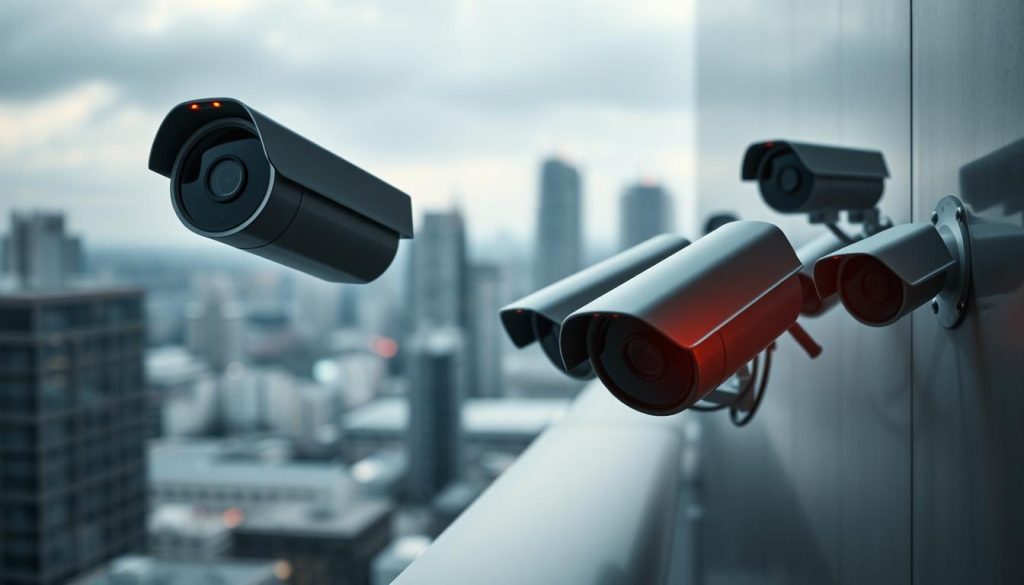
A pervasive myth suggests cameras with flashing LEDs are always recording. In reality, professional-grade units often hide such indicators. They maintain a low profile for effective surveillance.
Authentic security devices prioritize discretion over visible signals. Many high-quality models have no external lights during normal operation. This design prevents criminals from identifying monitored areas.
Identifying Functional vs. Non-Functional Units
Dummy cameras mimic real units with unconvincing blinking LEDs. These decorative props provide zero protection value. They cannot capture or store any video evidence.
Real surveillance systems offer features that enhance security. Motion detection triggers recording only when needed. This conserves storage space and power resources.
Professional models like Axis cameras use subtle LED patterns for diagnostics. A steady green light indicates normal operation. One blink per second confirms the system is functioning properly.
Red indicators typically signal errors or connection problems. These status lights are often discreet. Users can usually disable them in the device settings.
Relying on fake cameras carries significant risk. Informed criminals can spot differences in construction and wiring. They recognize non-functional units as empty threats.
In an incident, dummy devices provide no footage for investigation. This lack of evidence can invalidate insurance claims. Property owners face complete vulnerability.
The belief that “any camera is a deterrent” proves dangerous. Non-functional units create false security. They can actually make properties more attractive targets.
Once criminals identify fake surveillance, they know the area lacks real protection. This discovery encourages bolder criminal activity. The illusion of security disappears instantly.
Verifying camera functionality requires simple checks. Look for a faint infrared glow at night on IR models. Access the live feed through the manufacturer’s app or software.
Check recent recordings on connected storage devices. Ensure the system captures clear footage during different times. Test motion detection features with controlled movements.
Professional installation guarantees operational reliability. Certified technicians configure systems correctly. They perform thorough testing before declaring the setup complete.
Regular system checks maintain optimal performance. Schedule monthly reviews of all camera feeds. Verify storage devices have adequate space for new recordings.
Test backup power solutions during routine maintenance. Ensure the system can handle power outages seamlessly. Confirm network connections remain stable over time.
Investing in real surveillance technology provides actual protection. Even basic functional systems offer genuine deterrence. They collect evidence and deliver peace of mind.
Modern cctv solutions integrate multiple security features. They connect with alarm systems and access controls. This creates comprehensive protection for any property.
Choosing the right type of system depends on specific needs. Residential properties have different requirements than commercial spaces. Each environment demands tailored surveillance approaches.
Today’s advanced cameras work with various power sources. Some use traditional wired connections. Others employ wireless technology with battery backups.
These systems keep recording during brief disruptions. They ensure continuous monitoring when it matters most. Proper planning prevents security gaps during outages.
Understanding these distinctions helps property owners make informed decisions. Real protection requires functional equipment. Decorative props cannot replace genuine security measures.
Singapore-Specific Considerations for CCTV Reliability
The tropical island nation presents unique challenges and advantages for maintaining continuous monitoring coverage throughout the year. Local infrastructure and environmental factors directly impact how security technology performs here.
Understanding these conditions ensures your surveillance investment delivers consistent protection. It prevents unexpected gaps in your security coverage.
Local Power Grid Reliability and Outage Statistics
Singapore boasts exceptional electrical infrastructure stability. The Energy Market Authority reports a remarkable 99.999% reliability rating.
This translates to an average of only 0.3 minutes of annual downtime per customer. Such consistency provides a strong foundation for security operations.
Despite this overall excellence, localized factors still matter. Industrial zones like Jurong Island experience more frequent brief interruptions.
These areas may face three times more outages compared to the central business district. This variation influences backup power requirements for different locations.
Regulatory bodies enforce stringent standards for critical installations. The Singapore Civil Defence Force mandates specific resilience levels.
Essential services like hospitals and data centers often need 72-hour backup capabilities. These requirements ensure continuous operation during extended disruptions.
The local climate significantly affects equipment performance. Consistently high ambient temperatures average around 35°C.
This heat reduces battery efficiency by approximately 18% compared to rated specifications. A backup system rated for 10 hours at 25°C may only last about 8 hours locally.
High humidity presents another challenge for surveillance devices. Average levels reach 80% throughout the year.
Substantial annual rainfall measures around 1700mm. These conditions necessitate proper environmental protection for all equipment.
Security cameras and enclosures require appropriate Ingress Protection ratings. IP66 or IP67 certifications prevent moisture damage and corrosion.
Seasonal haze creates additional considerations for certain backup solutions. Solar panel efficiency can decrease during these periods.
Systems like the Reolink Argus 3 Pro need more frequent cleaning to maintain optimal energy harvesting. Regular maintenance ensures consistent performance.
Building codes influence equipment placement and protection strategies. The Building and Construction Authority provides guidelines for various zones.
Flood-prone areas may dictate specific mounting heights for surveillance devices. These regulations also affect how backup power units get installed.
When planning any monitoring setup here, select equipment rated for high-temperature operation. Always factor climate-driven derating into backup power calculations.
This approach ensures true reliability for your security investment. Proper planning accounts for both infrastructure strengths and environmental demands.
The combination of excellent grid reliability and challenging climate creates a distinctive operational environment. Your surveillance strategy should reflect this reality.
Choosing the right components and planning for local conditions provides peace of mind. Your security coverage remains consistent despite Singapore’s unique challenges.
Legal and Compliance Framework in Singapore
Installing surveillance equipment carries significant legal responsibilities under Singapore’s strict privacy laws. Simply purchasing cameras is not enough. Property owners must understand the rules governing video collection and storage.
The cornerstone of this framework is the Personal Data Protection Act (PDPA). This law classifies video footage that can identify a person as protected personal data. Operating a system that collects such information triggers specific legal duties.
Personal Data Protection Act (PDPA) and Footage Retention
A core requirement is retaining recorded video for a reasonable period. The PDPC Advisory Guidelines suggest a minimum of 30 days for most organizations. This window allows sufficient time for incident review and investigation.
Clause 4.1.4 of the guidelines emphasizes system reliability. It implicitly requires proof of continuous recording capabilities. This makes backup power solutions a direct compliance concern, not just a technical feature.
Financial institutions and other sensitive sectors face stricter rules. They are often audited for near-perfect operational uptime, such as 99.97%. Their mandatory retention periods may also extend beyond the standard 30 days.
The 2020 PDPA amendments introduced severe penalties for violations. Individuals can be fined up to S$10,000. Organizations may face fines of up to S$1 million or 10% of their annual local turnover.
The Cybersecurity Act adds another layer for critical infrastructure. Owners of such systems must implement stringent security measures. This often includes protecting the entire surveillance network from digital threats.
System downtime has direct legal consequences. Footage from a camera that was offline during an incident may be deemed unreliable. It could weaken an insurance claim or legal case.
Conversely, recording in unauthorized private areas itself constitutes a PDPA breach. Proper camera placement is a legal necessity, not just a design choice.
To ensure full compliance, businesses should adopt several key practices:
- Conduct regular Data Protection Impact Assessments for their surveillance systems.
- Post clear signage notifying people that recording is in operation.
- Secure all stored footage using encryption to prevent unauthorized access.
- Implement robust backup power and data systems to avoid unlawful data loss.
Understanding this framework is essential for any security plan in Singapore. It ensures your monitoring setup provides protection without creating legal risk.
Proactive maintenance schedules prevent unexpected failures and ensure continuous monitoring coverage. A structured upkeep program transforms security technology from a passive installation into a dynamic, reliable asset. This approach maximizes your investment and keeps protection active when needed most.
Maintaining Your CCTV System for Optimal Performance
Consistent technical care preserves video quality and operational readiness over time. Without regular attention, even premium equipment can develop issues that compromise security. Establishing clear protocols ensures every component functions as intended.
Routine Checks and Cleaning Protocols
Visual inspections form the foundation of any maintenance program. Schedule quarterly examinations of all camera housings for physical damage or wear. Check lenses for obstructions like spider webs, dust, or water spots that degrade image clarity.
Verify mounting brackets remain secure and properly aligned. Environmental factors like wind or vibration can loosen fixtures over time. Tighten any fasteners and ensure housings maintain their intended field of view.
Electrical integrity demands regular verification with proper tools. Use a multimeter to check voltage levels at each camera location. Trace and secure cable connections with a toner, especially after heavy rain or nearby construction.
Lens cleaning requires careful technique to avoid damage. Use a soft, lint-free cloth with appropriate optical cleaner. Never use abrasive materials that could scratch the glass surface and cause infrared reflection issues at night.
Software and firmware updates address both security and performance. Regularly patch camera and recorder firmware to fix vulnerabilities. Schedule updates during maintenance windows to avoid disrupting continuous recording schedules.
Storage health monitoring prevents critical data loss. Check the NVR dashboard for hard drive SMART status indicators. Ensure recording schedules remain active and allocated space doesn’t reach capacity.
Backup power systems need disciplined care protocols. Perform load tests on batteries every six months to verify capacity. Clean terminals to prevent corrosion that impedes electrical connections.
Replace batteries according to manufacturer lifecycle recommendations. Lead-acid units typically last three to five years before requiring replacement. Modern lithium-based options often provide longer service life.
Advanced maintenance includes specific technical procedures. Conduct quarterly generator load bank tests for systems with backup generators. Replace surge protection devices after three major electrical surge events.
Schedule infrared thermographic inspections every 180 days. These scans identify overheating components before they fail completely. The technique spots issues invisible during visual checks.
Lead-acid batteries benefit from desulfation cycles every six months. This process breaks down sulfate crystals that reduce battery capacity. Proper desulfation extends usable battery life significantly.
Coulomb counting provides accurate State of Charge calibration for backup systems. This method measures actual electrical flow rather than estimating from voltage. It delivers precise runtime predictions during power disruptions.
Documentation creates an essential maintenance history. Record all inspection dates, findings, and corrective actions taken. This log supports troubleshooting and demonstrates due diligence for insurance or compliance requirements.
A well-maintained surveillance setup delivers consistent protection year after year. Regular upkeep prevents the small issues that can lead to major security gaps. Your monitoring investment deserves this level of careful attention.
Choosing the Right CCTV System for Your Needs
Navigating Singapore’s security landscape requires a tailored approach that considers both residential constraints and commercial obligations. The perfect setup isn’t about buying the most expensive equipment. It’s about matching technical capabilities to your property’s specific vulnerabilities and usage patterns.
Effective protection begins with understanding how different technologies align with distinct scenarios. Residential condominiums have different needs than industrial warehouses. Each environment demands specific features and compliance considerations.
Residential vs. Commercial Requirements in Singapore
Homeowners face unique limitations that shape their security choices. Space constraints and privacy regulations significantly influence installation options. For HDB flats, guidelines typically restrict external installations to just two units per household.
This limitation makes camera selection critically important. Each device must provide maximum coverage within these constraints. Models like the Hikvision DS-2CD2043 offer enhanced performance for such situations.
These residential units deliver night vision capabilities reaching up to 30 meters. They balance discreet design with reliable recording functions. Wireless installation and mobile app access are often top priorities for home users.
Popular residential choices include the Hikvision DS-HD1 and various Reolink wireless cameras. They provide simplicity without sacrificing essential security features. Homeowners appreciate systems that are easy to manage through smartphone applications.
Commercial deployments operate under completely different standards. Businesses require higher resilience, scalability, and integration capabilities. Their security infrastructure must support continuous operation and advanced analytics.
Enterprise systems demand commercial-grade hardware for reliable performance. The Milestone Husky M30 Network Video Recorder supports up to 32 camera channels. This makes it ideal for small and medium enterprises needing comprehensive coverage.
Power over Ethernet switches and cameras with analytics become essential. Features like people counting and loitering detection provide valuable business intelligence. These capabilities transform security systems into operational tools.
Compliance standards become non-negotiable for commercial installations. ISO 27001 certification is often mandatory for enterprise surveillance systems. This information security standard influences vendor selection and system architecture decisions.
Future-proofing represents a key investment consideration for all property owners. Opting for ONVIF-conformant devices ensures interoperability between different brands. ONVIF Profile S/T compliance guarantees system upgradability as technology evolves.
Choosing cameras with 4K resolution and AI analytics protects against rapid obsolescence. These features extend the usable lifespan of your security investment. They ensure your system remains effective for years to come.
The total cost of ownership requires careful evaluation. Look beyond upfront hardware expenses to ongoing operational costs. Cloud storage subscriptions, maintenance contracts, and potential expansion all contribute to long-term budgeting.
Capital expenditure covers initial equipment purchases and installation. Operational expenditure includes recurring fees for services and support. A complete financial analysis prevents unexpected expenses down the road.
Engaging with a reputable security integrator provides invaluable local guidance. These professionals conduct thorough site surveys and navigate complex regulations. They design systems that meet both current and anticipated future security needs.
Professional integrators understand Singapore’s specific requirements. They ensure proper camera placement that respects privacy laws. Their expertise maximizes coverage while maintaining legal compliance.
The right security solution depends on your unique circumstances. Residential properties prioritize ease of use and discreet monitoring. Commercial spaces demand robustness, scalability, and advanced features.
By understanding these distinctions, you can make informed decisions about your protection strategy. The correct equipment choice delivers peace of mind and reliable security coverage. It transforms your property into a safer, more secure environment for everyone.
Implementing a Robust and Resilient Security Strategy
True security is not found in a single device, but in a resilient, multi-layered strategy designed to operate through any disruption. This means integrating backup power solutions like UPS units with hybrid data storage—combining local and cloud backups.
Network redundancy, such as 4G failover, keeps your monitoring active during internet outages. Regular testing of every component confirms the entire system works as intended.
For complete control and peace of mind, understanding all functions is key, including managing your surveillance system. A proactive, integrated approach ensures unwavering protection for what matters most.
FAQ
What happens to my security cameras if the main power goes out?
Most standard surveillance systems will stop recording immediately. The camera lenses and recording device, like a DVR or NVR, require constant electricity to function. Without a backup power source, your system becomes inactive until main power is restored.
Can I make my security system keep recording during a blackout?
Yes, you can. Installing an Uninterruptible Power Supply (UPS) is the most effective method. This device provides temporary battery power to your camera equipment and storage unit, allowing continued operation for a set duration, often from one to several hours.
Do wireless cameras work better during power outages?
Not necessarily. While they may use batteries, wireless models still need power for their internal electronics and to transmit data. If their local power source, like a plug-in adapter, fails, they will also go offline unless they have a dedicated, charged internal battery pack.
How does an internet outage affect my IP camera system?
A loss of internet connectivity will typically disrupt remote viewing and motion alerts sent to your phone. However, if the cameras and NVR still have electrical power, they will usually continue to capture and save footage locally to their hard drive without interruption.
Are there legal rules in Singapore about storing security footage?
Yes. The Personal Data Protection Act (PDPA) applies. It requires that recorded video be collected, used, and disclosed responsibly. You must also implement reasonable security arrangements to protect the recorded data from unauthorized access or leaks.
What’s the difference between a real camera and a dummy unit?
Functional security cameras often have a small status light, visible wiring for power, and may show movement if they are a PTZ type. Fake or dummy units are inert shells with no lens wiring or internal electronics. They are a visual deterrent only and provide no actual surveillance.
How often should I check my CCTV equipment?
Perform a basic visual inspection monthly. Clean camera housings and lenses to ensure a clear view. Quarterly, verify that all recordings are saving properly, review storage capacity, and test any backup batteries or UPS units to confirm they are holding a charge.


