
Does CCTV Record When There Is No Electricity? Your Guide
Property security in Singapore depends on reliable surveillance systems. A common concern among homeowners and businesses involves camera functionality during power disruptions. Understanding how these security systems operate without electricity is crucial for comprehensive protection.
Most standard security cameras stop working immediately during power outages. They require constant electricity to function properly. This creates significant vulnerabilities in your security setup when you need protection the most.
Advanced systems with battery backups offer continuous operation. These solutions maintain surveillance during electrical failures. The recording duration varies based on battery capacity and camera technology used.
This guide explores critical components and best practices. We’ll examine backup power options and system configurations. You’ll learn how to maintain uninterrupted security coverage for your property.
Key Takeaways
- Standard security cameras typically cease operation during power outages
- Battery backup systems enable continuous surveillance without electricity
- Recording duration depends on battery capacity and camera technology
- Advanced systems provide crucial protection during electrical failures
- Proper configuration ensures maximum security coverage
- Understanding backup solutions is essential for comprehensive protection
- System maintenance affects performance during power disruptions
Why Your Singapore Property’s Security Depends on CCTV During Outages
The effectiveness of security measures in Singapore hinges on continuous operational capability during grid failures. Modern protection strategies must account for electrical disruptions that can compromise traditional monitoring solutions.
The Rising Need for Reliable Surveillance in Urban Singapore
Singapore’s urban environment faces evolving security challenges. Theft incidents increased by 25% in 2023, highlighting the critical need for consistent monitoring.
Urban density creates unique vulnerability patterns. Criminal activity often targets properties during electrical disruptions when conventional defenses fail.
Advanced monitoring technology now dominates professional installations. Approximately 82% of commercial security systems utilize AI-enhanced network cameras for superior detection capabilities.
These sophisticated systems require uninterrupted power to maintain their advanced features. Backup solutions become essential for continuous protection.
Consequences of a Security System Failure During a Blackout
Electrical failures create immediate security gaps. Properties become vulnerable targets when surveillance systems cease functioning.
The inability to deter criminal activity during blackouts represents a significant risk. Loss of visual evidence can complicate investigations and prosecutions.
Insurance implications further compound the problem. Providers may increase premiums for properties with inadequate outage protection.
Modern AI-enabled cameras offer enhanced monitoring but depend completely on consistent power supply. Without proper backup systems, their advanced capabilities become useless during electrical disruptions.
Robust surveillance with outage preparedness transforms from luxury to necessity. Singapore homeowners and businesses must prioritize continuous operational security systems.
Understanding the Core Components of a Modern CCTV System
Modern security setups consist of interconnected elements working together. These components determine performance during normal operations and emergencies. Choosing the right combination ensures reliable protection for your property.
From Analog to IP: The Evolution of Camera Technology
Security monitoring has transformed dramatically over recent years. Traditional analog devices required separate cables for power and video transmission. This approach created complex installation challenges and higher costs.
Modern IP-based technology represents a significant advancement. These devices transmit both data and electricity through a single Ethernet cable. This innovation simplifies installation while improving overall reliability.
Approximately 65% of current IP security cameras utilize Power over Ethernet technology. This integration reduces wiring complexity and enhances system efficiency. Remote access capabilities provide real-time monitoring from any location.
The flexibility of modern solutions allows for seamless integration with existing networks. Property owners can manage their security through mobile applications. This technological evolution represents a major leap forward in surveillance capabilities.
Centralized vs. Decentralized: How Data is Recorded and Stored
Storage methodology significantly impacts system resilience during disruptions. Centralized systems use Network Video Recorders to collect and manage footage from multiple cameras. These units typically require continuous power supply to maintain operation.
Decentralized storage offers an alternative approach. Individual cameras can record directly to onboard memory cards. This method preserves evidence even if the main system experiences failure.
Each storage type presents distinct advantages for different scenarios. Centralized systems provide comprehensive management and easier access to historical footage. Decentralized options offer better redundancy during power interruptions.
Modern security installations often combine both approaches for maximum protection. This hybrid strategy ensures continuous recording under various conditions. Understanding these options helps create a robust security infrastructure.
“The right storage solution balances accessibility with reliability during unexpected events.”
Power considerations remain crucial in system design. While modern technology offers efficiency improvements, backup solutions remain essential. Proper planning ensures uninterrupted surveillance coverage for your property.
Does CCTV Record When There Is No Electricity? The Direct Answer
Security monitoring during electrical disruptions presents a critical challenge for property protection. The straightforward response involves understanding your equipment’s power dependencies and backup capabilities.
Standard Plug-In Cameras: Why They Fail Immediately
Traditional surveillance devices connect directly to electrical outlets. These units draw energy exclusively from the main grid.
During blackouts, these cameras lose all functionality instantly. They cannot operate or transmit data without active current flow.
This limitation creates significant security vulnerabilities. Properties become unprotected during critical moments when monitoring matters most.
The Exception: Cameras with Built-In Battery Backups
Modern security technology offers innovative solutions for continuous operation. Battery-powered models maintain functionality during electrical interruptions.
Devices like the Reolink Argus PT Ultra feature integrated power reserves. These units can work without grid connection for extended periods.
Solar charging options further enhance their independence. Renewable energy sources provide ongoing power replenishment.
These advanced systems capture motion events during outages. Footage saves directly to local storage, preserving crucial evidence.
“Battery-supported surveillance represents the evolution of property protection, ensuring continuous monitoring regardless of external power conditions.”
Network infrastructure failures might limit remote access capabilities. Comprehensive backup planning should address both power and connectivity issues.
The right security solutions combine immediate functionality with long-term reliability. Singapore properties benefit from systems designed for uninterrupted protection.
Key Factors That Determine CCTV Recording Duration Without Power
Several crucial elements influence how long security cameras remain operational during grid failures. Each component contributes to overall system resilience. Property owners should understand these variables for optimal protection.
Battery Capacity: The Primary Driver of Uptime
Power reserve size directly determines operational time. Larger batteries enable extended surveillance during outages.
The Reolink Argus PT Ultra demonstrates this principle effectively. Its 20,000 mAh battery supports 12 hours of daily recording for eight days. This capacity provides substantial coverage during most electrical disruptions.
Different security needs require varying power reserves. Residential properties might need less capacity than commercial establishments. Understanding your requirements helps select appropriate battery size.
Camera Type and Power Efficiency: IP, Analog, and Wireless
Surveillance technology significantly impacts energy consumption. Modern IP cameras with Power over Ethernet offer superior efficiency.
These devices streamline power delivery through single cables. Analog systems typically lack modern backup integrations. They often become completely inoperative during electrical failures.
Wireless models dominate Singapore’s residential market at 73% penetration. Their power demands vary based on design and connectivity features. Some models optimize energy use through smart transmission protocols.
Recording Settings: How Resolution and Frame Rate Drain Power
Video quality settings substantially affect battery life. Higher resolutions like 4K consume significantly more energy.
Increased frame rates further accelerate power depletion. Adjusting these parameters can extend operational duration during critical periods. Finding the right balance between quality and uptime is essential.
Optimizing recording settings doubles as both power conservation and storage management strategy. Lower resolutions preserve battery while maintaining adequate surveillance coverage.
“Smart configuration turns limited power into maximum protection during electrical disruptions.”
These factors work together to determine overall system performance. Proper understanding enables tailored solutions for specific security needs. Singapore properties benefit from systems designed with these considerations.
Battery Backup Solutions: From Short-Term to Long-Term Power
The resilience of your surveillance infrastructure depends heavily on well-planned power contingency measures. Different backup solutions address varying durations of electrical disruptions. Property owners should understand these options to create comprehensive protection strategies.
Uninterruptible Power Supply (UPS) for Immediate Bridging
UPS units provide instant backup power during brief electrical interruptions. These systems activate immediately when main power fails. They supply energy to cameras, recorders, and network equipment.
These backup power solutions typically support operations for several hours. Duration depends on battery capacity and connected load. Basic models start around $30, making them cost-effective for most properties.
Easy deployment makes UPS systems popular for residential and commercial use. They require minimal installation expertise. Regular maintenance ensures reliable performance during critical moments.
Standby Generators for Prolonged Area-Wide Outages
Standby generators offer extended power during prolonged grid failures. These units automatically activate when electrical supply is interrupted. They use gasoline or other fuels to generate electricity for days.
Commercial establishments often utilize these robust backup systems. They provide comprehensive area coverage during widespread outages. The investment is higher than UPS solutions but offers superior duration.
Generators typically require several seconds to minutes for activation. Pairing them with UPS units ensures seamless power transition. This combination eliminates any gap in surveillance coverage.
“Hybrid power backup approaches deliver maximum reliability by combining immediate response with extended duration capabilities.”
Choosing between these solutions depends on specific security needs and budget considerations. Short outages might only require UPS protection. Extended blackouts benefit from generator support.
The optimal approach often involves layered backup power systems. This strategy ensures continuous operation regardless of outage duration. Singapore properties achieve comprehensive protection through smart power redundancy planning.
Investing in Self-Sufficient Security Camera Technology
Modern surveillance solutions now offer complete independence from traditional power grids. These advanced systems provide continuous protection during electrical disruptions. Property owners gain peace of mind with technology designed for reliability.
Battery-Powered Cameras: Brands, Models, and Capabilities
Leading manufacturers produce innovative battery-operated surveillance devices. The Reolink Argus 3 Pro features a 5,000 mAh battery and 2K resolution. This combination delivers clear footage for extended periods.
Another excellent option is the Reolink Go PT Ultra. It combines 4G connectivity with robust battery performance. These units function for hours or days depending on usage patterns.
Key advantages include:
- Complete independence from electrical outlets
- Easy installation without wiring requirements
- Motion-activated recording to conserve energy
- Local storage options for evidence preservation
- Remote access through mobile applications
These features make battery-powered units ideal for temporary setups or rental properties. They also serve as excellent secondary systems for enhanced coverage.
Solar-Powered CCTV: Harnessing Renewable Energy for Security
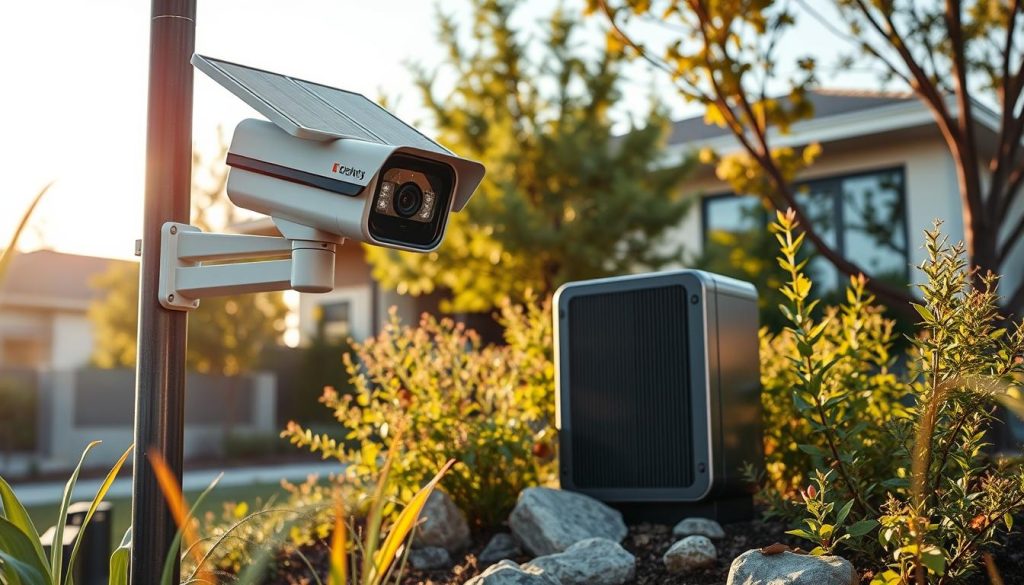
Solar technology takes independence to the next level. Systems like the Reolink Home Hub with Argus PT Ultra utilize solar panels. These setups provide non-stop operation by harnessing Singapore’s abundant sunlight.
This approach offers significant benefits for remote locations. Properties without easy access to power lines can still maintain security. The eco-friendly nature appeals to environmentally conscious owners.
Solar-powered systems typically include:
- High-efficiency photovoltaic panels
- Weather-resistant construction
- Smart charging controllers
- Backup battery storage
- Automatic power management
These systems represent the future of sustainable security solutions. They eliminate concerns about battery replacement or grid dependency.
4G LTE Cellular Cameras: Operating Independent of WiFi and Power
Cellular technology provides the ultimate independence solution. Devices like the Reolink Go PT Ultra use 4G LTE networks for transmission. They operate without WiFi or traditional electricity connections.
This technology ensures continuous monitoring during complete service disruptions. Cellular networks often remain operational when other utilities fail. The cameras use built-in batteries or solar charging for power.
Notable features include:
- Uninterrupted connectivity during internet outages
- Pan-and-tilt capabilities for comprehensive coverage
- Color night vision for clear low-light recording
- Local storage with cloud backup options
- Real-time alerts through cellular networks
“Cellular surveillance technology represents the pinnacle of independent security systems, ensuring protection regardless of infrastructure failures.”
These advanced cameras work perfectly in construction sites, rural properties, and temporary installations. They provide reliable security where traditional systems cannot function.
Evaluating different models requires considering specific needs and environments. Battery life, solar efficiency, and network compatibility vary between products. Singapore property owners should assess their unique requirements before selecting appropriate technology.
Ensuring CCTV Footage Storage and Retrieval After Power Loss
Protecting visual evidence during electrical disruptions requires robust storage solutions that maintain accessibility. Different approaches preserve data under varying failure conditions. Understanding these methods ensures continuous evidence collection for investigation purposes.
Onboard Storage: How SD Cards Preserve Evidence
Many modern security devices feature integrated memory card slots. These compartments accept standard SD cards for local data retention. This approach captures events directly on the camera itself.
Local storage offers significant advantages during network failures. The footage remains secure on physical media. Users can access recorded material without internet connectivity.
These memory cards operate without external power requirements. They continue saving videos during complete electrical failures. This makes them ideal for battery-powered security systems.
Key benefits include immediate accessibility and simple installation. Property owners can quickly retrieve cards for evidence review. The technology works reliably across various environmental conditions.
Network Video Recorder Protection with Backup Power
Centralized storage systems require continuous operation to maintain functionality. Network Video Recorders manage multiple camera feeds simultaneously. They consolidate footage from various locations into single units.
These systems demand uninterrupted power supply during outages. Without backup solutions, they risk complete shutdown. This could result in lost recording from all connected devices.
Uninterruptible Power Supply units provide critical support. They bridge power gaps until main electricity returns. Proper sizing ensures adequate runtime for most disruption scenarios.
“Integrating UPS protection with NVR systems creates a resilient storage foundation that maintains operation during critical periods.”
Commercial establishments particularly benefit from this approach. It safeguards comprehensive surveillance coverage across large properties. The investment prevents potentially costly evidence loss.
A hybrid strategy combining both methods delivers maximum protection. Local storage preserves individual camera footage. Centralized systems with backup power maintain system-wide recording integrity.
This dual approach ensures evidence availability under all conditions. Singapore properties achieve comprehensive security through smart storage planning. The solution addresses both brief and extended outage scenarios effectively.
Best Practices for Homeowners and Businesses in Singapore
Maintaining reliable surveillance requires strategic planning and regular upkeep. Property owners must adopt proactive approaches to ensure continuous protection. These practices address both immediate and long-term security needs.
Conducting a Professional Security Audit and System Design
Expert assessments identify vulnerabilities in your current setup. Professionals evaluate entry points, lighting conditions, and blind spots. They recommend optimal camera placement for maximum coverage.
Customized designs address specific property layouts and risk factors. Residential homes have different requirements than commercial buildings. Tailored solutions ensure comprehensive protection for all areas.
Security audits also consider future expansion possibilities. They help plan for additional cameras or upgraded technology. This forward-thinking approach saves time and resources.
Implementing a Multi-Layered Redundant Power Strategy
Layered backup solutions provide uninterrupted operation during disruptions. Short-term options like UPS units bridge immediate gaps. They maintain functionality for several critical hours.
Long-term solutions include generators and solar power systems. These handle extended outages that last days. Combining different approaches creates reliable redundancy.
Businesses particularly benefit from robust power strategies. Their higher stakes demand more comprehensive protection. Homeowners can choose cost-effective options like solar-charged battery cameras.
“A well-designed power redundancy plan turns potential vulnerabilities into strengths, ensuring continuous surveillance regardless of external conditions.”
Routine Maintenance and Testing of Backup Systems
Regular checks prevent failures during critical moments. Battery levels require monthly verification. Generator start-up times should be tested quarterly.
Solar panels need cleaning and inspection for optimal performance. Network connections require periodic validation. These practices ensure all components function properly.
Professional maintenance services offer comprehensive testing. They identify issues before they become problems. This proactive approach maximizes system reliability.
Consulting experts like Wen Hong (+65 60135960) provides tailored advice. They help implement the latest security technologies. Their guidance ensures systems remain effective against evolving threats.
For detailed information on backup duration, explore this comprehensive guide on surveillance system endurance during power challenges.
Securing Your Property Around the Clock with the Right Setup
True peace of mind comes from security systems that operate flawlessly regardless of external power conditions. A well-designed surveillance solution with appropriate backup power ensures uninterrupted protection for your property.
Understanding key factors like battery capacity and camera type is essential for choosing reliable systems. Advanced technologies including AI-enabled and wireless options offer enhanced flexibility and performance.
Statistics show 82% of professional systems use AI cameras while 73% of residential installations in Singapore are wireless. These trends highlight the move toward more flexible, reliable security solutions.
Take action today by assessing your current setup and investing in proper backups. Contact Wen Hong at +65 60135960 for personalized solutions and cutting-edge, outage-resistant technology.
FAQ
Do security cameras work without electricity?
Most standard plug-in cameras stop functioning immediately during a power outage. However, systems with built-in battery backups, generators, or alternative power sources can continue recording for a period of time.
What happens to my security system during a blackout?
Without a backup plan, your entire surveillance system will likely go offline. This includes cameras, recorders, and network equipment, leaving your property vulnerable until power is restored.
How long can a battery backup keep my CCTV system running?
The duration depends on battery capacity and system power consumption. A quality UPS can provide anywhere from 30 minutes to several hours of uptime, while larger generators can sustain operations for days.
Are there cameras that operate completely without wired power?
Yes. Options include battery-powered security cameras, solar-powered systems, and 4G LTE cellular cameras that operate independently of both WiFi and traditional power sources.
Will I lose recorded footage if the power goes out?
Not necessarily. Systems with protected storage—such as cameras with onboard SD cards or NVRs with battery backup—can preserve existing recordings and continue capturing new footage during outages.
What’s the best backup power solution for home security systems?
For most homes, a combination of a UPS for immediate bridging and a standby generator for prolonged outages provides optimal protection. Solar-powered options offer sustainable alternatives.


