
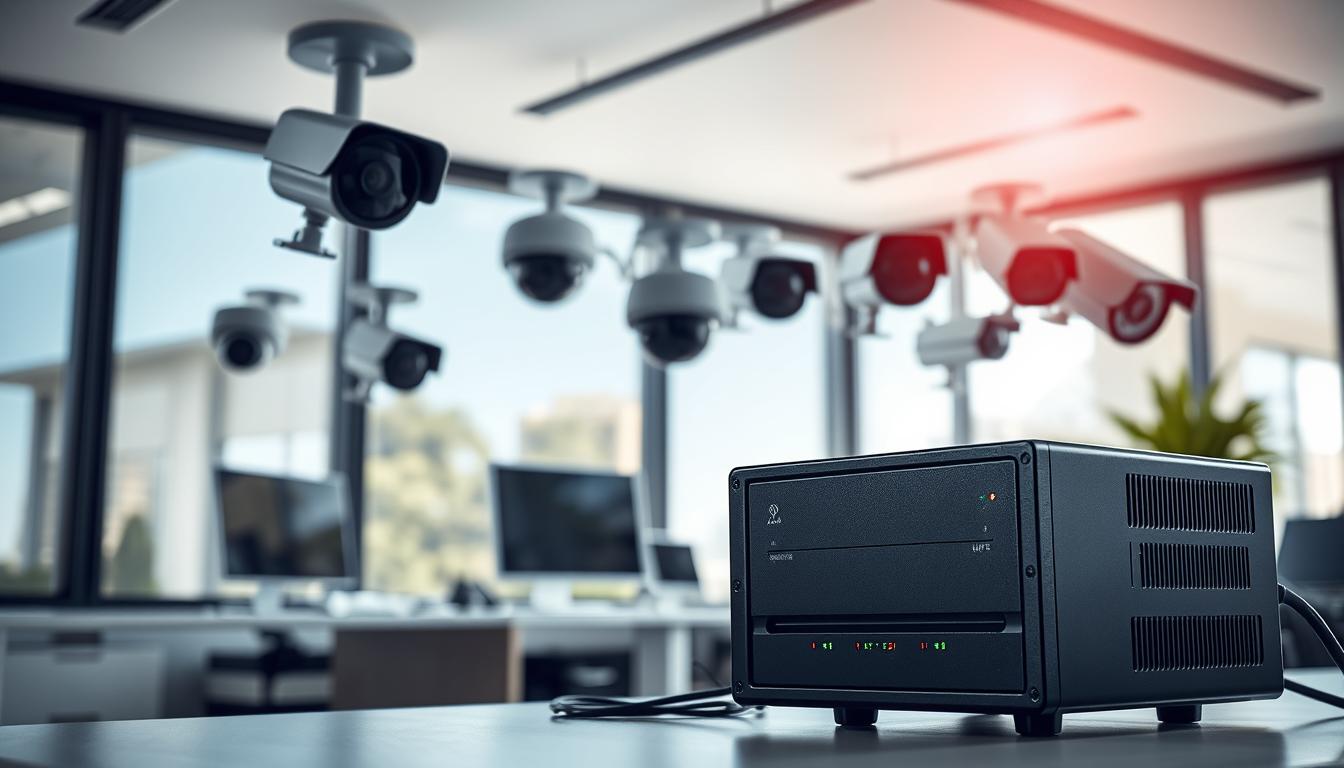
Does CCTV Camera Record When There is No Electricity? Explained
A sudden blackout can leave your property vulnerable. Many people wonder if their surveillance gear keeps working during a power cut.
The straightforward answer for most standard setups is no. Without a continuous flow of energy, these devices simply cannot function.
However, with the right preparation and modern technology, you can achieve uninterrupted monitoring. This knowledge is crucial for homeowners and business operators across Singapore, where maintaining security is a top priority.
Several key factors determine performance during an outage. These include battery backup features, the specific type of cameras installed, and their overall power consumption.
Thankfully, effective solutions are readily available. Options like Uninterruptible Power Supply (UPS) units, standby generators, and dedicated battery-powered or solar-powered security cameras provide reliable alternatives.
This guide will walk you through everything you need to know. We’ll explore how to choose and maintain a system that ensures peace of mind, day and night.
Key Takeaways
- Standard surveillance systems typically stop recording during a power outage without a backup plan.
- Planning for power continuity is essential for effective risk management, especially in Singapore.
- The system’s performance during a blackout depends on its backup features and camera technology.
- Solutions like UPS devices, generators, and solar panels can keep your security cameras online.
- Modern advancements make continuous monitoring more accessible, even in areas with unstable power.
- Understanding your options helps you build a resilient security setup for your property.
- For a deeper dive into this topic, explore our detailed resource on CCTV functionality during electrical interruptions.
Why Uninterrupted CCTV Security is Critical in Singapore
For property owners in Singapore, achieving round-the-clock vigilance requires planning for scenarios where conventional utilities fail. In this urban nation, safety ranks as a top concern for both homes and businesses.
Understanding the limits of your surveillance gear during electrical interruptions is key to proper risk management. A robust setup must function continuously to provide real protection.
The Role of Surveillance in Urban Crime Prevention
Visible monitoring equipment acts as a powerful deterrent against illegal activities. The mere presence of these units can discourage theft and vandalism before they occur.
Recent data shows troubling trends. Theft rates have increased in various neighborhoods throughout 2023.
This highlights the practical need for reliable protective measures. Modern setups do more than just capture video evidence after an incident.
They actively work to prevent crimes from happening in the first place. This proactive approach is essential in densely populated areas.
There are also financial advantages to consider. Many insurance providers offer reduced premiums for properties with verified security installations.
These companies recognize that comprehensive monitoring significantly lowers risk. This creates a valuable return on your initial investment.
Consequences of Security Gaps During Power Outages
A blackout doesn’t simply pause your video feed. It creates a dangerous blind spot that criminals can exploit.
This vulnerability completely undermines the purpose of having protective infrastructure. Your assets and people become exposed during the exact moment you need coverage most.
The result is more than just a technical failure. It represents a serious breach in your defensive perimeter.
Planning for continuous operation isn’t optional—it’s fundamental. Any effective strategy must address power continuity as a core component.
Without proper backup solutions, your entire investment becomes temporarily useless. This gap leaves doors open for potential intruders and other threats.
In Singapore’s context, where community safety is paramount, such lapses are unacceptable. Ensuring your surveillance remains active through any disruption is a critical responsibility.
How Standard CCTV Systems Fail When the Power Goes Out
Traditional security infrastructure operates on a simple principle. It requires continuous electrical current to perform its basic functions. When that current stops, so does the entire protective mechanism.
This creates dangerous gaps in coverage exactly when you need it most. Let’s examine the technical reasons behind this systemic failure.
The Direct Dependence on Mains Electricity
Every component in a conventional setup needs utility power to operate. This includes the cameras themselves, the recording units, and network equipment.
The moment mains electricity is cut, the entire chain breaks down. Digital video recorders and network video recorders immediately shut off.
They cease all recording and live feed transmission. Network switches and routers also lose power, disrupting data flow.
This vulnerability affects both analog and modern IP systems. Neither type can work without a steady power supply from the grid.
Some advanced models include alternative pathways. Most conventional units lack this critical functionality.
The result is a complete surveillance blackout. Your property becomes invisible to monitoring devices during these critical periods.
Limitations of Internet-Dependent and Cloud Systems
Many people assume cloud-based technology offers inherent backup. This misconception can lead to dangerous security gaps.
Internet-reliant cctv systems face additional vulnerabilities during outages. They require not just camera power, but also active network connections.
A blackout typically knocks out your home router and modem. This severs the internet link needed for cloud storage and remote viewing.
Even local recording on SD cards stops without power. The camera cannot save footage if it has no energy to operate.
This double dependency makes these systems particularly fragile. They fail on multiple fronts when electricity disappears.
Some units claim to have brief internal battery support. This often provides only minutes of additional operational time.
For extended outages, such minimal backup proves insufficient. The system still goes dark when the small reserve depletes.
Recognizing these limitations is the first step toward better protection. It highlights why preparation matters for continuous surveillance.
Modern cctv installations must address these inherent weaknesses. Solutions exist to maintain functionality even power disruptions occur.
Does CCTV Camera Record When There is No Electricity? The Realistic Answer
Advancements in protective electronics now offer reliable monitoring even when grid power disappears. The straightforward reality is that continuous surveillance must be intentionally designed into your setup.
It doesn’t happen by accident. With strategic planning and the right equipment, your property can remain visible and protected through any disruption.
Yes, But Only With the Right Preparation and Technology
Uninterrupted operation is an engineered feature, not a default setting. Achieving it requires proactive investment in specific technology designed for resilience.
Modern security solutions fall into several key categories that enable this continuity. Each offers a different approach to maintaining your video feed.
Systems with built-in battery backups are becoming increasingly common. These units have internal power reserves that activate instantly during an outage.
External Uninterruptible Power Supplies (UPS) represent another robust option. They can keep an entire network of devices online for extended periods.
Finally, cameras designed for alternative power provide complete independence. Solar-powered units and those with large-capacity external battery packs fall into this group.
Choosing among these options depends on your specific needs and property layout. A hybrid approach often delivers the best results for comprehensive coverage.
Understanding the “Battery Backup” Feature in Modern Cameras
The term “battery backup” covers a wide range of capabilities. It’s crucial to understand what you’re actually getting with your system.
Small internal batteries might keep a unit alive for just minutes or a few hours. Their main purpose is often to allow for an orderly shutdown or brief continuity.
In contrast, larger external battery packs or UPS units can power entire systems for much longer. These are designed to maintain full functionality during extended blackouts.
Many contemporary IP cameras with quality backup power can operate for 24 to 48 hours on their reserves. Popular models like the Reolink Argus series are known for this extended runtime.
The duration depends entirely on the battery’s capacity and the device’s power consumption.
During an outage, these intelligent devices continue capturing footage. They store images securely in their internal memory or connected network storage.
Once utility service returns, all recorded events become accessible for review. This process happens automatically, ensuring no gap in your protective timeline.
For locations far from traditional power sources, dedicated battery-powered security units are ideal. Some even integrate solar panels to recharge their reserves continuously.
This combination allows for potentially unlimited operational time, making them perfect for remote areas or properties seeking maximum energy independence.
Key Factors That Determine CCTV Recording Duration on Backup
Several critical elements shape how long your security setup remains active on reserve energy. Knowing these variables helps you select the right equipment and configure it properly.
This knowledge moves you beyond simple yes/no answers. It provides practical insight for planning a resilient surveillance strategy.
Battery Capacity and Quality: The Primary Limiting Factor
Battery capacity is measured in milliampere-hours (mAh) or watt-hours (Wh). These numbers tell you how much energy the battery can store.
A larger capacity directly translates to longer operational times. For example, a 10,000 mAh battery will typically last much longer than a 2,000 mAh one.
Not all batteries are created equal. Quality matters just as much as raw capacity.
Deep-cycle batteries designed for security applications perform better under repeated discharge. They maintain their capacity over many charging cycles.
Consumer-grade batteries may degrade quickly. This reduces their effective runtime within just a few months of use.
Investing in high-quality, security-specific batteries ensures consistent performance when you need it most.
The physical size of the battery pack also influences duration. Larger external packs can power entire systems for days rather than hours.
Camera Type and Its Power Consumption Profile
Different surveillance devices consume energy at vastly different rates. This power draw is a major factor in backup time calculations.
A simple fixed-lens camera uses minimal energy. It might draw only 3-5 watts during normal operation.
In contrast, a Pan-Tilt-Zoom (PTZ) model with infrared LEDs and heaters can consume 15-20 watts or more. This higher consumption dramatically shortens battery life.
Modern IP cameras with efficient processors offer better performance per watt. They provide high-quality video while using less power.
Power over Ethernet (PoE) setups offer efficiency advantages. They deliver both data and power supply through a single cable.
This architecture simplifies backup planning. A single UPS unit can support the network switch, protecting multiple devices simultaneously.
Choosing low-power cameras extends your system’s endurance. It’s a smart strategy for locations expecting frequent or prolonged outages.
Recording Settings and Environmental Conditions
How you configure your system significantly impacts battery drain. User-adjustable settings play a crucial role in runtime.
Recording at 4K resolution consumes more energy than 1080p. Higher resolution means more data processing and storage activity.
Constant recording versus motion-activated capture also affects duration. Continuous operation keeps the camera and storage systems active at all times.
Frequent motion alerts with video uploads to cloud services increase power use. Each notification and transmission requires additional energy.
Environmental factors subtly influence performance too. Extreme cold reduces battery chemical efficiency, cutting capacity by 20-50% in freezing conditions.
Hot weather increases cooling needs. Cameras with internal fans will consume extra power to maintain safe operating temperatures.
Understanding these variables helps you optimize settings. You can balance security needs with practical runtime considerations.
Proper planning accounts for all these factors. It ensures your protective monitoring continues through any disruption.
Your Guide to Backup Power Solutions for CCTV Systems
Effective security planning involves preparing for the worst-case scenario of complete utility loss. In Singapore’s urban environment, having reliable backup power ensures your protective measures remain active. This guide explores practical solutions to maintain surveillance during electrical interruptions.
Three main approaches provide continuity for your security systems. Each offers different benefits for various property types and outage durations.
Understanding these options helps you build a resilient setup. Your choice depends on budget, location, and how long you need coverage.
Uninterruptible Power Supply (UPS): The First Line of Defense
An uninterruptible power supply acts as an instant bridge during short blackouts. These devices provide immediate electricity when mains power fails.
They prevent sudden shutdowns that can corrupt video files and damage equipment. A proper UPS keeps your entire system running smoothly.
This includes the recorder, network switches, routers, and modems. Sizing matters for effective protection.
A basic unit costing around $30 might support a single device briefly. Advanced models over $100 can power complete setups for several hours.
These units are essential for locations with frequent brownouts. They maintain operation even power fluctuations occur.
Modern UPS systems offer smart features like automatic voltage regulation. They ensure your security gear receives clean, stable energy.
Regular testing confirms their readiness. This simple device represents your first layer of defense against data loss.
Generators as a Primary Backup for Extended Outages
For prolonged blackouts, generators become the primary solution. They can keep cameras operational for days or weeks.
These are common in commercial properties and large residential complexes. Proper installation by professionals ensures safety and reliability.
Fuel choices include petrol, diesel, or propane models. Solar-powered generators offer eco-friendly alternatives.
Automatic units start within seconds of detecting an outage. Manual models require someone to initiate operation.
Generators provide enough energy for entire security systems. This includes lighting, alarms, and access control alongside surveillance.
They represent a significant investment but offer peace of mind. In Singapore, where tropical storms sometimes cause extended disruptions, this backup level makes sense.
Regular maintenance keeps them ready for emergencies. Fuel storage and ventilation require careful planning.
Battery-Powered and Solar CCTV Camera Units
Standalone cameras with integrated batteries offer maximum flexibility. These units work without any connection to mains electricity.
Modern wireless models feature large-capacity batteries. Some can operate for months on a single charge.
The Reolink Go Plus exemplifies this category. It provides completely off-grid operation for remote areas.
Hybrid models combine large battery packs with solar panels. This creates near-perpetual operation with proper sunlight.
Solar power continuously recharges the unit during daylight. Nighttime operation draws from stored energy.
These solutions are perfect for construction sites, farms, or vacation homes. They also serve as supplementary layers for existing systems.
Installation requires no electrical wiring. Placement focuses on optimal sun exposure rather than power outlet proximity.
Weather-resistant designs withstand Singapore’s tropical climate. They represent the ultimate in energy-independent monitoring.
Choosing among these options depends on your specific needs. Many properties benefit from combining multiple approaches.
A UPS handles brief interruptions while a generator prepares for longer events. Solar cameras cover locations where running cables proves impractical.
This layered strategy ensures continuous protection for your property. It addresses all potential outages regardless of duration or cause.
How to Choose a CCTV System for Maximum Power Reliability
Building a reliable protective network starts with choosing components designed for continuous operation. Your selection process should prioritize features that maintain functionality during electrical disruptions.
This approach transforms technical knowledge into practical buying advice. Focus on specifications that guarantee surveillance remains active through any outage.
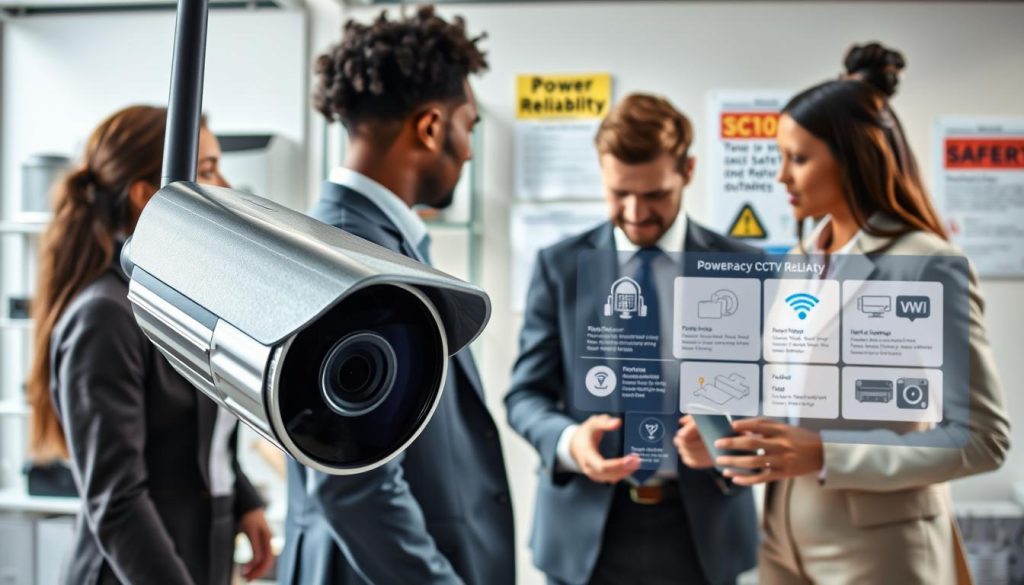
Key Features to Look For: Built-in Batteries and Low Power Draw
Start your evaluation with a clear checklist for resilience. Seek out units with advertised long battery life and efficient energy use.
Modern security cameras like the Reolink Argus 4 Pro demonstrate impressive capabilities. They can operate for 24 hours after just ten minutes of solar charging.
Another excellent example is the Reolink Altas PT Ultra. Its substantial 20,000 mAh battery supports recording for over eight days.
Beyond capacity, examine power consumption ratings. Low-wattage devices extend operational hours significantly during blackouts.
Efficient video compression technology also matters. Formats like H.265 reduce data size without sacrificing image quality.
This efficiency translates to less strain on batteries and storage systems. Advanced features like ColorX technology, found in the Reolink Argus 3 Pro, maintain clear footage in low light.
These innovations ensure reliable monitoring regardless of environmental conditions. They represent the cutting edge of resilient surveillance technology.
Evaluating IP Cameras with Power over Ethernet (PoE)
Internet Protocol cameras offer significant advantages for reliable setups. Their growing popularity stems from installation flexibility and robust functionality.
Many IP models support Power over Ethernet. This innovative approach delivers both data and electrical supply through a single network cable.
The simplification is substantial. You eliminate separate power cables for each unit in your system.
A single, centrally located UPS can backup the entire network switch, protecting multiple cameras simultaneously.
This centralized approach enhances overall system reliability and manageability. It creates a cleaner, more organized installation with fewer failure points.
PoE systems are particularly valuable for larger properties. They simplify the process of maintaining uninterrupted power to all surveillance points.
For detailed insights on duration capabilities, explore our resource on recording times during electrical interruptions.
Assessing Hybrid and Solar-Powered Security Options
For ultimate energy independence, consider hybrid and solar-powered solutions. These options represent the pinnacle of power reliability for property protection.
Hybrid systems seamlessly switch between multiple power sources. They can draw from grid electricity, internal batteries, and solar panels.
This multi-source approach creates a steady, uninterrupted power supply. It’s particularly valuable in areas with unstable electrical grids.
Solar integration with traditional setups boosts reliability substantially. Panels continuously recharge batteries during daylight hours.
The stored energy then powers cameras through the night. This cycle creates near-perpetual operation with proper sunlight exposure.
These solutions offer exceptional long-term value and sustainability. They reduce dependence on utility companies and fossil fuel generators.
For critical applications or remote locations, this approach makes perfect sense. It ensures your protective measures work without concern for grid stability.
When evaluating cctv cameras and systems, prioritize these resilient features. Your investment should provide peace of mind through any circumstance.
Essential Maintenance to Keep Your CCTV Operational During Blackouts
Proactive maintenance transforms your surveillance investment from theoretical protection to practical security. Installing a resilient setup is only half the battle. Consistent upkeep ensures your equipment performs when needed most.
Without regular care, even advanced backup solutions can fail at critical moments. A well-maintained system is your most reliable ally during unexpected disruptions. This section outlines the essential practices to keep your monitoring active.
Regular Testing of Backup Batteries and Power Supplies
Schedule quarterly or bi-annual tests for all backup components. Simulate a power cut by unplugging your UPS or generator. Verify that your entire system switches to reserve power seamlessly.
The devices should remain operational for their expected duration. Check battery health indicators on UPS units regularly. These indicators show remaining capacity and overall condition.
Replace UPS and standalone batteries every 2-3 years. They degrade over time even without use.
For solar-powered cameras, ensure panels are clean and unshaded. Verify that generator fuel is fresh and the unit starts properly. Document each test with dates and results for future reference.
This routine prevents unpleasant surprises during actual outages. It confirms your property remains protected when the grid fails.
Firmware Updates and System Health Checks
Manufacturers release firmware updates that improve power management and stability. These updates often fix bugs and enhance overall functionality. Keeping software current is crucial for reliable performance.
Set reminders to check for updates every few months. Most modern systems allow remote updates through mobile apps. Always back up your settings before applying any major update.
Conduct comprehensive health checks during maintenance sessions. Inspect all cables and connections for corrosion or damage. Tighten any loose terminals on your power supply units.
Clean camera lenses to ensure clear recording quality. Verify that each unit is properly positioned and focused. Check storage status to confirm adequate space for footage.
Review system logs for any recurring errors or warnings. Address minor issues before they become major problems. This proactive approach maximizes your security investment.
A maintained system is a trustworthy system. Neglect is the quickest way to discover your backup solution has failed. Implement these practices to ensure continuous surveillance through any disruption.
Proactive Steps to Ensure Your CCTV Never Stops Watching
True security resilience means your surveillance remains active through any disruption, not just fair weather. Uninterrupted monitoring is achievable with deliberate planning and the right investment.
Begin by auditing your current setup’s vulnerability to power loss. Choose backup solutions that match your needs—a UPS for brief outages or generators for extended independence.
Select new equipment with reliability in mind. Look for features like Power over Ethernet, low energy consumption, and built-in battery reserves.
Implement a strict maintenance schedule. Regularly test all backup components and keep firmware updated. This ensures your system performs when needed most.
For tailored advice, consult security professionals like ED Viston. They can design integrated solutions combining batteries, generators, and solar power for Singapore’s environment.
Transform your surveillance into a resilient, 24/7 guardian. This approach provides genuine peace of mind, regardless of the electrical grid’s status.
FAQ
Will my security cameras work during a blackout?
Most standard surveillance systems will not. They rely directly on mains electricity. To keep monitoring during an outage, you need a system with a dedicated backup power source like a UPS, a built-in battery, or a solar panel setup.
What is the best backup power solution for a home CCTV system?
An Uninterruptible Power Supply (UPS) is a highly effective first line of defense. It provides instant, short-term power to your security system during a brief outage. For longer blackouts, consider a generator or specifically designed battery-powered cameras from brands like Reolink or Arlo.
How long can a surveillance system run on battery backup?
Recording duration varies widely. It depends on the battery’s capacity, the number of cameras, and their settings. A simple doorbell camera may last a few hours, while a robust UPS supporting a full CCTV system might provide several hours of critical functionality. Always check the manufacturer’s specifications for your specific model.
Do wireless cameras work without power?
Not exactly. While they transmit data wirelessly, they still need electricity to operate. They must be plugged into an outlet or have their own internal battery. A power cut at the outlet will stop a plug-in wireless camera unless it is connected to a backup power supply.
Can I use a solar panel to power my security cameras?
A> Yes, solar power is an excellent sustainable option for surveillance, especially in remote areas. Solar-powered units, like those from companies such as Soliom, have built-in batteries charged by the sun. This provides a renewable power supply and significant independence from the electrical grid.
What maintenance does a backup power system need?
Regular testing is crucial. For a UPS or battery-based system, you should check and replace batteries every 1-3 years as they degrade. Also, perform system health checks and firmware updates to ensure all components communicate properly during an emergency.


