
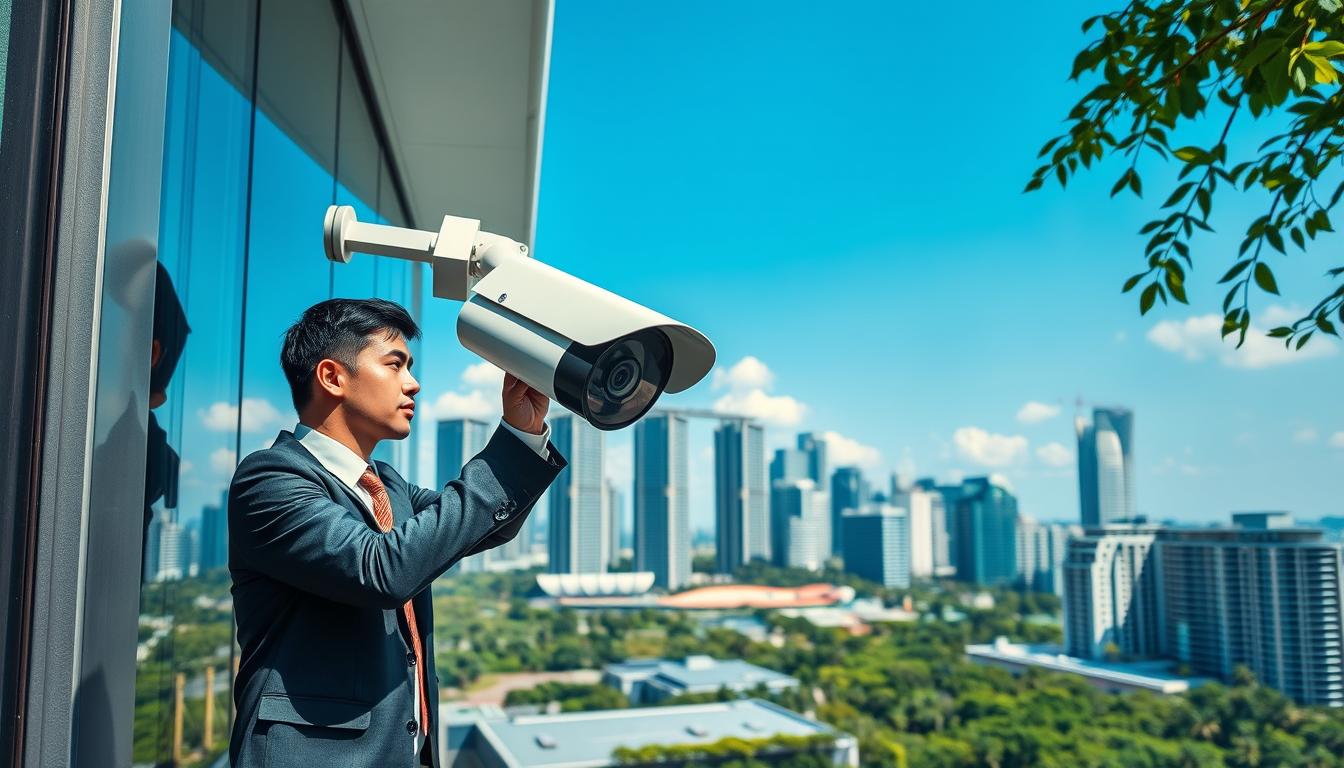
“Do we need permit to install CCTV in Singapore? Explained”
Security cameras have become increasingly common across Singapore. Both homeowners and businesses use these systems for protection and peace of mind.
Families often use cameras to check on children, elderly relatives, or domestic helpers. Businesses rely on surveillance systems to safeguard property and employees.
Outdoor surveillance helps address neighborhood concerns like theft or disputes. However, proper installation requires understanding local regulations.
This guide breaks down key laws and guidelines for camera setups. It covers both residential and commercial requirements in Singapore.
Understanding compliance helps protect your rights and avoid penalties. Professional installation services ensure proper setup following all rules.
Key Takeaways
- CCTV systems provide security for both homes and businesses
- Proper installation requires understanding Singapore’s regulations
- Different rules apply for residential and commercial setups
- Compliance helps protect personal data and avoid legal issues
- Professional installation ensures proper setup and adherence to guidelines
- Outdoor cameras have specific requirements regarding privacy concerns
- This guide covers all essential legal aspects of surveillance systems
Understanding the Core Question: Do You Need a CCTV Permit?
Property surveillance requirements vary across Singapore’s diverse housing landscape. The answer depends on your camera’s location, property type, and monitoring purpose.
Indoor surveillance typically faces fewer restrictions. Cameras inside private residences generally don’t require special approval. This applies to most homes monitoring internal spaces.
Outdoor cameras demand more careful consideration. Units pointing toward public areas often need official approval. This includes monitoring sidewalks, roads, or common corridors.
HDB flats follow different rules than private properties. Public housing residents must consider Town Council guidelines. Private condominiums and landed homes have their own distinct requirements.
Commercial installations face stricter data protection regulations. Businesses must comply with the Personal Data Protection Act. This governs how companies collect and use surveillance footage.
Many residents mistakenly believe all cameras need permits. Actually, most indoor residential installations proceed without formal permission. Understanding this distinction prevents unnecessary complications.
Public space monitoring requires different approval than private area surveillance. Cameras covering common corridors or shared facilities typically need authorization. Those focused solely on your property entrance usually have fewer restrictions.
Your housing type significantly affects permit needs. HDB residents face different processes than condo owners. Landed property owners enjoy more flexibility but still must respect privacy laws.
Non-compliant installations can result in legal consequences. Violations may lead to fines or mandatory removal orders. Proper compliance protects both your security investment and legal standing.
Seek professional advice when planning complex camera systems. Experts understand Singapore’s evolving surveillance regulations. They ensure your security setup meets all legal requirements while providing optimal protection.
The Importance of Complying with Singapore’s Surveillance Laws
Singapore’s urban landscape contains over 900,000 surveillance cameras monitoring public and private spaces. This extensive network demonstrates the nation’s commitment to security through technology.
Proper compliance with surveillance regulations creates a balance between safety and privacy. Following established guidelines prevents invasive monitoring practices that could violate personal rights.
Adhering to local laws builds community trust in surveillance systems. Neighbors feel more comfortable knowing cameras operate within legal boundaries. This social acceptance strengthens overall neighborhood security.
Non-compliant installations risk significant legal penalties and community disputes. Violations may result in fines, mandatory removal orders, or strained neighbor relationships. Responsible property ownership includes understanding these obligations.
Surveillance laws specifically protect personal privacy rights in residential areas. Regulations prevent cameras from pointing into windows or private spaces. This ensures security measures respect individual boundaries.
Compliance demonstrates ethical use of monitoring technology. It shows respect for both legal requirements and community values. Proper installation considers both security needs and privacy concerns.
The data protection framework governs how footage gets collected and used. Businesses must follow strict guidelines under the Personal Data Protection Act. Homeowners should understand these principles for residential applications.
Following regulations ultimately protects your security investment. Compliant systems avoid legal challenges that could force removal. They also maintain positive relationships within your community.
The Governing Legal Framework for CCTV in Singapore
Singapore maintains a sophisticated regulatory environment for surveillance technology. This framework ensures proper camera use while protecting individual rights.
The system involves two primary agencies with distinct responsibilities. Each organization addresses different aspects of surveillance compliance.
Role of the Urban Redevelopment Authority (URA)
The URA manages physical installation aspects in public areas. This agency issues permits for cameras monitoring shared spaces.
Their oversight ensures installations meet safety and aesthetic standards. Proper mounting and wiring prevent hazards to public safety.
URA approval typically covers cameras pointing toward common corridors or roads. This process maintains neighborhood visual harmony while enabling security.
Impact of the Personal Data Protection Commission (PDPC)
The PDPC governs how surveillance footage gets handled. This agency enforces the Personal Data Protection Act for all video collection.
Their rules cover data collection, use, and disclosure practices. Businesses must follow strict guidelines when operating camera systems.
PDPC regulations protect individuals from unauthorized monitoring. The framework ensures responsible data handling throughout the retention period.
Both agencies collaborate to create comprehensive oversight. The URA handles physical installation while PDPC manages data aspects.
This division balances security needs with privacy protection. Each organization focuses on their specialized area of expertise.
The legal foundation empowers both agencies to enforce compliance. Regulations carry penalties for violations to ensure proper camera use.
This framework ultimately protects public safety and individual rights. Proper understanding helps owners navigate the approval process correctly.
Residential CCTV Rules: HDB, Condo, and Landed Property Guidelines
Different residential property types follow specific protocols for camera installations and monitoring. Each housing category maintains unique requirements that homeowners must understand.
Proper placement ensures both security effectiveness and regulatory compliance. Understanding these distinctions prevents potential legal issues.
Installing CCTV Inside Your HDB Flat
HDB residents enjoy simplified procedures for interior surveillance setups. Since May 2023, corridor-facing units within private spaces no longer require formal approval.
This policy change streamlines security enhancements for homeowners. Cameras must maintain respectful positioning toward neighboring units.
Privacy protection remains paramount in all interior installations. Devices should never point directly at adjacent doors or windows. This prevents unintentional monitoring of private spaces.
Proper angle adjustment ensures cameras focus only on intended areas. Homeowners bear responsibility for maintaining neighbor privacy.
Installing CCTV Outside Your HDB Flat: The Town Council Process
External HDB installations demand formal approval through Town Council channels. This process ensures community standards and safety regulations get maintained.
Applicants must provide a police report justifying surveillance needs. Documentation typically references specific security concerns or previous incidents.
The approval system operates on temporary six-month permits. These short-term authorizations require renewal for continued operation.
This timeframe allows for regular review of surveillance necessity. It also ensures cameras serve genuine security purposes rather than general monitoring.
Rules for Condominiums and Private Apartments
Condominium developments follow Management Corporation Strata Title (MCST) regulations. Each development may establish specific guidelines for surveillance systems.
Residents should consult their building’s management before installation. MCST rules often address common area visibility and aesthetic considerations.
Balcony and exterior wall installations typically require management approval. Internal unit setups generally face fewer restrictions.
Building committees often review camera placement for community harmony. They ensure installations don’t negatively affect property appearance.
Guidelines for Landed Property Owners
Landed property homeowners enjoy greater flexibility with surveillance setups. Internal compound installations generally face no specific restrictions.
Owners maintain control over camera placement within their property boundaries. This freedom comes with responsibility for respectful monitoring practices.
Cameras should focus primarily on owned premises rather than public areas. Proper positioning avoids capturing neighboring properties unnecessarily.
Despite fewer formal rules, landed property owners should consider community standards. Voluntary compliance with general privacy principles maintains neighborhood harmony.
Violations of residential guidelines can trigger formal complaints from neighbors. Town Councils or building management may require camera removal or adjustment.
Persistent non-compliance could lead to legal action under privacy laws. Proper installation from the beginning prevents these potential complications.
Professional installation services understand these nuanced requirements. They ensure cameras provide security while respecting all regulatory boundaries.
Smart Doorbells and Peephole Cameras: Special Considerations
Modern home security has evolved beyond traditional surveillance systems with innovative devices like smart doorbells. These compact units offer targeted monitoring with minimal visual intrusion compared to conventional CCTV cameras.
Singapore’s regulatory framework treats these devices differently from standard surveillance equipment. Their focused viewing range and discrete design reduce privacy concerns that often accompany larger camera installations.
HDB residents enjoy simplified procedures for these modern security solutions. Interior placement of smart doorbells and peephole cameras typically proceeds without formal approval requirements.
This policy recognizes the limited monitoring scope of these devices. They primarily capture entryway activity rather than broad area surveillance.
Common area installations may still need Town Council permission. Cameras pointing toward shared corridors or public spaces require proper authorization like traditional systems.
Door-mounted peepholes fall under different consideration. These devices integrate with private property elements rather than external structures.
Privacy protection remains essential regardless of device type. Homeowners must ensure cameras focus only on intended monitoring areas.
Neighbors maintain rights to file complaints if they feel privacy gets violated. The complaint process follows standard community dispute resolution channels.
Video and audio-enabled doorbell systems continue growing in popularity. Their convenience and discreet monitoring appeal to security-conscious homeowners.
Proper use of recording capabilities ensures compliance with personal data protection principles. Continuous recording without clear purpose may violate privacy guidelines.
These devices fit within Singapore’s broader surveillance framework through their limited scope. They represent the evolving balance between security needs and privacy rights.
Homeowners should consider angle adjustments to avoid capturing neighboring windows or doors. Thoughtful placement demonstrates respect for community privacy standards.
The growing adoption of these technologies reflects changing security preferences. Many residents prefer targeted monitoring over comprehensive surveillance systems.
Professional installation services understand these nuanced requirements. They ensure optimal placement that maximizes security while maintaining regulatory compliance.
Navigating the Official Approval Process for HDB Common Areas
HDB residents seeking to monitor shared spaces must follow a structured approval framework. This system ensures community safety while respecting privacy rights.
The process involves multiple steps with specific documentation requirements. Understanding each phase helps homeowners navigate the system efficiently.
Step 1: Filing a Necessary Police Report
Security concerns must be formally documented before camera installation. A police report serves as official evidence of genuine surveillance needs.
Common incidents justifying surveillance include:
- Repeated package theft from common corridors
- Vandalism affecting multiple residential units
- Suspicious loitering near building entrances
- Previous break-in attempts requiring documentation
The report should detail specific occurrences with approximate dates. Vague security concerns without incident history typically receive less consideration.
Step 2: Submitting a Formal Request to Your Town Council
After obtaining the police report, residents must submit a formal application. This process occurs through email to the appropriate Town Council office.
Proper submission includes:
- Complete application form downloaded from the Town Council website
- Scanned copy of the filed police report
- Detailed camera placement plan showing coverage areas
- Property ownership or tenancy verification documents
Applications typically receive responses within one to two weeks. Delays may occur during peak periods or with incomplete submissions.
Town Councils review each application based on community impact and genuine security needs. Approval isn’t automatic even with proper documentation.
Step 3: Installation and Adherence to the Temporary Permit
Approved installations operate under six-month temporary permits. This limited duration ensures regular review of surveillance necessity.
Permit holders must:
- Install cameras within the approved locations only
- Avoid capturing neighboring windows or private spaces
- Maintain proper camera angle adjustments as specified
- Renew permits before expiration for continued operation
Fresh applications require updated documentation after permit expiration. The renewal process mirrors initial application requirements.
Non-compliant installations face serious consequences. Town Councils may issue removal orders and investigate unauthorized monitoring.
Unauthorized cameras in common areas can lead to:
- Mandatory removal at the owner’s expense
- Potential fines for privacy violations
- Formal complaints from affected neighbors
- Legal action under personal data protection laws
Successful applicants should maintain open communication with neighbors. Explaining the security purpose often prevents misunderstandings and complaints.
Professional installation services understand these requirements thoroughly. They ensure proper setup that meets all regulatory guidelines from the beginning.
Key Laws for Homeowners: PDPA Exemptions and Community Disputes
Home security monitoring operates within a unique legal space. The Personal Data Protection Act provides specific exemptions for personal use.
Residents enjoy freedom for non-commercial surveillance. The PDPA doesn’t regulate cameras used solely for household purposes.
This exemption covers most residential security setups. Homeowners can operate cameras without complex data protection requirements.
Another law significantly impacts residential monitoring. The Community Disputes Resolution Act governs neighbor relations.
This legislation prohibits interfering with property enjoyment. It specifically addresses surveillance-related conflicts between residents.
Proper camera positioning prevents legal issues. Angling devices away from windows maintains neighbor privacy.
The CDRA defines neighbors broadly. Anyone within 100 meters can file complaints about surveillance practices.
Common interference examples include:
- Cameras pointing directly into bedroom windows
- Continuous monitoring of private balcony spaces
- Recording audio conversations without consent
- Creating perception of constant surveillance
Affected individuals can approach the Community Disputes Resolution Tribunal. This specialized body handles neighbor conflicts formally.
The tribunal possesses authority to order camera removal or adjustment. It can also award compensation up to $20,000 for violations.
This process ensures fair resolution for all parties. Both camera owners and concerned neighbors receive proper hearing.
The relationship between laws creates balanced oversight. PDPA exemptions allow security freedom while CDRA protects community harmony.
Homeowners should consider both legal frameworks when planning installations. Understanding these guidelines prevents potential disputes.
Thoughtful placement demonstrates respect for neighbor privacy. It also maintains the security benefits of surveillance systems.
Professional installers understand these legal nuances. They ensure cameras provide protection without violating community standards.
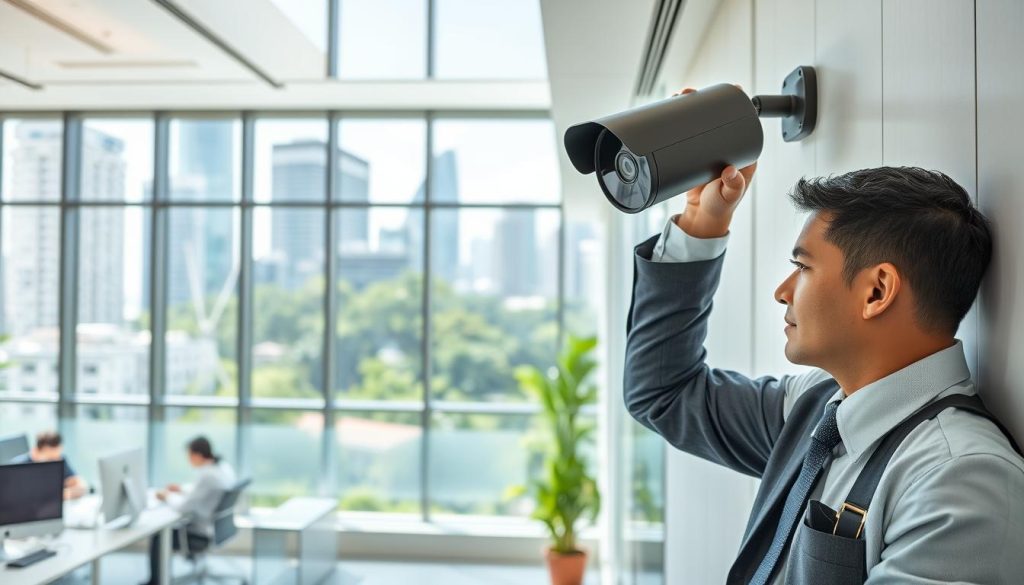
Commercial CCTV Installation: Navigating the PDPA
Businesses operating surveillance systems face distinct legal responsibilities under Singapore’s framework. The Personal Data Protection Act establishes clear rules for commercial monitoring activities.
This legislation governs how companies collect, use, and disclose visual information. Proper compliance ensures both security effectiveness and legal protection.
The PDPA’s Core Obligations for Businesses
Three fundamental principles guide commercial surveillance practices. Each requirement ensures responsible handling of captured information.
First, organizations must obtain consent before collecting personal data. This applies when cameras capture identifiable individuals.
Second, monitoring must serve reasonable business purposes. Security needs should justify the scope and intensity of surveillance.
Third, clear notification about camera presence is mandatory. Signs must inform people they’re entering monitored areas.
These obligations work together to balance security and privacy. They prevent excessive or hidden monitoring practices.
Public vs. Non-Public Spaces: How the PDPA Applies
Different rules apply based on location accessibility. Public areas enjoy limited exemptions under the data protection framework.
Retail stores and open business areas have more flexibility. Customers generally expect some monitoring in commercial spaces.
Restricted areas face stricter requirements. Offices and private rooms demand higher privacy protection.
Cameras in non-public spaces need stronger justification. Employees deserve greater privacy expectations than visitors.
The distinction ensures appropriate protection levels. Public monitoring serves security while private spaces respect confidentiality.
Best Practices for Consent and Notification Signage
Effective signage serves multiple compliance purposes. It fulfills notification requirements and creates implied consent.
Signs should feature clear, visible text and universal symbols. Placement at all entrances ensures proper awareness.
Recommended sign content includes:
- Clear statement about video surveillance
- Purpose of monitoring (security/theft prevention)
- Contact information for privacy questions
- Universal camera symbols for quick recognition
Proper signage demonstrates commitment to transparency. It builds trust with customers and employees alike.
Surveillance scope must remain proportionate to business needs. Excessive coverage beyond necessary areas violates reasonable purpose requirements.
Camera placement should focus on security-critical locations. Entry points, cash handling areas, and high-value sections deserve priority.
Avoid pointing devices at private spaces like changing rooms. Such practices violate basic privacy principles and legal standards.
Regular reviews ensure ongoing compliance with evolving regulations. Business needs and technology changes might require system adjustments.
Professional installation services understand these commercial requirements. They ensure systems meet both security objectives and legal obligations.
Managing CCTV Footage: Access, Retention, and Deletion Rules
Proper handling of recorded material forms a critical part of surveillance compliance. Understanding these rules ensures both security effectiveness and legal protection.
Individuals maintain specific rights regarding footage containing their personal data. They can request access to recordings where they appear clearly identifiable.
Organizations must respond to these requests within a reasonable timeframe. Typically, this means providing access within 30 days of receiving the formal request.
When footage contains multiple people, privacy protection becomes essential. Organizations should mask other individuals’ identities before sharing the recording.
This practice protects everyone’s personal data while fulfilling access requests. Blurring faces or using pixelation techniques achieves this effectively.
Sharing unedited group footage requires careful consideration. It generally only happens when all individuals consent or when legal proceedings demand it.
Data retention principles govern how long organizations keep recordings. Footage should only remain stored as long as necessary for its original purpose.
Common retention periods include:
- 30 days for general security monitoring
- 90 days for ongoing investigation support
- Longer periods for active legal cases
Businesses should establish formal data retention policies. These documents outline specific timeframes for different types of recordings.
Retention periods should align with operational needs and legal requirements. Security teams must balance evidence preservation with privacy considerations.
The Personal Data Protection Commission encourages routine review and deletion. Organizations should regularly purge footage that no longer serves its original purpose.
Handling deletion requests follows specific protocols. Businesses must erase footage when retention no longer justifies the original collection purpose.
Legal exceptions allow continued retention in certain situations. These include ongoing investigations or compliance with court orders.
Proper documentation helps demonstrate compliance during audits. Maintaining records of access requests and deletion actions shows responsible data management.
Homeowners should follow similar principles for residential systems. Though not always legally required, these practices show respect for privacy rights.
Understanding these rules completes your knowledge of surveillance compliance. Proper footage management protects both security interests and legal standing.
Penalties and Consequences of Non-Compliant CCTV Use
Understanding legal consequences helps maintain proper surveillance practices. Violations can lead to serious penalties under Singapore’s regulatory framework.
The Personal Data Protection Act imposes strict penalties for breaches. First-time offenders face fines up to $10,000 or imprisonment up to three years.
Courts may impose both financial penalties and jail time for serious violations. These consequences apply to individuals and organizations alike.
Town Council violations carry separate financial penalties. Residents may face fines up to $5,000 for unauthorized common area monitoring.
A notable case involved a condominium management corporation. The MCST received penalties when their security contractor violated PDPA guidelines.
This case established important precedent for organizational responsibility. Companies remain accountable for their contractors’ compliance with data protection laws.
Organizations must implement mandatory data protection policies after violations. The PDPC often requires comprehensive policy development as part of penalty resolutions.
Voluntary breach reporting can reduce potential penalties. Proactive disclosure demonstrates commitment to compliance and may lessen consequences.
Criminal charges become possible for serious privacy violations. These cases typically involve intentional misuse of surveillance systems.
Unauthorized footage disclosure creates significant legal liability. Sharing recordings without proper consent violates multiple protection principles.
The Community Disputes Resolution Act empowers courts to issue removal orders. Judges can mandate camera adjustments or complete system removal.
Consequences extend beyond financial penalties. Violations may damage community relationships and personal reputations.
Homeowners risk strained neighbor relations from improper camera placement. Businesses face customer trust issues when violating surveillance guidelines.
Proper compliance protects both legal standing and community harmony. Understanding these consequences encourages responsible security practices.
Professional installation services help avoid these potential problems. Their expertise ensures systems meet all regulatory requirements from installation.
Implementing Best Practices for Compliant CCTV Installation
Effective security systems balance protection with respect for privacy rights. Strategic planning ensures your cameras serve their purpose without creating legal issues.
Thoughtful placement demonstrates consideration for both security needs and community standards. This approach builds trust while maintaining effective monitoring capabilities.
Strategic Camera Placement and Angle Considerations
Entry points deserve primary focus for security cameras. Doors, gates, and accessible windows represent critical monitoring areas.
Proper angles capture necessary footage without invading private spaces. Aim cameras downward to focus on your property boundaries.
Height placement prevents tampering while maintaining clear coverage. Mount devices at 8-10 feet for optimal security effectiveness.
Different property types require unique placement strategies. HDB installations need careful consideration of shared corridor sightlines.
Landed properties offer more flexibility but still demand respectful positioning. Avoid pointing cameras toward neighboring windows or private outdoor areas.
Commercial spaces should prioritize high-risk locations. Cash registers, storage areas, and entry points deserve surveillance priority.
Maintaining Privacy and Building Community Trust
Clear signage fulfills legal requirements and builds transparency. Notifications inform visitors about surveillance practices.
Signs should feature universal camera symbols and contact information. This demonstrates commitment to responsible monitoring.
Community discussion prevents misunderstandings before installation. Neighbors appreciate advance notice about security measures.
Obtaining consent improves relationships and compliance. Voluntary agreements often prevent formal complaints later.
Respectful camera placement shows consideration for community privacy standards while maintaining security effectiveness.
Regular system reviews ensure ongoing compliance with evolving guidelines. Technology updates might require angle adjustments over time.
Professional installation services understand these nuanced requirements. Their expertise ensures optimal placement from the beginning.
Following best practices creates security systems that protect without offending. This balanced approach serves both property owners and community members.
Ensuring Your CCTV Security is Both Effective and Legal
Singapore’s Private Security Industry Act requires licensed Security Service Providers for camera installation. This ensures compliance with technical and legal standards.
Businesses managing complex systems should consult data protection lawyers. They help navigate PDPA requirements for handling video footage.
Properly installed surveillance offers strong protection against theft and intrusions. Balancing security needs with privacy guidelines remains essential.
Select professional installers who understand local regulations. Ongoing management maintains both system effectiveness and legal compliance.
For expert guidance on commercial setups, explore our business CCTV installation services.
FAQ
Is a permit required to install CCTV inside my HDB flat?
No, you do not need a permit to install cameras inside your own HDB flat, as long as they are for personal security and do not capture footage beyond your private property boundaries.
What are the rules for installing a CCTV camera outside my HDB front door?
Installing a camera outside your HDB unit, such as in a common corridor, requires explicit approval from your Town Council. This usually involves submitting a formal request and often providing a police report to justify the need for surveillance.
Does the Personal Data Protection Act (PDPA) apply to home CCTV systems?
The PDPA generally applies if your cameras capture footage of individuals beyond your household, such as neighbors or delivery personnel. However, exemptions exist for personal or domestic purposes, though you must still avoid infringing on others’ privacy.
Are smart doorbells with cameras treated the same as traditional CCTV?
Yes, smart doorbells with video recording capabilities are subject to the same regulations as other surveillance cameras. Their placement must respect privacy laws, especially if they record public or common areas.
What should I do if my CCTV captures a criminal incident?
If your CCTV footage captures evidence of a crime, you should preserve the recording and file a police report. The authorities may request a copy of the footage to assist in their investigation.
How long can I keep recorded CCTV footage?
There is no fixed duration mandated by law, but it is advisable to retain footage only for as long as necessary—typically a few days to a month—unless required for an ongoing investigation or legal dispute.
Can my neighbor legally point a CCTV camera at my home or windows?
No, directing a surveillance camera at your neighbor’s private spaces, such as windows or gardens, may constitute an invasion of privacy and could lead to disputes or legal action under Singapore’s community laws.
What are the penalties for non-compliant CCTV usage in Singapore?
Non-compliance, especially with the PDPA, can result in significant fines and legal consequences. For serious breaches, the Personal Data Protection Commission may impose financial penalties and require the removal of cameras.
Post Tags : CCTV guidelines in Singapore CCTV installation permits CCTV licensing in Singapore Legal requirements for CCTV in Singapore Security camera laws Singapore CCTV regulations Singapore home security regulations Singapore security laws Singapore surveillance systems Surveillance camera permits


