
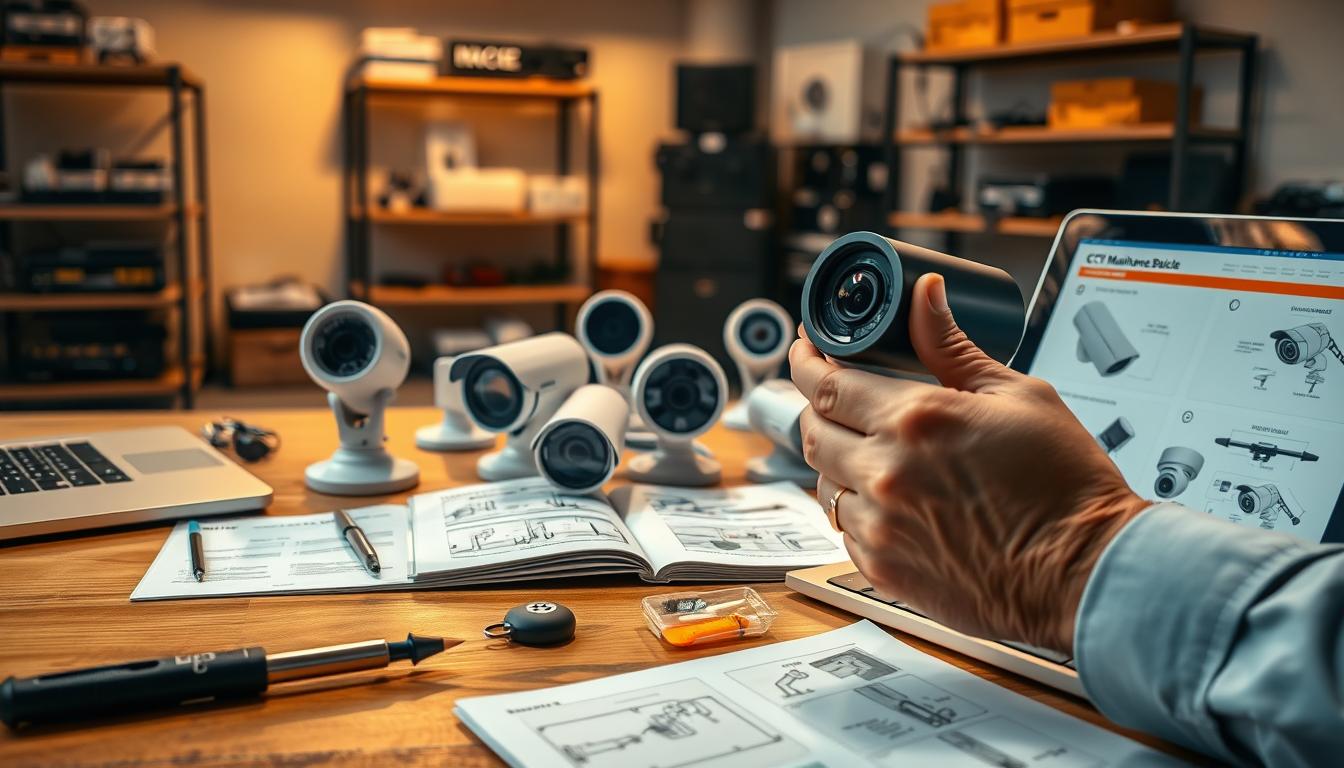
Do CCTV cameras need maintenance? A Maintenance Guide
Your security setup is only as reliable as its weakest component. Many property owners wonder about the ongoing care required for their surveillance equipment. The straightforward answer is yes—proactive upkeep is essential for any video monitoring system.
Without regular attention, these systems can develop critical flaws. Dust accumulation, weather exposure, and technical glitches can create blind spots. In Singapore’s humid climate, moisture poses an additional threat to electronic components.
This guide provides a complete roadmap for keeping your surveillance investment effective. We explain why consistent checks are non-negotiable for protecting your premises. You’ll learn how proper care prevents data loss and equipment failure.
We detail actionable steps for different maintenance types. From preventative cleaning to predictive analysis, each method plays a role. Following a structured routine ensures clear footage and reduces long-term costs.
Ultimately, a well-maintained system delivers peace of mind. It safeguards your property and extends the lifespan of your security equipment. Let’s explore how to keep everything running smoothly.
Key Takeaways
- Proactive upkeep is essential for all video surveillance systems to function reliably.
- Neglecting regular checks can lead to blind spots, data loss, and complete equipment failure.
- A structured maintenance routine enhances image clarity and prevents expensive emergency repairs.
- Environmental factors like Singapore’s humidity require specific attention in maintenance protocols.
- Professional servicing helps ensure your system meets local regulatory standards and performs optimally.
- Consistent care maximizes equipment lifespan, protects your financial investment, and secures your property.
The Critical Role of CCTV Maintenance in Security
When every pixel of footage counts, ensuring your equipment operates flawlessly becomes a security imperative. A functional surveillance system is the cornerstone of modern protection, but its reliability is entirely dependent on consistent, professional care.
Without regular upkeep, these units can develop blind spots or record blurry video. They might even fail completely. This creates critical vulnerabilities in your property’s defense when you can least afford it.
Proactive care is not just about fixing broken parts. It’s a strategic practice. It ensures every security camera is optimally positioned, clean, and fully operational.
Regular CCTV maintenance can reduce equipment failures by up to 30%, directly translating to a more reliable security net.
This strategic approach transforms your setup from a passive installation into an active, dependable guardian. It deters crime and provides usable evidence.
In Singapore, where surveillance regulations are strict, proper care ensures your system remains compliant. This avoids potential legal complications. The role of this care extends beyond hardware to data integrity.
It guarantees continuous recording and secure storage of crucial footage for incident review. Investing in professional CCTV servicing is an investment in prevention.
A minor issue, like a dirty lens or a loose connection, can escalate. Catching these problems early stops a major system failure during a critical event. This proactive habit saves money on emergency repairs.
It also prolongs your equipment’s lifespan. Following established best practices for camera maintenance keeps everything running smoothly. You protect your financial investment while securing what matters most.
Do CCTV Cameras Need Maintenance? The Direct Answer
A surveillance system left unattended is a security liability waiting to happen. The direct and unequivocal answer is yes—consistent, professional care is not optional. It is the critical factor that determines whether your investment functions as a reliable guardian or becomes a collection of ineffective hardware.
This necessity stems from the complex nature of modern electronic cctv systems. They comprise sensitive lenses, constant data streams, and continuous power demands. Each component is susceptible to wear, environmental stress, and technical decay over time.
Understanding the Non-Negotiable Necessity of Upkeep
Think of regular upkeep as the immune system for your property’s security. It actively defends against small issues before they escalate into major failures. This proactive approach is what keeps system performance high and your premises protected.
Regular checks help confirm every unit is clean, correctly aligned, and fully operational. They make sure the entire network is working well and recording clearly. This routine is the key good practice for any security strategy.
Without this disciplined attention, performance inevitably degrades. A lens obscured by grime or a loose cable can compromise an entire area’s coverage. Spot problems early through scheduled inspections to avoid these vulnerabilities.
The Consequences of Neglecting Your Surveillance System
Ignoring your setup’s care invites a cascade of failures. The first sign is often reduced image clarity. Dirty or foggy camera lenses produce blurry footage where faces and license plates become unidentifiable.
Physical degradation follows. Cameras can shift from their original alignment, creating dangerous blind spots. Connections may loosen, and power supply units can fail from dust buildup or moisture. These issues like misalignment leave entire zones unprotected.
Data indicates unmaintained surveillance systems experience nearly double the failure rate of those under a care plan, leading to frequent operational frustrations.
Total system failures are the ultimate risk. Neglected wiring can short-circuit. Storage drives may become corrupted, losing weeks of crucial footage. When the recording stops, your evidence vault disappears.
The financial impact is severe. Emergency repairs and major component replacements cost significantly more than planned servicing. Proactive camera maintenance saves money by preventing these expensive crises.
Most critically, a non-functional unit during an incident provides zero evidential value. This security consequence renders the entire installation worthless when it’s needed most. In regulated environments, this neglect can also mean non-compliance with local laws, risking fines.
Ultimately, the modest investment required for regular maintenance is dwarfed by the high cost of neglect. A structured care plan ensures your surveillance system remains a dependable asset, running smoothly to meet all your security needs.
Top Benefits of a Proactive Maintenance Routine
Committing to a structured care plan yields significant returns in performance, longevity, and financial efficiency. This forward-thinking approach moves beyond simple repairs. It actively enhances your property’s security posture.
A disciplined schedule turns your setup into a consistently reliable asset. You gain clarity, durability, and predictable costs. Let’s explore these core advantages in detail.
Enhanced System Performance and Image Clarity
Routine care ensures your surveillance network is always working well. Dust, spider webs, and environmental grime accumulate on camera lenses. This buildup directly degrades video quality.
Regular cleaning restores a crisp, unobstructed view. Technicians also verify each unit’s alignment and focus. This makes sure critical areas remain in frame.
Internal components benefit too. Scheduled regular checks keep cooling fans and internal circuits clean. This prevents overheating that can cause digital noise or lag.
The result is optimal system performance. Your footage remains sharp and usable for identification. A system running at peak efficiency meets all your security needs.
Prolonging Your CCTV Equipment’s Lifespan
Electronic components wear down over time. Environmental stress in Singapore, like humidity and heat, accelerates this process. Proactive regular upkeep directly counters this wear.
It addresses small issues before they cause major damage. For example, resealing a slightly cracked housing prevents moisture damage. Tightening a loose mount stops vibration that harms internal parts.
Data shows that units under a consistent care plan can last longer by several years compared to neglected ones.
This maintenance helps every part of your setup, from the power supply to the recording hardware. Following best practices for camera maintenance is the key keeping your investment in top shape.
You protect the capital spent on your initial installation. Extending operational life defers the high cost of a full system replacement.
Reducing Long-Term Costs and Emergency Repairs
Viewing upkeep as a cost-saving strategy is smart financial management. A planned service visit is a predictable, budgeted expense. An emergency repair call at midnight is not.
Scheduled regular maintenance converts unpredictable, high-cost crises into manageable tasks. You spot problems early, like a weakening battery or a fraying cable.
Fixing these issues like a worn fan motor is inexpensive. Ignoring them can lead to a total system failure, requiring costly replacements.
Maintenance key benefit is minimizing operational downtime. A brief, scheduled inspection causes little disruption. A sudden breakdown during a security incident creates major problems.
Professional CCTV service contracts often offer better value. Providers charge less for planned work than for urgent call-outs. This structured approach consistently saves money.
Ultimately, the modest annual investment in a care plan safeguards against exponentially larger bills. It is the most effective way to ensure your entire setup continues running smoothly for years.
Understanding the Three Core Types of CCTV Maintenance
Maximizing your security investment means implementing a blend of preventative, corrective, and predictive care methods. Each approach serves a distinct purpose in the lifecycle of your surveillance equipment.
Together, they form a comprehensive strategy for reliability. Understanding when and how to apply each type ensures your setup remains effective.
Preventative Maintenance: Stopping Problems Before They Start
This proactive method focuses on routine actions that keep everything working well. It’s the scheduled care that prevents most common failures.
Regular checks form the backbone of this approach. Technicians clean camera lenses, inspect housing seals, and verify mounting stability.
They also test the power supply and review recording functions. These tasks follow established best practices to maintain optimal system performance.
The goal is simple: address wear before it causes disruption. This maintenance helps your entire setup last longer and stay in top shape.
Following a disciplined schedule is the key keeping your surveillance network running smoothly. It meets all your security needs without unexpected interruptions.
Corrective Maintenance: Fixing Issues After They Occur
Sometimes, despite preventative efforts, components fail. Corrective care involves repairing or replacing faulty parts after a problem emerges.
This reactive approach addresses specific issues like a blurred image or complete signal loss. Technicians diagnose the root cause, whether it’s a damaged cable or failed hardware.
Effective corrective work requires skilled professional CCTV technicians. They can quickly spot problems and implement precise solutions.
Regular upkeep minimizes how often you need this type of service. However, having a reliable provider on call is essential for any surveillance system.
A well-executed corrective repair not only fixes the immediate issue but often improves overall reliability by addressing underlying weaknesses.
This approach saves money by preventing minor faults from escalating. It ensures your setup continues to work right when you need it most.
Predictive Maintenance: Using Data for Smarter Upkeep
The most advanced approach leverages analytics to forecast failures before they happen. This method uses the system’s own operational data to identify subtle anomalies.
Modern IP-based CCTV systems generate valuable diagnostic information. This includes internal temperature readings, hard drive health status, and network performance metrics.
Specialized software monitors these parameters continuously. It can alert administrators to gradual degradations, like a cooling fan slowing down.
This maintenance key advantage is optimized scheduling. Service visits occur precisely when needed, not on a fixed calendar.
Predictive analysis is ideal for complex installations with robust connectivity. It represents the future direction of proactive system care.
Technologies like AI and IoT are making this approach more accessible. They integrate seamlessly with overall network management for maximum uptime.
While not suitable for all setups, understanding predictive methods highlights how keeping systems can evolve. It transforms reactive fixes into intelligent, data-driven prevention.
Your Essential CCTV Maintenance Checklist
A comprehensive checklist transforms routine upkeep from a guessing game into a systematic security protocol. This actionable guide breaks down the process into three clear categories. Following these steps keeps system reliability high and your property consistently protected.
Each category focuses on a different aspect of your setup’s health. From physical hardware to digital data integrity, nothing is left to chance. This methodical approach is the maintenance key to a surveillance system that work right every single day.
Visual and Physical Inspection Points
Begin with a hands-on review of all hardware components. Look for signs of wear, damage, or environmental impact on each unit. This regular upkeep task helps spot problems early.
Check every security camera housing for cracks, condensation, or insect nests. Ensure mounting brackets are tight and haven’t shifted. A loose mount can ruin the field of view.
Inspect all camera lenses for dirt, smudges, or spider webs. Clean them gently with appropriate materials. Clear lenses are fundamental for system performance.
Expose the cables and connections at each unit. Look for fraying, corrosion, or animal damage. Verify that conduit and weatherproofing seals are intact. Protecting wiring prevents many system failures.
Don’t forget the central recorder and power supply. Ensure these devices are in a clean, ventilated area. Dust buildup inside equipment causes overheating. This simple visual check maintenance helps everything last longer.
System Performance and Software Checks
After the physical review, verify the operational software and network. Log into the recorder’s interface or monitoring software. Confirm that all units are online and streaming video.
Review the live feed from each point. Look for image quality issues like pixelation, lag, or color distortion. Adjust settings if necessary to make sure footage is clear.
Test motion detection zones and alerts. Walk through monitored areas to confirm notifications trigger correctly. This ensures your security needs are actively met.
Check for available firmware updates for your recorder and cctv cameras. Updated software often patches security vulnerabilities and improves stability. Keeping software current is a core best practice.
Verify user permissions and access logs. Ensure only authorized personnel can view or export footage. This step work best for maintaining both security and privacy.
“A system that appears working well on the surface can have hidden digital flaws. Scheduled software audits are non-negotiable for modern network security.”
Finally, perform a reboot of the entire cctv system. This can clear minor glitches and refresh connections. A periodic restart is a simple trick for keeping systems running smoothly.
Storage and Data Integrity Verification
The ultimate purpose of any video surveillance setup is to retain evidence. Therefore, storage health is the most critical checkpoint. Neglecting this can void the entire system’s value.
Access your Network Video Recorder (NVR) or Digital Video Recorder (DVR) menu. Check the hard drive status page immediately. Review the total capacity and used space percentage.
A drive nearing full capacity is a red flag. More importantly, review the system’s estimate of drive health, often called SMART data. This predictive information can warn you of a looming drive failure.
It is vital to confirm the automatic overwrite function is enabled. This setting allows old footage to be deleted once the drive is full, so recording never stops. Without it, the system halts when full.
For setups with multiple drives in a RAID array, check the RAID status. Confirm the array is healthy and no drives have failed. A degraded RAID can lead to catastrophic data loss.
Perform a manual test of the backup function. Export a recent video clip to a USB drive or network location. This proves you can retrieve evidence when needed for an investigation.
Spot-check recorded data integrity. Play back footage from different cameras and random times. Ensure files are not corrupted and playback is smooth. Corrupted files are useless as evidence.
For cloud-based cctv systems, confirm your subscription is active and payments are current. Verify the connection to the cloud service is stable and uploads are proceeding. Test accessing footage from the cloud portal.
If using Network-Attached Storage (NAS), verify network credentials and connection stability. This final verification step guarantees that when an incident occurs, the crucial footage will be there. It is the most important validation of your system’s readiness.
Adhering to this full checklist is what checks help achieve. It transforms regular checks from a chore into a powerful assurance strategy. This disciplined routine is the key keeping your investment in top shape and meeting all system needs.
How Different CCTV Systems Impact Maintenance Needs
Not all security installations are created equal, and neither are their maintenance requirements. The technology you choose dictates the specific skills and checks needed to keep it reliable.
Your approach must match the system’s architecture. A wired network has different vulnerabilities than a wireless one. Legacy analog and modern IP setups demand distinct technical expertise.
Understanding these differences is the maintenance key to a surveillance system that performs. It ensures you perform the right regular checks and have the proper support.
Wired vs. Wireless CCTV System Considerations
Wired cctv systems offer stable connections but require physical inspections. Technicians must check every cable run for damage, corrosion, or loose connectors.
This regular upkeep helps spot problems early, like a frayed wire before it breaks. Proper cable management is a core best practice to prevent system failures.
Wireless setups eliminate most cabling concerns. Their maintenance helps focus on signal strength and network integrity. You must verify that access points provide strong, consistent coverage.
Battery health is critical for wireless units. Scheduled replacements ensure they last longer and avoid downtime. This proactive step saves money and keeps system protection active.
Wire-free cameras simplify installation but introduce battery and bandwidth as new points of failure that require monitoring.
Each type has its trade-offs. Wired networks are more durable but harder to modify. Wireless offers flexibility but needs diligent power and signal regular checks.
Maintaining Analog vs. IP-Based Camera Systems
The generation of your technology defines the complexity of care. Legacy analog systems, like HDCVI or TVI, are relatively straightforward.
Their maintenance helps focus on physical components. Inspect coaxial cables and BNC connectors for wear. Check the dedicated power supply lines to each unit.
Image issues here are often physical. A degraded cable causes signal loss, not a software glitch. The Digital Video Recorder (DVR) needs internal care, like cleaning cooling fans.
This prevents overheating and data loss, keeping systems running smoothly. It’s a simpler protocol that often work well for basic setups.
IP-based cctv systems are integrated with your IT network. Their care requires network diagnostics. Technicians check IP addresses, switch port status, and bandwidth usage.
Firmware updates are far more critical. They deliver security patches and feature upgrades not relevant to analog gear. Keeping software current is non-negotiable for system performance and safety.
Cybersecurity becomes part of the routine. This includes changing default passwords and reviewing access logs. Isolating video traffic on a separate network VLAN is a smart best practice.
Power over Ethernet (PoE) simplifies wiring but adds a check. You must verify the PoE switch delivers adequate power to all security camera units on the line.
Choosing the right support is crucial. Maintaining an IP surveillance system often needs IT skills or a network-savvy provider. This ensures your advanced setup stays in top shape.
Common CCTV Maintenance Issues and How to Spot Them
Every video monitoring installation faces a set of recurring challenges that require vigilant observation and timely intervention. Recognizing these typical faults early prevents minor glitches from escalating into complete security failures.
Understanding what to look for transforms you from a passive observer into an active system guardian. This knowledge is the maintenance key to keeping your protection network reliable.
Camera Lens Problems: Dirt, Fog, and Misalignment
Clear vision is the fundamental purpose of any surveillance unit. When camera lenses become obstructed, the entire system’s effectiveness collapses. Dust, pollen, and urban grime accumulate gradually on exterior glass.
This buildup creates a hazy, blurred image where details become indistinguishable. In Singapore’s humid climate, condensation often forms inside housings. This internal fogging severely reduces visibility, especially during temperature changes.
Physical misalignment is another frequent concern. Mounting brackets can loosen from vibration or weather exposure. A shifted unit no longer covers its intended area, creating dangerous blind spots.
Spot problems early by reviewing footage regularly. Look for gradual decreases in sharpness or unexpected dark areas. A simple visual inspection of each unit during regular checks confirms lens clarity and proper positioning.
Wiring and Connectivity Failures
The network of cables that powers and connects your equipment is vulnerable to multiple threats. Outdoor wiring faces constant environmental stress from sun, rain, and temperature fluctuations.
Protective conduit can crack, exposing wires to moisture and corrosion. Rodents and pests sometimes chew through insulation, causing short circuits. Even indoor cabling suffers from connection fatigue at termination points.
For network-based cctv systems, connectivity issues often appear as intermittent signal loss. Units may drop offline randomly or display pixelated, choppy video. These symptoms indicate failing network switches or damaged Ethernet cables.
Regular physical inspections of all cable runs maintenance helps identify wear before complete failure occurs. Testing network connectivity ensures your entire setup remains working well and fully integrated.
Storage Overload and Recording Errors
Your recording hardware is the memory center of your security operation. Hard drives have finite lifespans and can fail without warning. Modern units often provide health indicators through their management software.
A drive nearing full capacity triggers automatic overwrite functions. If this feature is disabled, recording simply stops when storage is exhausted. This creates critical gaps in your evidence timeline.
Corrupted video files represent another serious issue. They may appear as unplayable footage or cause the recorder to freeze. Regular verification of recorded data confirms file integrity.
Implementing a schedule to review storage status is among the best practices for system care. This proactive habit saves money by preventing catastrophic data loss and ensuring continuous operation.
Storage failures account for approximately 40% of all surveillance system data loss incidents, making regular drive health checks non-negotiable.
Power Supply and Electrical Issues
Consistent, clean electricity is the lifeblood of electronic surveillance. Power-related problems are among the most common causes of system failures. They range from complete outages to subtle fluctuations that degrade components over time.
A failed power adapter or PoE injector leaves a unit completely inactive. You’ll see no indicator lights, no video feed, and no network activity. This total power loss creates immediate security vulnerabilities.
Intermittent connections cause different symptoms. Loose wiring or failing transformers make units reboot randomly. These unexpected restarts create recording gaps and strain internal electronics through constant power cycling.
Voltage surges pose a silent threat. Lightning strikes or grid fluctuations can send damaging spikes through your wiring. These events often fry sensitive circuitry, requiring full component replacement.
Undervoltage situations occur when power supplies cannot meet equipment demands. Cameras may operate erratically or fail to activate infrared lighting at night. Image quality suffers noticeably during these low-power states.
Spot problems early by monitoring for units that frequently go offline. Observe any random rebooting patterns across your installation. Using a multimeter to test voltage at key points confirms electrical stability.
Preventative measures provide essential protection. Install Uninterruptible Power Supplies for recorders to handle brief outages. Surge protectors at main panels and individual units shield against voltage spikes.
Always verify that your power supply ratings match your equipment’s specifications. An undersized transformer cannot support proper operation. This attention to electrical details keeps system reliability high and operational costs predictable.
Addressing these common issues through regular maintenance ensures your surveillance system meets all security needs. A proactive approach to spotting and resolving faults maintains optimal system performance year-round.
Creating a Practical CCTV Maintenance Schedule
A consistent schedule transforms security management from reactive troubleshooting to proactive protection. Implementing timed intervals for different care levels ensures your setup remains dependable. This structured approach prevents the gradual performance decay that plagues unattended installations.
Think of this schedule as your security system’s fitness regimen. Weekly tasks maintain basic health. Quarterly routines build strength and resilience. The annual professional assessment provides a comprehensive health diagnosis.
Weekly and Monthly Quick-Check Tasks
Frequent, brief inspections form the foundation of reliable operation. These quick verifications take minutes but deliver continuous assurance. They confirm your entire network is working well and meeting immediate security needs.
Each week, perform these essential visual checks:
- Verify all security camera feeds are active on your monitoring screen
- Look for obvious obstructions like spider webs or leaves on housings
- Check that recorded footage from the past 24 hours plays back correctly
- Confirm motion alerts and notifications are functioning as expected
Monthly tasks involve slightly deeper verification. Make sure to review storage capacity on your recorder. Ensure automatic overwrite functions remain enabled so recording never stops.
Test one camera lenses cleaning per month on a rotating basis. This regular upkeep prevents heavy grime buildup. These regular checks help you spot problems early before they escalate.
Document any anomalies in a simple log. Note dates, affected units, and observations. This record helps identify patterns and informs your quarterly service focus.
Quarterly Deep-Cleaning and Inspection Routines
Every three months, dedicate time to thorough cleaning and component inspection. This intermediate-level care addresses accumulated environmental wear. It keeps your equipment in top shape through seasonal changes.
Begin with a complete visual assessment of each unit. Check housing seals for cracks that might allow moisture inside. Verify all mounting brackets remain tight and properly aligned.
Clean every camera lenses carefully using appropriate materials. Remove dust from housing vents to ensure proper airflow. Inspect cable connections for signs of corrosion or physical damage.
For outdoor installations, pay special attention to weatherproofing elements. Reseal any compromised conduit entries. Trim vegetation that could obscure views or damage equipment.
Test your power supply stability at key points in the system. Use a multimeter to verify voltage remains within specification. Check backup battery status on your UPS units.
“Quarterly inspections catch 80% of developing issues before they cause operational failures, making them the most cost-effective interval for hands-on care.”
Review your system’s configuration settings quarterly. Ensure recording resolution matches your evidence requirements. Verify user permissions align with current staff roles.
This disciplined quarterly routine maintenance helps your equipment last longer. It represents the best practices for sustaining optimal system performance.
The Importance of an Annual Professional Audit
No matter how diligent your internal schedule, an annual expert assessment remains essential. Certified technicians bring specialized tools and diagnostic expertise. They perform evaluations that go far beyond visual inspections.
A qualified professional CCTV technician conducts a comprehensive system diagnostic during this audit. They assess overall performance against original specifications. This evaluation identifies components operating outside optimal parameters.
The audit includes advanced testing with specialized equipment:
- Cable testers verify signal integrity throughout your network
- Power load testers ensure electrical supplies meet equipment demands
- Network analyzers check data transmission quality for IP-based systems
- Thermal cameras detect overheating components before they fail
In Singapore, compliance verification forms a critical part of this service. The technician reviews your setup against the Personal Data Protection Act (PDPA). They ensure camera placement and data handling follow current regulations.
The assessment covers often-overlooked elements like UPS battery health. It checks grounding quality and surge protection device performance. These components protect your investment during electrical disturbances.
Configuration review optimizes security and efficiency settings. The professional adjusts motion detection sensitivity and recording schedules. They ensure user permissions properly balance access needs with data security.
Following the audit, you receive a detailed formal report. This document outlines your surveillance system condition. It highlights components at risk of failure with prioritized recommendations.
The report includes repair suggestions, upgrade options, and maintenance frequency adjustments. This strategic overview informs your budgeting for future improvements. It transforms reactive spending into planned investment.
This yearly examination acts as a comprehensive “physical” for your security infrastructure. It provides documented assurance that everything functions correctly. Engaging professional CCTV services annually saves money by preventing catastrophic failures.
Selecting the right provider requires careful evaluation. Look for certified technicians with specific experience in your cctv system type. Verify they understand local regulatory requirements for video surveillance.
A proper annual audit delivers peace of mind that your protection network remains robust. It confirms your cctv maintenance program effectively safeguards your premises. This professional validation completes a holistic care strategy for lasting security.
CCTV Maintenance Best Practices for Singapore
Implementing proven maintenance protocols transforms your surveillance investment from vulnerable hardware into a resilient security asset. Following region-specific guidelines bridges the gap between theoretical protection and practical, reliable coverage.
Singapore’s tropical climate presents unique challenges for electronic equipment. High humidity, intense sunlight, and frequent rainfall demand specialized care routines. These best practices ensure your setup remains in top shape throughout the year.
Adapting to Singapore’s Climate and Environment
Constant humidity is the primary adversary for outdoor units. Moisture can seep into housings, causing internal condensation and circuit corrosion. This environmental stress accelerates wear on all components.
Regular inspections should verify weatherproof seals remain intact. Look for cracks in housing or compromised gaskets around camera lenses. Addressing these issues early prevents moisture-related system failures.
Intense ultraviolet radiation degrades plastic and rubber parts over time. Use UV-resistant materials for all external components. Protective shrouds or sunshades can extend equipment lifespan significantly.
Thermal management is crucial in Singapore’s heat. Ensure proper ventilation around recording equipment and power supply units. Overheating reduces system performance and can cause premature failure.
Regular Cleaning Protocols for Optimal Performance
Consistent cleaning maintains image clarity and prevents long-term damage. Dust, pollen, and urban grime accumulate quickly in Singapore’s environment. This buildup directly impacts video quality.
Establish a schedule for lens cleaning using appropriate materials. Microfiber cloths and lens cleaning solution work work best for glass surfaces. Avoid abrasive materials that could scratch delicate coatings.
Clean housing exteriors to prevent dirt from entering ventilation ports. Remove spider webs and insect nests that can obstruct views. These simple regular checks maintenance helps everything work right.
Internal components need attention too. Periodically clean cooling fans and heat sinks on recorders. Dust buildup inside equipment causes overheating and reduces system working efficiency.
“Proper cleaning protocols can improve image clarity by up to 40% in tropical environments, directly enhancing identification capability.”
Document cleaning activities to track frequency and identify problem areas. This record helps optimize your regular maintenance schedule for maximum effectiveness.
Secure Mounting and Cable Management
Physical installation integrity forms the foundation of reliable surveillance. Proper mounting prevents alignment shifts and protects against environmental stress. This aspect is key keeping your entire setup stable.
All brackets should be fixed to solid surfaces like brick or concrete. Avoid mounting on plaster or wooden surfaces that can degrade. Use stainless steel or galvanized hardware to resist rust in humid conditions.
During regular upkeep, verify all screws and bolts remain tight. Check the mounting surface itself for stability. Loose brackets create dangerous blind spots in your coverage.
Cable management is paramount for long-term reliability. Run all wiring through conduit or protective trunking. This shields cables from weather, UV rays, and physical damage.
Secure cables properly without excessive tension. Dangling wires stress connections and invite damage from animals or maintenance activities. Proper support keeps system connections intact.
Inspect every junction point where cables enter housings or junction boxes. Waterproof glands and seals must remain tight to prevent moisture ingress. For comprehensive guidance on establishing these foundational practices, explore our detailed resource on what constitutes effective CCTV maintenance.
Use weatherproof connectors filled with dielectric grease for outdoor terminations. This blocks moisture and prevents corrosion at connection points. These measures help your equipment last longer in challenging conditions.
Following these best practices ensures your surveillance system meets all security needs. A well-maintained installation provides consistent protection and saves money on emergency repairs. This disciplined approach is the maintenance key to keeping systems running smoothly year after year.
Why Regular Professional Inspections Are a Smart Investment
Investing in certified inspections delivers measurable returns through enhanced reliability, regulatory compliance, and optimized performance. These expert evaluations go beyond basic functionality checks to provide comprehensive system health assessments.
Engaging qualified technicians transforms reactive security management into proactive asset protection. You gain documented assurance that your entire setup meets operational standards. This approach consistently saves money by preventing major system failures.
A structured inspection schedule ensures your surveillance system remains in top shape. Technicians identify potential issues like component wear before they disrupt operations. This proactive habit is the maintenance key to long-term value.
Ensuring Compliance with Local Surveillance Regulations
Singapore maintains specific legal frameworks governing video monitoring installations. The Personal Data Protection Act (PDPA) sets clear guidelines for data collection and usage. Non-compliance can result in significant penalties and legal complications.
Professional CCTV service providers understand these regulatory landscapes intimately. They verify that camera placement respects privacy boundaries and public spaces. Their assessments make sure your recording practices align with current laws.
Regular audits document your adherence to these standards. This creates a compliance trail that protects your organization during investigations. It also demonstrates responsible data stewardship to stakeholders and authorities.
“A 2023 industry survey found that properties with certified inspection reports resolved compliance queries 70% faster than those without documented maintenance records.”
Technicians check notification signage, data retention periods, and access controls. They ensure your entire setup follows Singapore’s evolving security regulations. This due diligence keeps system operations legally sound and socially responsible.
Access to Technical Expertise and Advanced Diagnostics
Certified technicians bring specialized tools and experiential knowledge that surpass general facility management capabilities. Their diagnostic equipment reveals hidden problems invisible during routine visual checks. This expertise transforms guesswork into precise problem-solving.
These professionals utilize advanced instruments for accurate assessments. Time-Domain Reflectometers pinpoint exact cable break locations along long runs. Thermal imaging cameras identify overheating components before catastrophic failure occurs.
For network-based installations, protocol analyzers diagnose bandwidth issues and packet loss. They uncover IP conflicts that cause intermittent camera dropouts. This technical depth ensures your cctv system maintains optimal system performance.
Expert technicians diagnose complex, intermittent faults that baffle most users. They understand systemic interactions between power, network, and environmental factors. A unit rebooting only during heavy rain requires this specialized knowledge to resolve properly.
These professionals safely execute advanced procedures without disrupting operations. They perform firmware updates across entire networks and reconfigure RAID arrays for data integrity. Integrating new units into existing setups becomes seamless with their guidance.
This access to expertise guarantees correct first-time solutions. It minimizes operational downtime and prevents temporary fixes from creating new problems. The real value extends beyond repairs to comprehensive system optimization.
Regular engagement with these specialists helps your equipment last longer and work right. Their preventive adjustments and calibration keep everything running smoothly. This professional partnership represents a smart investment in continuous, reliable protection.
Ultimately, scheduled professional inspections deliver peace of mind through verified performance. They transform your security infrastructure from a cost center into a value-generating asset. This strategic approach meets all your security needs while protecting your financial investment.
Choosing the Right CCTV Servicing Provider in Singapore
Selecting a competent servicing partner is the final, critical step in building a resilient security infrastructure. The right team ensures your investment remains effective and compliant. Your choice directly impacts reliability, cost, and peace of mind.
A quality provider does more than fix broken parts. They become an extension of your security strategy. They offer proactive advice and ensure your entire setup meets local standards.
Key Qualifications and Experience to Look For
Not all technicians possess the same skill level. You need a team with proven expertise in your specific type of surveillance system. Look for certifications from major equipment manufacturers like Hikvision, Dahua, or Axis.
These credentials show they are trained to handle complex diagnostics. Experience with both analog and IP-based installations is crucial. A provider familiar with Singapore’s PDPA regulations will keep your operations legally sound.
Ask for case studies or references from similar projects. A reputable company should demonstrate a history of keeping systems running smoothly for clients. They should understand how environmental factors like humidity affect equipment locally.
Inquire about their diagnostic tools. Advanced providers use thermal cameras and network analyzers. This equipment helps spot problems early during routine checks.
Evaluating Service Contracts and Response Times
The service contract defines your entire support relationship. Scrutinize the details before signing. A clear agreement sets expectations and prevents surprises.
Compare what different tiers include. A basic plan might offer two scheduled visits per year. A premium tier could include quarterly preventative maintenance and unlimited emergency call-outs.
Key contract elements to examine:
- Preventative Visit Scope: Does the visit follow a detailed checklist? Is cleaning of camera lenses and housing included?
- Parts Coverage: Are consumables like cables and connectors covered? What about major components like a failed recorder?
- Labor Inclusion: Is labor for scheduled work included in the flat fee, or billed separately?
- Response Time Guarantees: For emergencies, what is the guaranteed response? High-security sites may need a 4 or 6-hour commitment.
- Reporting: Does the provider supply a formal audit report after each visit?
Industry analysis shows that contracts with clear response time clauses reduce system downtime by an average of 60% compared to ad-hoc servicing arrangements.
Understand the cost model completely. Is it a simple annual fee covering all scheduled work and minor parts? Or is it a lower base fee with additional charges for any parts and emergency calls?
The latter can become expensive quickly. A fixed annual fee offers predictable budgeting and often saves money long-term. Always get every detail in writing.
Check for contract flexibility. Can the schedule be adjusted if your own regular checks reveal an issue? Can you easily add or remove units from the agreement as your needs change?
Review terms for termination and renewal. Know what happens if the provider fails to meet their response time commitment. A penalty clause shows they stand behind their promise.
Choosing a plan based solely on the lowest price is risky. Value comes from comprehensive coverage and reliable support. The right contract keeps your security system in top shape and working well for years.
This partnership ensures your surveillance system performs optimally. It protects your premises and extends the lifespan of your equipment. A smart investment in professional care delivers lasting security.
Maximizing the Lifespan of Your CCTV Equipment
Extending the operational life of security hardware requires a deliberate philosophy of stewardship. Your video surveillance represents a substantial capital investment. Protecting its value demands consistent, informed care practices.
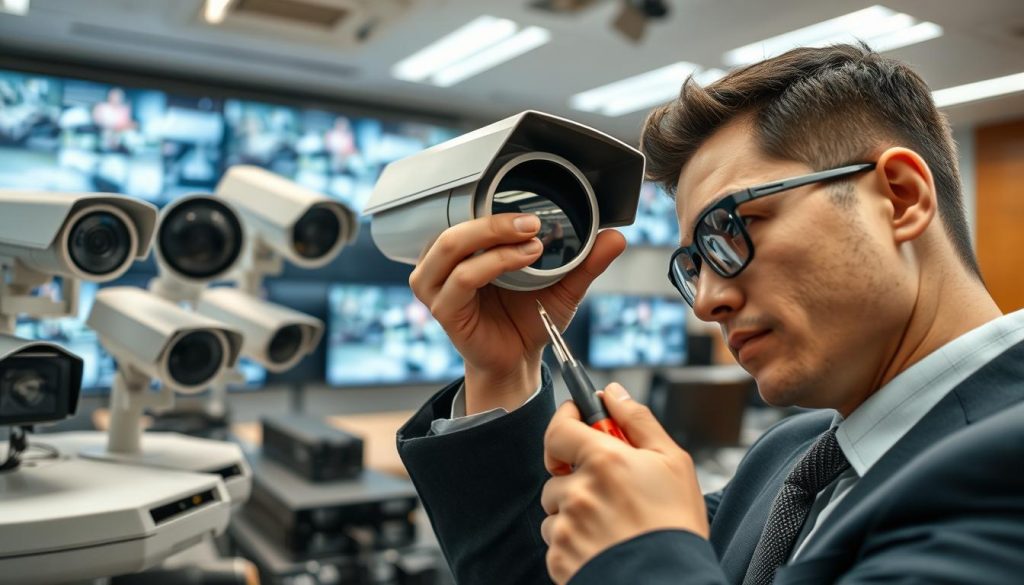
This final section synthesizes all previous advice into a cohesive strategy. We focus on long-term value preservation. You’ll learn to recognize when components might need replacement and how to shield your entire setup.
Signs It’s Time for an Upgrade or Replacement
Even with excellent care, technology evolves and components wear out. Recognizing the warning signs prevents sudden system failures. It allows for planned upgrades instead of emergency replacements.
Persistent image problems often signal hardware decline. If cleaning camera lenses no longer restores clarity, the sensor may be failing. Frequent pixelation or color distortion in good lighting indicates aging electronics.
Compatibility issues emerge as technology advances. Older units might not support modern encryption or high-resolution formats. This gap can create security vulnerabilities in your network.
Recurring issues like constant rebooting or signal loss point to fundamental flaws. When repairs become more frequent than regular maintenance, replacement becomes cost-effective. A unit that no longer meets your security needs has reached its functional limit.
“The total cost of ownership analysis often shows that upgrading aging equipment improves reliability while reducing service expenses over the next five years.”
Review your system’s capability against current threats. Can it provide facial recognition at necessary distances? Does it integrate with newer access control or alarm systems?
These questions help determine if an upgrade enhances protection. Strategic replacement of select components keeps your entire surveillance system working well. It ensures continuous coverage without blind spots.
Protecting Your Investment with Proper Care
Your security installation is a significant financial commitment. Proper care acts as an insurance policy protecting its functionality and value. This approach transforms upkeep from an expense into a strategic advantage.
The foundational measure is unwavering schedule adherence. Following the structured plan in this guide systematically addresses wear. It catches potential failures in their earliest stages before they disrupt operations.
Regular checks and regular upkeep form the backbone of this protection. They make sure everything remains in top shape. This discipline is the maintenance key to extending service life.
When repairs become necessary, insist on genuine, high-quality parts. Counterfeit or substandard components can cause further damage. They often void manufacturer warranties and compromise system performance.
Reputable suppliers provide compatible replacements that work right. Using quality parts saves money by preventing repeat failures. This practice keeps system reliability high over the long term.
Proactive environmental protection shields equipment from external threats. Install surge protectors and Uninterruptible Power Supplies from day one. Choose housings with appropriate IP ratings for each location.
These measures prevent many common problems early. They help your equipment last longer in challenging conditions. Proper housing selection is particularly important in Singapore’s climate.
Documentation creates a valuable history of all service activities. Keep records of visits, repairs, and upgrades. This log aids troubleshooting and adds value if you sell the property.
Training authorized personnel empowers them as a first defense line. Teach basic operation and what to look for during weekly verifications. This enables staff to spot problems before they escalate.
Professional CCTV technicians can provide this training effectively. They ensure your team understands how to keep everything running smoothly. This knowledge transfer is part of comprehensive care.
Viewing upkeep as a strategic component reframes it essentially. It’s not a reactive cost but part of your total ownership calculation. This perspective highlights how maintenance helps maximize return on investment.
Implementing these best practices creates a culture of stewardship. Your surveillance system becomes a consistently reliable asset. It meets evolving security needs while protecting your financial commitment.
Consistent, informed care is the ultimate strategy for value preservation. It ensures your security installation delivers peace of mind for years. This holistic approach represents smart management of your protective resources.
Securing Your Peace of Mind Through Diligent Upkeep
The ultimate value of your surveillance investment is realized not at installation, but through its sustained, reliable operation over time. Diligent upkeep bridges the gap between merely having equipment and possessing a truly effective security solution.
This consistent care delivers multifaceted peace of mind. You gain confidence in your property’s protection, assurance of legal compliance, and financial predictability. Implementing the schedules and best practices transforms your setup into an active, intelligent security layer.
Maintenance is a partnership between your vigilant monitoring and professional expertise during annual audits. In Singapore’s demanding environment, this proactive discipline is essential. It ensures your units are always watching and recording.
The investment in regular upkeep pays clear dividends. You extend system life, reduce crisis management, and achieve unwavering security. Take the first step today by reviewing your current setup and establishing a tailored care plan.
FAQ
Is regular upkeep really necessary for a surveillance system?
Absolutely. Consistent upkeep is essential for any security system to work right. Regular checks help spot problems early, like dirty lenses or a failing power supply, keeping your entire setup in top shape. This proactive approach is key to good security and prevents major system failures.
What are the main benefits of a professional maintenance plan?
A structured plan from a qualified provider ensures system performance stays high. It saves money by preventing costly emergency repairs and extends the lifespan of your equipment. Professional inspections also verify data integrity and ensure compliance with local regulations, protecting your investment.
How often should I perform checks on my security cameras?
A practical schedule includes weekly visual inspections and monthly performance reviews. A deep-cleaning and diagnostic routine every quarter is a best practice. An annual professional audit by a company like Ademco or Bosch is highly recommended for a comprehensive system health check.
What common issues does maintenance help prevent?
Regular upkeep directly tackles issues like blurred images from dirty lenses, connectivity drops from loose wiring, and recording errors from full storage. It also identifies electrical problems with the power supply before they cause a total system shutdown, ensuring continuous monitoring.
Does the type of camera system change the maintenance needed?
Yes. Wireless and IP-based systems from brands like Hikvision need firmware updates and network checks. Wired and analog setups require more physical inspection of cables and connections. Understanding your specific system’s needs is key to keeping it running smoothly.


