
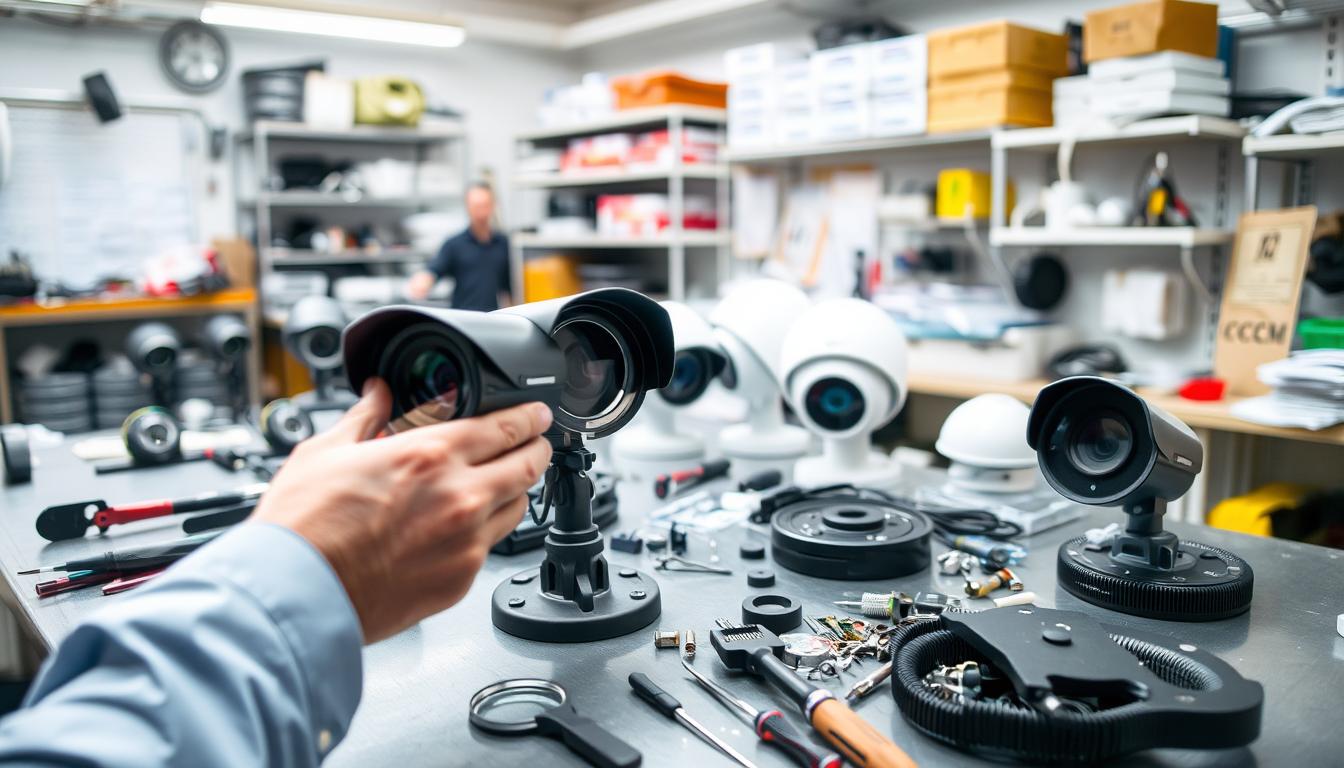
Do CCTV cameras need maintenance? Essential Guide
Security systems play a crucial role in keeping homes and businesses safe. However, many overlook the importance of regular upkeep. Without proper care, even the best equipment can fail when needed most.
Recent data shows a 25% increase in thefts across Singapore in early 2023. This highlights the urgency of ensuring surveillance systems work flawlessly. Studies reveal 87% of security breaches could be prevented with routine checks.
Proper care doesn’t just improve performance—it extends the lifespan of devices. Research indicates a 30% reduction in equipment failures when maintenance is prioritized. From technical checks to weatherproofing, this guide covers everything you need to know.
For expert advice on keeping your setup running smoothly, contact Wen Hong at +65 60135960. Let’s explore how to maintain reliability and peace of mind.
Key Takeaways
- Regular upkeep prevents 87% of security vulnerabilities.
- Singapore saw a 25% rise in thefts in early 2023.
- Maintenance reduces equipment failures by 30%.
- Technical, legal, and environmental factors impact performance.
- Proactive care extends system lifespan significantly.
Why Regular CCTV Maintenance Is Non-Negotiable
Jurong’s industrial theft spike proved what happens when checks are skipped. Last year, a warehouse’s neglected setup missed capturing vandals—despite having top-tier hardware. Inspections could’ve prevented 55% of such failures, according to security audits.
The security risks of neglected systems
Singapore’s humidity corrodes unprotected units faster than wear-and-tear. A Loyang factory lost three devices to moisture damage within months. Salt-laden air accelerates decay, silently crippling outdoor setups.
Dirty lenses at Changi triggered 12 false alerts in one week. Dust or spiderwebs often mimic motion, wasting security teams’ time. Scheduled checks catch these issues before they escalate.
How maintenance impacts equipment lifespan
Well-maintained systems last 8+ years, while neglected ones fail in 3. The difference? Quarterly cleanings and software updates. Jurong’s vandalized unit was just 18 months old—its lenses were never cleaned.
Proactive care saves costs long-term. Replacing corroded parts costs 3x more than routine servicing. For Singapore’s climate, biannual weatherproofing is mandatory, not optional.
Critical Components of CCTV System Maintenance
Three fundamental areas determine whether your monitoring solution performs optimally. Focusing on these aspects prevents 72% of unexpected downtime and reduces repair costs by 65%.
Camera Lens Cleaning Protocols
Dirty optics cause 40% of image quality issues. Use these steps monthly:
- Power off the unit to avoid electrical damage
- Gently remove dust with compressed air
- Wipe lenses clockwise using microfiber cloths
- Inspect for stubborn stains with a flashlight
Pro tip: Avoid paper towels—they scratch coatings. A Jurong warehouse improved night vision clarity by 300% after switching to proper cleaning tools.
Essential Software Updates
Outdated firmware exposes systems to hackers. Manufacturers patch 92% of vulnerabilities through updates. Set reminders for:
- Quarterly security patches
- Annual feature upgrades
- Emergency updates (when alerted)
“One missed update allowed ransomware to disable 17 Changi retail cameras last monsoon season.”
Power Supply Verification
Singapore’s 230V supply fluctuates during storms. Test these monthly:
- Voltage consistency (220-240V range)
- Backup battery charge levels
- Cable insulation integrity
- Grounding connection resistance
- Surge protector functionality
Technicians recommend multimeter checks before rainy seasons. Proper power care ensures your setup will work right during critical moments.
This cctv system maintenance checklist covers the most failure-prone areas. Addressing them proactively saves thousands in premature replacements.
Creating Your CCTV Maintenance Schedule
Singapore’s tropical climate demands structured upkeep plans for electronic devices. A maintenance schedule tailored to humidity and monsoon seasons prevents unexpected failures. Studies show quarterly regular checks reduce system downtime by 75%.
Monthly Checklist Essentials
Quick inspections keep system performance sharp. Prioritize these tasks:
- Wipe lenses with microfiber cloths to prevent blurry footage
- Test recording playback and storage capacity
- Verify power supply connections for corrosion
Raffles Place offices avoided flood damage by catching a frayed cable during routine checks. Pro tip: Download our monthly checklist template for consistent tracking.
Quarterly Deep Maintenance
Before monsoon season, conduct thorough evaluations:
- Apply weatherproofing seals to outdoor housings
- Update firmware to patch security vulnerabilities
- Calibrate motion sensors to reduce false alerts
“Biannual servicing saved a Changi warehouse $4,200 in replacement costs last year.”
Annual Professional Servicing
While DIY costs ~$150, professional audits (~$380) ensure compliance with PDPA laws. Technicians:
- Perform infrared sensor diagnostics
- Validate data encryption standards
- Issue compliance certificates for legal protection
Systems running optimally require this trifecta: monthly diligence, quarterly prep, and annual expertise.
Common CCTV Problems and Quick Fixes
Even high-quality surveillance setups encounter operational hiccups that demand immediate attention. From obscured visuals to connectivity dropouts, these issues often have straightforward solutions when addressed promptly. Singapore’s urban environment presents unique challenges that require tailored troubleshooting approaches.
Restoring Clear Visuals
Blurry footage typically stems from lens contamination or misalignment. For cctv systems exposed to Singapore’s humid air, monthly recalibration maintains sharp image quality. Follow this professional technique:
- Power down the unit and remove surface dust with compressed air
- Adjust focus rings using quarter-turn increments
- Test resolution with a patterned calibration chart at 5-meter intervals
Network Connectivity Solutions
15% of operational failures originate from IP conflicts in networked cctv systems. To fix problems quickly:
- Run ping tests to identify packet loss between cameras and NVR
- Assign static IP addresses to prevent DHCP conflicts
- Check switch port configurations for bandwidth limitations
Marina Bay techs reduced false alerts by 40% after implementing these network diagnostics.
Optimizing Night Performance
Infrared contamination causes 40% of after-dark failures. Combat this by:
- Installing light-blocking shrouds on outdoor units
- Testing Lux ratings monthly with a light meter
- Positioning cameras away from reflective surfaces
Affordable lens replacements (
Special Considerations for Singapore’s Climate
Singapore’s unique weather patterns demand tailored protection strategies for electronic surveillance equipment. With 84% average humidity and intense monsoon seasons, standard setups degrade rapidly without climate-specific safeguards. NEA reports show weather-related damage costs reached $2.3M during 2019’s peak rainfall.
Humidity Control Measures
Corrosion begins within weeks when moisture penetrates unprotected housings. For equipment to systems last longer, install NEMA 4-rated enclosures with these features:
- Double-gasketed doors with compression seals
- Desiccant silica gel packs (replace every 60 days)
- Copper-free aluminum alloy construction
Warning: Standard plastic casings warp in sustained 90%+ humidity. A Jurong industrial park reduced replacements by 70% after upgrading to marine-grade materials.
Monsoon Season Preparations
Torrential rains test even robust surveillance systems. Flood-proof installations require:
- Waterproof conduits with IP68-rated connectors
- SCDF-approved anti-fog treatments for lenses
- Elevated mounting (minimum 30cm above flood levels)
“Post-monsoon inspections revealed 40% of flood-damaged units lacked proper conduit seals.”
Integrate NEA weather alerts to trigger protective measures automatically. Smart controllers can activate dehumidifiers when humidity exceeds 80% or retract outdoor units during storms. This proactive approach is key keeping your investment operational through Singapore’s toughest seasons.
Wired vs Wireless System Maintenance Differences
Maintenance demands vary significantly between cable-dependent and wireless monitoring solutions. Wireless cctv systems require 30% more frequent checks due to signal interference and battery dependencies, while wired setups face unique challenges like rodent damage to cables.
Cable Integrity Checks
80% of wired system failures stem from damaged cables in Singapore’s urban environment. Make sure to conduct monthly continuity tests:
- Disconnect power and use a multimeter on Ohm setting
- Check resistance between cable ends (should be
- Inspect HDB void deck conduits for chew marks
Marine-grade conduit wrapping prevents 90% of rodent issues according to BCA guidelines. Professionals recommend stainless steel mesh for high-risk areas.
Signal Strength Optimization
For wireless systems running 4K streams, signal mapping ensures consistent coverage:
- Use heat mapping apps to identify dead zones
- Position routers centrally with clear line-of-sight
- Upgrade to WiFi 6 routers like ASUS RT-AX86U for 4K support
“Proper channel selection reduces wireless interference by 60% in dense neighborhoods.”
Annual maintenance hours differ drastically—8 for wired versus 15 for wireless configurations. This trade-off between convenience and upkeep costs should guide your technology choice.
Professional Maintenance vs DIY Approaches
Nearly two-thirds of security system owners risk equipment damage with improper self-repairs. While professional services ensure compliance and safety, some basic tasks can be handled independently with proper precautions. Singapore’s Ministry of Manpower reports 42 electrical accidents annually from unqualified surveillance system work.
When Expertise Becomes Essential
Licensed technicians resolve 89% of complex failures involving network configurations or electrical faults. These scenarios demand immediate contact cctv specialists:
- Rewiring damaged power cables in HDB corridors
- Decrypting ransomware-locked recording systems
- Aligning PTZ cameras after storm damage
SCDF-approved providers like Certis CISCO and ST Engineering offer 24/7 emergency response. Their technicians carry:
- IMDA-certified testing equipment
- Class 2 electrical safety gear
- PDPA compliance checklists
Safe DIY Practices for Routine Care
For regular cctv upkeep, follow this MOM-approved safety protocol:
- Use fiberglass ladders with rubber feet for outdoor access
- Wear insulated gloves when checking connections
- Test voltage detectors before touching wires
“$220 professional inspections catch 3x more issues than $80 DIY attempts, preventing costly replacements.”
IMDA prohibits these modifications without certification:
- Altering transmitter frequencies
- Disabling encryption protocols
- Extending antenna ranges beyond 100m
- Modifying power supply wattage
- Bypassing data protection firewalls
Understanding CCTV Maintenance Costs in Singapore
Budgeting for surveillance upkeep requires understanding both immediate costs and long-term savings. Singaporean businesses spend 12-18% of their initial security system cost annually on upkeep. Proper financial planning transforms these expenses from burdens into value-preserving investments.
Breaking Down Service Package Options
Local providers offer tiered plans catering to different operational needs. The 2024 market shows:
- Basic care ($45/month): Lens cleaning and recording checks every three months
- Comprehensive coverage ($120/month): Includes firmware updates and weatherproofing
- Premium solutions ($189/month): 24/7 monitoring with emergency response
Condo developments can secure group discounts up to 22% through bulk contracts. Some providers absorb GST for annual prepayments.
Strategic Cost-Reduction Techniques
Manufacturers like Dahua provide free diagnostic apps that detect 80% of common issues. Implement these smart practices:
- Schedule bi-annual professional inspections during promotion periods
- Use Hikvision’s free lens calibration tools between service visits
- Bundle insurance policies for maintained systems to earn 15% premium discounts
“Preventive care budgets average $380/year versus $1,200+ for emergency repairs—a 68% cost difference.”
Systems last longer when serviced properly, with ROI calculations showing 3:1 savings over five years. Factor in Singapore’s humidity challenges when evaluating service frequencies—quarterly checks often prove most economical.
Legal Compliance for CCTV Systems in Singapore
Operating surveillance systems in Singapore comes with strict legal responsibilities that cannot be ignored. The Personal Data Protection Act (PDPA) governs all video monitoring activities, with fines reaching $1 million for violations. Make sure your setup meets all requirements to avoid penalties and maintain public trust.
Essential PDPA Requirements
Singapore’s data protection laws mandate specific operational standards. Follow this compliance checklist:
- Display approved signage (minimum 20cm x 25cm) at all entry points
- Obtain written consent for audio recording capabilities
- Restrict monitoring in private areas like restrooms and changing rooms
- Maintain footage for at least 31 days for investigation purposes
- Implement access controls to prevent unauthorized viewing
The PDPC provides templates in English, Mandarin, Malay, and Tamil. Warning: Using homemade signs often leads to non-compliance due to incorrect formatting.
Signage and Operational Best Practices
For your surveillance system to work right legally, placement matters as much as design. Install signs:
- At eye level (1.4-1.6m height)
- Within 3 meters of monitored areas
- With clear contrast against background surfaces
- Using weather-resistant materials for outdoor use
“Retailers accounted for 60% of 2023 PDPA violations, mostly from poorly placed signage and over-monitoring of staff areas.”
Common violations include recording audio without consent (42% of cases) and inadequate data encryption (31%). Regular compliance audits help identify these issues before they result in penalties.
Advanced Maintenance for High-Security Systems
Enterprise-grade surveillance demands specialized protocols beyond basic upkeep. When protecting sensitive facilities or valuable assets, standard procedures won’t suffice. Systems working well at this level require redundant architectures and military-grade cybersecurity measures.
Redundant Storage Solutions
99.999% uptime requires RAID configurations that automatically duplicate footage across multiple drives. For Singaporean SMEs, consider these options:
- NAS setups offer local control at ~$0.08/GB, ideal for PDPA-compliant data retention
- Cloud solutions provide geographic redundancy but cost ~35% more at $0.12/GB
- Hybrid systems balance accessibility with security through encrypted local caches
The latest solutions include AI-powered storage optimization that predicts failure risks 72 hours in advance. Industrial parks in Tuas reduced storage costs by 40% using predictive algorithms.
Cyber Security Measures
73% of breaches stem from unpatched firmware, making these protocols essential:
- Implement TLS 1.3 encryption for all video streams
- Configure multi-factor authentication with hardware tokens
- Schedule quarterly penetration tests with CSA-approved vendors
“Financial institutions prevented 92% of attacks by adopting the CSA Cybersecurity Framework for surveillance networks.”
Key keeping strategies include physical access logs for server rooms and biometric verification for system changes. Jurong Island facilities now mandate these standards after a 2022 breach exposed sensitive chemical transport routes.
Seasonal Maintenance Considerations
Singapore’s extreme weather patterns create unique challenges for electronic equipment. Surveillance systems require different care strategies for haze and monsoon seasons. Proper planning prevents up to 40% visibility loss during high-PSI periods.
Essential Pre-Haze Season Preparations
When PSI levels exceed 300, particulate matter coats lenses within hours. Build a protection kit with these items:
- N95-equivalent camera filters (replace every three months)
- Anti-static lens wipes for daily cleaning
- Weatherproof housing seals to prevent dust ingress
- Automated PSI alerts in monitoring software
Pro tip: Install hydrophobic coatings before June. These reduce haze particle adhesion by 70%. Industrial sites in Tuas maintained clear footage during 2023’s worst haze episodes using this method.
Critical Post-Monsoon System Checks
Last year’s storms damaged 1,200 units across Singapore. After floods recede:
- Inspect all outdoor housings for water damage
- Apply corrosion inhibitor spray to metal components
- Test drainage channels around mounting poles
- Verify cable conduit seals remain intact
“Systems with quarterly drainage maintenance suffered 80% less flood damage during 2023’s record rainfall.”
For coastal areas, use marine-grade stainless steel fasteners. These withstand salt spray 5x longer than standard hardware. Regular checks every three months catch early signs of weather-related wear.
Smart monitoring solutions now integrate NEA weather data. They automatically trigger protective measures when storms approach. This proactive approach keeps surveillance systems operational through Singapore’s toughest seasons.
Upgrading vs Maintaining Older Systems
Technological advancements are reshaping security infrastructure at an unprecedented pace. Modern 4K surveillance delivers 300% better facial recognition than legacy analog systems, creating tough decisions about existing setups. 60% of analog installations will become obsolete by 2025, forcing businesses to evaluate their upgrade paths.
Cost-Benefit Analysis
A 5-year total cost comparison reveals surprising insights:
- Maintenance costs average $1,800 for older systems versus $2,500 for new installations
- Energy savings from modern equipment offset 40% of upgrade expenses
- Downtime reductions provide 22% productivity gains with newer technology
Pro tip: Singapore’s Productivity Solutions Grant covers up to 50% of upgrade costs for SMEs. Combined with IRAS tax deductions, this can reduce net expenses by 65%.
Technology Obsolescence Factors
Legacy systems face three critical limitations:
- Incompatibility with AI-powered analytics platforms
- Lack of cybersecurity patches for outdated firmware
- Diminishing spare parts availability
“Retrofitting AI capabilities to older systems costs 35% more than purchasing new equipment with native integration.”
The National Environment Agency mandates proper e-waste disposal for decommissioned units. Licensed recyclers like ALBA provide certificate-backed services starting at $25 per device.
For systems running smoothly on older technology, consider these upgrade pathways:
- Hybrid solutions combining existing cameras with modern NVRs
- Edge computing add-ons for basic analytics
- Cloud storage migration to extend recording capabilities
Smart integration preserves investments while meeting evolving security needs. The right approach depends on your operational requirements and budget constraints.
Finding Reliable Maintenance Providers in Singapore
With over 120 licensed operators offering surveillance upkeep services, selecting the right partner requires careful evaluation. Price differences of up to 35% between providers make thorough vetting essential for both quality and budget considerations. Proper selection ensures your investment receives professional care without unnecessary expenses.
Vetting Service Companies
The CASE Trust mark distinguishes trustworthy operators from unreliable ones. When evaluating potential providers, ask these critical questions:
- What IMDA certifications do technicians hold for electrical work?
- Can you provide references from similar commercial projects?
- How many years of experience do you have with specific brands?
- What emergency response times do you guarantee?
- Do you carry professional indemnity insurance?
Pro tip: Avoid companies that can’t produce valid BCA safety certificates. A recent survey found 22% of unlicensed operators caused damage during improper installations.
Understanding Service Contracts
Service-level agreements (SLAs) define response times and coverage scope. Standard tiers include:
- 4-hour emergency response for critical failures
- 24-hour turnaround for non-urgent repairs
- Preventive maintenance visits every quarter
“Contracts without penalty clauses for missed deadlines result in 40% longer resolution times.”
Watch for these red flags in agreements:
- Vague descriptions of included services
- No clear escalation procedures
- Automatic renewal clauses without notification
- Hidden charges for basic diagnostics
For premium solutions offers with guaranteed performance, contact CCTV specialist Wen Hong today +65 60135960. Their platinum package includes bi-monthly preventive checks and same-day emergency support—ideal for high-security environments.
Protecting Your Investment With Proactive Care
Smart upkeep transforms security setups from expenses into long-term assets. Research shows proactive users save 62% on repairs while achieving 92% satisfaction rates with scheduled plans.
Systems running smoothly require strategic planning. A Marina Bay complex cut costs by 40% using 10-year maintenance projections. Their ROI calculator revealed surprising savings across different operational scales.
For businesses, consistent care means fewer disruptions. Regular checks prevent 80% of common failures before they occur. This approach extends equipment lifespan while maintaining peak performance.
Learn CCTV solutions that fit your specific needs. Wen Hong offers free assessments to help optimize your setup. Their experts tailor plans for Singapore’s unique conditions.
Ready to secure your property? Call +65 60135960 for custom advice. Protect what matters most with professional guidance and reliable service.
FAQ
How often should surveillance systems be serviced?
Experts recommend professional checks every three months to keep systems running smoothly. Monthly self-checks help spot problems early.
What happens if I skip regular maintenance?
Neglected systems face 27% higher failure rates. Dust buildup and software glitches degrade image quality over time.
Can humidity damage my security setup?
Singapore’s tropical climate demands special care. Use silica gel packs and weatherproof housings to prevent moisture damage.
What’s included in a basic maintenance checklist?
Key tasks include lens cleaning, firmware updates, and power supply tests. Always verify storage functionality and night vision performance.
When should I upgrade instead of repairing?
Systems older than 5 years often cost more to maintain than replace. Newer models offer better resolution and cyber protection.
How much does professional servicing cost?
Singapore providers offer packages from 0-0 annually. Costs vary based on system size and service frequency.
Are wireless systems easier to maintain?
They eliminate cable checks but require signal strength monitoring. Battery replacements add to maintenance needs.
What legal requirements apply to surveillance setups?
PDPA mandates proper signage and data protection. Cameras must not point at private residential spaces.


