
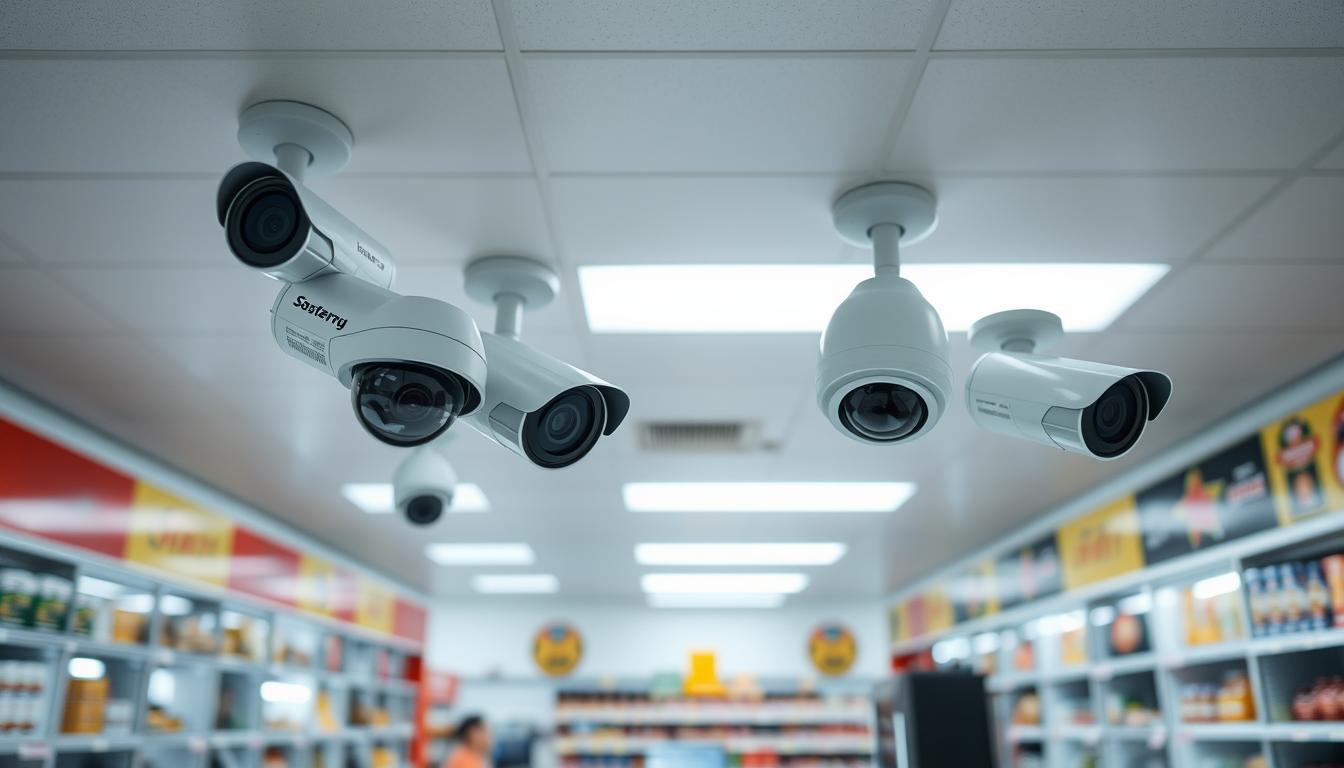
The Ultimate Guide to Convenience Store Security Cameras
Protecting your retail business in Singapore is more important than ever. Modern surveillance technology has evolved to meet specific challenges faced by small retailers. This guide covers everything from choosing the right equipment to proper installation.
Industry data shows a 93% adoption rate of CCTV systems among Singapore retailers. This high usage reflects the critical need for protection against theft and vandalism. Proper systems also help improve operational efficiency.
Choosing the right surveillance setup depends on your specific layout and needs. It’s crucial to consider features like cloud storage and remote access. Legal compliance with Singapore’s PDPA is also essential for business owners.
Investing in quality monitoring solutions brings significant returns. You gain better visibility into daily operations and customer behavior. This leads to enhanced control and peace of mind for your business.
Key Takeaways
- Modern surveillance systems address specific retail challenges in Singapore
- 93% of Singapore retailers use CCTV systems for protection
- Proper systems reduce theft and improve operational efficiency
- Selection depends on individual store layout and specific needs
- Compliance with Singapore’s PDPA is essential for legal operation
- Quality systems provide good return on investment through better visibility
- Remote access and cloud storage are important features to consider
Why Your Singapore Convenience Store Needs a Security Camera System
Contemporary retail operations in Singapore face unique protection challenges that demand advanced solutions. A comprehensive monitoring approach addresses both immediate threats and long-term operational needs.
The Rising Challenge of Retail Theft and Vandalism
Singapore’s 24/7 retail environment creates extended vulnerability windows. Shoplifting incidents peak during specific hours when staffing may be reduced.
Visible monitoring equipment creates a powerful psychological barrier against criminal activity. Research shows a 39% reduction in theft during peak business hours when systems are clearly visible.
The financial impact of inadequate protection is staggering. UK retailers experience £20 million in annual losses without proper safeguards in place.
“Proper surveillance systems reduce theft incidents by 83% according to documented studies.”
Singapore’s government recognizes this critical need. The Ministry of Manpower has committed over S$1 billion toward AI-enhanced monitoring technology development.
Creating a Safer Environment for Employees and Customers
Modern monitoring solutions protect more than just inventory. They create safer spaces for everyone who enters your establishment.
Staff members feel more secure knowing incidents are documented. This leads to improved morale and reduced turnover in round-the-clock operations.
Documentation capabilities provide crucial evidence for liability concerns. Slip-and-fall incidents and other accidents can be properly recorded and reviewed.
Customers appreciate shopping in well-protected environments. This enhances their overall experience and encourages repeat business.
The dual benefits of asset protection and safety assurance provide significant peace of mind for business operators. Comprehensive coverage addresses both immediate and potential future concerns.
Key Benefits of Investing in Store Surveillance
Modern surveillance investment delivers multi-layered protection that extends far beyond simple theft prevention. These comprehensive systems provide tangible returns across multiple business areas while creating safer environments.
Deterring Crime and Reducing Inventory Shrinkage
Visible monitoring equipment creates a powerful psychological barrier against criminal activity. Research shows establishments with clear surveillance coverage experience significantly fewer theft incidents.
High-quality systems capture detailed evidence of suspicious behavior. This documentation helps identify patterns and prevent future inventory losses.
Integrated solutions can trigger real-time alerts for unusual activity. Immediate notifications allow for quick response to potential threats before they escalate.
Providing Legal Evidence and Supporting Insurance Claims
High-definition video footage ensures clear evidence for disputes and investigations. Insurance companies often require documented proof for claim processing.
Properly maintained systems can lead to substantial financial benefits. Many providers offer 15% premium discounts for businesses with robust protection systems.
Cloud storage solutions preserve critical footage for extended periods. This ensures availability when needed for legal proceedings or insurance reviews.
“Video evidence with proper timestamps and metadata holds strong legal admissibility in Singapore courts.”
Gaining Operational Insights and Improving Efficiency
Advanced video analytics transform raw footage into actionable business intelligence. These tools help identify customer behavior patterns and traffic flow.
Operational data reveals opportunities for service improvements and layout optimization. Business owners can make informed decisions based on actual customer movements.
Staff performance monitoring helps identify training needs and efficiency opportunities. This leads to better resource allocation and improved customer experiences.
The comprehensive protection extends beyond theft prevention to overall business optimization. Modern systems deliver multi-faceted return on investment through various operational benefits.
Understanding Different Types of Convenience Store Security Cameras
Selecting the right monitoring equipment requires understanding various models and their specific applications. Each type offers unique advantages for different areas and situations.
Proper camera selection ensures optimal performance and protection. The right choice depends on your specific layout and monitoring needs.
Dome Cameras for Discreet Indoor Monitoring
Dome-shaped units excel in interior spaces like stockrooms and aisles. Their compact design blends seamlessly with ceiling environments.
These devices provide wide-angle views without drawing attention. The discreet appearance prevents tampering while maintaining comprehensive coverage.
Many models feature vandal-resistant housing for added durability. This makes them ideal for high-traffic locations within retail environments.
Bullet Cameras for Robust Outdoor Coverage
Bullet-style units offer superior performance for external applications. Their cylindrical design provides excellent weather resistance.
These devices deliver long-range monitoring for parking lots and entrances. The extended reach helps capture details at greater distances.
Many bullet cameras feature infrared capabilities for night operation. This ensures consistent performance during all hours of operation.
“The right camera placement reduces blind spots by 78% according to security experts.”
PTZ and Panoramic Cameras for Maximum Visibility
Pan-Tilt-Zoom models provide dynamic monitoring across large areas. Operators can remotely control direction and zoom functions.
These systems follow events across target zones in real-time. The flexibility allows comprehensive coverage with fewer devices.
Panoramic models capture ultrawide-angle footage from fixed positions. This technology eliminates distortion while maintaining full area visibility.
Advanced features like TOYOTEC’s RDL lens technology ensure distortion-free monitoring. Brands like Axis and Honeywell offer reliable network video solutions.
Multi-sensor models provide comprehensive coverage for complex layouts. Body-worn options offer additional protection for staff members.
Choosing the right equipment depends on your specific layout requirements. Consider resolution, field of view, and environmental durability.
Essential Features to Look For in a Modern System
Today’s monitoring technology offers powerful capabilities that transform basic protection into intelligent business tools. The right combination of features provides comprehensive coverage while delivering valuable operational insights.
High-Definition Resolution and Night Vision Capabilities
Clear video evidence requires sharp image quality. High-definition resolution captures fine details like facial features and license plates.
This clarity proves crucial for identification purposes. It also ensures evidence holds up in legal proceedings.
Infrared technology enables consistent monitoring after dark. These systems operate effectively without additional lighting requirements.
Low-light capabilities maintain performance during evening hours. They ensure round-the-clock protection for your establishment.
Advanced Video Analytics and AI-Powered Alerts
Modern analytics transform raw footage into actionable intelligence. These systems detect patterns and flag unusual activity automatically.
AI-powered solutions learn typical behavior over time. They then alert operators to deviations from normal patterns.
Motion detection technology has evolved significantly. Today’s systems can distinguish between human movement and environmental changes.
“Advanced analytics reduce false alarms by 87% while improving threat detection accuracy.”
Unusual activity detection systems provide real-time notifications. This allows for immediate response to potential issues.
Cloud Connectivity and Remote Mobile Access
Cloud-based management eliminates the need for on-site servers. This reduces hardware costs and maintenance requirements.
Remote access enables monitoring from any location. Business owners can check feeds using smartphones or tablets.
Mobile alerts keep operators informed about important events. Real-time connectivity ensures timely response to incidents.
Cloud storage solutions offer flexible data retention options. They also provide protection against local system failures.
Integration capabilities through ONVIF standards allow compatibility with existing systems. This ensures seamless operation across different components.
Video compression technologies optimize storage space without sacrificing quality. They help manage data efficiently while maintaining evidence integrity.
Selecting the right features depends on your specific operational needs. Consider both current requirements and future expansion possibilities.
Strategic Camera Placement for Optimal Coverage
Proper positioning transforms basic monitoring into an effective protection strategy. Smart placement ensures every critical area receives appropriate attention while maintaining clear visibility.
Identifying High-Risk Areas: Entrances, Registers, and Stockrooms
Entry points demand constant monitoring. These locations see the most foot traffic and potential incidents.
Cash handling stations require focused attention. Position units to capture transaction details and facial features.
Storage spaces need protection against internal issues. These areas often contain high-value merchandise.
Other critical zones include refrigeration units and alcohol sections. These products attract particular attention from shoplifters.
Ensuring Clear Sightlines and Eliminating Blind Spots
Height and angle determine identification quality. Mount devices at approximately 8-9 feet for optimal facial recognition.
A 2.8mm lens provides 110° field of view. This wide angle perfectly covers shelving areas and aisles.
Dual-lens configurations work well for large spaces. They provide comprehensive coverage without overlapping footage.
Regular testing helps identify hidden areas. Walk through your space while checking live feeds for coverage gaps.
“Proper placement reduces blind spots by 78% while improving evidence quality for identification purposes.”
Considering Lighting Conditions and Potential Obstructions
Natural light affects camera performance. Avoid pointing devices directly toward windows or bright lights.
Anti-glare solutions help in glass-fronted establishments. Special filters prevent washed-out footage during daylight hours.
Infrared capabilities maintain night performance. Ensure units cover dimly lit areas like back rooms and parking spaces.
Regular maintenance keeps lenses clean and functional. Schedule monthly checks to remove dust and smudges.
Professional site surveys identify optimal positions. Experts analyze traffic patterns and layout specifics for best results.
Navigating Singapore’s PDPA: Privacy and Legal Compliance
Singapore’s Personal Data Protection Act establishes clear guidelines for monitoring operations. Business owners must understand these regulations to avoid legal complications.
Proper compliance protects both your establishment and the individuals it serves. Following these rules builds trust with your community.
Understanding Your Responsibilities Under the Law
The PDPA governs how companies handle personal information. This includes video footage that captures identifiable individuals.
Businesses must clearly state their monitoring purposes. They should only collect data needed for those specific reasons.
Restricted areas require special attention. Monitoring near restrooms or changing rooms violates privacy regulations.
Audio recording faces additional restrictions. Singapore law generally prohibits audio capture without explicit consent.
“Facial recognition technology must provide clear opt-out mechanisms for individuals under PDPA guidelines.”
Advanced systems require careful configuration. Features like facial recognition need proper disclosure and alternative options.
Regional differences matter for multi-location operations. ASEAN countries have varying privacy regulations that might affect your approach.
Best Practices for Signage and Data Handling
Clear signage forms your first line of compliance. Notices should appear at all entrances and throughout monitored areas.
Signs must explain the purpose of your monitoring. They should include contact information for data protection inquiries.
Privacy-protective techniques help maintain compliance. Lens masking blocks views into private areas like employee break rooms.
Pixelation technology can anonymize non-essential individuals. This protects customer privacy while maintaining security effectiveness.
Data storage follows specific retention rules. Footage should only be kept as long as necessary for its intended purpose.
Access controls limit who can view recorded material. Implement strict protocols for reviewing and sharing video content.
Regular privacy impact assessments identify potential risks. These evaluations help businesses stay ahead of compliance requirements.
Cloud storage solutions must meet Singapore’s data protection standards. Choose providers with demonstrated PDPA compliance.
Proper data handling builds customer confidence. It shows your commitment to both safety and privacy concerns.
Following these practices creates a balanced approach. You maintain protection while respecting individual rights.
Professional Installation vs. DIY: What You Need to Know
Choosing the right installation approach for your monitoring setup requires careful consideration of multiple factors. Both professional services and do-it-yourself options have distinct advantages depending on your specific situation.
Assessing the Complexity of Your Store’s Layout
Every retail space presents unique challenges for equipment placement. Multi-level buildings with complex architectural features demand specialized expertise.
Wiring requirements vary significantly between different locations. Older establishments often need creative solutions for cable management.
Singapore’s urban environment adds specific considerations. Shared buildings may have restrictions on drilling and modifications.
Professional assessors evaluate these factors during initial consultations. They identify potential obstacles before installation begins.
The Value of Expert Setup and System Integration
Certified technicians bring specialized knowledge to your project. They ensure compliance with Singapore’s commercial installation standards.
Integration with existing infrastructure requires technical proficiency. Professionals seamlessly connect new equipment with current operations.
Configuration optimization maximizes system performance. Experts fine-tune settings for your specific business needs.
Smart Nation initiative compatibility enhances functionality. Proper integration allows future expansion opportunities.
“Professional installation reduces system failures by 62% compared to self-installed solutions according to industry studies.”
Warranty protection differs between installation methods. Manufacturer guarantees often require professional setup for full coverage.
Hidden expenses can emerge with DIY approaches. These include specialized tools and potential rework costs.
Technical support availability varies significantly. Professional services typically include ongoing maintenance options.
Post-installation testing protocols ensure reliability. Comprehensive checks verify all components function correctly.
Long-term maintenance considerations affect total cost of ownership. Professional installations often include service agreements.
Business owners should evaluate their technical capabilities honestly. The right choice balances initial investment with long-term performance.
Integrating Your Cameras with Other Security Measures
Modern protection strategies work best when different components communicate effectively. Connecting your monitoring equipment with other safety tools creates a comprehensive defense network.
This integration enhances overall performance and response capabilities. It transforms individual pieces into a unified protection solution.
Syncing with Alarm Systems and Access Control
Combined setups create powerful automated responses to potential threats. When unusual activity triggers an alarm, nearby units automatically focus on the location.
This coordination reduces response times by 62% according to industry studies. Immediate visual verification helps assess situations accurately.
Panic buttons provide discreet emergency signaling for staff members. These devices alert authorities while activating recording devices in critical zones.
RFID technology manages entry to sensitive areas effectively. It restricts unauthorized access while maintaining smooth operations.
Duress codes allow employees to signal for help without alerting suspicious individuals. These covert signals trigger appropriate response protocols.
“Integrated systems provide 360-degree protection that significantly outperforms standalone solutions.”
Hardware compatibility ensures smooth operation between different components. Brands like Fry’s Electronics offer solutions designed for seamless integration.
Leveraging POS System Integration for Transaction Verification
Point-of-sale synchronization creates powerful fraud prevention capabilities. This connection matches transaction data with visual evidence.
Retail giants like Walmart and Best Buy reported major improvements in loss prevention through this approach. It helps identify discrepancies between sales records and actual activities.
Real-time monitoring flags unusual transaction patterns immediately. Suspicious behavior triggers alerts for further investigation.
This integration provides valuable insights into customer purchase behavior. It helps optimize both protection measures and business operations.
Staff training ensures proper use of these advanced features. Employees learn to recognize and respond to integrated system alerts effectively.
Layered protection combines multiple measures for comprehensive coverage. This approach addresses various potential threats through coordinated responses.
Successful implementation requires careful planning and professional configuration. The result is a robust network that protects assets while supporting smooth business operations.
Maintaining Your Security System for Long-Term Reliability
Proper maintenance ensures your investment continues delivering optimal performance year after year. Regular upkeep prevents common issues while maintaining clear video quality and system integrity.

Routine Inspection and Cleaning Schedules
Establish consistent check-ups for all equipment. Monthly visual inspections catch early signs of wear or damage.
Quarterly lens cleaning maintains crystal-clear footage quality. Use microfiber cloths and approved cleaning solutions.
Check housing seals on outdoor units every six months. This prevents moisture damage in Singapore’s humid climate.
Test night vision capabilities during evening hours. Ensure infrared LEDs function properly after sunset.
Document all maintenance activities in a dedicated log. This creates valuable records for warranty claims and troubleshooting.
Software Updates and Cybersecurity Protocols
Regular firmware updates enhance functionality and patch vulnerabilities. Schedule monthly checks for NVR and camera updates.
Implement strong password policies for all connected devices. Change default credentials immediately after installation.
Network segmentation protects your surveillance infrastructure. Isolate monitoring equipment from primary business networks.
Enable automatic update features where available. This ensures you receive critical security patches promptly.
“Regular system updates reduce vulnerability exposure by 74% according to cybersecurity experts.”
Conduct quarterly security audits of all connected components. Verify no unauthorized access points exist.
Knowing When to Seek Professional Technical Support
Some issues require specialized expertise for proper resolution. Persistent connectivity problems often indicate deeper network issues.
Power supply failures need certified electrician attention. Attempting DIY repairs risks voiding warranties and creating safety hazards.
Water damage demands immediate professional assessment. Corrosion can spread quickly through electronic components.
Providers like ED Viston offer rapid response guarantees. Their 4-hour service window minimizes operational disruptions.
Cloud backup solutions protect against physical system damage. They ensure footage preservation during hardware failures.
Service level agreements provide predictable support costs. Many providers offer comprehensive maintenance packages.
Remote diagnostics help identify issues before dispatching technicians. This approach reduces resolution time and service expenses.
Regular professional maintenance extends equipment lifespan. Scheduled technician visits catch problems before they escalate.
Cost Analysis and Calculating Your Return on Investment
Smart financial planning for monitoring equipment requires understanding both upfront and long-term expenses. A thorough evaluation helps business owners make informed decisions that balance protection needs with budget considerations.
Breaking Down Initial Hardware and Installation Costs
A typical four-camera setup averages S$3,000 for quality equipment. This investment covers essential components like recording devices and monitoring screens.
Installation expenses vary based on your space complexity and wiring requirements. Multi-level locations often need additional labor and materials.
Professional setup ensures optimal performance and compliance with local regulations. Many providers offer package deals that include both equipment and installation.
Financing options from companies like ED Viston help spread initial costs over time. This approach makes quality protection more accessible for growing operations.
Understanding Ongoing Expenses like Cloud Storage
Monthly cloud storage fees typically range from S$20 to S$100 depending on data retention needs. This service provides off-site backup and remote access capabilities.
Local storage alternatives involve upfront investment in hard drives or servers. They eliminate recurring fees but require maintenance and physical space.
Data management considerations include retention policies and access controls. Singapore’s PDPA guidelines influence how long footage should be kept.
Maintenance contracts cover regular system checks and software updates. These services ensure continuous operation and timely technical support.
“Businesses with comprehensive protection systems report 39% fewer theft incidents over three years of operation.”
Quantifying Savings from Theft Prevention and Insurance Discounts
Reduced inventory shrinkage directly impacts your bottom line. The average convenience store saves thousands annually through better monitoring.
Insurance providers often offer 15% premium discounts for establishments with verified systems. This reduction compounds annually for significant long-term savings.
Improved operational efficiency comes from better staff oversight and customer behavior analysis. These insights help optimize staffing and product placement.
Liability protection minimizes legal expenses from false claims. Video evidence quickly resolves disputes and prevents fraudulent cases.
The surveillance technology market shows a 24.1% compound annual growth rate. This reflects increasing recognition of the value these systems provide.
Calculating total ROI involves comparing all savings against initial and ongoing costs. Most businesses recover their investment within 12-18 months.
Local success stories demonstrate tangible financial returns from well-planned implementations. These examples help justify the investment to stakeholders.
Peace of mind comes from knowing your assets and people are protected. This intangible benefit significantly enhances business confidence.
Taking the Next Step to Secure Your Business
Implementing a robust surveillance solution requires expert guidance tailored to your specific needs. Comprehensive systems provide multi-faceted protection against theft while offering valuable operational insights.
Address your security needs promptly, especially during high-risk seasons. ED Viston offers free site assessments to identify vulnerabilities in your current setup.
Their team understands Singapore’s compliance requirements and provides limited-time installation offers. Enjoy peace of mind with their 4-hour response guarantee for technical support.
Contact them at +65 8313 4578 to schedule a consultation. Take proactive steps today to create a safer environment for long-term success.
FAQ
What are the main benefits of installing a surveillance system in my store?
These systems deter theft, provide evidence for legal matters, and offer insights into daily operations. They help reduce losses and improve overall safety.
Which areas in my business should have priority for camera coverage?
Focus on entrances, checkout counters, stockrooms, and parking lots. These locations see the most activity and potential risks.
Are there legal considerations for recording in Singapore?
Yes. You must follow the PDPA. Use clear signage to inform people about recording. Handle all footage responsibly to protect privacy.
Should I choose professional installation or set up the equipment myself?
Professional setup ensures optimal placement and integration. DIY might save money but can lead to gaps in coverage or technical issues.
What features are most important in a modern monitoring solution?
Look for high-definition video, night vision, remote access, and smart analytics. These tools enhance visibility and provide real-time alerts.
How can I maintain my system for long-term reliability?
Perform regular checks, clean lenses, update software, and secure your network. Schedule professional support for complex problems.
What is the typical return on investment for these systems?
ROI comes from theft reduction, lower insurance costs, and operational efficiencies. Many owners see a payback within the first year.


