
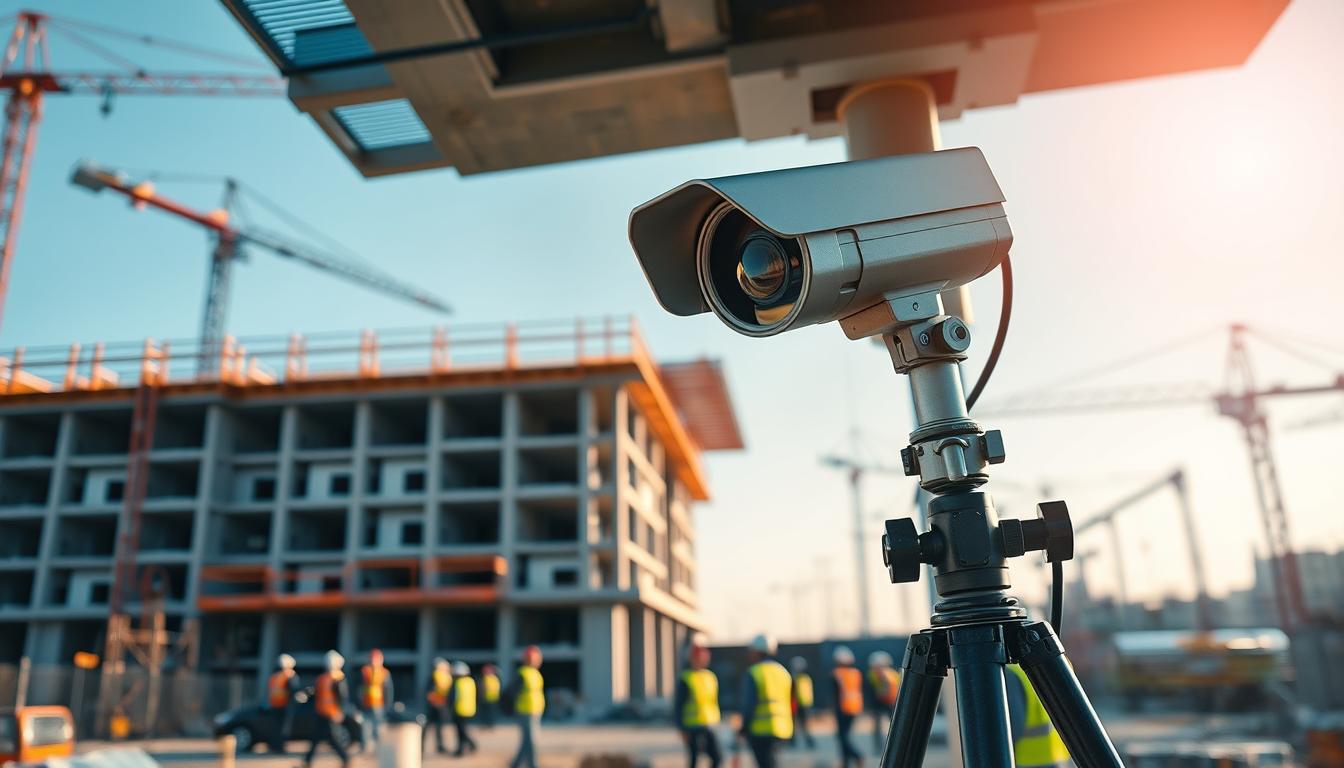
Construction Site Surveillance System for Security and Monitoring
Singapore is taking significant steps to enhance safety and security in its building projects. Starting June 2024, new regulations will require video surveillance systems for projects with contracts worth $5 million or more. These systems must meet specific standards, including 1080p recording quality and storage for 30 to 180 days.
The need for 24/7 monitoring has never been more critical. These systems help prevent theft, ensure compliance with safety protocols, and provide valuable incident documentation. Advanced features like AI analytics and weather-resistant hardware are becoming essential for modern solutions.
Companies like Hikvision are leading the way with proven technologies tailored to these challenges. This article will explore the new regulations, analyze the return on investment, and highlight the latest advancements in the field.
Key Takeaways
- New regulations in Singapore mandate video surveillance for projects over $5 million starting June 2024.
- Systems must include 1080p recording and storage for 30 to 180 days.
- 24/7 monitoring helps prevent theft and ensures safety compliance.
- AI analytics and weather-resistant hardware are key features of modern systems.
- Hikvision offers reliable solutions tailored to construction site challenges.
Introduction to Construction Site Surveillance Systems
The rise in theft and vandalism has made advanced monitoring essential for project safety. In Singapore, annual losses from such incidents exceed $6 million, highlighting the need for robust measures. Traditional security methods, like manual guards, often fall short in addressing these challenges.
Why Construction Sites Need Advanced Surveillance
Mobile workforces and temporary setups complicate traditional security. AI-powered cameras offer a smarter solution, tracking personnel and equipment movement in real-time. This reduces risks and ensures accountability.
Automated systems are also more cost-efficient than manual guards. They provide continuous coverage without fatigue or human error. Modular designs adapt to temporary configurations, making them ideal for dynamic environments.
Overview of Modern Surveillance Solutions
Modern cctv monitoring systems feature high-definition imaging and AI analytics. These tools detect anomalies, such as unauthorized access or equipment misuse. Weather-resistant hardware ensures durability in harsh conditions.
“Efficient vehicle management and productivity boosts are achievable with advanced monitoring.”
The Ministry of Manpower emphasizes these systems for enforcing safety protocols. With a 65% reduction in rework, as seen in the Teambuild Engineering case study, the benefits are clear. Investing in the right equipment ensures long-term success and compliance.
The Importance of Construction Site Security
Ensuring safety and protecting assets in building projects is a top priority in Singapore. With 42% of project delays linked to security incidents, the need for robust measures is clear. Advanced monitoring solutions are no longer optional but essential for project success.
Risks Faced by Construction Sites
Major projects face significant threats, including theft and vandalism. On average, equipment losses amount to $8.2M per project. Vulnerabilities are heightened during night operations and in remote storage areas. These incidents not only cause financial losses but also delay timelines.
Unstaffed periods, like weekends, are particularly risky. Without proper measures, vandalism and unauthorized access can go unnoticed. This highlights the need for continuous monitoring to safeguard assets and ensure project continuity.
How Surveillance Mitigates These Risks
Modern monitoring solutions reduce unauthorized access by 78%, according to WSH Council data. Cameras act as a psychological deterrent, discouraging potential intruders. Real-time alerts enable quick responses to incidents, minimizing damage and downtime.
“Video evidence speeds up incident resolution and reduces insurance claims.”
Certified systems also lead to lower insurance premiums. By preventing theft and vandalism, these solutions protect both assets and budgets. Investing in advanced monitoring ensures compliance with safety standards and enhances overall project efficiency.
For more insights on optimizing safety, explore our guide on construction surveillance cameras.
Key Features of a Construction Site Surveillance System
Modern monitoring solutions are transforming how projects stay secure and efficient. With advanced technology, these systems offer a range of features designed to meet the unique challenges of dynamic environments. From high-definition imaging to real-time alerts, every component is tailored to enhance safety and operational performance.
High-Definition Imaging and AI Analytics
One of the standout features is high-definition imaging. Systems must meet 1080p/12fps recording standards with timestamps for accuracy. Hikvision’s DarkFighterX technology, for example, provides color night vision up to 150 meters, ensuring clarity even in low-light conditions.
AI analytics take monitoring to the next level. These tools can recognize objects, such as PPE compliance, and detect anomalies like unauthorized access. This not only improves safety but also ensures adherence to regulations.
Real-Time Monitoring and Alerts
Real-time monitoring is a game-changer. With instant push notifications for perimeter breaches, teams can respond quickly to potential threats. This feature minimizes downtime and prevents losses by addressing issues as they arise.
Cloud storage options allow for seamless access to video footage from anywhere, while on-premise servers provide additional security for sensitive data. The choice depends on project needs and scalability requirements.
Weather-Resistant and Durable Design
Durability is crucial for any monitoring equipment. IP67-rated housing ensures resistance to tropical storms and harsh weather conditions. Vandal-proof dome cameras add an extra layer of protection, making them ideal for high-risk areas.
Wide dynamic range and thermal imaging are also available for specific use cases. These options enhance visibility in challenging environments, ensuring continuous coverage regardless of external factors.
Benefits of Implementing a Surveillance System
Implementing advanced monitoring solutions offers significant advantages for project management and security. These systems not only enhance safety but also streamline operations, making them a valuable investment for any project.
Enhanced Safety and Compliance
One of the primary benefits is improved safety. Automated systems track safety harness usage and ensure compliance with regulations. For example, Chip Eng Seng Contractors achieved 37% faster incident reporting through CCTV integration.
These solutions also simplify compliance audits. By maintaining detailed records, they reduce preparation time and ensure adherence to standards. This minimizes risks and avoids potential penalties.
Reduction in Theft and Vandalism
Theft and vandalism are major concerns for any project. Advanced monitoring reduces these risks significantly. A case study showed an 83% reduction in material pilferage after implementation.
Real-time alerts and high-definition imaging deter intruders and provide evidence for investigations. This leads to a 62% decrease in tool replacement costs, saving both time and money.
Improved Operational Efficiency
Remote progress monitoring boosts productivity by allowing managers to oversee operations from anywhere. Digital patrols save man-hours, enabling teams to focus on critical tasks.
“Efficient monitoring ensures smoother workflows and faster project completion.”
For more insights on optimizing your project, explore our guide on construction site CCTV camera solutions in.
How Construction Site Surveillance Systems Work
Combining RFID and camera tracking enhances overall project oversight. These systems are designed to work seamlessly with other security measures, ensuring comprehensive coverage. From real-time alerts to remote access, they provide a robust solution for modern project needs.
Integration with Other Security Measures
Modern cctv monitoring systems integrate with RFID tags and access controls for enhanced efficiency. This integration allows for automated equipment tracking and real-time alerts. For example, when equipment is moved without authorization, the system triggers alarms and notifies the team.
ONVIF compatibility ensures multi-brand integration, making it easier to combine different technologies. Shift scheduling can also sync with access control, ensuring only authorized personnel are on-site during specific times. This reduces risks and improves accountability.
Remote Monitoring Capabilities
Web-based platforms enable multi-site management, allowing teams to oversee operations from anywhere. Smartphone zoom capabilities provide detailed remote inspection, ensuring nothing is missed. This is particularly useful for large or complex projects.
Bandwidth requirements for 4K streaming are analyzed to ensure smooth operation. Automated equipment checkout alerts further streamline processes, reducing manual effort. These features make monitoring services more efficient and reliable.
“Remote access ensures continuous oversight, even when teams are off-site.”
By leveraging these capabilities, projects can achieve higher security and operational efficiency. Investing in advanced monitoring solutions is a smart move for any modern project.
Choosing the Right Surveillance System for Your Site
Selecting the right monitoring setup is crucial for ensuring project safety and efficiency. With various options available, it’s essential to evaluate your specific needs and choose a solution that aligns with your goals. From urban projects to rural setups, each environment requires tailored features to maximize effectiveness.
Factors to Consider When Selecting a System
When choosing a system, start by assessing the project’s scale and complexity. For confined areas, explosion-proof cameras are mandatory to ensure safety. Tower crane setups demand high-resolution imaging, while excavation pits benefit from rugged, weather-resistant designs.
Storage requirements are another critical factor. Calculate retention periods to determine the necessary storage capacity. For example, a 30-day retention period for 1080p footage may require up to 4TB of space. Always ensure the system supports *.avi or *.mp4 export formats for compliance.
Customizing Solutions for Different Site Needs
Urban projects often face space constraints and higher security risks. PTZ (Pan-Tilt-Zoom) cameras are ideal for large-scale setups, offering flexibility and wide coverage. In contrast, rural sites may benefit from wireless mesh networks, which are easy to deploy and cost-effective for temporary setups.
For projects with dynamic layouts, modular designs allow for easy reconfiguration. Analyze the total cost of ownership over a 5-year period to ensure long-term value. By customizing the solution, you can address unique challenges and enhance overall project efficiency.
“A well-chosen monitoring system not only improves security but also streamlines operations.”
Regulatory Requirements for CCTV in Singapore
Singapore’s Ministry of Manpower has introduced strict guidelines for video monitoring to enhance project safety and compliance. These regulations ensure that all high-risk areas, such as work-at-height zones, scaffolding areas, and confined spaces, are adequately monitored. Footage must be retained for up to 180 days, especially for incident-related data.
Ministry of Manpower Guidelines
The MOM’s 12-point checklist for cctv systems implementation includes requirements like proper timestamp formatting and certification for cameras on lifted equipment. Non-compliance can result in penalties, such as fines or project delays. For example, incorrect timestamps may lead to invalid evidence during investigations.
Compliance with Video Surveillance Standards
To meet MOM standards, cctv systems must undergo rigorous certification. Approved vendors for government projects are listed to ensure quality and reliability. Additionally, data protection measures are mandatory to safeguard worker privacy, ensuring that footage is used responsibly.
Compliance documentation templates are available to simplify the process. These templates help project managers ensure all regulatory requirements are met, reducing the risk of penalties and enhancing overall safety.
Implementing CCTV Monitoring: Best Practices
Effective implementation of CCTV monitoring ensures both security and operational efficiency. To maximize the benefits, it’s essential to focus on strategic camera placement and regular upkeep. These practices not only enhance coverage but also extend the lifespan of your equipment.
Strategic Camera Placement
Proper positioning of cameras is critical for optimal coverage. Heatmap analysis can identify high-risk areas and ensure no blind spots are left unmonitored. For entry points, 70°FOV cameras are recommended to capture a wider field of view.
Anti-glare positioning is especially important for east-facing cameras to avoid sun interference. This ensures clear footage throughout the day. Additionally, mounting cameras at the right height and angle improves visibility and reduces obstructions.
Regular Maintenance and Upkeep
Routine maintenance is vital to keep your system running smoothly. The Ministry of Manpower requires quarterly lens cleaning verification to ensure clarity. A preventive maintenance schedule helps address potential issues before they escalate.
Firmware updates are essential for cybersecurity, protecting your system from vulnerabilities. Monthly health checks should include testing camera functionality, storage capacity, and network connectivity. In humid environments, inspect for common failure points like moisture damage or corrosion.
“Proactive maintenance ensures long-term reliability and reduces unexpected downtime.”
By following these best practices, you can ensure your cctv monitoring system remains effective and compliant with regulations.
Real-Time Monitoring and Its Advantages
Real-time monitoring has become a cornerstone of modern security strategies. It allows teams to detect and address issues instantly, minimizing risks and ensuring smoother operations. With tools like Hikvision’s iVMS-5200, which supports 9-screen simultaneous viewing, response times have been reduced to an average of 2.3 minutes.
Immediate Response to Incidents
One of the most significant benefits of real-time monitoring is the ability to respond to incidents immediately. Live feed integration with emergency services ensures that help arrives quickly when needed. Geofencing alerts notify teams of unauthorized entries into restricted zones, preventing potential threats before they escalate.
Incident replay functionality is another critical feature. It allows teams to review footage for investigations, ensuring accurate documentation and faster resolution. This capability is particularly useful for identifying patterns and improving future security measures.
Mobile and Web-Based Monitoring Options
Modern solutions offer mobile and web-based monitoring options, providing flexibility and accessibility. Two-factor authentication ensures secure access, protecting sensitive data from unauthorized users. Whether using 4G or WiFi, these platforms deliver reliable performance, even in remote locations.
Battery backup requirements are also addressed to ensure 24/7 operation. This is crucial for maintaining continuous oversight, especially during power outages or emergencies. With these features, teams can monitor operations from anywhere, enhancing overall efficiency and security.
“Real-time monitoring ensures continuous oversight and rapid incident resolution, making it indispensable for modern security strategies.”
Integration of CCTV with Other Security Systems
Integrating CCTV with other security measures creates a comprehensive safety net for modern projects. By combining systems like alarms, access controls, and motion detection, teams can achieve a higher level of protection. This approach not only enhances security but also reduces false alarms by 68%, according to the WSH Council report.

Alarm Systems and Access Controls
When CCTV is paired with alarms, it provides visual verification for triggered events. This reduces unnecessary responses and ensures that teams focus on genuine threats. For example, BACnet integration allows seamless communication between monitoring and building management systems.
Access controls also benefit from this integration. Duress codes linked to panic buttons can trigger immediate alerts, while facial recognition ensures only authorized personnel enter restricted areas. Vehicle recognition further enhances security by automating gate control for approved vehicles.
Motion Detection and Automated Alerts
Motion detection technology adds another layer of security. When movement is detected, alerts are sent instantly, allowing teams to respond quickly. Sound detection features can identify glass breaks, while smoke detection analytics provide early warnings for potential fire hazards.
“Integrated systems ensure faster response times and minimize risks, making them essential for modern security strategies.”
By combining these technologies, projects can achieve a robust security framework that adapts to dynamic environments. This approach not only protects assets but also streamlines operations, ensuring long-term success.
Cost-Effectiveness of Surveillance Solutions
Investing in advanced monitoring solutions is not just about security; it’s a strategic move to enhance operational efficiency and protect valuable assets. These systems offer a strong return on investment (ROI), with an average payback period of just 14 months. By reducing theft and improving compliance, they deliver measurable financial benefits.
Return on Investment for Monitoring Solutions
Comparing manned guards to CCTV systems over a 5-year period reveals significant savings. Automated monitoring reduces labor costs and minimizes human error. For every $1 million in equipment value, theft prevention measures can save up to $150,000 annually.
Remote access features also boost productivity. Supervisors can oversee operations from anywhere, reducing downtime and improving workflow. This flexibility translates into faster project completion and higher overall efficiency.
Long-Term Savings and Risk Reduction
Incident footage plays a crucial role in avoiding litigation costs. By providing clear evidence, it reduces disputes and speeds up resolution. Compliant setups also qualify for insurance discounts of up to 22%, further lowering operational expenses.
Smart lighting integration enhances energy efficiency, while video archives improve training processes. These features not only reduce risks but also contribute to long-term financial stability.
“A well-implemented monitoring solution is an investment that pays for itself through reduced losses and improved productivity.”
Case Studies: Successful CCTV Implementation
Singapore’s construction sector has seen remarkable improvements in safety and security through advanced monitoring solutions. These systems have not only reduced risks but also enhanced operational efficiency. Below, we explore real-world examples and the lessons learned from their implementation.
Examples from Singapore’s Construction Sector
One standout example is the $9M Jurong project, which achieved 98% safety compliance after deploying a comprehensive cctv construction system. The use of thermal cameras reduced night shift incidents by 81%, showcasing the benefits of modern technology.
Another notable case is the Cross-Island MRT line, which implemented facial recognition to enhance security. This system streamlined access control and reduced unauthorized entries, further proving the value of advanced monitoring services.
Lessons Learned and Best Practices
Analyzing these cases reveals common pitfalls in first-generation systems, such as inadequate coverage and poor maintenance. Benchmarking data against industry KPIs highlights the importance of post-installation optimization, including regular updates and worker training.
Worker acceptance surveys also play a crucial role. Engaging teams early in the process ensures smoother adoption and maximizes the system’s effectiveness. As one project manager noted,
“A well-implemented monitoring solution is an investment that pays for itself through reduced losses and improved productivity.”
Modern Advances in Surveillance Technology
The rapid evolution of technology is reshaping how projects are monitored and secured. From AI-powered analytics to wireless and cloud-based solutions, these advancements are setting new standards for efficiency and reliability. Let’s explore the latest innovations that are transforming the industry.
AI-Powered Analytics and Automation
AI is revolutionizing monitoring by enabling real-time data analysis. Edge computing plays a crucial role here, processing information locally to reduce latency. This ensures faster decision-making and improved response times.
Hikvision’s DeepInMind NVR is a prime example, reducing storage needs by 90% through smart compression. This not only saves costs but also enhances scalability. AI also powers features like facial recognition and anomaly detection, making monitoring more precise and efficient.
Wireless and Cloud-Based Solutions
Wireless technology is eliminating the need for complex wiring, making installations faster and more flexible. 5G-enabled drone surveillance is another game-changer, providing aerial views for hard-to-reach areas. This integration ensures comprehensive coverage without compromising quality.
Cloud-based systems offer remote access to video footage, enabling teams to monitor operations from anywhere. Blockchain technology adds an extra layer of security by creating tamper-proof records. This ensures the integrity of data and simplifies audits.
“The combination of AI and cloud technology is redefining what’s possible in monitoring solutions.”
Augmented reality (AR) overlays are also gaining traction, allowing teams to verify equipment maintenance in real-time. Solar-powered cameras are another sustainable innovation, reducing energy consumption while maintaining performance. These advancements are not just enhancing security but also driving operational efficiency.
Future Trends in Construction Site Surveillance
The future of project monitoring is being shaped by cutting-edge technologies that redefine safety and efficiency. As the industry evolves, predictive analytics and smart integration are becoming essential tools for modern projects. These advancements not only enhance security but also streamline operations, ensuring long-term success.
Predictive Analytics and Smart Integration
Predictive analytics is transforming how risks are managed. By analyzing historical data, these tools can forecast potential incidents before they occur. For example, IoT sensor fusion combines visual data with real-time inputs, providing a comprehensive view of project conditions.
Smart integration with Building Information Modeling (BIM) is another game-changer. This allows for real-time progress tracking, ensuring projects stay on schedule. The WSH Council predicts a 100% AI adoption rate by 2028, highlighting the growing importance of these technologies.
Emerging Technologies in the Industry
Drone swarm surveillance is emerging as a powerful solution for large-scale projects. These drones can cover vast areas quickly, providing detailed aerial views. Combined with holographic display control rooms, they offer unparalleled oversight.
Quantum encryption is also gaining traction, ensuring data security in an increasingly digital world. PPE compliance prediction algorithms further enhance safety by identifying potential violations in real-time.
“The integration of advanced technologies is not just a trend; it’s a necessity for modern project success.”
As digital twin integration grows at a 34% CAGR, the possibilities for innovation are endless. These trends are setting new standards for efficiency, security, and overall project management.
Why Your Construction Site Needs a Surveillance System Today
With Singapore’s new regulations taking effect in June 2024, adopting advanced monitoring solutions is no longer optional but a necessity. Non-compliance can lead to significant penalties, including fines and project delays. By implementing certified systems, contractors can avoid these risks and ensure full compliance with Ministry of Manpower guidelines.
Beyond meeting regulatory requirements, these solutions offer a competitive edge. Contractors with certified systems report a 92% improvement in tendering success. Early adoption also ensures smoother transitions, as implementing a Video Surveillance System (VSS) typically takes six months.
To help you get started, we’re offering a free security assessment for your project. Additionally, download our compliance roadmap checklist to ensure you meet all deadlines and standards. Act now to protect your assets, enhance safety, and stay ahead of the competition.
FAQ
Why do construction sites need advanced surveillance?
Advanced surveillance helps prevent theft, vandalism, and unauthorized access. It also enhances safety and ensures compliance with regulatory standards.
What are the key features of a modern surveillance solution?
Modern systems offer high-definition imaging, real-time monitoring, weather-resistant designs, and AI-powered analytics for better detection and alerts.
How does surveillance improve operational efficiency?
By reducing theft and vandalism, minimizing downtime, and providing real-time insights, surveillance systems streamline operations and boost productivity.
What factors should I consider when choosing a system?
Consider site size, camera coverage, storage options, integration with other security measures, and compliance with local regulations.
Are there specific guidelines for CCTV in Singapore?
Yes, the Ministry of Manpower provides guidelines for video surveillance to ensure safety and compliance with industry standards.
How does real-time monitoring benefit construction sites?
Real-time monitoring allows immediate response to incidents, reducing risks and ensuring the safety of workers and assets.
Can surveillance systems integrate with other security measures?
Yes, they can integrate with alarm systems, access controls, and motion detection for a comprehensive security solution.
What are the long-term benefits of investing in surveillance?
Long-term benefits include reduced theft, lower insurance costs, improved safety, and a strong return on investment.
What are the latest advances in surveillance technology?
Advances include AI-powered analytics, wireless cameras, cloud-based storage, and predictive analytics for smarter security solutions.
How can I ensure my surveillance system is effective?
Strategic camera placement, regular maintenance, and integrating with other security measures ensure optimal performance.


