
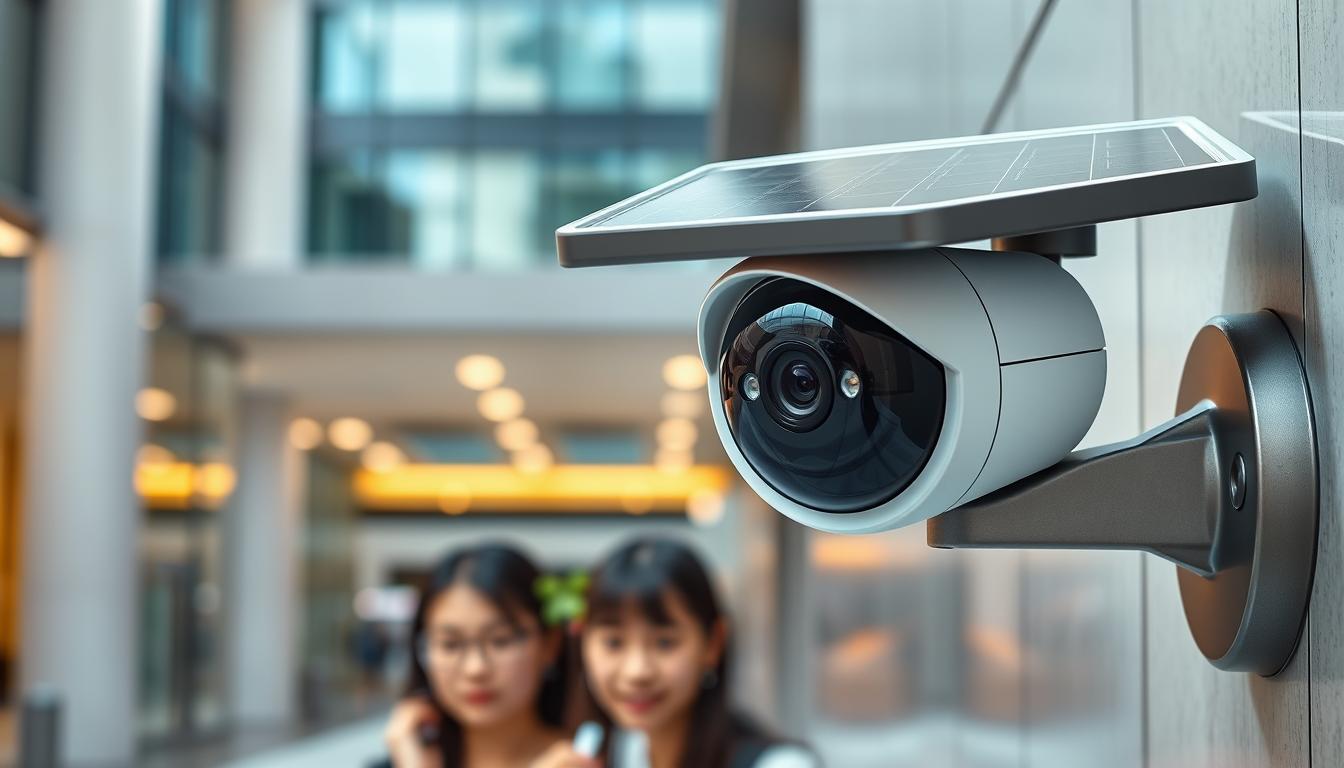
Commercial Solar Powered Security Camera Solutions
Singapore is leading the way in adopting sustainable solutions for its commercial spaces. Businesses are increasingly turning to innovative technologies that combine efficiency with environmental responsibility. One such solution is the use of solar-powered systems, which address both operational needs and ecological concerns.
Major companies like Hikvision and Zectech have embraced these systems, showcasing their reliability and effectiveness. With features like a 7-day battery backup and a 30% reduction in energy costs, these systems are proving to be a smart investment for businesses.
This article will explore the technical specifications, return on investment, and real-world implementation cases of these solutions in Singapore. Stay tuned to learn how your business can benefit from this cutting-edge technology.
Key Takeaways
- Singapore is adopting sustainable security solutions for commercial spaces.
- Solar-powered systems offer both environmental and operational benefits.
- Major companies like Hikvision and Zectech are leading the adoption.
- Features include a 7-day battery backup and 30% energy cost reduction.
- The article will cover technical specs, ROI, and local implementation cases.
Introduction to Commercial Solar Security Cameras
Innovative surveillance systems are transforming how businesses monitor their spaces. These advanced setups combine efficiency with sustainability, making them a popular choice for modern enterprises. One standout solution is the integration of photovoltaic cells with 4G-enabled CCTV systems, offering reliable monitoring without relying on traditional electricity sources.
These self-contained units feature monocrystalline solar panels, ranging from 7.8W to 30W, ensuring consistent energy supply. With 4G LTE connectivity, users can access live feeds and recordings remotely via mobile apps. This makes them ideal for businesses that require real-time monitoring from any location.
Designed to withstand Singapore’s tropical storms, these systems boast IP66-rated waterproof housing and aluminum alloy frames. Hybrid operation modes, such as motion-activated or continuous recording, provide flexibility based on specific needs. For instance, the Hikvision DH-PFM364L-D1 model offers 128GB storage, ensuring data is securely stored even during extended use.
By combining cutting-edge technology with eco-friendly design, these systems are setting new standards for business surveillance. They not only reduce operational costs but also contribute to a greener future.
Benefits of Solar-Powered Security Cameras
Sustainability is no longer just a trend but a necessity for modern enterprises. Companies are adopting green technologies to reduce their environmental impact while enhancing operational efficiency. One such innovation is the use of solar power in surveillance systems, which offers both ecological and economic advantages.
These systems significantly reduce carbon emissions, with each camera array cutting down CO2 by 2.4 tons annually. This aligns with Singapore’s Green Plan 2030, which aims to promote sustainable practices across industries. By choosing these solutions, businesses contribute to a greener future while meeting their operational needs.
Eco-Friendly and Sustainable
The environmental benefits of these systems are undeniable. They meet PSAC Green Mark certification standards, ensuring they adhere to strict sustainability criteria. Here’s how they make a difference:
- Reduce reliance on traditional grid power, lowering the carbon footprint.
- Support corporate social responsibility (CSR) initiatives, especially for LEED-certified buildings.
- Align with global sustainability goals, making them a smart choice for forward-thinking businesses.
By integrating these systems, companies not only enhance their security but also demonstrate their commitment to environmental stewardship. This dual benefit makes them a valuable addition to any modern enterprise.
Key Features of Commercial Solar Security Cameras
Energy independence is a key feature of today’s innovative systems. These setups are designed to operate seamlessly, even in challenging conditions. One standout aspect is their extended battery life, ensuring uninterrupted performance.
Extended Battery Life
Modern systems are equipped with 18650mAh lithium batteries and MPPT charging controllers. This combination ensures efficient energy storage and usage. Even in Singapore’s frequent cloud cover, these batteries can sustain operations for up to 7 days without sunlight.
MPPT (Maximum Power Point Tracking) technology plays a crucial role. It optimizes charge cycles by adjusting to varying sunlight levels. This ensures the batteries are always charged efficiently, even on overcast days.
To maximize battery lifespan, regular maintenance is essential. Here are some tips:
- Keep the solar panels clean to ensure maximum energy absorption.
- Monitor battery health periodically to detect any issues early.
- Avoid overcharging by using systems with smart charging controllers.
These features make these systems a reliable choice for businesses. They combine advanced technology with practical benefits, ensuring long-term performance and energy efficiency.
Applications of Solar Security Cameras
Efficient surveillance is now possible even in the most isolated areas. These systems are designed to meet the unique needs of off-grid locations, providing reliable monitoring without relying on traditional power sources. From industrial zones to agricultural farms, the versatility of these solutions is unmatched.
In Singapore, these systems have been deployed in key locations like Jurong Island’s chemical plants and Lim Chu Kang’s farms. Their ability to operate independently makes them ideal for such areas. For instance, PTZ models with a 355° pan range can cover large construction sites, ensuring comprehensive coverage.
Monitoring Remote Areas
One notable application is the coastal CCTV network for maritime border security. This setup ensures constant surveillance of Singapore’s waters, enhancing safety and compliance. Additionally, these systems meet the technical requirements of off-grid industrial zones, providing uninterrupted monitoring.
Integration with Singapore’s Smart Nation sensor networks further enhances their functionality. This collaboration allows for real-time data sharing and improved decision-making. By leveraging these advanced systems, businesses can ensure robust security while minimizing environmental impact.
- Case example: Coastal CCTV network for maritime border security.
- Technical requirements for off-grid industrial zones.
- Integration with Singapore’s Smart Nation sensor networks.
How Solar Security Cameras Work
Harnessing the sun’s energy has become a game-changer for modern surveillance systems. These setups rely on advanced technology to convert natural resources into reliable power. At the core of this process is the efficient use of solar energy, which ensures uninterrupted operation even in challenging conditions.
Solar Energy Conversion
The process begins with monocrystalline panels, which boast a 22% efficiency rate. These panels generate up to 5kWh of electricity daily, depending on the intensity of sunlight. The energy flows through photovoltaic (PV) cells, which convert it into usable power.
An MPPT (Maximum Power Point Tracking) controller optimizes this energy. It adjusts to varying light conditions, ensuring the system operates at peak efficiency. The converted energy is stored in lithium batteries, providing a reliable power source even during extended periods of low sunlight.
At night, these systems switch to infrared (IR) LEDs and motion-activated lighting. This ensures continuous monitoring without relying on external power sources. In Singapore, where solar irradiance levels are high, these setups perform exceptionally well, delivering consistent outputs year-round.
- Energy flow: PV cells → MPPT controller → lithium battery.
- Night operation: IR LEDs and motion-activated lighting.
- Singapore’s solar irradiance levels support optimal system performance.
Installation Process of Solar Security Cameras
The success of any surveillance setup depends on careful installation and location selection. Proper planning ensures the system operates efficiently and meets your specific needs. Whether you’re setting up in urban or remote areas, following guidelines is essential.
According to NEA guidelines, the chosen spot must receive at least 4 hours of direct sunlight daily. This ensures the panels generate enough energy to power the system. Pole-mount kits are available for elevations up to 6 meters, providing flexibility in placement.
Choosing the Right Location
Conducting a site survey is the first step. This includes shading analysis to avoid obstructions, assessing vandalism risks, and checking network coverage. Here’s a checklist to guide you:
- Identify spots with maximum sunlight exposure.
- Evaluate potential risks like theft or damage.
- Ensure the area has strong network connectivity for remote access.
For HDB-approved installations, follow a step-by-step guide to comply with local regulations. Wall-mounted configurations are ideal for compact spaces, while standalone setups work best in open areas. Each option has its advantages, so choose based on your specific needs.
Proper wiring is another critical aspect. Ensure cables are securely connected and protected from weather conditions. By following these steps, you can achieve a seamless setup that delivers reliable performance.
Choosing the Right Solar Security Camera
Selecting the right system for your needs is crucial for effective monitoring. With various options available, understanding the features that align with your requirements ensures optimal performance. Whether you’re managing a construction site, retail store, or logistics hub, the right choice can enhance your operations.
Assessing Your Security Needs
Start by evaluating the coverage area. Bullet cameras offer a 120° field of view, ideal for focused monitoring. Dome cameras, on the other hand, provide 360° coverage, perfect for wide spaces. For instance, the Dahua PFB121W model uses AI human detection to reduce false alarms by 73%, making it a reliable choice for businesses.
Consider the environment where the system will be installed. Construction sites benefit from rugged designs, while retail spaces may prioritize discreet setups. Logistics hubs often require high-bandwidth models for seamless data transmission.
- Decision Matrix: Construction sites vs. retail vs. logistics.
- Bandwidth Requirements: 4G models for remote areas, WiFi for urban setups.
- Total Cost Analysis: Evaluate expenses over a 5-year lifecycle.
By carefully assessing these factors, you can choose a system that meets your needs while staying within budget. This ensures long-term reliability and efficiency for your operations.
Case Studies: Successful Implementations in Singapore
Singapore’s retail sector is embracing advanced technologies to enhance operational efficiency. From reducing shrinkage to ensuring uninterrupted monitoring, these innovations are delivering measurable results. Let’s explore how businesses are leveraging these solutions to achieve their goals.
Retail Chain Success Story
Guardian Pharmacy, a leading retail chain, reduced shrinkage by 41% after deploying Hikvision’s advanced systems. The integration of these setups with their existing POS security systems streamlined operations and improved incident response times. This not only enhanced security but also reduced maintenance costs significantly.
Sheng Siong, another major player, achieved a remarkable 98.7% uptime during the monsoon season. Their reliable setups ensured continuous monitoring, even in challenging weather conditions. This success highlights the robustness of these systems in real-world applications.
Lessons from Jurong Point shopping mall’s deployment further underscore the importance of proper planning. By integrating these systems with their existing infrastructure, the mall improved overall efficiency and security. Here are some key takeaways:
- Before-after metrics show a 30% reduction in incident response times.
- Integration with POS systems enhances operational efficiency.
- Regular maintenance ensures long-term reliability and performance.
These case studies demonstrate how businesses can achieve tangible benefits by adopting innovative solutions. Whether it’s reducing costs or improving efficiency, the results speak for themselves.
Future Trends in Solar-Powered Surveillance Technology
The future of surveillance is being reshaped by cutting-edge innovations. As technology evolves, businesses are adopting smarter and more efficient solutions to meet their needs. One of the most exciting developments is the integration of AI and advanced systems into monitoring setups.
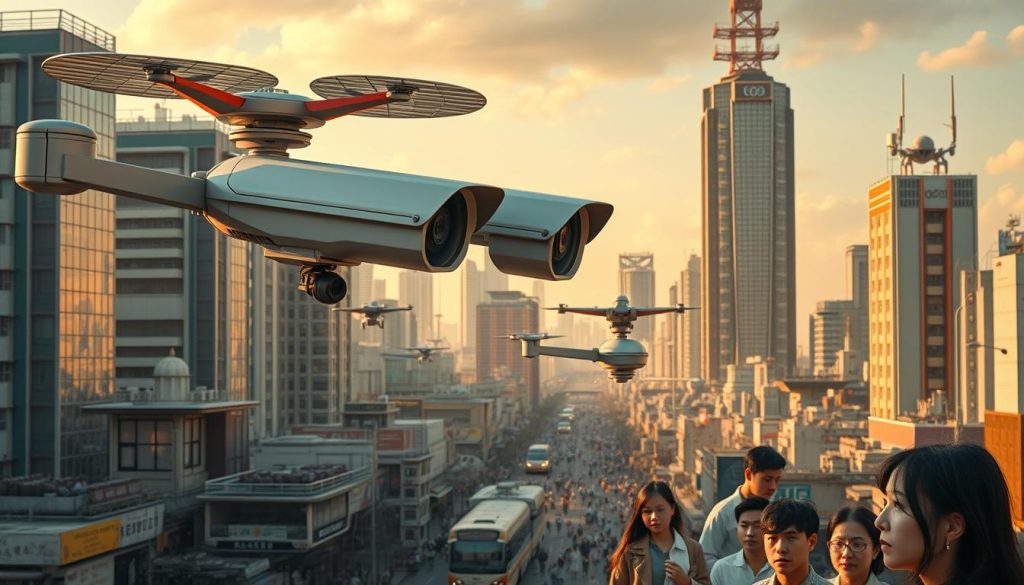
Upcoming models from Hikvision, for example, are incorporating LIDAR-assisted tracking. This feature enhances accuracy by detecting and following objects with precision. Predictive maintenance algorithms are also being introduced, ensuring that solar arrays operate at peak efficiency with minimal downtime.
Integration with AI and Smart Systems
Emerging standards like Singapore’s SS 660 are setting the bar for solar CCTV systems. These guidelines ensure that new technologies meet rigorous performance and sustainability criteria. Additionally, 5G-enabled real-time facial recognition capabilities are transforming how businesses monitor their spaces.
Blockchain-based security footage authentication is another game-changer. This technology ensures that recorded data is tamper-proof, providing an extra layer of protection. These advancements are not just enhancing security but also making monitoring more reliable and efficient.
- LIDAR-assisted tracking for precise object detection.
- Predictive maintenance algorithms to optimize solar array performance.
- 5G-enabled facial recognition for real-time monitoring.
- Blockchain authentication for secure and tamper-proof footage.
By embracing these trends, businesses can stay ahead of the curve. These innovations are not only improving operational efficiency but also setting new standards for the industry.
Maintenance Tips for Solar Security Cameras
Regular upkeep ensures long-term performance of advanced monitoring systems. Proper care not only extends their lifespan but also maximizes efficiency. By following a few simple steps, you can keep your setup running smoothly and avoid unexpected issues.
Battery and System Checks
One of the most critical aspects of maintenance is the battery. Lithium batteries typically last 3-5 years, depending on usage. Regular checks help identify when replacements are needed. For optimal performance, clean the solar panels quarterly, especially in areas with high air pollution, as recommended by the NEA air quality index.
During the monsoon season, prepare your system for heavy rain and strong winds. Ensure all connections are secure and waterproof. Remote diagnostics tools, like the Hikvision iVMS-4200 platform, allow you to monitor the system’s health without physical inspections. This saves time and ensures timely interventions.
Managing spare parts inventory is another key strategy. Keep essential components like panels, batteries, and cables on hand to minimize downtime. Here’s a quick checklist for effective maintenance:
- Clean panels quarterly to maintain optimal power absorption.
- Inspect batteries annually and replace them every 3-5 years.
- Use remote diagnostics to monitor system performance.
- Prepare for monsoon season by securing all components.
By following these tips, you can ensure your wireless solar security cameras remain reliable and efficient. Proper maintenance not only enhances performance but also protects your investment in the long run.
Why Solar Security Cameras Are the Future of Commercial Surveillance
The shift toward eco-friendly monitoring solutions is gaining momentum across industries. These systems align with Singapore’s Carbon Pricing Act, helping businesses reduce their carbon footprint while maintaining robust surveillance.
In Southeast Asia, the total addressable market for these solutions is expanding rapidly. Regulatory incentives under the Energy Conservation Act further encourage adoption. Projections show a 19% CAGR for solar-powered security cameras in ASEAN through 2030.
For early adopters, the benefits are clear. Reduced energy costs, compliance with green standards, and enhanced operational efficiency make these systems a smart investment. By embracing this technology, businesses can stay ahead in a competitive market while contributing to a sustainable future.
FAQ
What are solar-powered security cameras?
These devices use sunlight to generate energy, eliminating the need for traditional wiring. They are ideal for areas without access to electricity.
How do solar security cameras benefit the environment?
By relying on renewable energy, they reduce carbon emissions and lower dependence on non-renewable power sources.
What features should I look for in a solar security camera?
Key features include extended battery life, night vision, motion detection, and weather resistance for reliable performance.
Where are solar security cameras most effective?
They are perfect for remote locations, construction sites, and properties where wiring is impractical or costly.
How does the solar energy conversion process work?
Panels capture sunlight, converting it into electricity to charge the battery, ensuring continuous operation even during cloudy days.
What should I consider when installing a solar security camera?
Choose a location with maximum sunlight exposure, ensure proper angle for panels, and secure the device to prevent tampering.
How do I choose the right solar security camera for my needs?
Assess your specific requirements, such as coverage area, video quality, and additional features like remote monitoring.
Can solar security cameras work at night?
Yes, they store energy during the day, allowing them to function seamlessly at night with features like infrared night vision.
What maintenance is required for solar security cameras?
Regularly clean the panels, check battery health, and ensure the system is free from obstructions for optimal performance.
Are solar security cameras cost-effective in the long run?
While the initial investment may be higher, they save money by reducing electricity bills and requiring minimal maintenance.


