
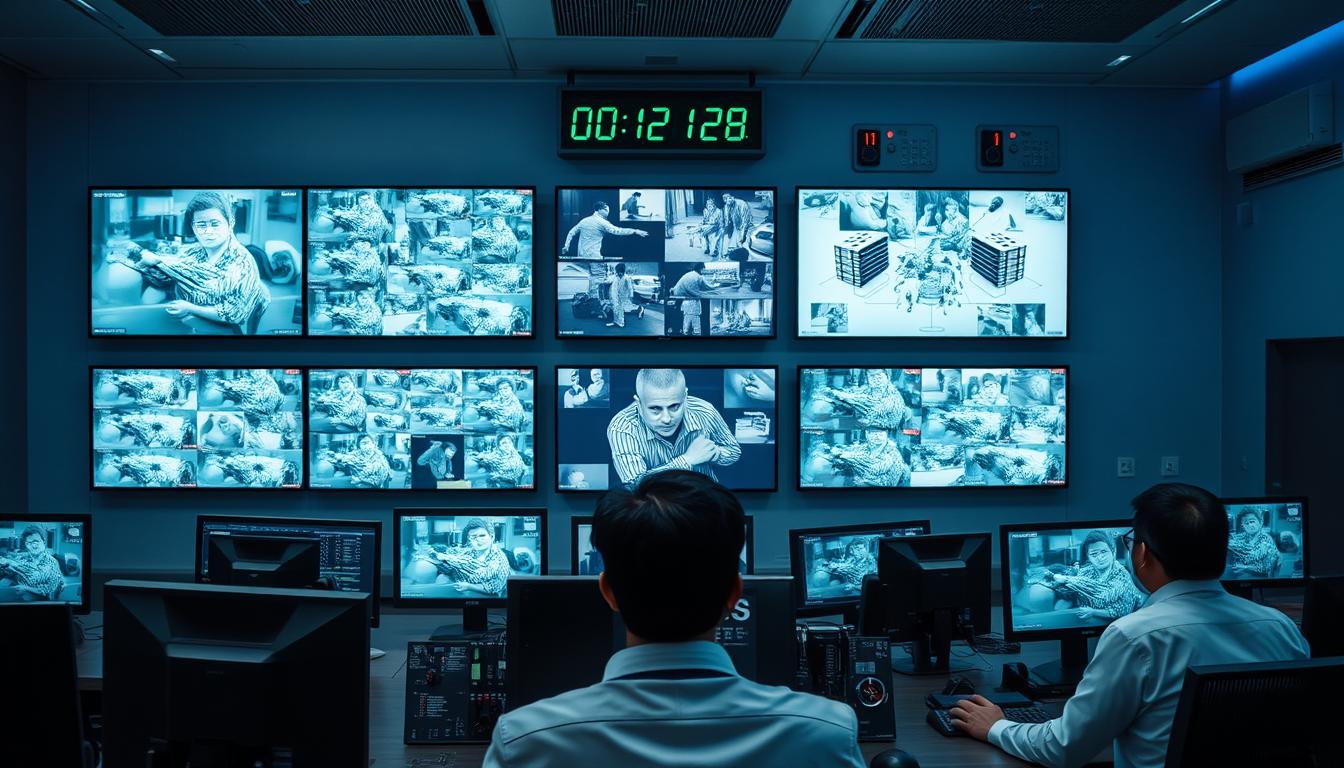
CCTV Footage Retention Period in Singapore
Ever wondered how long CCTV footage stays in Singapore? It’s not as simple as you might think. It affects both privacy and security. Let’s dive into the world of CCTV footage retention in Singapore.
We’ll cover the rules and the best ways to manage it. You’ll learn about the laws and how to keep your place safe.
Key Takeaways
- CCTV footage for homes is kept for at least two weeks.
- Businesses must keep footage for 30 days, sometimes up to 90 days.
- The Personal Data Protection Act (PDPA) sets the rules for how long footage can be stored.
- Using cloud-based systems for CCTV is getting popular for its benefits.
- Companies must follow privacy laws when using CCTV.
Contact CCTV Maintenance today at +65 60135960 to learn more about the latest CCTV solutions and offers!
Understanding CCTV Footage Retention Periods
CCTV footage retention is about how long recorded video stays available before it’s deleted. In Singapore, knowing this period depends on several things. The reason for the surveillance, whether it’s in a commercial or residential area, affects how long the video is kept. This is because different situations need different rules, mainly for keeping up with the Singapore surveillance video storage duration.
The technology used to store the footage also matters. Newer systems can keep video for longer without losing quality. This helps companies with their monitoring needs. It’s also important to follow local laws when managing this data. Having clear policies helps with both managing data and following the law.
Businesses wanting to check or improve their CCTV setup should talk to experts. They can give you the latest on rules and best practices. Contact CCTV Maintenance today at +65 60135960 to find out about the newest CCTV solutions and deals!
The Importance of CCTV Footage Retention
Keeping CCTV footage is key for both legal and security reasons. Companies in Singapore must follow privacy laws for storing CCTV footage. Not doing so can lead to legal trouble and high costs.
Legal Compliance and Risk Management
Managing CCTV footage well is important for legal reasons. Companies must keep recordings for the right amount of time. This footage is often needed for investigations.
By following these rules, businesses avoid legal issues. They also protect themselves from disputes over evidence.
Safety and Security Enhancement
CCTV systems help keep places safe and secure. Cameras can stop crimes from happening. They also help in making better security plans.
Knowing how long to keep CCTV footage is key. It’s not just for avoiding legal problems. It’s also for keeping everyone safe.
Companies wanting to improve their surveillance should call CCTV Maintenance. They can reach them at +65 60135960. Find out about the latest CCTV solutions and offers.
How Long is CCTV Footage Kept Singapore?
In Singapore, how long CCTV footage is kept changes a lot. It depends on the type of installation, legal rules, and security needs. Knowing these times is key for both homes and businesses to follow the law and keep things safe.
General Guidelines for Retention Periods
Home CCTV systems usually keep footage for about two weeks. But, business CCTV systems must keep recordings for at least 30 days. This follows rules set by the Media Development Authority in Singapore.
For example, police cameras in public areas keep footage for 31 days. After that, the videos are usually deleted unless they’re needed for an investigation.
Factors Influencing Retention Duration
Several important factors can change how long CCTV footage is stored:
- Incident Type: Events like crimes or odd happenings might need longer storage.
- Legal Obligations: Rules like the Personal Data Protection Act (PDPA) might ask for longer storage.
- Technical Capabilities: The system’s ability can also affect how long recordings are kept.
- Type of Footage: Footage from public cameras versus personal ones might have different rules.
Knowing about CCTV storage times in Singapore and the laws helps property owners. It helps them meet their duties and improve security.
If you have questions about your CCTV setup or want to know about new deals, call CCTV Maintenance today at +65 60135960.
CCTV Footage Retention Policy in Singapore
In Singapore, CCTV footage retention is guided by strict rules to protect personal data. The Personal Data Protection Act (PDPA) sets out key guidelines for organizations. These rules cover how long to keep footage, security steps, and handling requests for access.
Regulatory Framework Under PDPA
The PDPA requires organizations to handle personal data, like CCTV footage, with care. They must get consent before recording images and tell people about cameras. It’s vital for them to have clear data retention policies to follow Singapore’s privacy laws.
Outdated footage must be securely deleted or anonymized to avoid misuse.
Privacy Considerations
Privacy is key in managing CCTV footage. Organizations need to tell people about cameras and their use. This builds trust and lets individuals know their rights, like accessing their footage.
Not following Singapore’s privacy laws for CCTV footage can lead to big penalties and harm to reputation.
For specific advice on CCTV solutions and offers, contact CCTV Maintenance today at +65 60135960. This ensures your organization meets all necessary regulations.
Duration of Storing CCTV Recordings in Singapore
The time CCTV footage is kept varies a lot between commercial and home settings in Singapore. It’s key to know these differences, mainly when talking about the CCTV footage retention policy in Singapore.
Commercial vs. Residential Retention Needs
Businesses usually need to keep CCTV footage for at least 30 days. This is to follow industry rules, like in finance and retail. On the other hand, homes might only need to keep recordings for about two weeks. This shows the importance of having a plan that fits the specific use of CCTV.
Specific Industry Requirements
Some industries have to keep footage for longer than usual. For example, healthcare and education need to follow strict rules. It’s vital for these places to plan well to meet legal standards and protect data.
Want to learn more about improving your CCTV systems and following new rules? Contact CCTV Maintenance today at +65 60135960. They can tell you about the latest CCTV solutions and offers.
Singapore Surveillance Video Storage Duration
In Singapore, businesses are urged to have strong policies for storing surveillance video footage. It’s suggested to keep CCTV footage for at least 30 days. This balance helps with security and managing resources. Companies should adjust their storage based on their needs and any big incidents.
Recommended Practices for Businesses
Here are some tips for managing surveillance video storage in Singapore:
- Keep footage for at least 30 days, unless a big incident needs longer storage.
- Update storage policies often to keep up with new tech and laws.
- Use strong data protection to keep footage safe from unauthorized access.
- Look at different storage options, including digital and physical ones.
Challenges in Long-Term Storage
Long-term storage of surveillance footage comes with its own set of challenges:
- Keeping footage for a long time can be expensive, using up a lot of resources.
- There’s a risk of data breaches, so strong security is needed to protect footage.
- Companies must follow changing laws while dealing with growing storage needs.
To find out more about CCTV solutions and offers, call CCTV Maintenance at +65 60135960.
CCTV Footage Storage Regulations Singapore
CCTV footage storage rules in Singapore protect privacy and set standards for video data management. Following these rules is key for companies using surveillance systems. The Personal Data Protection Act (PDPA) is the main law for handling CCTV footage.
Overview of Relevant Legislation
Singapore’s laws for CCTV footage storage focus on proper notification. Companies must tell people about surveillance and post notices about the monitoring’s purpose. They also need to consider giving access to footage, even if it shows personal data of others.
Consequences of Non-Compliance
Not following CCTV footage storage rules in Singapore can lead to big fines and legal trouble. Companies must regularly check for deletion requests and handle privacy issues. For help with data retention, it’s wise to seek professional advice. For the latest in surveillance, contact CCTV Maintenance today at +65 60135960.
| Aspect | Details |
|---|---|
| Regulatory Framework | Personal Data Protection Act (PDPA) |
| Notification Requirement | CCTV camera deployment notices |
| Access Provisions | Need to grant access to footage even if it contains personal data |
| Consequences of Violations | Fines and legal actions |
| Deletion Requests | Evaluation criteria including resolution and data masking |
Storage Methods for CCTV Footage
It’s key to know the different ways to store CCTV footage. This ensures you follow the rules and keep video for as long as needed. Each method has its own good points and downsides, depending on what you need.
DVR vs. NVR Systems
Digital Video Recorders (DVRs) and Network Video Recorders (NVRs) are main ways to save CCTV footage. DVRs work with analog cameras and can keep footage for months, based on the hard drive size. They can store recordings for 30 to 90 days, depending on the quality and how much data is used.
NVRs, on the other hand, work with IP cameras and are better for big setups. They make it easy to access your video from anywhere, making management simpler.
Cloud Storage Solutions
Cloud storage is popular for CCTV footage because it’s safe and easy to get to. It lets you watch recordings anytime, anywhere. It’s also very secure, thanks to top-notch encryption.
Cloud storage can grow with your needs, making it great for keeping footage in Singapore. You can mix local DVRs with cloud backup for a hybrid system. This way, you can keep your footage safe, even if your local storage fails.
For more info on CCTV solutions and deals, contact CCTV Maintenance at +65 60135960. They can guide you to the best storage options for your needs.
How to Keep CCTV Footage Safely
Keeping CCTV footage safe is key to following Singapore’s CCTV rules. To do this, you need to back up data regularly, use secure storage, and encrypt your data. These steps help protect your footage from unauthorized access and keep you in line with the law.
Best Practices for Data Preservation
Here are some tips to keep your CCTV footage safe:
- Make regular backups to avoid losing data.
- Choose secure storage, either on-site or in the cloud.
- Have a clear plan for when you need to access the data.
- Do audits to check if you’re following the right data retention rules.
Data Encryption and Security Measures
It’s vital to keep CCTV footage safe from unauthorized access. Using strong encryption and good password policies helps a lot. Also, keep your software up to date to fix any security holes. These steps not only protect your footage but also help you meet privacy and data management laws.
Knowing how long CCTV footage is kept in Singapore helps plan your storage and security. For more on CCTV solutions and how to improve your system, call CCTV Maintenance at +65 60135960 today.
| Camera Model | Resolution | Frame Rate (fps) | Storage Required (TB) | Recording Time (days) |
|---|---|---|---|---|
| DS-2CD2142FWD-IS | 4 MP | 20 | 4 | 47 |
| DS-2CD2347G1-LU | 4 MP | 30 | 6 | 70 |
| DS-2CD2185FWD-I | 8 MP | 30 | 8 | 118 |
| DS-2DE2A404IW-DE3 | 4 MP | 30 | 6 | 70 |
| DS-2CD2723G0-IZS | 2 MP | 30 | 2 | 24 |
This table shows how much storage you need for CCTV servers based on different camera setups. Knowing these technical needs helps you make smart choices about how long to keep footage. This ensures you follow Singapore’s CCTV rules.
Factors Affecting CCTV Storage Capacity
The efficiency of CCTV systems depends on several factors. These factors affect how much data can be stored. Key elements include camera resolution, recording methods, and storage medium types.
Camera Resolution and Recording Methods
Camera resolution greatly impacts footage quality and storage needs. Higher resolution cameras, like 1080p Full HD, create larger files. This means more storage space is needed.
Recording methods also play a role. Continuous recording fills storage faster because it records all the time. Motion-activated recording saves space by only recording when there’s activity.
Available Storage Medium
The type of storage medium used affects both capacity and how long data can be kept. Options include hard drives, Network Attached Storage (NAS), and cloud services. Each has its own benefits.
Local storage gives quick access but might not have enough space. Cloud services offer more storage and can grow with your needs. Knowing the strengths and weaknesses of each helps manage CCTV footage better.
| Storage Medium | Capacity | Retention Duration | Accessibility |
|---|---|---|---|
| DVR/NVR | 7 to 30 days | Varies based on configuration | Local access |
| Cloud Storage | Customizable options | Days to several months | Remote access |
| NAS | Larger capacity available | Customizable settings | Network access |
| MicroSD / Onboard | Limited by storage size | Days to weeks | Local access |
For businesses looking for the best security, consider all aspects of CCTV systems. Contact CCTV Maintenance today at +65 60135960. Learn about the latest CCTV options and get exclusive offers.
Current Trends in CCTV Footage Storage
The world of CCTV footage storage is changing fast. New tech and security needs are driving these changes. Businesses in Singapore are looking for reliable storage to meet their CCTV needs.
Increasing Use of Cloud Technology
Cloud technology is becoming more popular for CCTV storage. It offers big benefits like easy access and flexibility. Companies in Singapore are turning to cloud storage to manage their video better.
Shift Towards Automated Data Management
Automated data management systems are now important. They help companies follow their CCTV storage rules. Automation cuts down on mistakes and keeps businesses in line with new rules.
Keeping up with these trends is key for better security. Using the latest storage methods helps meet rules and keeps security strong. For top CCTV solutions, call CCTV Maintenance at +65 60135960.
Future Considerations for CCTV Footage Retention
The world of CCTV footage retention is about to change a lot. Companies need to keep an eye on updates to the CCTV footage retention policy in Singapore. New laws on privacy might come, and businesses will need to adjust.
Also, new tech will change how we store and use CCTV footage. This includes better ways to keep and access the footage.
Potential Changes in Legislation
There’s talk about making the Personal Data Protection Act (PDPA) stricter. This could mean CCTV footage is kept for longer in Singapore. Companies might have to ask for more consent and keep data safer.
Not following these rules could lead to big fines or even jail time. It’s important for companies to get ready for these changes to avoid trouble.
Emerging Technologies Impacting Storage Solutions
New tech like artificial intelligence and cloud storage will change CCTV surveillance. AI can spot incidents as they happen, and cloud storage offers more space. These changes will help businesses manage CCTV footage better.
It’s key for companies to keep up with these tech advancements. This way, they can use CCTV footage more efficiently and securely.
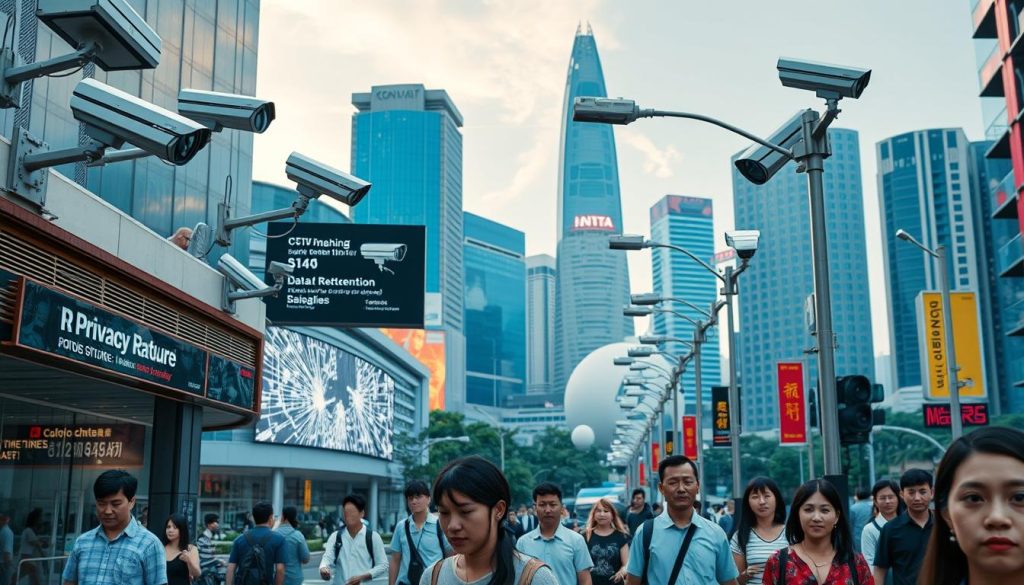
For those dealing with retail surveillance, getting advice from experts is wise. For the latest on CCTV solutions and deals, call CCTV Maintenance at +65 60135960.
Conclusion
In Singapore, the time you keep CCTV footage depends on laws, business needs, and new tech. Companies must know the rules about storing CCTV footage to follow the Personal Data Protection Act (PDPA). This helps them stay safe and meet legal standards.
As surveillance tech gets better, businesses need to keep up. Working with experts helps them handle CCTV footage well. This includes using the latest tech to protect their security.
For example, cameras like the Hikvision DS-2CD2185FWD-I show how important storage and quality are. They help you keep footage for as long as you need it.
If you want to improve your CCTV system, call CCTV Maintenance at +65 60135960. They can help you get the best security for your business. They keep up with the latest laws and tech.
FAQ
How long is CCTV footage kept in Singapore?
In Singapore, home CCTV footage is kept for about two weeks. But, businesses must keep footage for at least 30 days. This is according to the Media Development Authority’s guidelines.
What factors influence the CCTV footage retention period?
Several things affect how long CCTV footage is kept. These include the type of footage, its purpose, legal rules, and the technology used. Businesses usually need to keep footage longer than homes do.
What regulations govern CCTV footage storage in Singapore?
The Personal Data Protection Act (PDPA) sets rules for keeping CCTV footage in Singapore. It requires organizations to have clear policies on how long to keep footage, how to protect it, and privacy issues.
Are there specific retention requirements for different industries?
Yes, some industries like finance and retail have stricter rules for keeping CCTV footage. They need to follow specific guidelines to stay compliant.
What are the recommended practices for storing CCTV footage securely?
Experts suggest keeping footage for at least 30 days. They also recommend using secure storage, encrypting data, backing up regularly, and using strong passwords. This helps keep the footage safe.
What storage methods are commonly used for CCTV footage?
CCTV footage is mainly stored on Digital Video Recorders (DVR) for old cameras and Network Video Recorders (NVR) for newer ones. Cloud storage is also getting popular for its ease of use and access.
What are the consequences of non-compliance with footage retention regulations?
Not following CCTV storage rules can lead to big legal problems. This includes big fines and lawsuits. It shows how important it is to follow these rules.
How does camera resolution affect CCTV footage storage capacity?
Higher camera resolutions mean bigger files. This can increase storage costs and affect how long you can keep footage. It’s key to understand this to manage CCTV systems well.
What are the current trends in CCTV footage storage?
Nowadays, there’s a move towards cloud storage and automated systems. These help make data easier to access, ensure rules are followed, and reduce mistakes in keeping footage.
Will CCTV regulations change in the future?
It’s important for companies to watch for any changes in CCTV rules. This includes new privacy laws and tech advancements that might change how we store and manage footage.
Source Links
- https://web.securitysystem.com.sg/how-long-can-cctv-footage-be-kept/
- https://web.securitysystem.com.sg/cctv-law-singapore/
- https://www.d-ron.com/articles/cctv-cameras-in-singapore-for-offices/
- https://www.firstsolution.com.sg/blog/how-to-legally-install-cctvs-in-singapore/
- https://mediaonemarketing.com.sg/reasons-business-needs-surveillance-cameras-cctv-in-singapore/
- https://www.ismartcom.com/blog/pdpa-compliance-and-cctv-surveillance-legal-considerations-in-singapore/
- https://www.d-ron.com/articles/preschool-cctv-requirements/
- https://coruzant.com/security/navigating-the-legalities-of-cctv-installation-in-singapore/
- https://www.safetrolley.com/singapore-police-install-high-tech-cctv-cameras-fight-crime/?srsltid=AfmBOoo9LLm1liGCNBRuu_KB2ZfBgLpN-FHn4e_Nv6JJdDN-yeQ6DNpm
- https://www.channelnewsasia.com/singapore/police-cameras-tender-launched-double-number-200000-mid-2030s-3882691
- https://entrycare.com/cctv-law-singapore/
- https://www.privacy.com.sg/resources/cctv-law-singapore/
- https://www.secom.com.sg/products-services/cctv-surveillance-system.html
- https://www.channelnewsasia.com/singapore/90000-police-cameras-surveillance-crimes-2230176
- https://www.keydence.com/services/cctv-camera-security-surveillance
- https://www.pdpc.gov.sg/-/media/Files/PDPC/PDF-Files/Advisory-Guidelines/AG-on-Selected-Topics/Advisory-Guidelines-on-PDPA-for-Selected-Topics-310322.ashx?la=en
- https://www.police.gov.sg/-/media/Spf/Files/E-services/AE-Request-Forms/Safety-and-security-guidelines-For-EP.ashx
- https://www.cctvsg.net/cctv-footage/
- https://flussonic.com/blog/news/how-to-store-video-from-cctv-cameras/
- https://www.firstsolution.com.sg/choosing-the-best-storage-option-for-your-office-cctv/
- https://www.straitstimes.com/singapore/courts-crime/plan-to-install-over-200000-cctv-cameras-around-s-pore-delayed-to-mid-2030s-police
- https://www.cctv-camera.com.sg/articles/dos-and-donts-of-installing-a-cctv-system-in-singapore.html
- https://www.a1securitycameras.com/blog/security-cameras-keep-footage/?srsltid=AfmBOorhlbVlZM9JSHEf9fmj_0wesoY1BjfyxyuqG1qD87MalmVmfrXI
- https://www.edviston.com/site-security-camera-solutions-in-singapore/
- https://solink.com/resources/industry-insights/how-long-do-supermarkets-keep-cctv-footage/
- https://web.securitysystem.com.sg/cctv-camera-for-hdb-flat/
- https://www.pdpc.gov.sg/-/media/files/pdpc/pdf-files/advisory-guidelines/ag-on-selected-topics/advisory-guidelines-on-the-pdpa-for-selected-topics-(revised-may-2024).pdf
- https://www.firstsolution.com.sg/cctv-camera-surveillance-solution-for-warehouses/
- https://www.pdpc.gov.sg/-/media/Files/PDPC/PDF-Files/Sector-Specific-Advisory/Advisory-Guidelines-for-Management-Corporations—110319.pdf


