

Can I put CCTV outside my house Singapore? How-To
Enhancing residential security is a common concern for property owners. Many consider installing surveillance devices around their homes. Understanding local regulations is essential before beginning any project.
Over one million security cameras operate across the island nation. These systems help maintain safety in both public and private areas. Recent policy updates have simplified the process for certain installations.
Changes to HDB rules in 2023 made a significant difference. Corridor-facing devices no longer require prior approval from authorities. This development has made enhancing protection more accessible for residents.
This comprehensive guide explores the current legal framework. It balances the need for safety with important privacy considerations. Readers will learn about approval processes for different property types.
Practical advice on system selection and proper camera placement follows. The information helps maximize security benefits while respecting community standards. Alternatives to traditional setups will also be discussed.
Key Takeaways
- Recent HDB policy changes in 2023 simplified installation for corridor-facing cameras.
- Singapore’s regulatory framework balances security needs with privacy protections.
- Different property types (HDB, condos, landed homes) have distinct installation rules.
- Understanding approval processes from Town Councils and the PDPC is crucial.
- Proper camera placement and system selection maximize security effectiveness.
- Non-compliance with regulations can result in fines or legal action.
- Alternatives like smart doorbells offer additional security options.
Understanding Singapore’s CCTV Laws for Homeowners
The legal environment governing residential security systems in Singapore is multi-layered. Several key statutes and authorities create a framework that balances safety with privacy rights. Homeowners must understand this structure before planning any surveillance setup.
The Personal Data Protection Act (PDPA) and Residential Use
Singapore’s Personal Data Protection Act establishes rules for handling personal information. This legislation primarily regulates organizations rather than individual homeowners. Its focus is on commercial data collection practices.
Residential use of monitoring devices typically falls outside direct PDPA regulation. The act applies when recordings are used for business purposes. Home security for personal protection is generally exempt.
However, the principles of the data protection act still offer valuable guidance. Reasonable collection and respect for privacy remain important considerations. Footage capturing public spaces or neighbors’ properties requires careful handling.
Navigating the Community Disputes Resolution Act (CDRA)
The Community Disputes Resolution Act addresses conflicts between neighbors. This law becomes relevant when surveillance systems cause disputes. It defines a neighbor as someone within the same building or 100 meters.
The CDRA prohibits unreasonable interference with others’ enjoyment of their property. Cameras perceived as intrusive may trigger complaints under this legislation. The act establishes formal resolution mechanisms for such situations.
A specialized tribunal handles these cases through the Community Disputes Resolution Tribunal. This body can issue various orders to resolve conflicts. Remedies include compensation awards, device removal, or installation adjustments.
Key Authorities: Town Councils, HDB, and MCSTs
Different property types involve distinct regulatory bodies. Town Councils manage common areas in HDB estates. They enforce specific by-laws regarding installations in shared spaces.
Unauthorized devices in corridors or lift lobbies may face removal orders. Fines can reach significant amounts for violations. The Housing & Development Board sets overarching policies for public housing.
Condominium residents must consult their Management Corporation Strata Title. MCSTs establish and enforce building-specific rules. Landed property owners enjoy more flexibility but still must consider community standards.
Understanding which authority governs your property is essential. Each has distinct approval processes and requirements. Proper research prevents violations and potential legal complications.
Recent Rule Changes: What’s New Since May 2023
Significant regulatory updates in May 2023 transformed the landscape for residential surveillance in Singapore. These revisions specifically benefit homeowners in public housing. Understanding these modifications is essential for planning any security enhancement.
Simplified Rules for HDB Corridor-Facing Cameras
The most notable change eliminated prior approval requirements for corridor-facing devices. HDB residents can now install one such camera per household without formal permits. This policy shift recognizes the growing need for home protection in shared spaces.
Previously, homeowners faced a mandatory Town Council application process. The updated guidelines remove this bureaucratic hurdle entirely. Residents save considerable time and administrative effort under the new framework.
Despite this liberalization, important restrictions remain in place. Devices must not capture neighbors’ private spaces like doors or windows. Unauthorized setups in other common areas still risk substantial penalties.
Updated Guidelines for Smart Doorbells and Peephole Cameras
Smart doorbells with recording capabilities received explicit recognition in the May revisions. HDB classifies these as less intrusive monitoring devices. Internal installations typically bypass the approval process altogether.
Peephole cameras enjoy similar treatment under the updated framework. Their design minimizes privacy concerns compared to traditional surveillance systems. Homeowners appreciate this additional option for securing their entry points.
Certain configurations still require formal permission from authorities. External mounting or systems with audio recording features may need review. Always verify specific requirements before purchasing any security equipment.
How These Changes Impact Your Installation Plans
The rule modifications dramatically affect how residents approach home protection. Planning a security upgrade now involves fewer bureaucratic steps. Homeowners can proceed more quickly with compliant corridor-facing installations.
Reports indicate an 82% reduction in Town Council applications since implementation. This statistic highlights the policy’s practical impact on residents. The streamlined process makes enhancing safety more accessible than ever before.
Property valuers note a 2-3% premium for flats with proper security systems. Compliant installations represent both protection and potential investment value. These financial considerations add another dimension to home security planning.
Always position devices to monitor your property without infringing on others’ privacy. The Community Disputes Resolution Act still governs neighbor relations. Following updated guidelines helps maintain community harmony while achieving security purposes.
Property-Specific Rules: HDB, Condo, or Landed Home?
The framework for home security cameras differs across HDB flats, condominiums, and landed properties. Each housing type operates under distinct regulatory bodies and community guidelines. Understanding these differences ensures compliant installations that respect both security needs and privacy rights.
Public housing residents navigate specific protocols managed by Town Councils. Condominium dwellers must follow rules established by their Management Corporation Strata Title. Landed property owners enjoy more flexibility but still bear responsibility for neighborly considerations.
Installing CCTV Outside Your HDB Flat: The Core Rules
HDB flat owners face the most structured regulations for external surveillance. While corridor-facing devices no longer need pre-approval, other installations require official consent. The simplified rules apply only to one camera per household facing the immediate corridor area.
Specific angle restrictions protect neighbor privacy. Devices must not capture adjacent doors or windows. Proper positioning focuses solely on your own entryway and immediate surroundings.
For common areas beyond doorways, Town Council permission remains mandatory. These approvals typically grant temporary installation rights for up to six months. Renewal applications extend coverage for ongoing security purposes.
Residents seeking to install cctv in shared spaces must demonstrate legitimate security concerns. Documentation might include previous incident reports or neighborhood safety issues. The approval process evaluates both need and potential community impact.
Only one corridor-facing camera receives automatic permission under current guidelines. Additional devices require formal applications. This limitation balances individual security with shared corridor aesthetics.
Condominium Guidelines: Working With Your MCST
Condominium residents operate under Management Corporation Strata Title bylaws. These regulations vary significantly between different developments. Some properties prohibit external devices entirely to maintain architectural uniformity.
MCST rules frequently address camera placement in shared facilities. Nearly 90% of condo disputes involve surveillance capturing common areas. These include gyms, swimming pools, lobbies, and other communal spaces.
Owners must consult their specific development’s bylaws before planning any installation. Committee reviews often require detailed camera angle diagrams. Approval decisions typically take two to four weeks for board consideration.
The approval process evaluates how footage might capture shared property. Management committees balance security benefits against resident privacy concerns. Some developments permit only discrete, minimally visible devices.
Proper handling of personal data remains crucial in multi-unit buildings. Condo boards may establish specific data protection protocols for shared surveillance systems. These guidelines ensure compliant usage of any recorded material.
Landed Property: Greater Freedom with Responsibility
Landed homeowners enjoy the most installation freedom within Singapore’s framework. They can position cameras anywhere inside their property boundaries without external approval. This includes perimeter walls, driveways, and garden areas.
Despite this flexibility, responsible placement remains essential. Devices should avoid pointing at neighbors’ windows or private outdoor spaces. The Community Disputes Resolution Act still governs potential neighbor conflicts.
Professional assessments benefit multi-camera setups. Security service providers ensure optimal coverage while respecting spatial limits. Experts help position devices for maximum effectiveness without privacy violations.
Homeowners must still consider how their cctv footage might capture public sidewalks or adjacent properties. While legally permissible within boundaries, courteous positioning maintains community harmony. Angling devices slightly inward often achieves this balance.
Regular reviews of camera placement prevent accidental privacy breaches. Property modifications or vegetation growth might redirect surveillance angles over time. Periodic checks ensure continued compliance with all relevant regulations.
Yes, You Can Legally Install CCTV Outside Your House in Singapore
Homeowners seeking to enhance their property’s protection have clear legal pathways available. The straightforward answer is affirmative, provided specific procedures receive proper attention. Compliance transforms a security measure into a legally defensible asset.
Understanding your property type determines which rules apply. HDB residents follow different protocols than landed homeowners. Each category has distinct requirements for external surveillance devices.
The Critical Condition: Following the Correct Process
Legal installation hinges on understanding and adhering to property-specific regulations. These guidelines balance security needs with community privacy protections. Skipping steps creates vulnerabilities rather than solutions.
For HDB estates, residents must submit detailed plans showing camera angles. Coverage areas require clear documentation for approval. Some cases need a police report citing legitimate security concerns.
Applicants agree to remove equipment if neighbors file valid complaints. This condition maintains harmony in shared living spaces. The approval process serves as a protective filter.
Condominium owners work with their Management Corporation Strata Title. Each development establishes unique bylaws for surveillance equipment. Committee reviews often demand camera placement diagrams.
Landed property residents enjoy greater installation freedom. They still must consider the Community Disputes Resolution Act. Responsible positioning avoids conflicts with adjacent homeowners.
Proper procedure ensures surveillance footage remains admissible as evidence. Courts scrutinize how recordings were obtained and handled. Compliance strengthens legal standing during disputes.
Why Proper Procedure is Non-Negotiable
Singapore’s framework prioritizes both security and privacy rights. The Personal Data Protection Act principles guide responsible footage usage. Even residential recordings involve personal data considerations.
Non-compliance carries tangible consequences. Authorities may issue fines or removal orders. The Community Disputes Resolution Tribunal can mandate equipment adjustments.
Consider these essential reasons for following protocols:
- Legal defensibility: Properly approved systems withstand legal challenges
- Evidence integrity: Courts accept footage from compliant installations
- Community relations: Approved placements minimize neighbor disputes
- Continuous operation: Authorized devices avoid forced removal interruptions
- Privacy compliance: Correct positioning respects others’ personal spaces
A compliant security service installation actually enhances protection value. Uninterrupted monitoring provides consistent coverage. Legal vulnerabilities disappear when procedures receive proper attention.
The process complexity varies by residence type. HDB applications might involve Town Council reviews. Condo approvals require MCST committee decisions. Landed homeowners mainly self-regulate within legal boundaries.
Cutting corners undermines both security objectives and legal standing. Proper documentation creates a protective paper trail. This evidence proves due diligence if questions arise later.
Understanding that legal installation is possible but conditional empowers residents. Proactive security measures coexist with good community relations. Following established protocols achieves both objectives simultaneously.
Step 1: The Mandatory Town Council Approval Process
Securing authorization for external monitoring devices involves a structured application procedure. This mandatory step applies to all HDB residents planning surveillance in shared spaces. Each Town Council manages these requests for their respective estates.
Specific requirements may vary between different administrative bodies. For example, Ang Mo Kio Town Council has particular guidelines. Understanding these nuances ensures a smoother approval process.
Applications typically focus on common areas like corridors and lift lobbies. Residents must demonstrate legitimate needs for monitoring these spaces. The review balances individual security with community privacy rights.
When You Need a Police Report First
Certain situations require official documentation before submitting your request. A formal police report becomes necessary when citing specific security incidents. These include documented cases of harassment, vandalism, or theft.
This report provides concrete evidence supporting your surveillance needs. It transforms subjective concerns into objective justifications. Authorities review these documents to assess the legitimacy of each application.
Without such documentation, requests might face additional scrutiny. The police report establishes a clear record of previous issues. This strengthens your case for monitoring shared residential spaces.
Always file reports promptly after any security incident occurs. Timely documentation maintains accuracy and detail. These records become invaluable during the approval process.
Preparing Your Application: Required Documents
Successful submissions depend on thorough document preparation. Applicants must gather several essential items before starting. This preparation prevents delays and potential rejections.
The core package includes a completed application form from your Town Council. Scaled floor plans showing exact camera locations are mandatory. Technical specifications for all monitoring equipment must accompany the submission.
Additional requirements involve NRIC copies for identification purposes. Property diagrams should clearly mark proposed device positions. Any relevant incident reports should be included when available.
Consider these essential preparation steps:
- Obtain official application forms from your specific Town Council portal
- Create detailed diagrams showing camera angles and coverage zones
- Gather equipment specifications including resolution and features
- Prepare the police report if documenting security incidents
- Collect identification documents for all adult residents
Proper documentation demonstrates serious planning and responsibility. It shows respect for the review process and community standards. Complete packages typically receive faster processing times.
Submitting Your Request and Understanding the Timeline
Modern submission methods have streamlined the application procedure. Many Town Councils now offer digital portals for convenience. The OneService platform handles numerous requests across different estates.
Digital submission reduces paperwork and accelerates processing. Applicants receive immediate confirmation of their submission. This creates a clear audit trail for future reference.
The standard review period spans approximately seven to ten working days. This timeline may extend during peak periods like festive seasons. Understanding this schedule helps plan your installation timeline effectively.
Approval typically arrives with specific conditions attached. Camera angle restrictions protect neighbor privacy. Duration limits often cap temporary installations at six months.
Visible signage requirements might apply to approved devices. These notices inform visitors about active monitoring. They support transparency and data protection principles.
Rejected applications usually allow appeals within seven days. Revised plans addressing Council concerns can resubmit. Professional installer consultation often improves revised submissions.
Maintain all correspondence throughout the procedure. This documentation creates a valuable paper trail. It proves due diligence if questions arise later regarding your security setup.
Always wait for written consent before proceeding with any installation. Premature setups risk violations and potential penalties. Proper authorization ensures your surveillance system operates within legal boundaries.
The Community Disputes Resolution Act provides framework for potential neighbor conflicts. The disputes resolution tribunal handles formal complaints about monitoring devices. Understanding these mechanisms helps maintain community harmony.
Responsible handling of personal data remains crucial throughout. Footage used for legitimate security purposes requires proper management. Audio recording features need particular attention during planning.
Working with a licensed security service provider ensures professional implementation. They understand how to legally install monitoring systems. Their expertise helps comply pdpa requirements effectively.
Properly managed cctv footage maintains evidentiary integrity. This becomes important if recordings document incidents. Courts consider how data was collected and stored.
Step 2: Strategic Camera Placement for Security and Compliance
Strategic device placement transforms basic equipment into powerful security assets. Proper positioning doubles monitoring effectiveness while respecting legal boundaries. A 2023 survey shows 91% of residents support correctly positioned systems.
Thoughtful planning prevents neighbor disputes and maintains community harmony. This step ensures your investment delivers maximum protection value. Every angle decision impacts both security outcomes and privacy considerations.
Maximizing Coverage of Your Property Entry Points
Primary entryways demand focused surveillance attention. Main doors, gates, and ground-floor windows represent critical coverage zones. Position devices to capture clear facial recognition at optimal distances.
Driveway monitoring requires specific technical considerations. Cameras should capture license plates from approximately 15-foot distances. Appropriate resolution and lighting ensure readable identification details.
Ground-floor service areas often become vulnerability points. These locations benefit from dedicated monitoring attention. Proper coverage eliminates blind spots that intruders might exploit.
Multi-level residences need stairwell surveillance strategies. Devices should face downward to monitor movement between floors. This approach avoids capturing upper-level private spaces unnecessarily.
Avoiding Privacy-Sensitive Zones and Neighbor Disputes
Residential surveillance must respect personal boundaries. Neighbors’ windows, balconies, and bedrooms represent off-limits areas. The Personal Data Protection Commission advises against pointing devices toward bathrooms.
Shared condominium facilities require particular caution. Monitoring pools, gyms, or lobbies typically violates community standards. These spaces lack relevance to individual property security needs.
The Community Disputes Resolution Act provides legal framework for neighbor conflicts. This legislation addresses unreasonable interference with property enjoyment. Proper placement prevents complaints that could trigger tribunal proceedings.
Windows of adjacent properties create legal gray areas. Even indirect capture through reflection might raise privacy concerns. Angling devices away from neighboring residences demonstrates good practice.
The 45-Degree Angle Rule and Other Best Practices
HDB corridor-facing devices benefit from specific positioning guidelines. The 45-degree angle rule points equipment downward toward your doorstep. This approach monitors entryways while minimizing neighbor activity capture.
Mounting height recommendations range from 2.5 to 3 meters. This placement prevents tampering while maintaining effective coverage angles. Elevated positions also minimize visual obstruction in shared spaces.
Modern systems offer valuable privacy protection features. Masking technology automatically blurs sensitive areas in recorded footage. These tools demonstrate commitment to personal data protection principles.
Motion sensor zoning focuses recording on specific interest areas. Configuration reduces unnecessary capture of public spaces or adjacent properties. This efficiency supports data protection compliance efforts.
Consider these essential placement strategies:
- Entry focus: Direct primary cameras toward property access points
- Height optimization: Install between 8-10 feet for security and visibility
- Angle management: Use downward tilting to limit unnecessary coverage
- Boundary respect: Avoid pointing toward neighbors’ private spaces
- Technology utilization: Enable privacy masking and motion zoning features
Field of view selection impacts coverage effectiveness. A 130-degree angle typically covers walkways without excessive overlap. This balance provides security monitoring while respecting restricted zones.
Proper placement prevents disputes under the disputes resolution act. It also demonstrates efforts to comply pdpa guidelines for responsible data handling. These considerations strengthen your legal position regarding footage used for security purposes.
Working with a licensed security service provider ensures professional implementation. Their expertise helps legally install monitoring systems that maximize protection. Professional guidance often identifies optimal positions homeowners might overlook.
Step 3: Choosing the Right CCTV System and Features
The third step in establishing a compliant home monitoring setup involves selecting hardware that meets both security and legal standards. Modern systems offer diverse options tailored to different property requirements and Singapore’s climate.
Balancing technical specifications with practical considerations ensures reliable operation. This choice directly impacts the system’s evidentiary value and long-term performance.
Essential Technical Specs: Resolution, Night Vision, and Storage
Image resolution is critical for identification purposes. 4MP (1440p) cameras are now considered the standard for clear facial recognition.
Superior 4K (8MP) models provide exceptional detail for license plate reading. This enhanced clarity strengthens the value of cctv footage if needed for security purposes.
Effective night vision is non-negotiable for round-the-clock protection. Look for a minimum infrared range of 30 feet (10 meters).
Technologies like Dark Fighter enhance image clarity in near-total darkness. This ensures your surveillance remains effective after sunset.
Storage decisions involve balancing accessibility with control. Local Network Video Recorders (NVRs) with hard drives keep data on your property.
Cloud-based subscriptions offer remote access from any location. Hybrid systems provide a flexible combination of both storage methods.
Consider how long you need to retain recordings. Local storage gives you complete control over personal data management.
Weatherproofing and Durability for Outdoor Use
Singapore’s tropical climate demands robust equipment protection. An IP66 rating or higher is essential for outdoor cameras.
This certification guarantees resistance to heavy rain and dust ingress. It ensures consistent operation during monsoon seasons.
Durability extends beyond basic weatherproofing. Vandal-resistant housings protect accessible devices from tampering.
Wide temperature tolerance prevents malfunction during heatwaves. UV-resistant materials prevent casing degradation from constant sun exposure.
These features guarantee your investment provides long-term security. They prevent frequent replacements and maintenance issues.
Wired vs. Wireless: Pros and Cons for Singapore Homes
Wired systems deliver maximum reliability for power and data transmission. They provide uninterrupted operation without Wi-Fi dependency.
Professional installation is typically required to conceal cables safely. This creates a permanent, high-performance security infrastructure.
Wireless cctv cameras offer superior installation flexibility. They are ideal for renters or temporary monitoring needs.
These systems depend heavily on stable Wi-Fi network performance. Battery management becomes crucial for continuous operation without power outlets.
Consider these additional features for modern systems:
- Two-way audio allows communication through the camera.
- Smart home integration connects with other automated devices.
- Motion-activated recording conserves storage space efficiently.
- Privacy masking technology helps comply pdpa principles.
- Mobile app accessibility enables remote monitoring from smartphones.
The optimal choice depends on your property layout and technical comfort. A licensed security service provider can assess specific requirements.
Their consultation often reveals overlooked needs for different areas. Professional advice ensures you legally install an effective system.
Smart Doorbells and Peephole Cameras: A Legal Alternative?
Innovative security devices provide focused protection while minimizing visual impact on residential properties. These modern alternatives to traditional systems offer discreet monitoring of entry points. Homeowners appreciate their compact design and straightforward installation requirements.
Smart doorbells and digital peephole cameras represent evolving security technology. They typically combine video recording with motion detection capabilities. Many models include two-way communication features for enhanced interaction.
HDB’s View on Less Intrusive Devices
The Housing & Development Board classifies these compact monitoring tools as low-impact security options. This designation reflects their focused coverage of specific entryways rather than broad area surveillance. Internal installations within private units generally bypass formal approval processes.
HDB guidelines recognize smart doorbells as less intrusive than conventional surveillance systems. Their positioning directly on doors or adjacent walls minimizes privacy concerns. This approach aligns with principles of reasonable personal data protection.
Peephole cameras receive similar consideration under current regulations. Being installed directly on doors as part of the private unit, they typically don’t need Town Council approval. These devices must still respect neighbor privacy through proper positioning.
The classification acknowledges these tools’ limited field of view. They monitor immediate entry points without capturing extensive common corridor areas. This focused approach reduces potential conflicts under the Community Disputes Resolution Act.
When Approval is Still Required for Smart Doorbells
External mounting in shared spaces triggers different regulatory considerations. Devices installed on walls outside HDB units fall under common areas jurisdiction. Town Councils like Ang Mo Kio require formal requests for such placements.
The approval process evaluates how these tools might affect shared residential environments. Applications must demonstrate legitimate security needs for external mounting. Documentation sometimes includes previous incident reports supporting the request.
Audio recording capabilities introduce additional legal considerations. Capturing conversations without proper disclosure may violate privacy regulations. Smart doorbells with two-way communication require particular attention to consent issues.
Consider these situations requiring formal approval:
- Mounting devices on external building walls or shared structures
- Installations that capture portions of common corridors or walkways
- Systems with continuous audio recording features activated
- Placements potentially affecting neighbor privacy or property enjoyment
- Configurations that might conflict with building aesthetic guidelines
Proper documentation strengthens approval requests for external installations. Detailed diagrams showing exact device positioning help reviewers assess potential impacts. Technical specifications should accompany all submission materials.
Configuring Privacy Settings to Stay Compliant
Modern security devices offer sophisticated privacy protection features. These tools help homeowners comply pdpa principles while maintaining effective monitoring. Proper configuration transforms basic equipment into compliant security solutions.
Motion zone customization represents a crucial first step. Adjust sensitivity to focus detection on your property entry points. This minimizes unnecessary recording of public spaces or adjacent units.
Scheduled recording periods enhance privacy protection. Program devices to activate during specific hours of concern. This approach respects community quiet hours while maintaining security coverage.
Privacy masking technology automatically blurs sensitive areas in recorded footage. This feature demonstrates commitment to responsible data protection practices. It helps prevent accidental capture of neighbor activities.
Consider these essential configuration steps:
- Enable activity zones focused solely on your entryway
- Adjust motion sensitivity to avoid capturing routine passersby
- Schedule recording periods around typical security concern hours
- Activate privacy masking for adjacent windows or doors
- Disable continuous audio recording when not essential
- Regularly review footage to ensure proper configuration maintenance
Positioning adjustments further enhance compliance. Angle devices to focus primarily on your entryway rather than adjacent units. Downward tilting helps exclude unnecessary common corridor coverage.
These compact monitoring tools still fall under disputes resolution act provisions if neighbors perceive them as intrusive. Proper configuration and positioning prevent potential conflicts. They demonstrate respect for community privacy standards.
Regular privacy setting reviews ensure ongoing compliance. Technology updates or property modifications might affect original configurations. Periodic checks maintain alignment with evolving security purposes and privacy expectations.
Hiring a Professional Installer vs. DIY: What the Law Says
Deciding between professional installation and a do-it-yourself approach involves understanding specific legal requirements. The Private Security Industry Act establishes clear boundaries for security-related services. Homeowners must navigate these regulations when planning their surveillance setup.
The Private Security Industry Act (PSIA) License Requirement
The Private Security Industry Act mandates licensing for security service providers. Anyone offering professional installation services must hold a valid Security Service Provider license. This license is issued by the Police Licensing Office after rigorous vetting.
This regulation means homeowners cannot legally install systems for commercial purposes without proper credentials. The law distinguishes between personal use and professional services. DIY efforts for one’s own residence occupy a regulatory gray area.
Professional installers understand how to comply pdpa requirements for handling recorded material. They ensure systems respect personal data protection principles. Their expertise prevents violations that could trigger disputes resolution tribunal proceedings.
Benefits of Using a Licensed Security Service Provider
Licensed providers offer comprehensive expertise in compliant installations. They understand camera placement regulations and wiring standards. Their work ensures optimal system performance while respecting legal boundaries.
Professional installers typically provide warranty coverage on equipment and workmanship. Maintenance contracts include firmware updates and technical support. These services guarantee long-term reliability for your security investment.
Consider these advantages of professional installation:
- Proper cable concealment for safety and aesthetic appeal
- Optimal camera positioning for maximum coverage and compliance
- System configuration ensuring reliable 24/7 operation
- Expert navigation of complex approval processes
- Regulatory compliance reducing violation risks
These providers stay updated on regulatory changes affecting surveillance systems. They help homeowners avoid fines or forced removal orders. Their consultation addresses specific Town Council or MCST requirements.
Risks and Limitations of a Do-It-Yourself Approach
DIY installation carries significant risks despite apparent cost savings. Improper setup may violate housing regulations and void equipment warranties. Electrical work without proper training creates safety hazards.
Suboptimal system performance often results from amateur installations. Poorly positioned cameras miss critical coverage areas. Incorrect wiring can cause system failures during crucial moments.
Cctv footage from improperly installed systems may lack evidentiary quality. Courts scrutinize how recordings were obtained and handled. DIY setups often fail to meet legal standards for footage used in proceedings.
Consider these potential DIY pitfalls:
- Violation of common areas regulations in shared housing
- Improper handling of audio recording features
- Failure to obtain necessary police report documentation
- Inadequate protection of personal data in recorded material
- Non-compliance with Community Disputes Resolution Act provisions
Verification of installer credentials through the SPF’s online portal prevents liability issues. Working with unlicensed contractors creates legal vulnerabilities for homeowners.
While DIY seems cost-effective initially, corrections often prove expensive. Professional installation represents long-term value for residential security purposes. Licensed providers ensure systems operate within Singapore’s legal framework.
Homeowners should verify credentials before commissioning any work. The security service provider’s license number should be clearly displayed. This due diligence protects against regulatory complications.
Using CCTV Footage: From Security to Legal Evidence
The transition from live monitoring to courtroom evidence requires careful procedural steps. Recorded video serves a dual purpose. It provides immediate security alerts and becomes potential legal proof.
Singapore’s legal system increasingly relies on digital evidence. In 2020, surveillance recordings helped solve over 4,000 criminal cases nationwide. The Evidence Act sets strict rules for how this footage is handled.
Understanding these protocols protects your rights. It also ensures your security investment holds value in a dispute. Proper management turns a simple recording into a powerful tool.
Proper Handling and Storage for Evidentiary Integrity
Evidentiary integrity is the cornerstone of usable cctv footage. Courts demand an unbroken chain of custody from recording to presentation. Any gap can render the video inadmissible.
The chain of custody means documenting every person who accesses the file. Maintain a simple log with dates, times, and reasons for viewing. This proves the recording wasn’t altered or tampered with.
Timestamp and location verification are non-negotiable. Ensure your system’s time is synchronized accurately. The camera’s location data should be embedded in the file metadata.
Storage security is equally critical. Professional firms recommend AES-256 encryption for saved recordings. This military-grade standard prevents unauthorized access and data corruption.
Follow these storage best practices:
- Keep original files in a secure, password-protected location.
- Create redundant backups to prevent loss from hardware failure.
- Organize files with clear date/time indexing for quick retrieval.
- Set a retention period that balances operational needs with privacy.
A typical retention period is 30 to 90 days. This aligns with common investigative timelines. Retain footage longer if it relates to an ongoing police matter or dispute.
Responding to Requests from Law Enforcement
Officers may request your surveillance recordings during an investigation. Handle such requests through proper channels to protect everyone involved. Always verify the officer’s credentials first.
Ask for official identification and a contact number from their station. You can call the station to confirm their assignment. This step protects you from potential scams.
Document the request thoroughly. Note the officer’s name, badge number, the date and time of the request, and what specific footage they need. Record what you provided and when.
Providing a copy, not the original, is the standard procedure. This preserves the master file’s chain of custody. Clearly label the copy with the date it was created and for whom.
Requests related to common areas in HDB estates or condos may involve the Town Council or MCST. They might coordinate directly with authorities. Keep them informed if your private system captures shared spaces.
Remember principles of personal data protection. Footage used for law enforcement security purposes is typically exempt from certain consent rules. However, sharing with unauthorized parties violates the data protection act.
What to Do If You Capture a Crime or Dispute
Discovering an incident on your recording requires a calm, methodical response. Your actions in the first moments can be as important as the video itself. The goal is to preserve evidence and assist authorities effectively.
First, secure the original recording immediately. Do not edit, trim, or overwrite the file. Make a separate copy for your own review and for providing to police.
Document the incident yourself. Write down the exact timestamps, what you observed, and any relevant details. This personal account supports the digital evidence.
If the incident involves a neighbor, the Community Disputes Resolution Act may apply. The disputes resolution tribunal could request the footage. Before sharing, consider using redaction tools to blur identities of uninvolved parties.
Here is a clear action plan:
- Preserve: Lock the original file from automatic deletion.
- Copy: Create a working copy for review and sharing.
- Document: Note timestamps and write a brief description.
- Report: File a police report if a crime occurred.
- Share Securely: Provide the copy to verified authorities through a secure method.
Avoid the temptation to share the video on social media or messaging groups. Public disclosure can violate privacy laws and jeopardize an official investigation. It may also lead to penalties under the PDPA.
Properly managed recordings are invaluable. They can resolve conflicts, support insurance claims, and bring clarity to confusing situations. By following these procedures, you ensure your security system fulfills its complete potential.
Consequences of Non-Compliance: Fines and Penalties
Home surveillance installations that violate Singapore’s framework trigger enforcement actions with tangible consequences. Regulatory bodies actively monitor compliance across all residential property types. Understanding these penalties helps homeowners make informed security decisions.
Financial Penalties from Town Councils and the PDPC
Unauthorized devices in shared spaces face immediate financial repercussions. Town Councils impose fines reaching $5,000 for violations in common areas. These penalties address improper monitoring of corridors and lift lobbies.
The Personal Data Protection Commission handles serious privacy breaches. First-time offenders face maximum fines of $10,000 under the data protection act. Imprisonment for up to three years may accompany these financial penalties.
Business violations carry significantly heavier consequences. One security service provider paid $20,000 for mishandling client cctv footage. The company also received a mandate to establish proper data protection policies.
Condominium management committees enforce additional charges. Unapproved cameras may incur daily fines until removal occurs. These layered penalties demonstrate the seriousness of regulatory compliance.
Legal Orders from the Community Disputes Resolution Tribunal
The Community Disputes Resolution Tribunal addresses neighbor conflicts over surveillance. This specialized body handles 30-40 camera-related cases each month. Median resolution times average just 21 days for these disputes.
CDRT orders can require immediate device removal or adjustment. Compensation awards reach $20,000 for significant privacy infringements. The tribunal’s authority stems from the disputes resolution act.
Persistent offenders face equipment confiscation and application blacklisting. These measures prevent repeated violations in residential communities. The system prioritizes harmonious living over unchecked monitoring.
Insurance implications add another layer of risk. Policies may become void if unauthorized modifications cause damage. Liability coverage often excludes incidents related to non-compliant installations.
Case Studies of PDPA Violations and Outcomes
Real-world examples illustrate enforcement patterns. The Ang Mo Kio Town Council removed 17 unauthorized devices during 2022 alone. This demonstrates active monitoring of public housing estates.
A notable case involved Management Corporation Strata Title Plan No. 3593. The MCST received a $5,000 fine for unlawfully disclosing recorded footage. This violation of personal data protection principles resulted from poor security protocols.
Consider these documented outcomes:
- Repeat violations trigger escalating penalties with each subsequent offense
- Covert monitoring in private areas leads to immediate investigation
- Failure to secure stored video data constitutes a serious breach
- Proper documentation helps comply pdpa requirements during disputes
The disputes resolution tribunal emphasizes restorative solutions. Most cases resolve through mediated agreements rather than maximum penalties. This approach maintains community relationships while enforcing standards.
Compliance transforms security measures into protected assets. Following the approval process prevents these legal and financial risks. Responsible homeowners prioritize both protection and regulatory adherence.
Temporary vs. Permanent Installations: The 6-Month Rule
Home surveillance in shared spaces operates on a distinct timeline. The six-month rule creates a structured framework for temporary monitoring. This policy balances urgent security needs with long-term community harmony.
Approvals for common areas are not open-ended. They automatically expire after half a year. Residents must then choose between renewal or removal.
This system prevents permanent encroachment on shared property. It also encourages regular reviews of security arrangements. Understanding this cycle is key for continuous protection.
Understanding Temporary Approvals for HDB Common Areas
Temporary permissions address specific, time-bound security concerns. They are designed for incidents like ongoing vandalism or harassment. A documented police report often strengthens the application.
The Town Council grants these approvals with clear conditions. Cameras must adhere to strict angle and placement rules. Signage informing the public is usually mandatory.
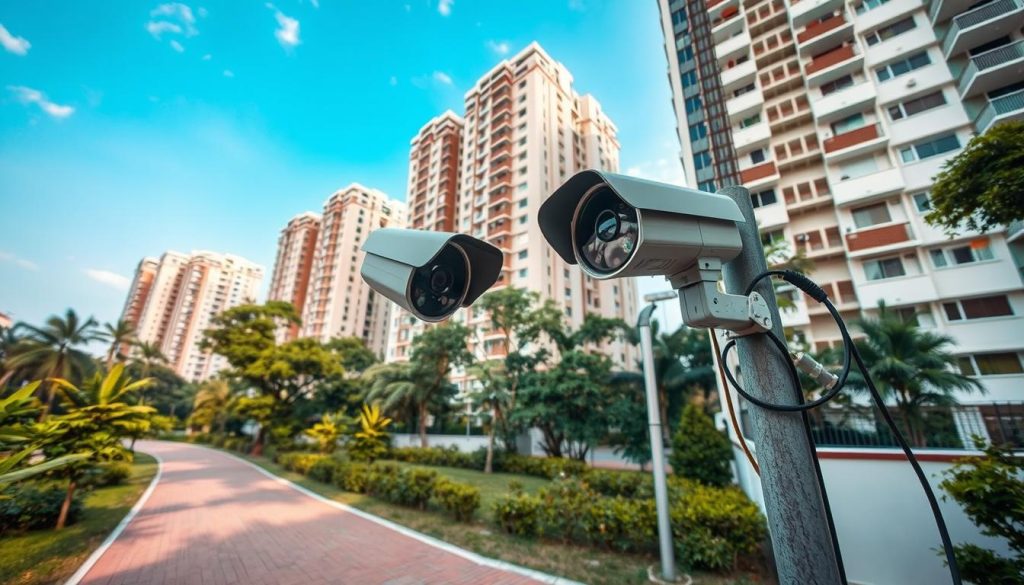
This approval is not a blanket license for general monitoring. Its scope is limited to the issue cited in the application. The six-month period allows for the resolution of the immediate threat.
Inspections are common during the final month of approval. Officials verify cameras still comply pdpa and other guidelines. They check for proper positioning and equipment condition.
The Renewal Process for Ongoing Surveillance Needs
If security concerns persist, renewal is possible. Homeowners must initiate this approval process at least 30 days before expiration. This prevents any gap in monitoring coverage.
The renewal request mirrors the initial application but requires proof of prior approval. Updated documentation shows the continued need for surveillance. Sometimes, a new incident report is necessary.
Consider these steps for a smooth renewal:
- Mark your calendar: Note the expiry date and set a reminder for 30 days prior.
- Gather evidence: Prepare any new reports or logs of incidents.
- Review placement: Ensure your installation still meets all angle and privacy rules.
- Submit early: Allow time for review and potential requests for adjustment.
Early application is crucial. It provides a buffer for Town Council review and avoids a lapse in your authorized security setup.
The goal is to demonstrate that the footage used still serves legitimate security purposes. Renewal is not automatic. It depends on proving an ongoing, documented need.
Proper Removal Procedures When Approval Expires
Choosing not to renew requires formal deinstallation. Residents must submit a removal certificate within seven working days. This document confirms all equipment is gone from common areas.
Simply turning off the cctv cameras is insufficient. The physical devices and all mounting hardware must be removed. Surfaces should be restored to their original condition.
Storage rules are strict. Removed equipment cannot be left in corridors or lift lobbies. It must be taken inside the private unit or properly disposed of.
Proper removal respects the shared environment. It also closes the official record of your temporary installation. This avoids potential fines for abandoned fixtures.
Transitioning to a within-unit system may be an option. This move involves a different pathway, as it’s considered a permanent solution on private property. It eliminates the need for periodic renewals.
Handling personal data during removal is also important. Any stored cctv footage from the shared space should be securely deleted. This practice aligns with data protection principles under the data protection act.
Following these procedures ensures you legally install and decommission systems responsibly. It maintains good standing with the Town Council and neighbors. This careful approach supports both security and community respect.
Securing Your Home Within Singapore’s Legal Framework
Responsible security enhancement merges technological solutions with legal compliance. Achieving this balance requires understanding regulations like the data protection act and respecting community standards. Proper planning ensures your monitoring system serves legitimate security purposes without infringing on others’ rights.
For business premises, the requirements under personal data protection laws are particularly complex. Consulting a data protection lawyer helps navigate these rules effectively. Professional advice prevents potential penalties and ensures compliant installation of surveillance cameras.
Whether opting for professional help or considering a DIY approach, the goal remains comprehensive property protection. Following established guidelines creates safer environments while maintaining Singapore’s community harmony.
FAQ
Does the Personal Data Protection Act (PDPA) apply to residential CCTV?
Yes, the PDPA applies when your camera captures footage of individuals beyond your own household, such as neighbors or delivery personnel. This means you must notify people about the surveillance, use the footage only for security purposes, and protect the recorded data. Non-compliance can lead to significant fines from the Personal Data Protection Commission.
Do I need approval from my Town Council or MCST to install an outdoor camera?
Absolutely. For HDB flats and condominiums, you must obtain written permission from your Ang Mo Kio Town Council or respective Managing Corporation Strata Title (MCST). Installation on common property like corridors or exterior walls without approval is illegal and can result in removal orders and fines.
What are the key rule changes that took effect in May 2023?
The updated guidelines simplified the approval process for corridor-facing devices. For HDB residents, cameras must now be installed at a 45-degree angle to focus on your own front door, minimizing intrusion into common areas and neighbors’ privacy. Smart doorbell and peephole camera rules were also clarified.
Can CCTV footage be used as evidence in a dispute or police report?
A> Recordings can be vital evidence. For legal integrity, maintain the original, unedited footage with accurate timestamps. You can provide it to law enforcement if you capture a crime. In neighbor disputes, footage may be submitted to the Community Disputes Resolution Tribunal under the Disputes Resolution Act.
Is audio recording permitted with my outdoor surveillance system?
Audio recording raises greater privacy concerns under the PDPA. It is strongly discouraged and often prohibited by Town Council and MCST guidelines. Disabling the audio function on your camera or doorbell is a best practice to avoid legal complications and potential breaches of the Data Protection Act.
What happens if I install a camera without following the proper process?
Non-compliance carries serious consequences. You may face financial penalties from authorities, legal orders to remove the device from the Community Disputes Resolution Tribunal, and potential lawsuits from affected neighbors for invasion of privacy. Always secure approval first.
Do I need a licensed security service provider to install my home CCTV?
According to the Private Security Industry Act (PSIA), any individual or company providing security system installation as a service must hold a valid license. While a DIY installation for your own home is typically allowed, hiring a licensed professional ensures technical compliance and often simplifies the approval process with your Town Council.


