
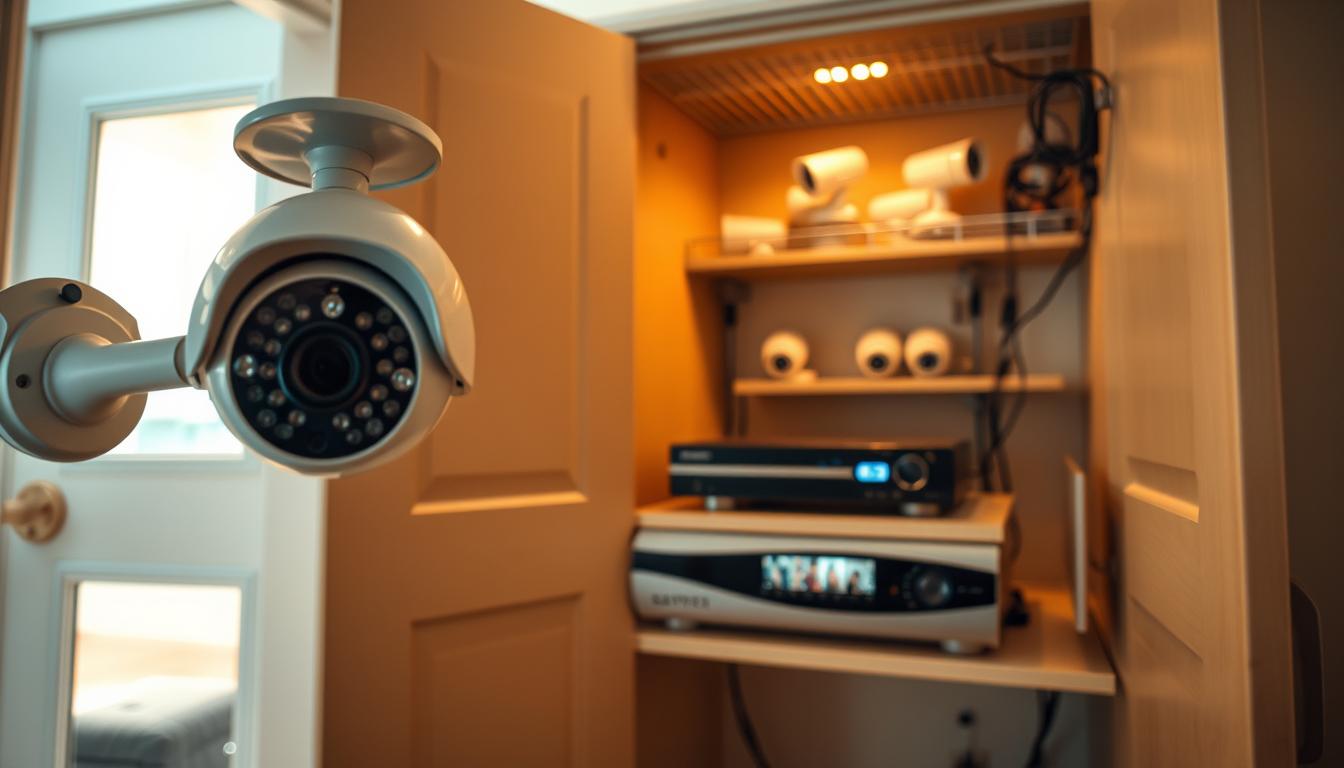
Can CCTV Run Without Internet? Explained
Protecting property in Singapore has become increasingly vital. Recent crime statistics show theft rose by over 25% in early 2023. This makes reliable security measures essential for every homeowner and business.
Many people ask about surveillance options that don’t need WiFi. Modern technology provides excellent solutions for monitoring without constant connectivity. These systems offer robust protection against theft and vandalism.
Offline security cameras function independently using local storage. They record footage directly to onboard devices like SD cards or network video recorders. This approach ensures continuous operation even during network outages.
Singapore’s unique environment requires tailored security approaches. Humidity, rain, and urban settings influence equipment choices. Fortunately, various durable systems work perfectly in local conditions.
This guide explores how surveillance technology operates independently. We’ll examine installation methods, benefits, and important considerations. You’ll discover practical options for keeping your property secure.
Key Takeaways
- Modern surveillance technology operates effectively without constant internet access.
- Local storage solutions like SD cards and NVRs enable offline recording.
- Singapore’s rising crime rates make reliable security systems essential.
- Offline cameras provide continuous monitoring during network disruptions.
- Various durable equipment options suit Singapore’s climate and urban environment.
- Proper installation ensures optimal performance of independent security systems.
- Understanding local regulations helps select compliant surveillance solutions.
Understanding CCTV and Internet Dependency
At its core, CCTV is a dedicated visual monitoring setup. It transmits video signals to specific monitors. This creates a private surveillance network.
Traditional setups use analog cameras. These devices connect to a Digital Video Recorder (DVR). Coaxial cables carry the signal. HD-over-Coax systems offer better picture quality.
IP cameras represent a major shift. They digitize footage at the source. Data travels over a computer network. This allows for high-resolution images and advanced analytics.
What is CCTV and How Does It Typically Work?
A basic system includes several key parts. Cameras capture the scene. Cables link them to a recording unit. A monitor displays the live feed.
Older analog models send a continuous stream. Modern digital units compress the data. This saves storage space on hard drives.
Hybrid solutions combine both technologies. They offer flexibility in installation. You can upgrade components over time.
The Role of Internet Connectivity in Modern Surveillance
Today’s security landscape often assumes online access. Many devices connect via WiFi. This enables features like remote viewing and instant notifications.
Live streaming to a smartphone app requires a stable link. Cloud backups also depend on this infrastructure. Smart integrations with other devices create a seamless experience.
This reliance shapes expectations for constant monitoring. It highlights a key difference from older, standalone recorders. Network access expands what is possible.
Can CCTV Run Without Internet? The Definitive Answer
Contrary to popular belief, visual monitoring setups maintain core functions offline. Surveillance equipment absolutely operates independently of web connectivity. Multiple technological pathways ensure continuous property protection.
Traditional wired configurations were designed long before WiFi became standard. These setups use coaxial cables to transmit footage directly to recorders. The entire process happens within a closed, private circuit.
Digital Video Recorders (DVRs) and Network Video Recorders (NVRs) enable this local recording. They save video data to internal hard drives without external internet access. This approach guarantees operation during network outages.
Cellular-based security cameras represent another innovative solution. They utilize Singapore’s robust 3G, 4G, and 5G mobile data networks instead of WiFi. This provides monitoring capabilities in areas lacking fixed-line infrastructure.
Many modern IP cameras work with built-in MicroSD card slots. They capture motion-triggered events directly to onboard storage when disconnected. Retrieving footage simply requires removing the memory card.
Hybrid systems offer the best of both worlds. They function online for remote features but switch automatically to local recording. This fail-safe mechanism maintains surveillance during connectivity loss.
The fundamental purpose of surveillance—capturing visual evidence—doesn’t inherently require an internet connection. Local storage solutions have reliably served this function for decades.
Common misconceptions suggest all modern security gear needs constant web access. In reality, many systems preserve essential recording functions offline. Network features like remote viewing are enhancements, not requirements.
Singapore presents excellent real-world applications for these technologies. Rural properties in Lim Chu Kang use cellular cameras where broadband is unreliable. Industrial estates in Tuas employ NVR-based setups for robust, uninterrupted monitoring.
Businesses along Changi’s coastal areas benefit from SD card storage during storms that disrupt networks. These examples demonstrate practical offline surveillance across diverse Singaporean environments.
Choosing between connected and independent security cameras involves several factors. Property layout, location, and specific monitoring needs all influence the decision. Professional installation guidance helps determine the optimal approach for your situation.
The recording function of cctv cameras operates through various technological means. Local storage, cellular transmission, and hybrid operation all achieve the same fundamental goal. Your property’s protection doesn’t depend on a single method.
Ultimately, multiple reliable solutions exist for monitoring cameras without web dependency. The technology has evolved to address diverse connectivity scenarios. Property owners have flexible options to match their specific circumstances.
Core Methods for Offline CCTV Operation
Three primary methodologies enable surveillance equipment to function independently of web connectivity. Each approach offers distinct advantages for different property types and locations. Understanding these options helps you select the right solution.
Local Storage with DVR and NVR Systems
Digital Video Recorder (DVR) setups represent traditional surveillance architecture. They connect to analog cameras using coaxial cables. Footage transmits directly to the recorder’s internal hard drives.
Network Video Recorder (NVR) systems work with modern IP cameras. These devices manage digital video streams within a private network. Both configurations create self-contained monitoring environments.
Key features of these local storage solutions include:
- Continuous operation during broadband outages
- High-capacity internal drives for extended recording periods
- Direct camera-to-recorder communication via cables
- Superior video quality with NVR-based IP cameras
These systems form complete surveillance ecosystems. They require no external network connection for basic recording functions. Installation involves physical wiring between components.
Cellular (4G/LTE) Security Cameras
Mobile network-based security cameras utilize Singapore’s extensive cellular infrastructure. Devices like Reolink Go and Arlo Go contain built-in SIM card slots. They transmit alerts and enable live viewing through cellular networks.
These cameras without WiFi dependency offer unique advantages. They function anywhere with mobile signal coverage. Remote properties in Lim Chu Kang or industrial zones benefit greatly.
Cellular operation involves several considerations:
- Requires active SIM card with data plan subscription
- Depends on local mobile network signal strength
- Enables true remote monitoring from any location
- Provides surveillance where traditional internet isn’t available
Cellular cameras bridge the gap in areas lacking fixed-line infrastructure, making them ideal for construction sites, rural properties, and temporary installations across Singapore.
On-Device Storage: MicroSD Cards
Many modern IP cameras feature built-in MicroSD card slots. This allows direct storage of captured footage on the device itself. The approach eliminates dependency on external recorders.
Recording modes can be customized to match specific needs. Options include continuous 24/7 capture, scheduled periods, or motion-activated events. This flexibility optimizes storage space usage.
MicroSD cards offer several practical benefits:
- Simplified installation with fewer components
- Easy data retrieval by removing the memory card
- Continued operation during network disruptions
- Cost-effective solution for smaller properties
Storage capacity varies by card size. Higher-resolution video requires more space. Regular maintenance ensures reliable performance.
Hybrid systems combine multiple methods for enhanced reliability. A property might use NVR storage as primary with cellular backup. This layered approach provides redundancy.
Singapore’s tropical climate affects equipment choices. High humidity demands weather-resistant components. Proper installation protects storage devices from environmental factors.
Selecting between these core methods depends on specific requirements. Property size, location, and monitoring needs all influence the decision. Each approach delivers reliable offline surveillance capabilities.
Key Benefits of Choosing a Non-WiFi CCTV System
Independent monitoring solutions offer unique value propositions that connected systems cannot match in certain scenarios. These standalone configurations deliver tangible advantages for specific property protection needs across Singapore.
From enhanced privacy to operational reliability, offline surveillance addresses practical challenges faced by homeowners and businesses. The benefits extend beyond mere connectivity alternatives to create robust security frameworks.
Enhanced Security and Reduced Hacking Risk
Standalone security cameras significantly minimize cyber attack vulnerabilities. Since they operate outside web networks, common hacking entry points simply don’t exist. This creates a fundamentally more secure monitoring environment.
Privacy protection reaches higher levels with locally stored footage. Visual data remains within physical storage devices rather than transmitting across potentially insecure networks. You maintain complete control over who views recorded material.
Data sovereignty becomes straightforward with these systems. Your property’s surveillance records stay physically accessible on your premises. Third-party cloud servers never handle sensitive visual information.
“Offline surveillance eliminates the digital attack surface that plagues internet-connected systems, providing peace of mind that footage remains private and secure.”
Compliance with Singapore’s data protection regulations often proves easier. Information doesn’t cross international boundaries or cloud infrastructures. This simplifies adherence to local privacy requirements.
Reliable Surveillance in Remote or Low-Connectivity Areas
Offline monitoring delivers consistent performance where web connections falter. Rural properties in Lim Chu Kang benefit from this reliability. Construction sites and offshore facilities maintain uninterrupted oversight.
Operational independence shines during network disruptions. Internet service provider outages don’t affect these standalone cctv systems. Infrastructure maintenance periods become irrelevant to your property’s protection.
Installation flexibility expands significantly with cameras without WiFi dependency. You can place equipment where signals are weak or running cables proves impractical. This enables optimal coverage for challenging layouts.
Bandwidth consumption concerns disappear entirely. These systems don’t compete with other devices for network resources. Homes and businesses with multiple connected gadgets experience no performance degradation.
No Ongoing Internet or Cloud Subscription Fees
Financial savings accumulate quickly when eliminating monthly service charges. Cloud storage subscriptions become unnecessary expenses. Homeowners and businesses enjoy long-term cost reductions.
Battery-powered security cameras provide uninterrupted operation during power outages. They continue functioning when other systems might fail. This creates an additional layer of reliability for critical situations.
The absence of recurring fees makes budgeting predictable. You avoid unexpected price increases from service providers. Total cost of ownership becomes transparent from the initial purchase.
Security investments deliver better returns without ongoing expenses. Funds saved on subscriptions can enhance other protection measures. This creates a more comprehensive safety approach for your property.
Singapore’s diverse environments benefit from these economical solutions. Urban residences and commercial establishments alike appreciate the financial predictability. The value proposition strengthens over time as savings compound.
Potential Challenges and Limitations to Consider
Property owners considering independent monitoring should weigh several practical limitations. These standalone cctv systems offer excellent reliability but require understanding their operational boundaries. Acknowledging these factors ensures you select the right solution for Singaporean properties.
Every security approach involves trade-offs between features and functionality. Offline configurations excel in certain areas while presenting challenges in others. This balanced perspective helps you make informed decisions about your property’s protection.
Limited Remote Access and Real-Time Alerts
The most significant constraint involves remote access capabilities. Standalone systems typically prevent viewing live feeds from smartphones when you’re away. Reviewing recorded footage requires physical presence at the property.
Real-time alerts for motion detection become unavailable without network connection. Property owners must manually check recordings to identify security incidents. This reactive approach differs from the proactive notification systems of connected cameras.
Centralized monitoring of multiple locations proves challenging with completely offline setups. Each property requires separate physical checks rather than unified digital oversight. Businesses with several premises face logistical hurdles with this approach.
“The absence of instant notifications means security incidents are discovered after the fact rather than as they occur, requiring different response protocols for property owners.”
Dependence on Physical Storage and Manual Retrieval
Local storage devices like DVR units and NVR recorders become single points of failure. If hard drives malfunction or reach capacity, recorded data may be lost permanently. Regular maintenance and backup procedures are essential safeguards.
Retrieving specific footage involves navigating local storage interfaces manually. This process consumes more time than cloud-based search functions. Finding particular events requires reviewing hours of recordings in some cases.
Storage capacity limitations demand careful management. Higher-resolution cameras fill storage devices faster than lower-quality models. Property owners must balance video quality with available recording duration.
Scalability presents another consideration. Adding cameras without upgrading recording equipment may overwhelm existing systems. Some standalone configurations have fixed channel limits that restrict expansion.
Installation Complexity for Wired Systems
Wired security cameras require extensive physical installation work. Running cables through Singaporean buildings often involves drilling through walls and concealing wiring. Outdoor installations demand weatherproof conduits and proper sealing against tropical humidity.
Professional assistance becomes necessary for complex layouts. Multi-story residences and commercial properties present particular challenges. The initial setup costs for comprehensive wired cctv systems can be substantial.
Maintenance requirements increase with standalone configurations. Regular cleaning of camera lenses ensures clear video capture in Singapore’s urban environment. Storage device health checks prevent unexpected failures that could compromise security.
Power supply reliability becomes critical for continuous operation. Battery-powered options require regular replacement or recharging. Wired systems need uninterrupted electrical connections to maintain surveillance coverage.
Software updates present another challenge for equipment operating without internet. Connected cameras receive automatic patches for vulnerabilities. Standalone devices may require manual updating through physical access to each component.
Despite these limitations, practical solutions exist for Singaporean users. Hybrid approaches combining local storage with occasional connectivity for updates offer balanced functionality. Regular maintenance schedules and proper installation mitigate many potential issues.
Understanding these constraints helps property owners implement effective workarounds. Proper planning addresses most challenges associated with independent monitoring systems. The reliability benefits often outweigh these manageable limitations for many applications.
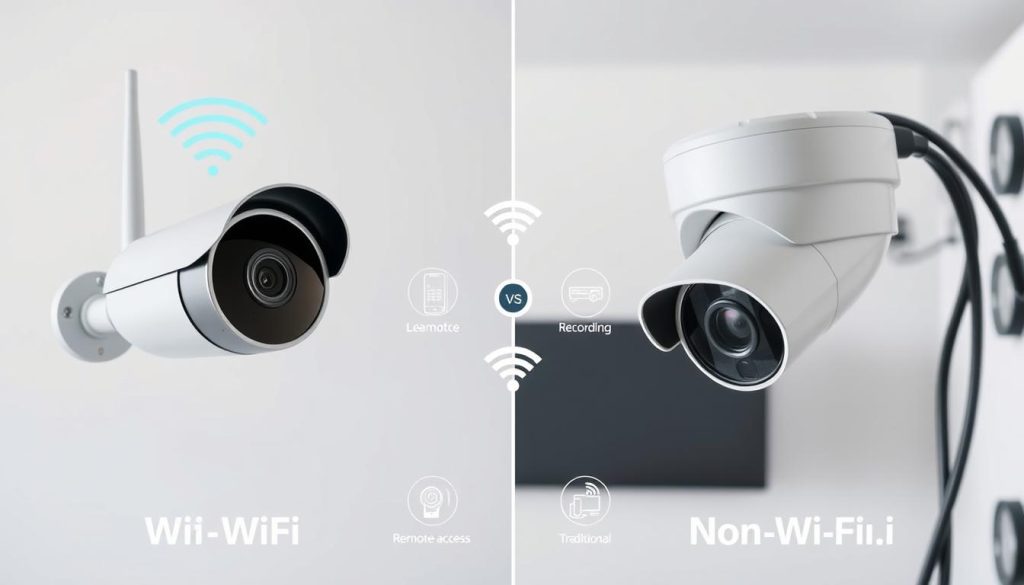
WiFi vs. Non-WiFi CCTV: Choosing the Right Solution
Modern security requires matching technology to specific property needs. Each approach offers distinct advantages for different situations. Understanding these differences ensures optimal protection for Singaporean homes and businesses.
Connected and standalone systems serve complementary roles in property protection. The right selection depends on location, lifestyle, and security priorities. This comparison clarifies which solution fits various scenarios.
When an Internet-Connected System is the Best Fit
WiFi-enabled security cameras excel in properties with reliable high-speed internet access. They provide instant notifications and live viewing from anywhere. This real-time monitoring capability transforms property protection.
Tech-savvy homeowners appreciate smartphone integration. Mobile apps deliver push alerts for motion detection. Live streaming enables immediate response to potential security incidents.
Properties with existing network infrastructure benefit from easier installation. Wireless cameras reduce cable clutter throughout the home. This streamlined setup works well in completed buildings where wiring proves challenging.
Businesses managing multiple locations gain significant advantages. Centralized monitoring platforms display feeds from various sites simultaneously. Managers maintain oversight without physical presence at each property.
“For a retail chain with stores across Singapore, WiFi-connected systems enable headquarters staff to monitor all locations from a single dashboard, improving response times to incidents.”
Urban residences in areas like Orchard Road or Marina Bay typically enjoy excellent connectivity. These environments suit connected systems perfectly. The infrastructure supports constant data transmission without interruption.
When an Offline CCTV System Makes More Sense
Standalone configurations prove ideal for locations with unreliable networks. Rural properties in Lim Chu Kang often face connectivity challenges. These areas benefit from independent operation.
Security-sensitive applications demand minimized hacking risks. Financial institutions and research facilities prioritize data protection. Offline cctv systems eliminate digital attack vectors completely.
Budget-conscious installations avoid ongoing subscription fees. The absence of monthly cloud storage charges reduces long-term costs. This financial predictability appeals to many homeowners and small businesses.
Construction sites represent perfect candidates for standalone solutions. Temporary locations lack established network infrastructure. Cellular-based cameras provide reliable monitoring during project durations.
Hybrid approaches combine the best of both technologies. Primarily offline systems maintain local recording as standard operation. They establish occasional connections for firmware updates or emergency remote access.
Transitional strategies offer flexibility for evolving needs. Properties can start with basic standalone configurations. Adding network video capabilities later becomes simple when requirements change.
Singapore’s diverse landscape influences these decisions significantly:
- Urban condominiums often favor connected systems for resident convenience
- Industrial estates in Tuas frequently choose robust offline configurations
- Coastal properties may select cellular options during storm seasons
- Heritage buildings sometimes prefer minimal wiring approaches
Decision frameworks help evaluate specific needs against system capabilities. Consider these factors for your property:
- Reliability of local internet infrastructure
- Required response time to security incidents
- Technical comfort level with mobile applications
- Budget for initial setup and ongoing expenses
- Physical layout and wiring feasibility
- Data sensitivity and privacy requirements
Common misconceptions require clarification. “Offline” doesn’t mean “outdated” technology. Modern standalone systems offer advanced features like high-resolution recording and intelligent motion detection.
Similarly, “connected” doesn’t automatically mean “vulnerable.” Properly configured WiFi security cameras with strong encryption provide excellent protection. The key lies in correct implementation and maintenance.
Real-world examples demonstrate practical applications. A jewelry store in Raffles Place uses offline recording for sensitive areas. Their display windows employ connected cameras for customer behavior analysis.
A vegetable farm in Kranji utilizes cellular networks for perimeter security. Their remote location makes traditional internet connection impractical. The mobile data solution provides reliable coverage.
These varied options ensure every Singaporean property finds suitable protection. The choice ultimately depends on specific circumstances rather than universal rules. Professional assessment helps determine the optimal balance for your situation.
How to Set Up Your Offline CCTV System
A successful offline security installation begins with thorough planning before any equipment is mounted. Following a structured approach ensures your property receives comprehensive protection. This three-step guide covers everything from initial placement to final configuration.
Each phase builds upon the previous one for optimal results. Careful execution prevents common installation mistakes. Your completed system will provide reliable surveillance for years.
Step 1: Planning Camera Placement and Coverage
Strategic positioning forms the foundation of effective property monitoring. Begin by sketching your property’s layout on paper. Identify all entry points including doors, windows, and gates.
Vulnerable areas deserve special attention. These include secluded corners, storage spaces, and perimeter boundaries. Consider how lighting changes throughout the day and night.
Singaporean architecture presents unique challenges. HDB concrete walls require specific mounting techniques. Landed property exteriors need weather-resistant installation methods.
Create a surveillance plan that minimizes blind spots. Position cameras to cover approach paths rather than just doorways. Ensure sightlines remain unobstructed by vegetation or structures.
Test potential locations before permanent installation. Use temporary mounts to verify camera angles. Check for glare from reflective surfaces during different time periods.
“The most sophisticated security equipment becomes useless if placed incorrectly. Proper camera positioning captures actionable footage rather than just recording empty spaces.”
Consider these factors for optimal placement:
- Entry points: Cover all doors, windows, and access ways
- Vulnerable zones: Monitor storage areas, secluded corners
- Lighting conditions: Account for day/night variations
- Obstructions: Avoid blocking by plants or structures
- Height placement: Mount at 8-10 feet for optimal coverage
Singapore’s urban environment requires additional considerations. Nearby buildings might create surveillance shadows. Street lighting can affect night vision capabilities.
Step 2: Selecting and Installing Your Storage Hub
Your recording infrastructure determines how long footage remains available. Calculate storage needs based on resolution requirements and retention periods. Higher quality video consumes more space quickly.
MicroSD cards offer simplicity for smaller setups. They slot directly into compatible security cameras. Regular capacity checks prevent unexpected storage exhaustion.
Network Video Recorder (NVR) systems provide centralized management. They connect to IP cctv cameras via Ethernet cables. These units typically include large internal hard drives.
Digital Video Recorder (DVR) configurations work with analog devices. They use coaxial cables for signal transmission. Both NVR and DVR systems offer expandable storage options.
Install your chosen storage hub in a secure location. Protect it from environmental factors like humidity and dust. Ensure adequate ventilation prevents overheating.
Wiring requires careful planning for offline installations. Use conduits to protect cables from Singapore’s tropical weather. Weatherproof connections prevent moisture damage.
Power supply planning ensures continuous operation. Consider battery backups for critical surveillance areas. Direct electrical connections provide the most reliable performance.
Physical security for your storage hub matters. Place it in a locked cabinet or secured room. This prevents unauthorized access to recorded footage.
For temporary monitoring setups, consider cellular devices. They transmit data via mobile networks instead of local storage. This approach works well for construction sites.
Step 3: Configuring Recording Settings and Schedules
Proper configuration maximizes storage efficiency and surveillance effectiveness. Begin with resolution settings that match your monitoring needs. Higher resolution provides clearer identification but uses more space.
Frame rate adjustments balance smooth video with storage conservation. Twenty-five frames per second captures fluid movement. Lower rates save significant storage capacity.
Compression settings dramatically affect file sizes. Modern codecs like H.265 provide excellent quality at reduced sizes. Experiment with different compression levels during testing.
Motion detection sensitivity requires careful calibration. Set thresholds that capture relevant activity while ignoring minor movements. Trees swaying in wind shouldn’t trigger constant recording.
Create intelligent recording schedules that match property usage patterns. Program different settings for weekdays versus weekends. Nighttime recording might use different parameters than daytime monitoring.
Establish zones within camera views for targeted surveillance. Mark specific areas where motion should trigger alerts. This reduces false notifications from unimportant sections.
Testing procedures verify all components function correctly. Check video quality from each camera position. Confirm storage systems properly save captured footage.
Regular maintenance ensures long-term reliability. Clean camera lenses monthly to maintain clear images. Check cable integrity during seasonal weather changes.
Storage device health monitoring prevents unexpected failures. Most modern systems include diagnostic features. Schedule monthly checks of available capacity.
Backup procedures protect against data loss. Consider periodic transfers to external drives for important footage. This creates redundancy in your surveillance archive.
Final verification completes the installation process. Walk through your property while monitoring live feeds. Confirm all critical areas receive adequate coverage.
Make sure to document your configuration settings. Keep records of camera positions and wiring diagrams. This information proves valuable for future maintenance or expansion.
Top CCTV Camera Models for Offline Use in Singapore
2: Keyword Usage {name_analysis:
-7e and its-10. . The image link”c.0. E.g.
A Buyer’s Guide: Selecting Your Offline CCTV System
Making an informed purchase decision for independent monitoring involves analyzing multiple technical specifications. This process ensures your investment delivers reliable protection tailored to Singaporean conditions.
Property owners face numerous options when choosing standalone security equipment. Each selection impacts surveillance effectiveness and long-term satisfaction. A methodical evaluation approach simplifies this complex decision.
Assessing Your Property’s Layout and Needs
Begin with a thorough walkthrough of your premises. Identify all potential entry points requiring coverage. These include doors, windows, gates, and less obvious access routes.
Singapore’s diverse architecture influences placement strategies. HDB flats need different approaches than landed properties. Consider sightlines, lighting conditions, and potential obstructions.
Create a detailed requirements checklist covering essential features. Prioritize must-have capabilities over nice-to-have extras. This focused approach prevents overspending on unnecessary functions.
Future expansion possibilities deserve consideration during initial planning. Your security needs may evolve over time. Selecting scalable systems accommodates growth without complete replacement.
Key Specifications: Resolution, Storage, and Power
Image clarity determines identification capability in recorded footage. Resolution options range from standard HD to ultra-clear 4K. Higher megapixel counts capture finer details for evidence purposes.
Storage capacity calculations depend on recording quality and retention periods. More cameras and higher resolution demand larger storage solutions. Calculate needs based on your surveillance schedule.
Power requirements vary between system types. Wired configurations need stable electrical connections. Battery-powered devices offer placement flexibility but require maintenance.
Camera selection should match specific surveillance objectives. Fixed models provide consistent coverage of defined areas. Varifocal lenses allow adjustment without physical repositioning.
Pan-tilt-zoom units offer dynamic monitoring of large spaces. Specialized models excel in low-light conditions common in Singapore’s urban environment. Each type serves distinct protective functions.
Storage solutions present another critical decision point. DVR systems work with traditional analog cameras. NVR configurations manage digital IP devices more efficiently.
Local storage keeps footage physically accessible on your premises. Network-attached options provide centralized management for multiple locations. Redundancy features protect against data loss.
The Importance of Professional Installation and Support
Expert installation maximizes system performance from day one. Professionals understand optimal camera positioning for complete coverage. They avoid common mistakes that compromise surveillance effectiveness.
Proper cable management ensures longevity in Singapore’s humid climate. Weatherproof connections prevent moisture damage to sensitive components. Neat installations maintain property aesthetics while ensuring functionality.
System configuration requires technical knowledge many homeowners lack. Professionals optimize recording schedules and motion detection sensitivity. They establish appropriate alert thresholds and storage management protocols.
“A properly installed security system performs reliably for years, while DIY attempts often lead to coverage gaps and premature equipment failure,” notes a Singapore-based security consultant.
Post-installation support provides ongoing value for your investment. Warranty services protect against manufacturing defects. Maintenance agreements ensure regular performance checks and cleaning.
Troubleshooting assistance resolves issues quickly when they arise. Technical support teams understand local conditions affecting equipment performance. Their expertise prevents minor problems from becoming major failures.
Compliance considerations matter for Singaporean properties. Professional installers understand regulatory requirements for surveillance systems. They implement privacy best practices and neighbor notification protocols.
Budget planning should account for all cost components. Equipment purchases represent just one expense category. Installation labor, maintenance services, and potential upgrades all contribute to total investment.
Vendor evaluation criteria help identify reliable partners. Assess product quality through demonstrations and references. Verify local support capabilities and response times.
Warranty terms indicate manufacturer confidence in their products. Industry reputation within Singapore’s security community provides valuable insights. These factors collectively determine long-term satisfaction.
Your selection process ultimately determines surveillance success. Balanced consideration of technical specifications and installation expertise yields optimal results. The right system provides peace of mind through reliable property protection.
Securing Your Property with Confidence, Online or Off
Your property’s protection doesn’t need to hinge on a constant web connection. Modern security technology provides multiple reliable pathways. You can achieve effective surveillance through various proven approaches.
Local storage with DVR/NVR systems offers stable recording. Cellular network cameras deliver monitoring where fixed lines falter. Each method addresses Singapore’s unique urban and environmental conditions.
Choosing the right solution means matching technology to your specific needs. Consider your property layout, security requirements, and local infrastructure. Professional guidance ensures optimal installation and long-term reliability.
For comprehensive insights into implementing these security approaches, explore our detailed guide on offline surveillance solutions. The right systems empower you with control and peace of mind.
Take action today to secure what matters most. Reliable protection is within reach, regardless of your connectivity situation.
FAQ
Do all surveillance cameras require an internet connection to function?
No, many security cameras operate independently. Traditional systems use a DVR or NVR for local storage on internal hard drives. Cameras connect directly via coaxial or ethernet cables, recording video without any network or internet access.
How can I view footage from a system that has no internet?
You access recorded data directly from the storage hub. Connect a monitor to the DVR or NVR on-site. For mobile viewing without WiFi, some systems support direct connections via a mobile app over a local hotspot created by the device itself.
What are the main drawbacks of using a CCTV system without internet?
The primary limitation is the lack of remote access and real-time alerts. You cannot view live feeds or get motion notifications on your phone when away. Footage retrieval is also manual, requiring you to be physically present at the property.
Are there wireless cameras that work without a home WiFi network?
Yes. Cellular networks power dedicated 4G/LTE security cameras like the Reolink Go Plus. These devices use a SIM card to transmit data, offering remote access and monitoring without relying on your local internet connection.
How is video stored in an offline setup?
Recording happens locally. Systems save footage to a DVR/NVR’s internal drive or directly onto microSD cards inside individual cameras. This method ensures security and continuous operation, even during a network outage.
Is professional installation necessary for these systems?
For wired CCTV cameras using NVR technology, professional help is often recommended to run cables neatly. However, many modern cellular networks cameras and battery-powered options are designed for straightforward DIY setup.


